

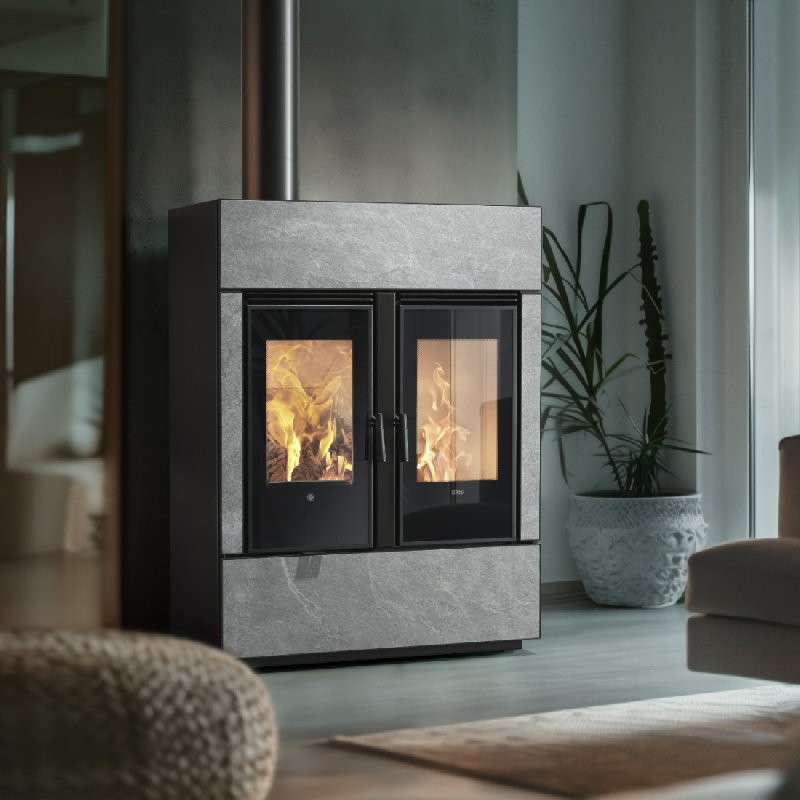
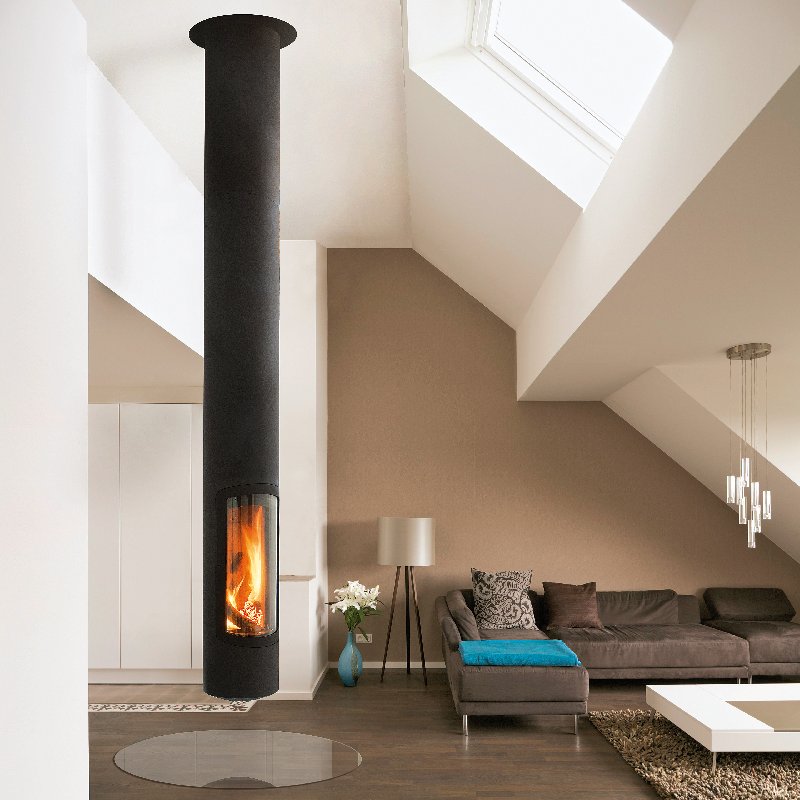
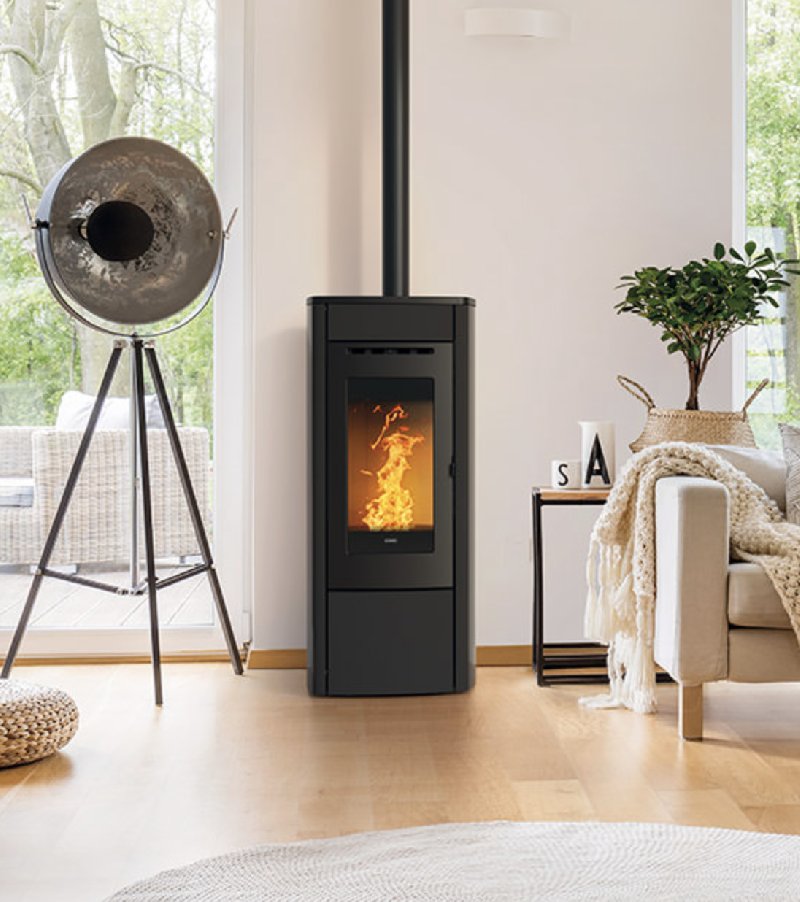
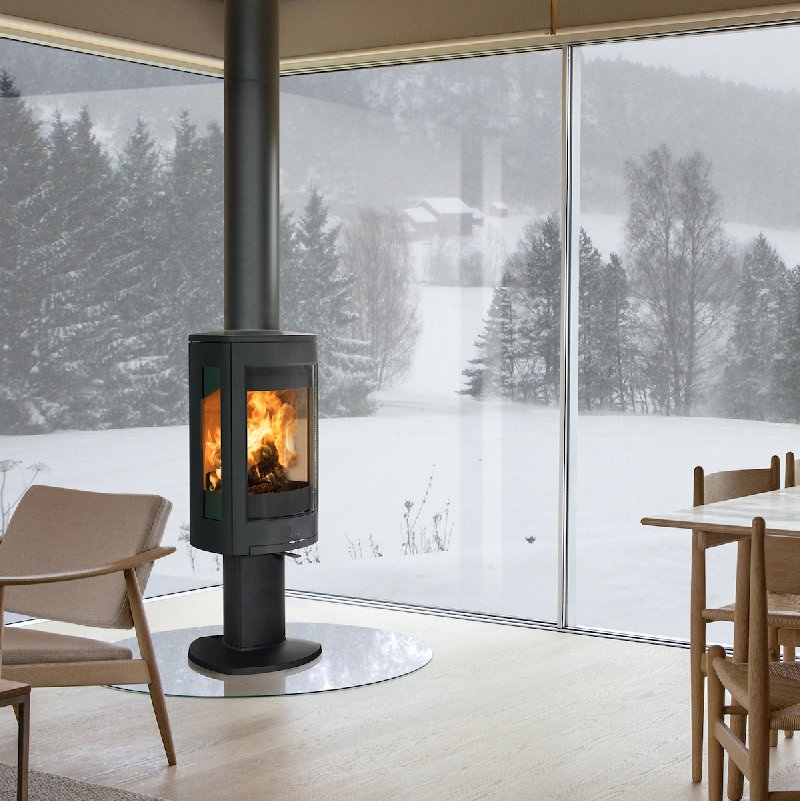
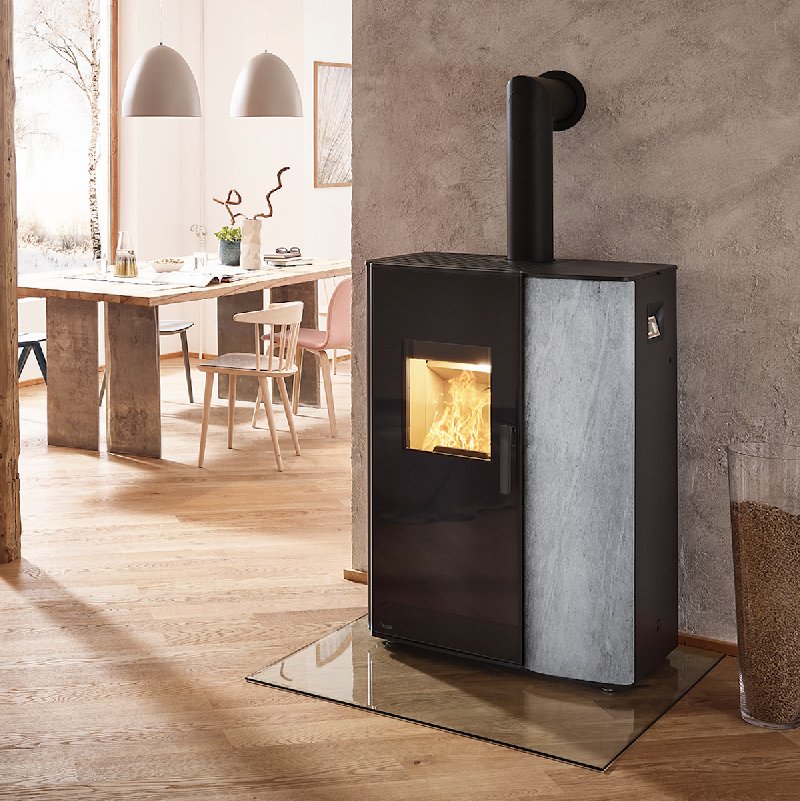
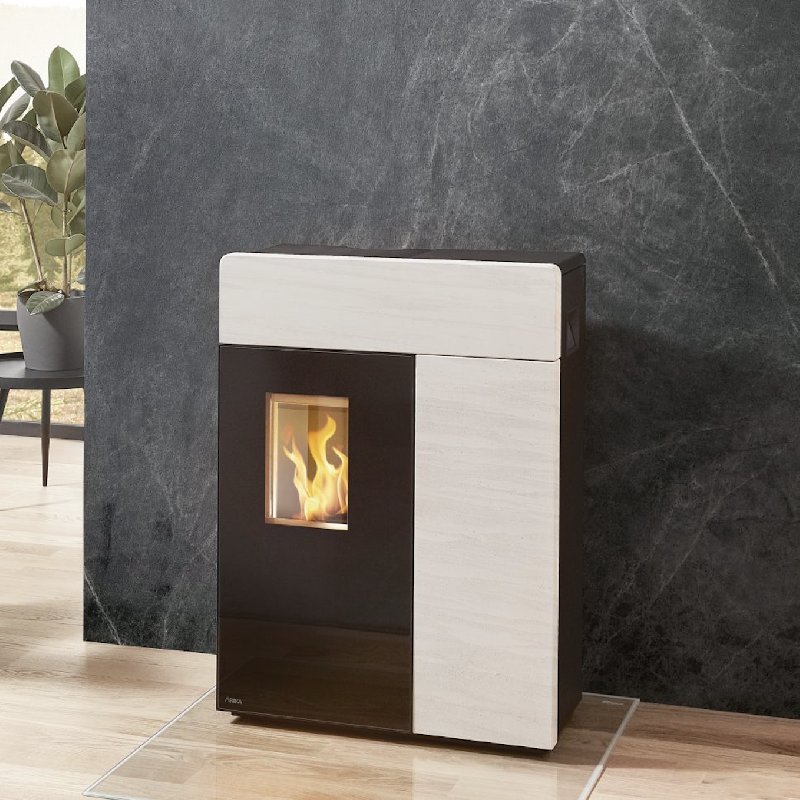
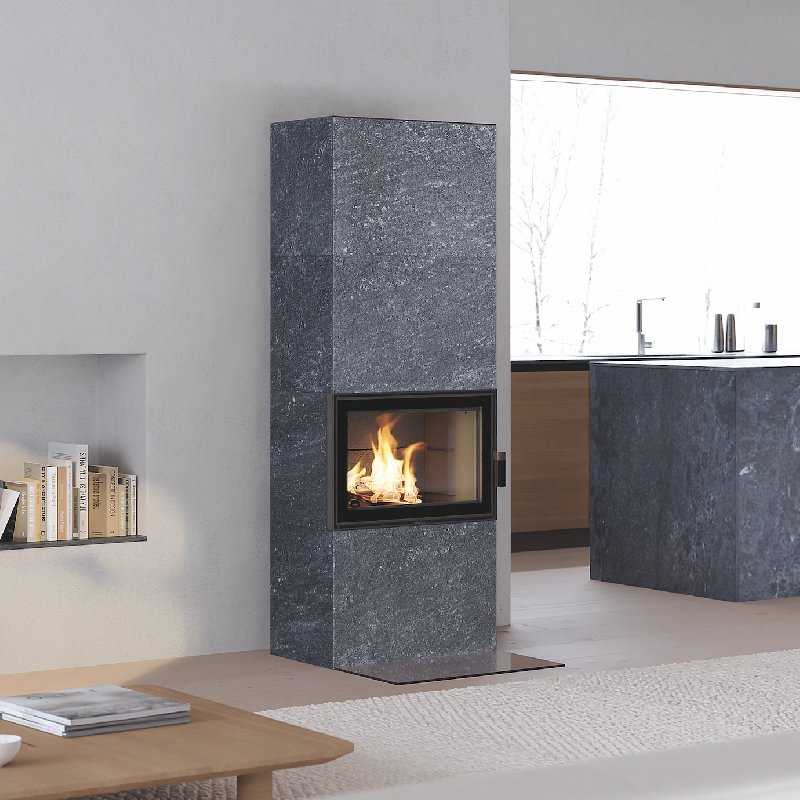
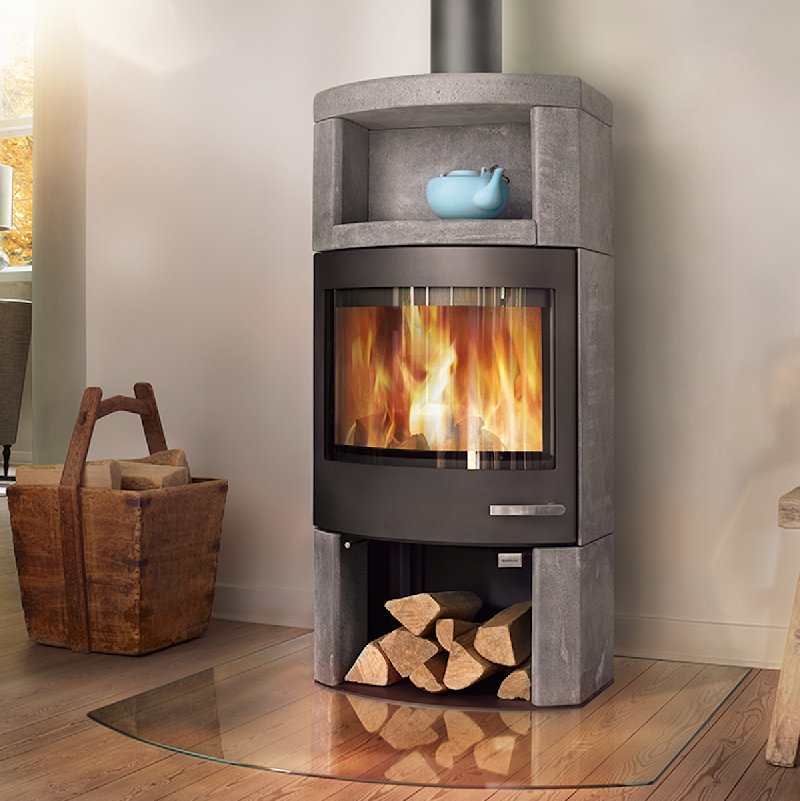
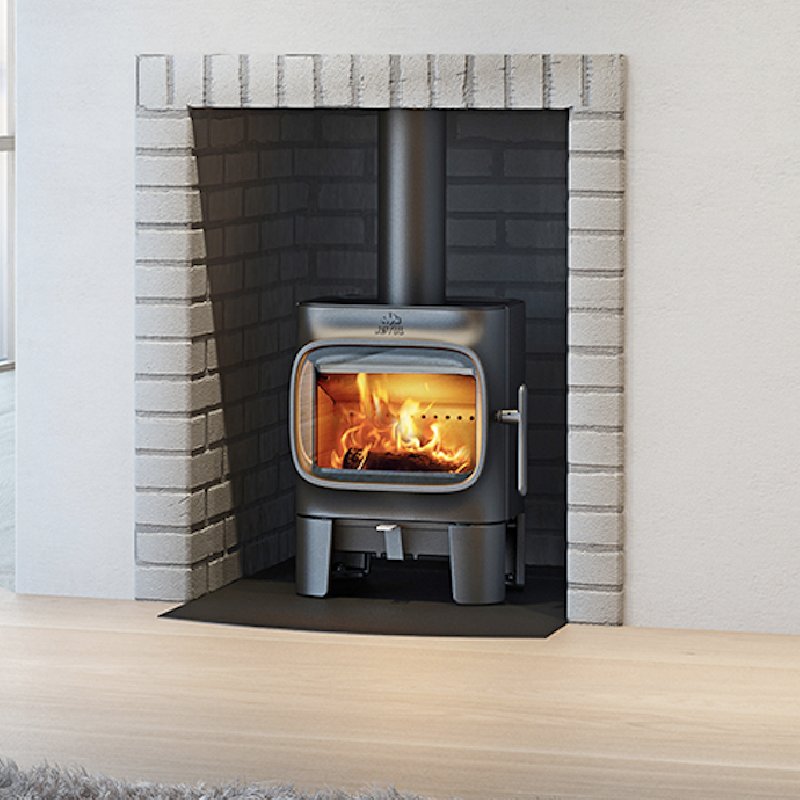
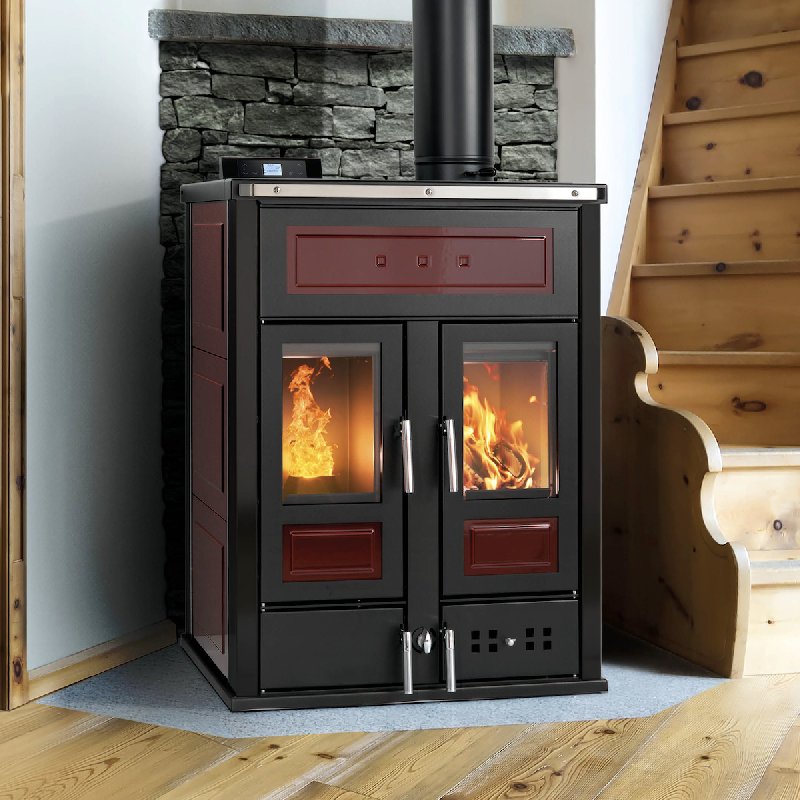
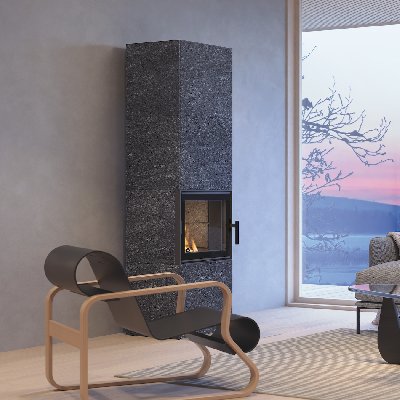
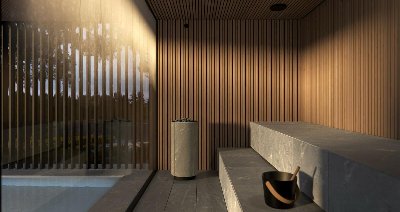
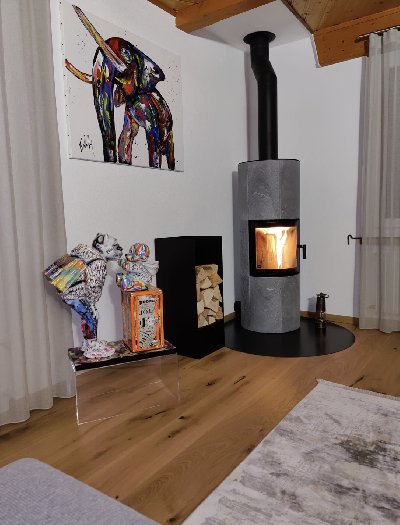
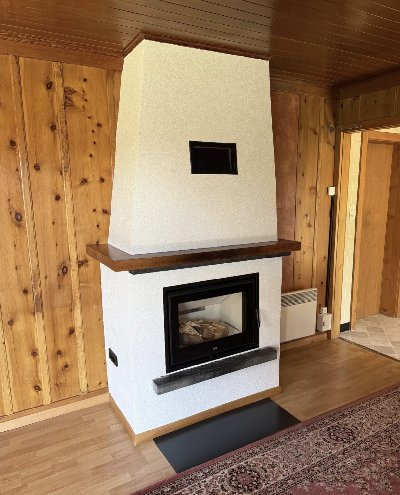
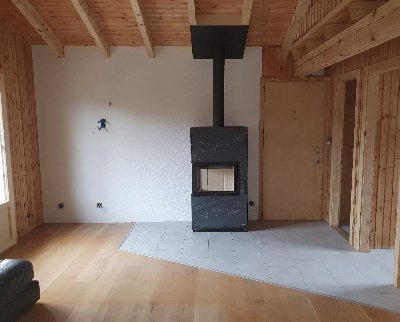
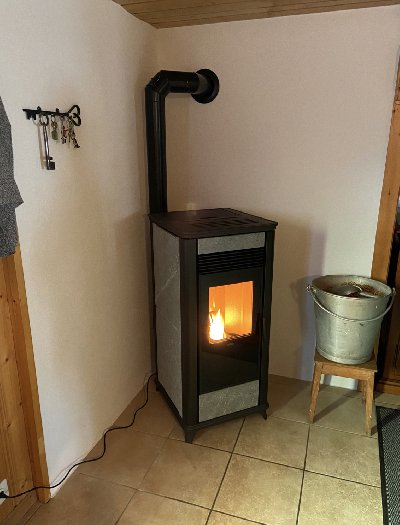
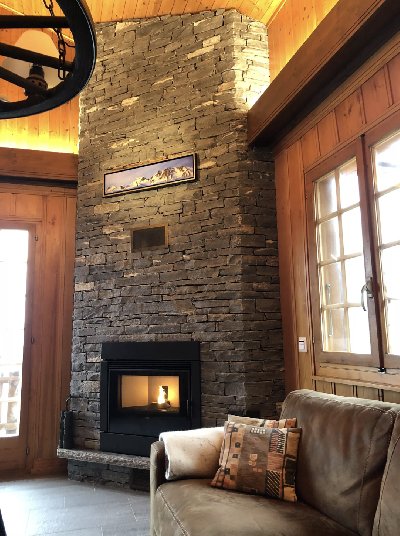
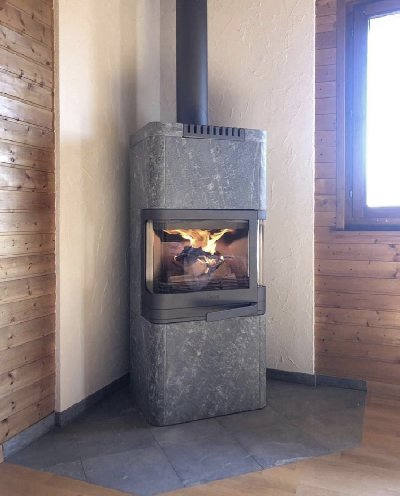
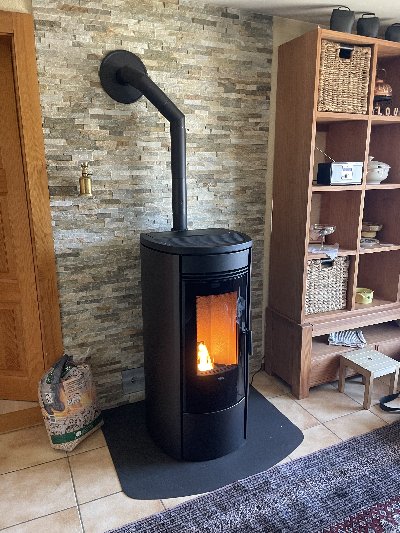
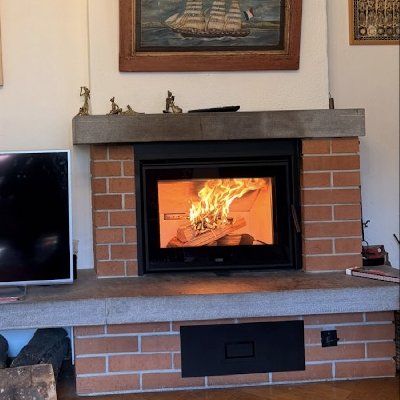
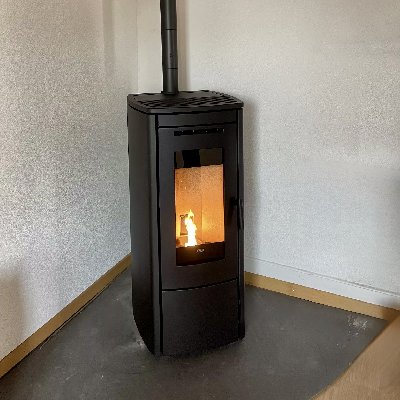
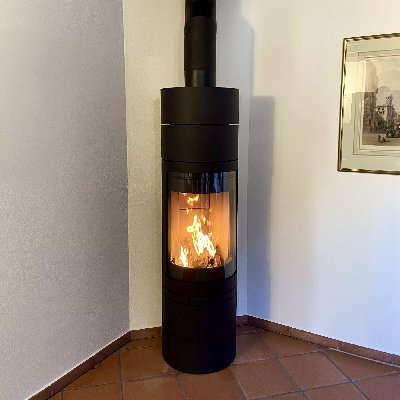
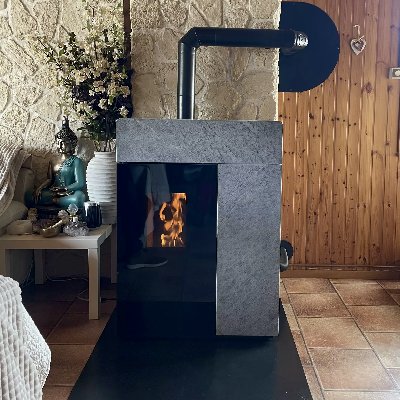
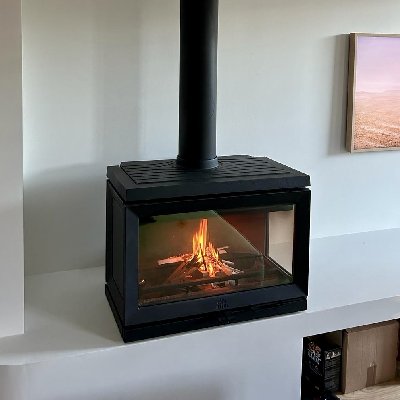
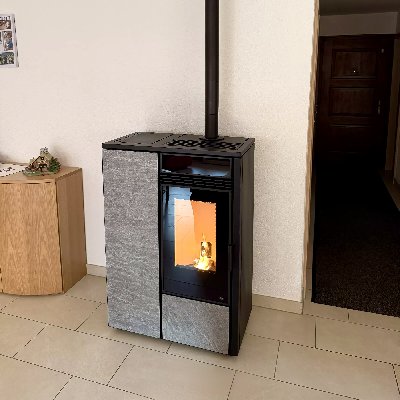
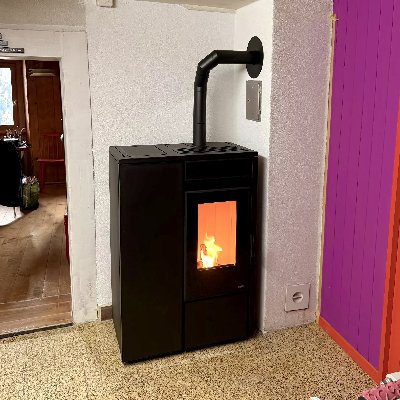



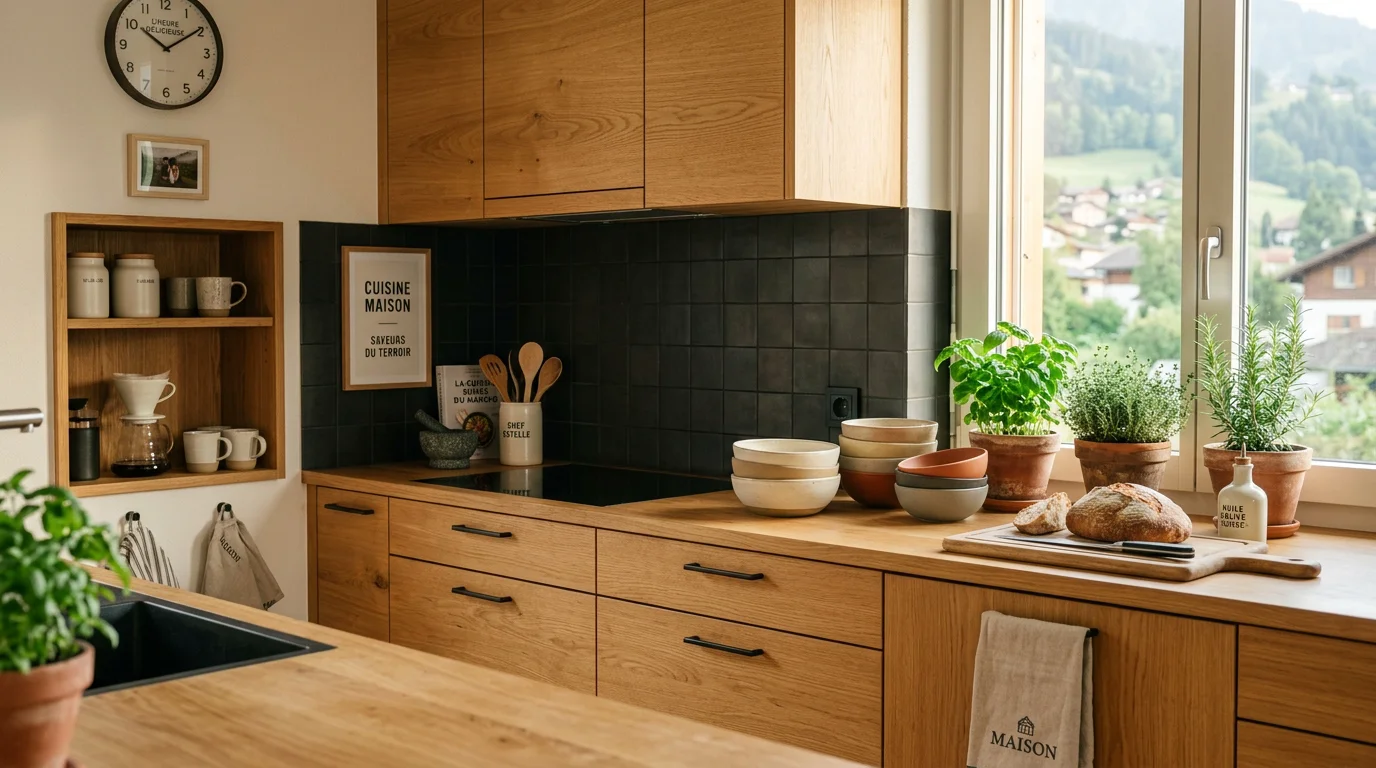
A kitchen without a touch of wood often feels cold. This time-honored material is making a comeback, and wood in the kitchen is being reinvented, moving away from the rustic image of the past. To extend this warm atmosphere into the relaxation area, some households pair their wood-paneled cabinet fronts with our wood-paneled stove, creating a sense of aesthetic continuity.
Wood is appealing because it’s comforting and ages well. According to a 2026 report, solid wood remains a strong trend because it fulfills a desire for beautiful, warm, and durable interiors. In a kitchen that’s sometimes very sleek or very white, it adds texture and character. The question remains: which wood species to choose, where to install them, and how to maintain them over the long term.
Why Wood Is Still So Popular in Kitchens
When you type “wood kitchen” into a search engine, what you’re really looking for is warmth, authenticity, and durability. Wood is humanity’s oldest building material, and its place at the heart of the home remains undeniable. It creates a soft, welcoming atmosphere—ideal for a living space where we cook, entertain, and share.
This desire for natural materials dominates interior design. According to a 2026 analysis, trends are shifting toward multifunctional spaces that combine comfort, sustainability, and aesthetics. Solid wood—especially oak—is prized for its natural, warm feel.
Wood isn’t dependent on trendy colors. Its appeal lies in its inherent qualities: strength, warmth, and the ability to age and evolve. It is this adaptability that explains its longevity, even as the solid wood sideboards of yesteryear have lost ground to sleeker, more contemporary designs.
Solid wood or wood-look finish: which should you choose?
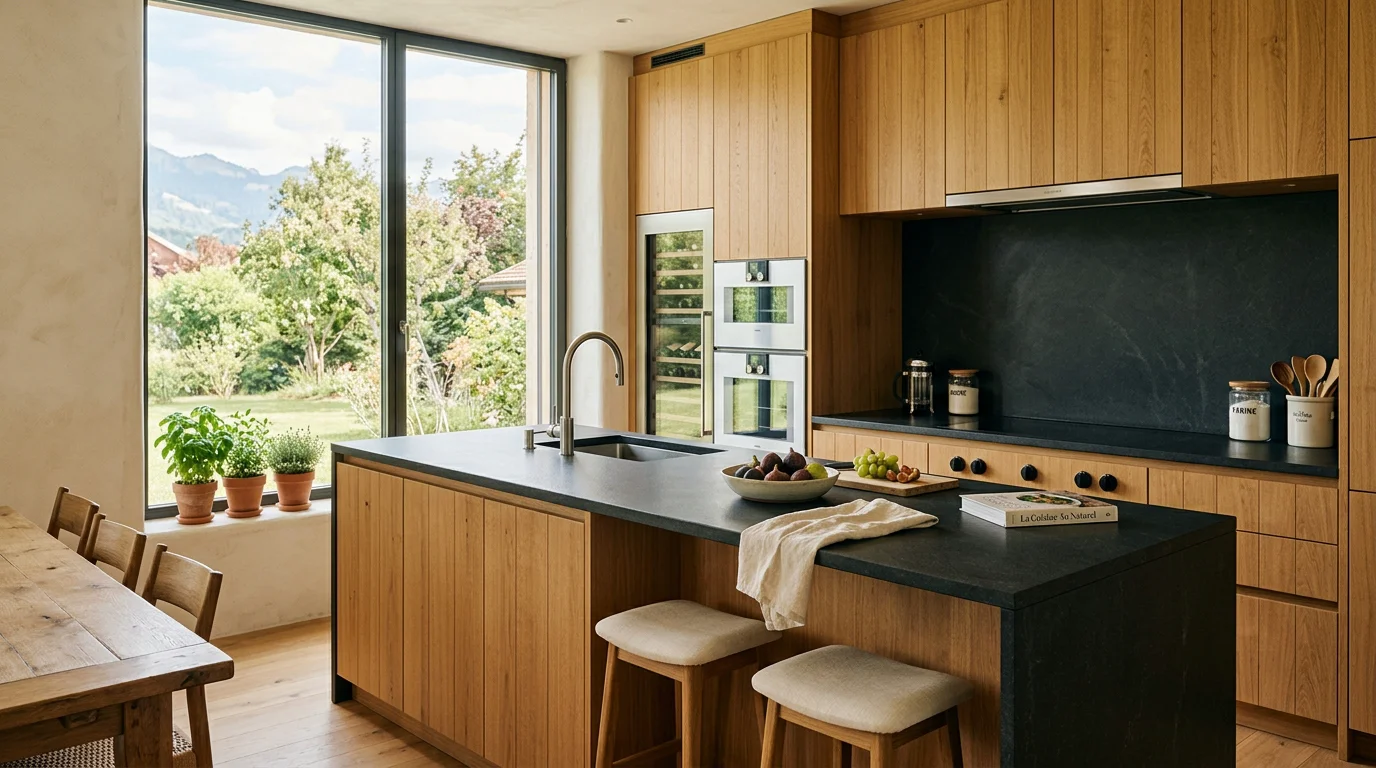
There are two main categories to choose from. Solid wood is a living, natural material that must contain at least 5 millimeters of real wood. It develops a patina over time and can be sanded and repaired as the years go by. On the other hand, it remains sensitive to moisture, acids, and scratches, and it is more expensive.
Wood-look finishes (melamine, laminate, or veneer) offer a practical and economical alternative. These consist of a thin layer of real wood or a wood-grain pattern applied to a particleboard panel. Veneer is dimensionally stable, making it particularly well-suited for cabinet fronts, but it cannot be sanded. This choice has a significant impact on a kitchen’s overall budget.
| Criterion | Solid wood | Veneer / wood-effect finish |
|---|---|---|
| Appearance | Natural, unique, real grain | Even, faithful imitation |
| Repair | Can be sanded and oiled | Cannot be sanded |
| Sensitivity to moisture | Fairly high | Low (stable facades) |
| Budget | High | Manageable |
| Lifespan | Very long, transferable | Good, less repairable |
Wood Species Suitable for Daily Use
Not all wood species are created equal in the kitchen. Fine-grained hardwoods hold up better to heavy use, especially for countertops. Oak, beech, and maple are among the safest bets. Oak, robust and timeless, stands out as the benchmark in contemporary designs.
Aesthetically, light woods like birch, ash, or maple brighten up the space and bring an ideal sense of freshness to Scandinavian kitchens. Conversely, dark woods like walnut or stained oak offer depth and elegance, while better concealing small marks and scratches on heavily used surfaces.
The choice of wood species isn’t just a matter of taste: it determines durability, maintenance requirements, and how the wood will age over time. Consulting a professional helps avoid costly mistakes, especially when wood is placed near a heat source.
Where to Incorporate Wood in Your Kitchen
Wood can be used on several elements. The most visible are cabinet fronts and countertops, along with the backsplash and flooring. You can opt for a cohesive look or, more subtly, for small accents that add warmth to a minimalist design.
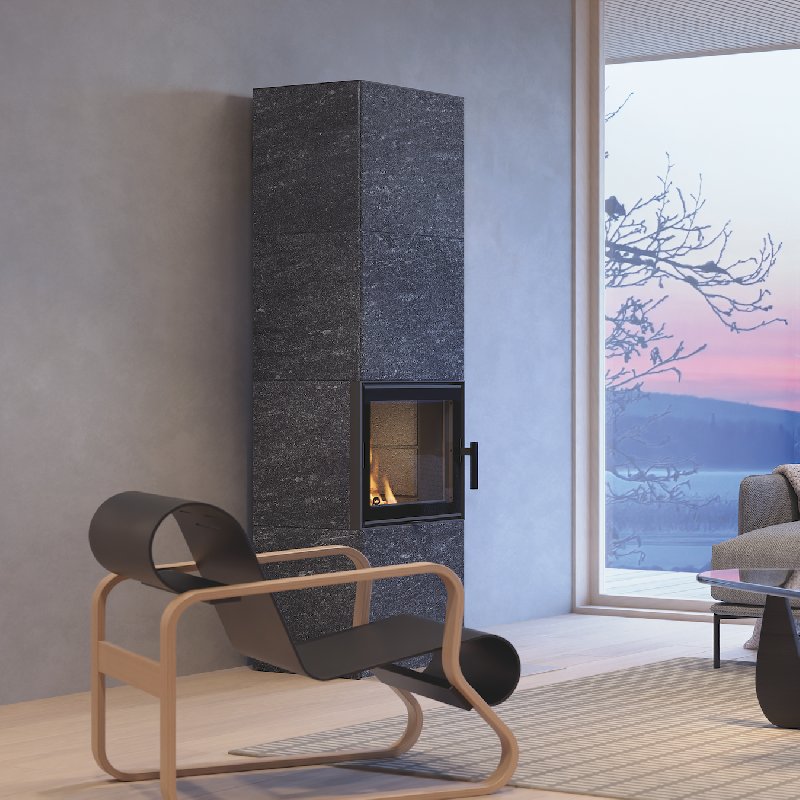
Wood reveals its full beauty through contrast. Paired with cool, reflective materials like stainless steel, glass, or tile, it appears more modern and contemporary. Dark surfaces like granite also create an elegant contrast, which is highly sought after in today’s open-concept kitchens.
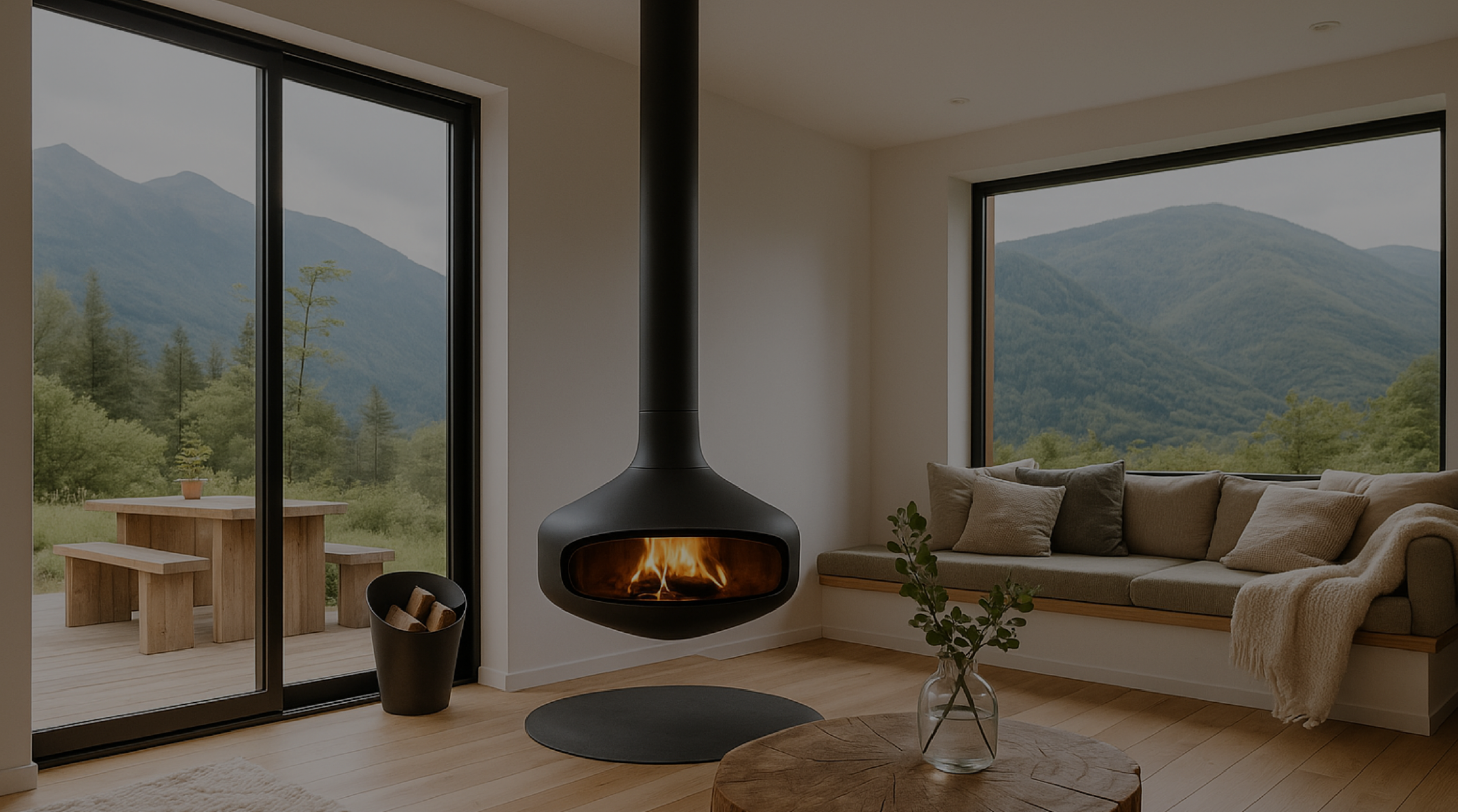
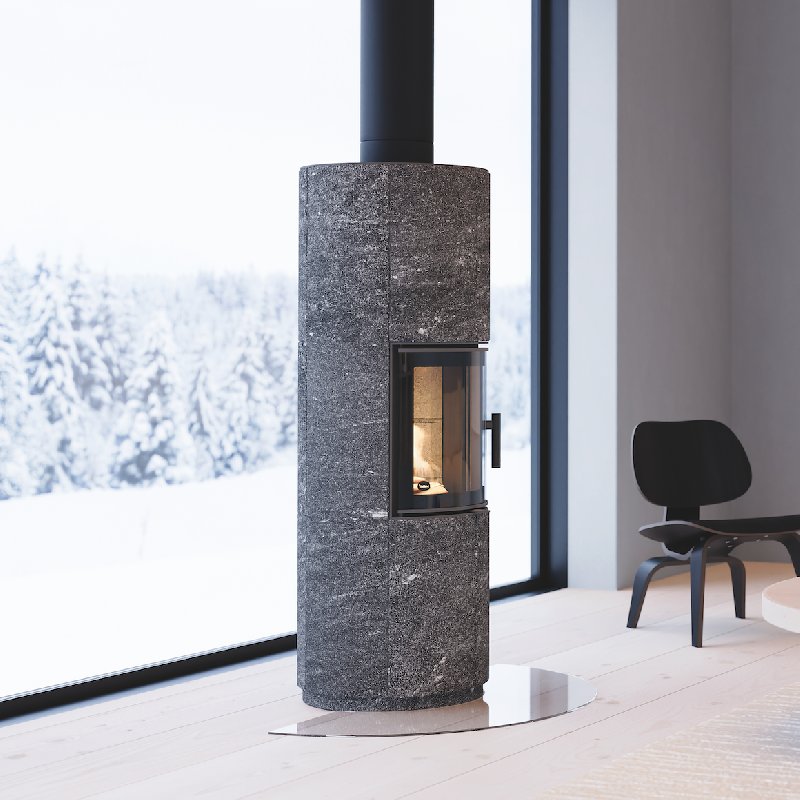
In a kitchen that opens onto the living room, wood also complements the supplemental heating system. A wood-burning stove that we install naturally extends the warmth of this material and unifies the living space.
Caring for Wood to Ensure Longevity
Wood requires simple but regular maintenance. For cabinet fronts, a quick wipe with a soft cloth is enough to prevent dirt buildup. For stubborn stains, a mild solution of dish soap and warm water works wonders. Avoid harsh chemicals and abrasive products, which can damage the surface.
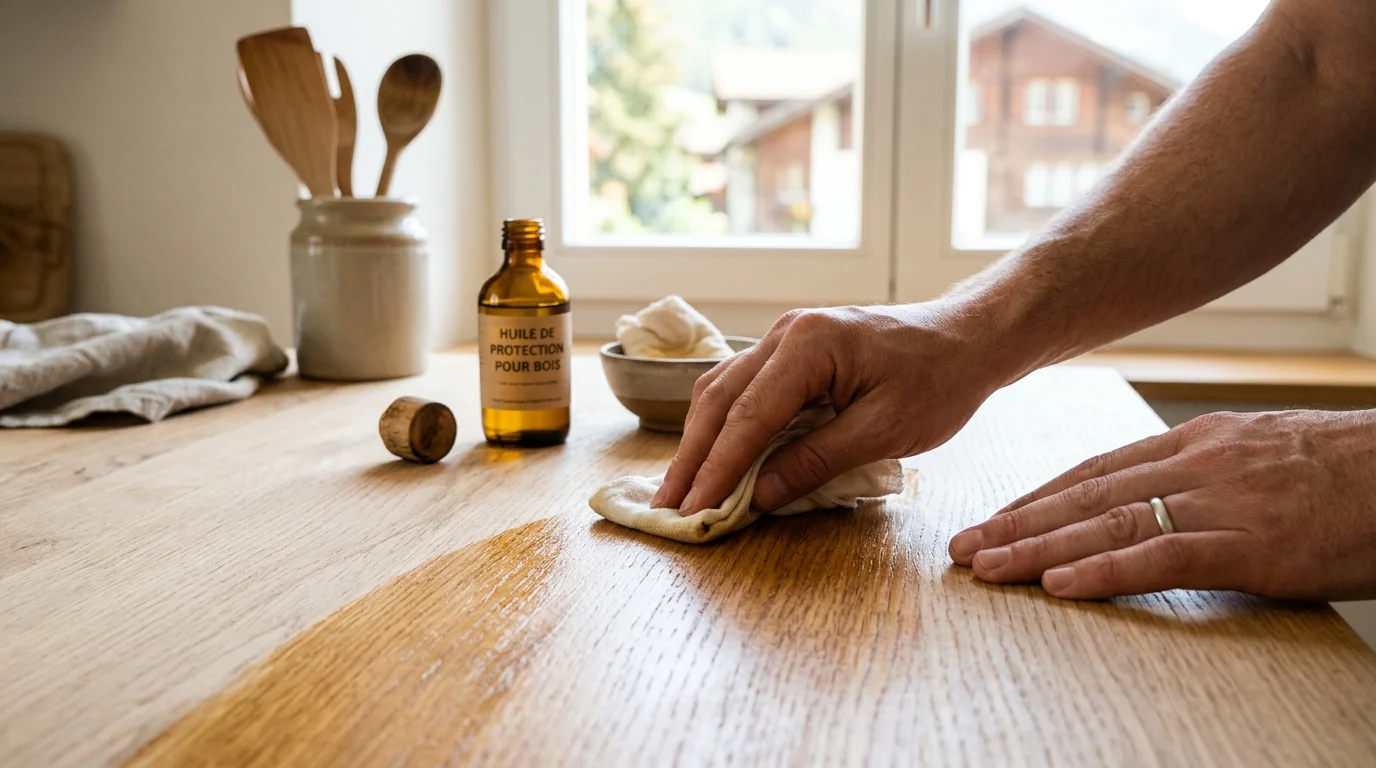
For a solid wood countertop, regularly applying a protective oil is essential: it prevents the absorption of moisture, stains, and grease. Wood also reacts to UV rays, darkening or taking on a grayish hue over time. Oils or varnishes with UV protection limit this patina indoors, which is generally undesirable.
The major advantage of solid wood remains its reparability: scratches can be sanded down and then retreated with a protective coat. This “repair rather than replace” philosophy appeals to a Swiss clientele that is increasingly mindful of the sustainability of their purchases.
Wood Trends and Market in 2026
Wood is by no means a passing fad. According to an industry study, the global market for kitchen furniture and cabinets is estimated at $20.93 billion in 2026, with an expected annual growth rate of 4.7% through 2035. Engineered wood dominates this market, accounting for 57% of production volume thanks to its durability and low-maintenance properties.
In terms of style, natural tones are leading the way. The color palettes for 2026 blend terracotta, sage green, petrol blue, and burgundy—shades that add warmth and depth to wood. Three combinations recur frequently: the sleek black-and-wood kitchen, the Scandinavian-inspired white-and-light-wood kitchen, and the industrial-style stainless steel-and-wood kitchen.
Wood also pairs well with the resurgence of raw materials: stone, linen, rattan, ceramic, and mineral plasters complement it perfectly. This quest for authenticity extends beyond furniture to architecture, particularly wooden structures and interiors, which are prized in Switzerland for their natural look.
Wood at the Heart of the Fire: When the Kitchen Meets the Stove
In an open-concept kitchen, wood isn’t just decorative—it can also be a source of heat. A wood-burning stove installed as an extension of the kitchen creates a true hub of conviviality, while harmonizing with the wooden cabinet fronts and countertops.
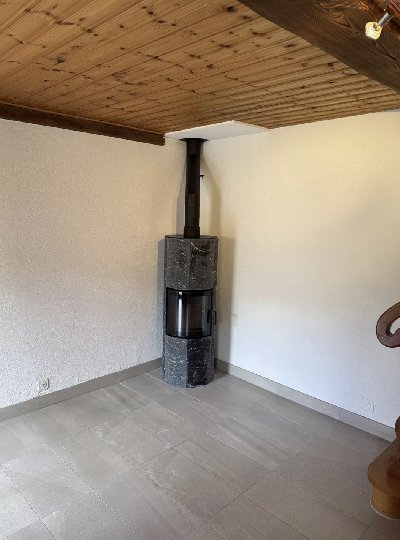
However, this type of project requires technical expertise. The draft, adherence to safety distances, and the chimney connection we install for a wood-burning stove are critical to the safety and efficiency of the system. An on-site visit allows us to anticipate these requirements before any work begins.
We assist homeowners in French-speaking Switzerland—from Fully to Etoy—in designing these spaces where wood both structures and warms the environment. From assessing needs to coordinating with other trades, every step is aimed at ensuring a clean and well-managed construction site.
This expertise in domestic fireplaces naturally complements our approach to kitchen materials. Wood finds its true purpose here: a material we touch, maintain, and sometimes burn to keep warm.
Conclusion
Choosing wood for the kitchen means opting for warmth, authenticity, and durability. Whether solid or veneered, light or dark, it adapts to all styles as long as two rules are followed: select a hardwood with fine pores for high-traffic surfaces, and maintain it regularly with a protective oil. It’s worth noting that in 2026, engineered wood will still account for 57% of kitchen furniture production volume—proof that this material remains indispensable. When the kitchen opens onto the living room, incorporating a wood-burning stove extends this atmosphere—provided you entrust the installation to teams that protect your home and coordinate every step of the process. To bring your project to life with complete peace of mind, explore our range of wood-burning stoves.
Frequently Asked Questions
What type of wood should you choose for a kitchen countertop?
Opt for a fine-grained hardwood such as oak, beech, or maple. These woods are more resistant to daily wear and tear. Apply a protective oil regularly to minimize moisture absorption and prevent stains.
Is solid wood difficult to maintain in the kitchen?
No, maintenance is simple: just wipe it down with a soft cloth daily and apply a protective oil periodically. Its biggest advantage is that it’s repairable—a scratch can be sanded down and refinished, unlike veneer.
Can a wood-burning stove be incorporated into an open-concept kitchen?
Yes, a wood-burning stove fits perfectly into an open-concept kitchen and enhances the warm atmosphere. However, installation requires a code-compliant connection and adherence to safety distances. We offer a free on-site visit to assess the feasibility of your project.