

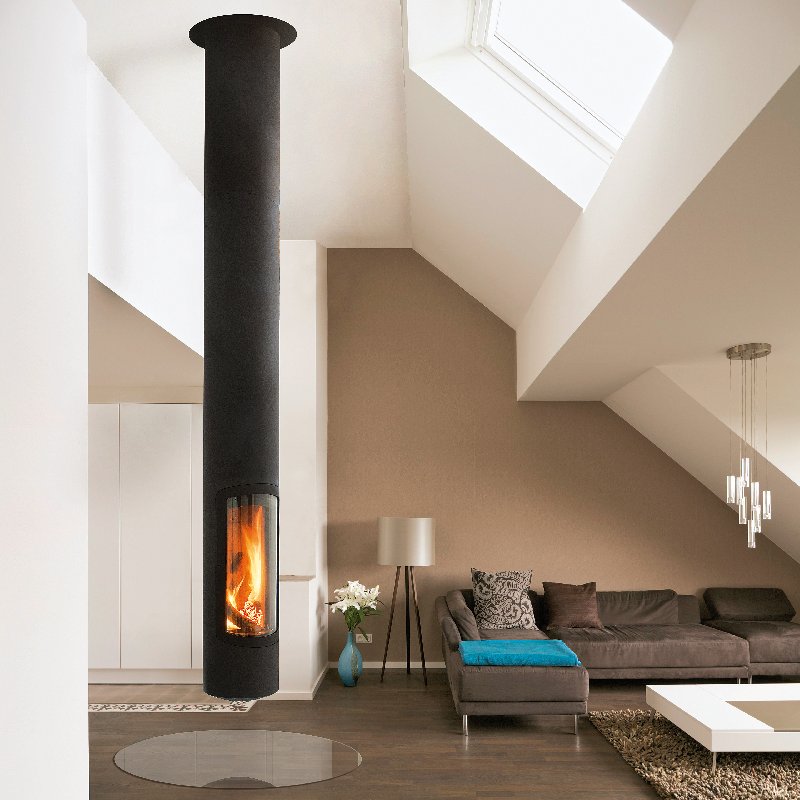
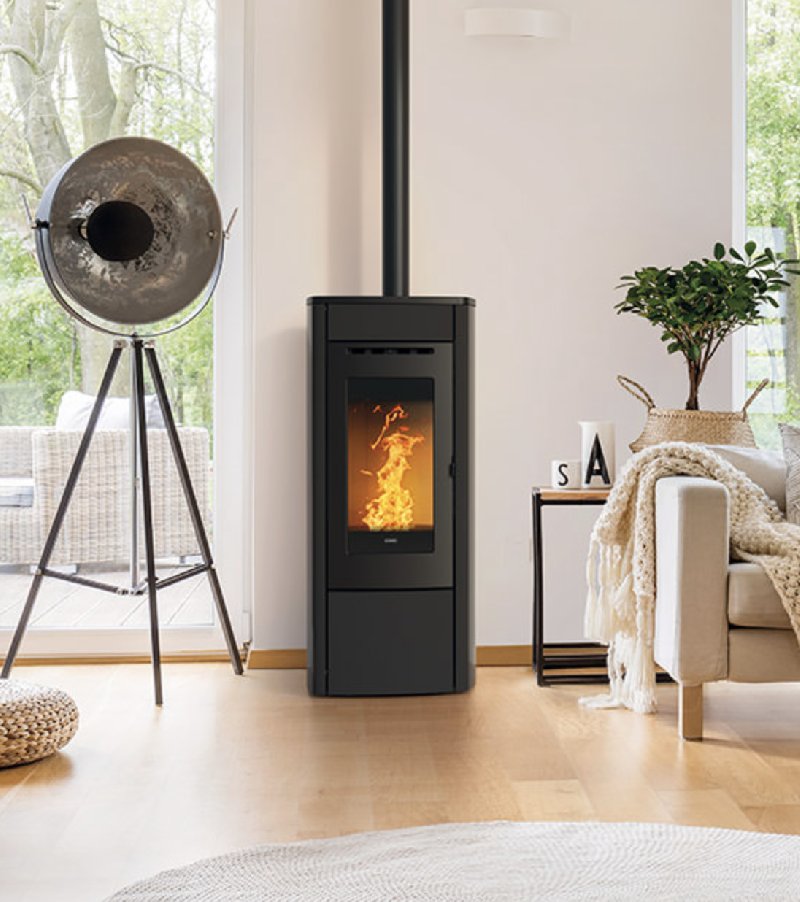
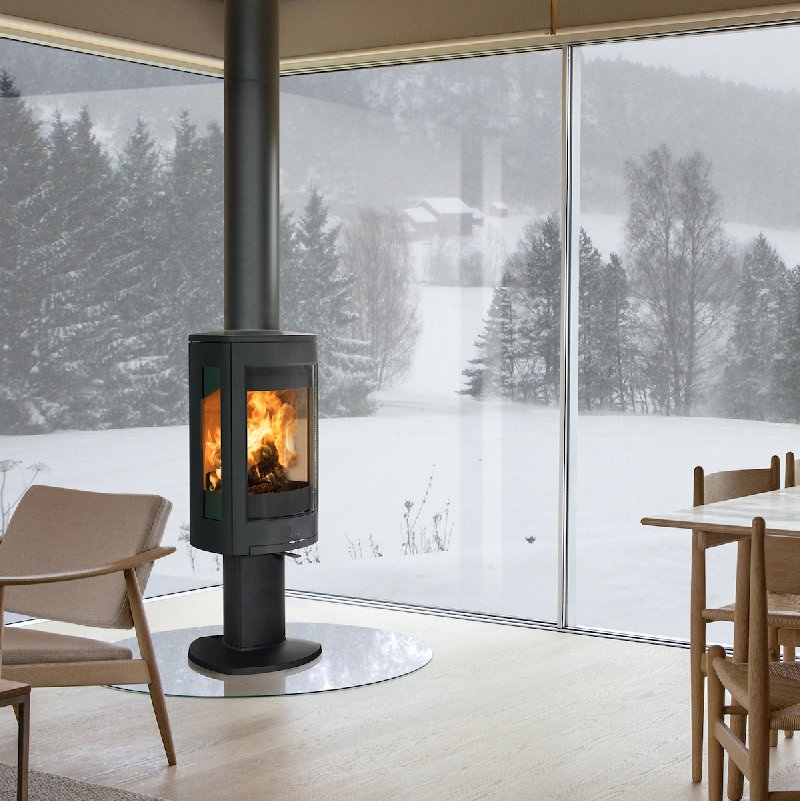
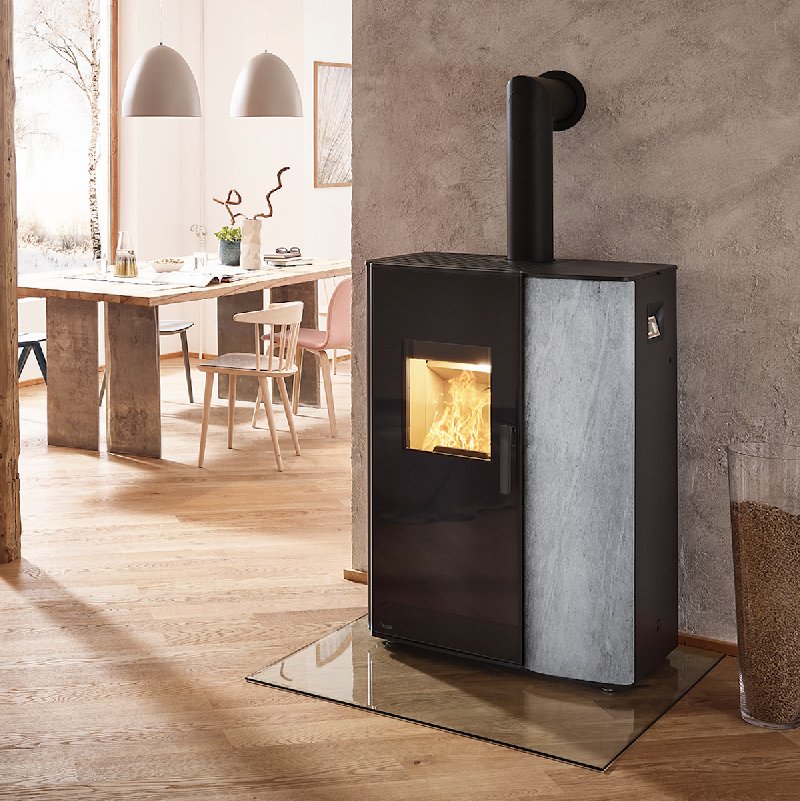
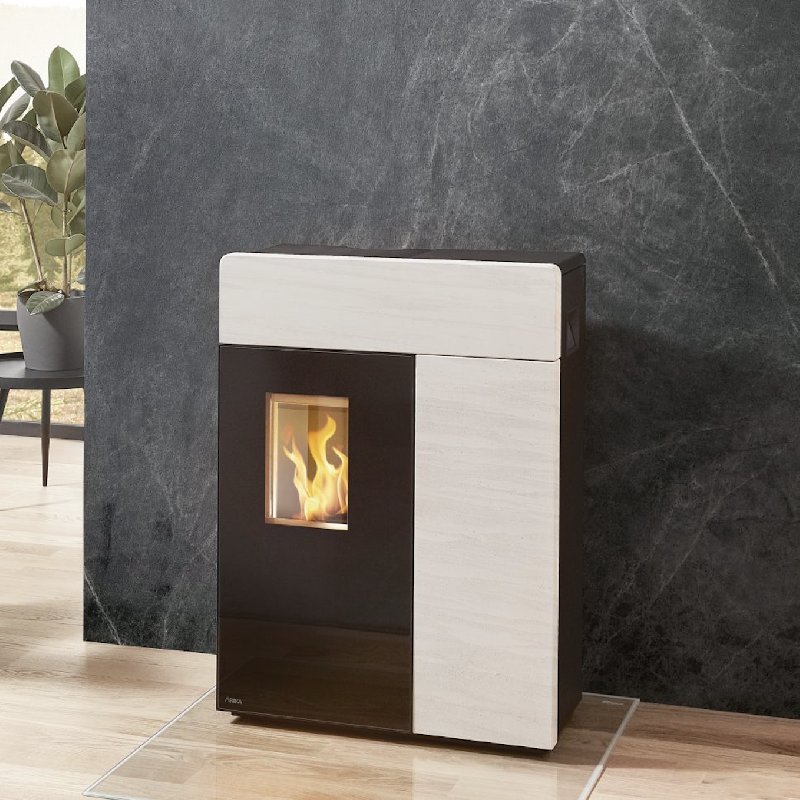
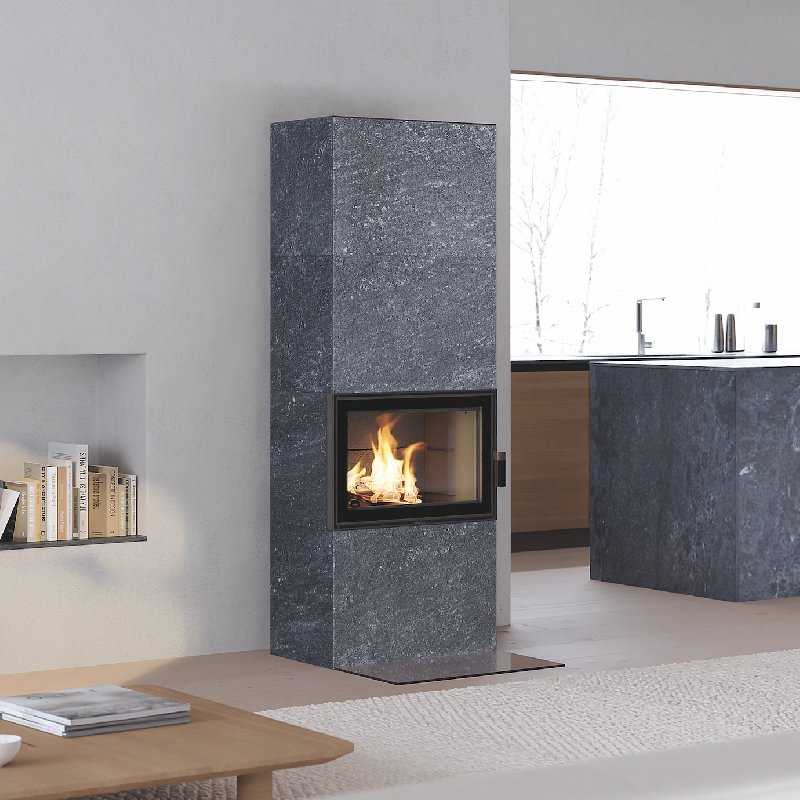
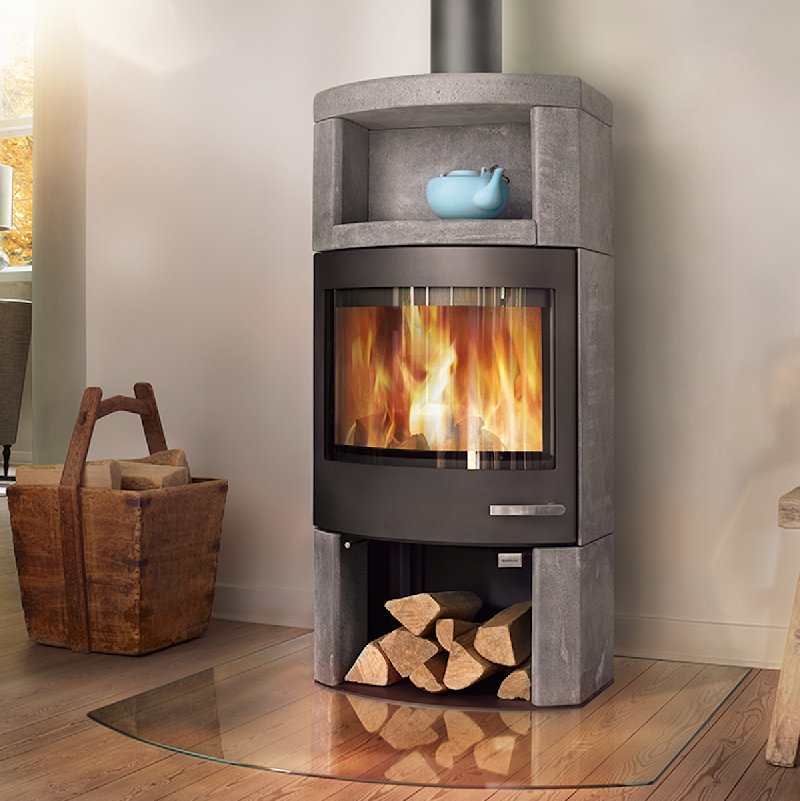
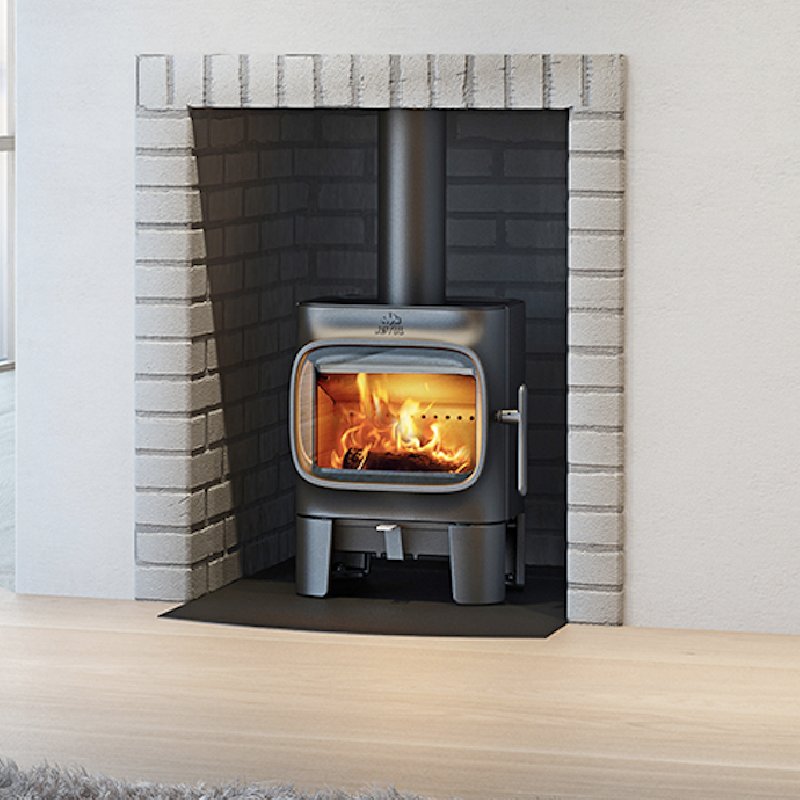
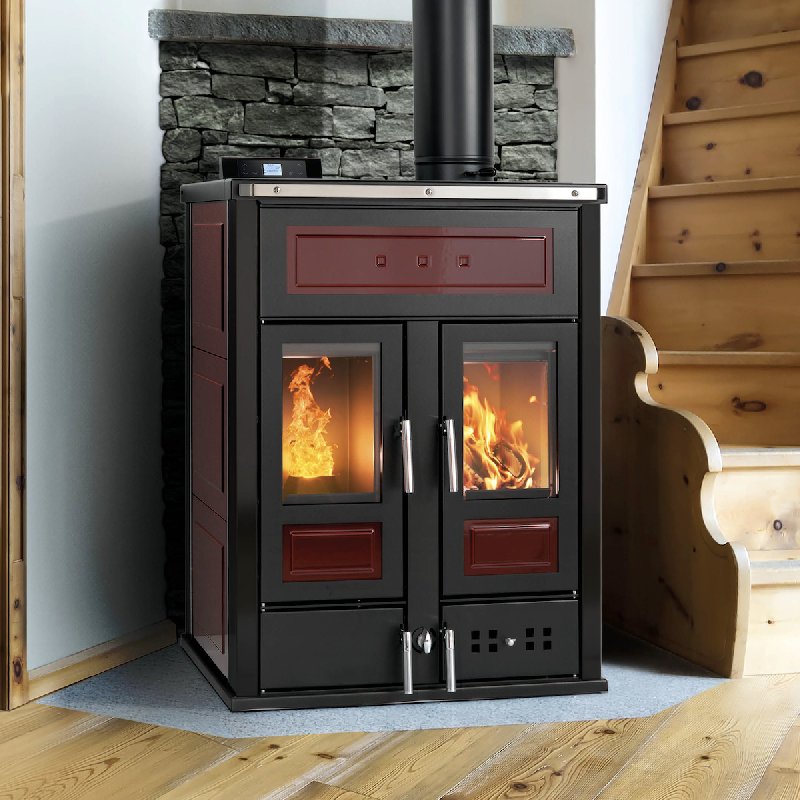
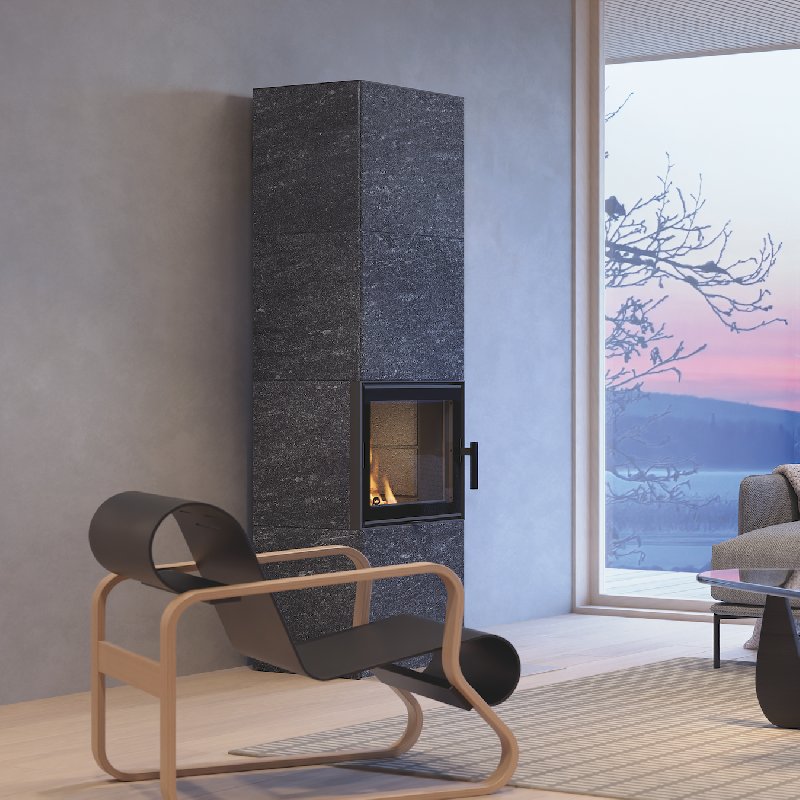
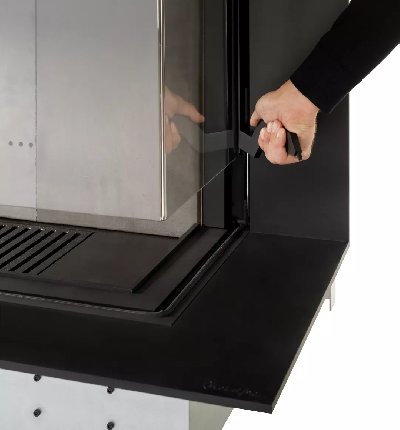
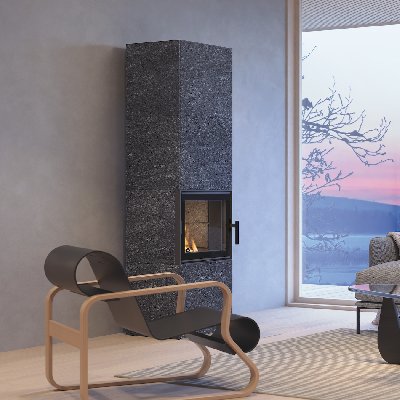
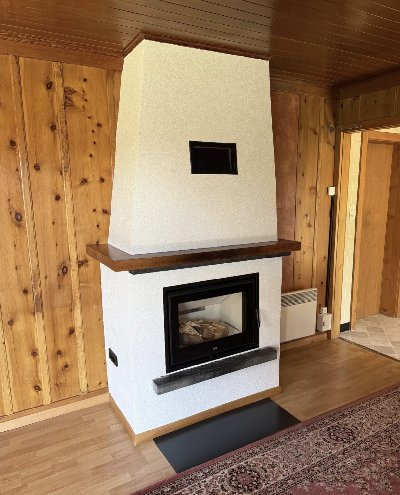
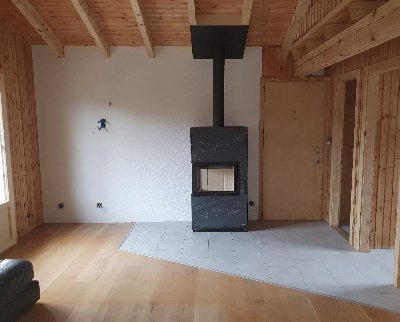
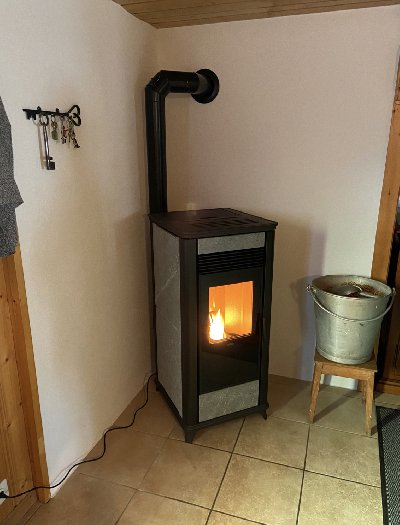
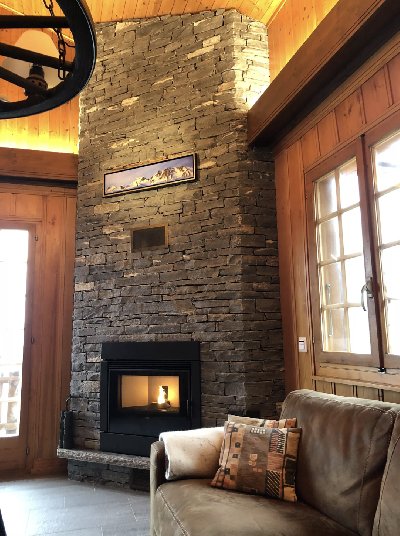
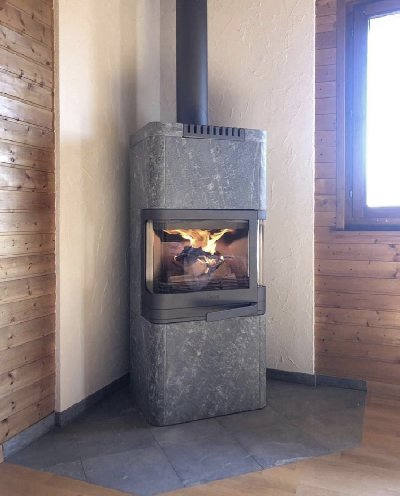
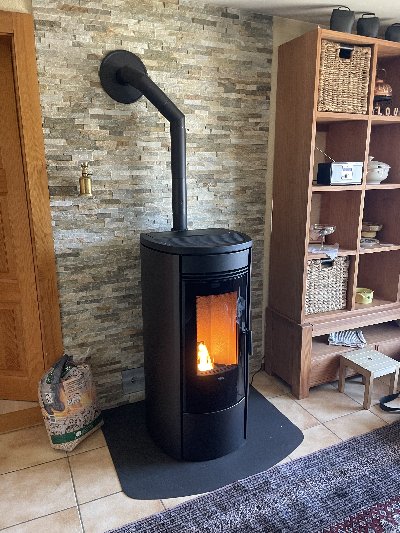
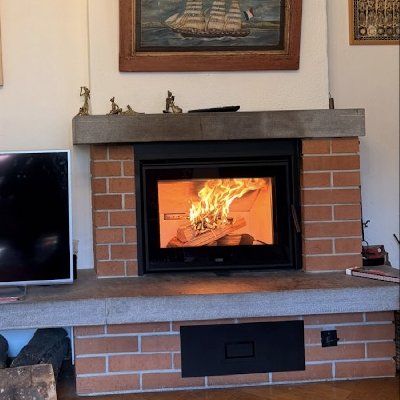
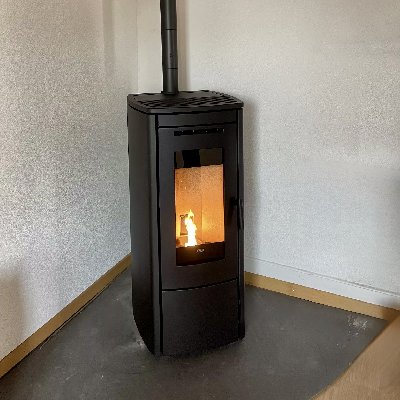
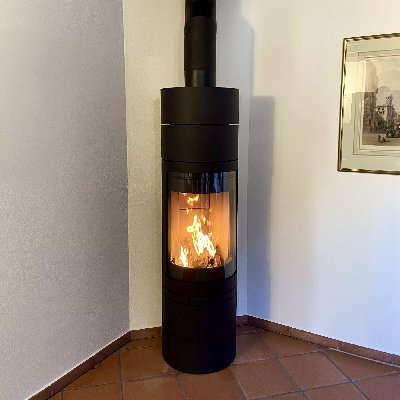
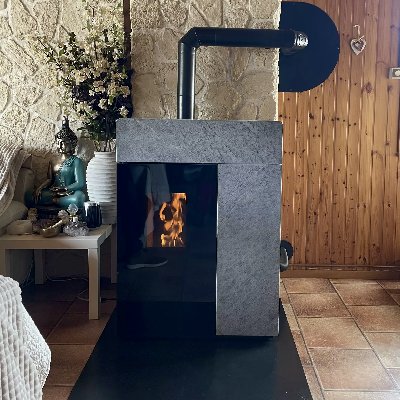
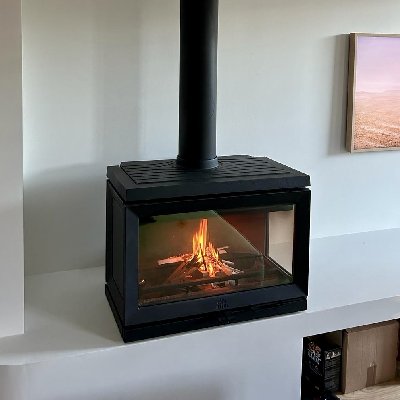
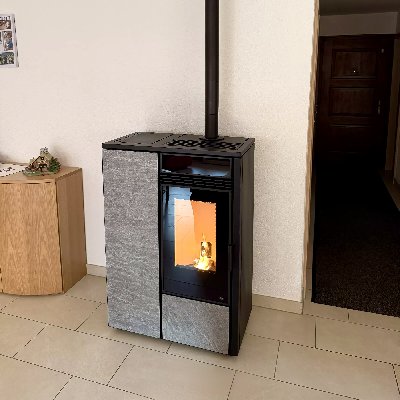
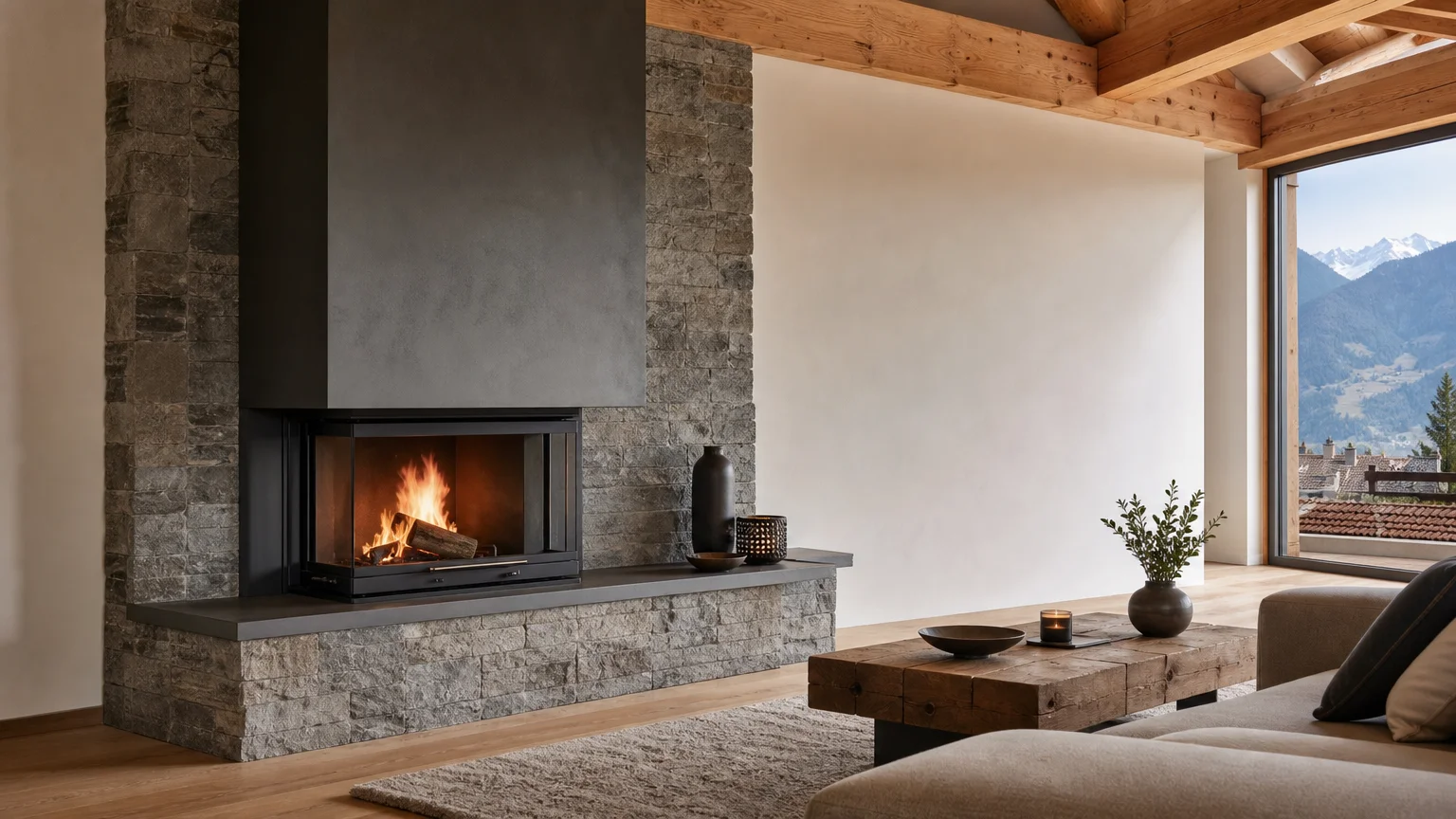
A fireplace can be aesthetically pleasing and efficient yet still non-compliant. Before choosing a unit or a fireplace surround, it is therefore essential to inspect the building, the flue, the surrounding materials, and local requirements. To help you plan, see our fireplace guide.
Regulations governing residential fireplaces in Valais operate on several levels. Swiss fire safety regulations establish the technical framework, while the canton oversees inspections and chimney sweeping, among other things. The municipality may also be involved if the project alters the roof, facade, or structure of the building.
What legal framework applies in Valais in 2026?
Imagine a renovation project in a Valais home equipped with an old fireplace. The project must be evaluated from several angles, as no single rule is sufficient to determine its compliance.
- VKF regulations govern fire safety, appliances, flues, and clearances from combustible materials.
- Cantonal legislation governs the maintenance, cleaning, and inspection of systems that handle fire or smoke.
- Municipal regulations may address building permits, exterior appearance, protected areas, or the creation of a roof vent.
- The manufacturer’s instructions supplement the documentation with installation clearances, connection specifications, and operating conditions.
The page dedicated to chimneys on the Canton of Valais website compiles the main guidelines and regulations regarding chimney heights and the discharge of emissions. It serves as a useful starting point but does not replace a technical analysis of a specific project.
What VKF requirements apply to the fireplace and its surround?
An open hearth, an insert, or a custom-built fireplace do not present the same risks. Radiant heat, flue gas temperature, the type of cladding, and the proximity to a wooden beam directly influence the measures that must be taken.
Safety distances must be determined based on the technical documentation for the appliance, the flue system, and the materials present. It is therefore risky to automatically apply a distance found online to all fireplaces. The manufacturer’s instructions and applicable approval documents must take precedence.
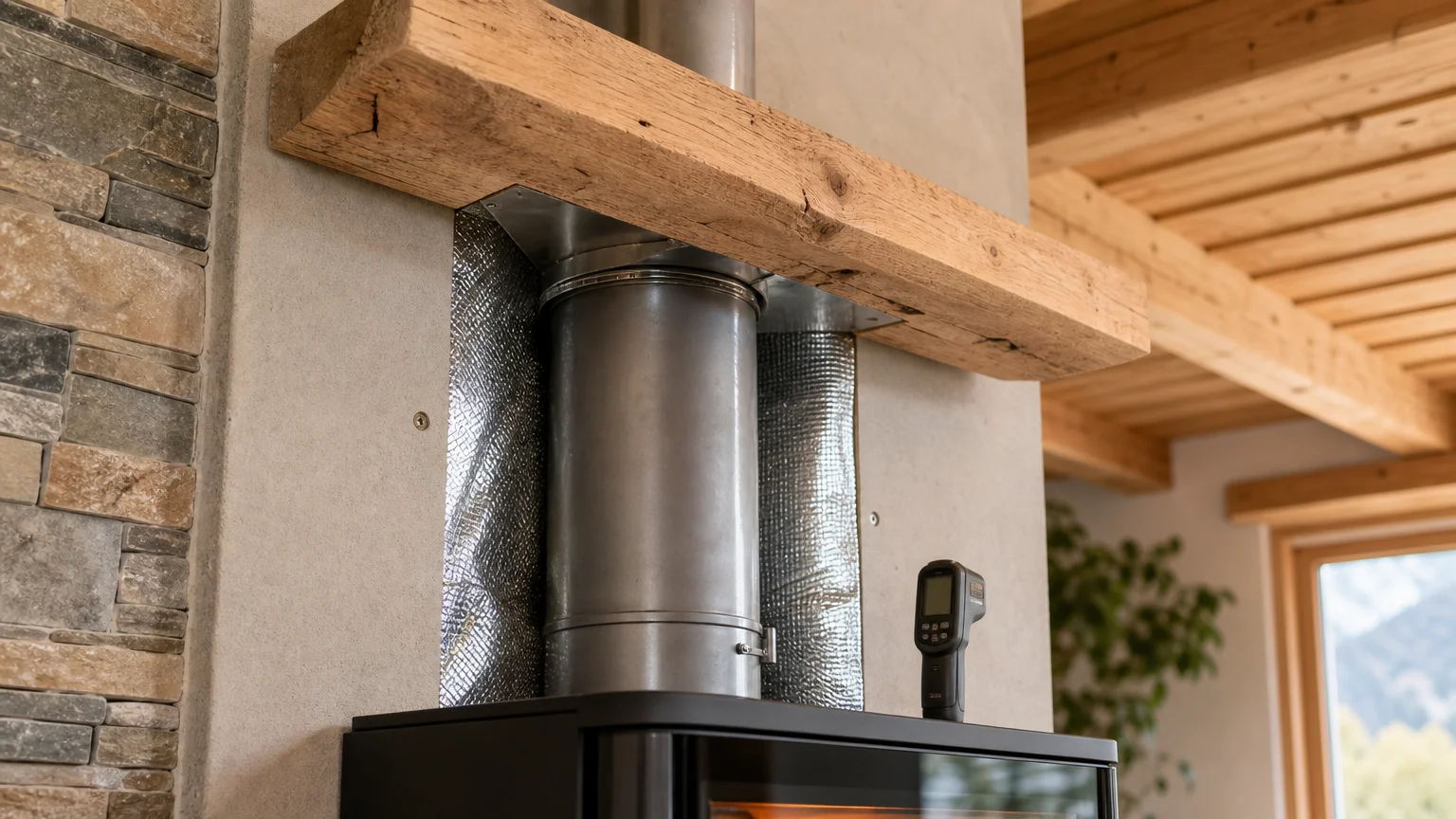
Walls, ceilings, floors, built-in furniture, and exposed beams must be assessed separately. Appropriate protection can sometimes be provided, but it must be constructed with the right materials, properly secured, and, when necessary, include a ventilated air gap. The AEAI guideline on fireplaces specifies the fire protection principles associated with these installations.
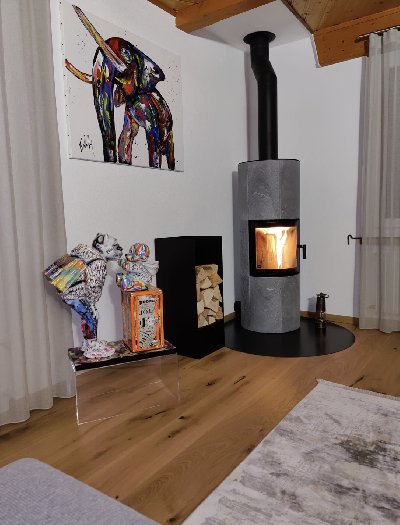
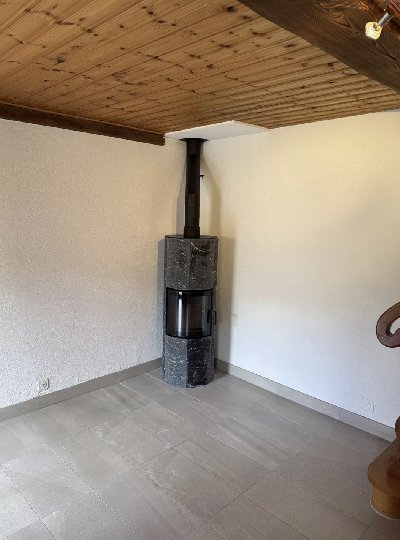
In a Valais chalet, a decorative beam near the fireplace can become the critical issue in the inspection. An inspection may result in a request for additional insulation, a modification to the cladding, or a new location before the fireplace can be put back into service.
How do you inspect the flue and the chimney height?
When an existing flue must be reused, the issue is not limited to its diameter. It is also necessary to check its airtightness, heat resistance, compatibility with the fuel, internal condition, and connection to the new appliance.
The flue must be suitable for its intended use. A wood-burning appliance, a pellet stove, and an open fireplace do not produce the same types of fumes. The sizing must also take into account the appliance’s output, draft, air intake, and the building’s configuration.
The height of the flue outlet above the roof depends on the roof’s shape, nearby obstacles, and the emissions to be vented. The recommendations inthe FOEN guide help determine the minimum height required to disperse emissions above the rooftops.
Insufficient air intake can cause poor draft, incomplete combustion, or smoke backflow. This is particularly important in newer homes that are highly airtight or equipped with mechanical ventilation.
What are the requirements regarding chimney sweeping and inspection?
A homeowner who uses a chimney must arrange for its maintenance before and during the heating season. In Valais, cleaning of fire- or smoke-exposed installations is mandatory and must be paid for by the homeowner.
The Valais ordinance on the maintenance, cleaning, and inspection of installations that handle fire or smoke governs the work performed by the official chimney sweeping service. The frequency of service depends on the category of the installation, its use, and the applicable regulations.
The chimney sweep also checks certain safety features. They may report a non-compliance or require that the system be taken out of service until the issue is corrected. The cantonal text available in the Valais legislative compendium serves as the reference for these requirements.
If the inspection report is unfavorable, avoid making any changes to the fireplace or flue yourself. Proper compliance begins with accurately identifying the defect, followed by defining a solution that complies with fire safety regulations and technical specifications.
Is a permit required before installing a new system?
The answer depends on the nature of the work. Replacing an existing appliance does not always require the same procedures as installing a flue, modifying a facade, or installing a roof vent.
Before you begin, check with your local municipality to see if a notice or building permit is required. This precaution is especially important for protected buildings, areas subject to special regulations, and condominiums.
In an apartment, you should also review the rights regarding common areas, the possibility of connecting to an existing flue, and ventilation requirements. A fireplace may be technically feasible but may require the approval of the condominium association or additional steps.
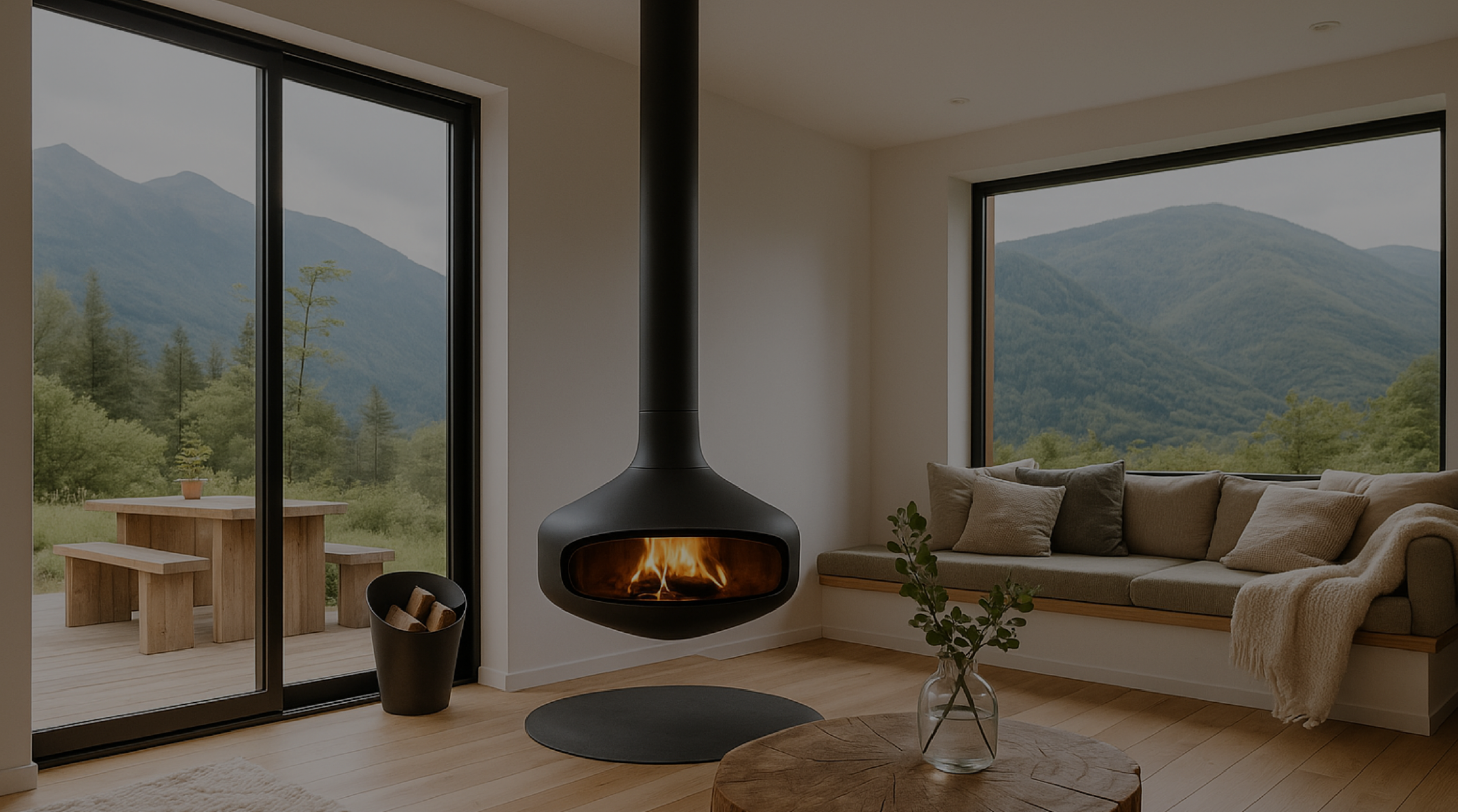
We can assess the technical conditions of your home and guide you toward a suitable solution. To compare styles while keeping project constraints in mind, check out our Focus contemporary fireplaces.
Are the rules the same for wood, pellets, and bioethanol?
No, the fuel type affects the flue, combustion, maintenance, and safety inspections. Wood- and pellet-burning fireplaces produce smoke that must be vented through a suitable system, whereas a bioethanol fireplace can operate without a flue in certain configurations.
This difference does not mean that bioethanol is exempt from all regulations. Clearances from combustible materials, the stability of the unit, room ventilation, and the manufacturer’s instructions remain essential.
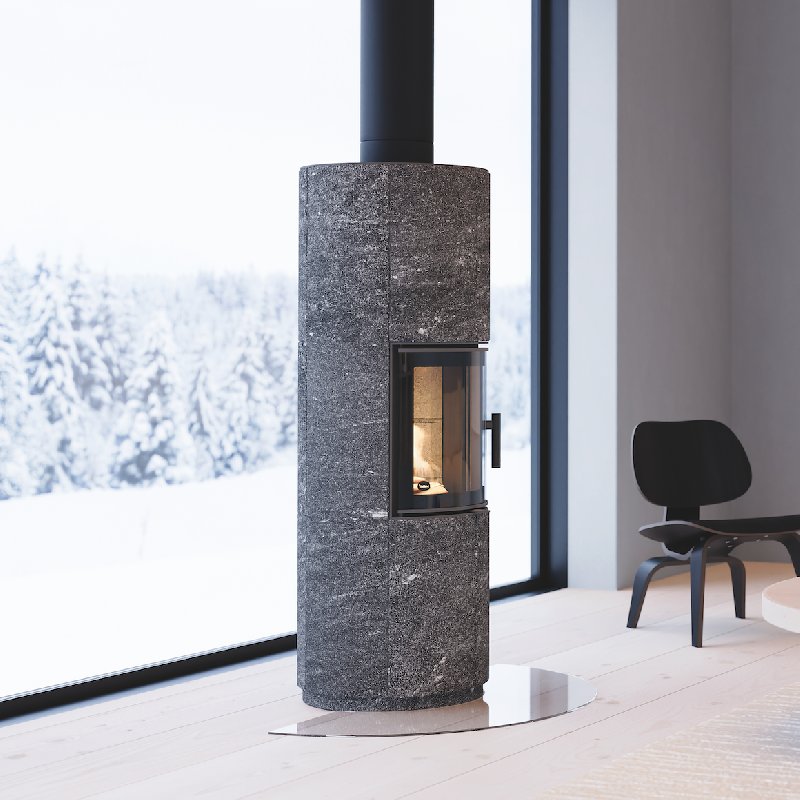
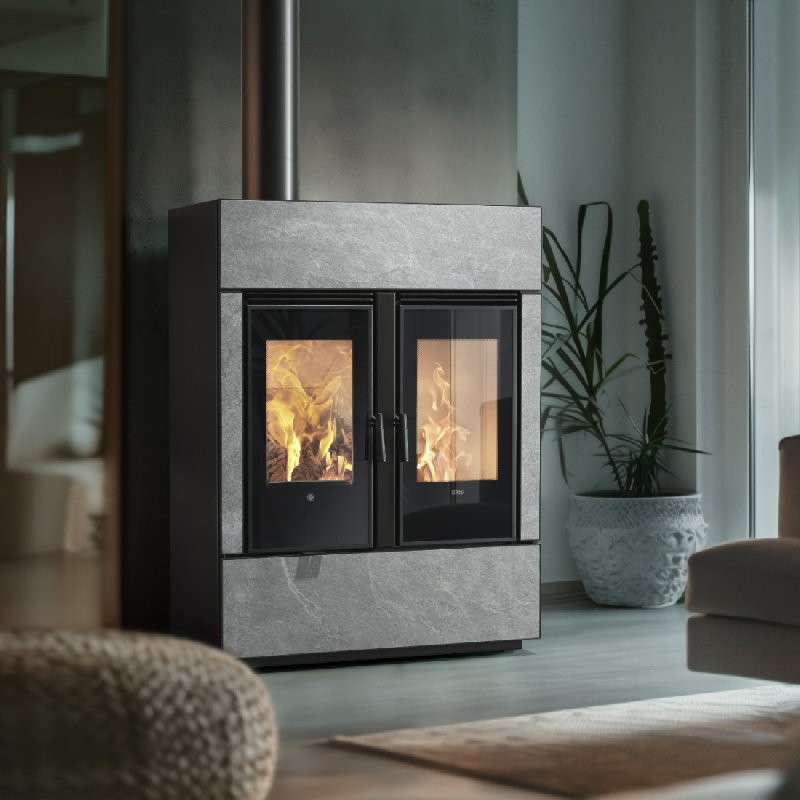
For a wood-burning project, the choice of fireplace must take into account storage, air intake, and maintenance. Our De Manincor wood-burning fireplaces can be incorporated into a comprehensive project, with a preliminary inspection of the home and the flue.
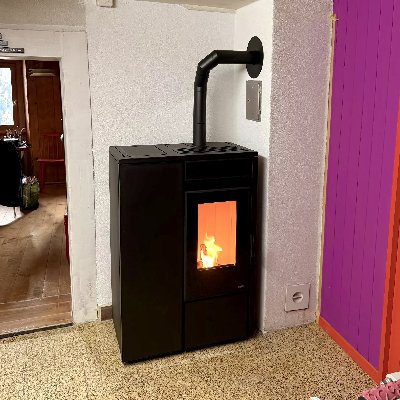
Pellets offer automated operation, but they also require a proper connection and regular maintenance. The right choice therefore depends on the building, the intended use, the available space, and the technical requirements of the selected model.
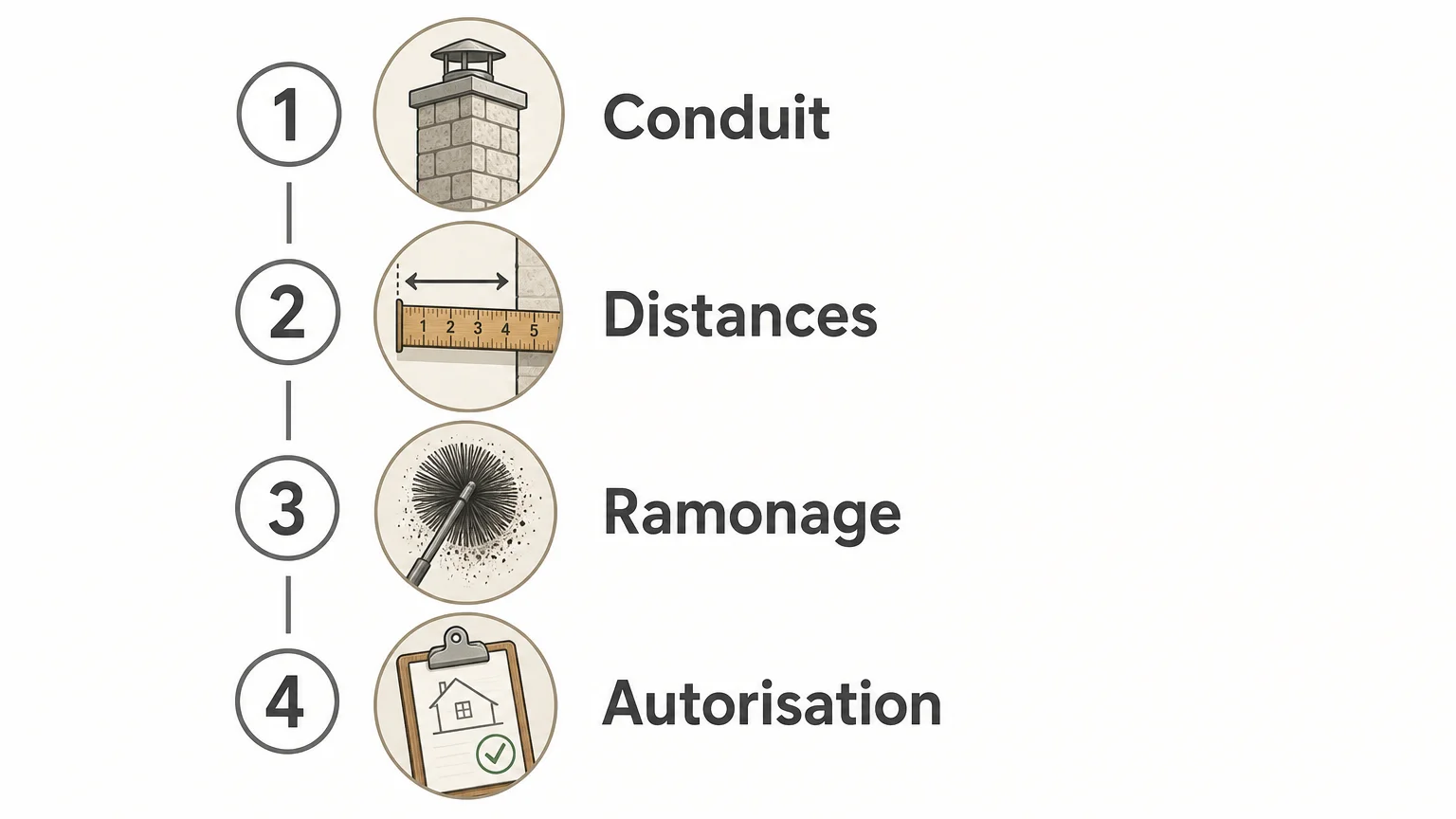
How can you ensure your fireplace project in Valais meets safety standards?
The most reliable approach is to ensure compliance before making your final choice of appliance. A feasibility study allows us to verify the location, the flue, nearby materials, the air intake, and the necessary procedures.
We can assist you throughout the process, from assessing your needs and selecting a model to preparing the necessary installation procedures and carrying out the installation. We also provide post-installation support for maintenance, repairs, and replacement parts.
You can also compare designs and layouts using our Focus designer fireplaces. However, aesthetic choices must still be guided by the building’s structural constraints, particularly when combustible materials are nearby.
Before signing a quote, request the appliance’s technical documentation, the flue specifications, the required clearance distances, and the planned inspection procedure. This preparation reduces the risk of additional work and facilitates communication with the local municipality and the chimney sweep.
Key Points to Remember Before Installation
Regulations for living room fireplaces in Valais combine VKF (AEAI) standards, cantonal rules, municipal requirements, and manufacturer’s instructions. Check the flue, safety distances, outlet height, air intake, and chimney sweeping schedule before putting the fireplace into service. If in doubt, conducting a preliminary technical assessment is the safest course of action.
Plan Your Fireplace Project
A successful installation begins with an analysis of the home and its constraints. The type of fuel, the available flue, nearby materials, and local requirements must be examined before selecting a model.
We’ll guide you through assessing your needs, selecting a suitable solution, installation, and the associated procedures. Ask for advice to explore our living room fireplaces and verify the feasibility of your project in Switzerland.
Frequently Asked Questions
Does a living room fireplace always need a flue?
Wood- and pellet-burning fireplaces generally require a suitable flue for smoke exhaustion. Some bioethanol fireplaces can operate without a flue, but safety and ventilation regulations still apply.
Who should verify the clearances from a wooden beam?
The distances must be determined based on the technical documentation for the appliance and the flue. A professional can assess the actual situation and recommend appropriate protection if necessary.
Is chimney sweeping mandatory in Valais?
Yes, cleaning of systems exposed to fire or smoke is mandatory. The owner is responsible for the costs and must follow the regulations applicable to their system.
Is it possible to install a system in an apartment?
It may be possible if the dwelling meets the necessary technical requirements, including a compliant flue and an appropriate air intake. You must also check the condominium rules and the procedures required by the municipality.
Can you assess the feasibility of a project?
Yes, we offer a free feasibility study to assess the residence, the flue, and any technical constraints. We can then advise you on the model, installation, and procedures related to the project.