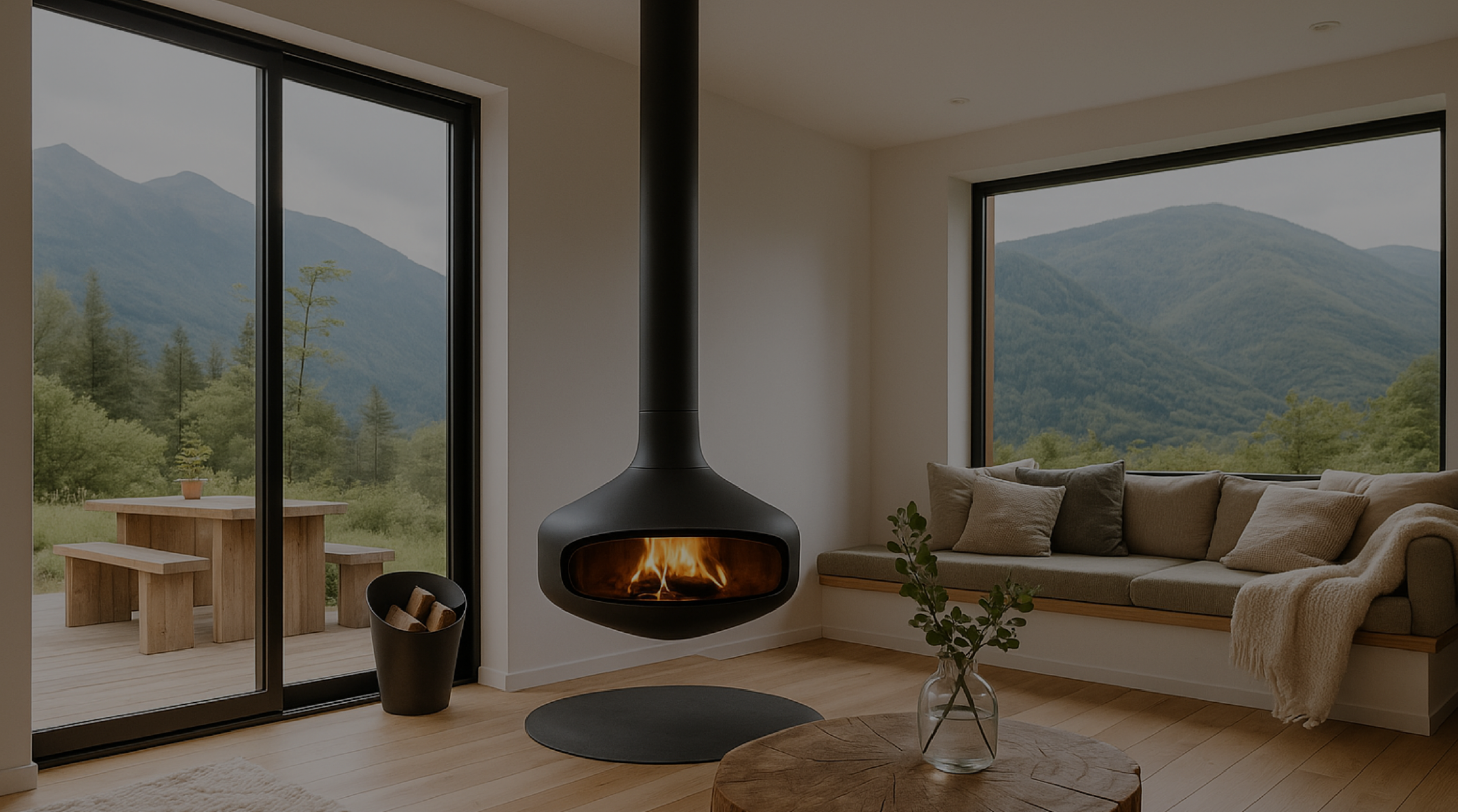


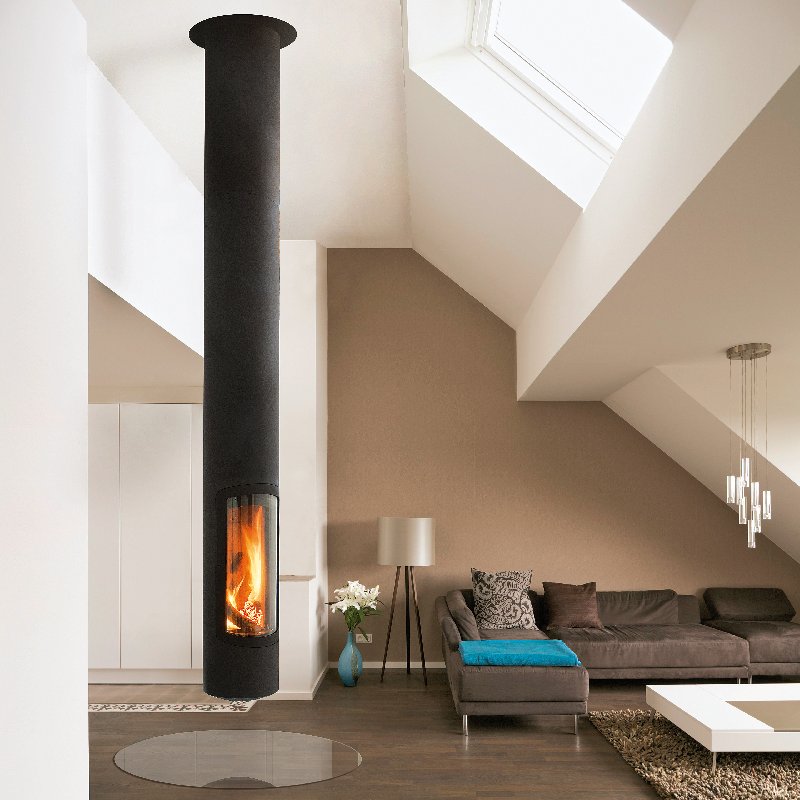
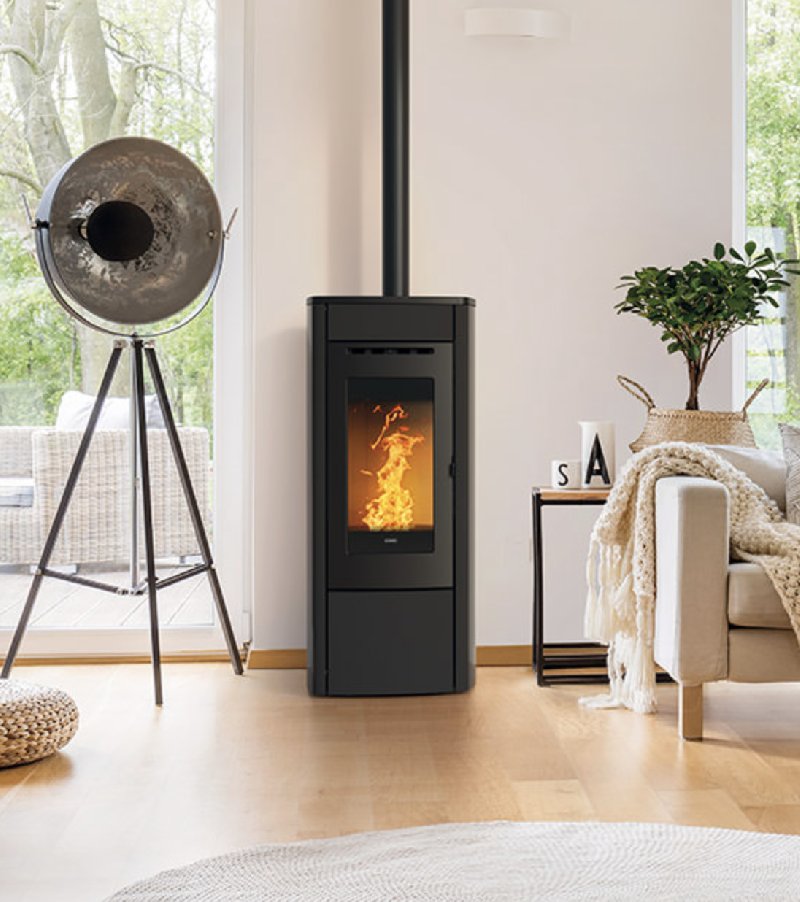
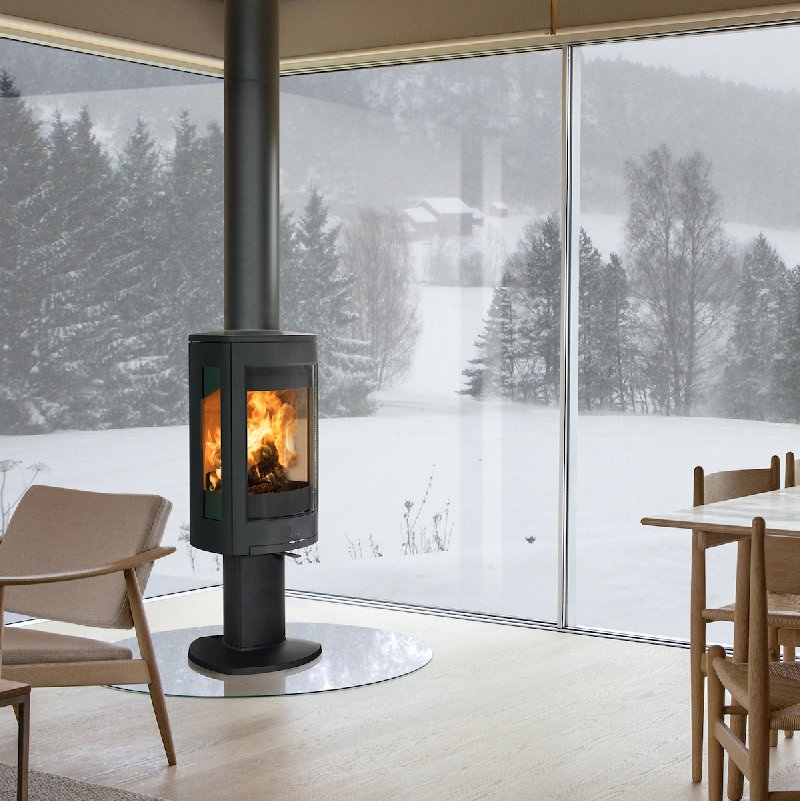
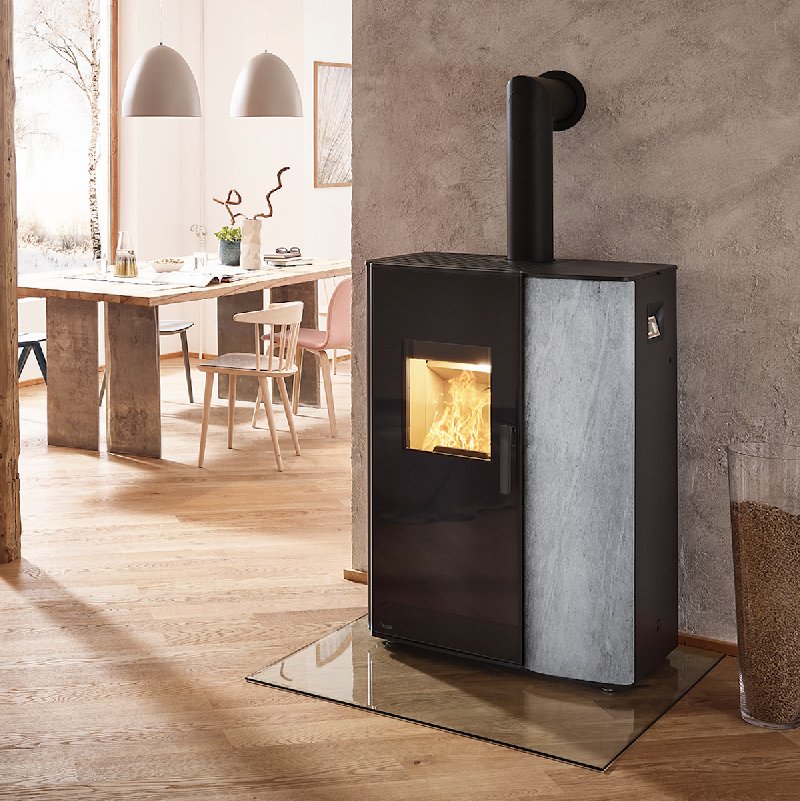
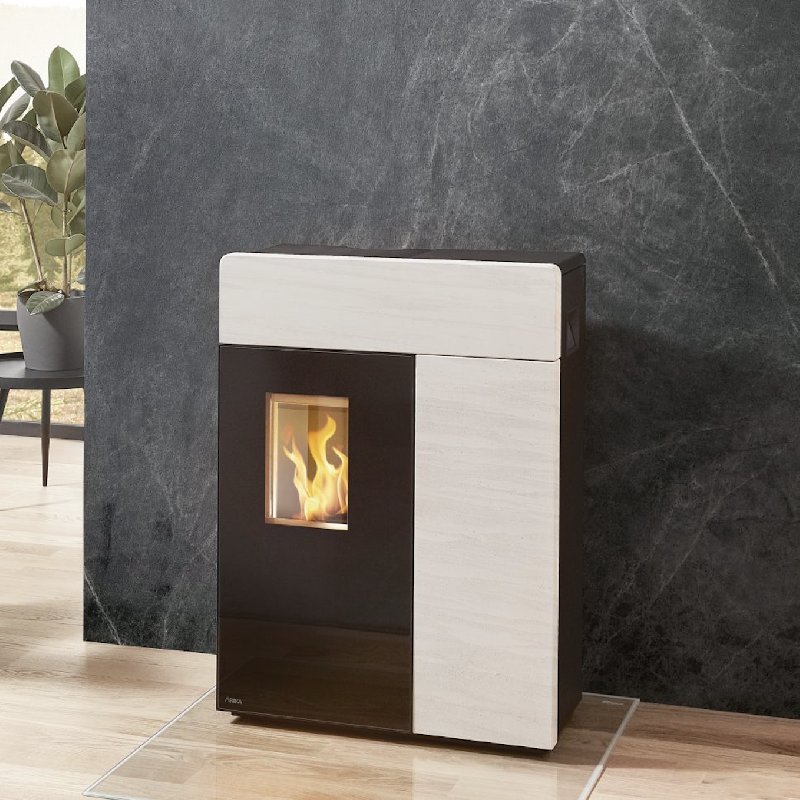
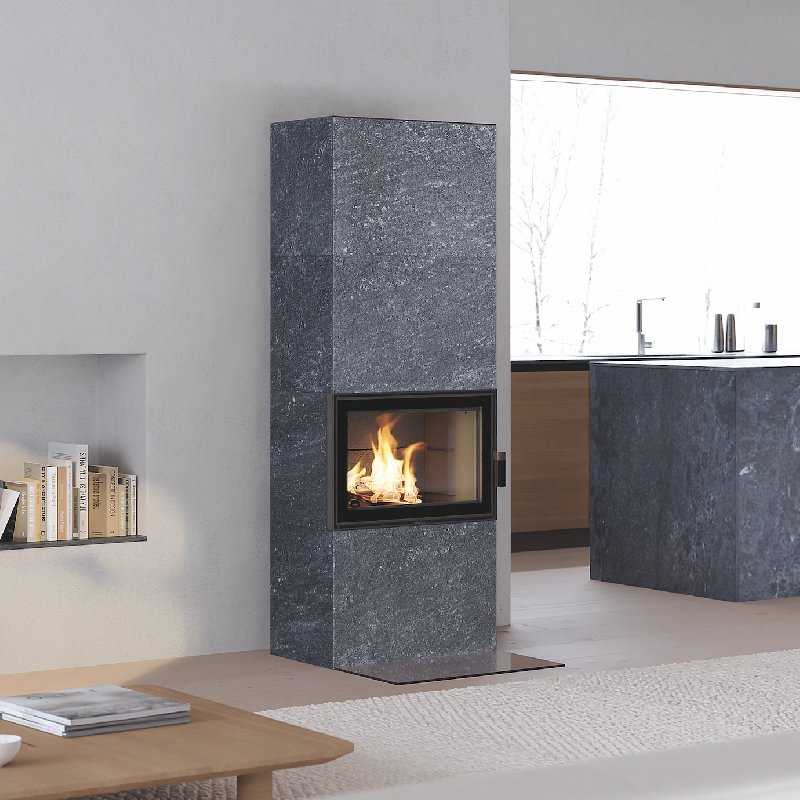
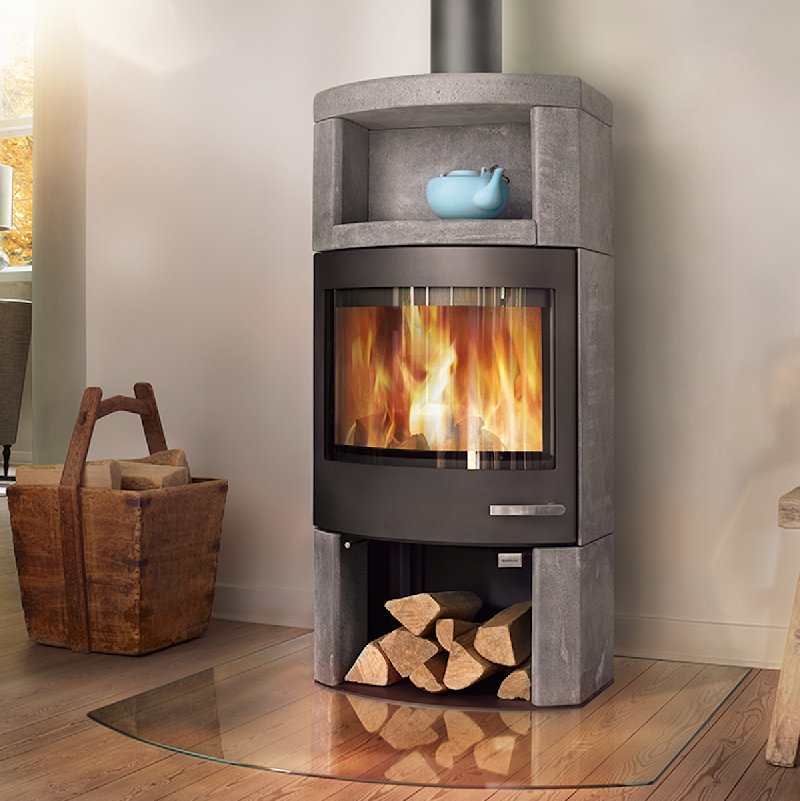
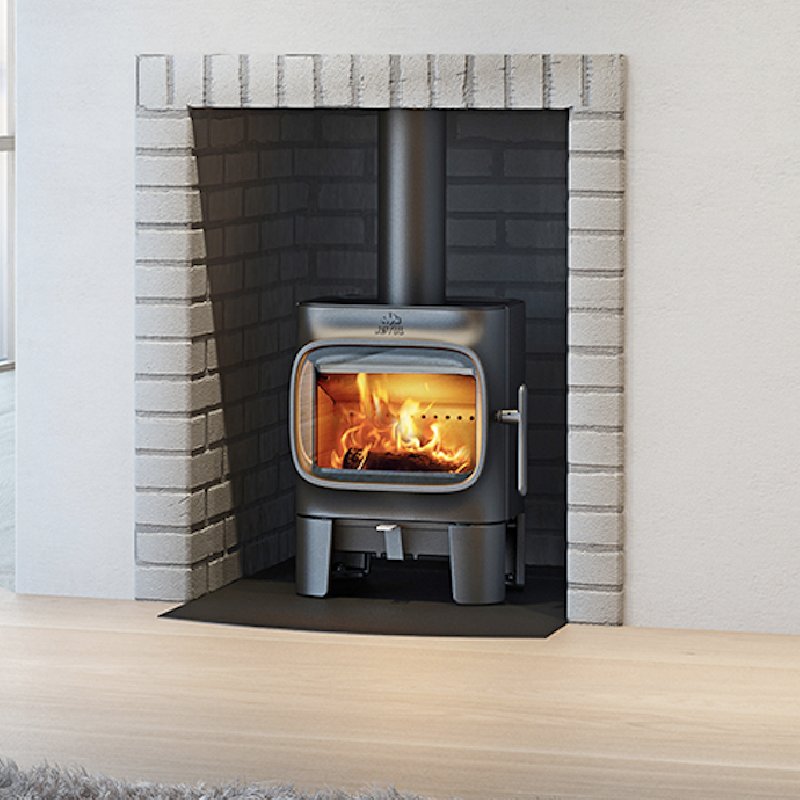
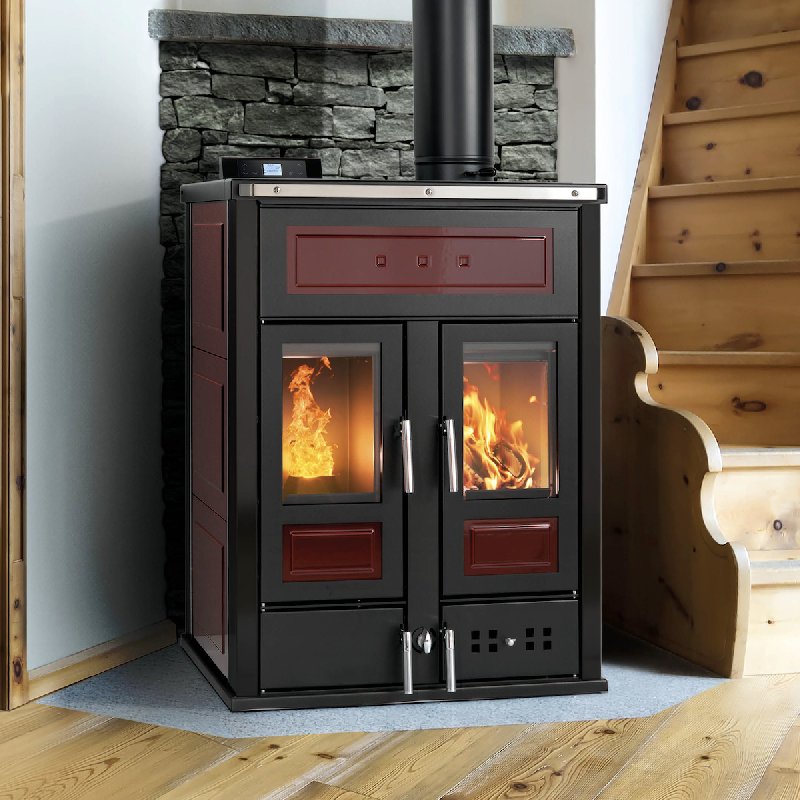
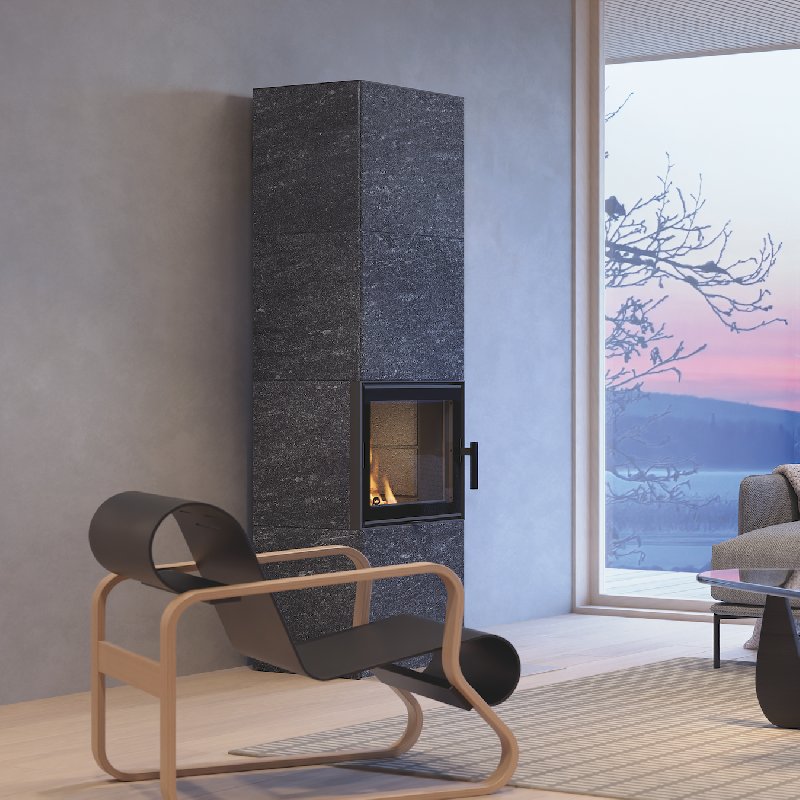
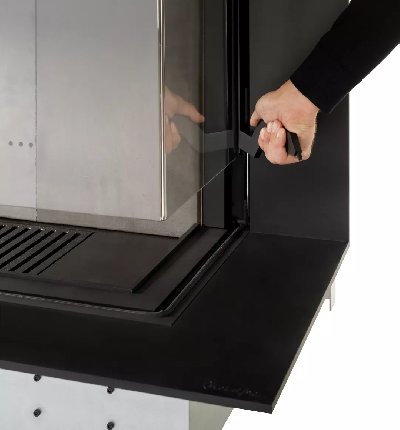
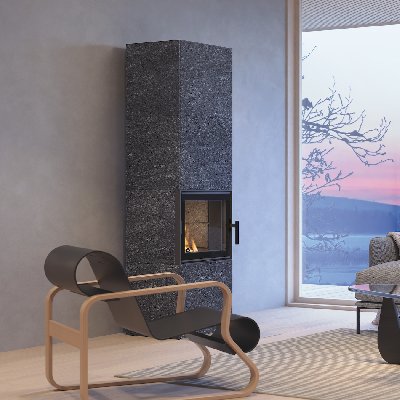

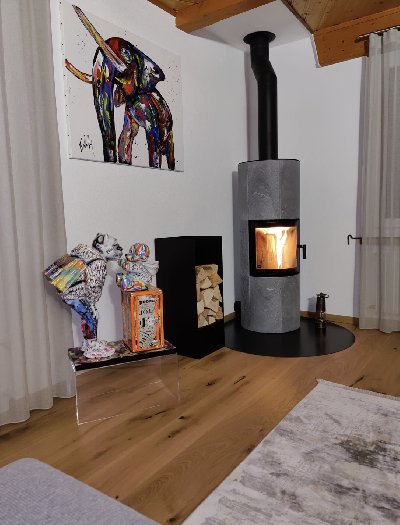
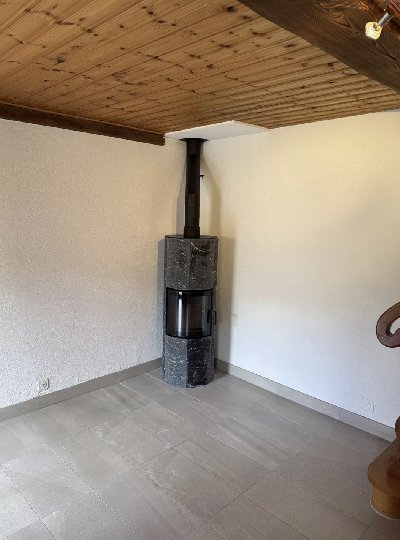
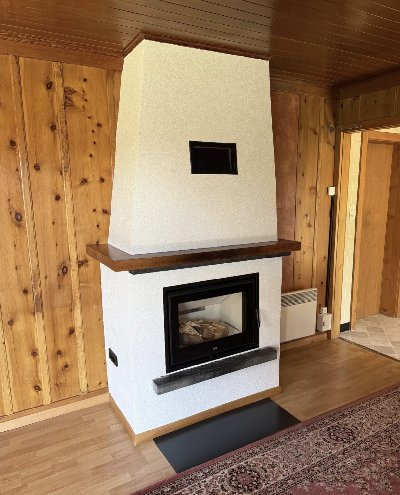
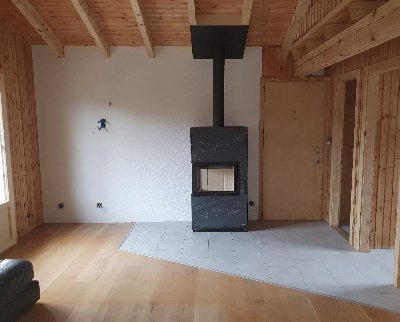
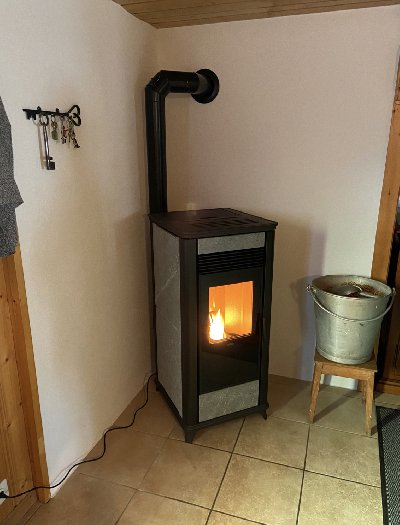
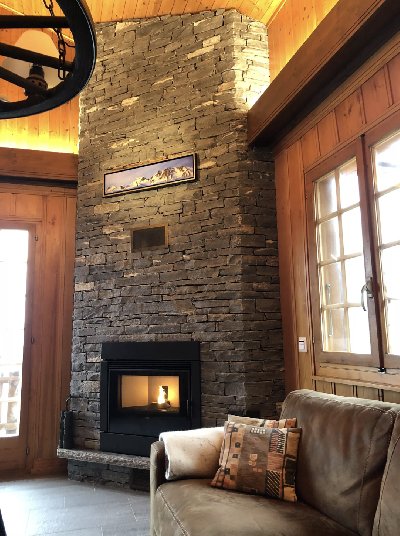
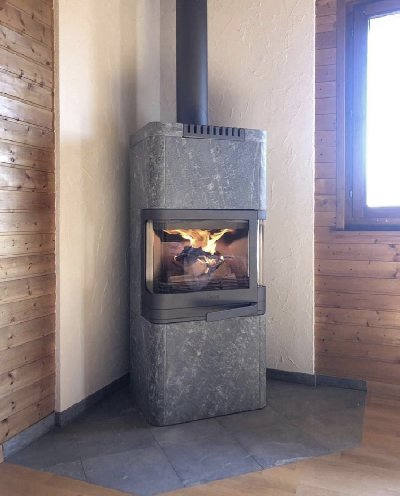
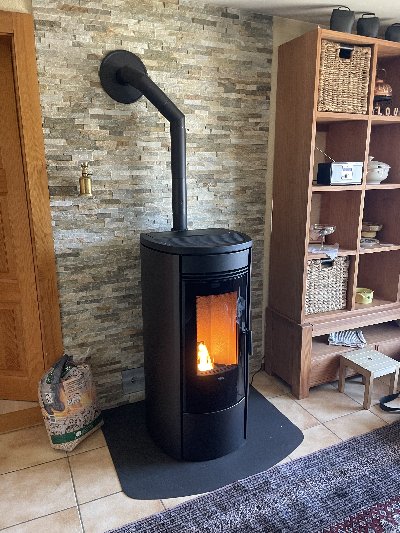
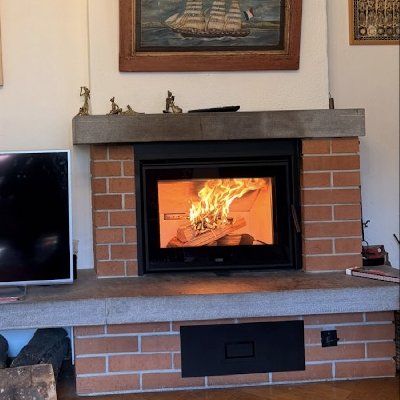
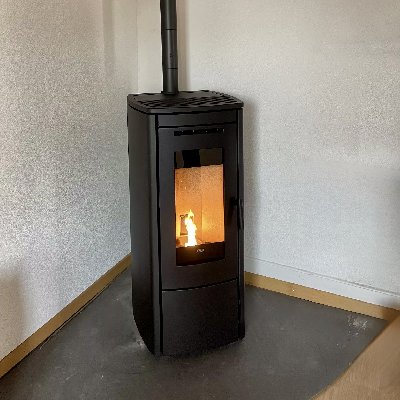
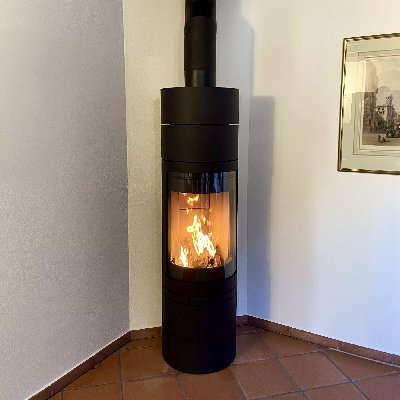
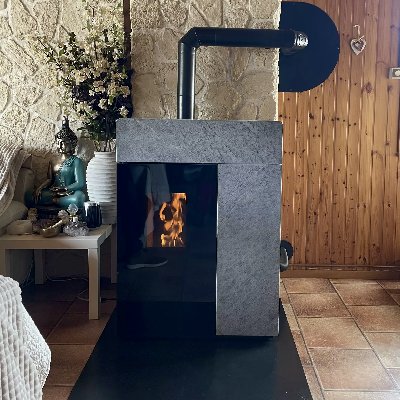
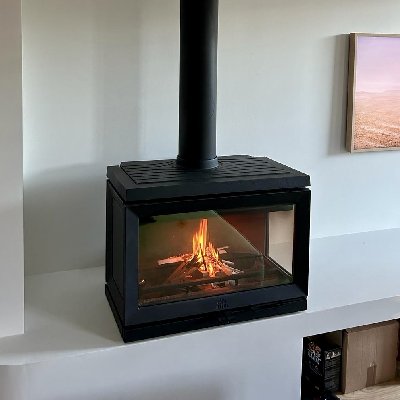
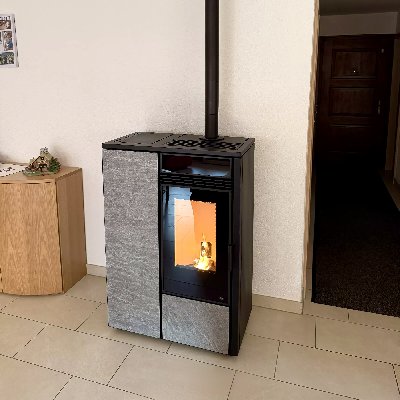
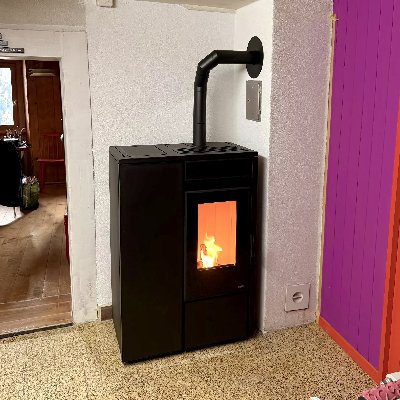

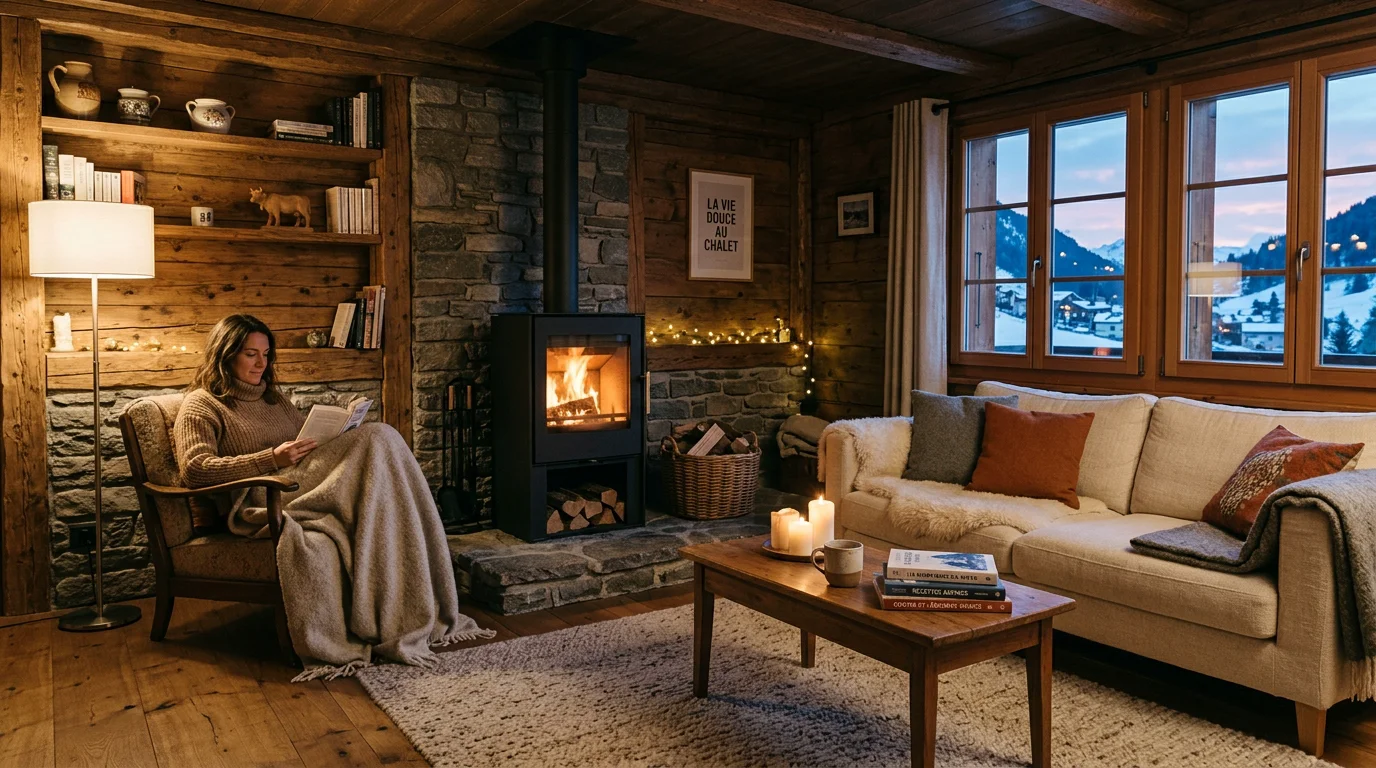
Should we still rely on wood fires for heating in 2026? In French-speaking Switzerland, this question comes up every fall, when temperatures drop and energy bills take a toll. Wood stoves meet two needs: the sensory pleasure of a real fire and the search for economical and sustainable heating. To lay a solid foundation for your project, consult, for example, our user and maintenance guide for a De Manincor stove.
The market has evolved significantly: today’s stoves heat up quickly, use little fuel, and emit far fewer particles than they did twenty years ago. However, it’s still important to choose the right model and heat output, and to have the installation done by professionals. This guide highlights the criteria that really matter, from materials to efficiency, all the way to routine maintenance.
Why Wood-Burning Heating Is Still Popular in 2026
Internet users searching for wood stoves want, above all, authentic warmth and an energy source that remains affordable. Wood remains one of the cheapest fuels on the market, and the resource is widely available in Switzerland and neighboring countries. Added to this is an environmental benefit: when burned properly, wood is a renewable energy source with a low carbon footprint.
The sector remains dynamic. According to a Xerfi study, the French market for residential wood-burning heating appliances was estimated at 850 M€ in 2022—a figure that illustrates the vitality of this neighboring industry. The same report notes that the number of wood-burning heating systems increased by more than 12% between 2020 and 2023. This growth is accompanied by rising demands for efficiency and lower emissions, which is driving manufacturers to innovate.
How a Modern Wood-Burning Stove Works
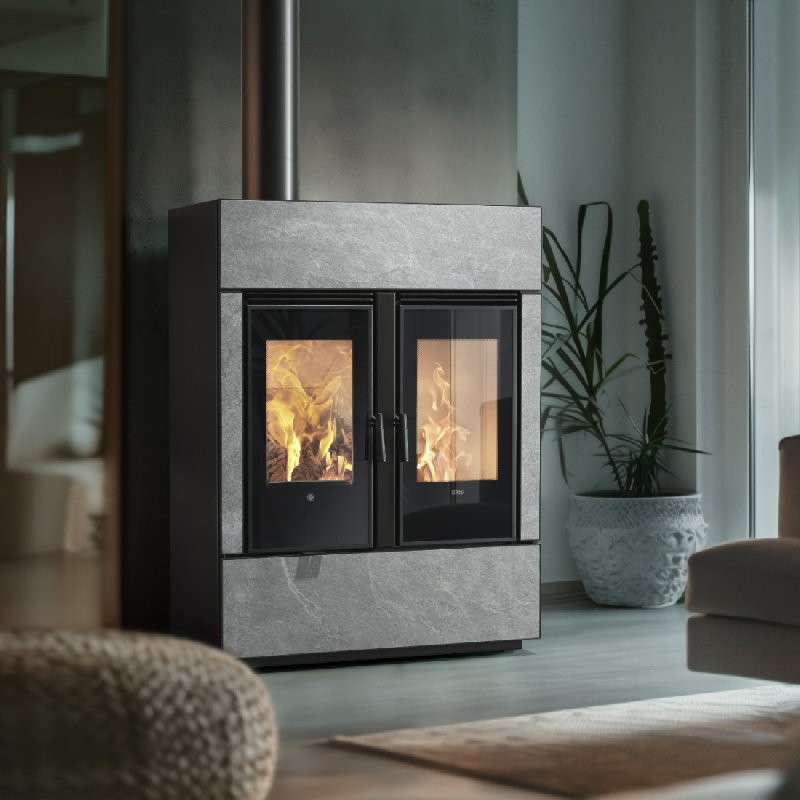
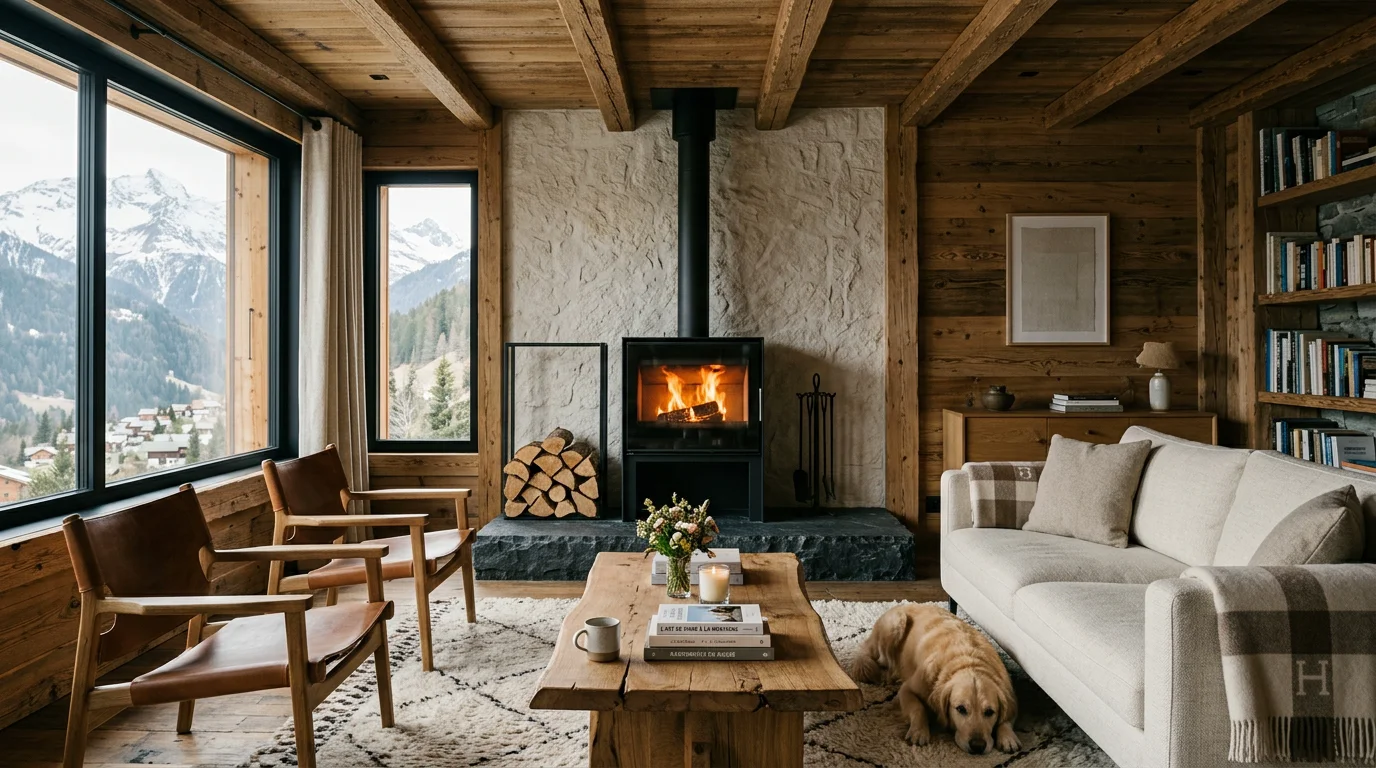
A Swedish stove—often used as a synonym for a wood-burning stove—is a self-contained, freestanding appliance with a glass door that allows you to see the fire. It burns logs and distributes heat throughout the room via radiation and convection. The main difference from fireplaces of the past lies in clean combustion: the airflow is managed to burn off gases as well, which increases efficiency and reduces smoke.
On newer models, a second air intake ensures after-combustion and keeps the glass cleaner. The result is gentle, steady heat, achieved with less wood. To maintain this performance, fuel quality matters: dry, natural, and well-split wood ensures an efficient burn and minimizes soot buildup in the flue.
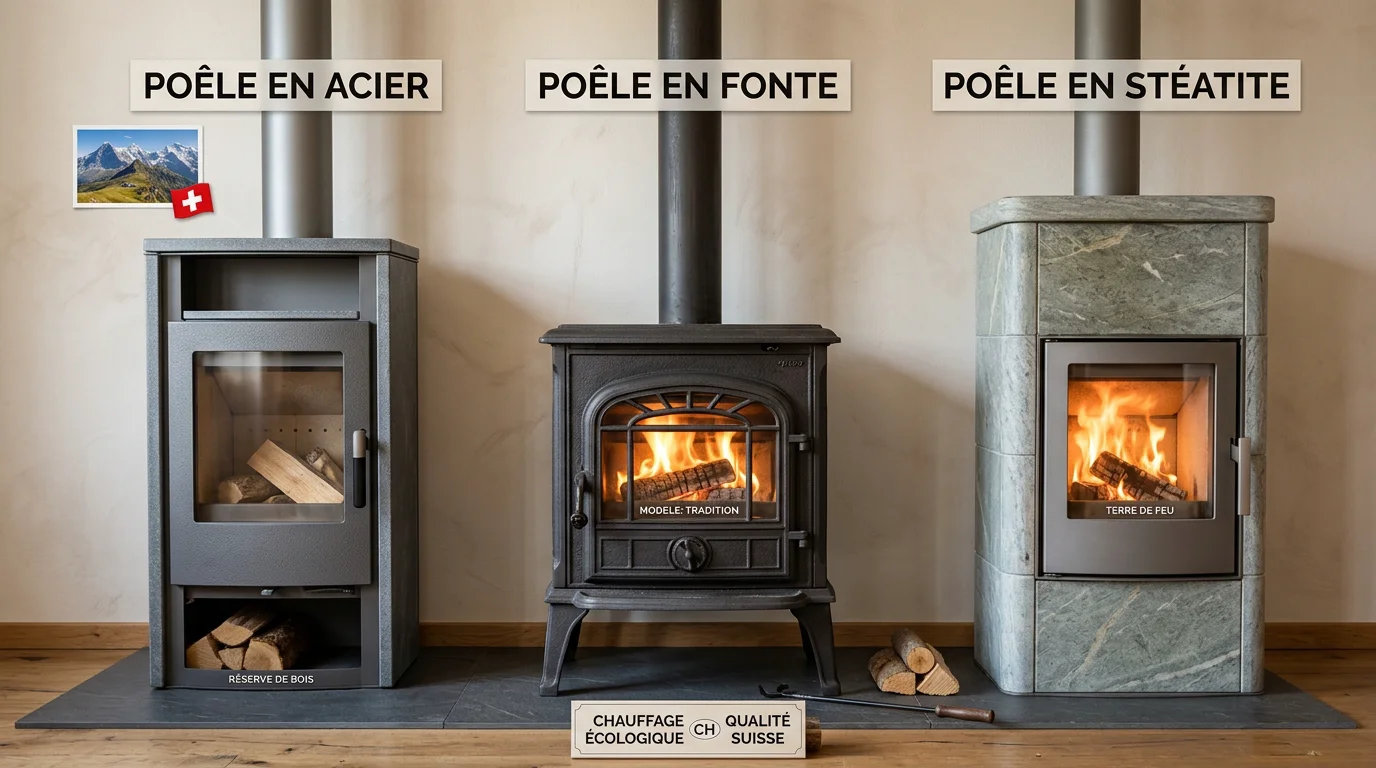
Steel, cast iron, or soapstone: which material to choose
The stove’s material influences both its appearance and thermal performance. This is often the deciding factor in the final choice, depending on whether you’re looking for rapid heating or long-lasting heat retention.
- Steel: heats up very quickly and distributes heat almost immediately. Ideal for a second home or a room that’s used only occasionally.
- Cast iron: heats up a little more slowly but retains heat longer thanks to its mass.
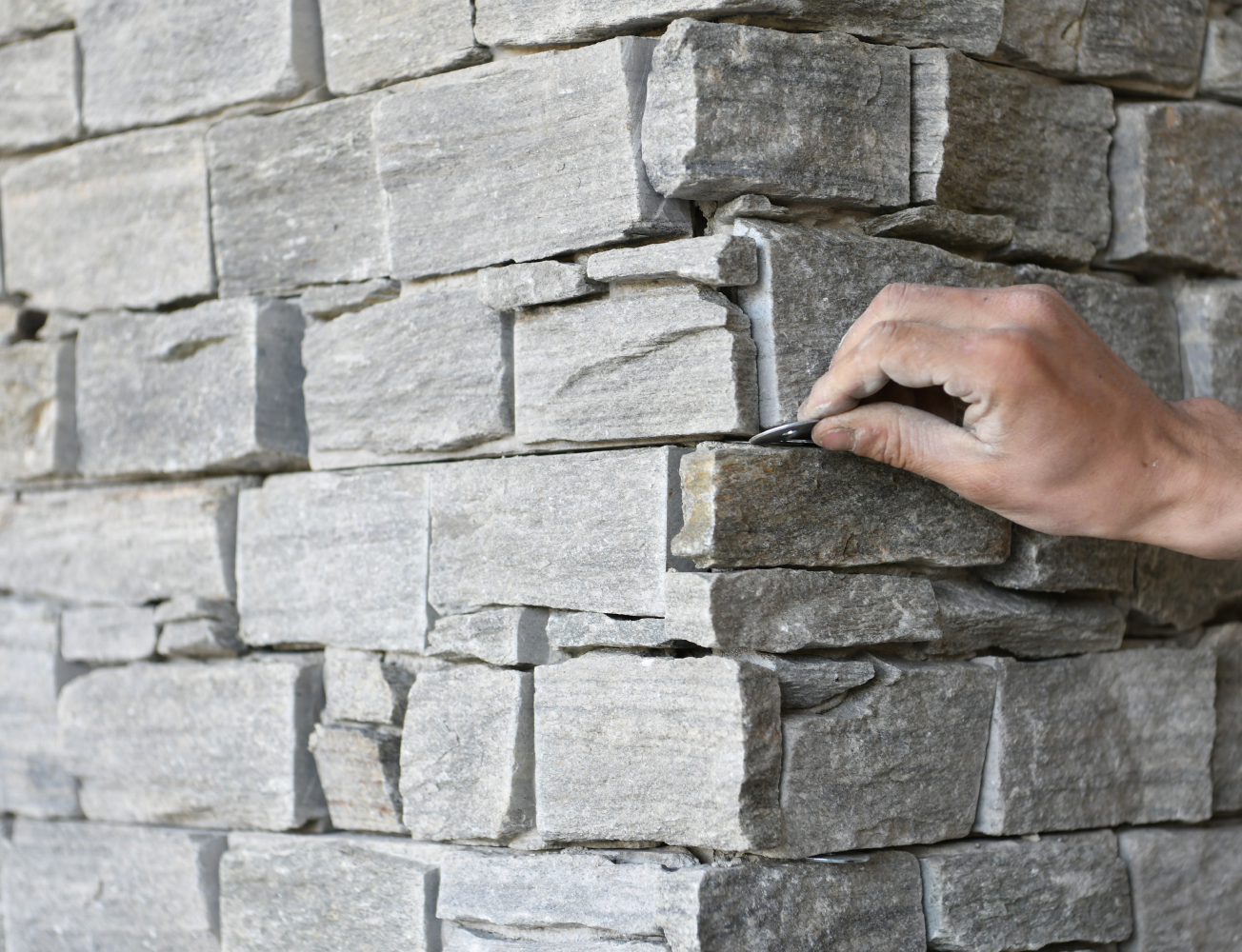
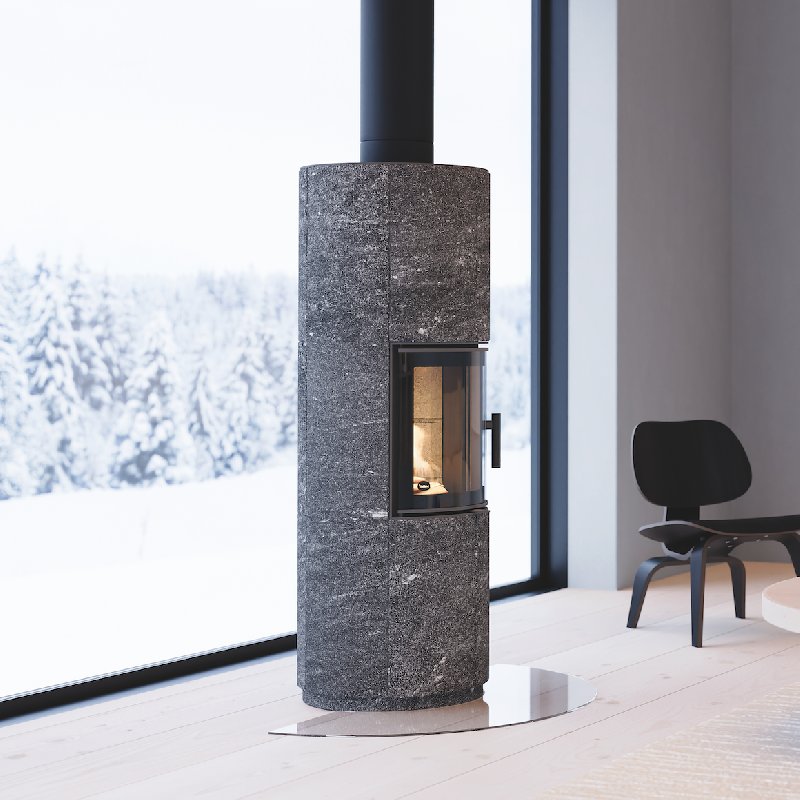
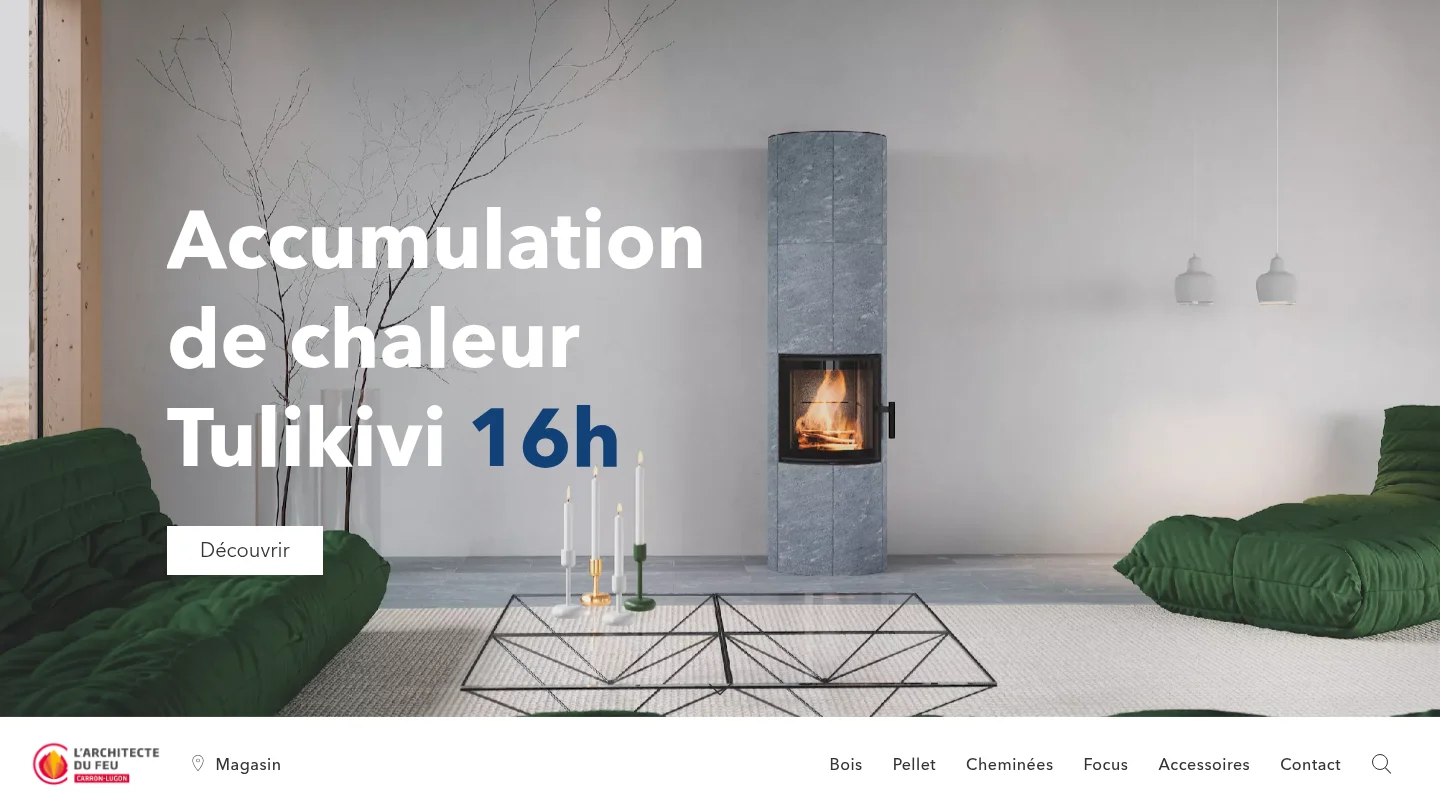
- Soapstone: a true heat accumulator, it slowly absorbs heat and then releases it steadily over many hours.
Soapstone storage stoves can continue to give off heat for up to 24 hours after the fire has gone out, making them true primary heating sources. Our showroom features these different types so you can compare their performance under real-world conditions; if you’re unsure, our free, no-obligation consultation can help you decide based on the size and insulation of your home.
Wood-Burning Stoves vs. Pellet Stoves: What Sets Them Apart
The most common comparison is between a wood-burning stove and a pellet stove. The former appeals for its authenticity, its lack of dependence on electricity, and fuel costs that are among the lowest. The latter offers automatic temperature control, programmable operating time, and often higher efficiency—though it requires more technical storage solutions and relies on electricity.
The real decision isn’t just about the appliance itself, but about the support you receive. The table below compares three approaches to a wood-heating project.
| Approach | Needs Assessment | Home visit | Installation and Coordination | After-sales service |
|---|---|---|---|---|
| Online Purchase | Limited | No | At your expense | Varies |
| Big-box home improvement store | Standardized | Rarely | Often outsourced | Limited |
| Carron-Lugon | Free and with no obligation | Yes, free | Yes, coordinated with architects and tradespeople | Yes, in-house service |
This analysis shows that, beyond the product itself, it is the quality of advice and follow-up that makes the difference over the long term.
Efficiency, Standards, and Air Quality in Switzerland
In Switzerland, the replacement of a heating system is governed by cantonal regulations based on the model energy regulations. According to the MoPEC 2014 guide, the replacement of a fossil-fuel system must cover at least 10% of energy needs with renewable energy, and a wood- or pellet-burning stove is among the recognized solutions. Wood therefore plays a full role in the building sector’s energy transition.
The downside of wood heating is fine particulate matter. A poorly adjusted or older appliance emits more PM10 and PM2.5, especially in winter in enclosed valleys. As highlighted in an analysis based on research by Airparif, incomplete combustion has a significant impact on air quality. This underscores the importance of a high-efficiency appliance, dry wood, and responsible use.
Installation, Safety, and Daily Maintenance
A great fire starts with a flawless installation. The right power rating, chimney draft, and location are key to both comfort and safety. Our installation teams handle the removal of any existing system followed by finishing work (tiling, plastering, painting), ensuring meticulous workmanship and protecting your home.
Maintenance is simple but requires regular attention: empty the ashes, clean the glass with a suitable cleaner, and have the flue swept at the recommended intervals. Each model has its own specific features; for a powerful, standalone unit, for example, refer to our user manual for the RIKA SUMO stove. If you encounter any issues, our in-house customer service team provides support for wood-burning, pellet, and gas appliances.
Key Points to Remember for Your Project in French-Speaking Switzerland
Choosing a wood stove means balancing heating speed, thermal mass, and aesthetics, all while complying with Swiss standards and air quality regulations. Steel heats up quickly, cast iron retains heat for longer, and soapstone stores it over time. High efficiency, dry wood, and regular maintenance ensure long-lasting performance and clean combustion. Ultimately, the best appliance is the one that suits your home, your lifestyle, and a well-supported project.
Take the plunge with Carron-Lugon
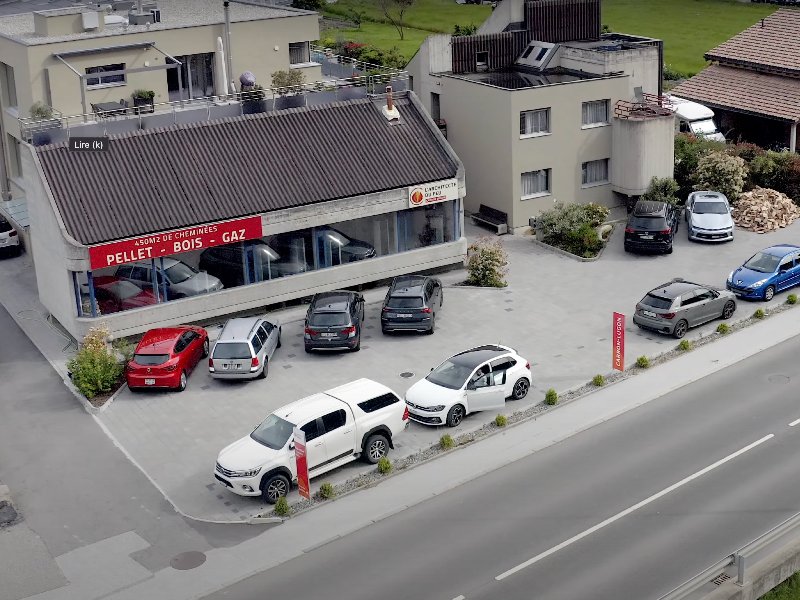
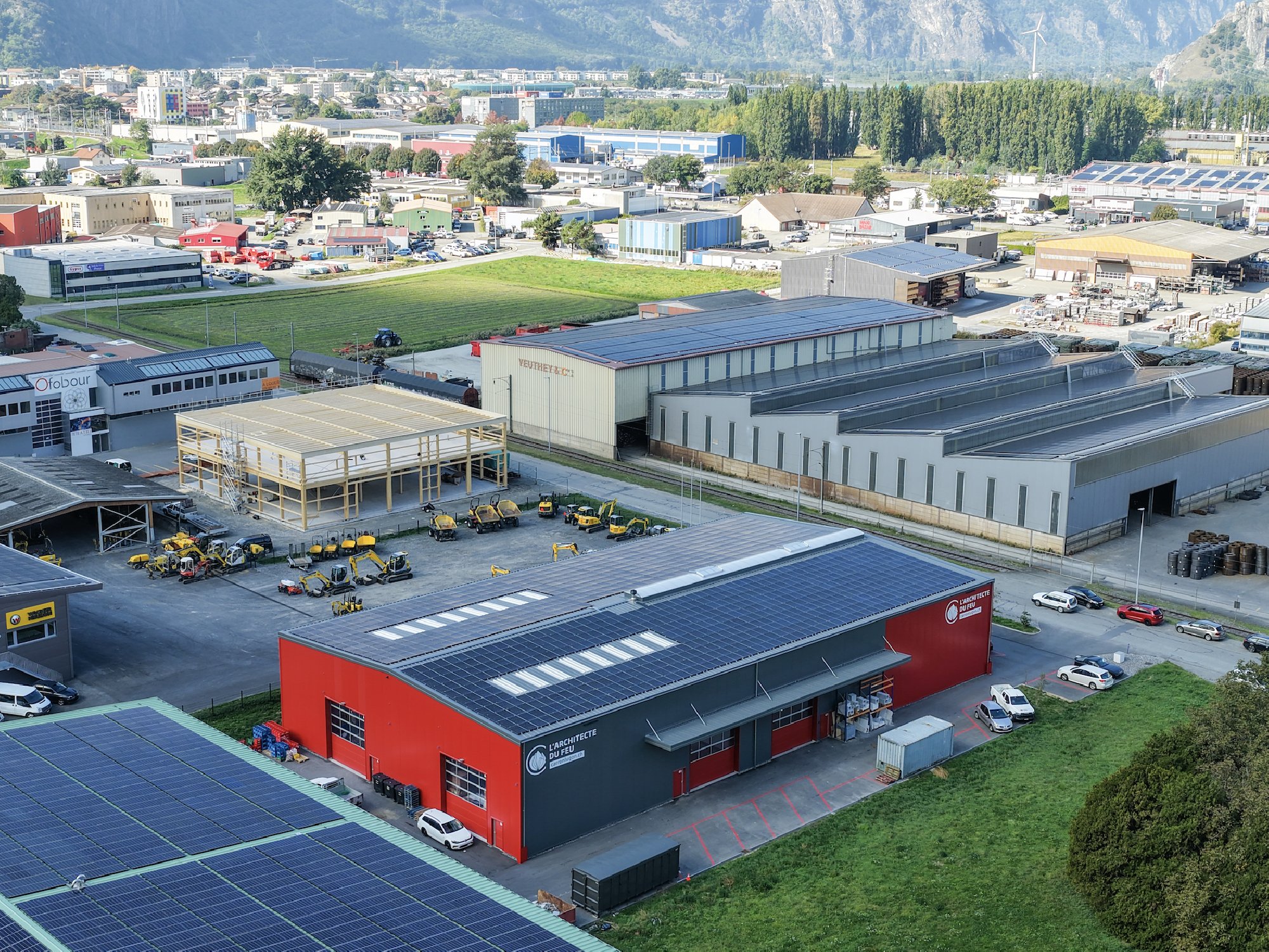
Still undecided about the materials, heat output, or location for your future fireplace? Rather than making the decision on your own, rely on our end-to-end support, from consultation to installation. Our showrooms in Fully (Valais) and Etoy (Vaud), which are open to the public, let you compare models at your own pace.
We offer a free, no-obligation home visit, an assessment of your needs based on plans or on-site, followed by installation coordinated with architects and other trades, not to mention our in-house after-sales service. To get started, check out our guide on how to light a Contura stove and launch your project with confidence.
Frequently Asked Questions
Can a wood-burning stove heat an entire house?
Yes, provided you choose the right heat output and your home is well-designed. A soapstone model radiates gentle heat throughout multiple rooms, especially in open-concept spaces. A needs assessment will help determine feasibility.
Which material retains heat best?
Soapstone is the best heat accumulator: it releases heat for many hours after the fire goes out. Cast iron also retains heat well, while steel provides faster heating.
Wood-burning stove or pellet stove: which is more economical?
In terms of fuel cost alone, firewood is generally the least expensive option. Pellets, on the other hand, often offer greater automation and higher efficiency. The choice depends on your habits and your home.
What regulations must be followed in Switzerland?
When replacing a fossil fuel heating system, a portion of renewable energy is required, and a wood stove is one of the approved solutions. Compliance with emissions standards and regular chimney sweeping remain mandatory for safety.
What maintenance does a wood stove require?
You’ll need to remove the ashes, clean the glass, and have the flue swept at the recommended intervals. Using dry wood helps minimize buildup. Our customer service team can assist if a problem persists.