

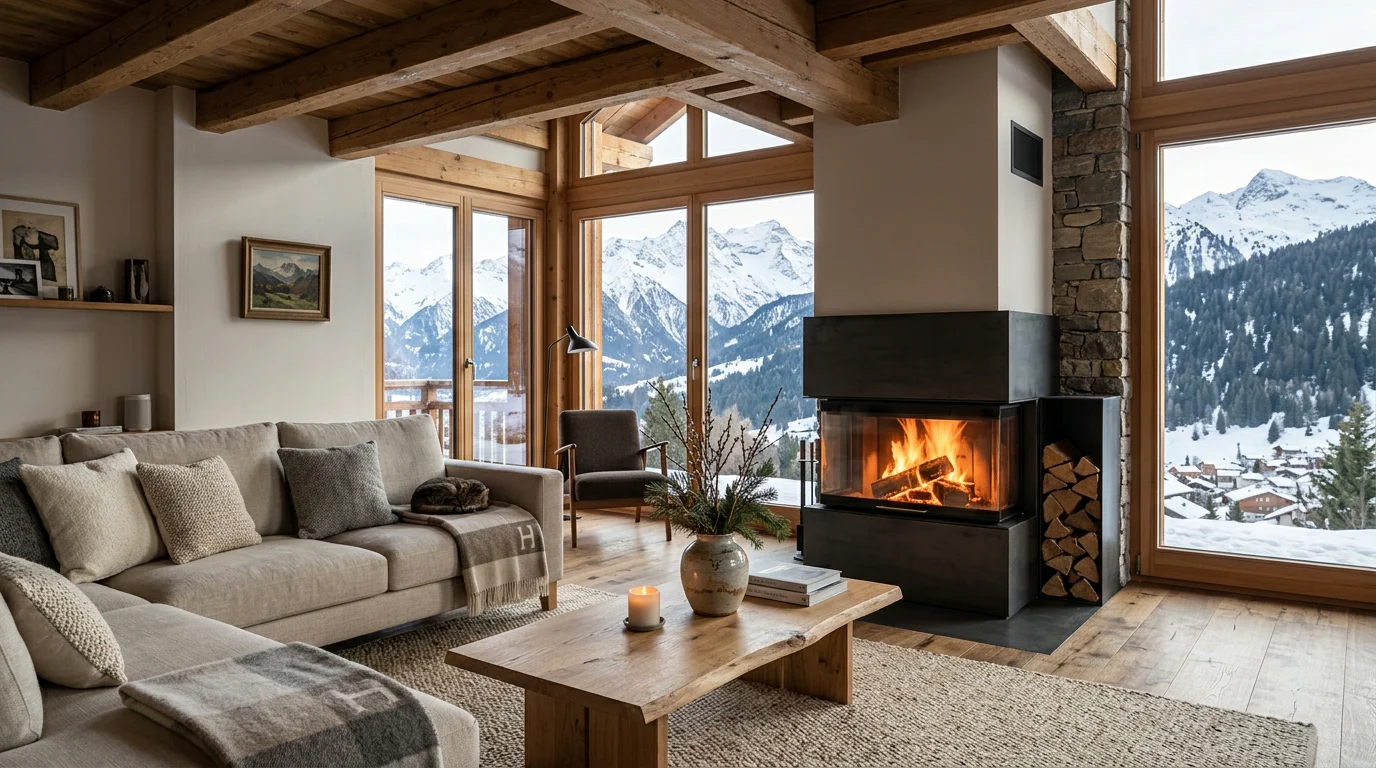
A traditional open fireplace converts only about 15% of the wood’s energy into heat; the rest escapes through the flue. Switching to a closed-hearth wood-burning fireplace completely reverses this ratio. Before choosing a model, it’s worth understanding what truly sets these systems apart, from efficiency to air quality. To get a sense of the level of craftsmanship and installation expected today, our RIKA CONNECT flue pipe technical data sheet details the features of a contemporary wood-burning fireplace.
The debate between closed fireplaces, inserts, and stoves isn’t just a matter of taste. It involves wood consumption, available space, and the quality of your indoor air. In Switzerland, where wood burning contributes significantly to particulate matter levels, these criteria carry double the weight. According to federal authorities, as reported in a specialized report, approximately 16% of the particulate matter emitted in the country is attributable to wood burning, which explains the strictness of the regulations.
Closed-hearth fireplaces, inserts, or stoves: the differences
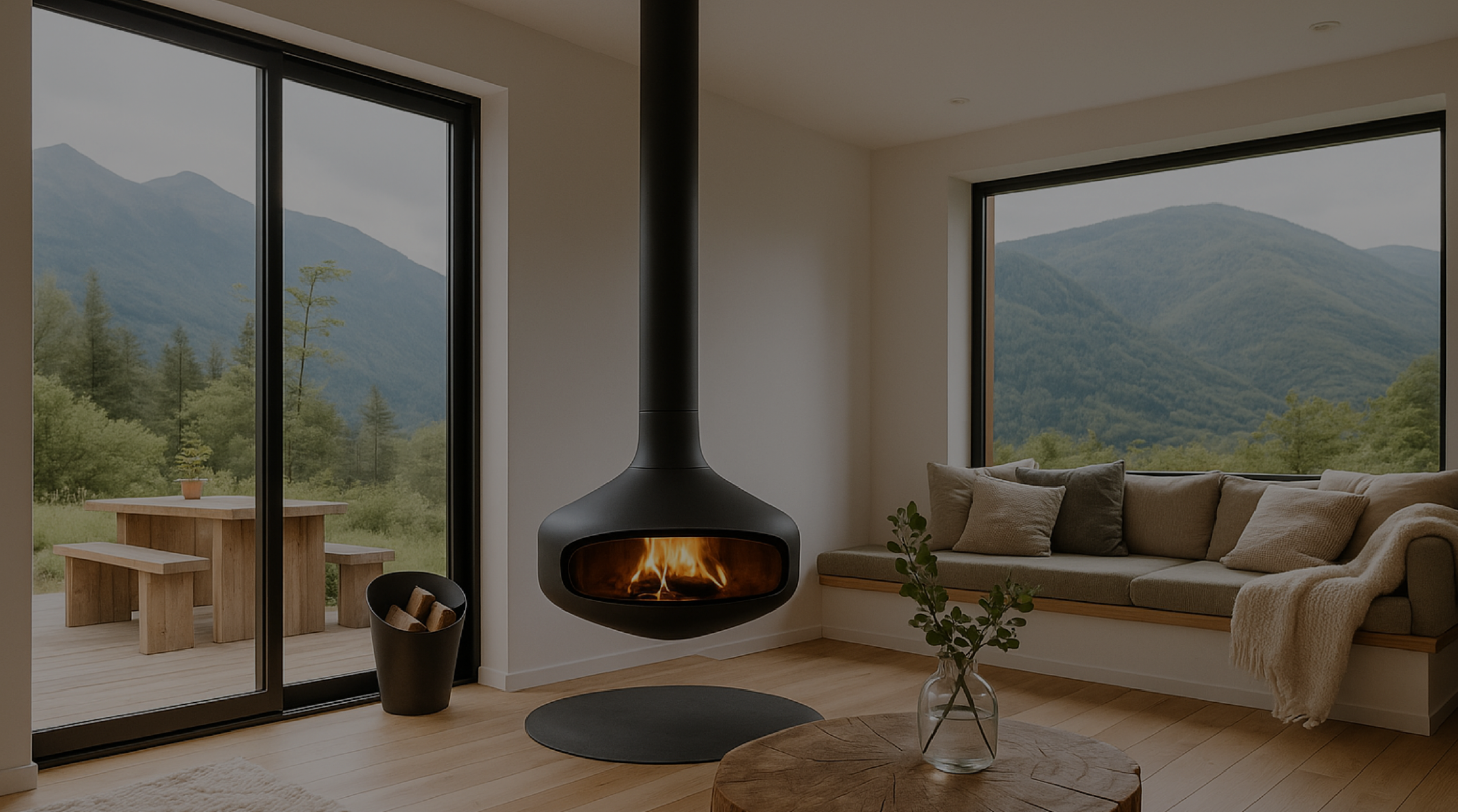
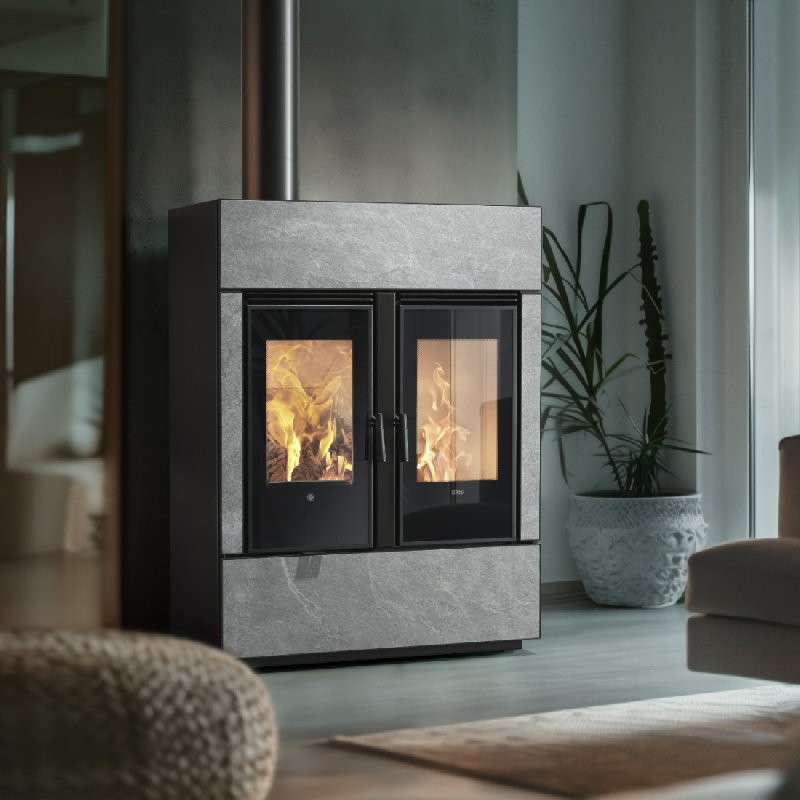
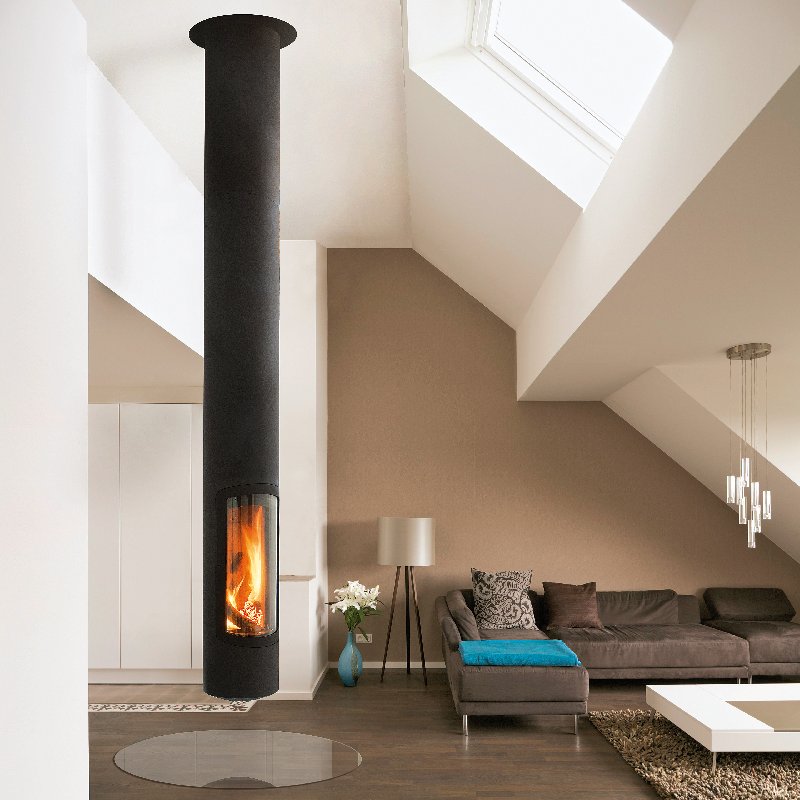
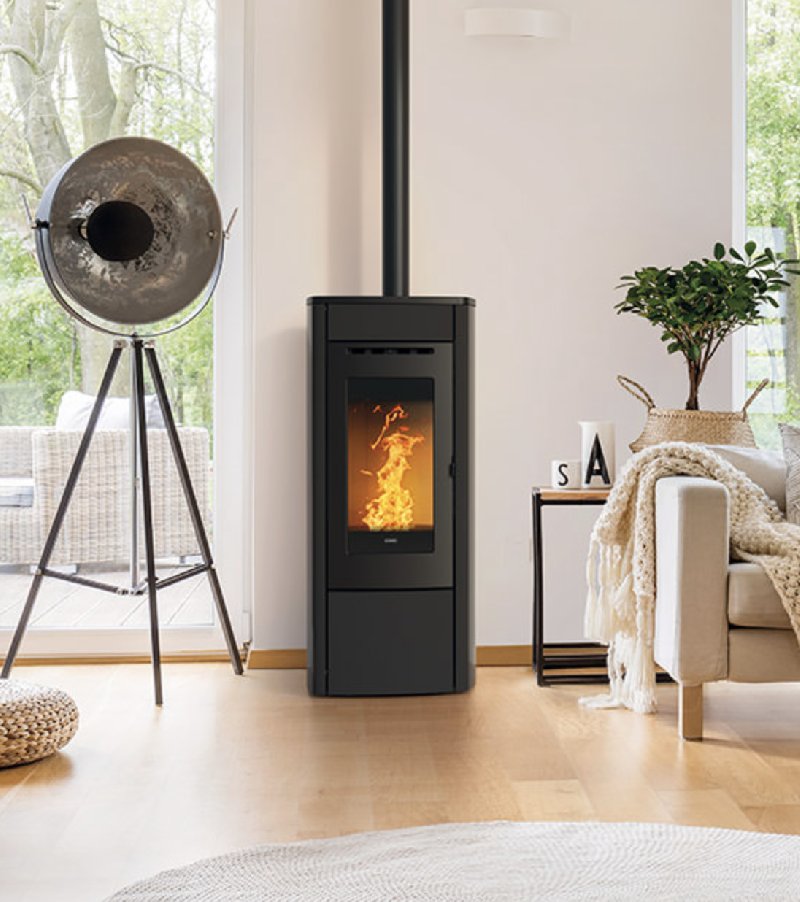
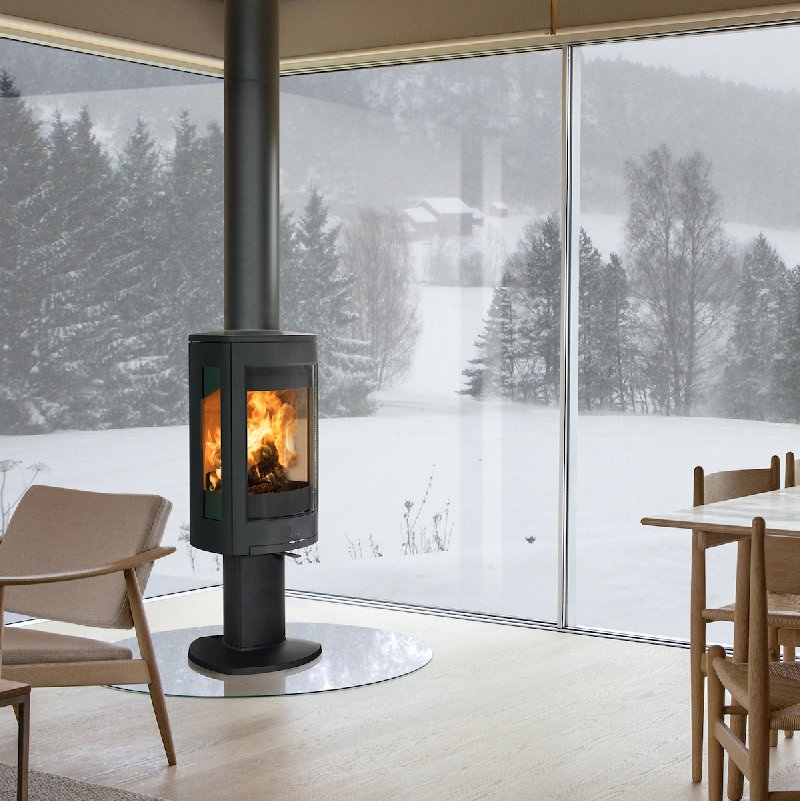
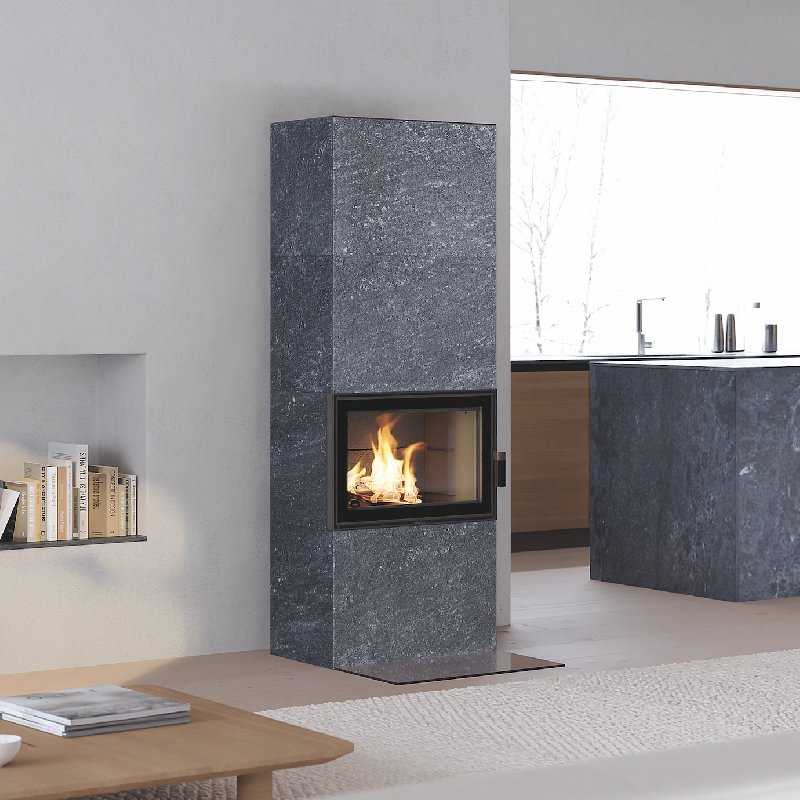
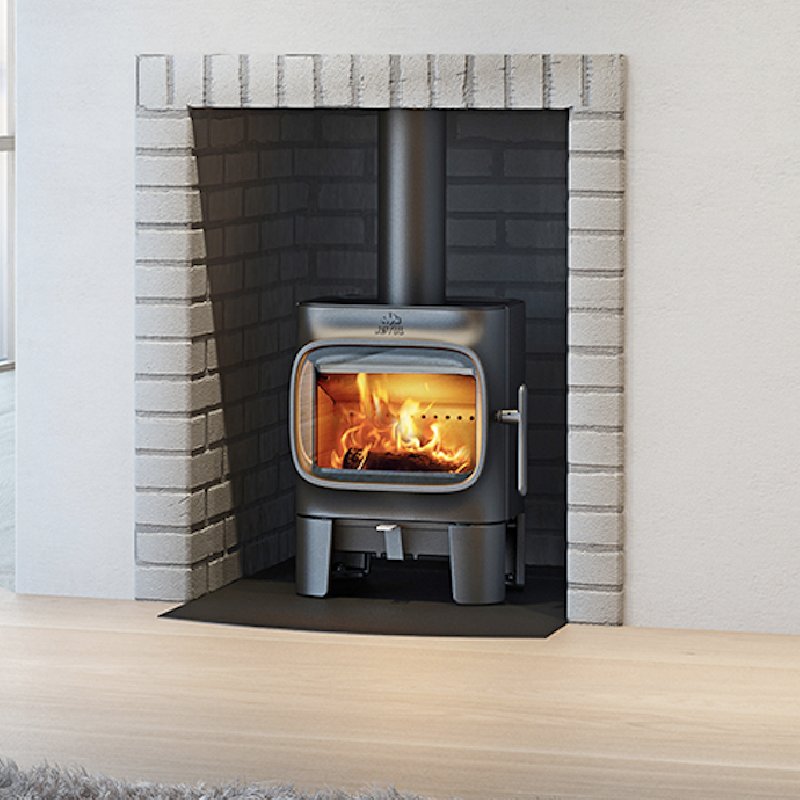
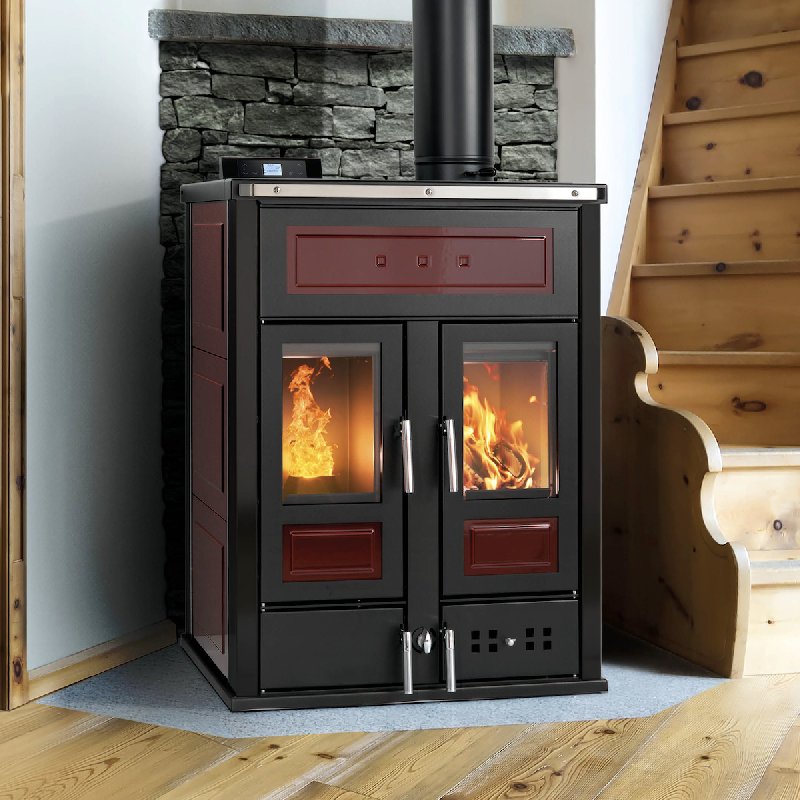
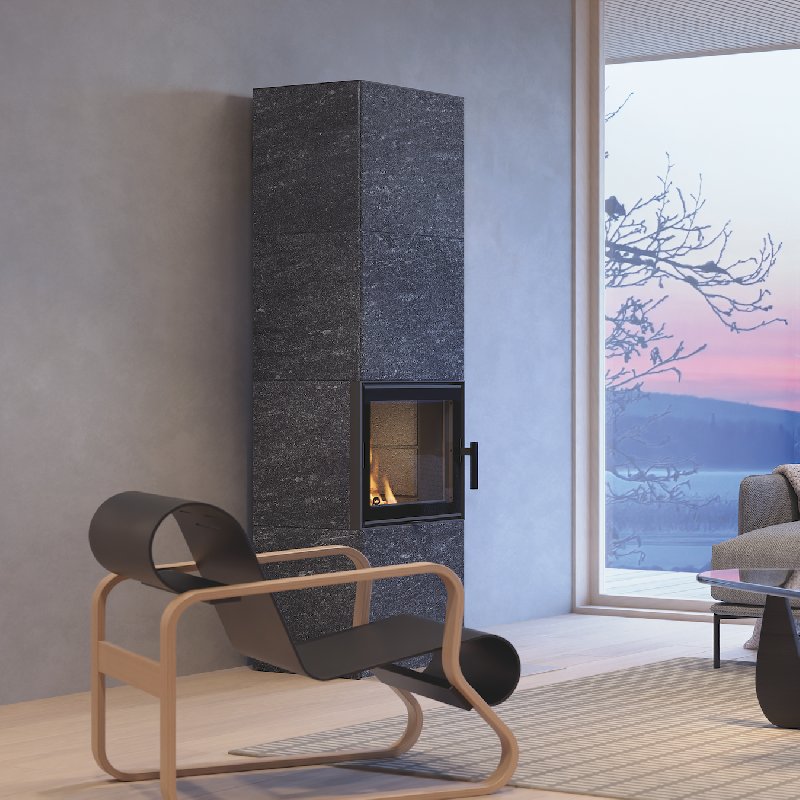
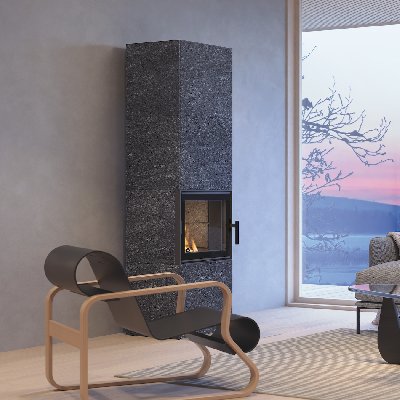
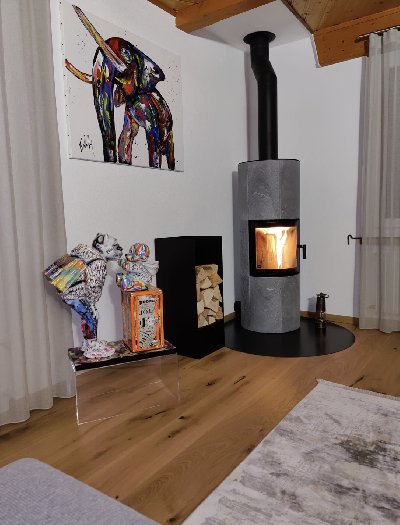
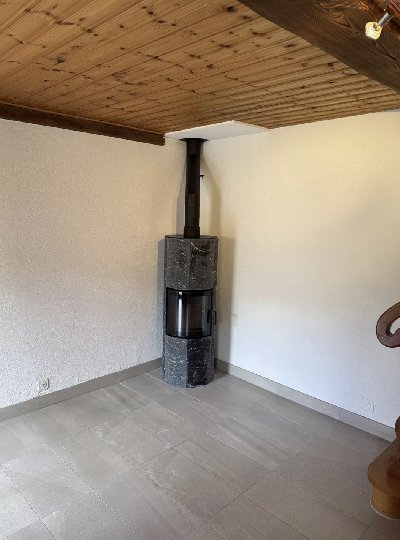
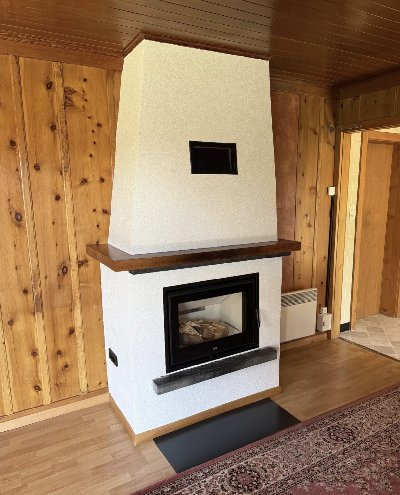
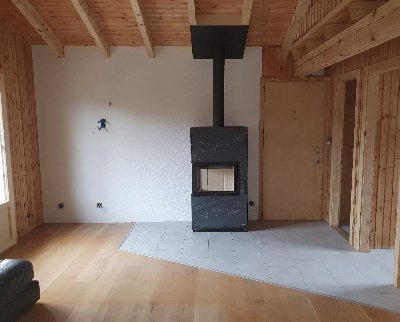
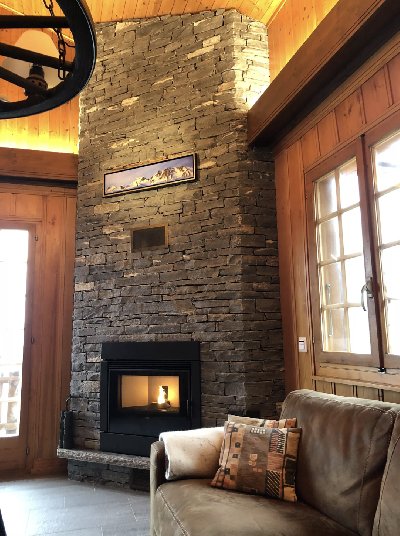
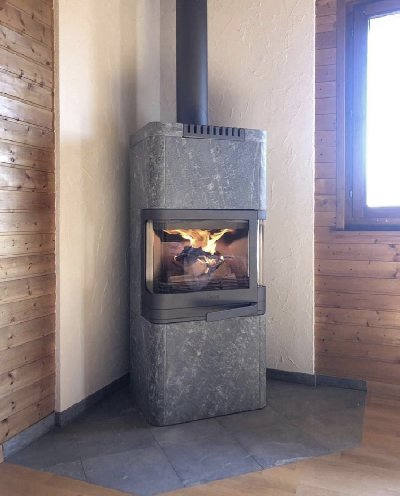
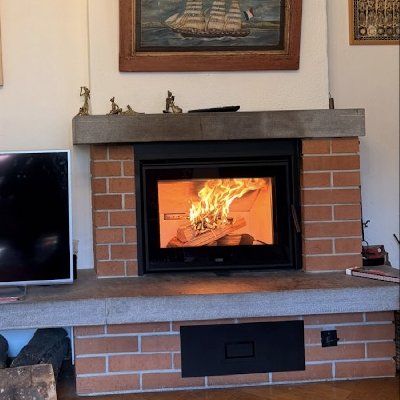
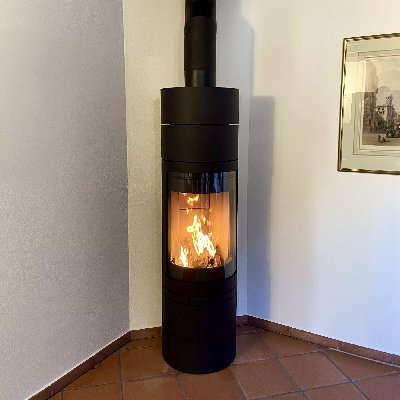
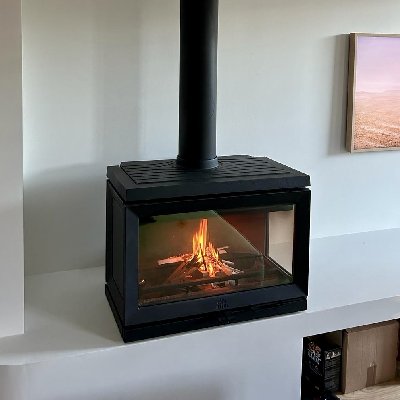
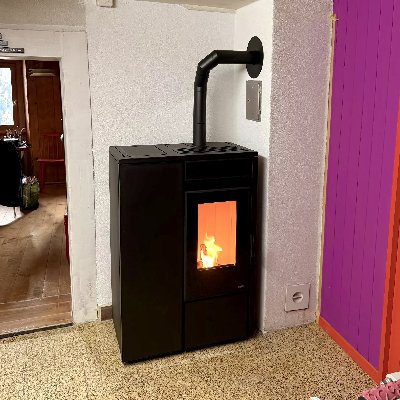
There are three main types of appliances to choose from, each with its own distinct design philosophy. A closed-hearth fireplace is built into a masonry surround and becomes the centerpiece of the living room. An insert, on the other hand, fits into an existing chimney to bring it up to code. A wood-burning stove is a freestanding appliance, placed in the room and connected to a flue.
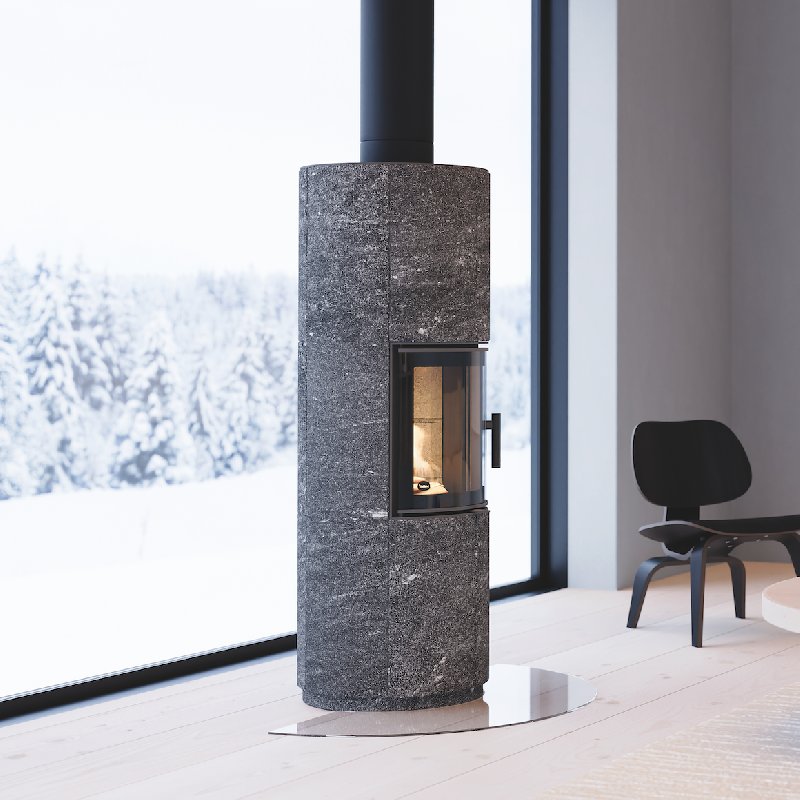
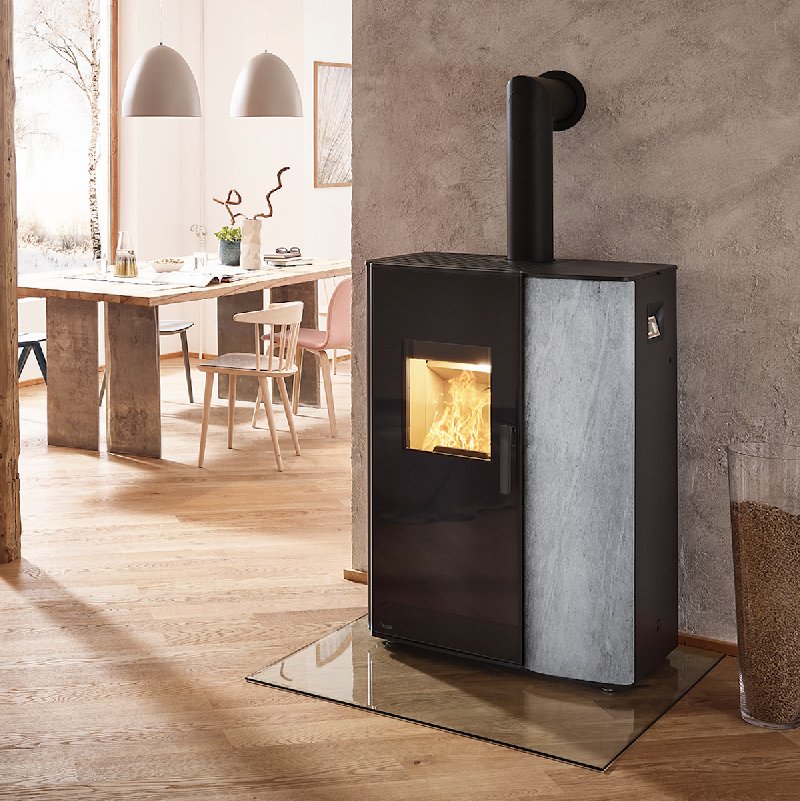
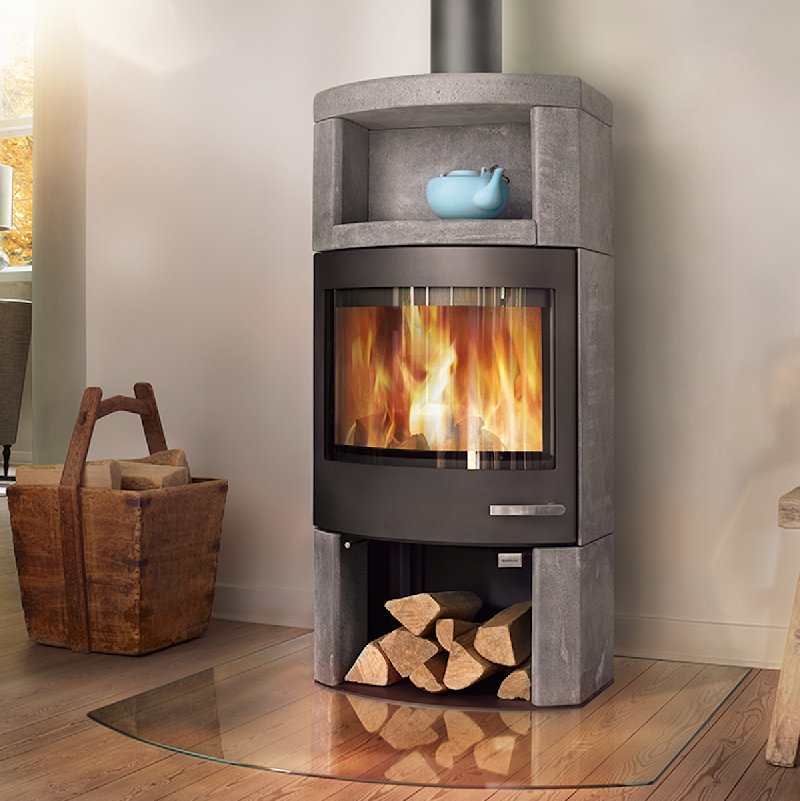
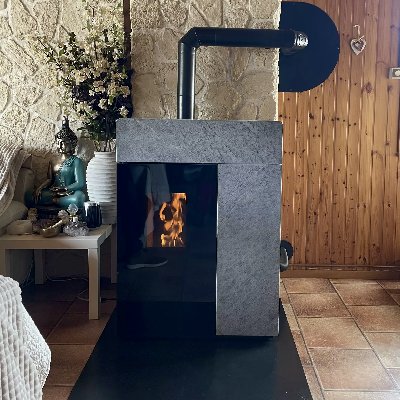
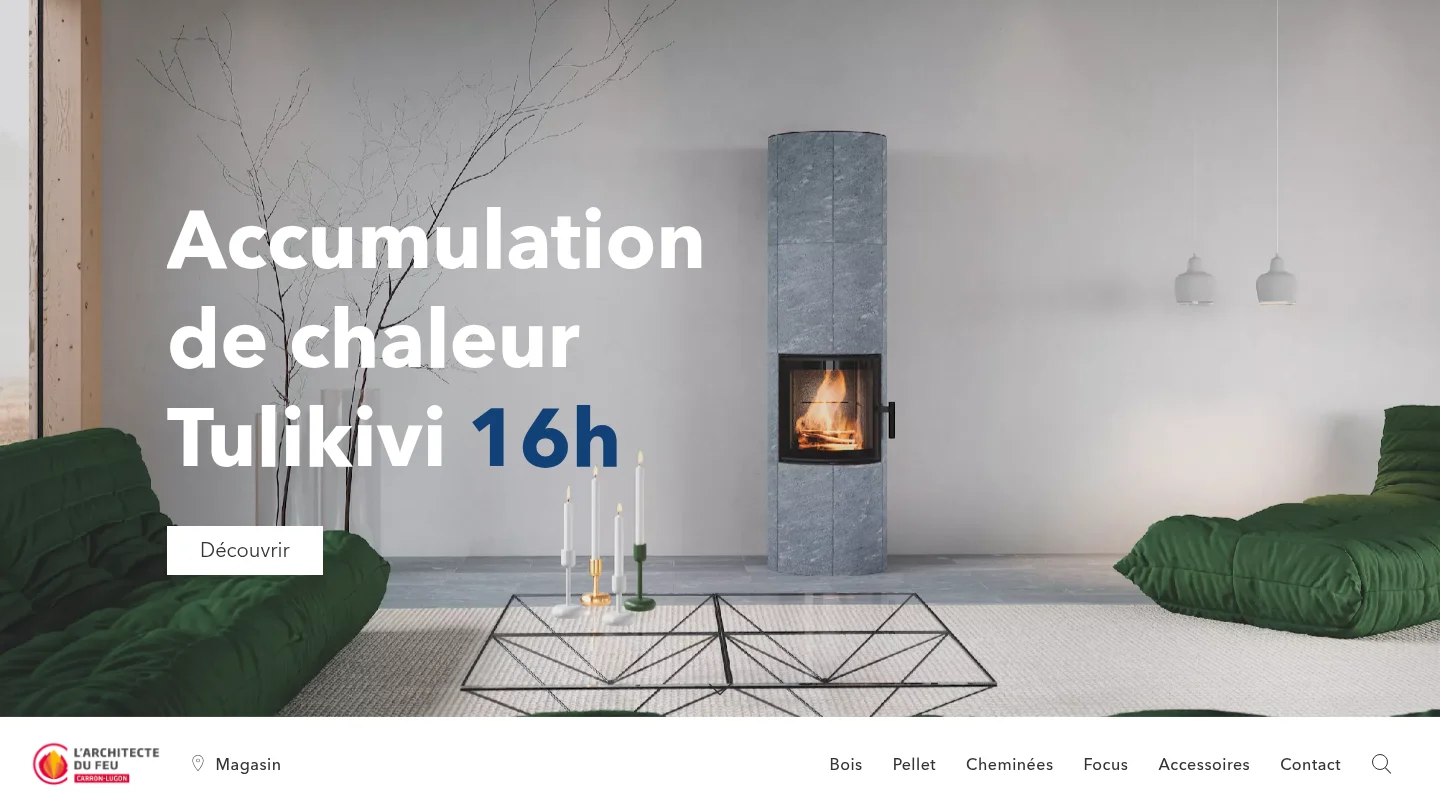
At the same heat output, a wood stove gives off as much heat as a closed fireplace. The main differences lie in the speed of heat distribution and the desired aesthetic. A wood stove heats up quickly and can be easily moved during a renovation; a masonry fireplace requires more work but offers a strong architectural presence. Soapstone storage stoves, on the other hand, continue to release heat for hours after the fire has gone out.
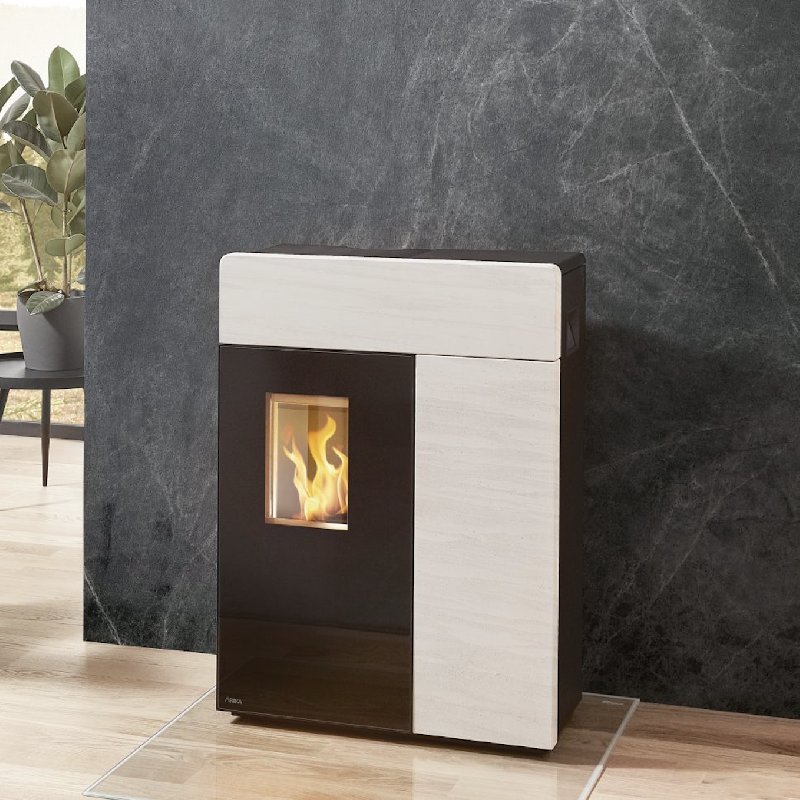
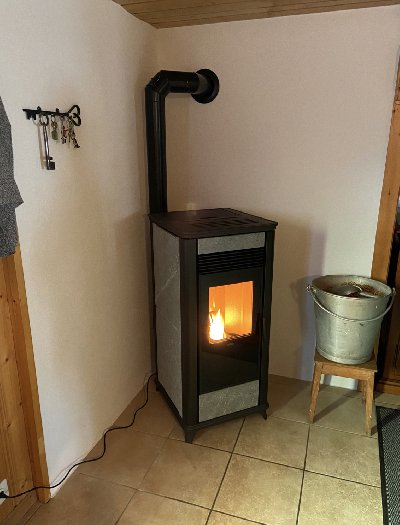
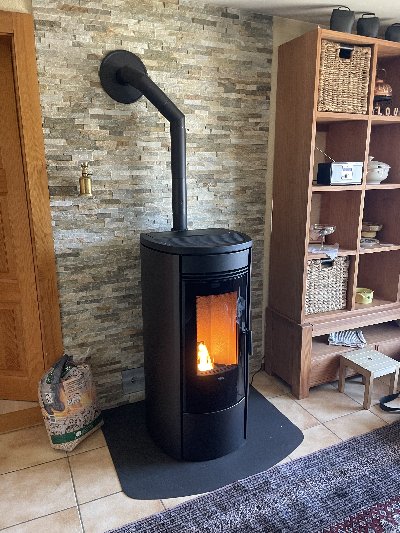
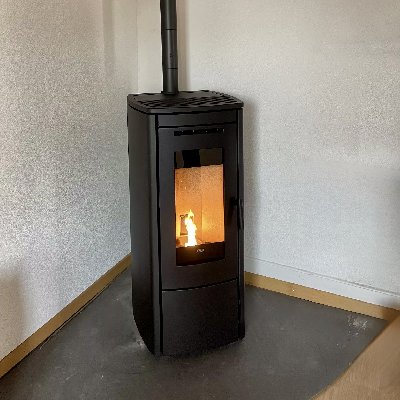
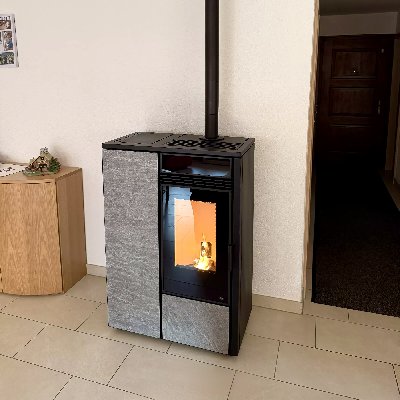
There’s one category that’s often overlooked: the electronically controlled pellet stove, which automatically regulates its own pellet supply. This is the solution that comes closest to an automated primary heating system. The right choice therefore depends on your intended use: supplemental heating for the pleasure of the flames, or a primary heat source.
Energy Efficiency: The Decisive Difference
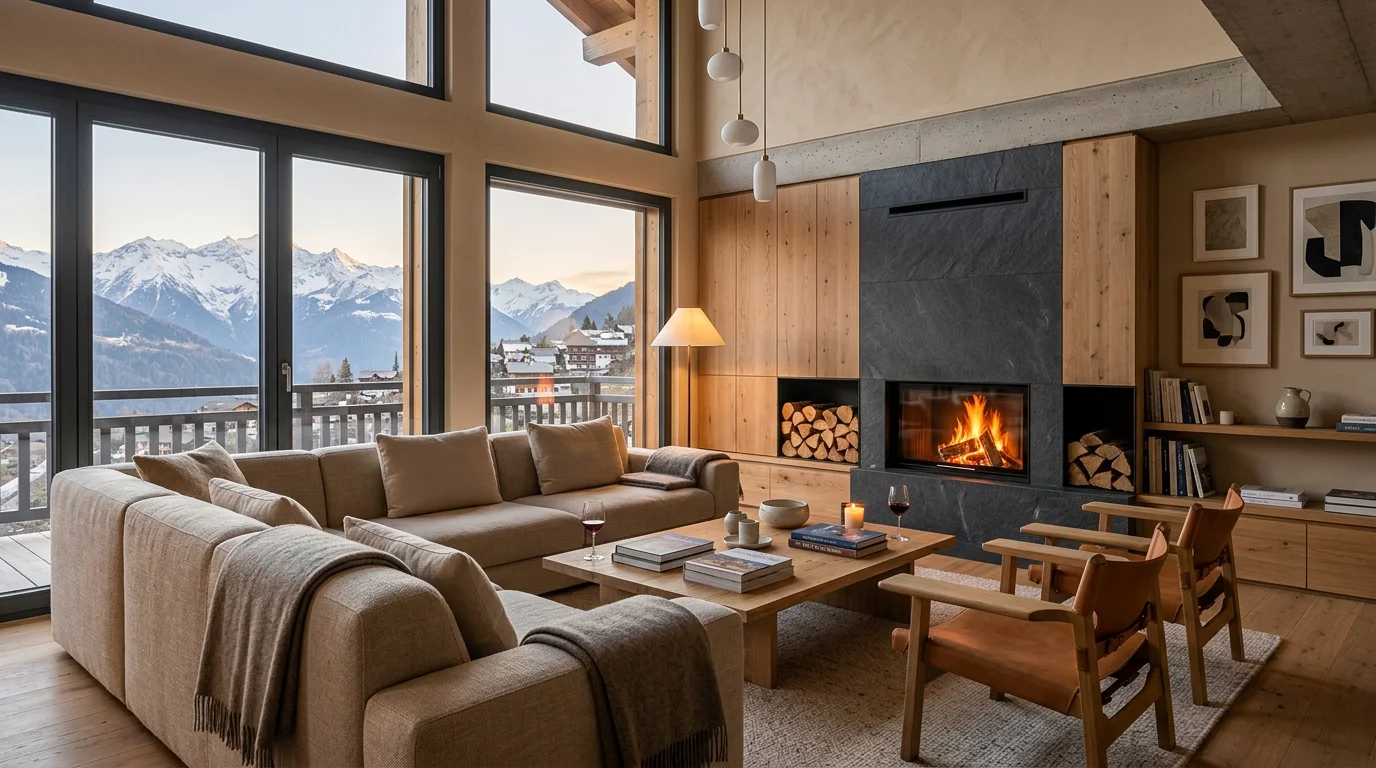
This is where the differences become dramatic. An open fireplace peaks at around 10 to 15% efficiency, while a modern appliance easily exceeds 80%. New wood-burning stoves and inserts achieve efficiency levels between 75 and 90%, a figure that drastically reduces wood consumption.
The stock of older appliances illustrates the issue at hand. Upgrading equipment pays off: according to a synthesis of sector-specific studies, fine particulate emissions from the residential sector fell by 45% between 2010 and 2020 thanks to the modernization of heating systems. The lighting technique also matters: lighting the fire from the top significantly reduces smoke and improves actual efficiency.
To get the most out of a stove, the auxiliary heating system can be combined with other automated wood-burning solutions. We’ll assess your needs free of charge based on your plans or an on-site visit, then recommend the most efficient model for your home.
Emissions and Air Quality: The Swiss Context
The type of appliance makes all the difference for the environment. An open fireplace emits a huge amount of particulate matter, whereas a modern appliance burning dry wood emits only a fraction of that. According to a French-speaking Swiss energy information service, an automatic pellet boiler that complies with current standards emits about 100 times less fine particulate matter than an old log-burning boiler.
In Switzerland, the OPair law sets emission limits and requires a declaration of conformity for appliances placed on the market. The quality of the fuel remains a key factor: burning damp wood significantly increases emissions compared to dry, untreated, and seasoned wood. A particulate filter at the flue outlet—sometimes required by cantonal regulations—further reduces pollution.
This health issue is well documented. In France, government agencies emphasize that burning wood in open fireplaces or in older heating systems generates a great deal of soot and fine particulate matter, and that this practice should be banned as a heating method. The message is clear on both sides of the border: a modern, properly adjusted wood-burning heater is part of the solution, not the problem.
Installation, Flue, and Lining: Technical Considerations
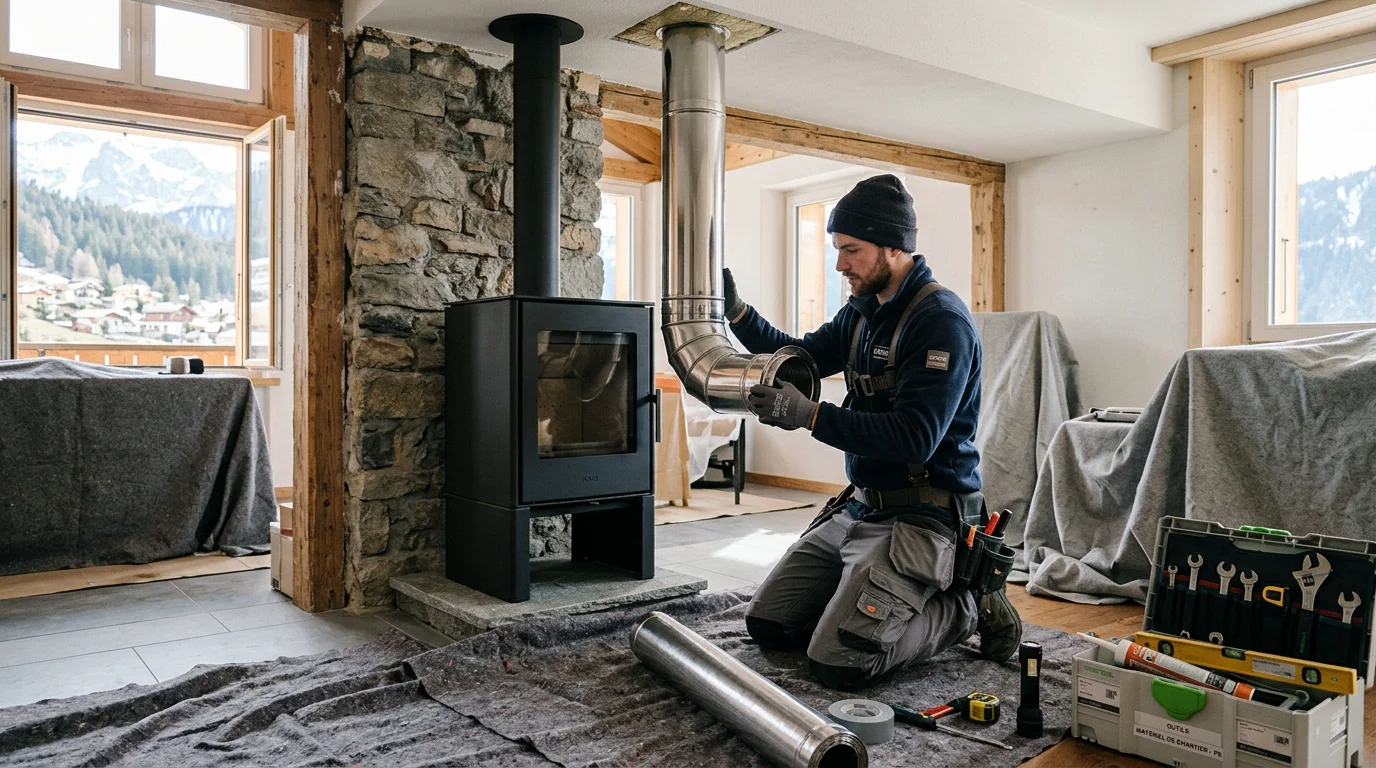
Regardless of the appliance, a properly sized flue is essential. Insulated stainless steel flue lining ensures safe exhaust of smoke and improves draft. A technical inspection confirms feasibility: flue height, outside air intake, and floor load-bearing capacity for a masonry heater. These checks prevent unpleasant surprises once construction begins.
The connection deserves special attention, as it determines both safety and performance. To objectively outline the characteristics of a certified component, our Declaration of Performance for the RIKA CONNECT WOOD pipe specifies the values that must be met. In renovation projects, an existing chimney can be retrofitted with an insert or replaced with a stove connected to the same flue.
A clean worksite also makes a difference. Our teams handle the dismantling, restoration (tiling, plastering, painting), and connection, protecting your home and cleaning up after the work is complete. We also coordinate the project with architects and other trades to ensure a smooth process.
Comparison Chart: Stoves, Enclosed Fireplaces, and Support Services
The table below summarizes the main differences and outlines our service approach.
| Criterion | Wood/Pellet Stove | Closed-fireplace | Our Carron-Lugon Support |
|---|---|---|---|
| Efficiency | 75 to 90% | 75 to 85% | Recommendation for the most efficient model |
| Footprint | Compact | Large | Free on-site or blueprint review |
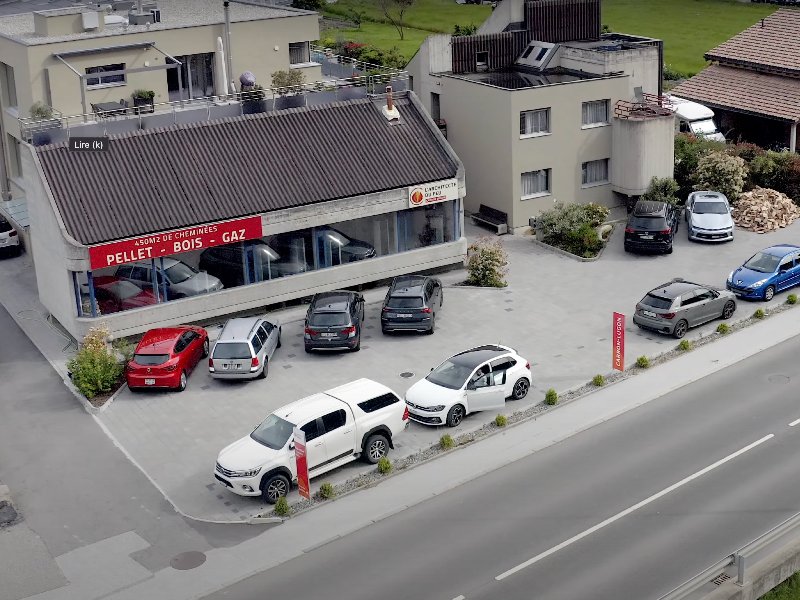
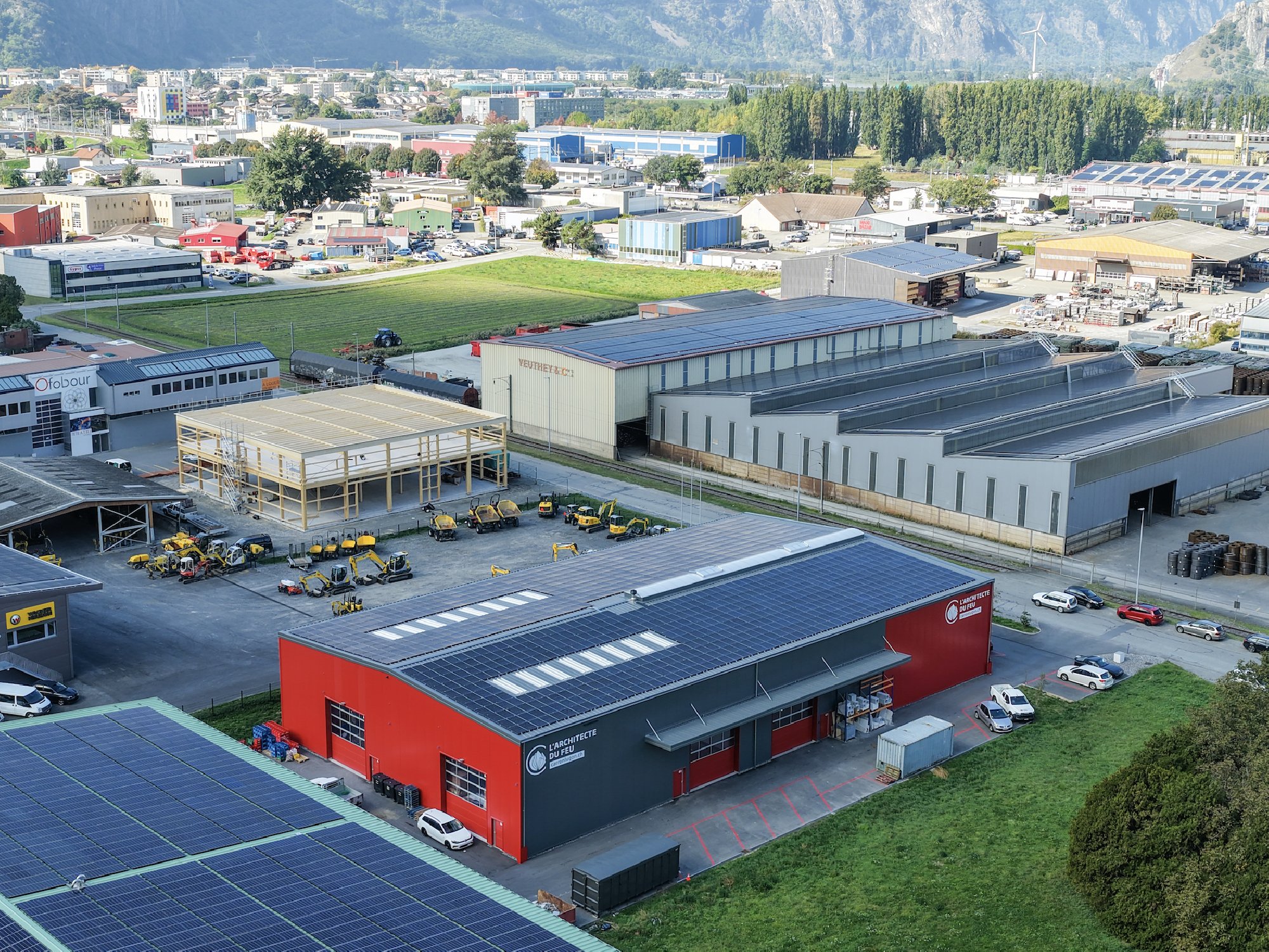
| Aesthetics | Varied, flexible | Integrated centerpiece | Showrooms in Fully and Etoy, open 24/7 |
| Installation | Minimal construction work | Masonry work | Coordinated construction site, protected living space |
| After-sales service | Depending on the supplier | Depending on the supplier | In-house after-sales service for wood, pellets, and gas |
When choosing between a stove and a fireplace, there’s no wrong answer—only a solution that’s better suited to your home and your heating habits.
Key points to remember for your project in Switzerland
A modern wood-burning fireplace is nothing like the open hearths of the past: it achieves over 80% efficiency while significantly reducing emissions. The winning trio remains the same everywhere: a new appliance compliant with the OPair regulations, a properly lined flue, and dry fuel lit from the top. Whether you’re leaning toward a compact stove or a masonry fireplace, the real difference lies in the quality of the installation and maintenance. That’s where thorough support—from initial consultation to after-sales service—transforms a simple purchase into a sustainable and secure investment.
Take action with Carron-Lugon
Still undecided between a stove, an insert, or a closed fireplace for your home in French-speaking Switzerland? We’ll help you clarify your project, assess technical feasibility, and choose an appliance that’s truly suited to your home and your heating needs.
Take advantage of our free, no-obligation consultation at our showrooms in Fully and Etoy, which includes an assessment of your needs based on floor plans or on-site, coordinated installation, and in-house after-sales service. To explore a concrete example of performance, check out our performance declaration for RIKA PARO wood-burning fireplaces.
Frequently Asked Questions
Does a stove provide as much heat as a closed-hearth fireplace?
Yes, at the same heat output, a stove gives off as much heat as an insert or a closed fireplace. It simply distributes the heat more quickly throughout the room, whereas a storage stove continues to release heat for a longer period after the fire has gone out.
Can I convert my existing open fireplace?
Absolutely. You can retrofit an existing fireplace with an insert, or replace it with a stove connected to the same flue. Our teams handle the removal, refurbishment, and installation while protecting your home.
What efficiency can I expect from a modern appliance?
New wood-burning stoves and inserts achieve an efficiency of between 75% and 90%. This is much higher than an open fireplace, which generally has an efficiency of less than 15%.
Is annual maintenance really mandatory?
Yes, annual maintenance and chimney sweeping are essential for safety and efficiency. Our in-house customer service team is here to assist you if you have any issues with a wood, pellet, or gas appliance.
How can you reduce fine particulate emissions?
Burn only dry, untreated, and seasoned wood, and light the fire from the top to reduce smoke. A modern appliance and, if necessary, a particulate filter effectively complement these best practices.