

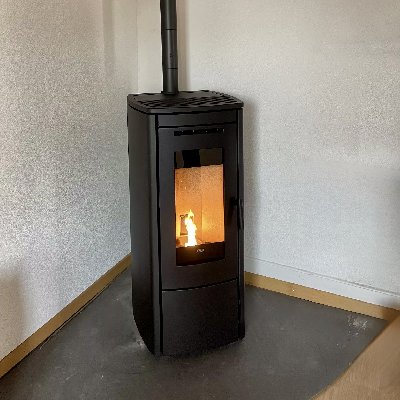
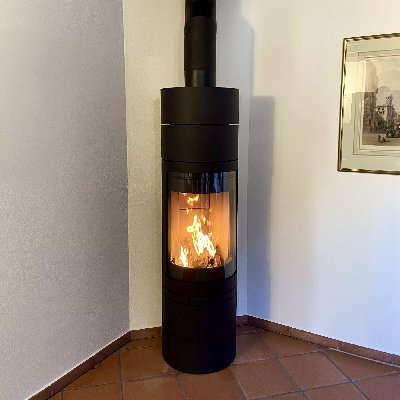
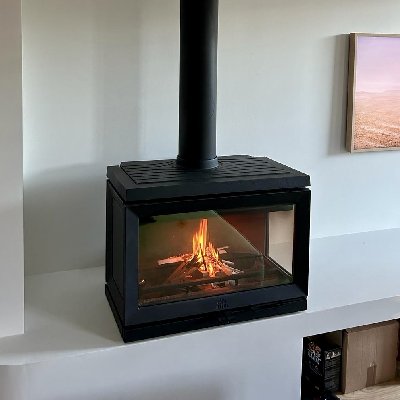

The differences between radiant and convection heating
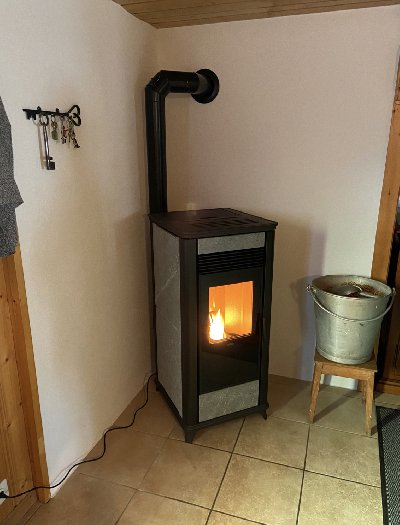
The main feature of convection heating is that it heats the air in the room. Warm air leaving the heater is lighter than cold air. As a result, it rises close to the ceiling before slowly descending, losing energy. This type of heating leads to significant temperature differences at different heights in the room, which is often uncomfortable for the occupants. Not to mention air movement, which also stirs up dust.
Radiant heating, on the other hand, uses the same principle as the sun. It's a flow of energy that spreads across the room, heating the various surfaces it encounters. As a result, heat is pleasantly distributed throughout the house. What's more, the inhabitants are warmed directly, which is pleasant and very comfortable.

Features and benefits of radiant heating
In addition to being a source of comfort, radiant heating also has excellent air quality improvement properties. It avoids excessive air circulation in the room, while maintaining a balanced humidity level and preventing excessive dust build-up. As a result, the air is less dry and much healthier for occupants.
Radiant heating is also much more economical and environmentally friendly. With its unfailing efficiency, it can operate at relatively low initial temperatures compared with other types of heating, and provides even heat from floor to ceiling. Less energy-consuming, it saves you money and protects the environment.
Which radiant heater is right for you?
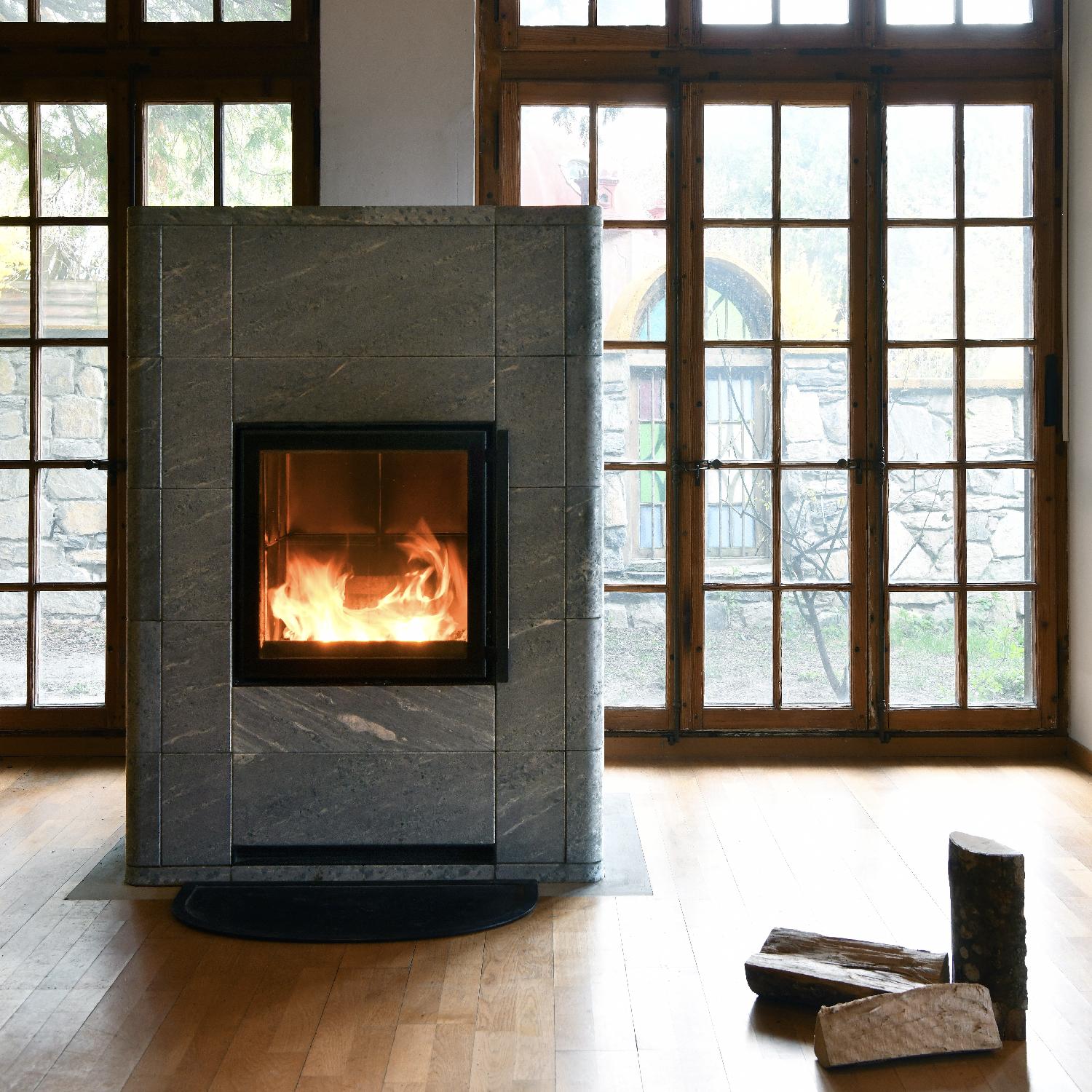
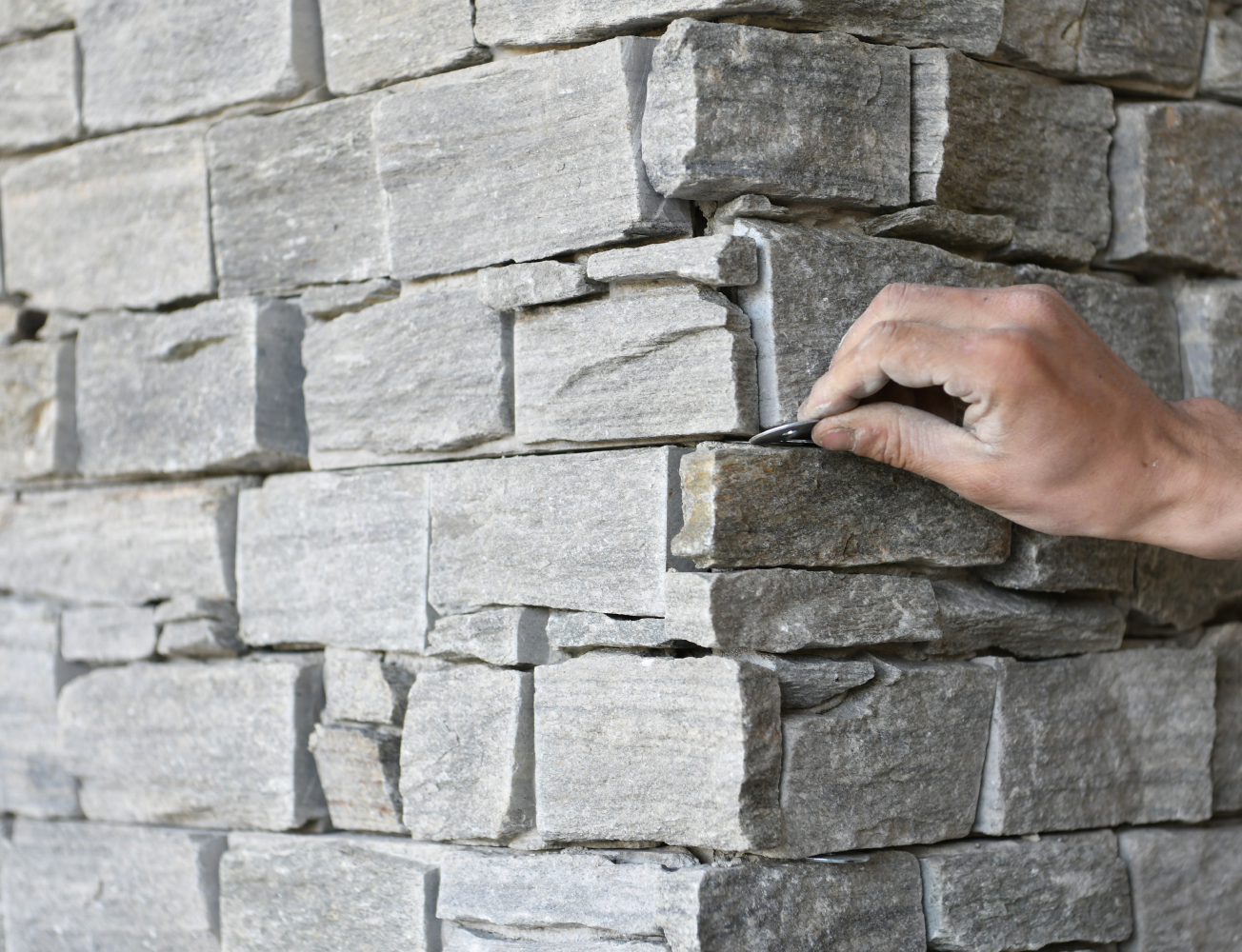
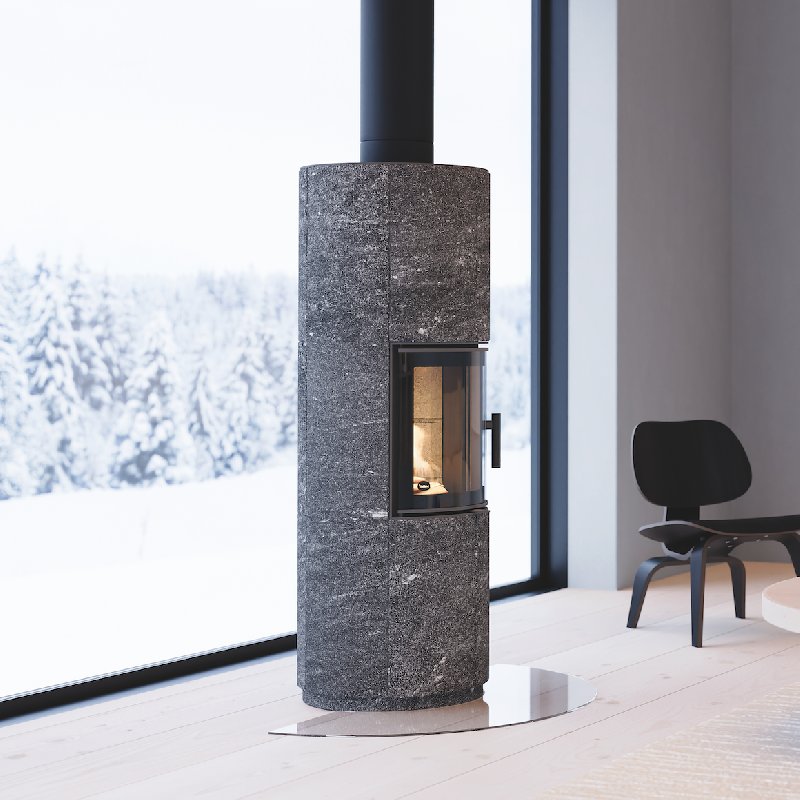
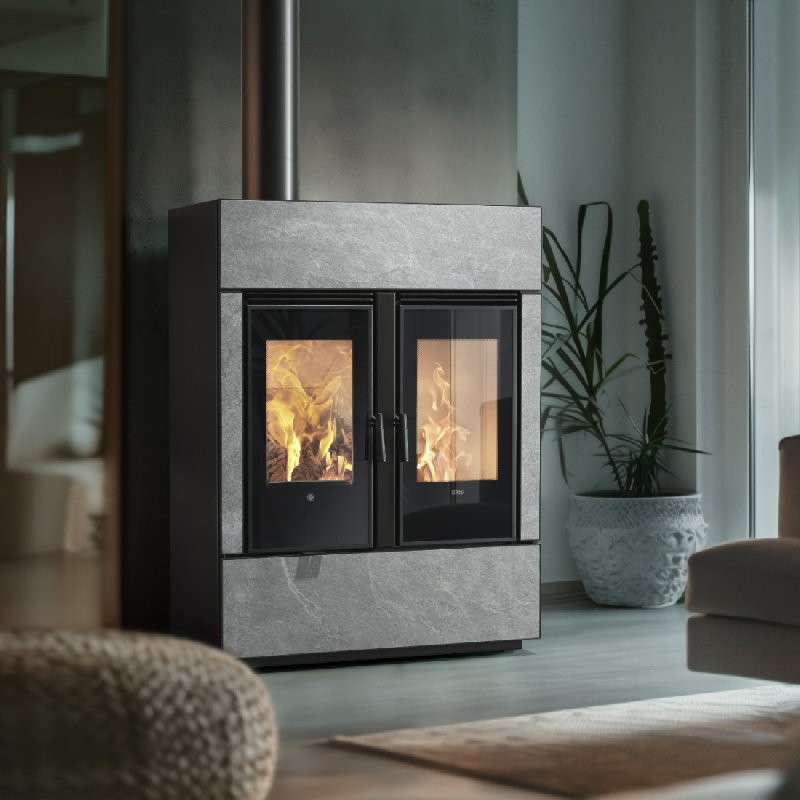
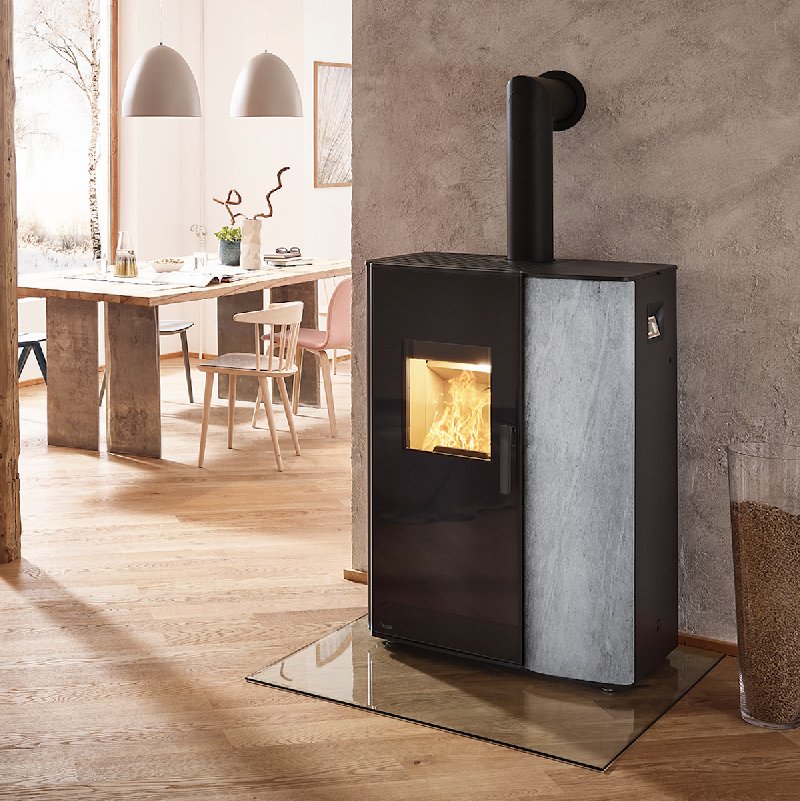
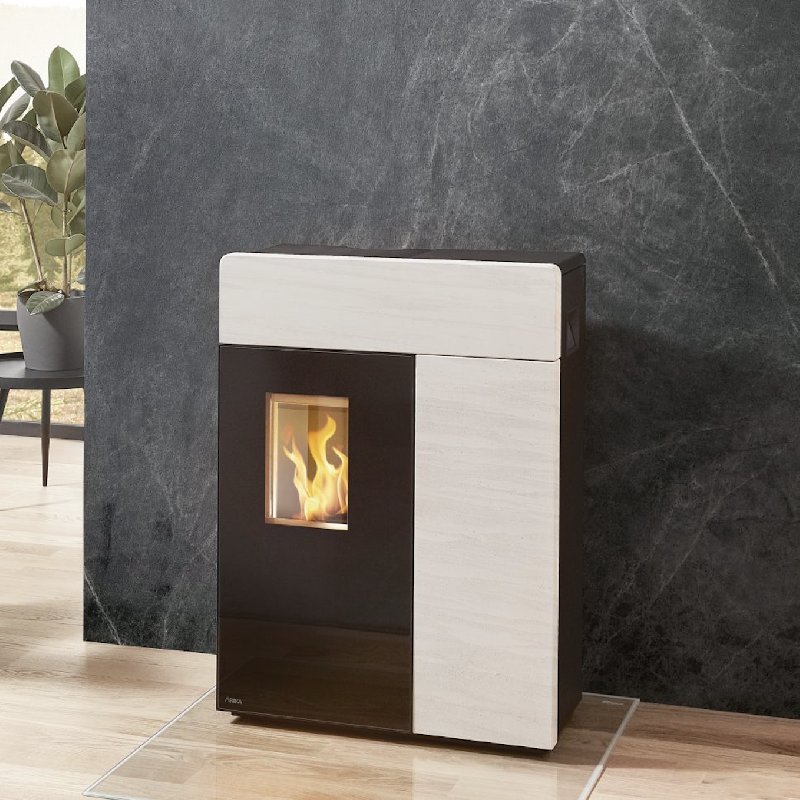
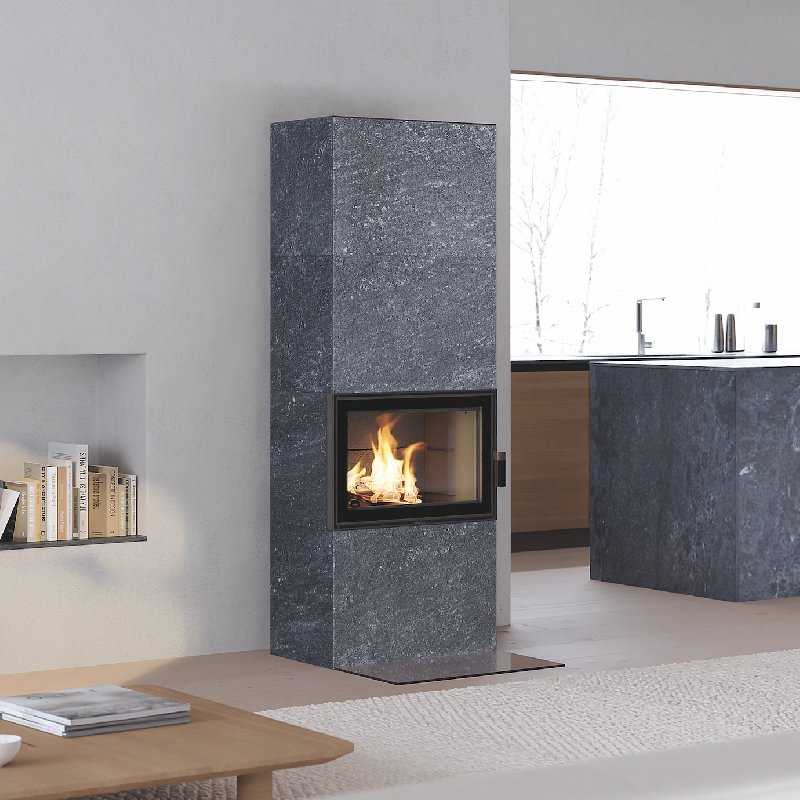
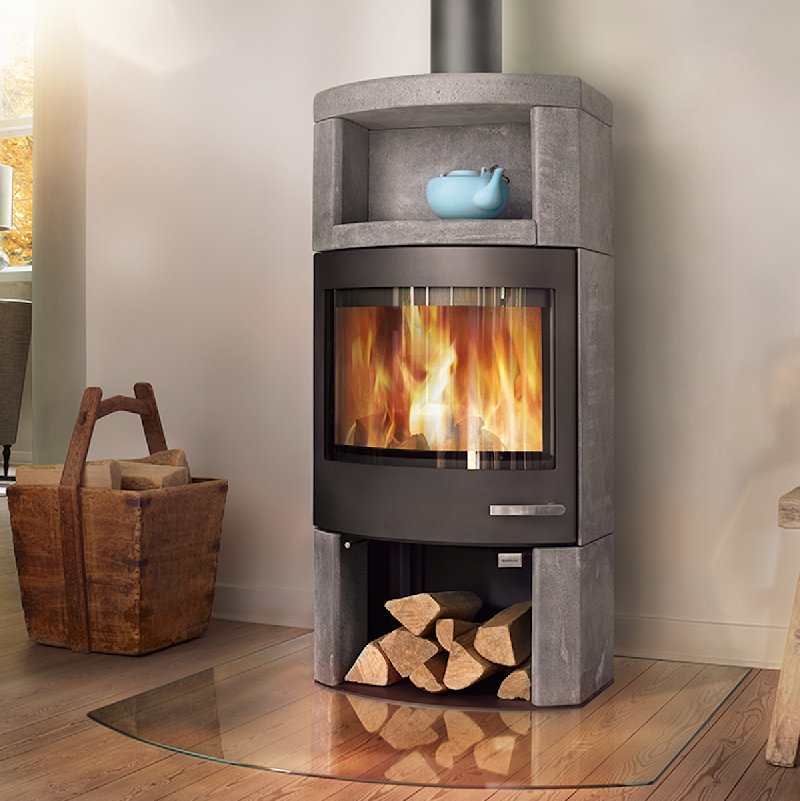
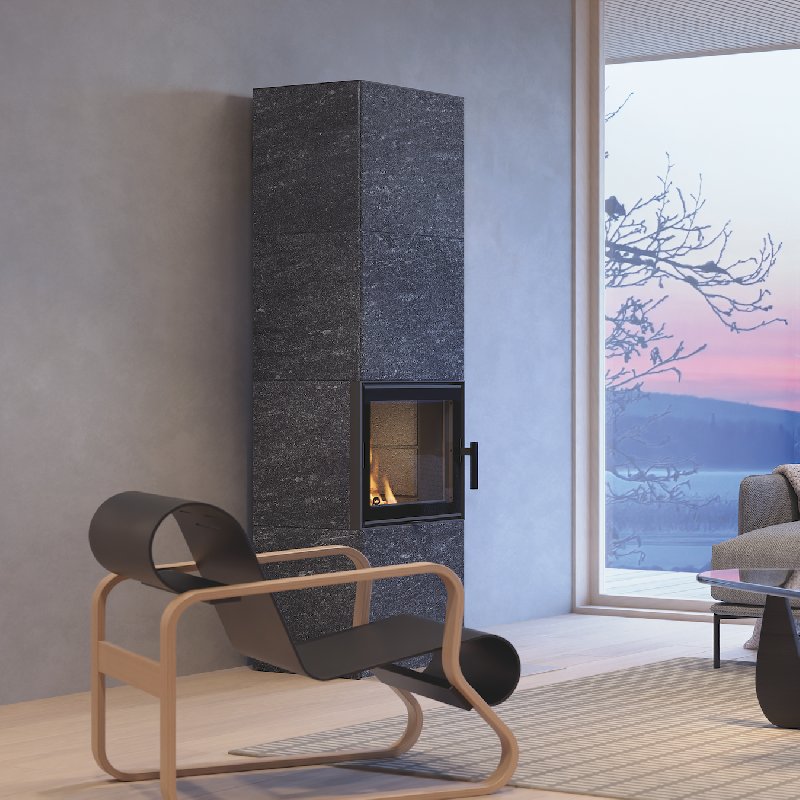
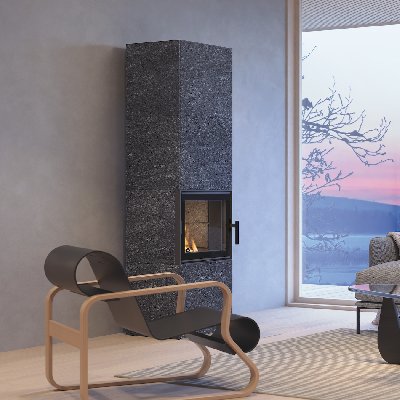
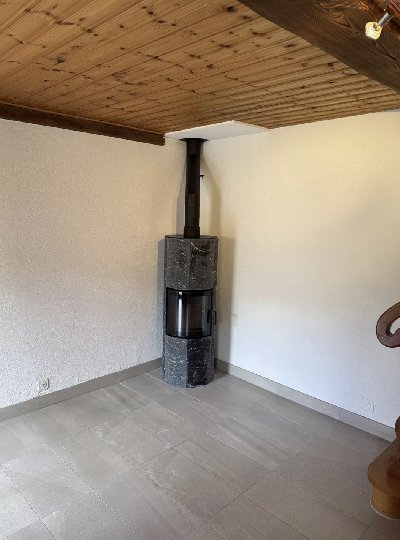
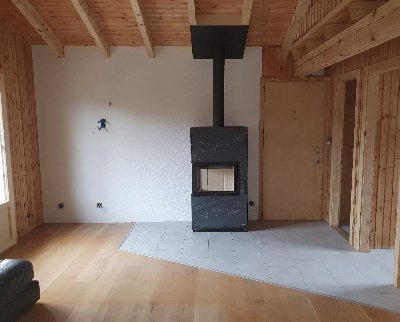
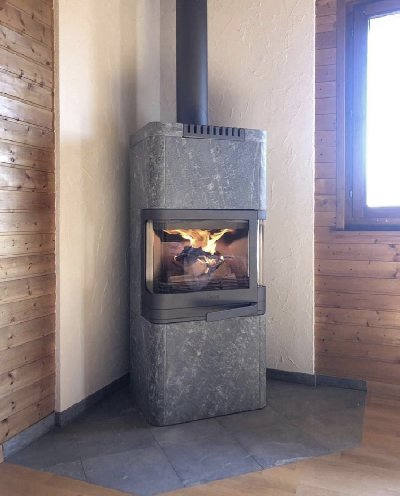
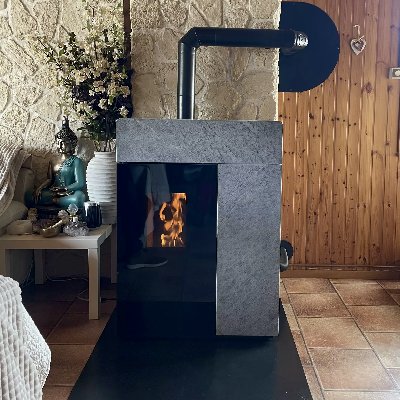
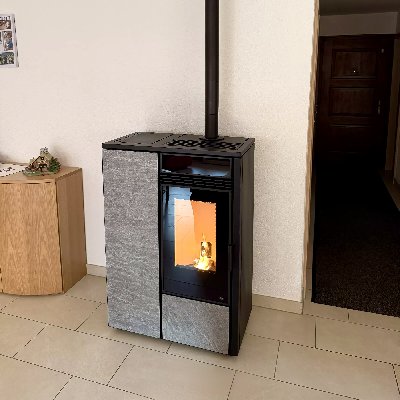
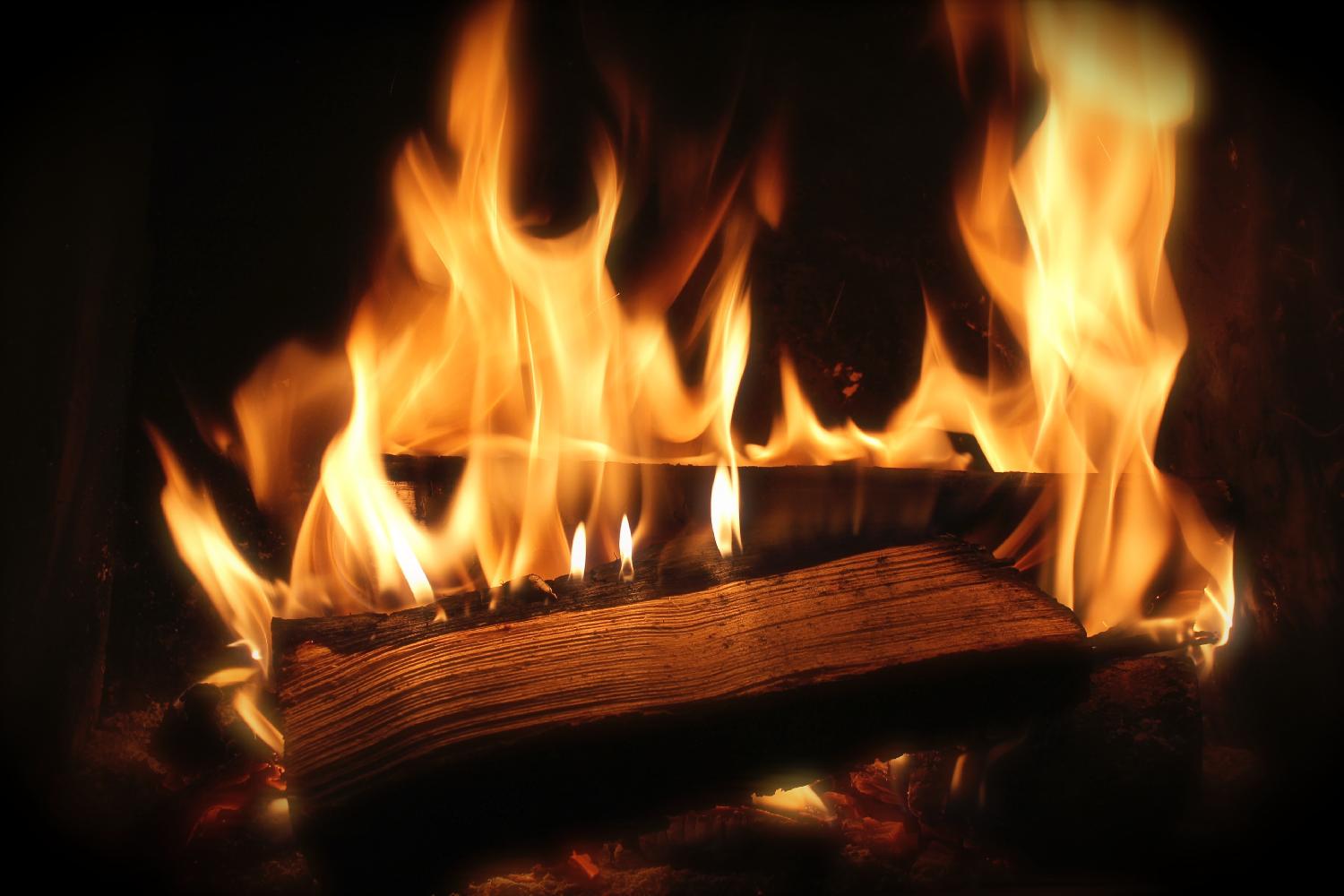
Tulikivi heaters are the ultimate masonry heaters, weighing between 950kg and 3 tons (or more). Their soapstone will accumulate the heat of the fire and then diffuse it for up to 40 hours (depending on the model) throughout your home, thanks solely to the radiation of the stone!
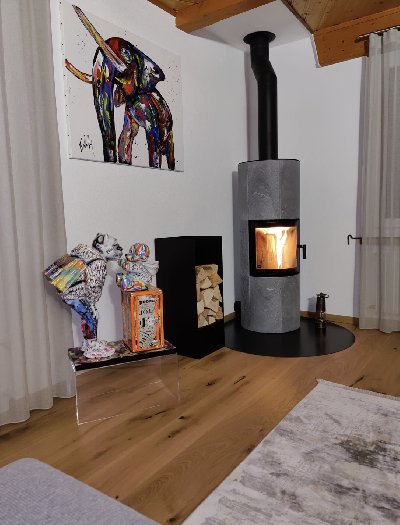
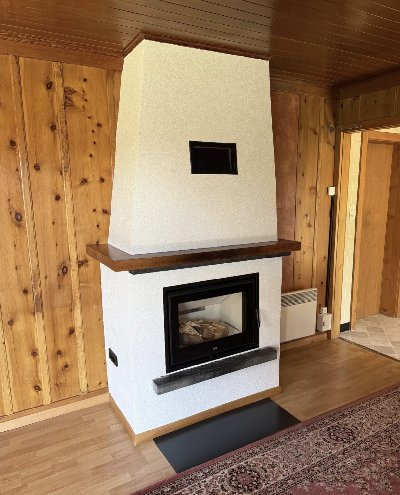
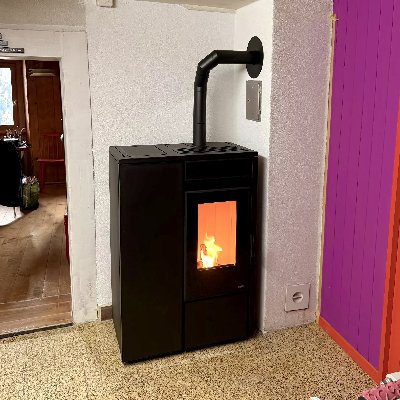
Tonwerk heat-accumulating stoves are based on the same principle, but have the advantage of being lighter in weight, while still being self-sufficient for up to 12 hours on some models.
In any case, these types of appliances guarantee long hours of heating without replenishment.