

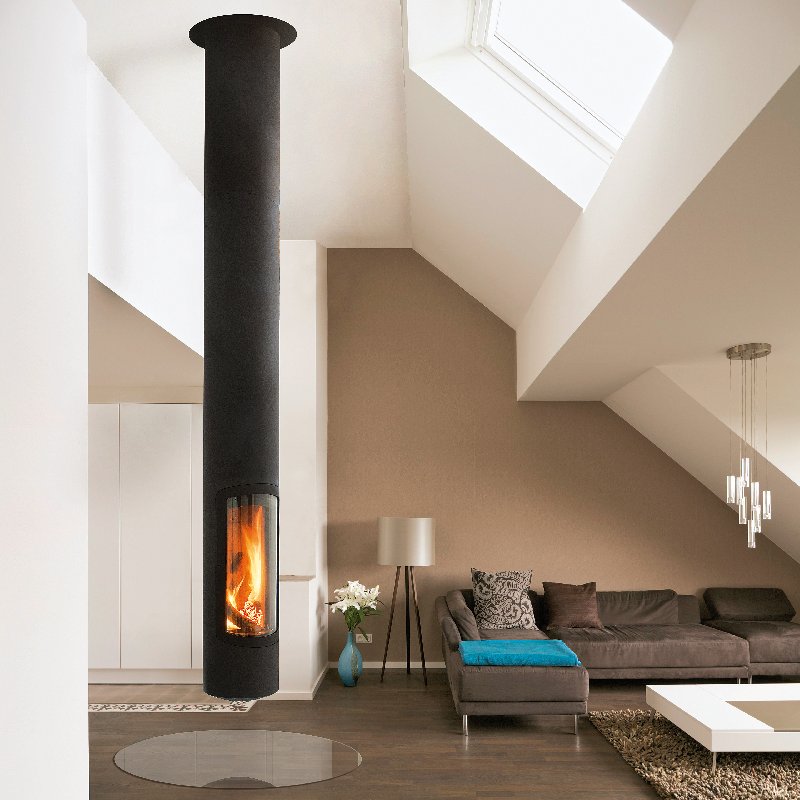
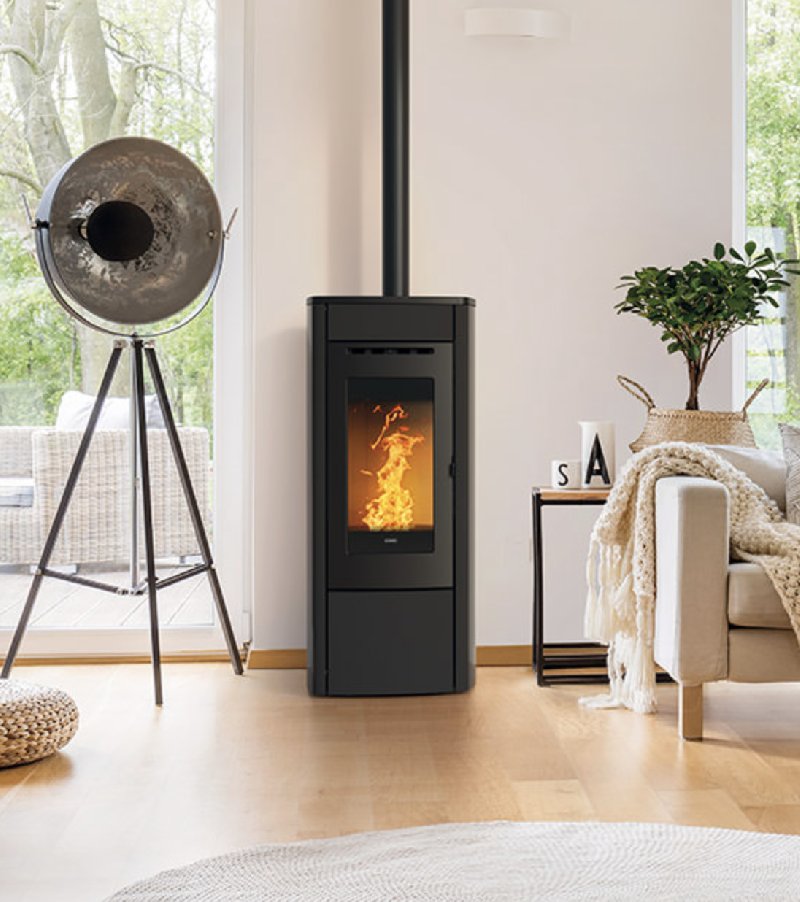
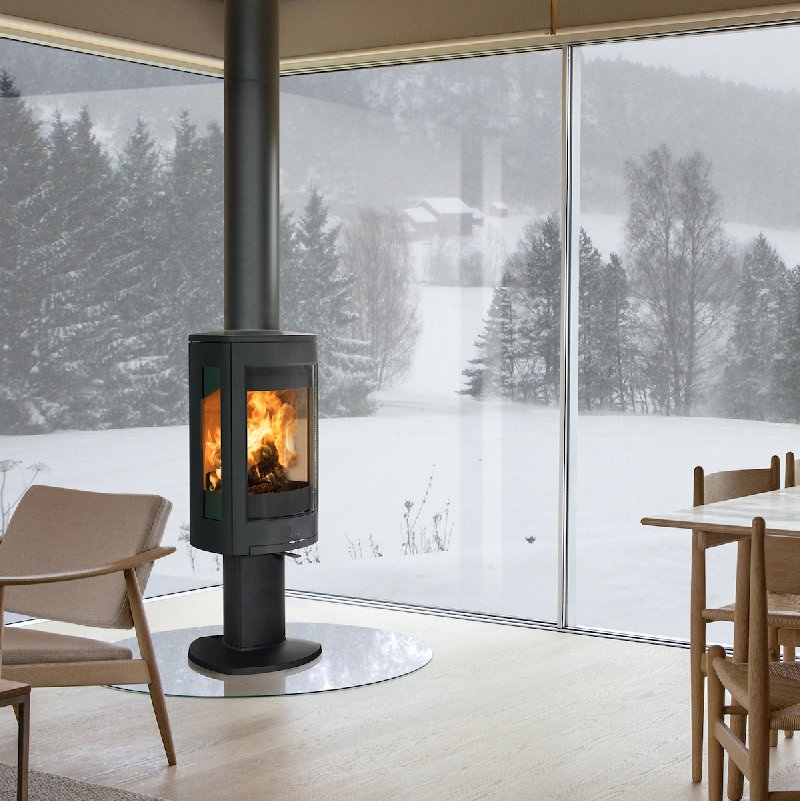
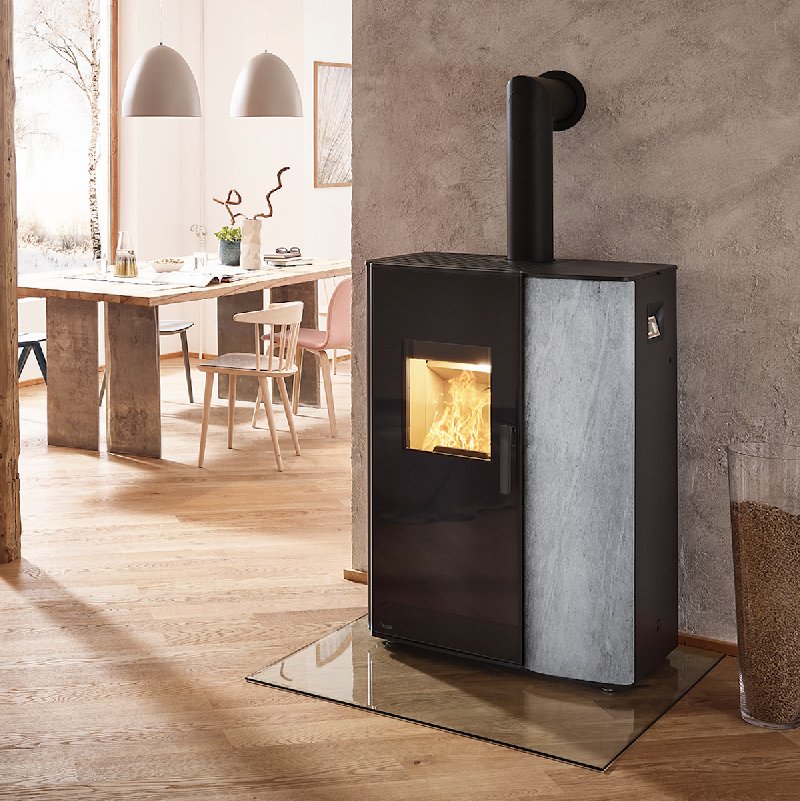
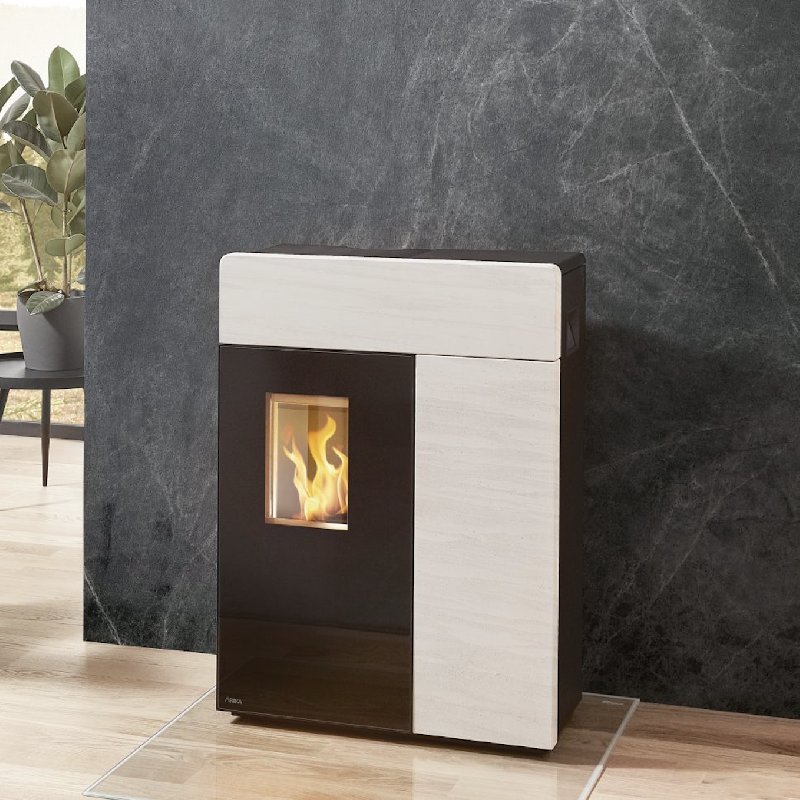
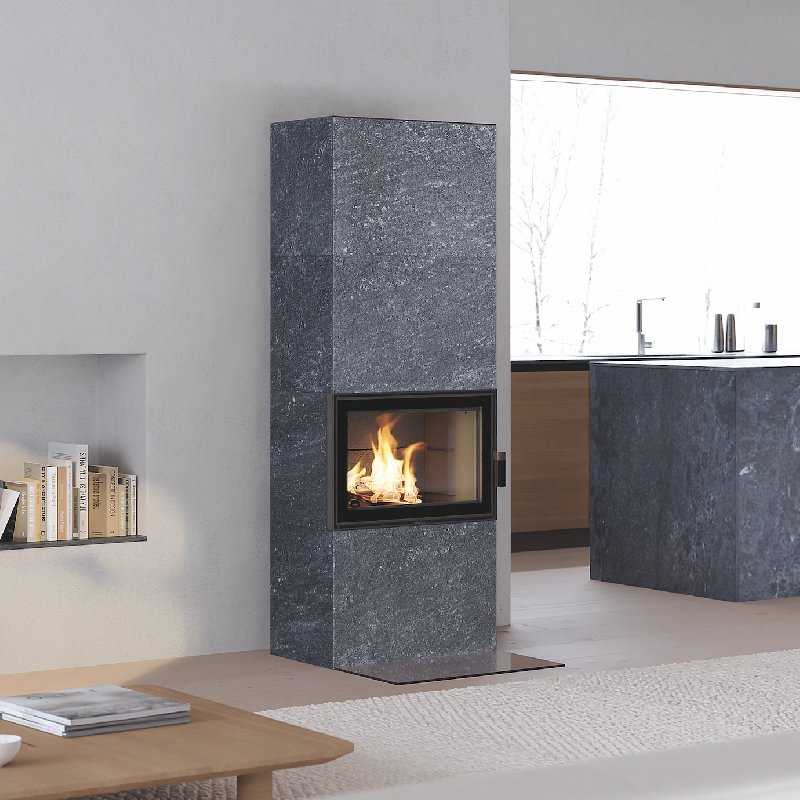
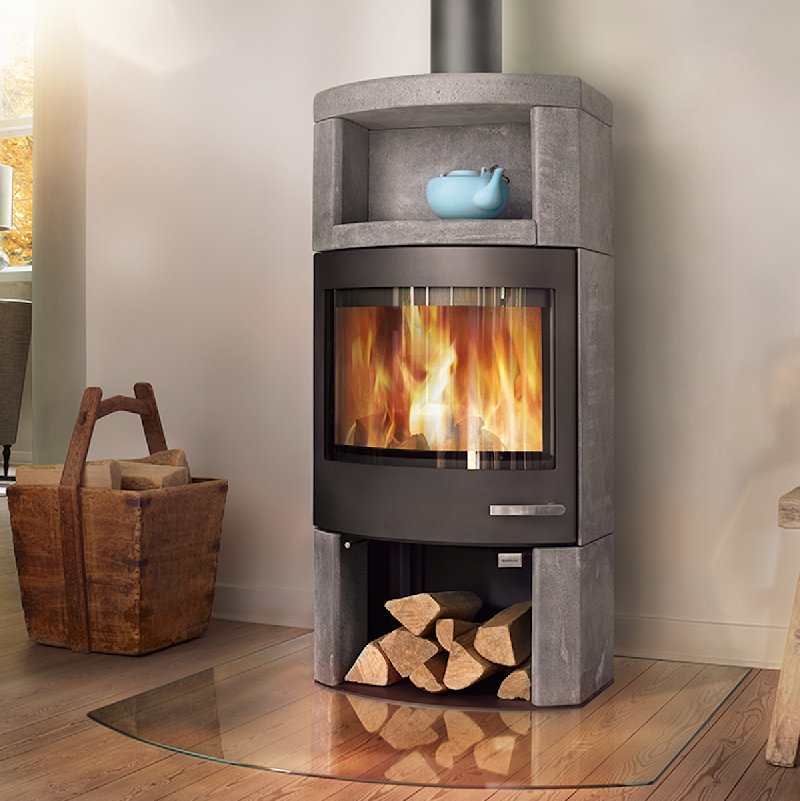
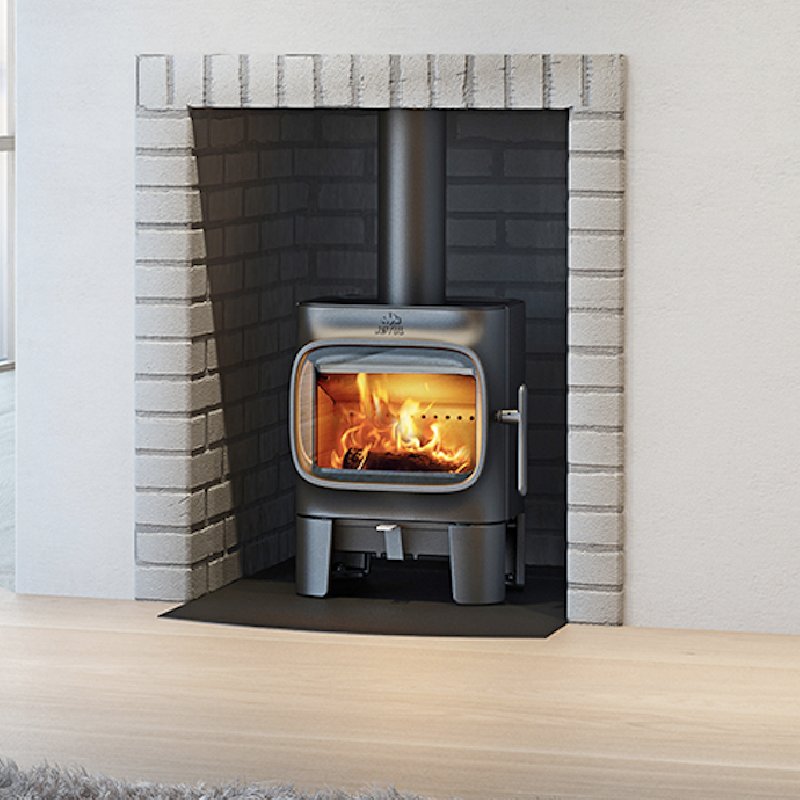
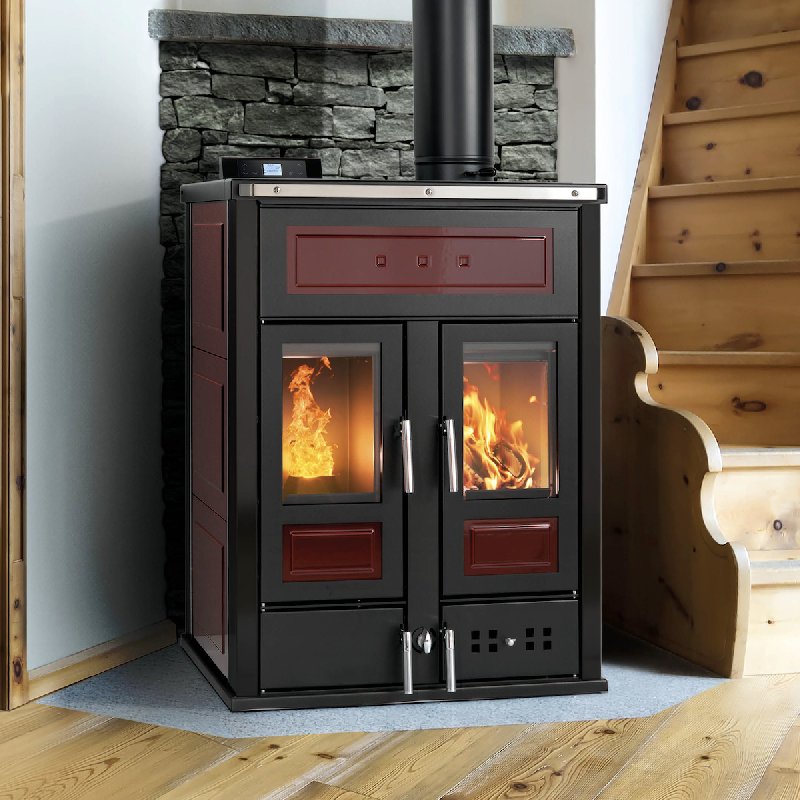
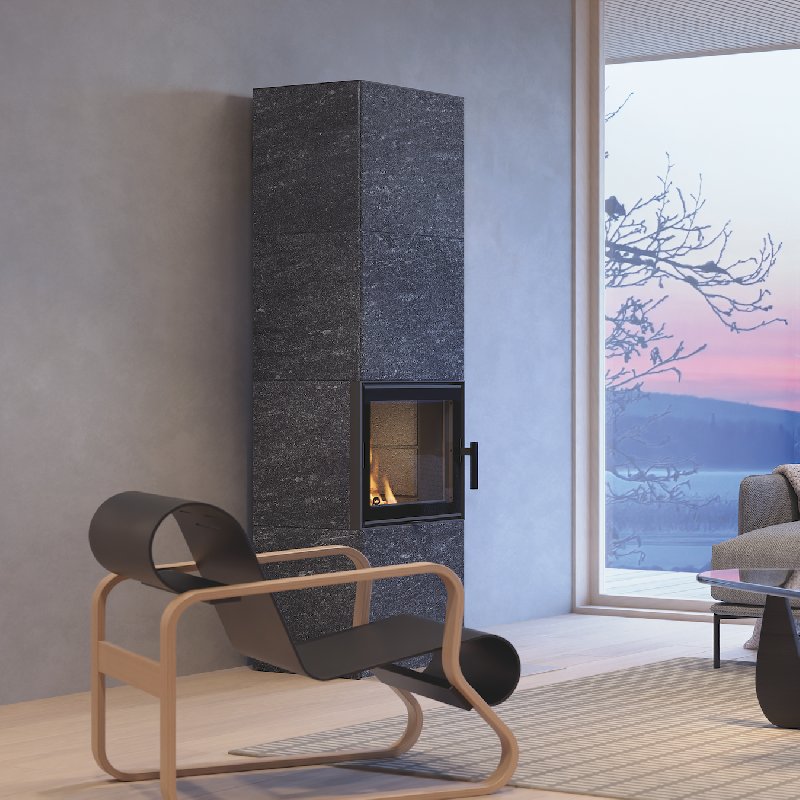
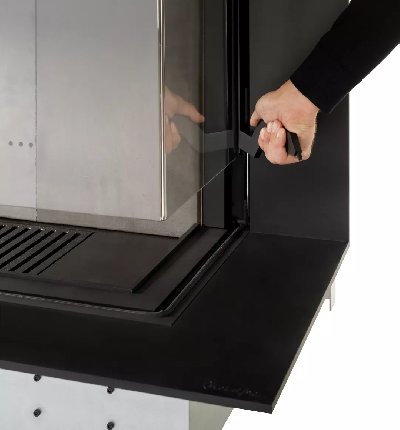
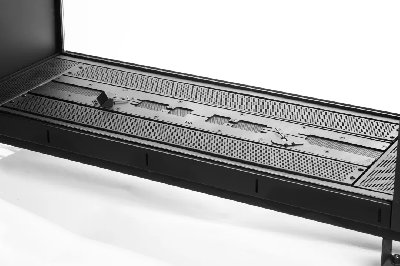
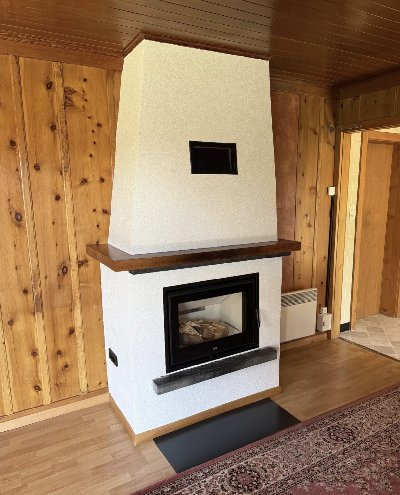
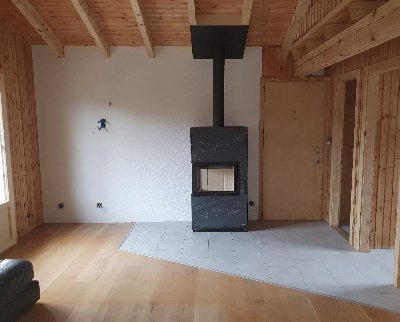
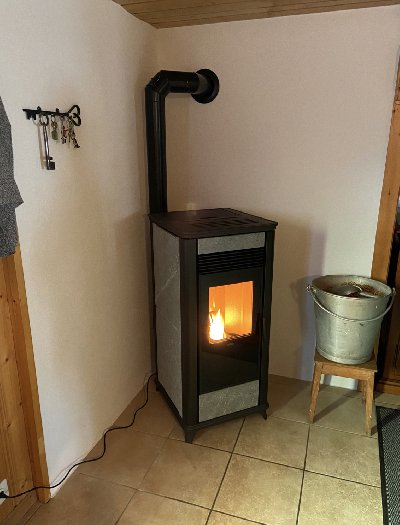
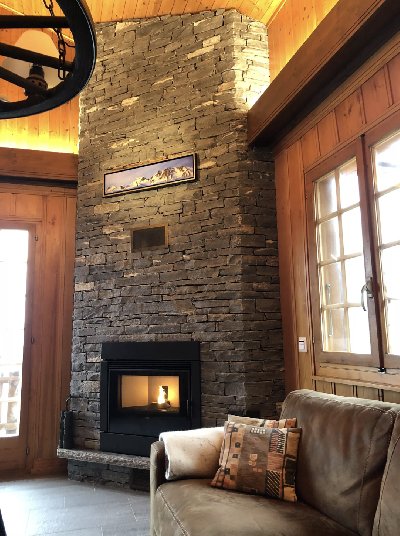
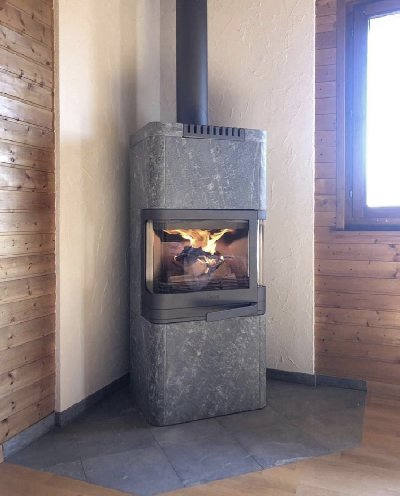
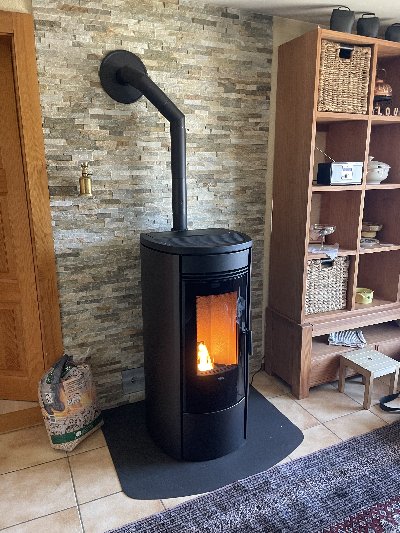
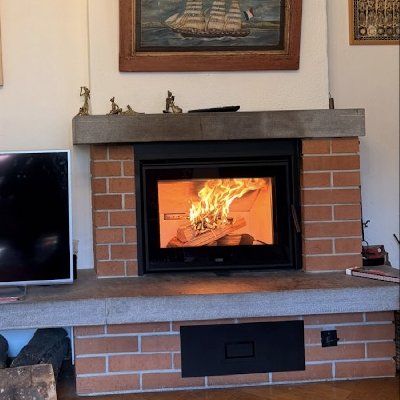
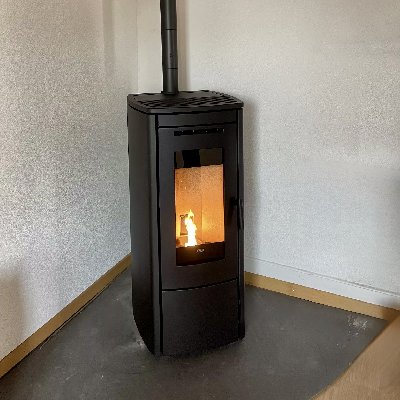
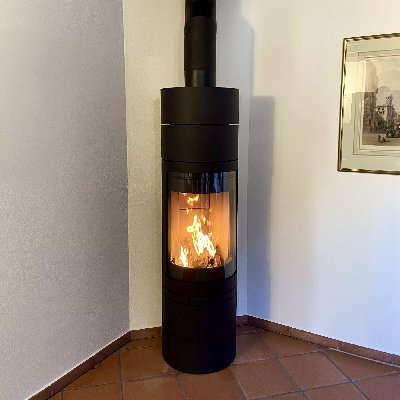
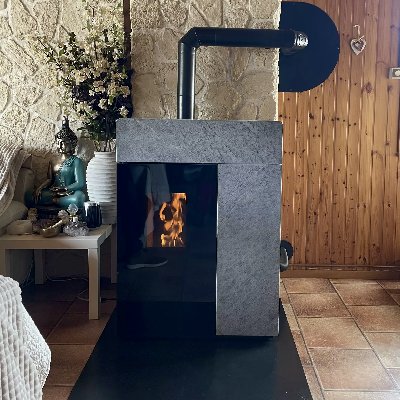
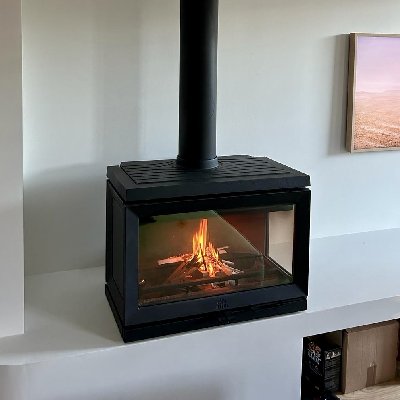
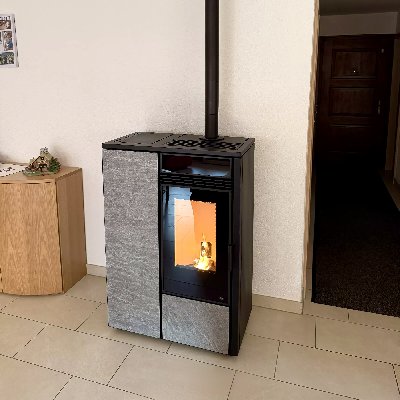

What if you could enjoy a cozy fire without having to haul logs, empty ashes, or prepare each fire? A gas fireplace fulfills this desire for comfort while maintaining a striking visual presence in your living room. To compare sizes and installation options, you can also check out our M-Design model.
However, this type of appliance shouldn’t be chosen solely for its aesthetics. You must verify the gas supply, flue venting, actual heat output, and the requirements specific to your canton. In Switzerland, the energy landscape is also evolving, making a comprehensive analysis of your home particularly important.
What is a gas fireplace and how does it work?
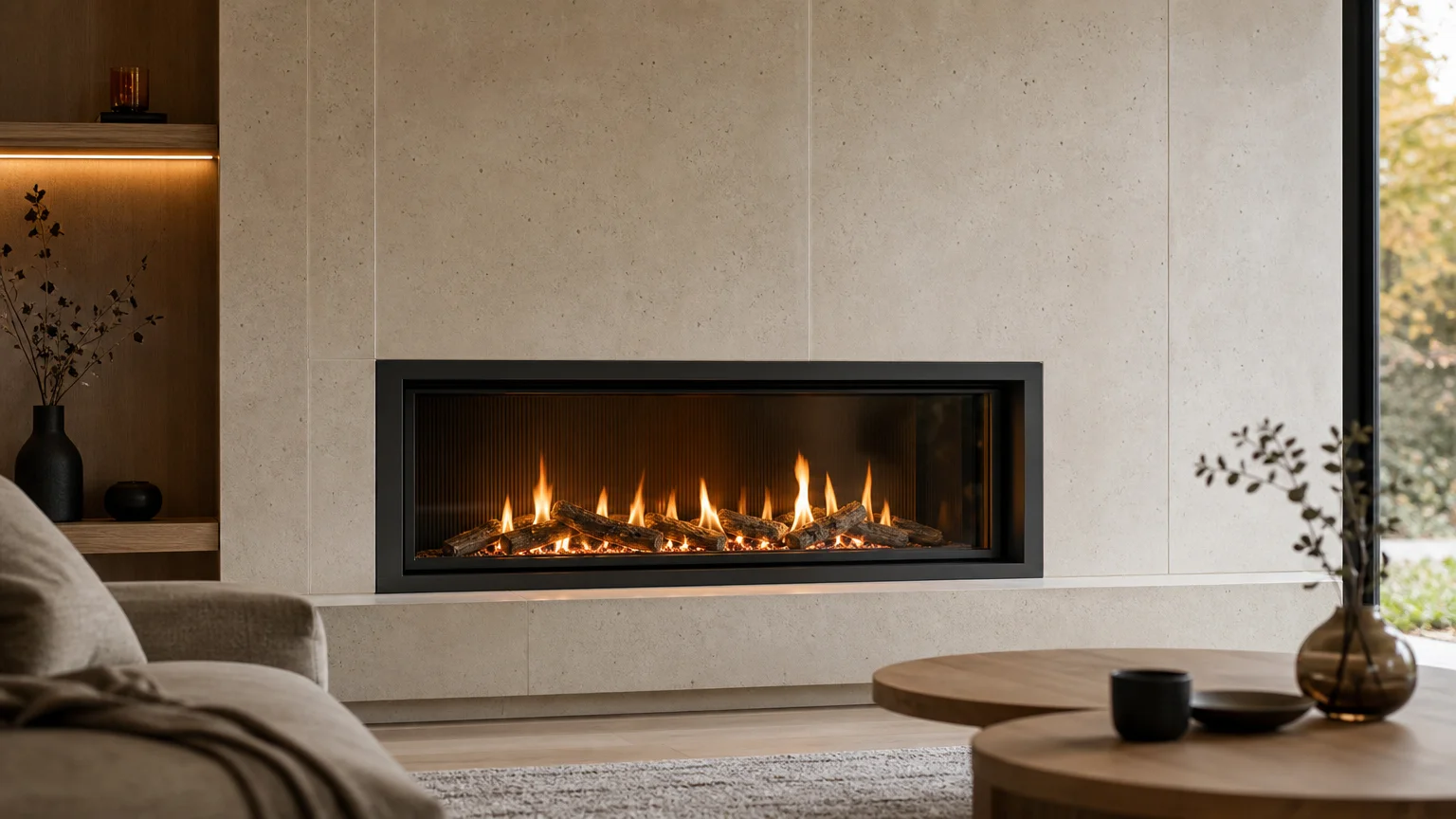
A gas fireplace produces a flame using a burner fueled by natural gas, biogas, or liquefied gas, depending on the model and the home’s specifications. The burner is integrated into a firebox designed to distribute heat and display a visible flame behind a glass panel or in a more open configuration.
The operation is generally simple. You light the fireplace using a control, then adjust the flame height, output, or temperature. Some units also allow for programming and remote control, but the available features depend on the manufacturer and the model chosen.
It is important to distinguish between a decorative fireplace and the primary heating system. A gas fireplace can effectively heat a room or living area, but it does not automatically replace the entire home’s heating system. Its capacity must therefore be appropriate for the home’s insulation, volume, and intended use.
According to FSO statistics, 17% of residential buildings in Switzerland were heated with gas in 2024. This data pertains to heating systems for buildings as a whole—not decorative fireplaces—but it illustrates the prevalence of gas in the national housing stock.
What benefits can you expect in your daily life?
Imagine a winter evening when you want to create a cozy atmosphere in just a few seconds. With a gas fireplace, you avoid having to store firewood, light the fire manually, and deal with the ash and debris associated with burning wood.
The first benefit is ease of use. A control typically lets you turn the fire on or off and then adjust the flame. This allows you to tailor the ambiance and warmth to the time of day without having to regularly tend the fire.
The second advantage is cleanliness. A gas fireplace doesn’t produce ash like a wood-burning fireplace. This means you’ll spend less time cleaning around the unit. This feature can be appealing if you’re looking for a convenient solution for a living room, an apartment, or a vacation home.
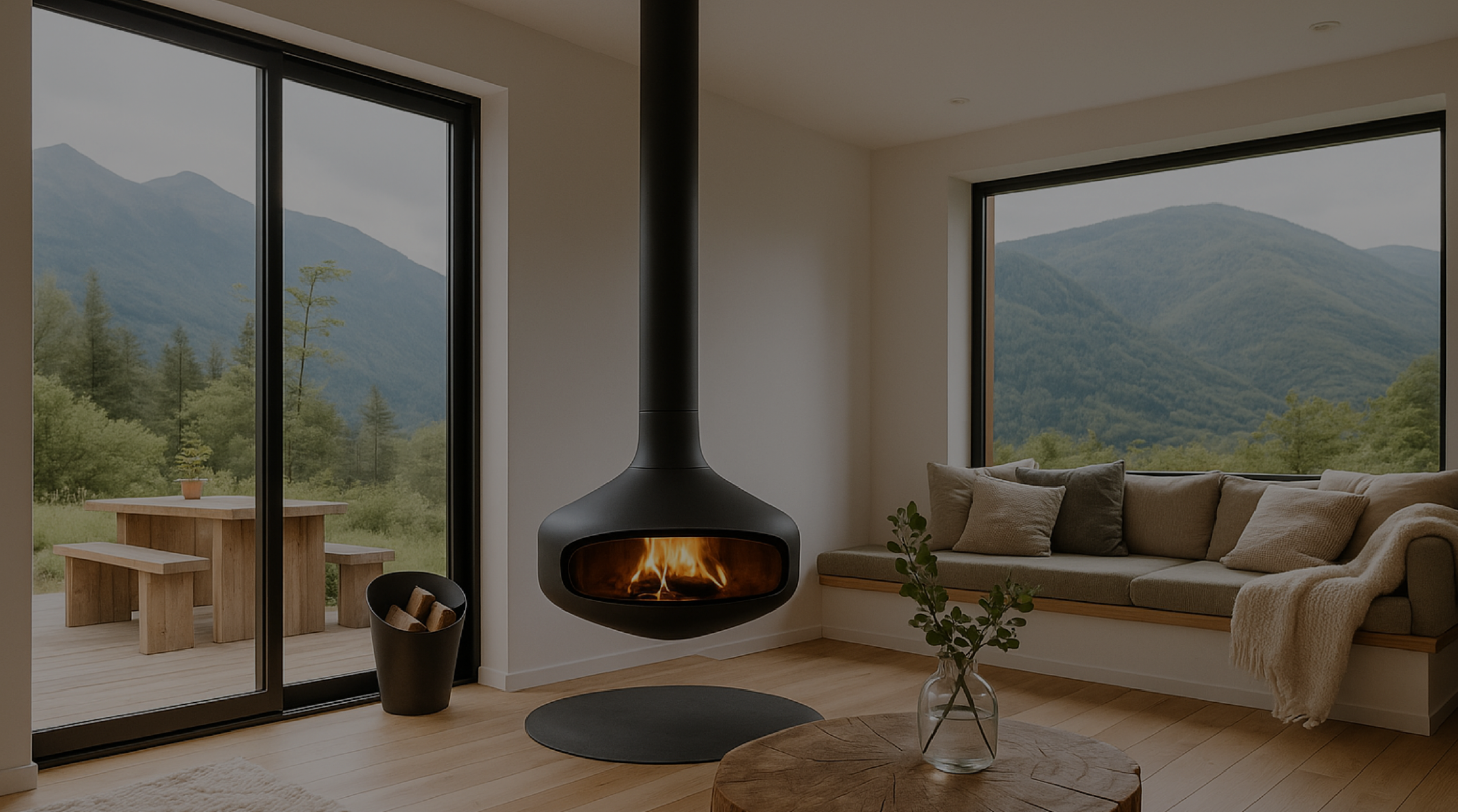
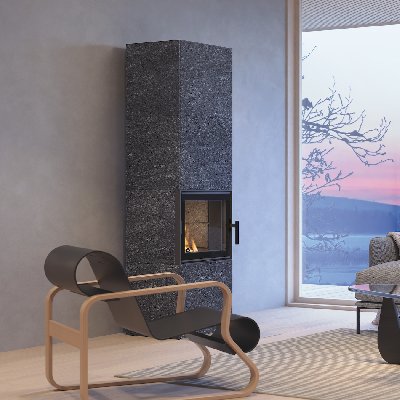
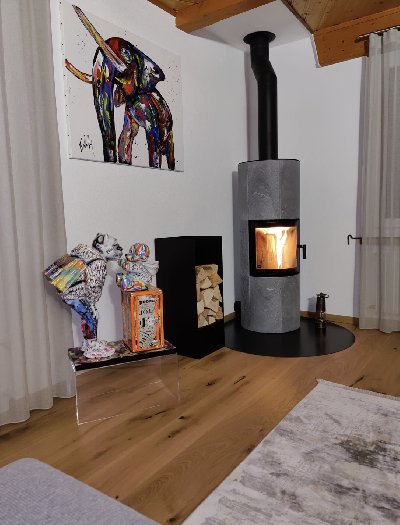
A gas fireplace also offers great aesthetic flexibility. You can choose a front-facing, corner, double-sided, or through-wall design, depending on the layout of your room. The glass, trim, and decorative elements greatly influence how the fire looks when the unit is turned off.
This simplicity does not mean the unit is completely self-contained. The connection, exhaust of combustion products, and safety devices must be assessed by a professional. You must also ensure proper maintenance in accordance with the manufacturer’s instructions and applicable local regulations.
What type of flue and installation are required in Switzerland?
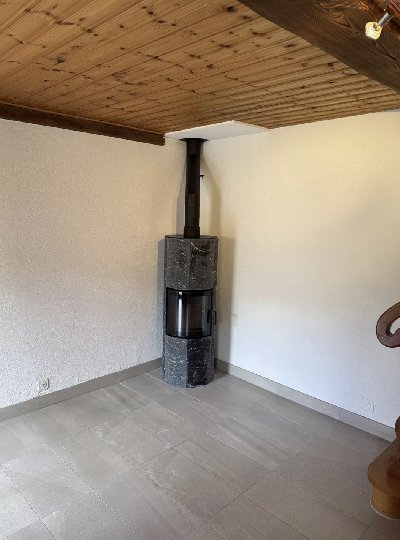
A common misconception needs to be corrected: a gas fireplace cannot automatically be installed without a flue. It must vent combustion products, either through an existing, suitable flue or through a specific system, such as a concentric venting system (vent-a-draft) when the model and building permit it.
The flue is therefore one of the first things to check. You must verify its condition, diameter, route, compatibility with the appliance, and the possibility of lining it. In an apartment, approval from the homeowners’ association or the property owner may also be required.
Swiss regulations govern combustion systems and their emissions. Federal air quality regulations specifically address the marketing and use of appliances, as well as the discharge of exhaust gases. You can consult the FOEN’s recommendations on combustion systems to understand the general framework.
The procedures may then vary depending on the canton and municipality. A declaration, an inspection, or the services of a certified chimney sweep may be required before or after installation. Therefore, you should not rely solely on a unit’s product specifications to confirm the feasibility of your project.
How do you choose a gas fireplace that suits your home?
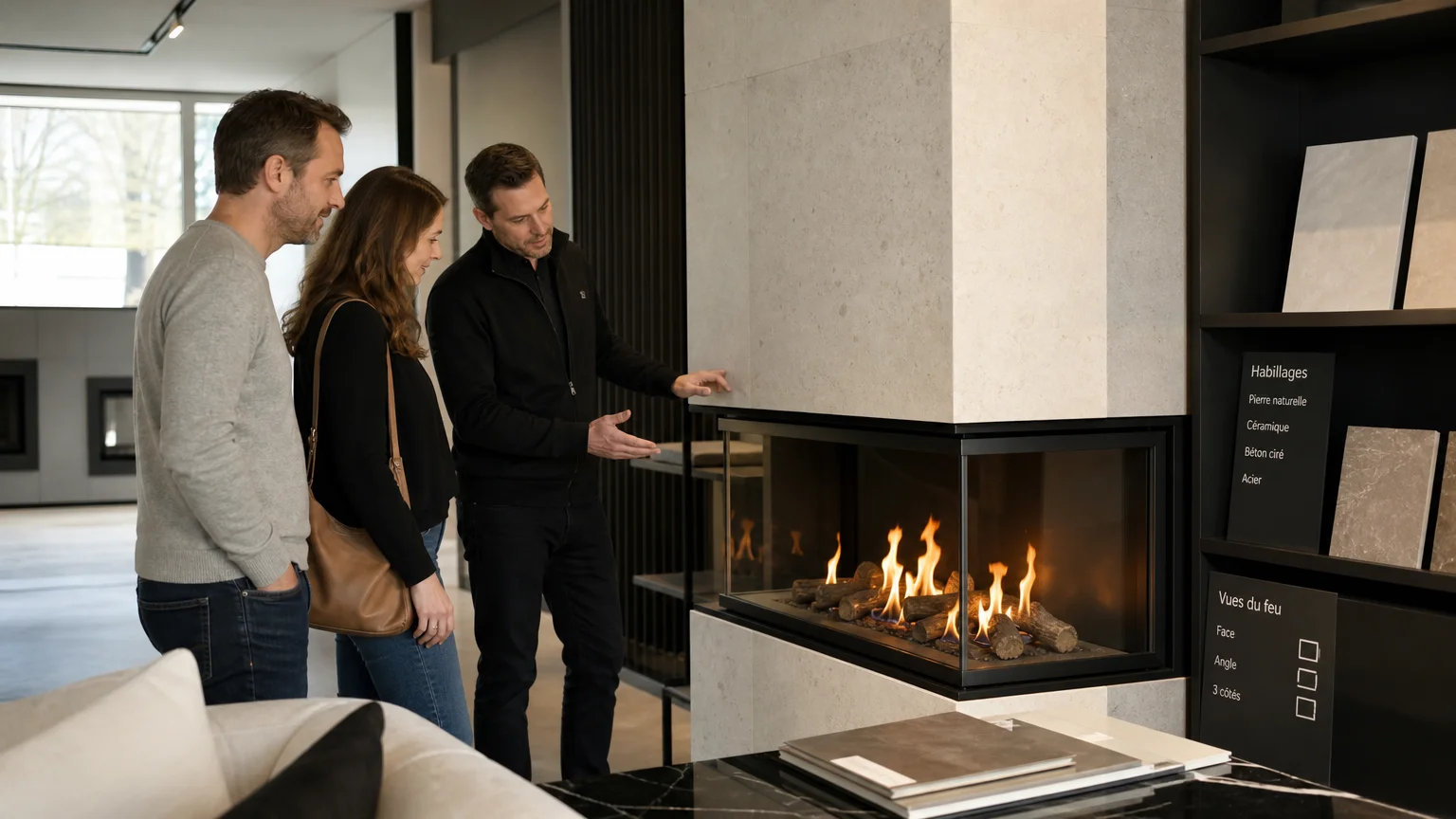
The choice starts with your intended use. Are you primarily looking for a visual feature, occasional heating, or consistent warmth in a living space? The answer will influence the type of fireplace, the output, and the level of control required.
Room size alone isn’t enough to determine output. You must also consider insulation, ceiling height, exposure, ventilation, and the desired temperature. A unit that’s too powerful can cause excessive heat and short operating cycles. An undersized model may not meet your needs.
The room’s layout also plays a major role. A front-facing fireplace draws the eye toward a single focal point. A corner model opens up the space. A double-sided fireplace can separate two areas, while a through-wall fireplace creates visual continuity between two rooms.
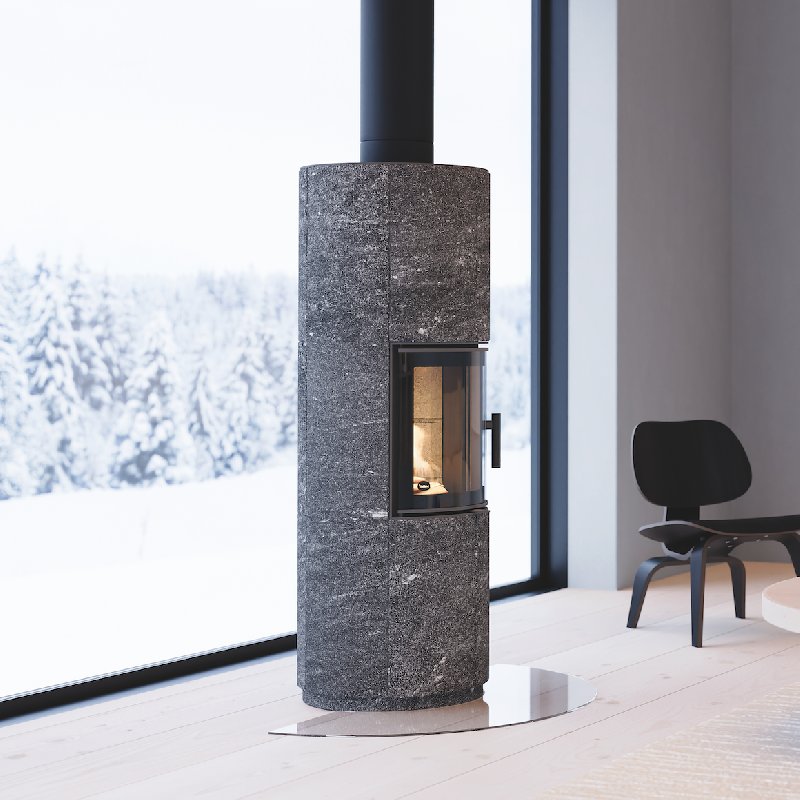
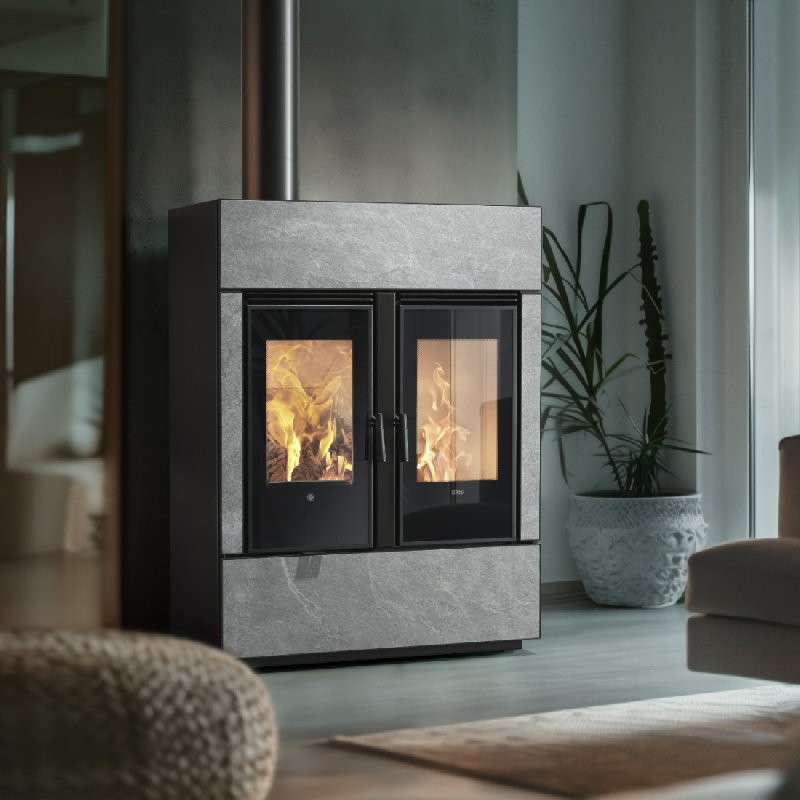
Next, you must select the finish. Stone, metal, ceramic, or mineral finishes do not all create the same effect in a room. The frame, depth, and height of the fireplace must be considered in relation to the furniture, walkways, and safety distances.
To see an example of a fireplace designed for contemporary integration, take a look at our Metalfire Avenue model. The goal isn’t to simply choose a unit from a catalog, but to ensure it fits seamlessly with your space, your chimney, and your lifestyle.
Gas, wood, pellets, or bioethanol: how do you decide?
Gas stands out primarily for its ease of use. You get a flame quickly, with simple controls and no need to handle solid fuel. This solution may be right for you if you value the immediate availability of a fire and minimal daily maintenance.
Wood offers a unique experience, with its scent, crackling sound, and uneven flame. On the other hand, you’ll need to plan for log storage, lighting the fire, cleaning, and spending more time around the fireplace.
Pellets prioritize automation. However, they require storage space, a power supply, and specific maintenance. The appearance of the flame and the operating noise may also differ from those of a gas fireplace.
Bioethanol can create a cozy atmosphere in certain settings where a traditional flue isn’t available. However, it shouldn’t be considered a heating solution equivalent to gas or wood. You’ll need to consider ventilation, safety regulations, and the room’s actual use.
To make an informed decision, compare five criteria: fuel availability, level of automation, expected heat output, installation requirements, and acceptable maintenance. The right choice depends less on current trends than on how well the appliance fits with your home.
What maintenance and requirements should you expect?
Maintaining a gas fireplace often requires less effort than a wood-burning fireplace, but it’s not entirely maintenance-free. You’ll need to clean the glass, check the visible condition of the components, and follow the manufacturer’s recommendations. A professional should inspect the components whenever the manual or regulations require it.
Don’t assume that the absence of ash means no inspection is needed. The burner, safety devices, venting system, and connections must remain reliable. A decline in flame quality, an unusual odor, or irregular operation are reasons to shut down the appliance and seek professional advice.
Practical requirements may vary by canton. In Geneva, the authorities specifically distinguish between the inspection of a heating system and chimney sweeping. Official information onthe chimney-sweeping requirement emphasizes that these two matters should not be confused.
You must keep the system’s documentation, manuals, and service records. These documents facilitate inspections, repairs, and the resale of the property. They also allow you to quickly locate the necessary part numbers when ordering a replacement part.
What is the budget, and what steps should you take before purchasing?
The total price isn’t limited to the fireplace itself. It may include the unit, the surround, the gas connection, the flue or its lining, masonry work, ventilation components, and administrative procedures.
A thorough estimate must therefore be prepared on-site or based on sufficiently detailed plans. You should ask what is included in the quote, particularly delivery, installation, testing, commissioning, and post-installation support.
The Swiss energy landscape also warrants consideration before making a commitment. In 2025, the Buildings Program supported the replacement of 20,097 oil, gas, or electric heating systems, 82% of which were replaced with heat pumps. This figure does not mean that a gas fireplace is automatically ruled out, but it does show that decisions involving fossil fuels should be carefully considered.
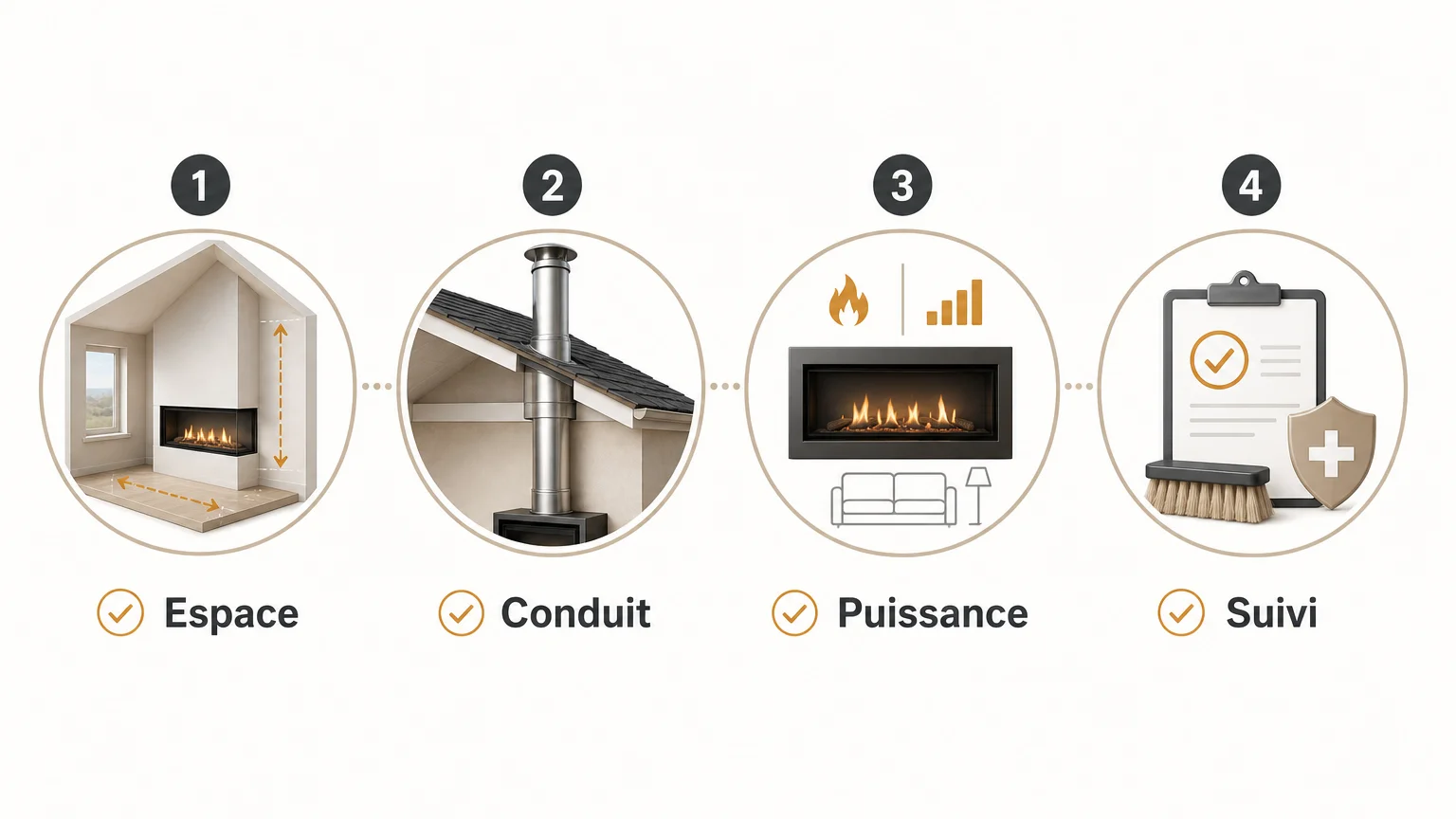
Before placing an order, gather the necessary information: the property’s address, floor plans, photographs of the room, the existing flue, the type of gas available, and any condominium restrictions. This will save you time duringthe feasibility study and reduce the risk of discovering a restriction after the purchase.
How can you ensure the safety of your gas fireplace project?
A gas fireplace can combine comfort, localized heat, and contemporary aesthetics—provided it is properly sized and installed. Check the flue, venting, heat output, local regulations, and total cost before choosing a model. In Switzerland, technical support can help you turn a decorative idea into a project that’s truly compatible with your home.
Take the first step with Carron-Lugon
Are you looking to install a gas fireplace but are unsure which size, heat output, or venting solution to choose? We’ll help you assess your home, select the right model, and evaluate the project’s feasibility.
We can advise you based on your space, budget, and aesthetic preferences, then organize the necessary steps for installation. Our support includes consultation, a free feasibility study, project-related procedures, and post-installation follow-up. To explore the available units, check out our Metalfire selection.
Frequently Asked Questions
Can a gas fireplace be installed in an apartment?
Yes, this may be possible if the flue venting, gas supply, and building regulations permit it. A technical assessment must confirm feasibility before placing an order.
Does a gas fireplace require a flue?
It must include a system for venting combustion byproducts. Depending on the model, this can use an existing, suitable flue or a specialized system that passes through a wall or roof.
Does a gas fireplace actually heat a room?
Yes, it can effectively heat a living space, depending on its output and efficiency. However, it is typically used as supplemental heating rather than as the primary heating system for the entire home.
What maintenance is required?
You must follow the manufacturer’s recommendations and have the appliance inspected when required. The glass, burner, safety devices, and vent must be kept in good condition.
How can Carron-Lugon help you?
We can conduct a free feasibility study for your project and guide you toward a solution tailored to your home. We also offer installation, maintenance, repairs, and the supply of replacement parts.