

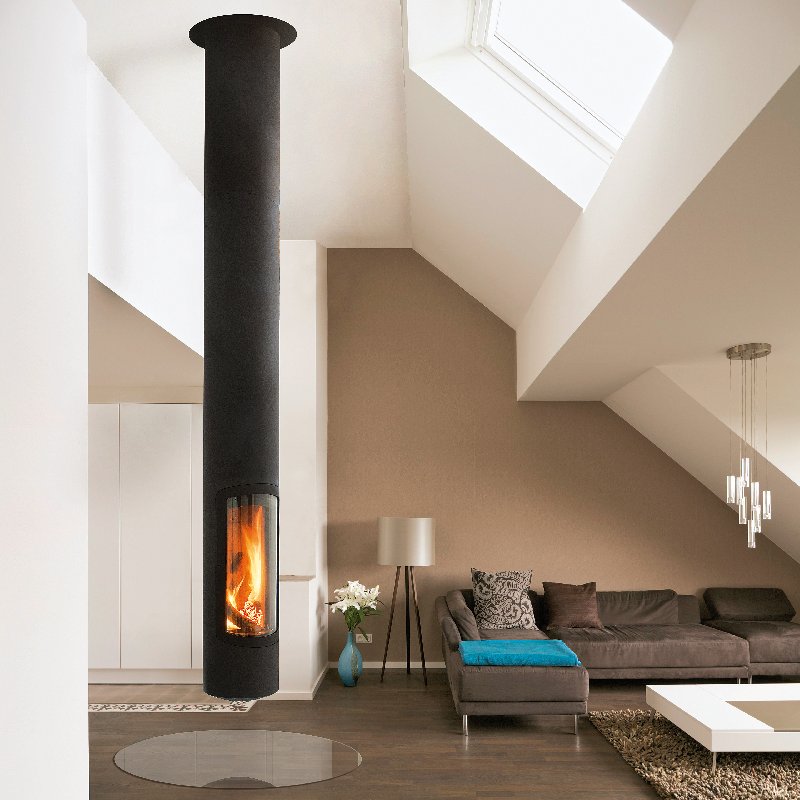
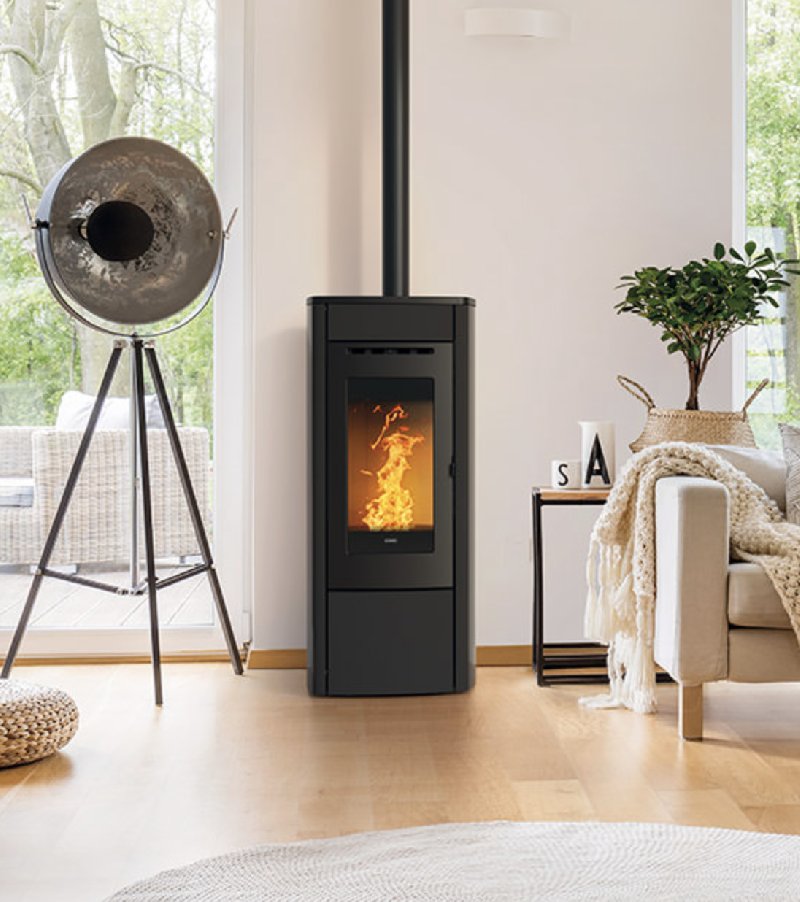
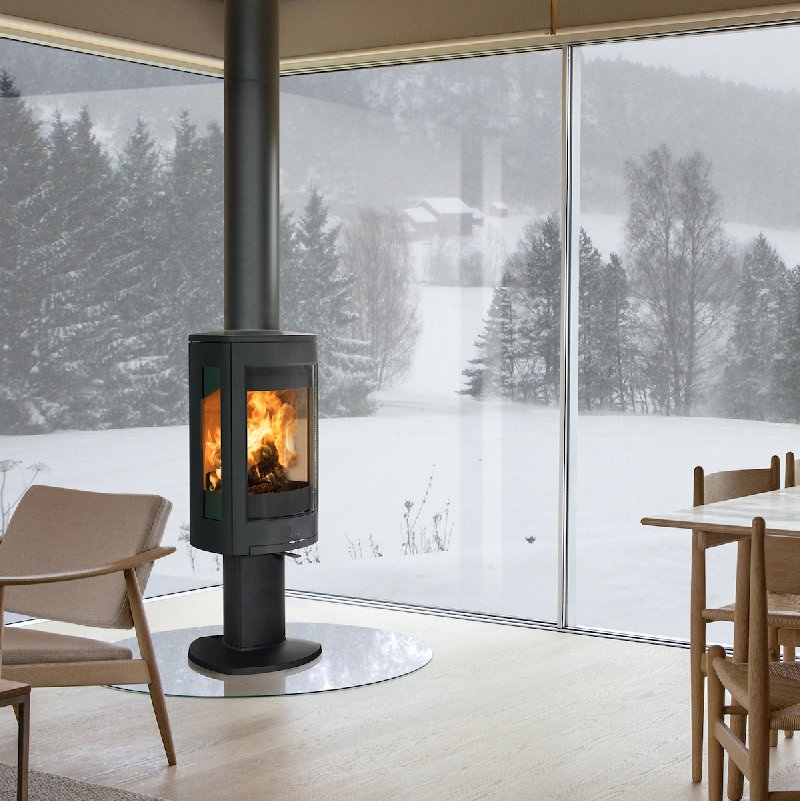
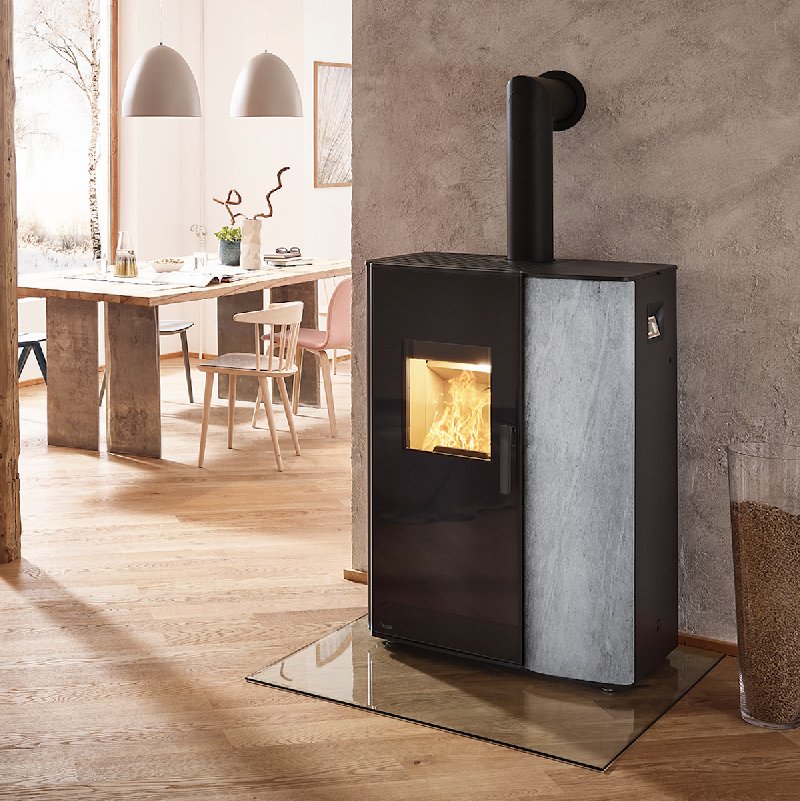
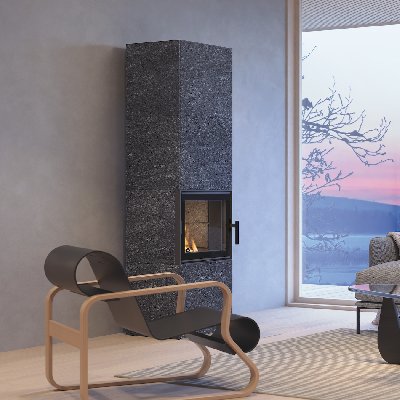
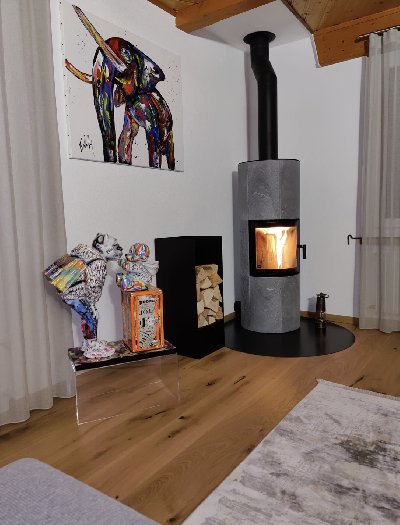
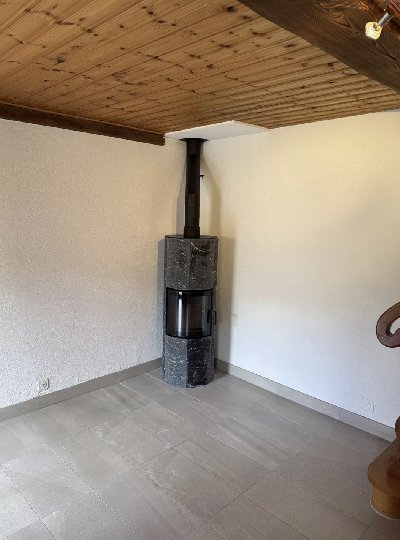
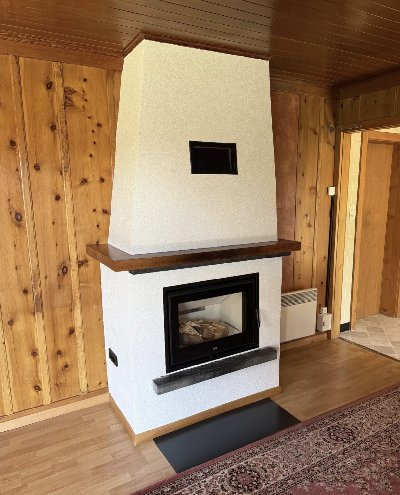
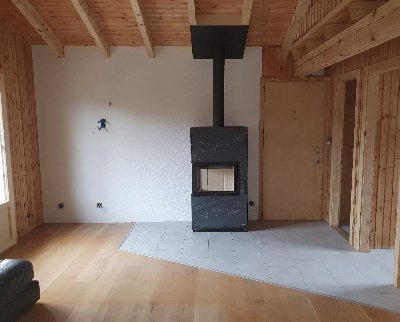
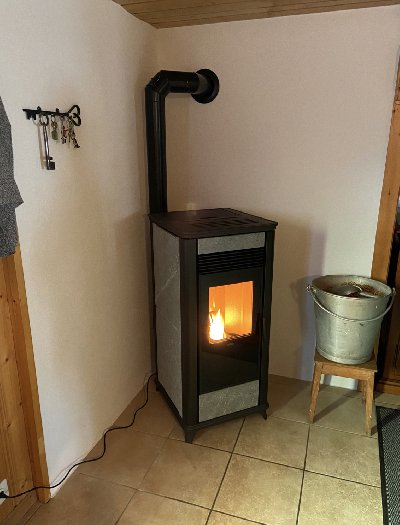
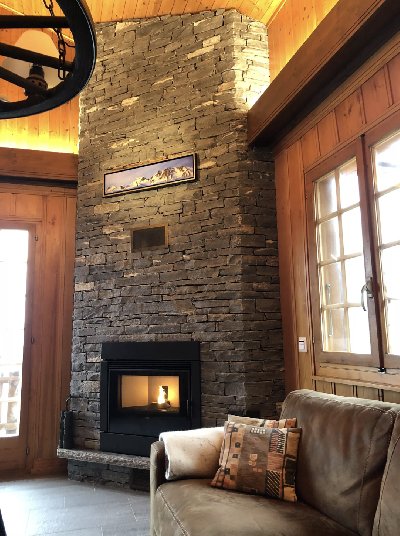
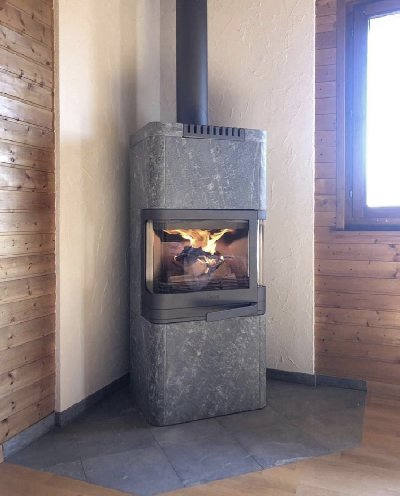
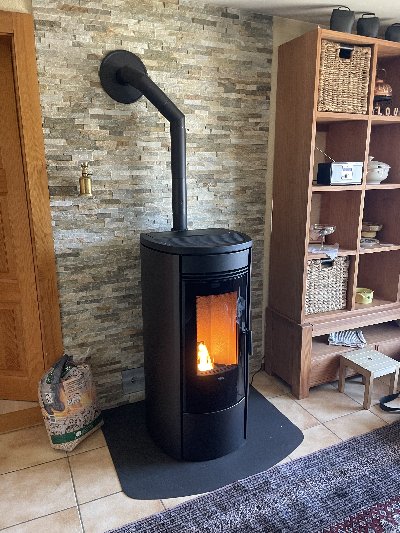
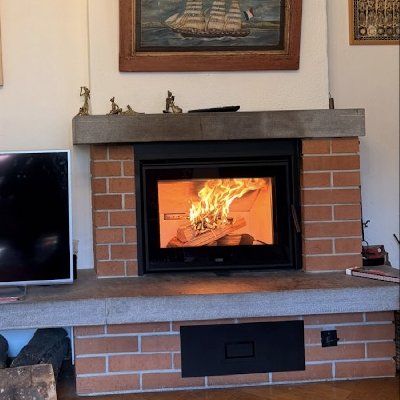
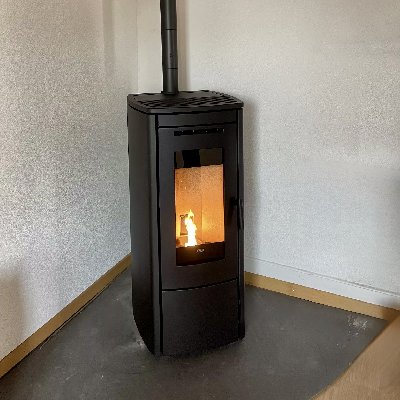
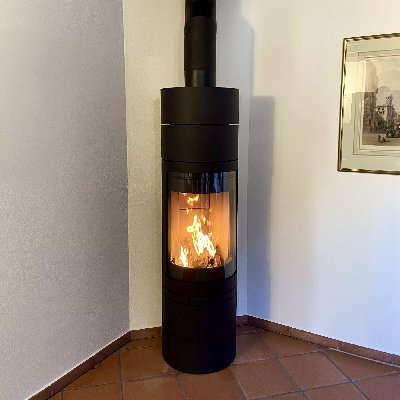
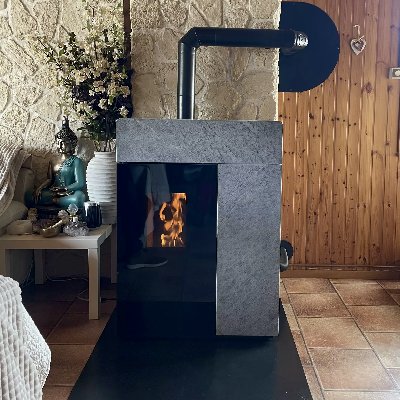
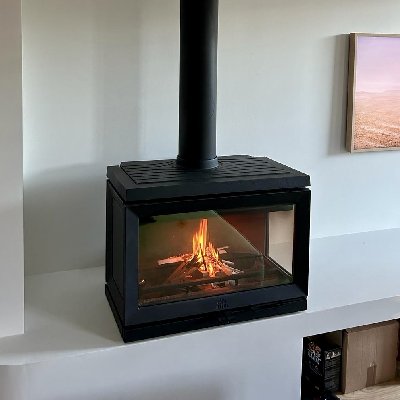
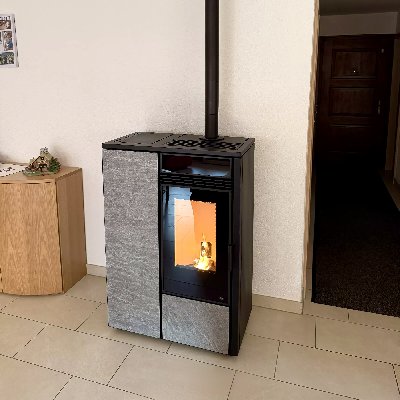
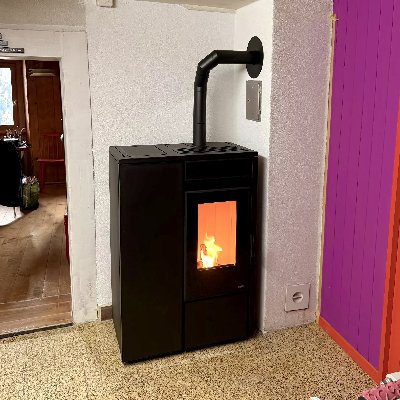
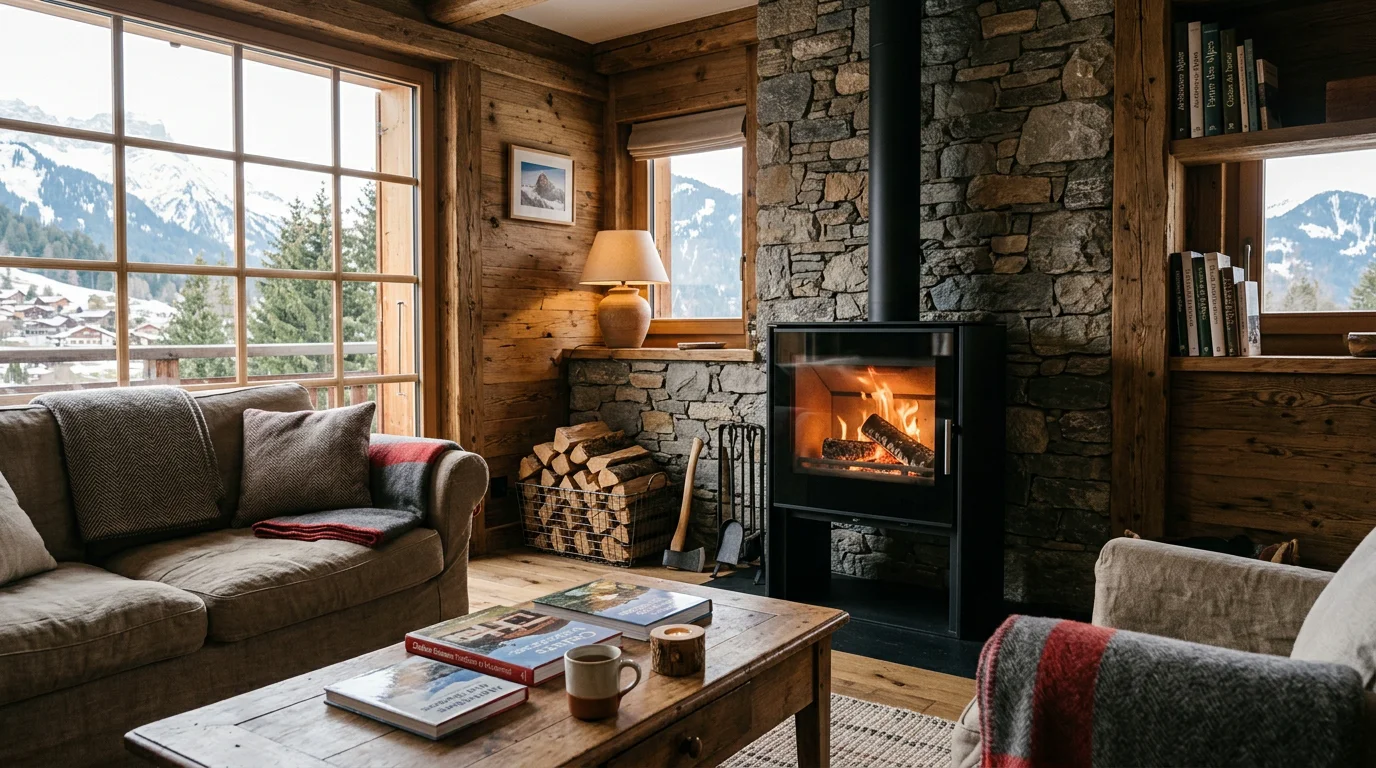
A fire that lacks air results in reduced efficiency and a flue that becomes clogged. Oxygen is the invisible fuel for your stove: without it, combustion is incomplete and releases more carbon monoxide. To control both the air supply and heat distribution, our stove air fan is a prime example of solutions that optimize a fireplace’s operation. Ventilation for a wood stove therefore deserves just as much attention as the choice of the stove itself.
In French-speaking Switzerland, as elsewhere, wood heating is popular for its comfort and efficiency. However, ventilation is often neglected in favor of aesthetics. According to an industry survey, in 2024, more than 10% of French households were equipped with a wood-burning heating appliance—evidence of a trend that demands rigorous installation standards.
Why Ventilation Is Essential for Combustion
When discussing wood-burning stove ventilation, two functions are often conflated: the supply of air for combustion and the distribution of heat. The first is vital. Wood burns properly only if it receives enoughoxygen.
Without this supply, combustion becomes incomplete. The result is reduced efficiency, black smoke, and a buildup of polluting particles. Even more seriously, a fire deprived of air produces carbon monoxide, an odorless and potentially lethal gas.
A dedicated air intake solves this problem. It ensures a constant flow of air without disrupting your home’s natural ventilation. It also limits the buildup of soot and creosote in the flue, two factors that directly increase the risk of fire.
What the Installation Standards Say
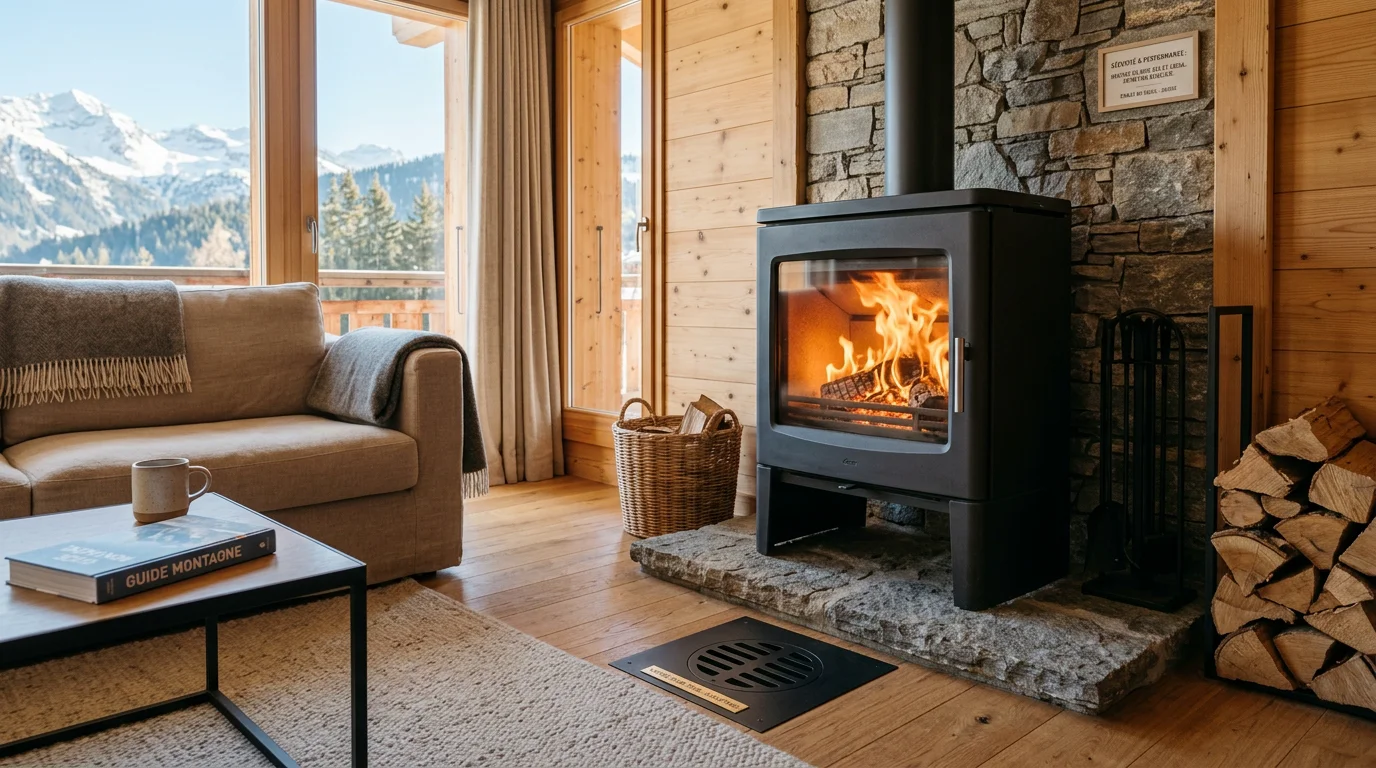
Compliant installation is not optional. In France, the technical standard is DTU 24.1, which governs flue ducts and air supply for wood-burning appliances. Swiss installations follow very similar principles, based on safety and natural draft.
Specifically, this standard requires a minimum air intake cross-sectional area of 50 cm² for appliances up to 8 kW. This requirement prevents malfunctions and is often a condition for your home insurance coverage to remain valid.
An air intake is mandatory in airtight or highly insulated homes. Newer homes limit the infiltration of outside air; without a dedicated air intake, the stove competes with the building’s ventilation system. A qualified installer will determine the appropriate airflow based on the stove’s output and the airtightness of your home.
Direct or Indirect Air Inlet: Which Solution?
There are two approaches to supplying fresh air to the fireplace. The choice depends on your home’s insulation and layout.
Direct air intake connects a duct to the outside, often built into the stove. This is the preferred solution for highly insulated homes, as it ensures a steady supply of oxygen without drawing from the heated air in the room.Indirect air intake relies on a grille that penetrates the wall, equipped with a sealable, airtight closure.
| Criteria | Direct Air Intake | Indirect air intake |
|---|---|---|
| Highly Insulated Home (RE2020) | Recommended | Not recommended |
| Impact on heated air | None | Slight |
| Sealing | Optimal | To be verified |
| Carron-Lugon Support | Custom design and installation | Custom design and installation |
In both cases, the airtightness of the connection makes all the difference. A technical visit allows us to accurately assess your needs before making any decisions.
Distributing Heat: The Role of Fans
Combustion produces heat, but that heat still needs to be distributed. This is the second aspect of ventilation. A stove can concentrate heat in the immediate vicinity while leaving the rest of the room cooler.
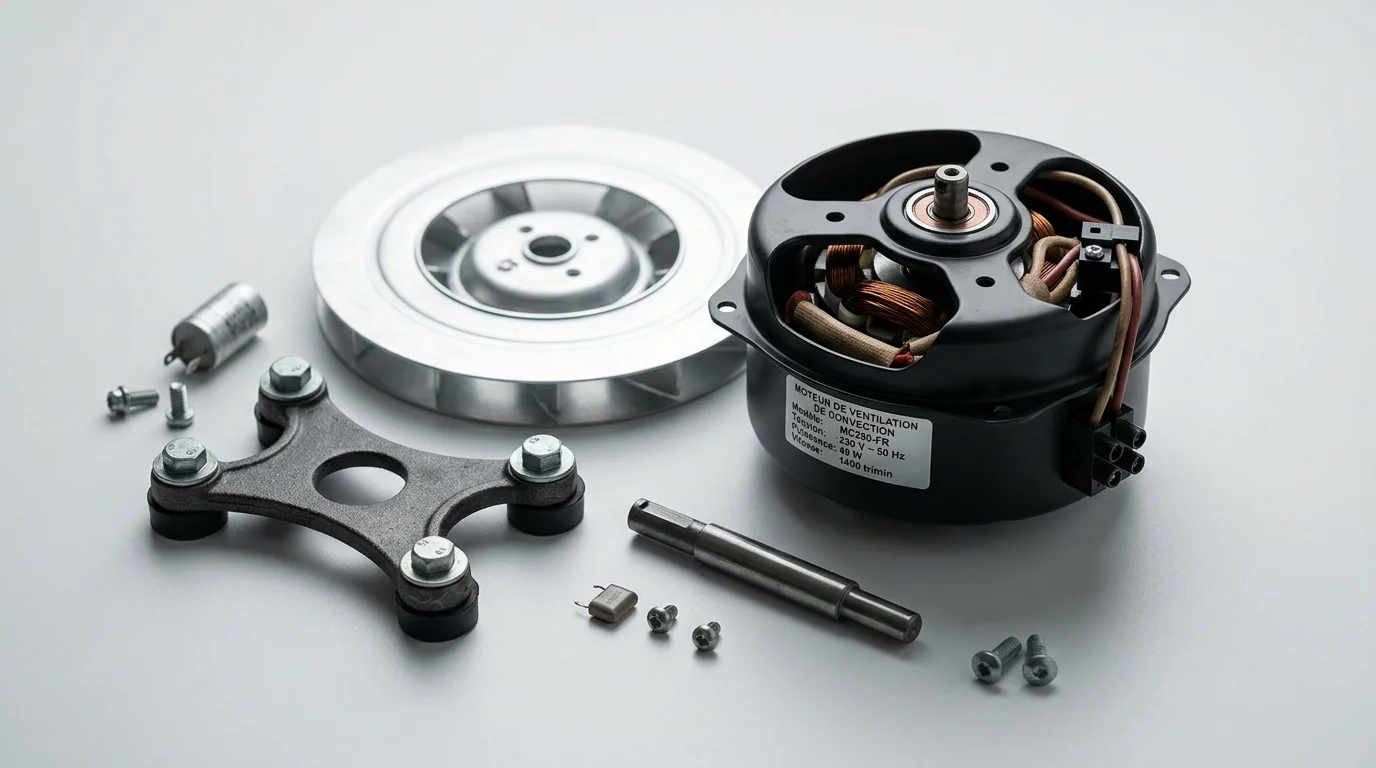
Convection fans correct this imbalance. They push warm air forward and even out the temperature. To enhance this heat distribution, our fan motor integrates with compatible appliances and improves thermal comfort.
With built-in fireplaces, the principle is the same. Our insert fan helps draw heat out of the firebox and circulate it throughout the room, significantly increasing the perceived efficiency of the system.
Flue Gas Extraction and Draft Quality
What happens when natural draft isn’t enough? A flue that’s too short, a very airtight house, or windy conditions can disrupt exhaust flow. Smoke then backs up into the room.
A mechanical flue gas extractor forces the flue gases out at the top of the flue. It stabilizes the draft and eliminates backflow. Our flue gas extraction fan is specifically designed for these challenging situations, particularly in existing systems that are difficult to modify.
This type of equipment supplements the air intake rather than replacing it. The balance between incoming air and outgoing smoke remains the key to clean and consistent combustion.
Maintenance, Safety, and Environmental Performance
Proper ventilation does not eliminate the need for maintenance. Regular chimney sweeping and inspection of the air vents maintain efficiency over time. A clogged flue negates the benefits of well-designed ventilation.
Environmental performance is also improving. To qualify for the Flamme Verte label, a unit must have an efficiency greater than 70% and fine particulate emissions below 90 mg/Nm³, according to ADEME criteria. A well-ventilated stove more easily meets these thresholds.
Regulatory standards are becoming stricter. In 2026, requirements related to combating fine particulate matter will be tightened. Investing in effective ventilation and exhaust systems is therefore becoming as much a matter of compliance as it is of comfort.
Key Points to Remember for Your Installation
Ventilation for a wood stove relies on a dual balance: supplying fresh air for combustion and distributing the heat produced. A properly sized air intake ensures the safety of your fireplace, improves efficiency, and limits emissions. Convection fans and smoke extractors complement this system when natural draft proves insufficient. Before making any purchase, have your home assessed: insulation, the appliance’s output, and the flue configuration determine the right solution. An accurate assessment is better than a costly fix later on.
Take action with Carron-Lugon
Are you unsure about the air intake or heat distribution for your future fireplace? We’ll guide you every step of the way, from planning to installation. We’ll assess your needs based on blueprints or during a free, no-obligation on-site visit, then coordinate the project with your architects and contractors.

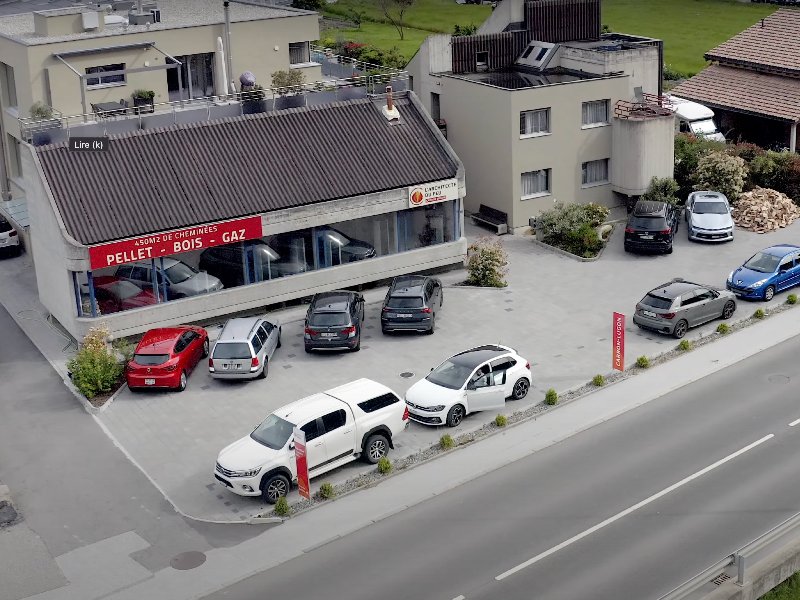
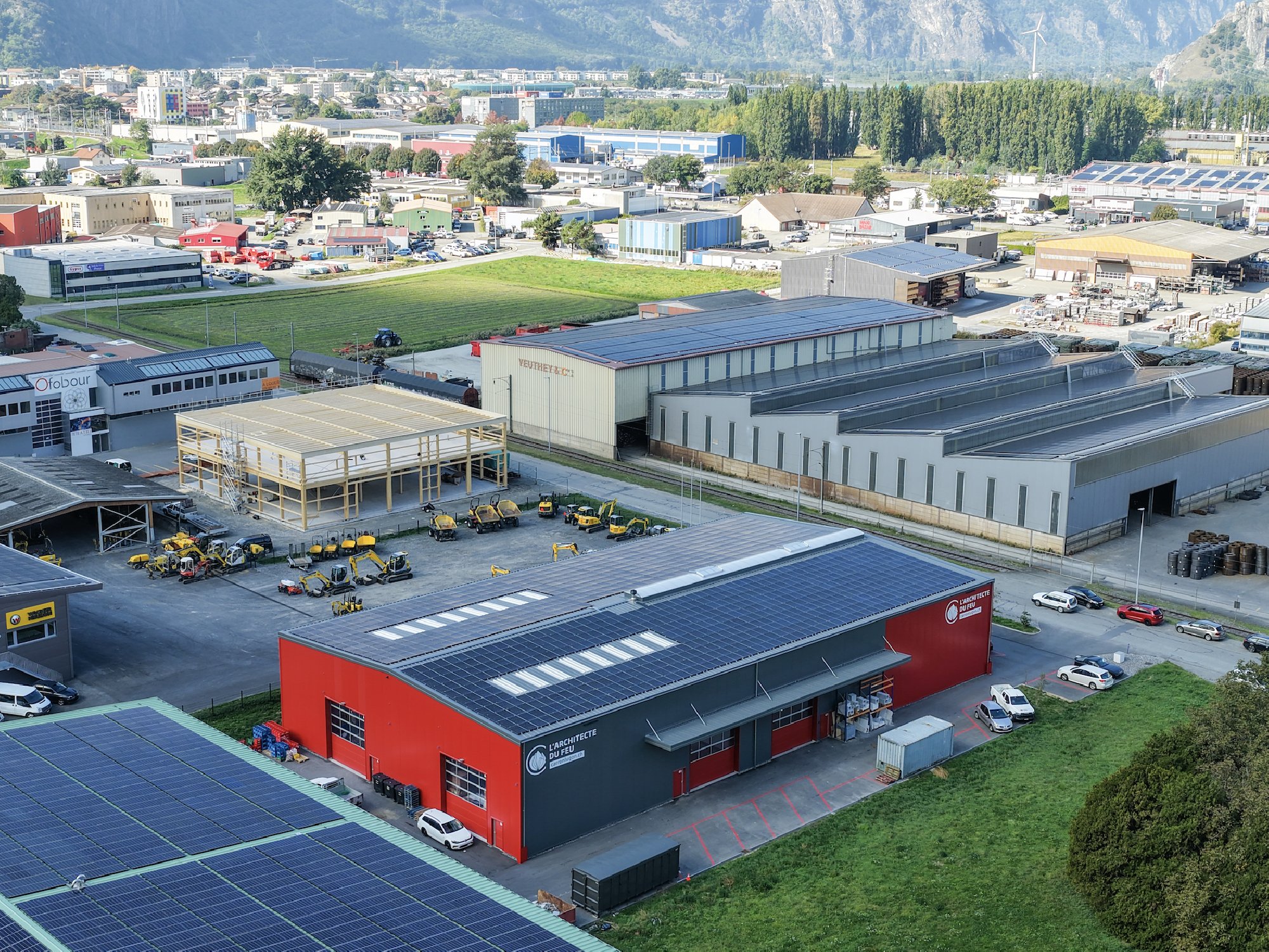
From our showrooms in Fully and Etoy to our in-house after-sales service for your wood, gas, or pellet-fired appliances, we ensure a clean and well-executed project. Discover our advice and our wood-fired heating installation services, and bring your project to life with complete peace of mind.
Frequently Asked Questions
Is an air intake required for a wood stove?
Yes, in most cases, especially in airtight or well-insulated homes. It ensures complete combustion and prevents carbon monoxide poisoning. An installer will verify whether it’s required based on your home’s layout.
What size should the air intake be?
For a stove up to 8 kW, a minimum cross-sectional area of 50 cm² is generally required. The exact size depends on the stove’s output and how airtight the home is. A professional will perform this calculation during the assessment.
Does a fan really increase efficiency?
A fan does not affect combustion, but it distributes the heat more evenly. You’ll experience a more consistent temperature and heat the room faster. This significantly improves thermal comfort.
When should a smoke exhaust fan be installed?
It becomes necessary when natural draft is insufficient: a flue that’s too short, a very airtight home, or frequent backdrafts. Our smoke exhaust fan stabilizes the exhaust flow in these situations. A flue inspection confirms the need.
Does the stove’s ventilation system require maintenance?
Yes, the air vents and the flue must remain clean to maintain efficiency. Regular chimney sweeping is essential. A well-maintained system also limits fine particle emissions.