

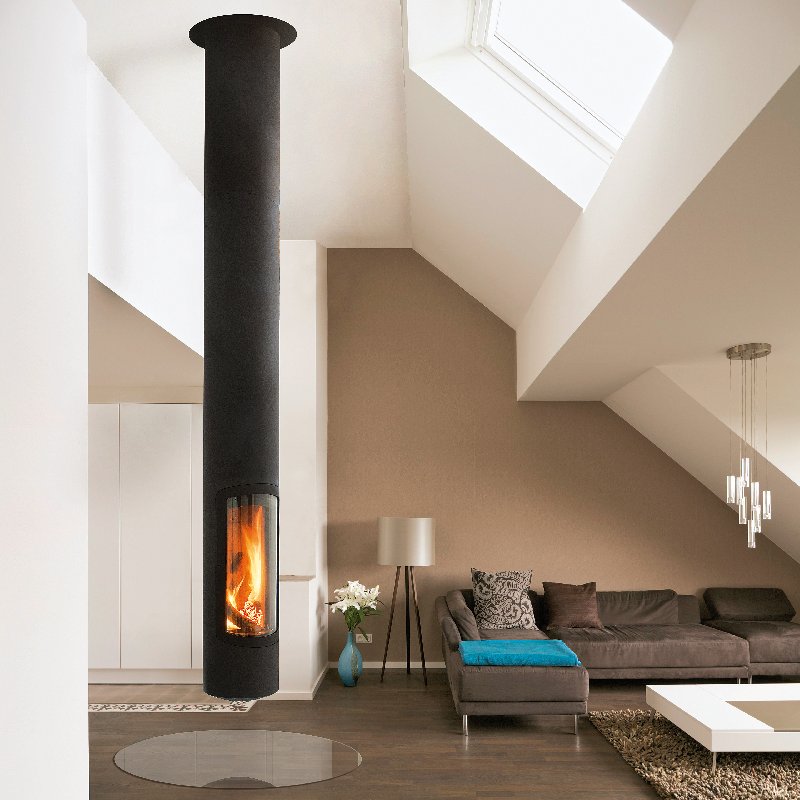
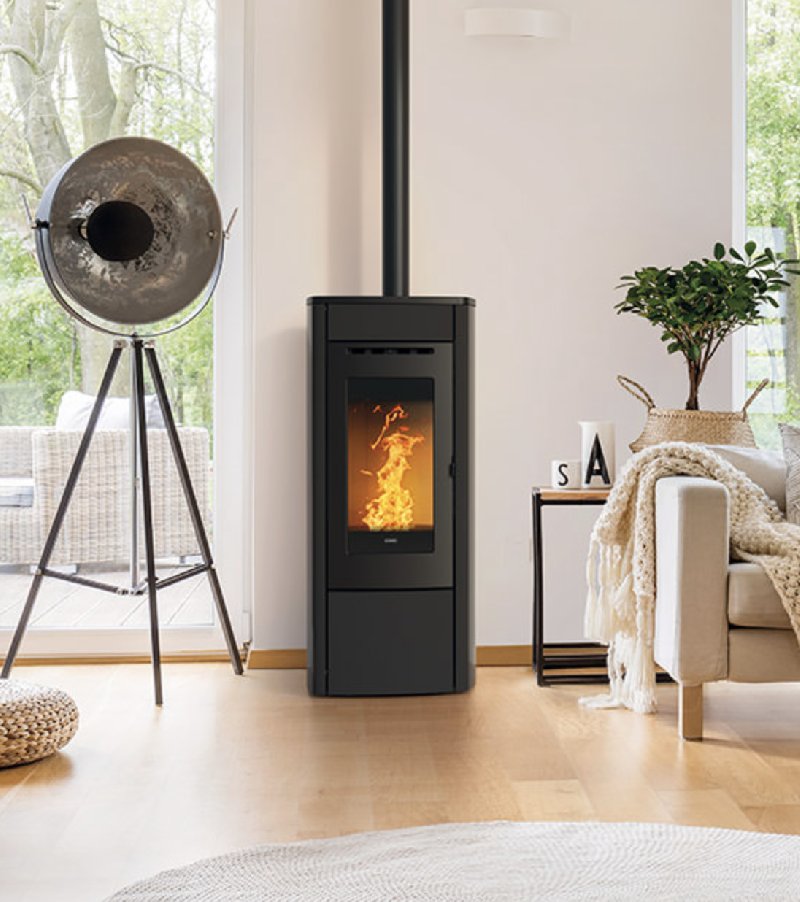
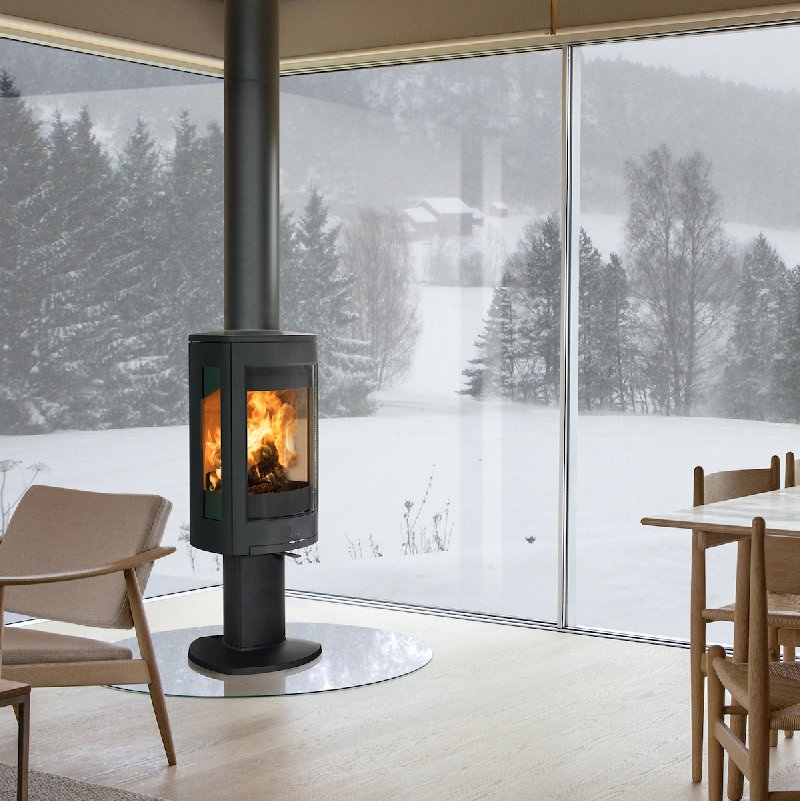
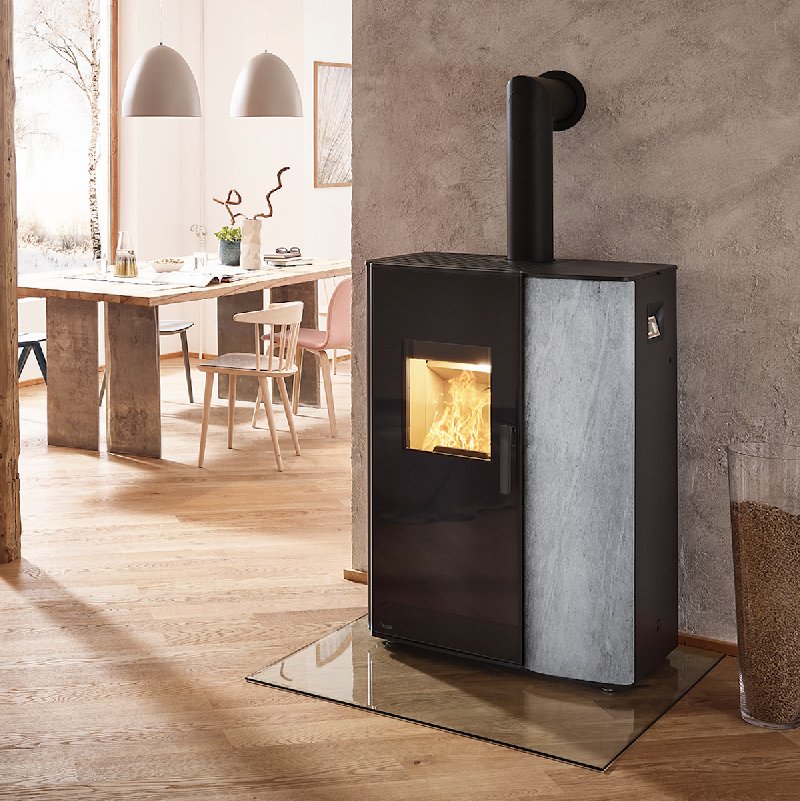
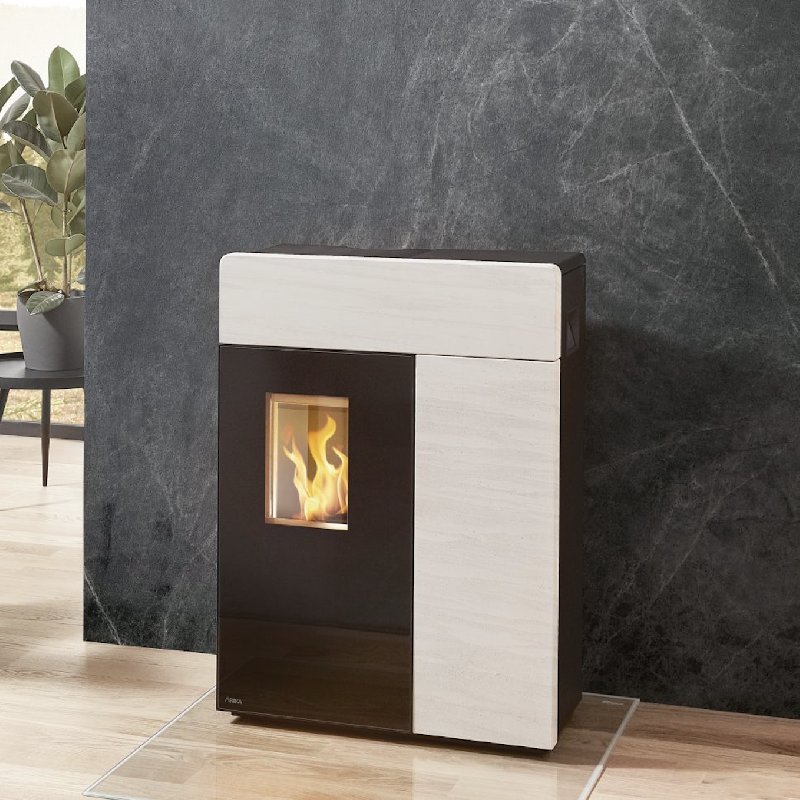
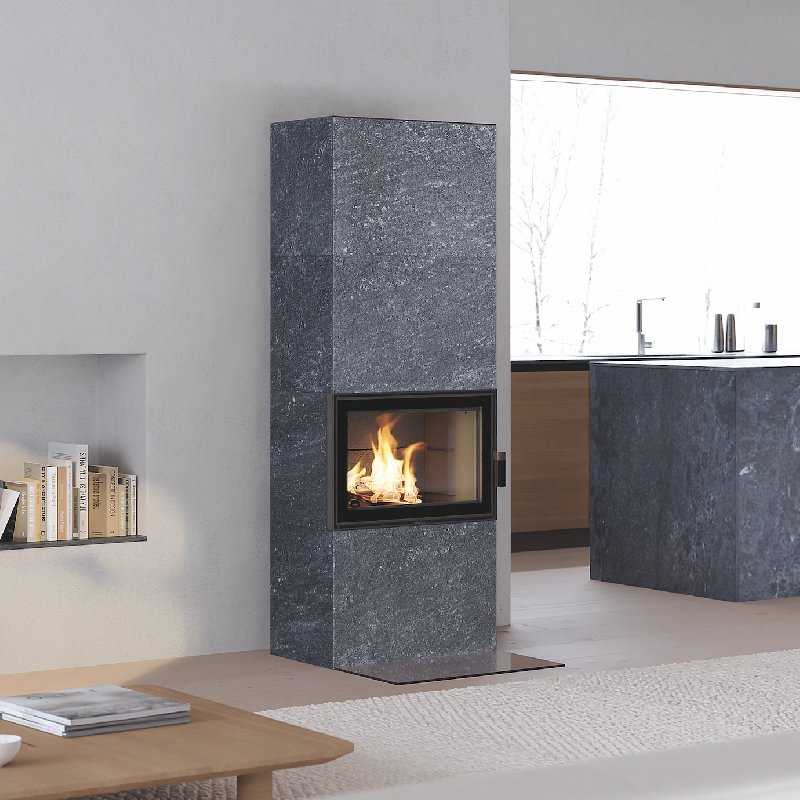
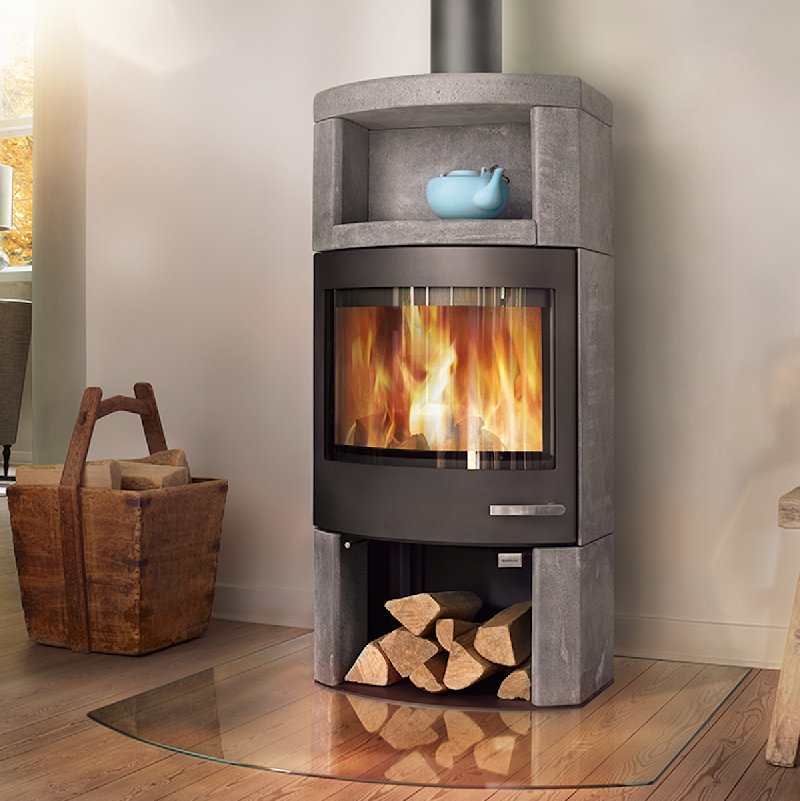
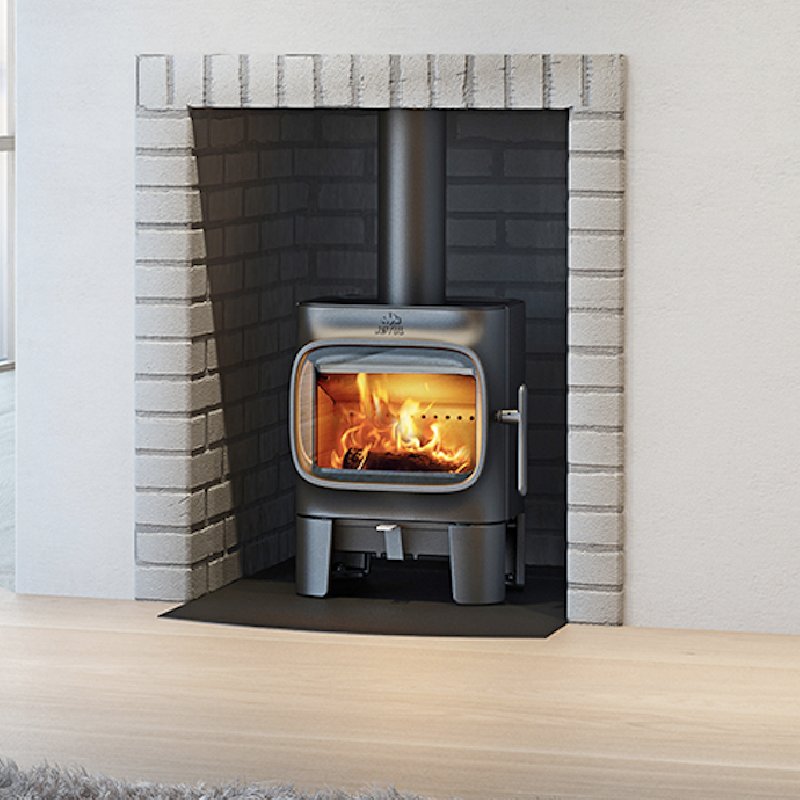
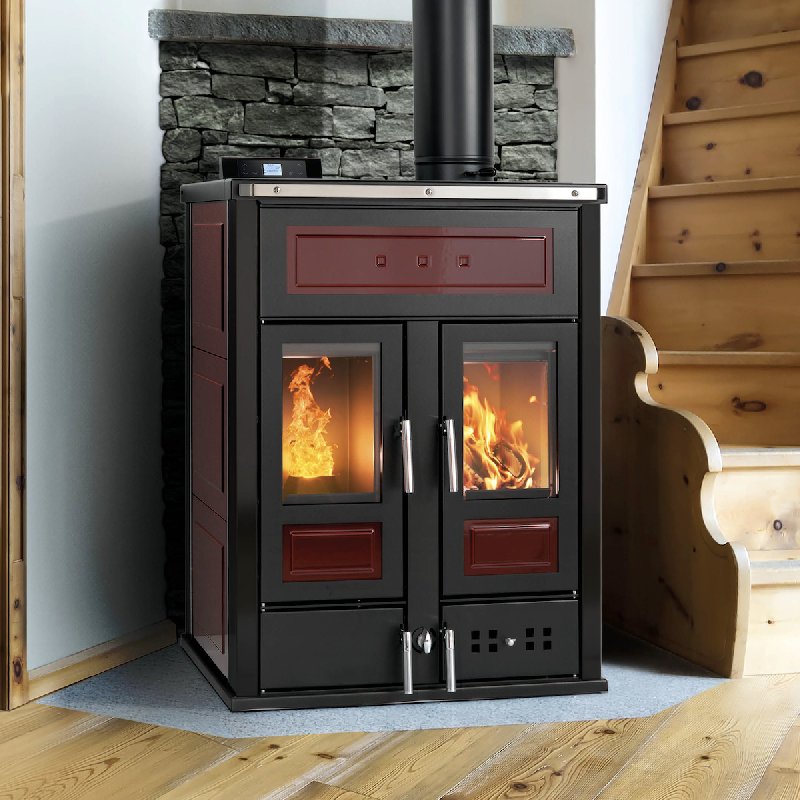
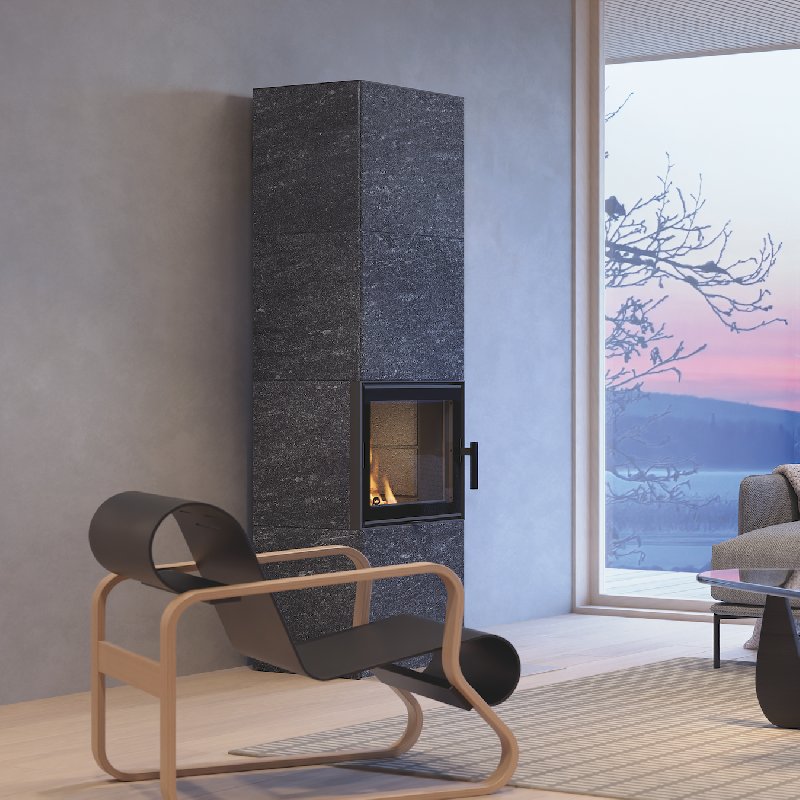
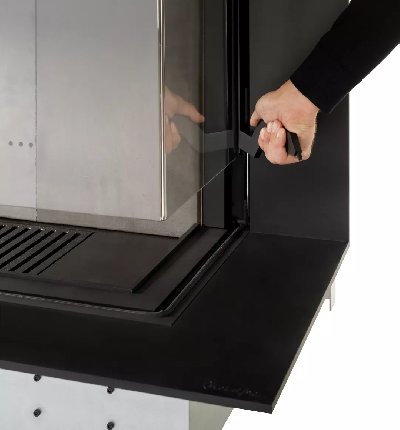
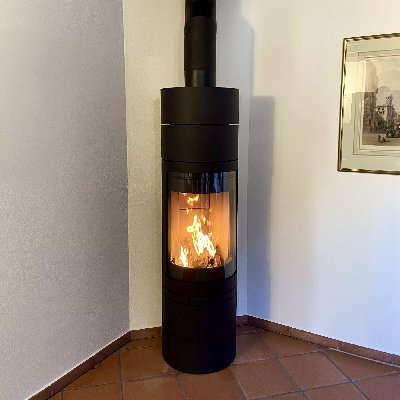
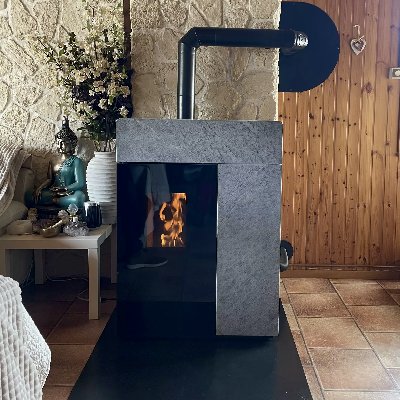
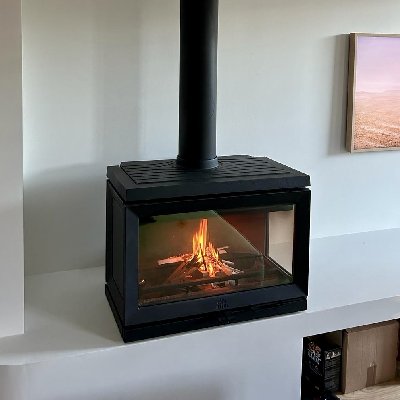
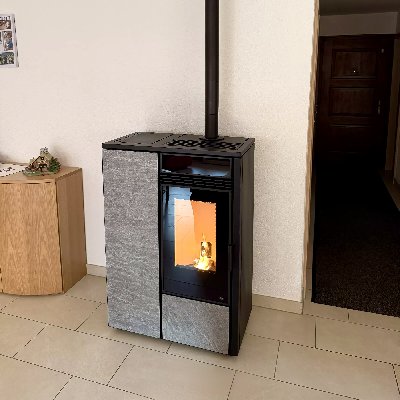

One metric ton of wood pellets releases roughly the same amount of heat as 500 liters of heating oil, often at a more predictable price. This efficiency explains the popularity of wood pellets as the primary heating solution in many homes in French-speaking Switzerland. However, it’s essential to choose a high-quality fuel and store it properly—an area where our Wood Pellet Set for Tiled Doors makes daily life easier.
After the significant volatility of 2022, the market has calmed down considerably. In August 2026, the price per metric ton in bulk was around €430, according to the latest market data. It remains to be understood what distinguishes a good pellet, how it compares to other energy sources, and how to store it to maintain its efficiency.
What are wood pellets?
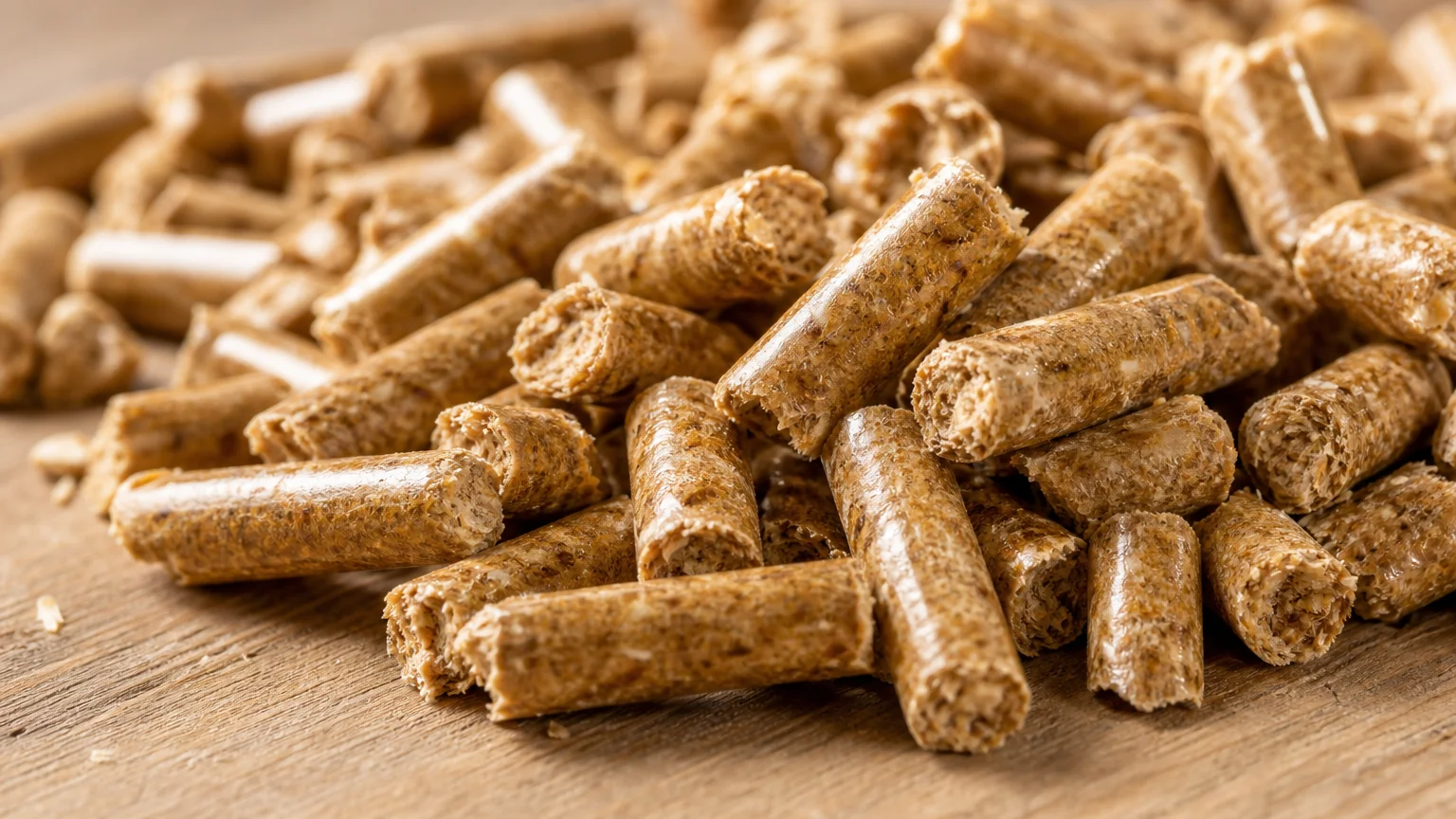
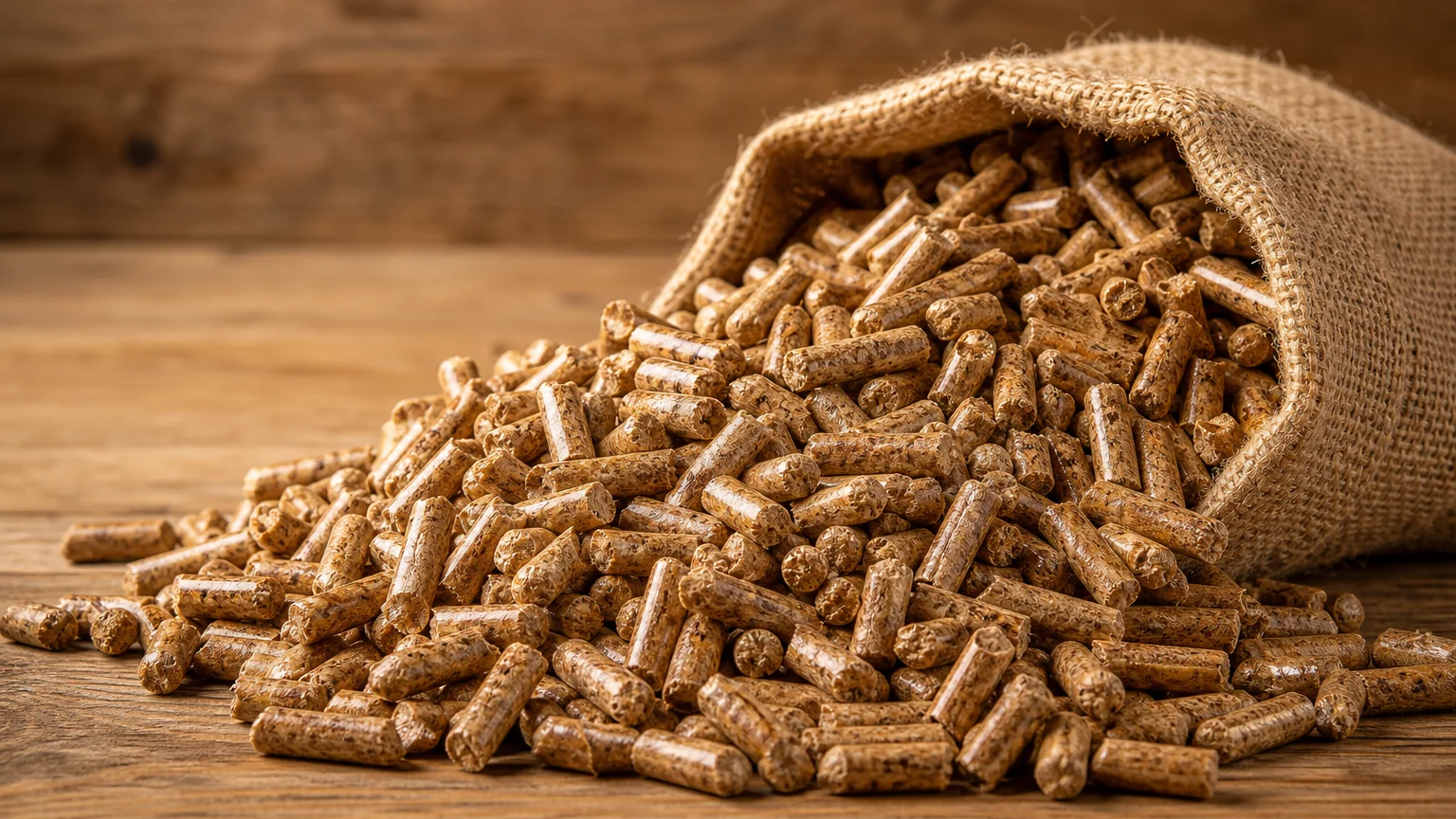
A wood pellet is a small, cylindrical stick of compacted fuel. It is generally 6 mm in diameter and 10 to 30 mm long. It is made from sawmill waste, primarily softwood sawdust and shavings.
The process is simple. The sawdust is dried, then tightly compressed in a press through a die. The heat generated during compression melts the wood’s natural lignin, which acts as a binder. No chemical additives are required. The result is a dense, uniform fuel that can be easily fed automatically into a pellet stove or boiler.
The Price of Wood Pellets in 2026
How much does this fuel actually cost today? On the European reference market, prices stabilized in 2026 following the record highs of the energy crisis. In August 2026, a pallet of 66 bags (990 kg) averaged around €429, and a metric ton in bulk averaged around €430, with a 15-kg bag costing close to €6.60.
A notable development this year was that the usual summer price drop did not occur. European inventories came out of the winter at nearly zero, which is keeping pressure on prices, as detailed in a 2026 market analysis. In practical terms, planning your purchase in the spring remains the safest strategy to avoid price hikes at the start of the school year. In Switzerland, the Federal Statistical Office also publishes its own national pellet price index, which is useful for tracking local trends.
Heat Content and Energy Efficiency
Why do pellets heat so efficiently? It all comes down to their energy density. One kilogram of pellets contains approximately 4.8 kWh of energy, and their calorific value generally ranges from 4.7 to 5.3 kWh/kg, depending on quality.
To put this into perspective, 2 kg of pellets are equivalent to about 1 liter of heating oil. A single-family home that consumes 2,000 liters of heating oil per year—representing a heat requirement of about 20,000 kWh—will use roughly 4 metric tons of pellets. This high density makes the fuel compact to store: a prefabricated 8 m³ silo is sufficient to hold these 4 metric tons.
Choosing the Right Quality: Certifications and Labels
Not all pellets are created equal. High-quality pellets have a low ash content, low dust content, and moisture content below 10%. Above this threshold, combustion efficiency decreases and the furnace clogs more quickly.
To ensure you make the right choice, quality labels are your best guide. DIN+ certification guarantees an ash content of less than 0.5%, while the NF standard allows up to 0.7%. The ENplus A1, PEFC, and Bois de France certifications, meanwhile, attest to the product’s traceability and performance. Always choose certified pellets made from pure softwood sawdust.
Store pellets in a dry place
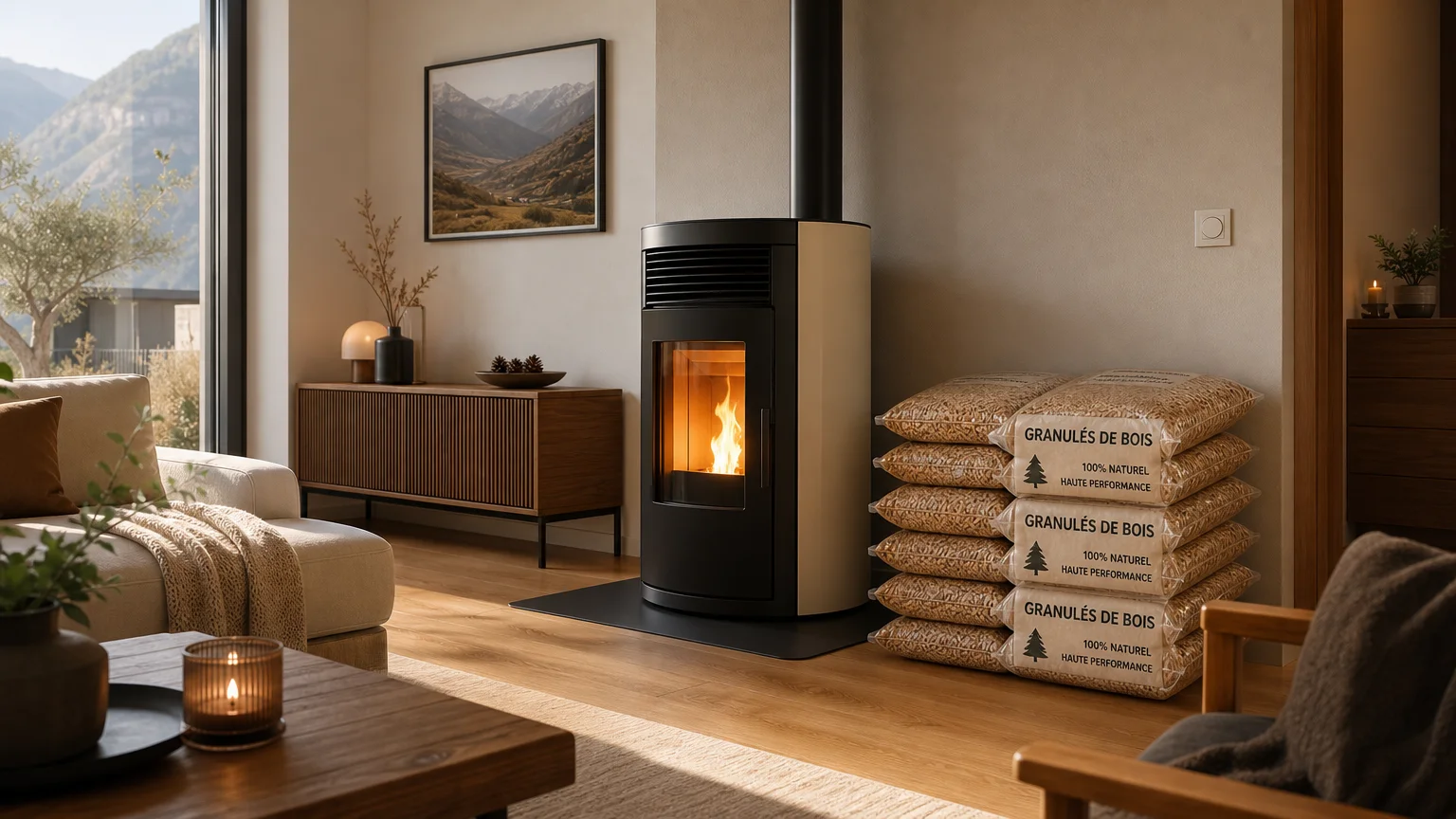
Water is the Achilles’ heel of pellets. Moisture levels above 10% cause the pellets to swell, break apart, and lead to combustion problems. Storing them away from moisture is therefore not an option, but a prerequisite for optimal performance.
Store your bags in a dry, well-ventilated area, away from cold walls and bare floors. For clean, portable storage near your stove, our pellet box on wheels keeps the fuel protected and within easy reach. For more information, check out our guide on how to store pellets based on your type of system.
Wood Pellets and Your Budget: How Have Prices Changed?
Pellet prices have seen six turbulent years. In 2019, a metric ton of bulk pellets was trading at around €285, according to an energy comparison site. Then the 2022 energy crisis sent prices soaring.
At the height of the crisis, the price per metric ton reached €700 or even higher in some regions, according to a stove manufacturer. Since then, prices have stabilized at around €430 per metric ton in 2026—well below the peak but slightly above pre-crisis levels. The executive director of the Propellet association also estimated that the price is unlikely to drop below €300 per metric ton on a sustained basis, due to inflation. For your budget, the lesson is clear: buy outside the heating season and stock up in bulk.
Making Your Wood Pellet Heating Project a Success
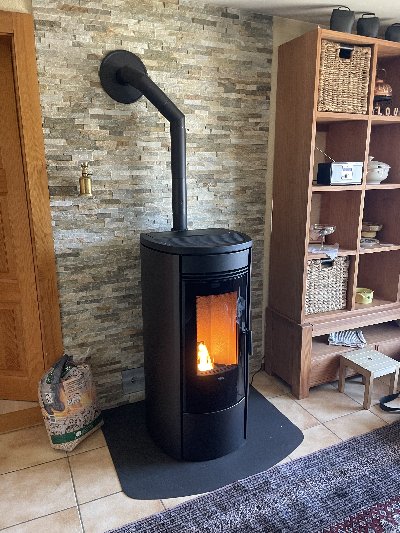
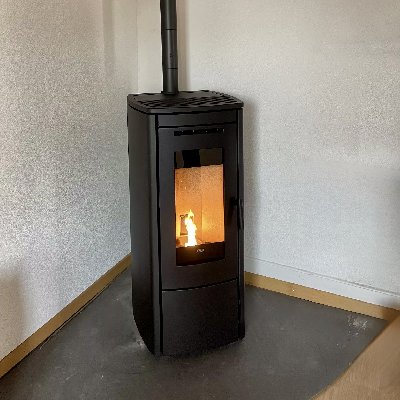
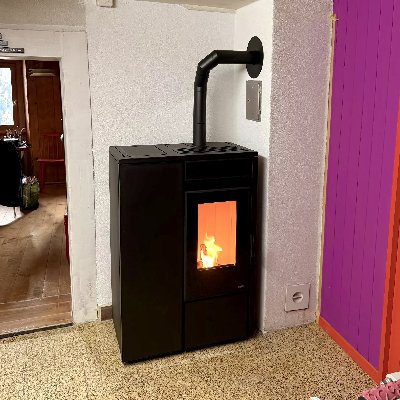
Choosing a good pellet isn’t enough: you also need a properly sized and correctly installed unit. A pellet stove operates almost automatically, but its efficiency depends directly on the quality of the installation, the flue, and the adjustments. This is where professional guidance makes all the difference.
| Criteria | Purchasing the unit alone | General installer | Carron-Lugon |
| Free, no-obligation on-site visit | No | Varies | Yes |
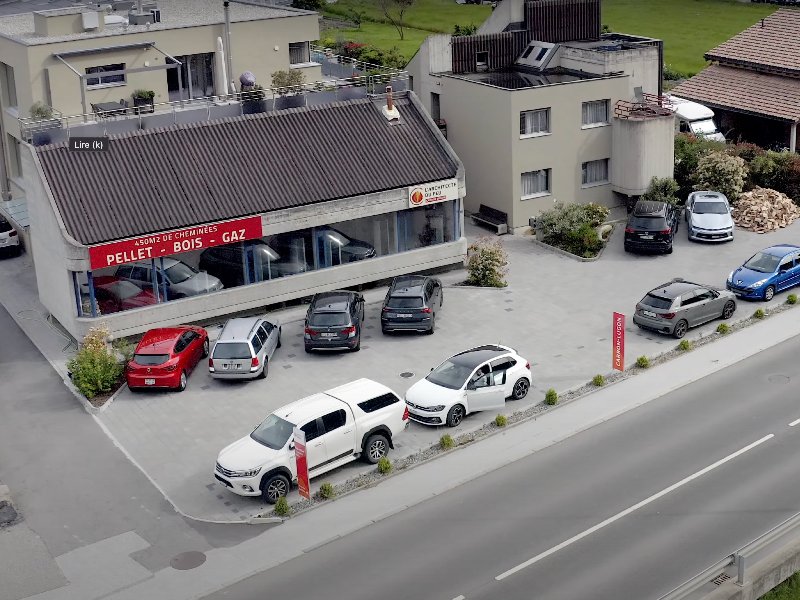
| Showroom available to compare models | No | Variable | Yes, in Fully and Etoy |
| Coordination with architects and tradespeople | No | Variable | Yes |
| In-house after-sales service (pellets, wood, gas) | No | Variable | Yes |
We assess your needs based on blueprints or during a free on-site visit, then manage the entire project from start to finish: removal of the old system, installation, tiling or painting work, and protection of your home’s interior. This comprehensive service ensures a clean and long-lasting installation.
Key Facts About Wood Pellets in Switzerland
In 2026, wood pellets will remain a reliable, high-density, and competitive energy source—provided you prioritize quality and attention to detail. Choose a DIN+ or ENplus-certified fuel, monitor the national price index to buy at the right time, and be sure to protect your pellets from moisture. When carefully planned—from the appliance to storage—this heating method combines automated comfort with long-term cost control.
Take action with Carron-Lugon
Are you considering switching to pellet heating or replacing an old system? Choosing the right unit, flue, and location requires expert guidance tailored to your home and heating habits. In French-speaking Switzerland, we’ll guide you through every step, from the initial consultation to system commissioning.

Take advantage of our free, no-obligation on-site visit for your pellet stove project, as well as our showrooms in Fully and Etoy, which are open to the public. We organize the installation, coordinate the various trades, and provide in-house after-sales service for your pellet, wood, or gas appliances. A clean, meticulous project managed from start to finish.
Frequently Asked Questions
How much pellet fuel is needed per year?
It all depends on your heating needs. A home that used to consume about 2,000 liters of heating oil per year—or 20,000 kWh—will use roughly 4 metric tons of pellets annually. A well-insulated home or a smaller home will use significantly less.
How can you tell if pellets are high quality?
Look for certifications such as DIN+, ENplus A1, or PEFC, which guarantee traceability and performance. High-quality pellets have a low ash content, minimal dust, and a moisture content below 10%. They should be smooth, shiny, and uniformly sized.
How much will pellets cost in 2026?
On the benchmark market in August 2026, a metric ton in bulk costs around €430, and a pallet of 66 bags costs around €429. Prices have stabilized but remain high. Buying outside the heating season remains the best way to save money.
How should you store pellets to maintain their efficiency?
Store them in a dry, well-ventilated area, away from moisture and direct contact with the floor. A dedicated storage solution, such as our Pellet Box on Wheels, protects the fuel while keeping it within easy reach. If moisture content exceeds 10%, combustion efficiency decreases.
Does a pellet stove work without electricity?
In most cases, no. The pellet feed, ignition, and blower require a power supply. Keep this in mind during installation, especially if your area experiences regular power outages.