

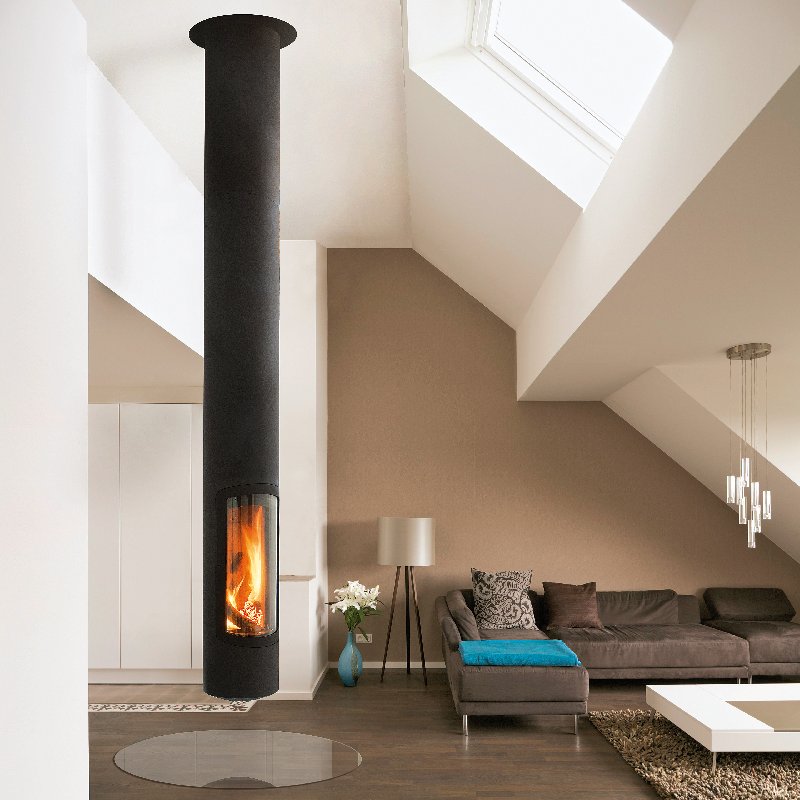
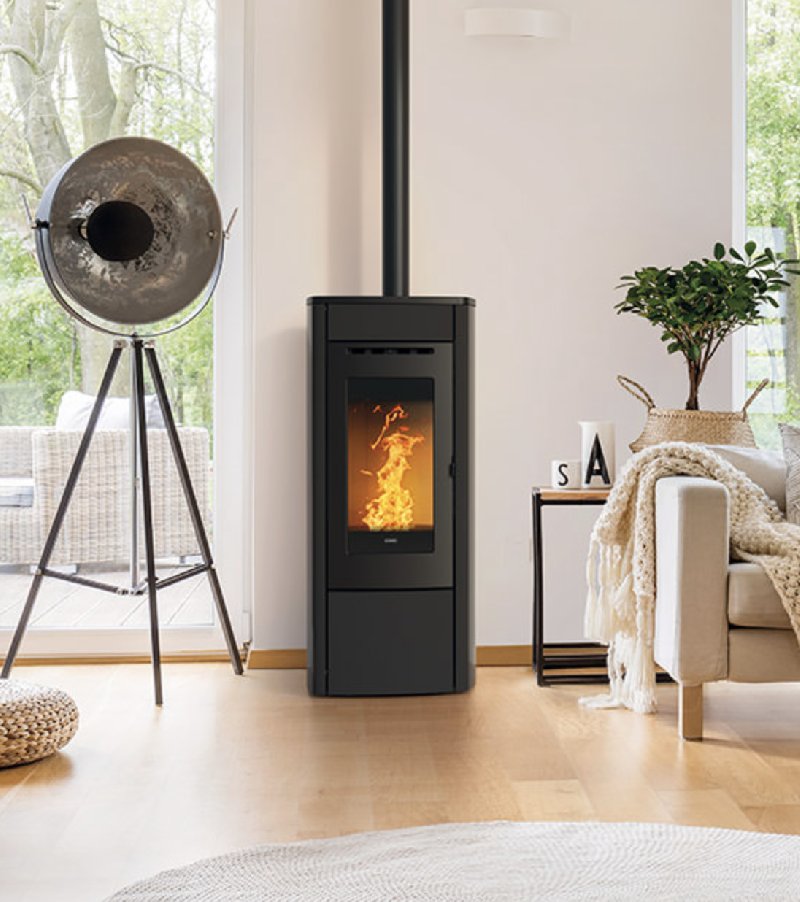
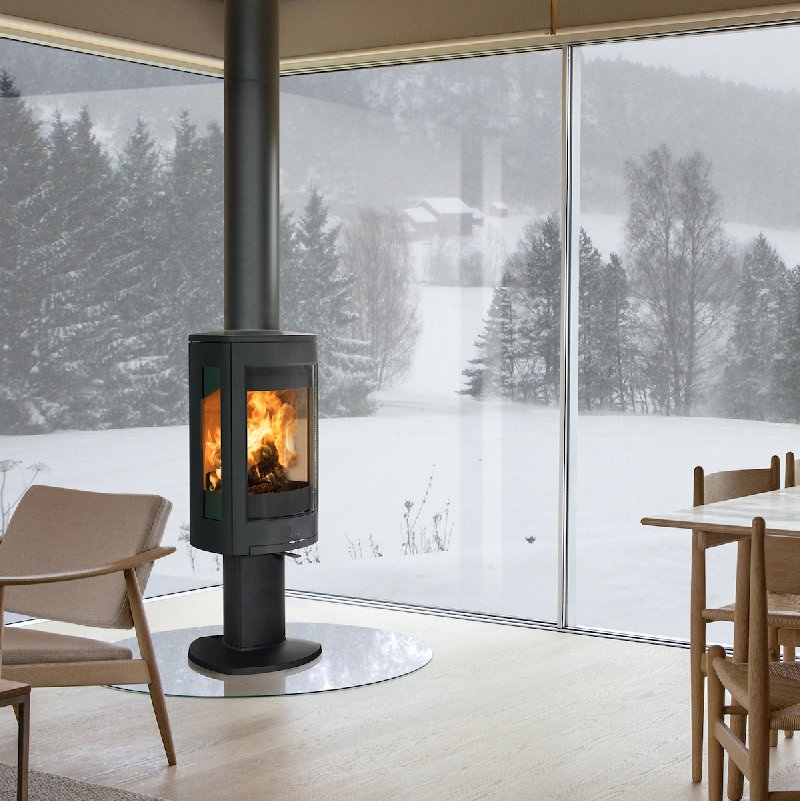
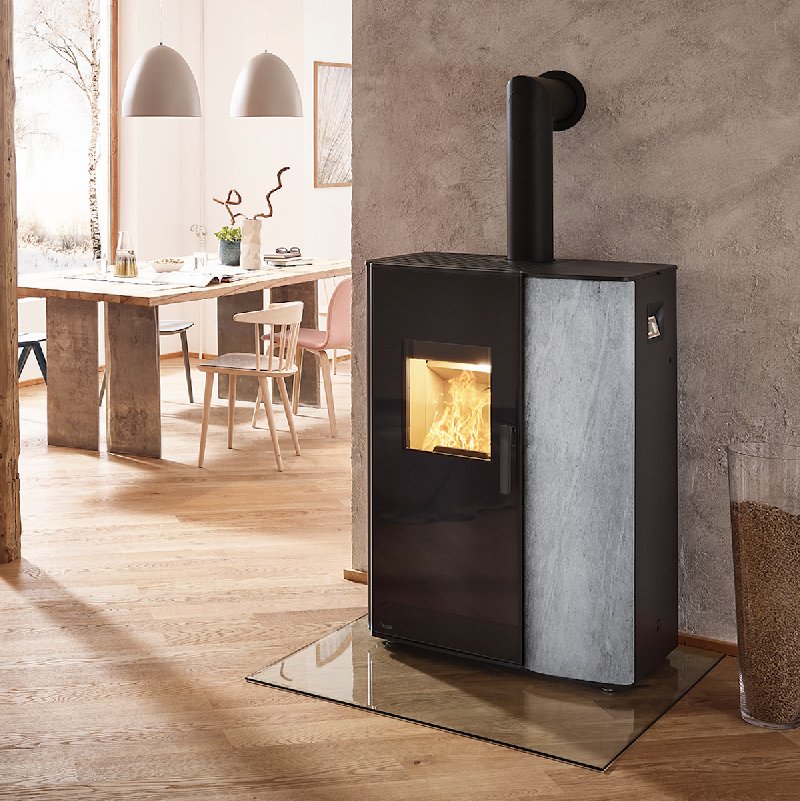
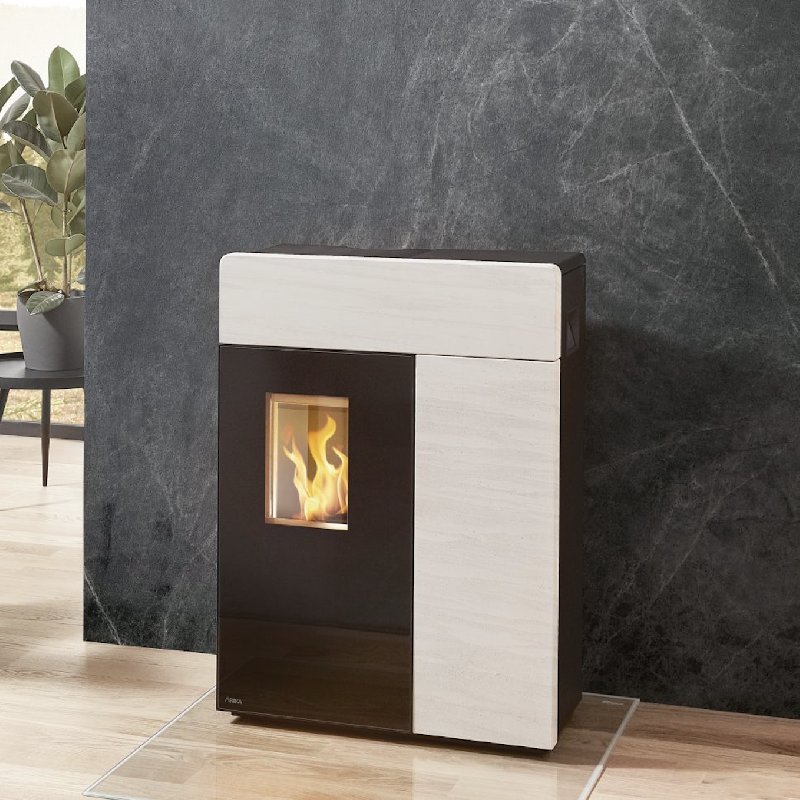
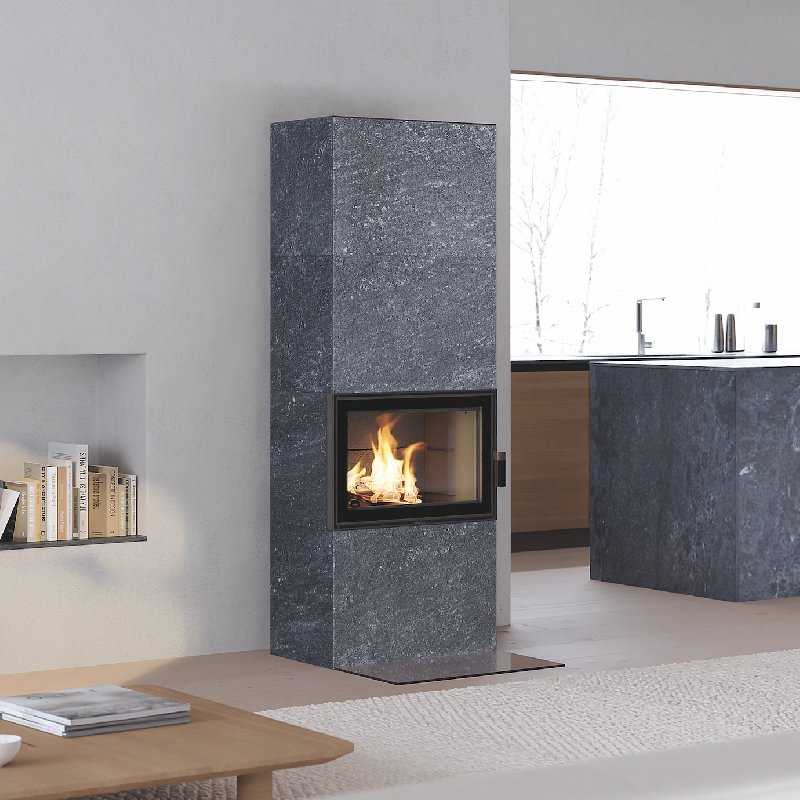
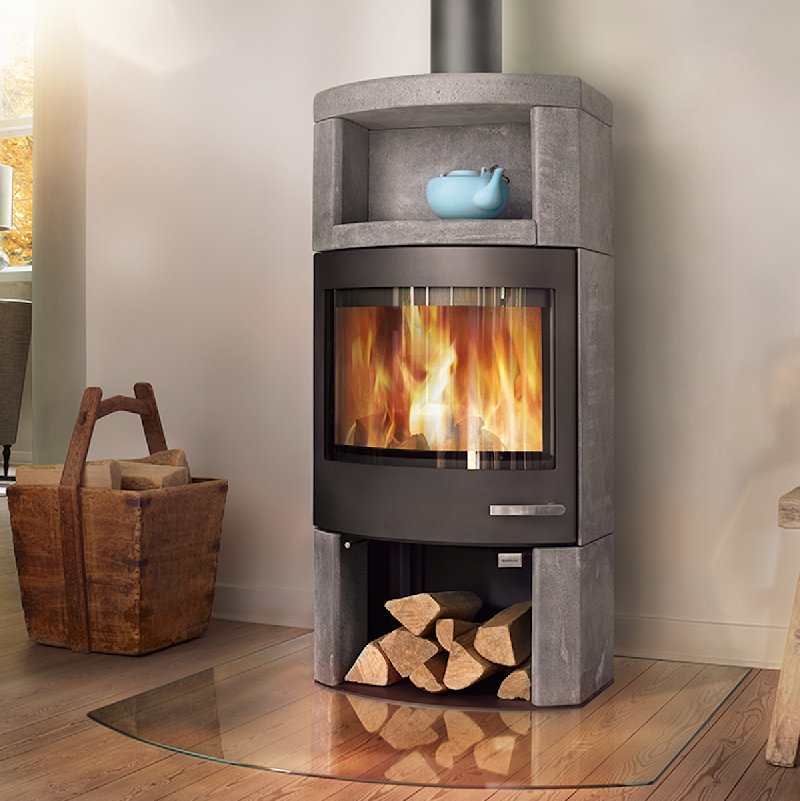
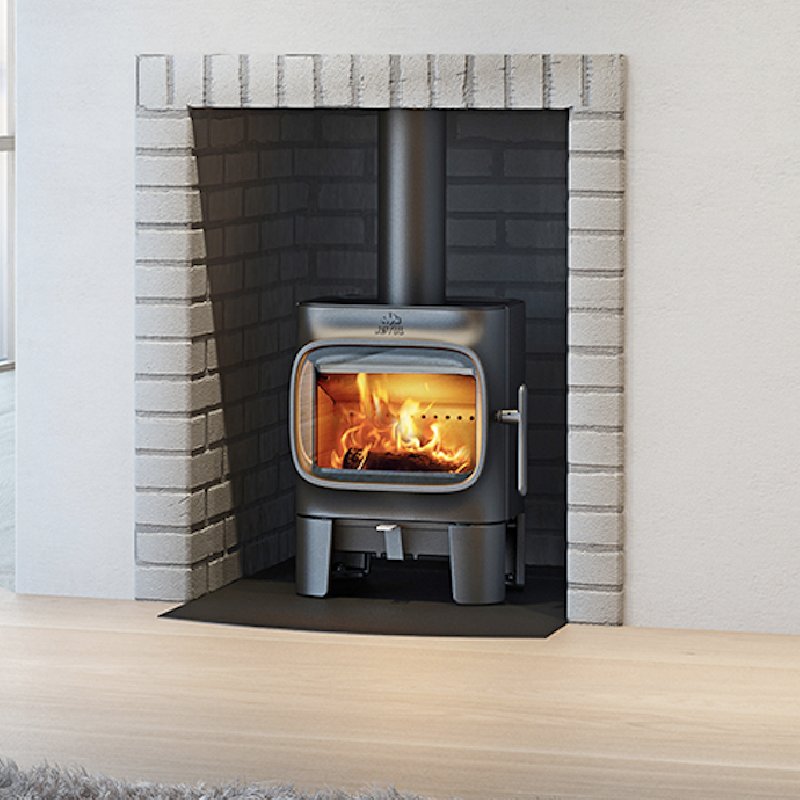
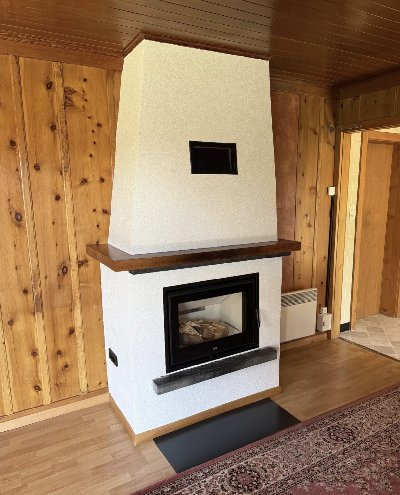
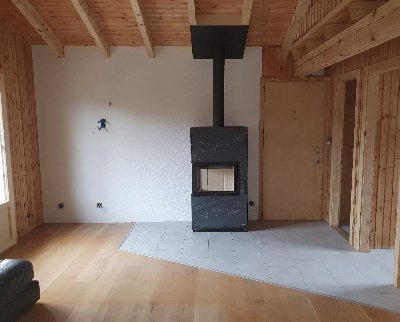
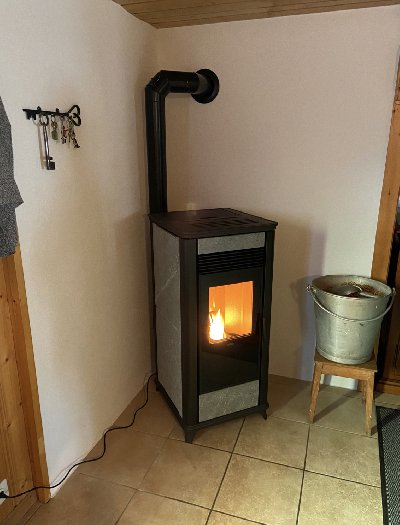
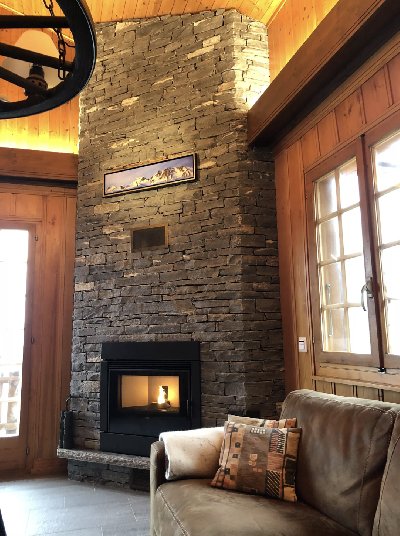
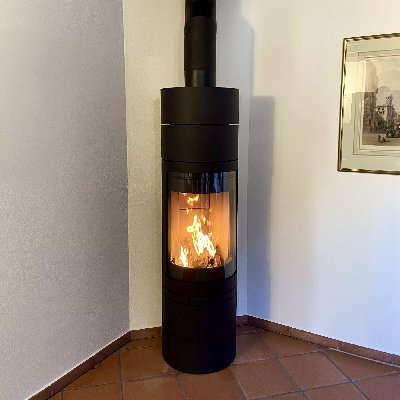
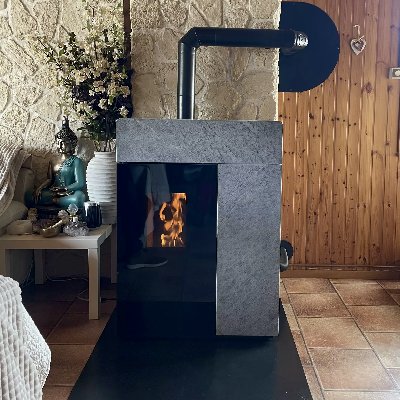
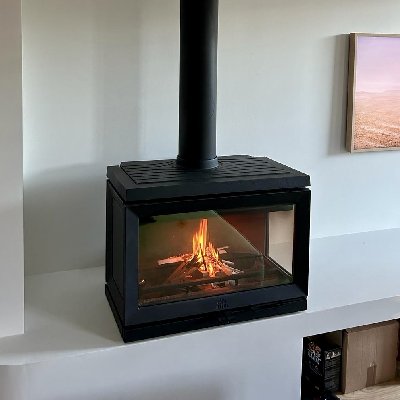
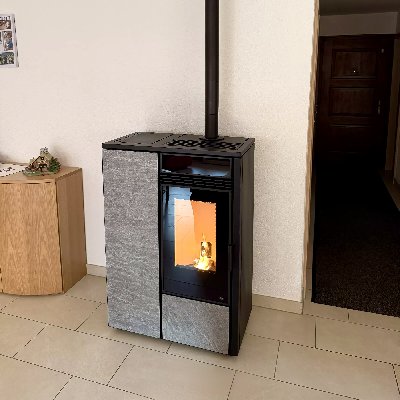

Two kilograms of pellets replace about one liter of heating oil, and the price of this fuel remains much more stable than that of fossil fuels. It is this balance between performance and predictability that explains the success of wood pellet heating in Switzerland. Before investing, however, it’s important to know how to identify a quality product and plan for its storage—for example, with our Genius Pellet Storage System.
The market confirms this trend. In January 2025, a metric ton of pellets cost an average of 457.10 CHF according to prixpellets.ch—a price that remains lower than that of natural gas and heating oil. Understanding this fuel, its quality, and its logistics will help you make a sustainable and cost-effective choice.
Pellets: A Fuel Derived from Wood Waste
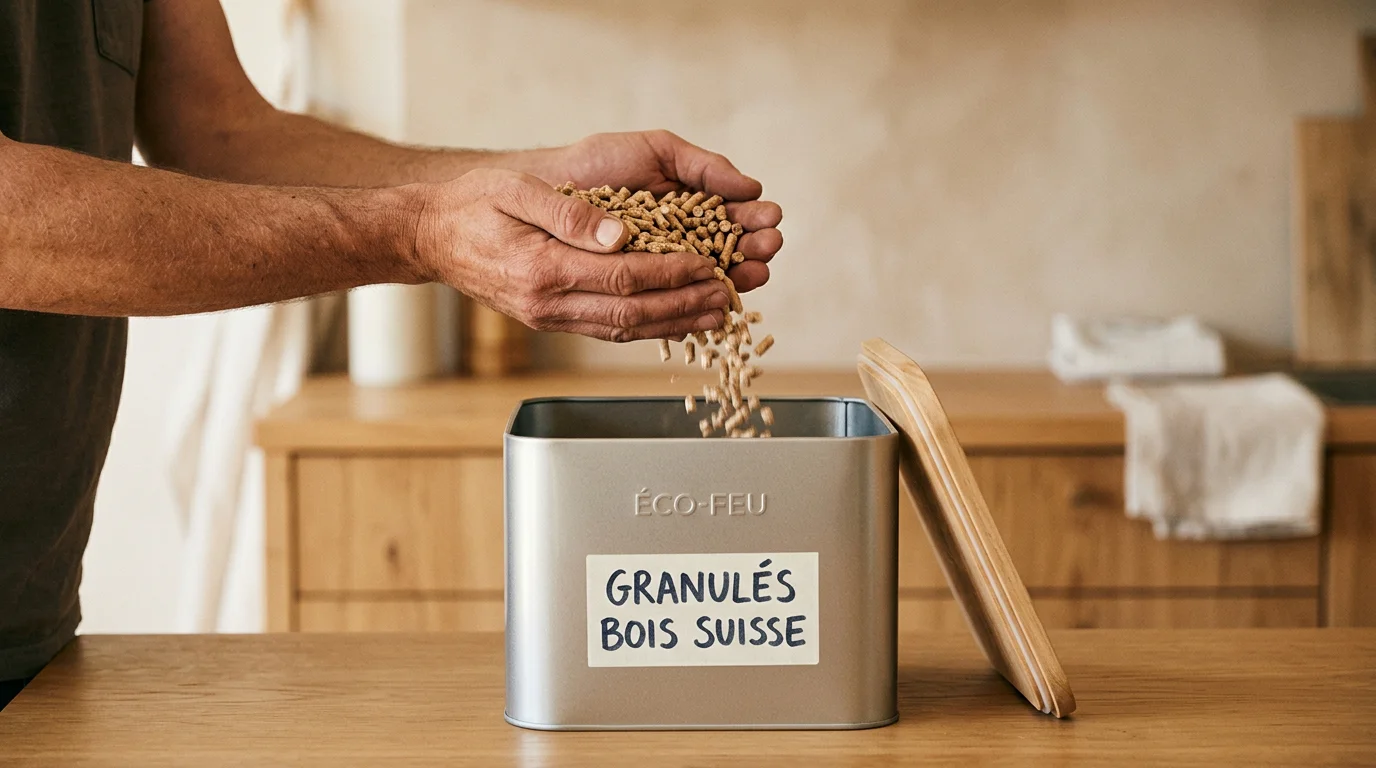
Pellets, also known as wood pellets, are small cylindrical sticks made from compressed sawdust and wood shavings. The raw material comes from sawmill residues—the shavings and sawdust that make up the part of the log not used for furniture or construction. No resources are wasted: this wood waste is transformed into a dry, dense fuel.
Compression is achieved without glue or binding agents. It is the lignin, naturally present in wood, that binds the wood pellets together. The result is a uniform, standardized product with a low moisture content that ensures a high calorific value. A standard pellet measures approximately 6 mm in diameter and 30 mm in length.
This short cycle offers significant environmental benefits. Burning wood releases no more CO2 than the tree absorbed during its growth, making this energy source carbon-neutral when sourced from sustainably managed forests.
The Benefits of Pellet Heating
Why are so many Swiss households switching to pellets? First, for the savings. Wood is among the least expensive heating fuels, and a modern system achieves very high thermal efficiency, often between 90 and 95%.
Second, for security of supply. The price of pellets is only slightly tied to the price of oil and remains generally stable from one year to the next. The regional origin of the fuel reduces transportation needs and generates local added value—a major advantage in a forested country like Switzerland.
- Renewable Energy and Carbon Neutrality
- High efficiency of modern units
- Consistent and predictable wood fuel prices
- Easy storage and clean delivery, in bulk or in bags
- Compatibility with solar systems
A good electric igniter also makes a difference every day. For a stove or boiler, a reliable component like our 350W Pellet Igniter ensures a smooth start to combustion.
How to Recognize High-Quality Pellets
Not all pellets are created equal. High quality improves heat output and reduces buildup in your appliance. The first step is to check the certifications printed on the bag or provided upon delivery.
Three key certifications are recognized: ENplus A1, DINplus, and “Swiss Wood” origin. They guarantee a low ash content, a uniformly sized product, and traceability of the raw material. ENplus is, in fact, the world’s first certification system for this fuel. In Switzerland, the Federal Statistical Office even publishes a national pellet price index, calculated based on a delivery of six metric tons.
Specifically, high-quality pellets contain little dust, have a density between 600 and 650 kg/m³, and an energy value of approximately 4.9 kWh per kilogram. Two kilograms are therefore equivalent to one liter of heating oil. When purchasing, be wary of batches that produce a lot of fine particles, as this is a sign of a poorly compressed product.
Pellet Prices: Understanding Price Fluctuations
The price of pellets follows a seasonal pattern rather than being tied to oil prices. It is generally higher at the beginning of the year, then tends to drop starting in March or April. May and June are often the best months to fill your silo.
After the exceptional price spike in 2022, the trend has leveled off. In neighboring France, industry analysts noted a decline in pellet prices as early as 2025, making the fuel one of the most economical options again. In Switzerland, independent data show a historical range of 7 to 10 centimes per kWh of final energy.
For a 200 m² home, you’ll need about 4 metric tons of pellets per winter, which is nearly 18,000 kWh of heat. Ordering in advance during the off-season and checking the quality remains the best way to stay within your budget.
Store your pellets properly to protect them from moisture
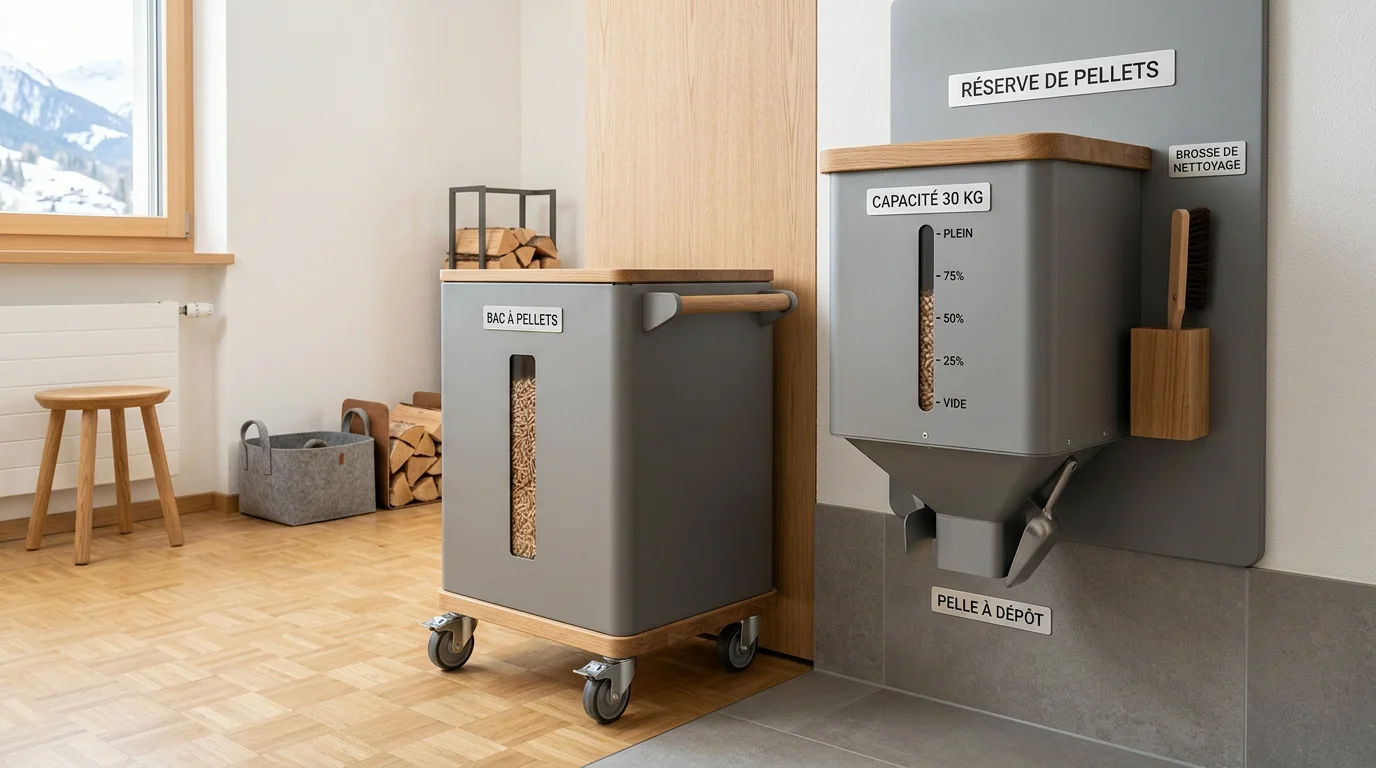
The main weakness of pellets is moisture. A damp product swells, crumbles, and loses its heating value. Your storage area must therefore be dry, well-ventilated, and protected from both sunlight and the elements. For pallet deliveries, the opaque UV-protective cover and strapping ensure proper stability.
For home use in bags, a mobile solution makes it easy to refill your stove daily. In this regard, our pellet box on wheels allows you to move your supply effortlessly, while keeping the space clean and tidy.
The quality of forest resources supports this local industry. According to Forêt Suisse, the wood-energy market has shown stable and sustained demand with a strong seasonal upturn at the end of 2025, confirming the reliability of the regional pellet supply.
Installation, Maintenance, and Support
Installing a pellet stove or boiler requires careful consideration of flue gas exhaust, silo placement, and coordination with other trades. Existing underfloor heating or radiators can generally still be used during a replacement.
Maintenance is key to the appliance’s longevity. A certified professional monitors combustion, cleans the flue channels, and adjusts operating parameters. This regular maintenance preserves efficiency and prevents breakdowns in the middle of winter.
The table below compares three approaches to carrying out your project.
| Criterion | Purchasing the appliance alone | General contractor | Carron-Lugon |
|---|---|---|---|
| On-site visit | No | Varies | Free and with no obligation |
| Coordination with architects and tradespeople | No | Partial | Full service |
| Dismantling and restoration (tiling, plastering, painting) | No | Depends on the service provider | Performed by our teams |
| After-sales service | No | External | In-house (pellets, wood, gas) |
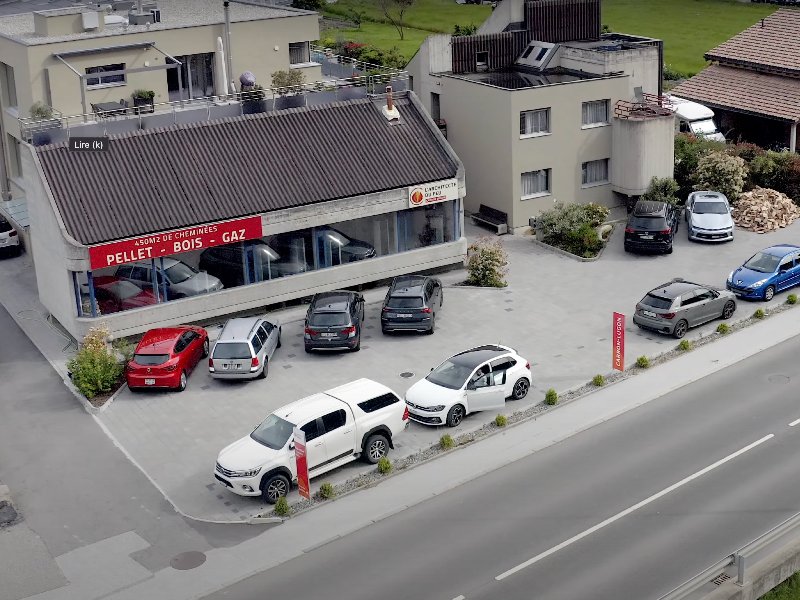
| Showrooms | No | Rare | Fully and Etoy, open to the public |
This end-to-end service minimizes unexpected issues. It also protects your home during the work, with a cleanup after each visit.
Key Facts About Wood Pellets in Switzerland
Choosing wood pellets as your energy source means opting for a local, economical, and CO2-neutral fuel. Always check for ENplus or DINplus certifications or Swiss wood origin; buy preferably during the off-season; and set aside a dry, well-ventilated storage area. A properly installed and maintained system maintains high efficiency over the long term. With professional support—from consultation to after-sales service—your heating project remains under control, clean, and sustainable.
Take action with Carron-Lugon
Are you considering a pellet stove or boiler and want a clear, clean, and well-coordinated project? We’ll assess your needs based on plans or during a free, no-obligation on-site visit, then organize the project from start to finish.
From our showrooms in Fully and Etoy to our in-house after-sales service for pellet, wood, or gas appliances, we handle everything from consultation and installation to maintenance. Discover our pellet heating solutions and entrust your project to us with complete peace of mind.
Frequently Asked Questions
How much pellet fuel is needed for one winter?
A 200 m² home consumes an average of nearly 18,000 kWh of heat per year. This amounts to about 4 metric tons of pellets over the course of a season. Actual consumption depends on insulation and climate.
Does the price of pellets depend on the price of oil?
No, the price of pellets is not tied to the price of oil or electricity. It remains generally stable, with only slight seasonal fluctuations. Prices are often lower in the spring than in the winter.
How can you tell if wood pellets are high quality?
Look for ENplus A1 or DINplus certifications, or pellets made from Swiss wood. High-quality pellets produce little dust, have a low ash content, and a high calorific value. These criteria also help prevent your boiler from becoming clogged.
How should I store my pellets properly?
Store them in a dry, well-ventilated area, protected from sunlight and the elements. Moisture causes the pellets to swell and reduces their heating value. A wall-mounted storage unit or a mobile storage bin makes daily use easier without making a mess in your home.
Do I need a professional for installation?
Yes, installation involves flue venting, storage, and coordinating the work. Our teams handle dismantling, restoration, and after-sales service. You’ll benefit from a turnkey project that’s clean and safe.