

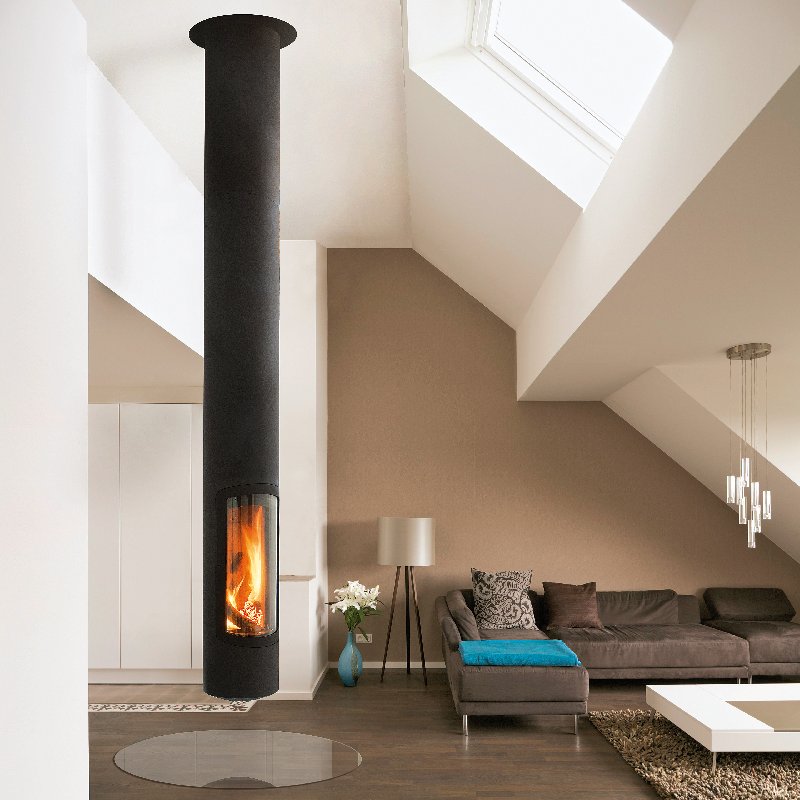
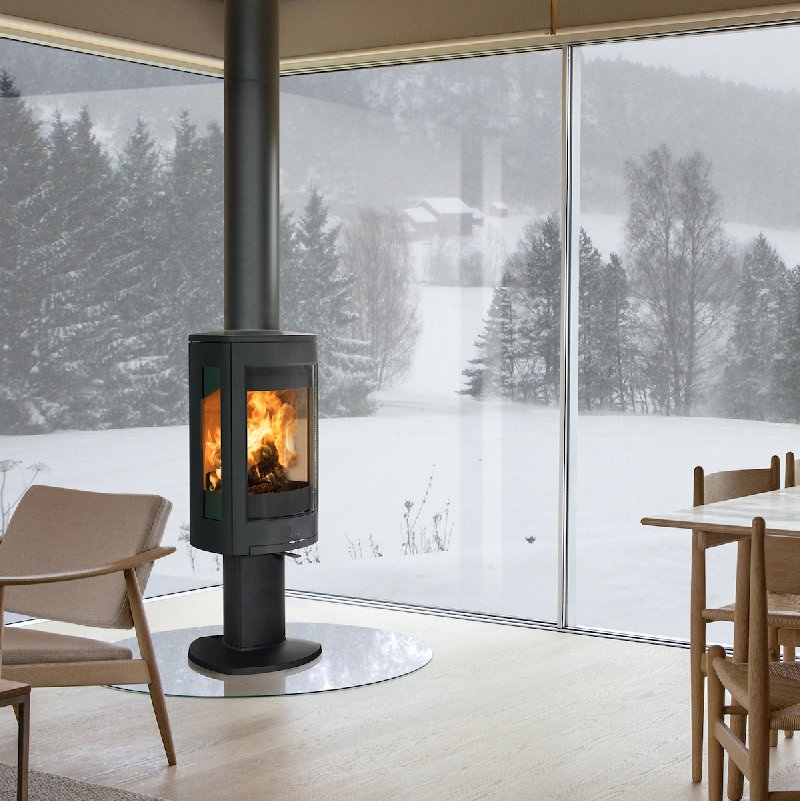


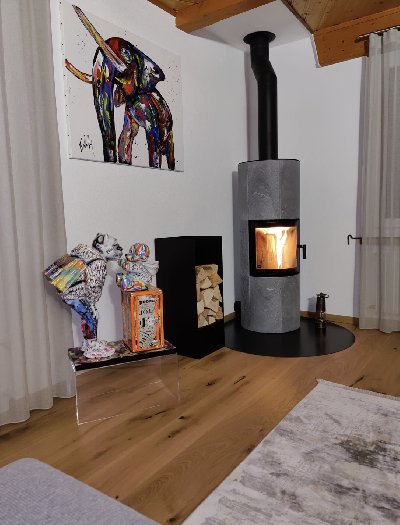
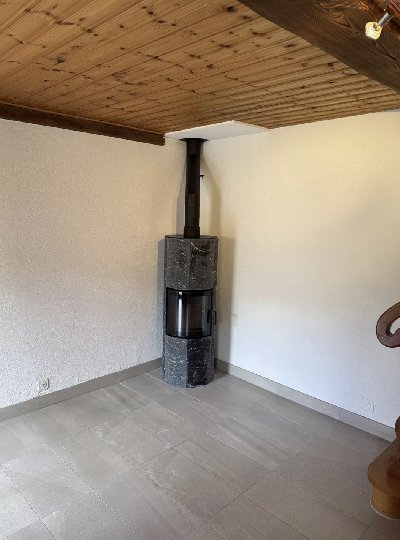
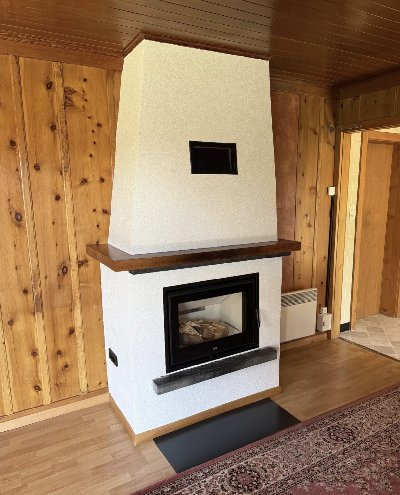
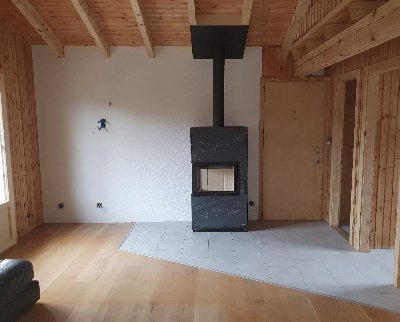
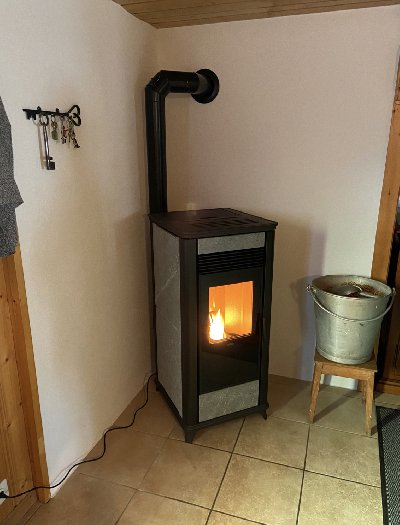
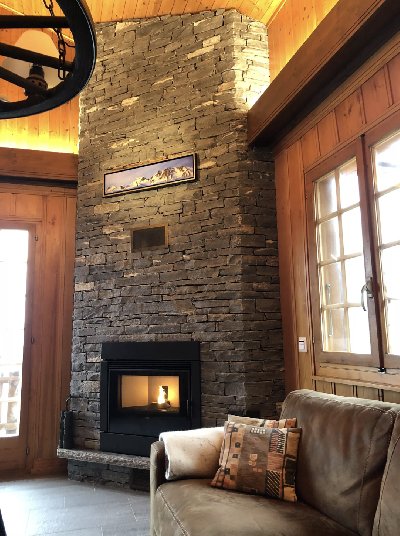
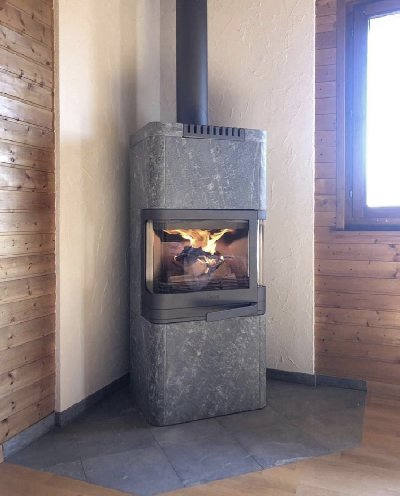
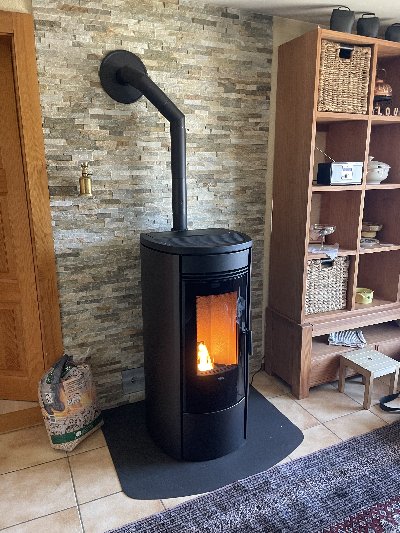
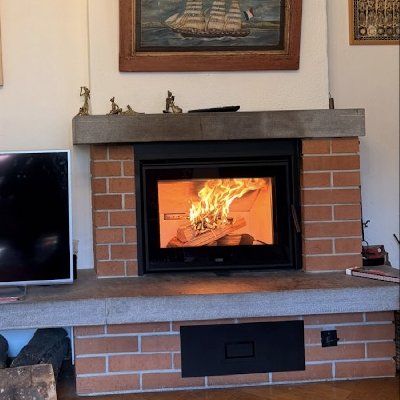
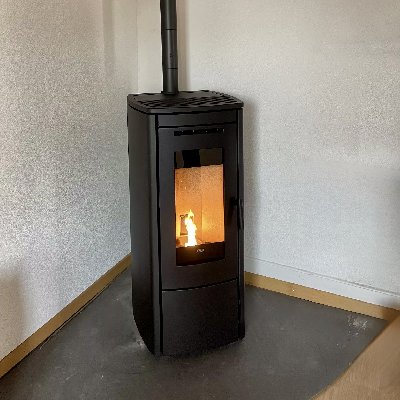
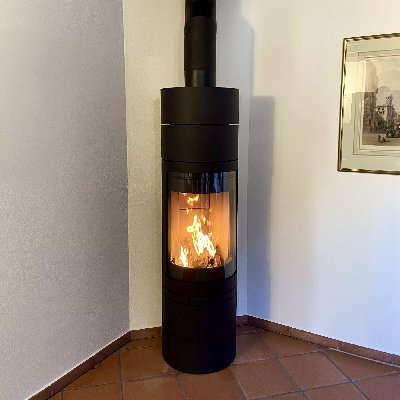
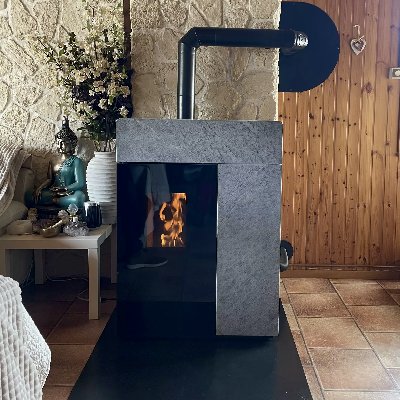
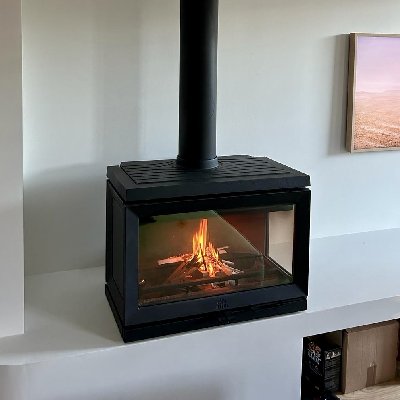
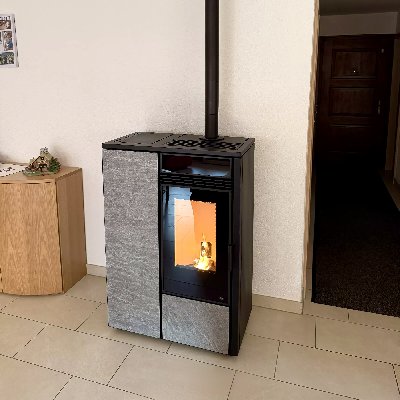
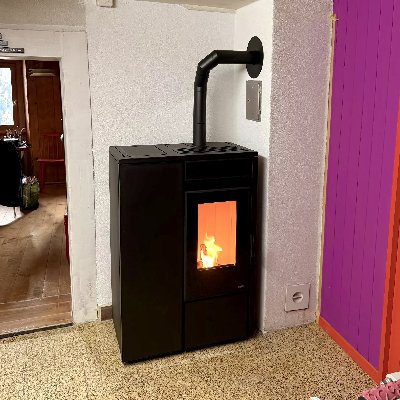


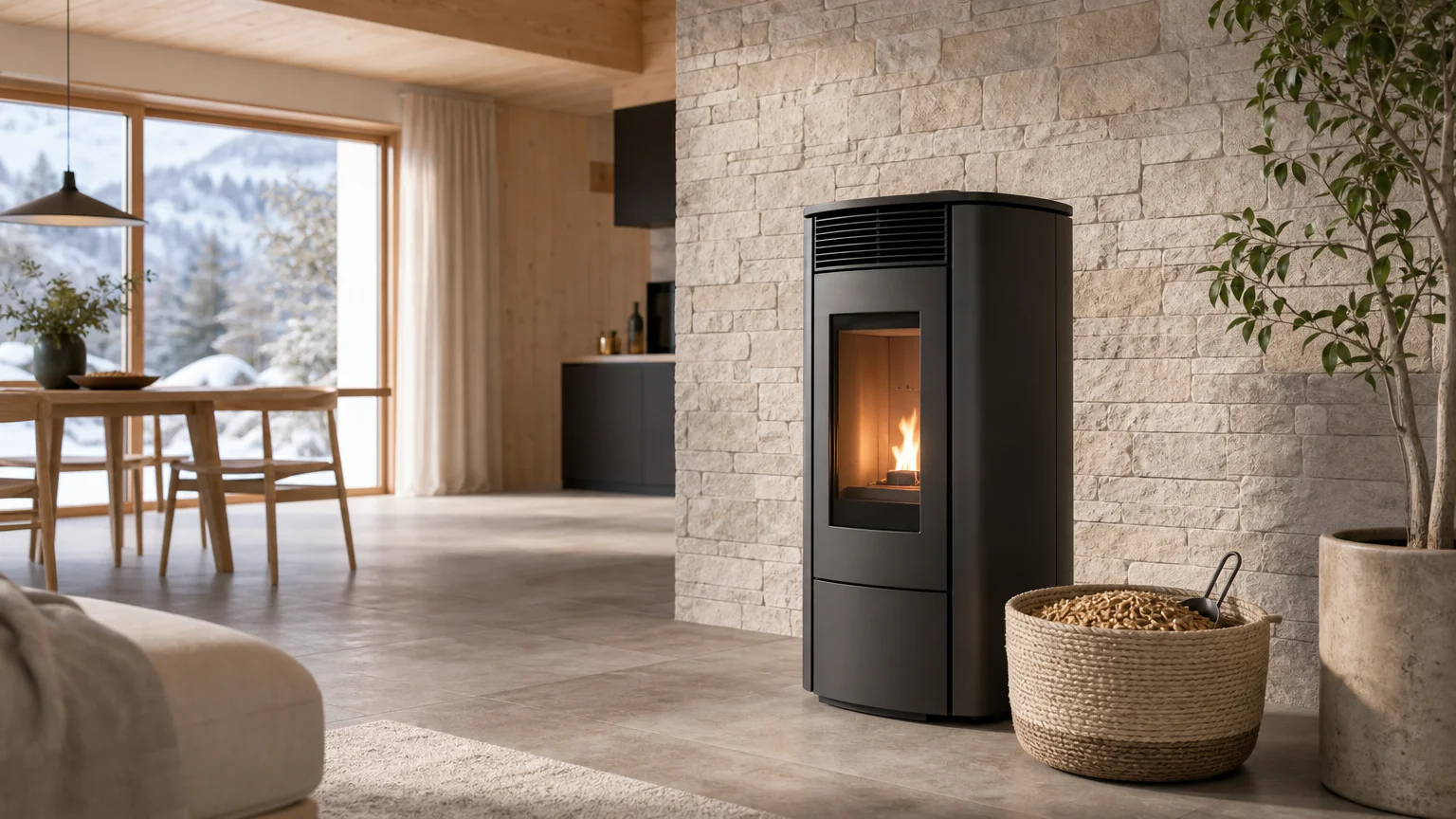
Can a compact fuel really simplify your daily heating routine? Yes, if you combine consistent-quality pellets, a properly sized heater, and appropriate storage. To avoid common mistakes, check out our tips on How to Store and Handle Pellets. This step ensures proper combustion and helps extend the life of your equipment.
Pellets are suitable for both standalone stoves and central heating systems. Their convenience lies in automatic feeding, high energy density, and ease of use. However, quality remains a key factor. Swiss recommendations specifically favor ENplus A1 -certified pellets for residential systems.
How Do Wood Pellets Work for Heating?
Imagine small wooden cylinders automatically feeding your appliance. Pellets, also known as wood granules, are made primarily from compressed sawdust and wood chips. Their uniform shape allows for a steady mechanical feed into a stove or boiler.
The process begins in a hopper or silo. An auger gradually conveys the fuel to the combustion chamber. The appliance then adjusts the air supply and the amount of pellets based on the desired temperature.
This automation sets pellet heating apart from traditional log heating. You don’t have to reload the firebox with each burn cycle. You can also program operating schedules on many units.
Pellets take up less space than firewood while providing a comparable amount of energy. However, they are sensitive to moisture during storage. A degraded pellet produces more dust and can disrupt the feed or combustion process.
The calorific value depends on the product’s quality and the conditions of use. Data from the Swiss industry indicate that one kilogram contains approximately 4.8 kWh of energy. They also note that standard pellet sizes are typically a few millimeters in diameter.
What criteria should you use to choose high-quality pellets?
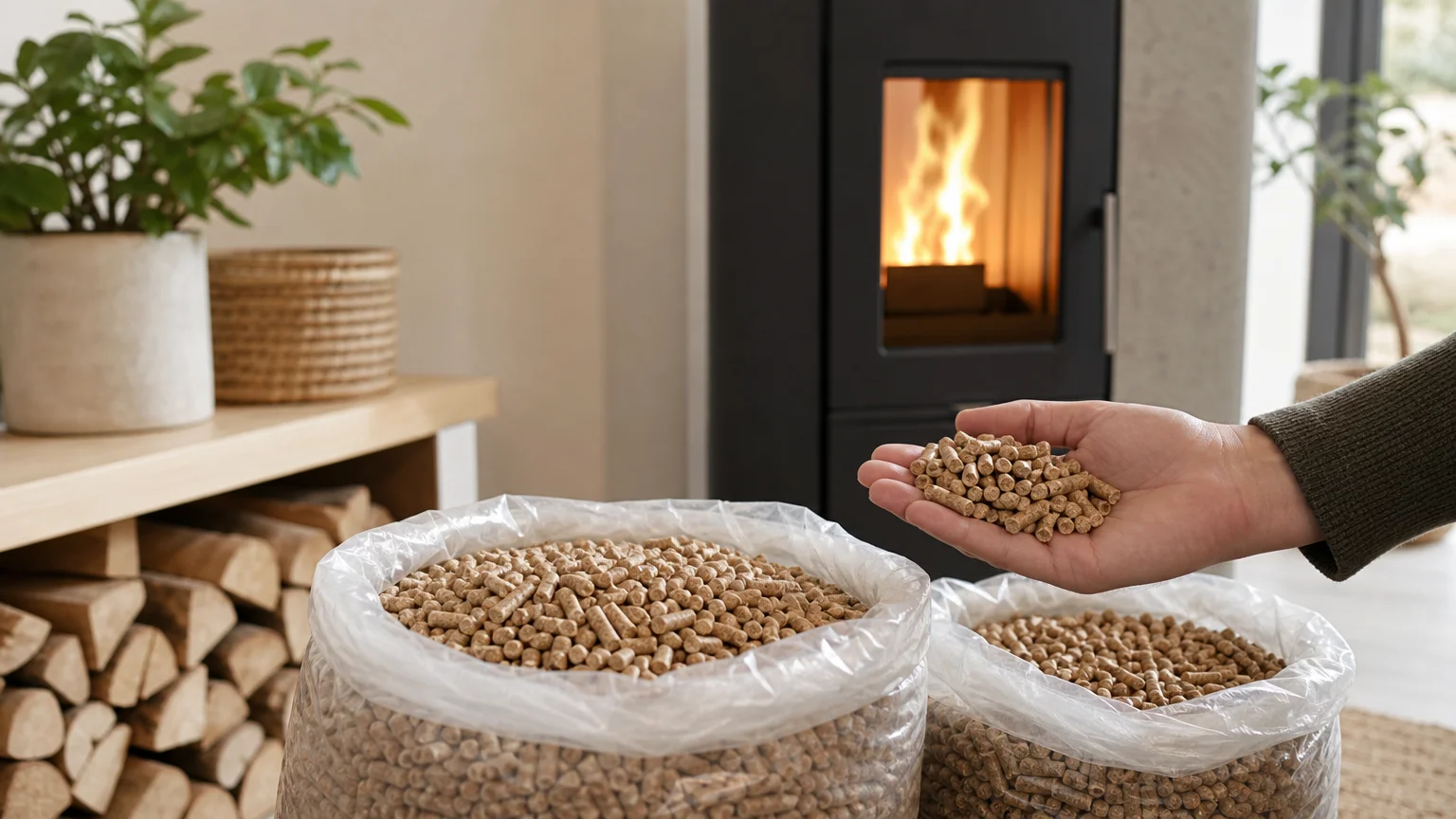
Two bags may look identical, but their performance in the stove may differ. The first criterion to check is therefore certification, followed by the specifications listed on the packaging.
For residential use, the ENplus A1 label serves as a practical guide. It corresponds to requirements concerning, in particular, moisture content, ash content, mechanical strength, and the amount of fines. The Swiss standard SN EN ISO 17225-2 also sets the specifications for pellets sold in Switzerland.
Next, inspect the condition of the pellets. They should be dry, uniform in size, compact, and low in dust. A significant amount of fine particles may indicate difficult transportation, improper storage, or poor quality.
The ash content also warrants your attention. A low ash content minimizes the need for ash removal and reduces clogging. However, it does not replace the maintenance recommended by the manufacturer.
The origin of the wood can help inform your decision. Regionally sourced wood can reduce transportation distances and promote the reuse of sawmill byproducts. However, this alone does not guarantee compatibility with your system.
Finally, compare the packaging to your specific needs. 15-kg bags are practical for a stove with a small hopper. Bulk delivery is better suited for a boiler equipped with a silo. In both cases, the delivery must protect the pellets from moisture and impact.
The Swiss industry’s technical recommendations detail quality grades, storage conditions, and precautions related to filling. You can review the applicable standards and recommendations before making your purchase.
Which appliance should you choose for your home in Switzerland?
A well-insulated house, an apartment, and a large building have different needs. Your choice should start with the effective output, available space, and heat distribution method.
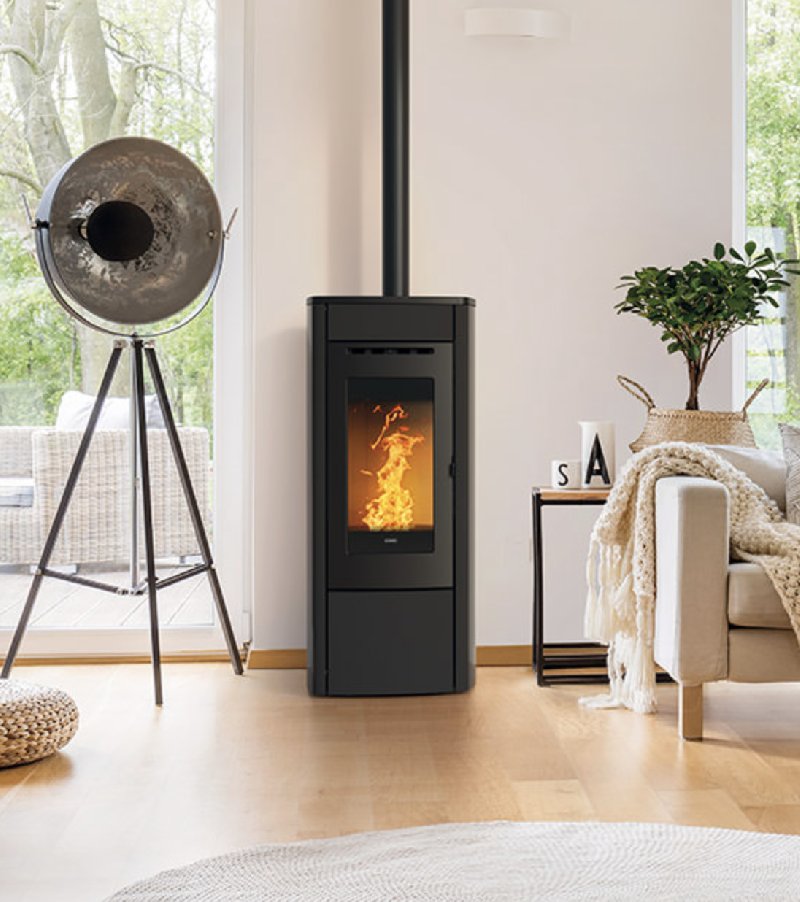
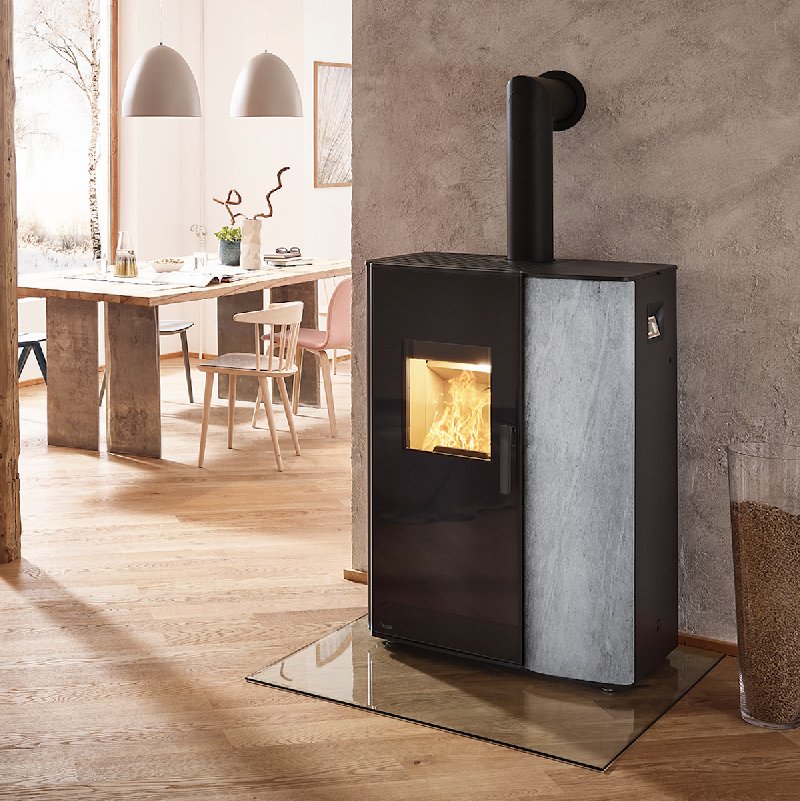
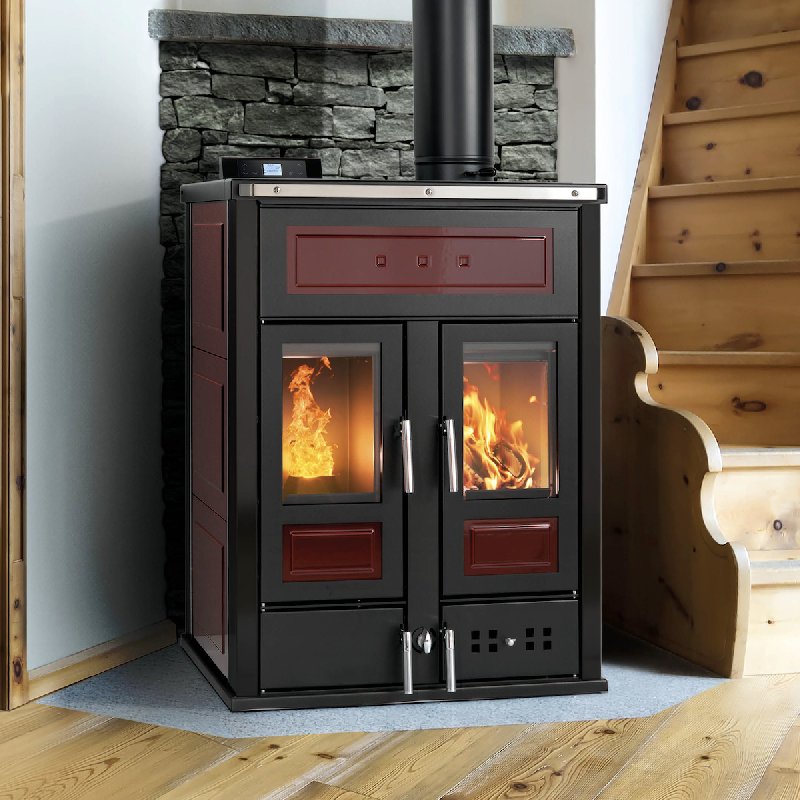
A pellet stove is a good choice when you’re looking for localized heating or a supplement to an existing system. It can heat a main room and certain adjacent areas, depending on the layout of the home.
A ducted model can distribute warm air to multiple rooms. A hydronic system can, depending on its design, contribute to the central heating system. These solutions require careful planning to avoid excessive output or uneven heat distribution.
For a home equipped with central heating, a pellet boiler is a more comprehensive option. It supplies heat to the radiators and can help produce domestic hot water. However, it requires a storage bin, a suitable boiler room, and convenient access for deliveries.
An apartment presents specific challenges. The presence of a code-compliant flue, proper ventilation, and the necessary permits must be verified before proceeding. Installation is therefore not impossible, but its feasibility depends on the building.
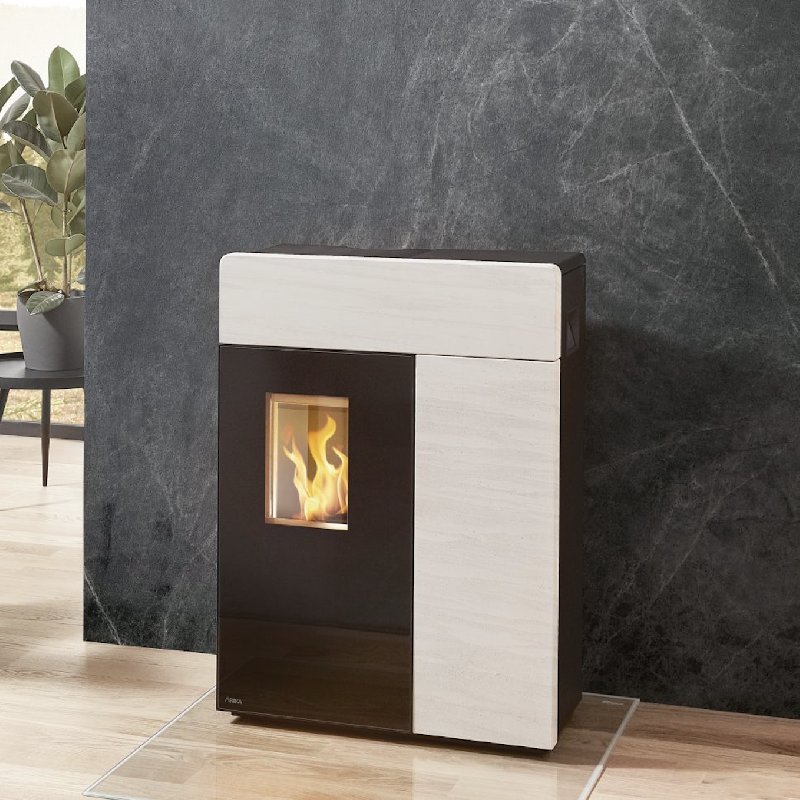
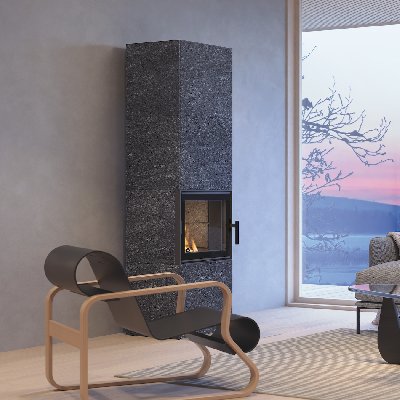
In our product line, you can compare Rika pellet stoves based on your available space, desired comfort level, and interior design. For smart home integration, the Rika Connect pellet stove offers more flexible control—provided it’s compatible with your project.
How should you organize pellet storage and maintenance?
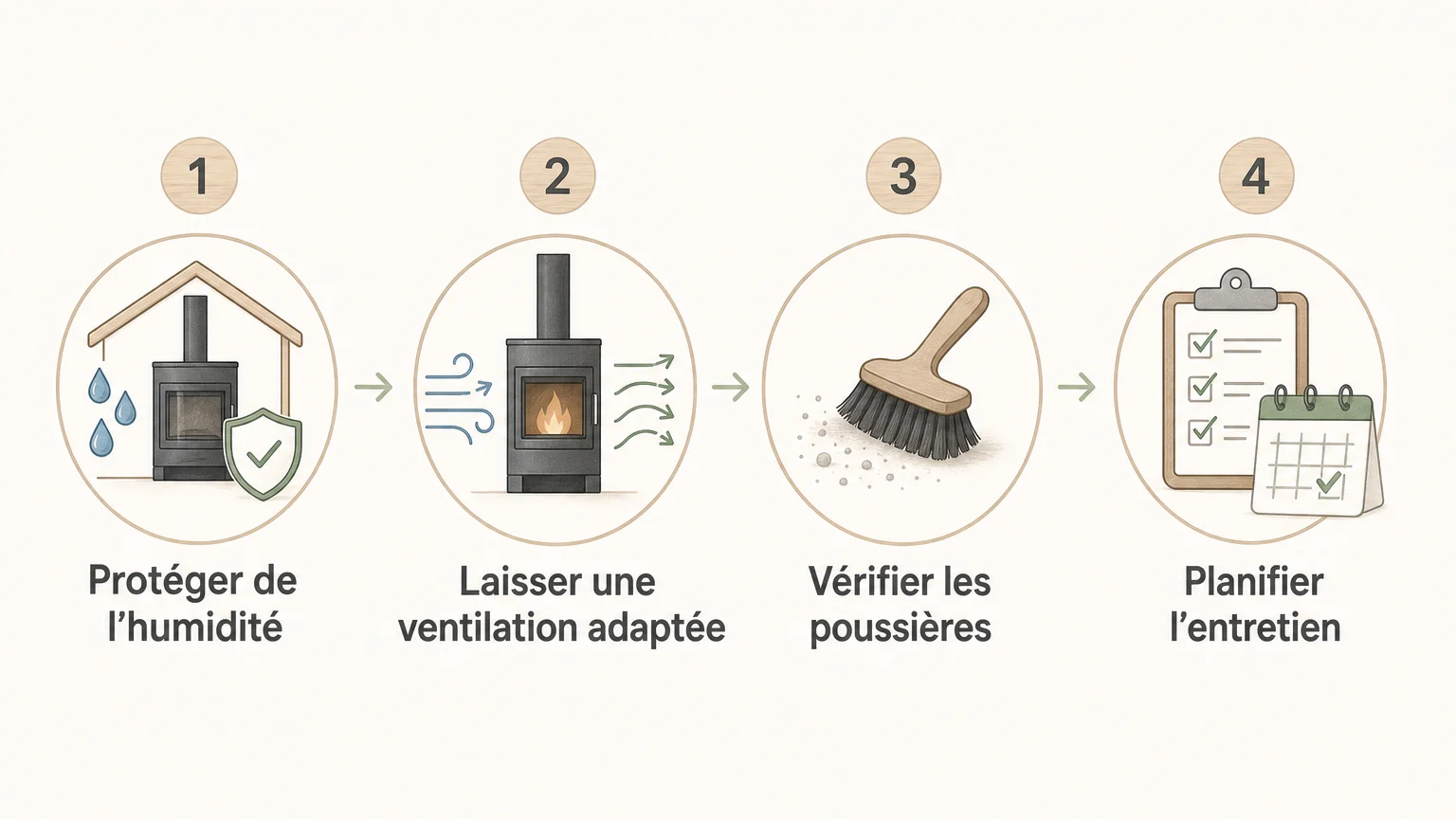
Even high-quality fuel cannot compensate for a damp storage area. The storage area must remain clean, dry, and protected from moisture infiltration. Bags should be placed on a rack that keeps them off the floor.
Avoid basements with rising damp or significant temperature fluctuations. For a bulk installation, the silo must meet design, ventilation, and access requirements. Its capacity depends on your consumption, available space, and delivery frequency.
During filling, pellets are typically blown in from a specialized truck. The connection, piping, and protection of the storage area must be properly planned. A professional can check these elements before the first delivery.
Cleaning the unit remains essential. Remove ash according to the manufacturer’s instructions and have the technical components inspected at the recommended intervals. Maintenance reduces the risk of decreased efficiency, clogging, and breakdowns.
Chimney sweeping and local regulations must also be factored into the project. In Switzerland, requirements may vary depending on the canton, the building, and the type of system. Your installer should clarify the applicable responsibilities.
Poor-quality pellets can exacerbate feeding problems. Pellets that are too crumbly generate more dust. A damp storage area can also cause blockages or uneven combustion.
Why should you seek professional guidance for your pellet heating project?
A unit that looks appealing in a catalog isn’t always enough. The system’s output, flue, storage, ventilation, and administrative procedures must all work together.
We start by understanding your home, your habits, and your priorities. We then assess technical feasibility before guiding you toward a solution that fits your space and budget.
Our support covers consultation, appliance selection, feasibility studies, installation, and project-related procedures. We also provide follow-up service after commissioning.
For central heating, we can evaluate pellet boilers while taking into account the building and the layout of the boiler room. For more localized heating, we compare stove options and their integration possibilities.
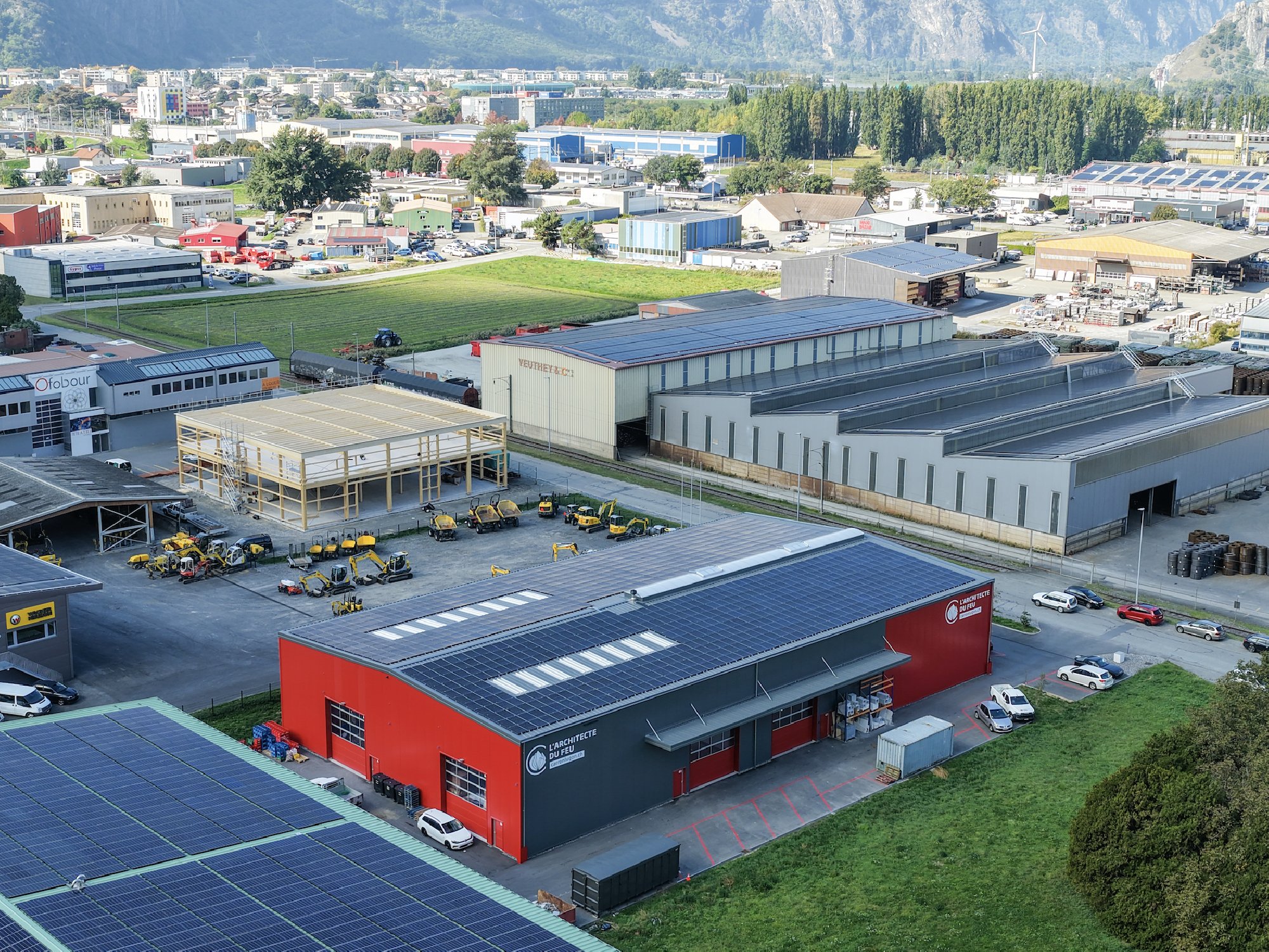
A visit to our showroom also allows you to see the units firsthand, including their dimensions and finishes. Our locations in Fully and Etoy provide a practical setting to help you narrow down your choice. The free feasibility study is particularly useful when the flue or the layout of your home raises questions.
Finally, we provide post-installation support for maintenance, repairs, and replacement parts. This ongoing support ensures your appliance isn’t treated as just a one-time purchase.
Wood Pellets: A Choice That Requires Careful Planning
Wood pellets offer automated comfort and a compact solution for many homes. Their success, however, depends on three interrelated factors: the quality of the fuel, the design of the system, and proper storage. Take the time to verify the certification, output, flue, storage bin, and maintenance requirements. If in doubt, a feasibility study can help you make an informed decision before purchasing.
Plan Your Wood Pellet Heating Project
Are you deciding between a stove and a boiler, or do you want to check the feasibility of an installation? We’ll guide you every step of the way—from analyzing your home to post-installation follow-up—with advice tailored to your space, budget, and lifestyle.

Explore our products, speak with our advisors, and get a free feasibility study. Our team will help you compare solutions, organize the installation, and plan for future maintenance. Check out our pellet heating solutions to get your project started.
Frequently Asked Questions
What exactly are wood pellets?
Pellets are small cylinders made primarily from compressed sawdust and wood chips. They are used as fuel in stoves, boilers, and certain central heating systems.
Which pellets should you choose for a home stove?
Opt for ENplus A1-certified pellets that are dry, uniform in size, and low in dust. Also check the manufacturer’s recommendations for your appliance.
Can you install a pellet stove in an apartment?
The answer depends on whether there is a compliant flue and on the building’s characteristics. A feasibility study must be conducted before any decision is made.
How should you store pellets after delivery?
Store them in a dry, clean place protected from moisture. The bags must be kept off the floor, and the storage silo must meet the applicable technical requirements.
What is the difference between a pellet stove and a pellet boiler?
A stove primarily heats a single room or several adjacent areas. A boiler typically powers a central heating system and requires adequate space for the silo and the boiler room.