

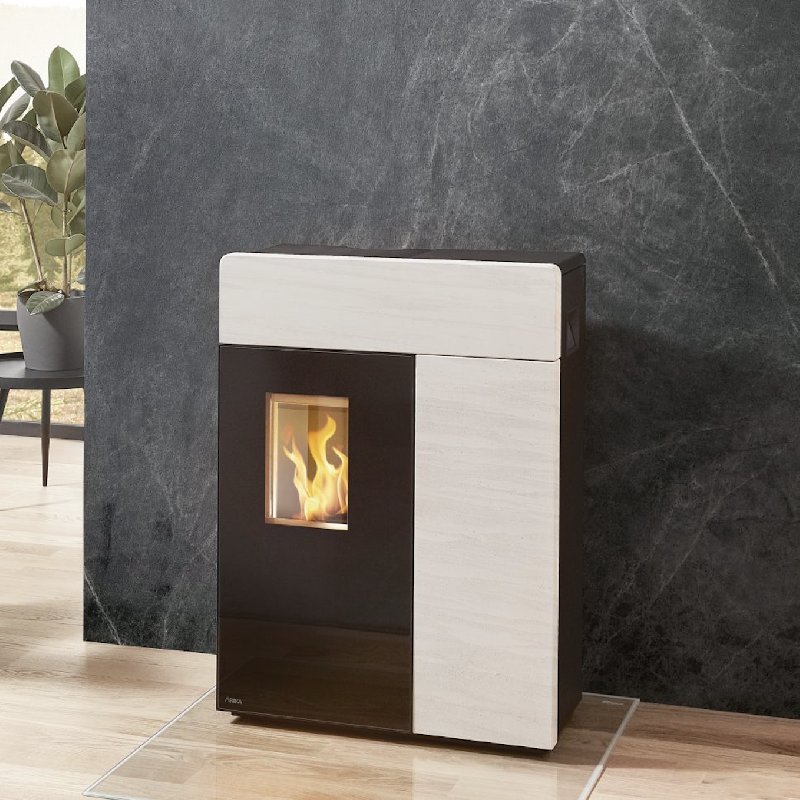
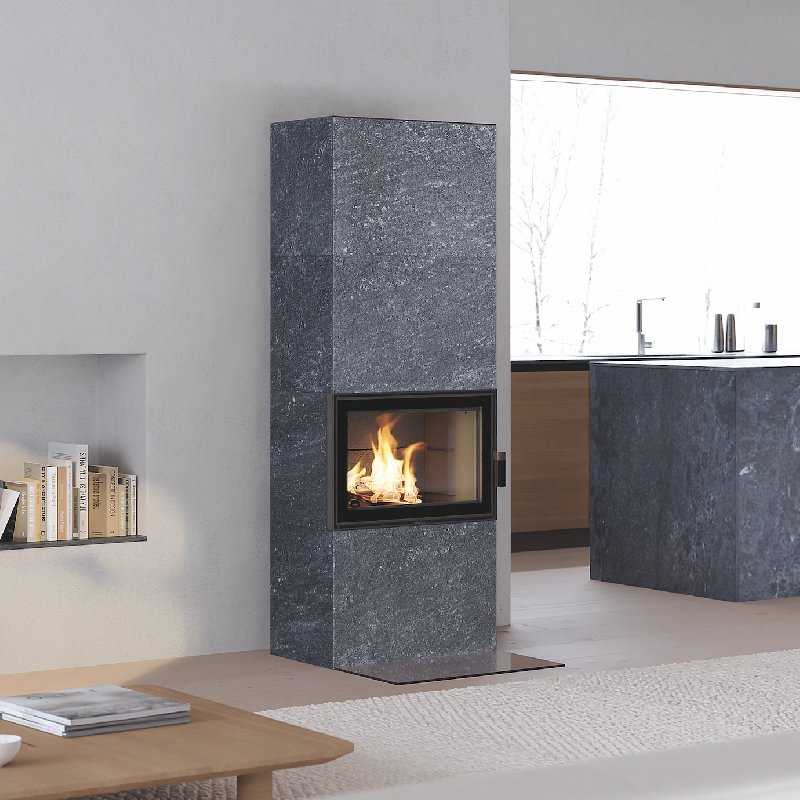
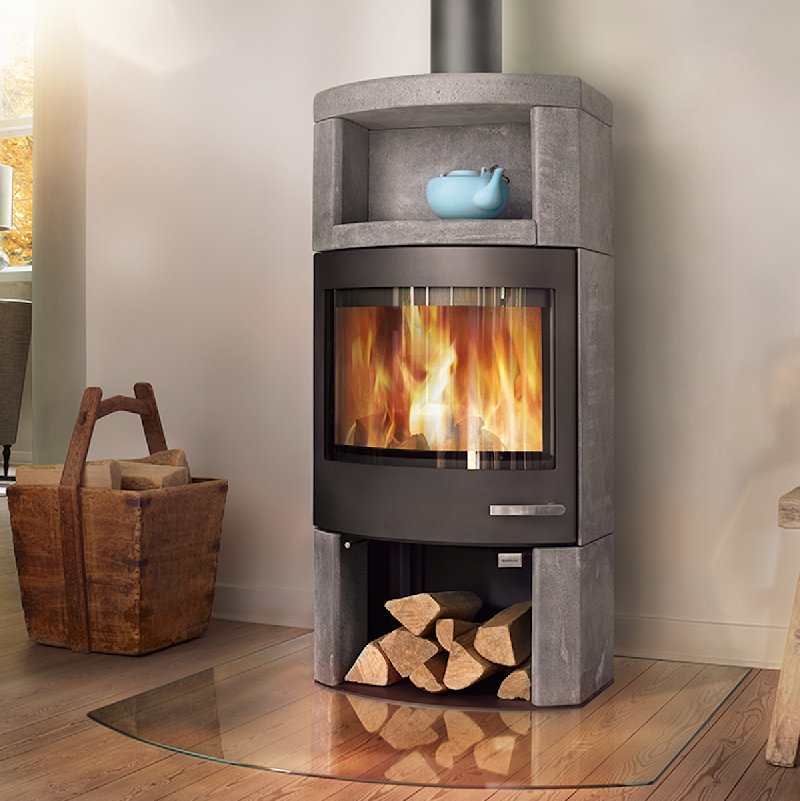
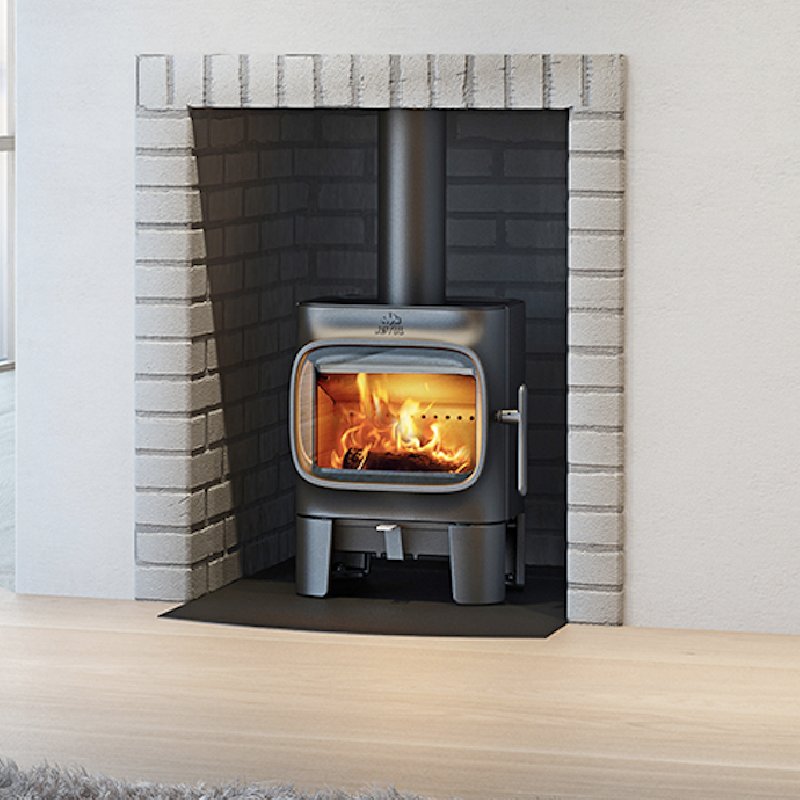
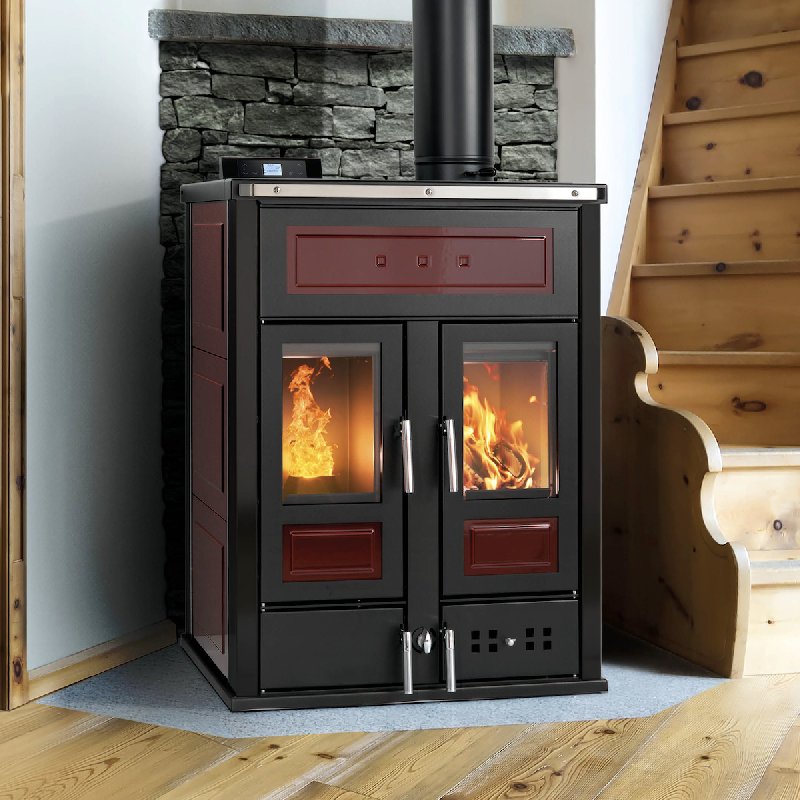

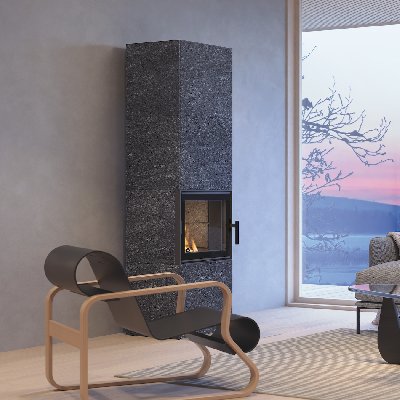

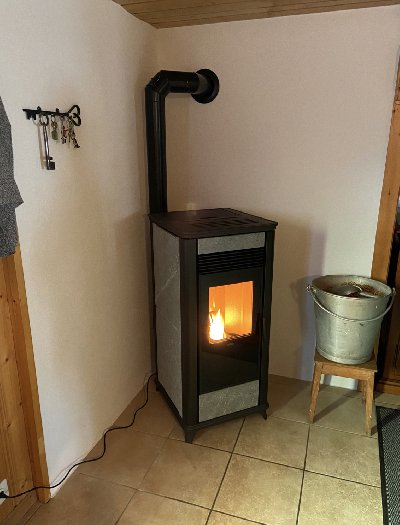
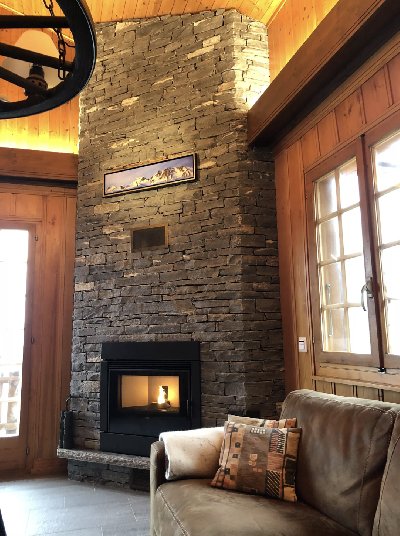
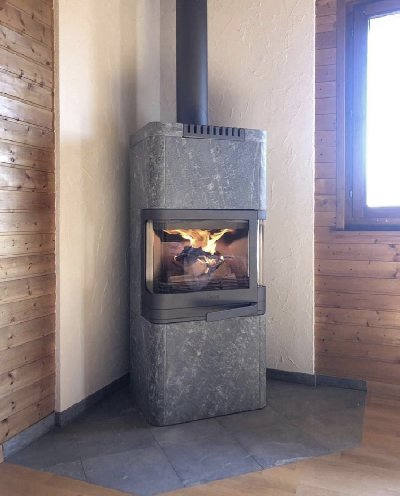
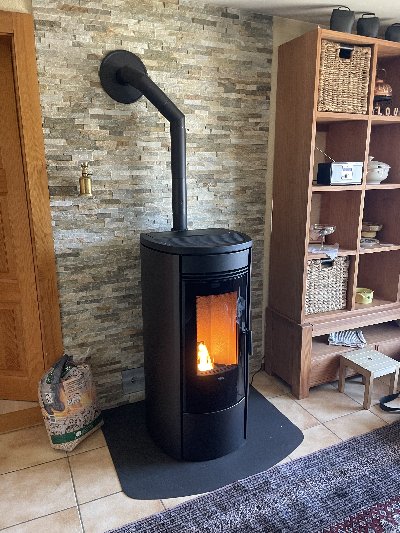
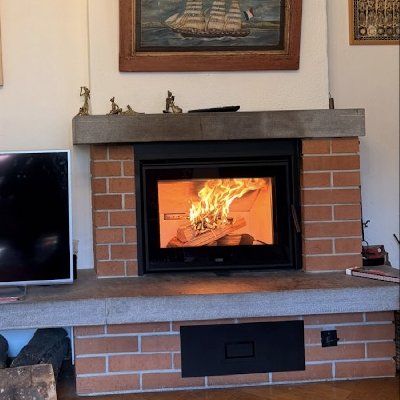
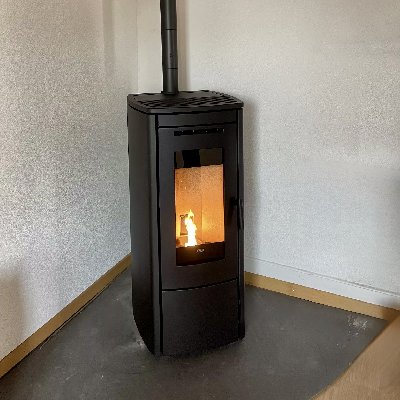
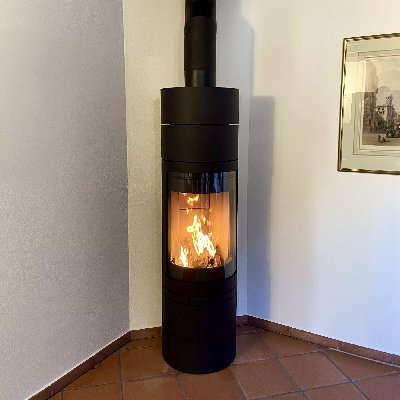
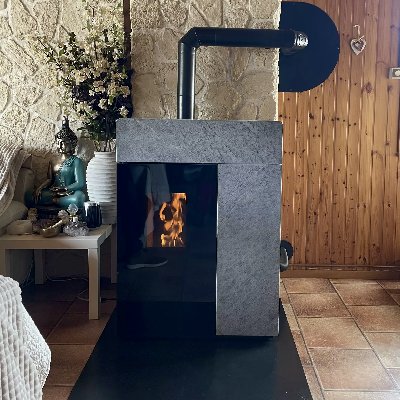
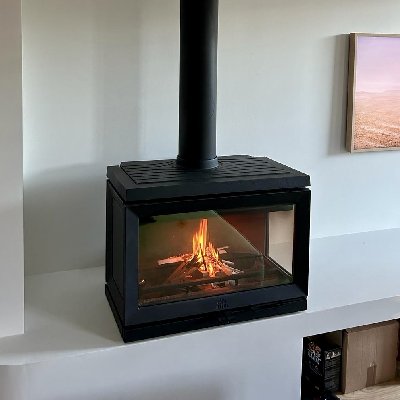
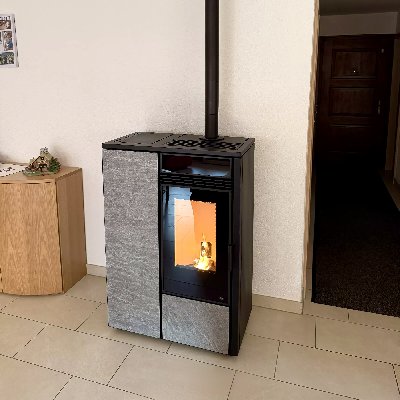
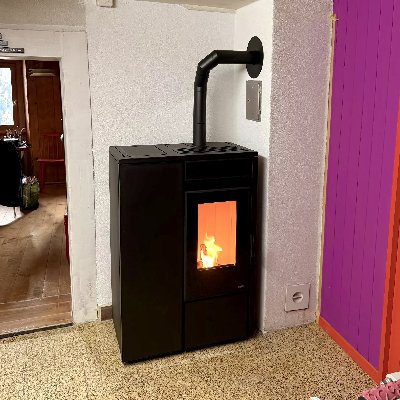

In Switzerland, wood-burning heating systems account for nearly 16% of fine particulate matter emissions from combustion. In Valais, where the heating season is long, this fact underscores an obvious truth: properly preparing your wood- or pellet-burning stove for winter in Valais is a matter of safety, savings, and comfort. A well-maintained appliance heats more efficiently and consumes less fuel. Our teams have already outlined best practices in our guide for storing and handling pellets.
This figure, documented bythe FOEN, ranks wood combustion among the country’s leading sources of fine particulate matter. The good news: careful maintenance and precise adjustments significantly reduce these emissions while improving efficiency. The following steps—from inspection to the first ignition—will help you face the cold season with peace of mind.
Why Winter Preparation Makes All the Difference
A stove used daily accumulates ash, soot, and residue. Without inspection before heating, these deposits impair combustion, increase fuel consumption, and create hazards.
A well-maintained system offers three concrete benefits. It heats more effectively using less fuel. It limits pollutant emissions. It significantly reduces the risk of chimney fires and carbon monoxide poisoning.
These emissions are not trivial. A 2011 symposium organized by the FOEN (Federal Office for the Environment) emphasized that fine particulate matter from wood heating—which is hazardous to health—must be reduced. The quality of maintenance and adjustment directly contributes to this.
In mountainous areas, the stakes are even higher. The cold weather lasts several months, and the stove runs for long periods. Every percentage point of efficiency gained shows up on your annual bill.
Inspect and Clean Your Stove Before the Heating Season
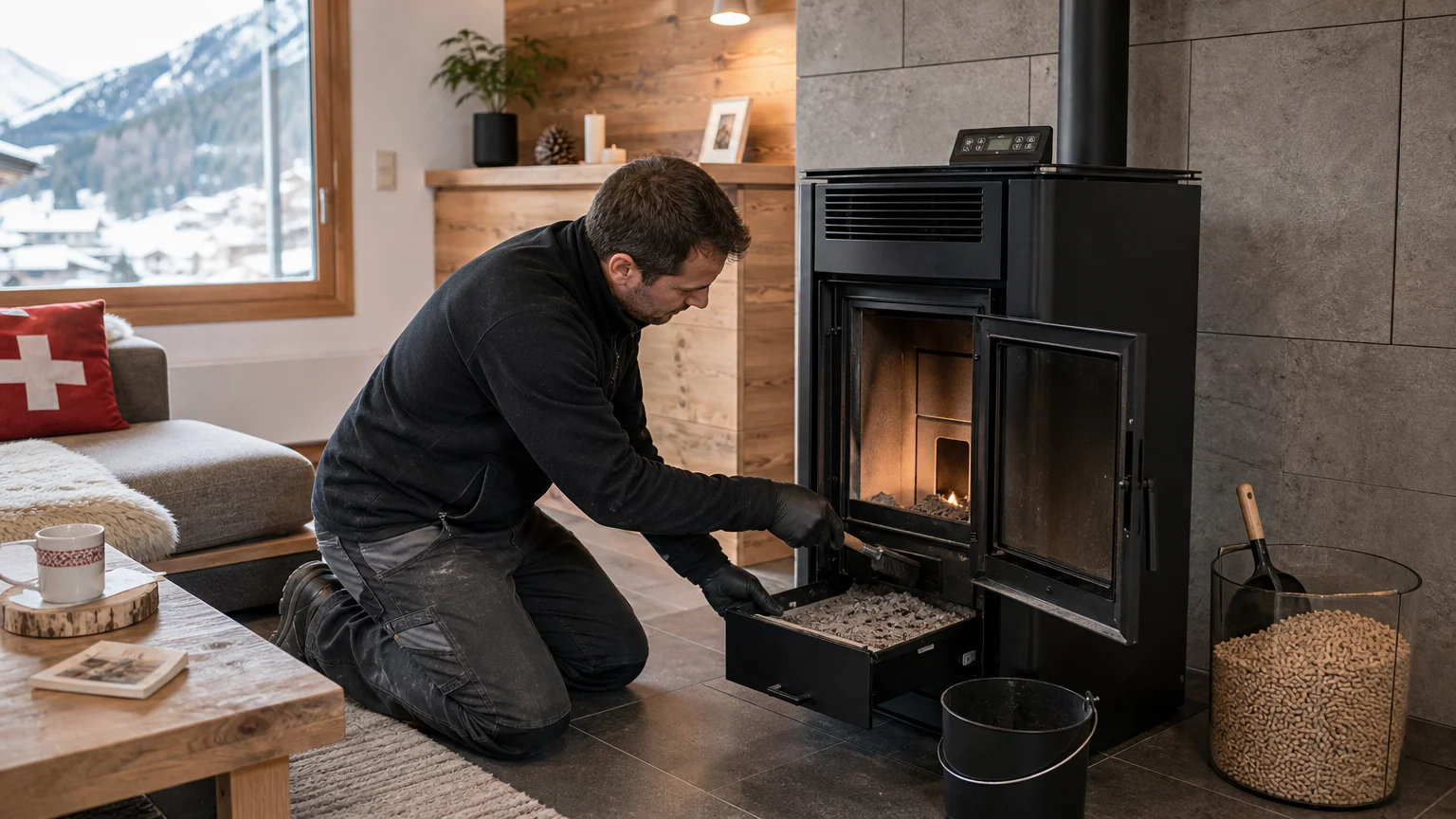
Start with the stove itself, while it is cold and unplugged. Empty the ash pan and the firebox. Check that no residue is blocking the air intake or the firebox.
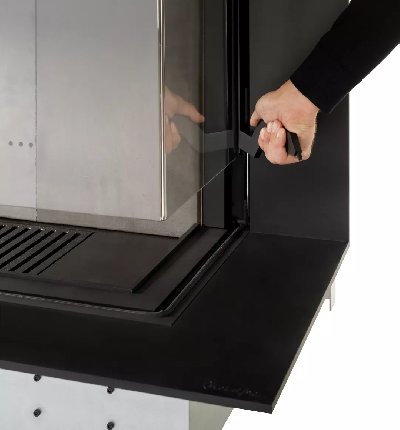
On a wood stove, check the door gaskets, the glass, and the primary and secondary air controls. On a pellet stove, inspect the burner, the auger, the hopper, and the ignition spark plug. These electronic components are sensitive to buildup.
The glass panel deserves special attention: a blackened surface often indicates incomplete combustion. For long-lasting results without scratching the glass, follow our method for cleaning your stove’s glass panel.
Finally, check for any signs of corrosion, hardened gaskets, or warped parts. A worn gasket allows air to leak and reduces efficiency. Replace it before lighting the first fire.
Chimney Sweeping and Inspection
Sweeping the flue is the most important safety step of all. It removes flammable soot and creosote, restores draft, and reduces the risk of fire.
In Switzerland, these requirements are governed by the Air Pollution Control Ordinance (OPair) and cantonal regulations. Inthe canton of Fribourg, emissions from wood-burning stoves are inspected by a chimney sweep—an official inspector—every two or four years, depending on the fuel type.
In Valais, check with your local municipality for the exact frequency of chimney sweeping required for your stove. Logs produce more soot than pellets and often require an additional cleaning.
Take advantage of the service visit to check the flue lining, the tightness of the connections, and the flue gas outlet. A compliant and clean flue is essential for both the safety and performance of the entire system.
Dry Wood and Dry Pellets: The Key to Combustion
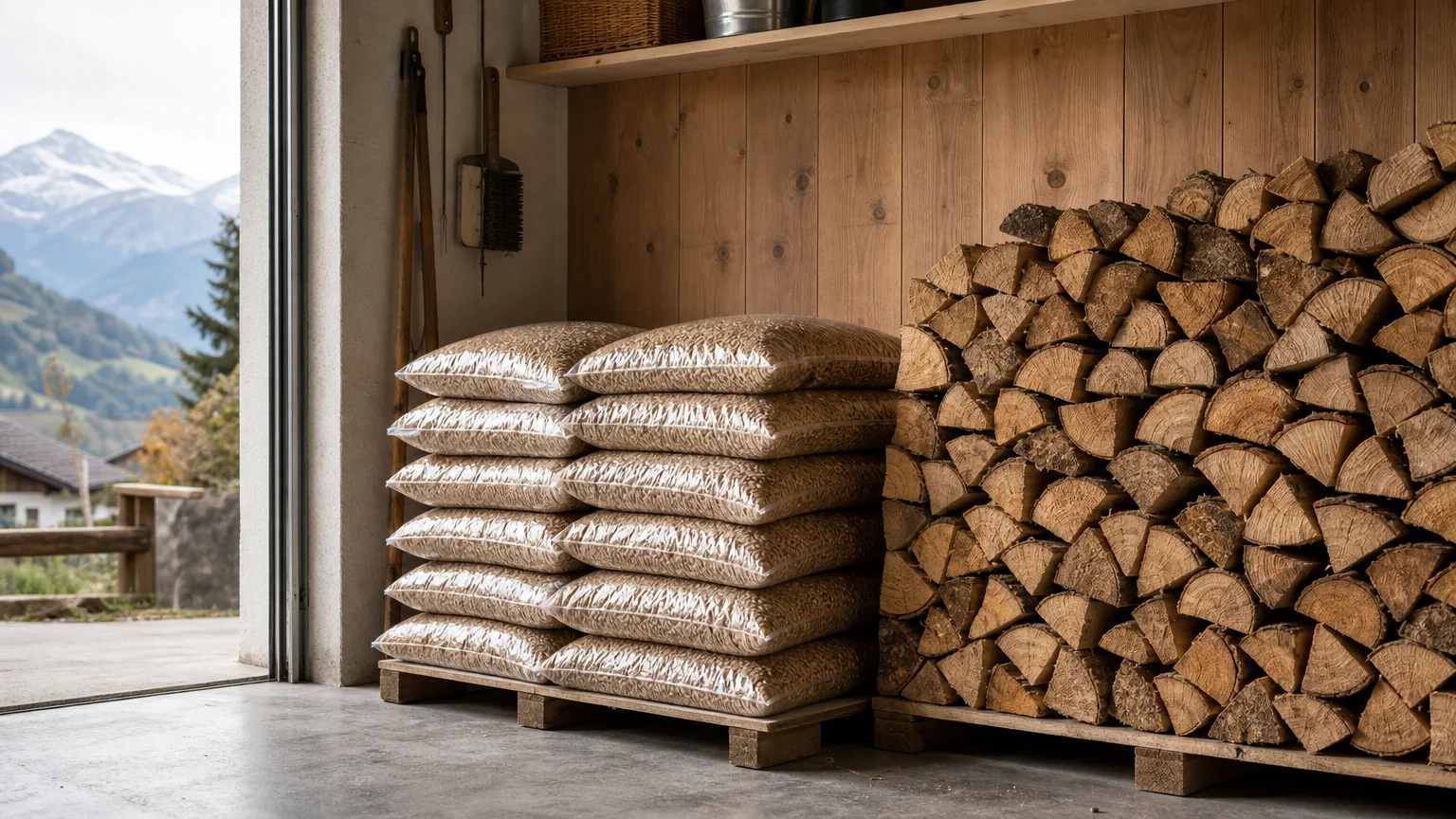
No adjustment can compensate for poor-quality fuel. For a wood stove, use very dry logs with a moisture content below 20%. Damp wood smokes, builds up soot, and provides little heat.
Store these logs in a covered, well-ventilated area, off the ground. Allow at least one to two years for drying, depending on the type of wood and conditions.
The same principle applies to well-dried pellets. Moisture reduces their heating value and causes deposits to build up in the stove. Store them away from moisture, in a dry room, and away from heat sources.
Also check the quality of the pellets: choose certified products that produce minimal dust. A consistent fuel source facilitates automatic feeding and ensures stable heat throughout the winter.
Settings and Successful First Ignition
Once the stove is clean and the fuel is ready, take care when restarting it. On a pellet stove, check the combustion settings, the timer programming, and the safety features before the first fire.
The ignition method matters. For a wood stove, lighting from the top in an inverted pyramid shape reduces smoke and particles from the very first minutes. Then adjust the air intake gradually.
To ensure you don’t miss anything during this critical step, refer to our guide for lighting your stove for the first time. A controlled start protects the unit and lays a solid foundation for the entire season.
Finally, monitor the fire’s behavior: a bright, lively flame indicates good combustion. A dull, dark flame signals improper air adjustment or fuel that’s too damp.
Standards, Annual Maintenance, and Safety in Valais
Pellet heating is becoming increasingly popular among households. According to proPellets.ch, the Swiss Federal Office of Energy estimated that there were 30,000 pellet boilers and stoves in Switzerland in 2019, compared to none in 1995.
This popularity comes with specific requirements. In addition to chimney sweeping, annual maintenance by a qualified technician is essential. The technician cleans the heat exchanger, checks the sensors, tests the seals, and verifies the safety of the entire system. This maintenance is often a condition for maintaining the manufacturer’s warranty.
Preparing your installation also means choosing the right level of support. The table below compares the common options in Valais.
| Service | Do-It-Yourself | Chimney sweep only | Carron-Lugon |
|---|---|---|---|
| Needs assessment based on plans or on-site | No | Partial | Free, no-obligation visit |
| Coordination with architects and tradespeople | No | No | Yes |
| Removal of the old unit and restoration (tiling, drywall, painting) | No | No | Yes |
| In-house after-sales service (pellets, wood, gas) | No | No | Yes |
Our teams protect your home, install your system in accordance with Swiss standards, and then clean up the work site. If you have any issues with a pellet, wood, or gas appliance, our in-house customer service team is here to help throughout the winter.
Essentials for a Stress-Free Winter in Valais
Properly preparing your wood or pellet stove before winter involves a series of simple steps: inspecting, cleaning, sweeping the chimney, drying the fuel, and adjusting the ignition. Each step enhances the efficiency, safety, and compliance of your system. Complete these checks before the first cold snap, schedule your annual maintenance with a professional, and monitor the quality of the flame throughout the season. This way, you’ll enjoy consistent heat, controlled fuel consumption, and a truly peaceful Valais winter.
Take action with Carron-Lugon
Are you preparing your system for winter but still unsure about which appliance, output, or connection is right for your home? This is precisely where our support makes a difference—from initial consultation to commissioning—with a free, no-obligation visit in Valais and French-speaking Switzerland.

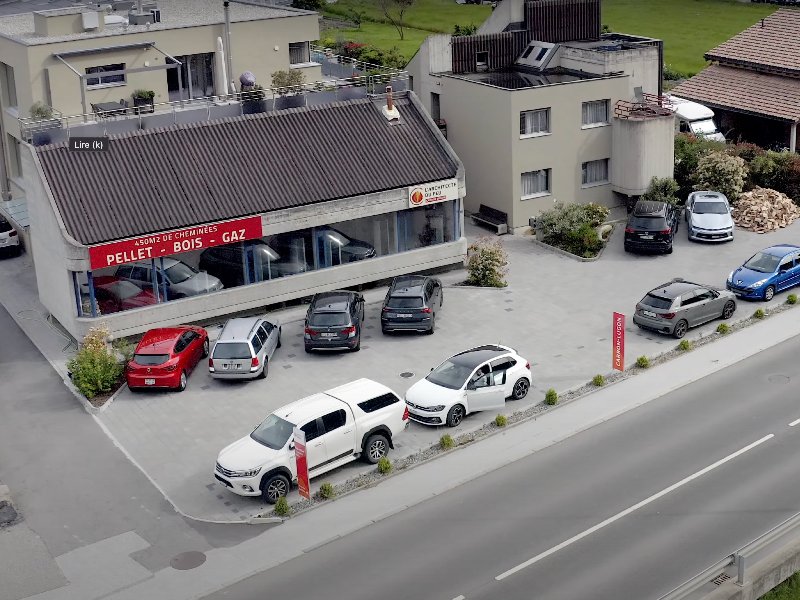
Discover our range of pellet stoves and benefit from an assessment of your needs—based on blueprints or on-site—a clean and coordinated installation, and in-house after-sales service for your pellet, wood, and gas appliances. Visit our showrooms in Fully and Etoy to get your project off to a great start with complete confidence.
Frequently Asked Questions
When should you prepare your stove before winter?
Ideally, you should have it serviced at the end of the season or during the summer, outside of the heating season. Appointments are more readily available, and the appliance will be ready before the first cold snap. Planning ahead also helps prevent breakdowns in the middle of the heating season.
Is chimney sweeping mandatory in Valais?
Yes, chimney sweeping and emissions testing are regulated by the Air Protection Ordinance and cantonal rules. The frequency varies depending on the fuel type and municipality. Check with your local government.
Does a pellet stove require less maintenance than a wood stove?
Pellets produce less soot but generate fine ash and deposits in the bends of the flue. A complete annual maintenance check is still necessary, particularly for the electronics, which are sensitive to buildup. Regular cleaning of the firebox is required in addition to professional maintenance.
What moisture content should firewood have?
Aim for dry wood with a moisture content below 20%. This type of fuel burns more efficiently, produces less soot, and reduces emissions. Store it in a covered, well-ventilated area, off the ground.
Who can help me choose and install my stove in Valais?
Our teams will assess your needs free of charge—either based on plans or during an on-site visit—and then ensure proper installation and a clean worksite. We also coordinate with other trades and offer in-house after-sales service. You can visit us at our showrooms in Fully and Etoy.