

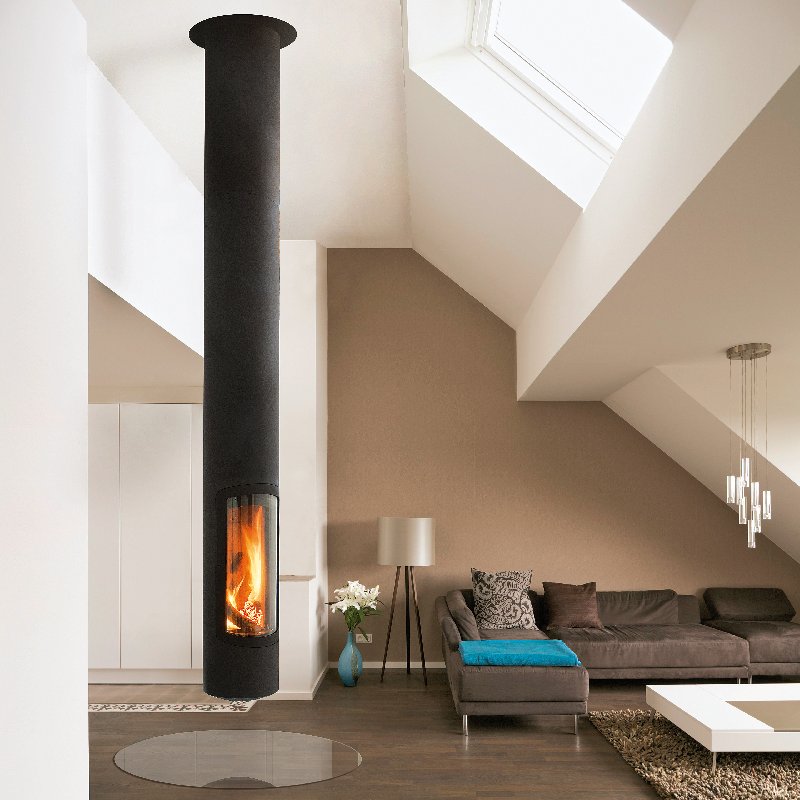
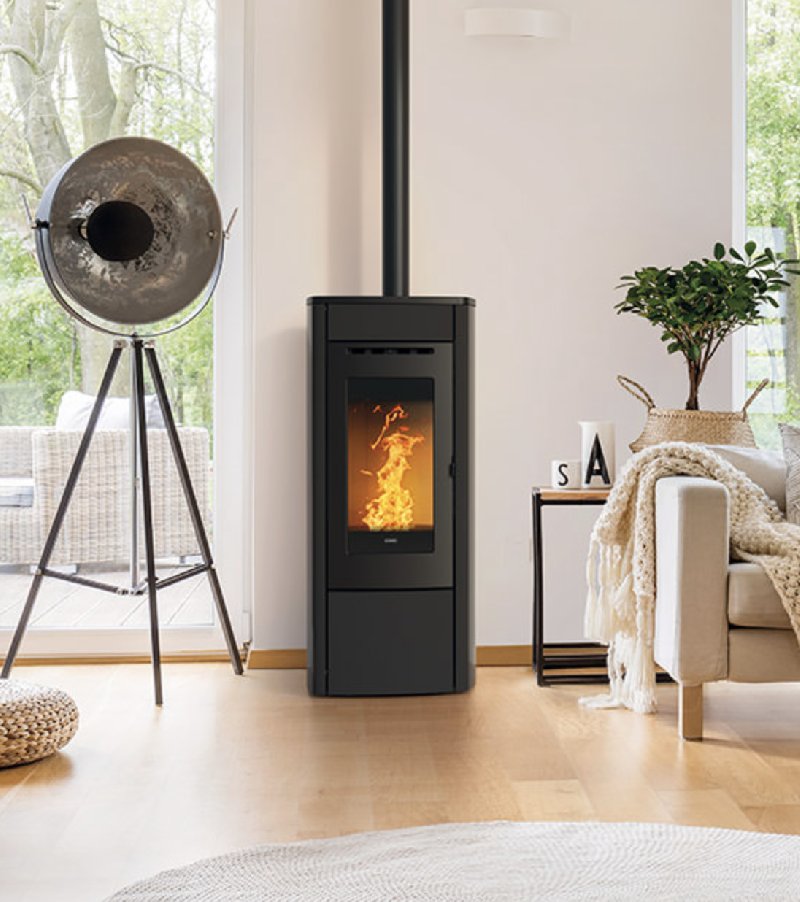
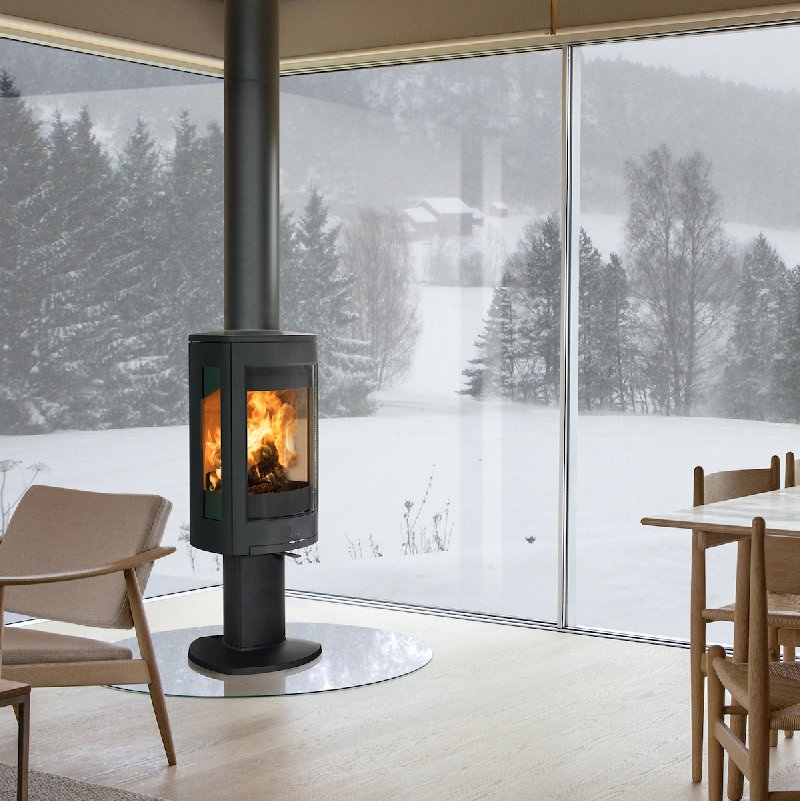
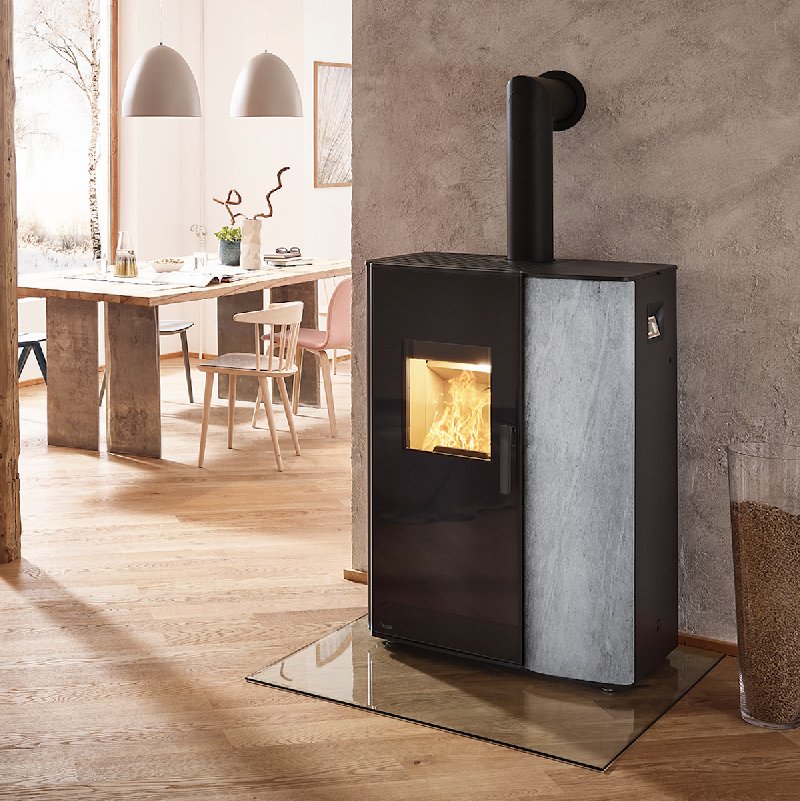
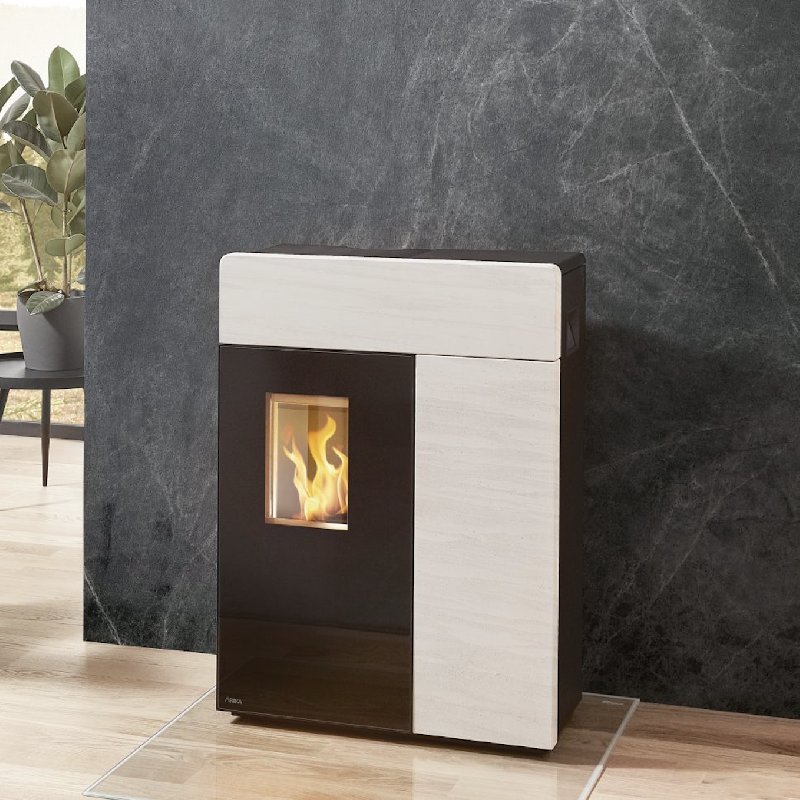
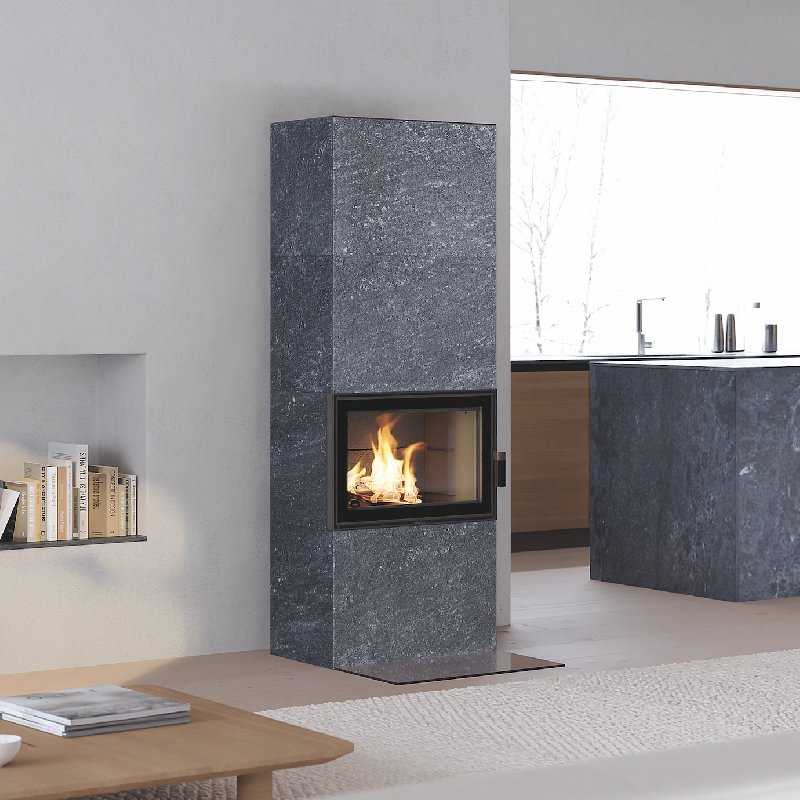
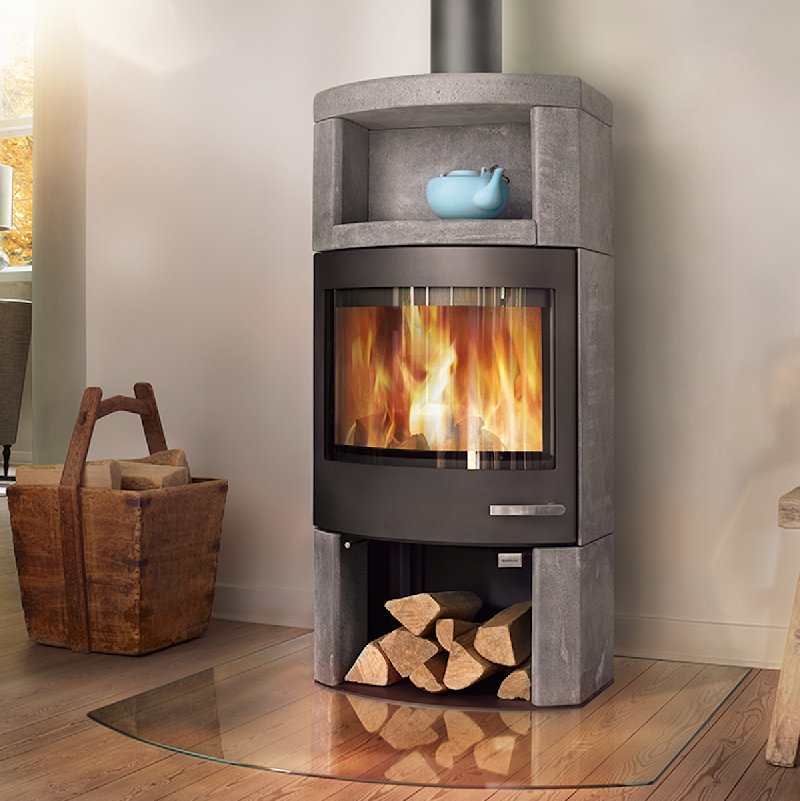
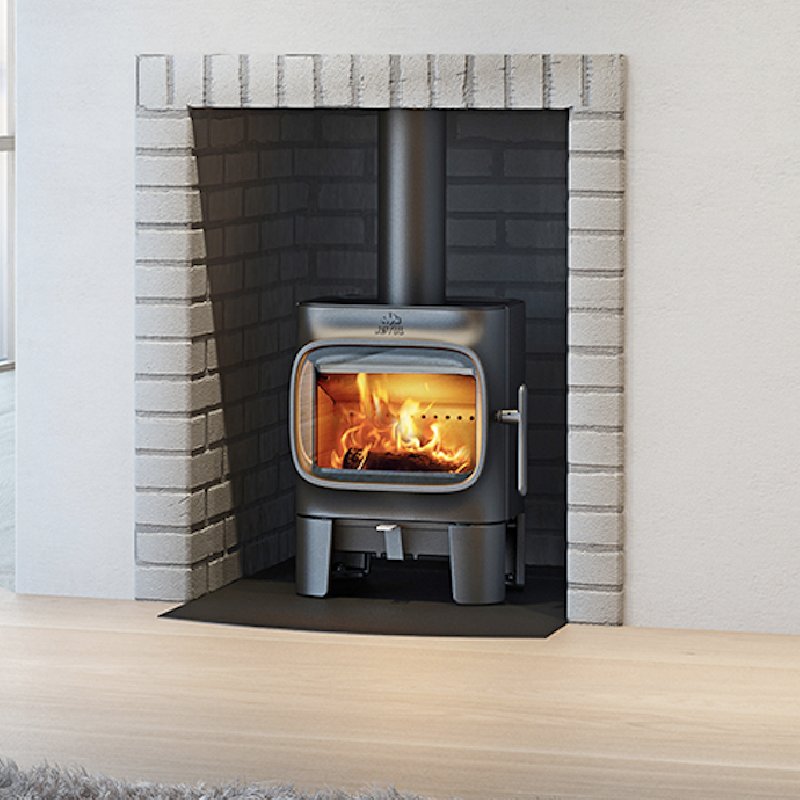
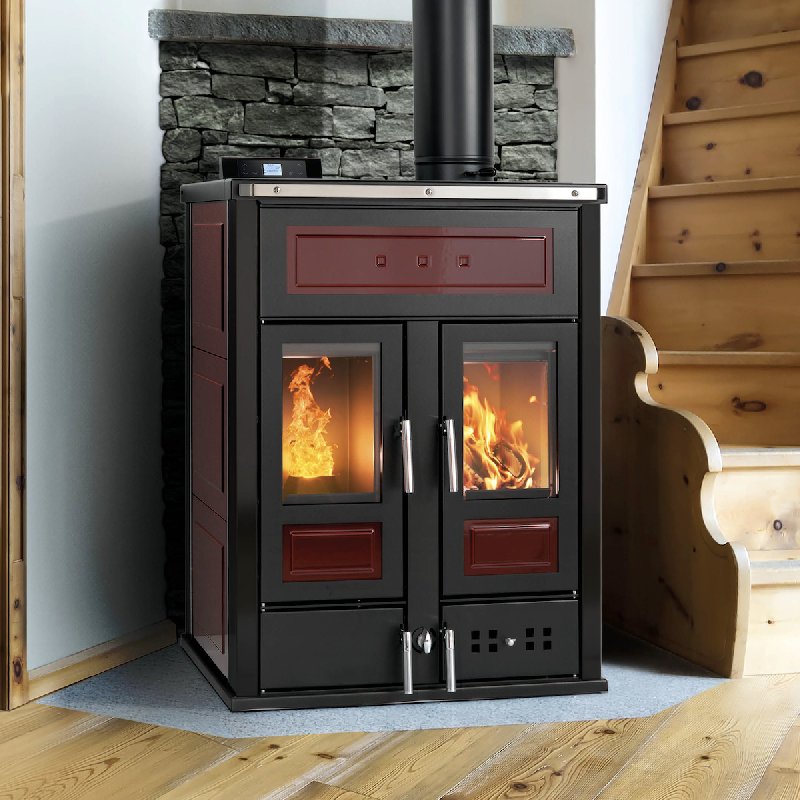
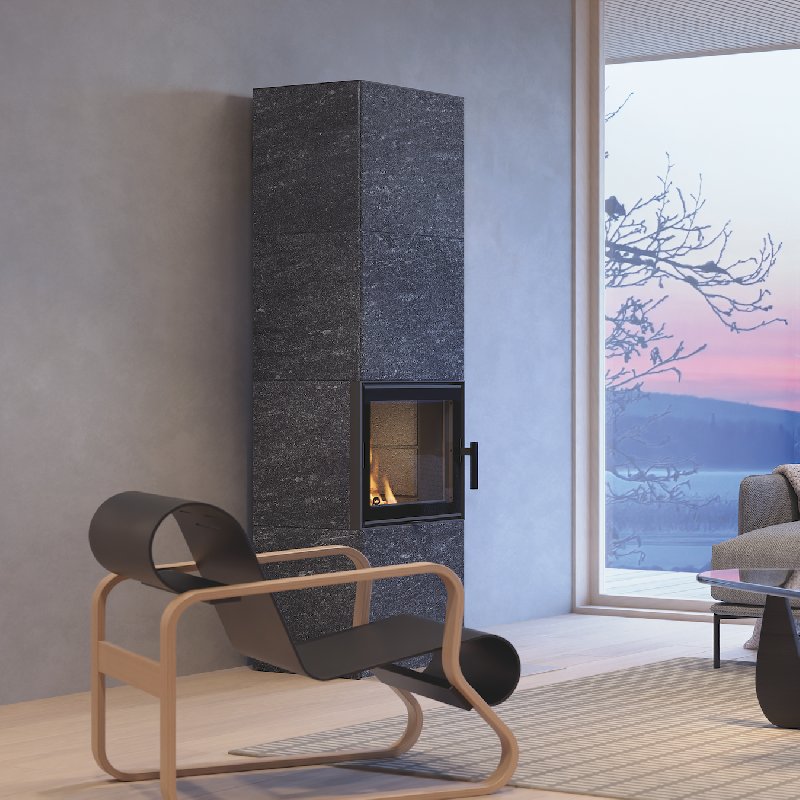
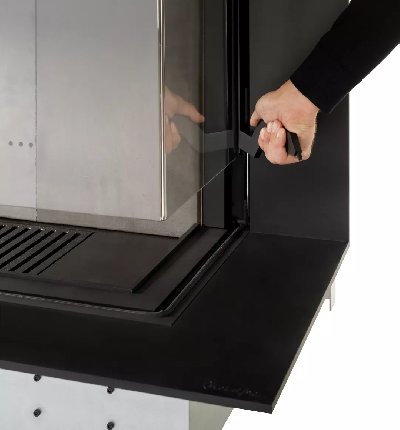
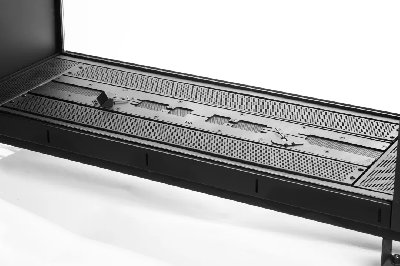
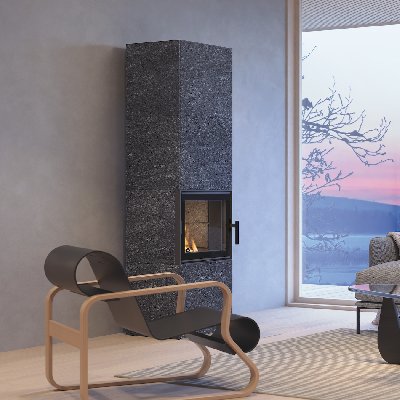

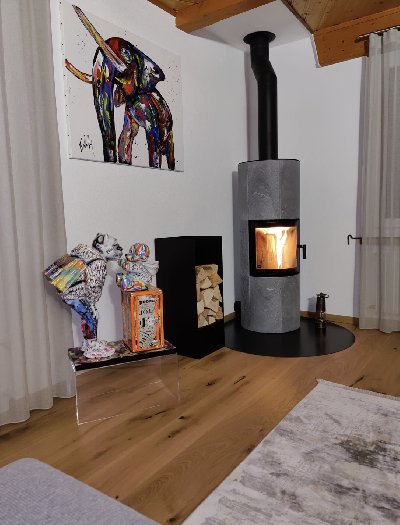
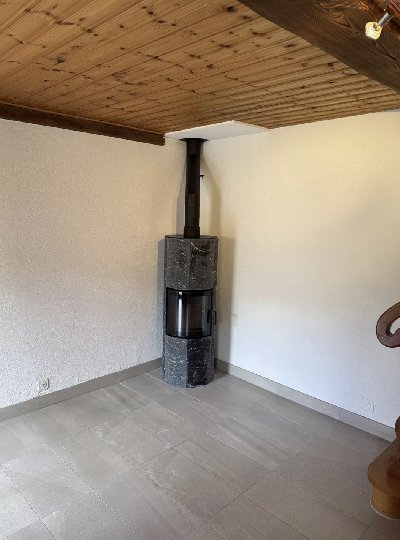
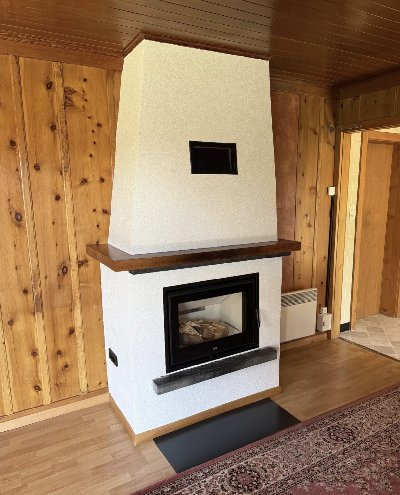
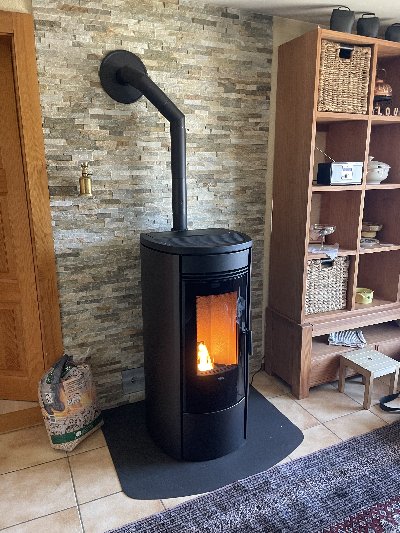
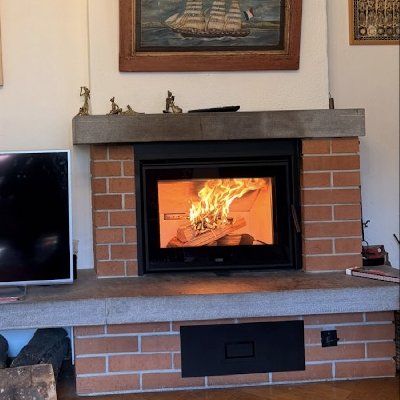
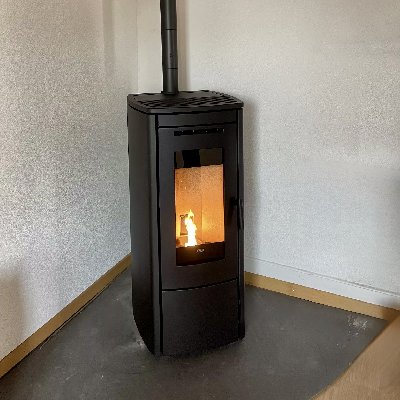
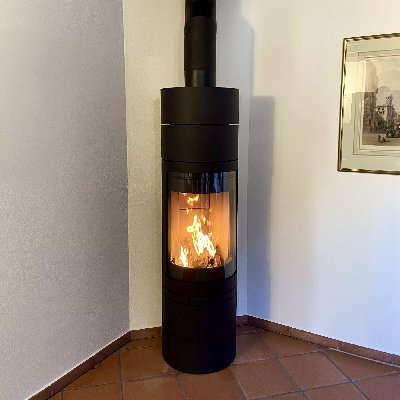

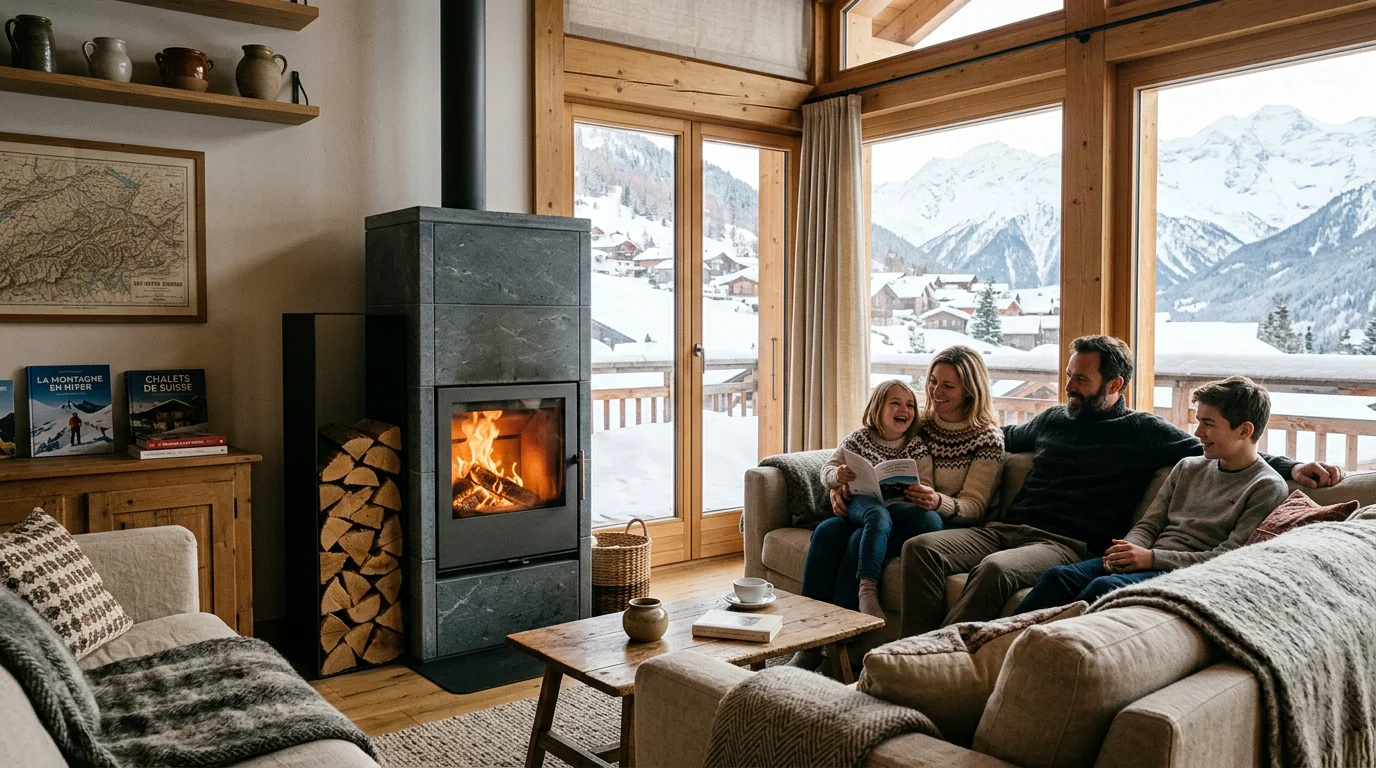
Every winter, nearly 30,000 wood-burning heaters are installed in Swiss homes. The wood-burning stove remains a reliable choice: it provides cozy warmth, energy independence, and uses local, renewable fuel. However, you still need to choose a model suited to your home, your budget, and your heating habits. To compare specific models, you can start by consulting our technical data sheet for the De Manincor Eco stove and its detailed specifications.
Between steel, cast iron, and soapstone, and between logs and pellets, the criteria quickly multiply. The domestic wood-heating market in France—which is similar to and comparable with the Swiss market— was estimated at 850 M€ in 2022, demonstrating its economic significance. Understanding the true factors that drive performance will help you avoid a costly and ill-suited purchase. Here’s how to make a well-informed decision.
Why Wood-Burning Stoves Still Appeal to Swiss Households
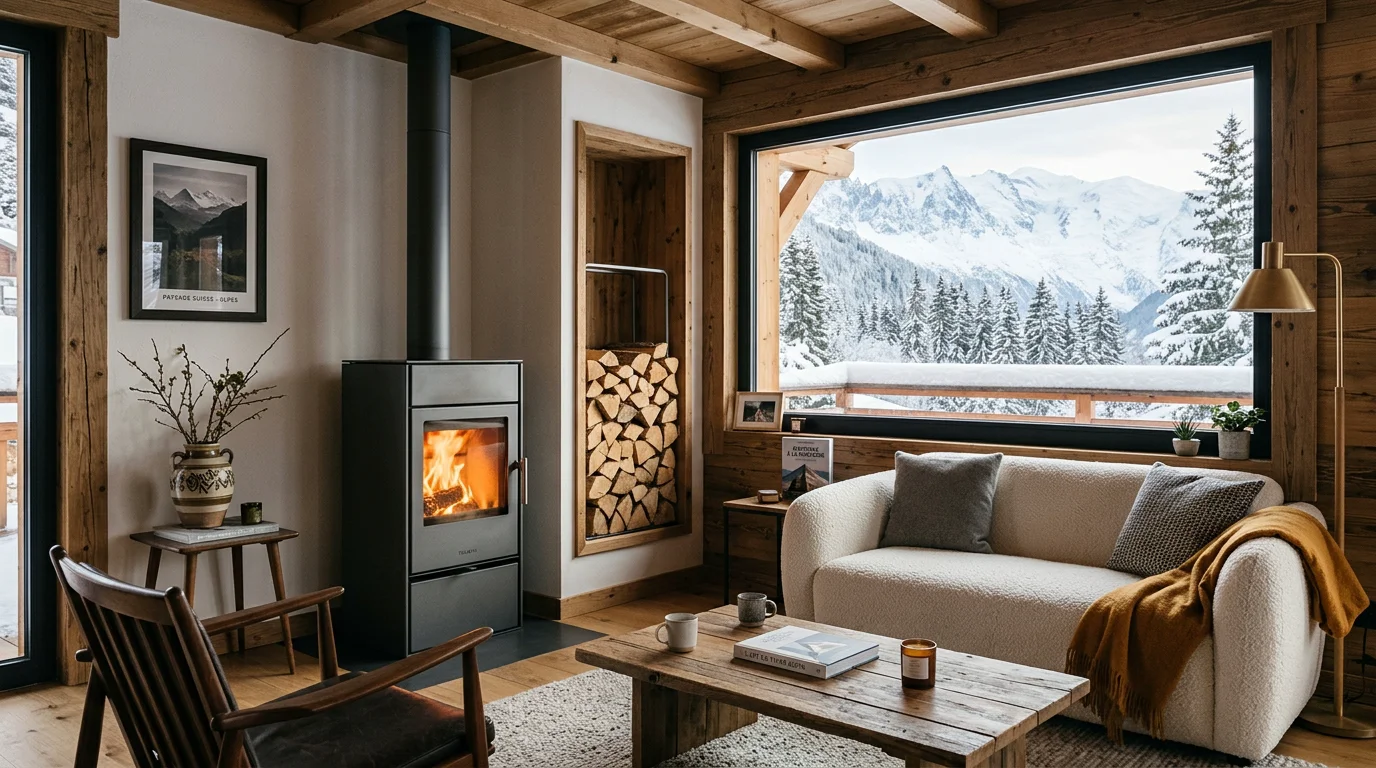
Wood retains one decisive advantage: price stability. It is a renewable and local energy source, whose cost fluctuates less from year to year than that of heating oil, natural gas, or electricity. In Switzerland, this resource is plentiful. According to federal wood statistics, the wood-energy market has shown stable and sustained demand, with prices rising moderately by the end of 2025—a sign of a robust industry.
Beyond the economic benefits, a wood-burning stove offers valuable self-sufficiency: most log-burning models operate without electricity. In the event of a power outage, your heating system remains operational. This independence, combined with the visual pleasure of the flame, explains why this heating method has endured for decades without losing its following in French-speaking Switzerland.
Steel, cast iron, or soapstone: which material to choose
The material of the heating element determines how your stove distributes heat. There are three main categories, each offering its own unique comfort profile.
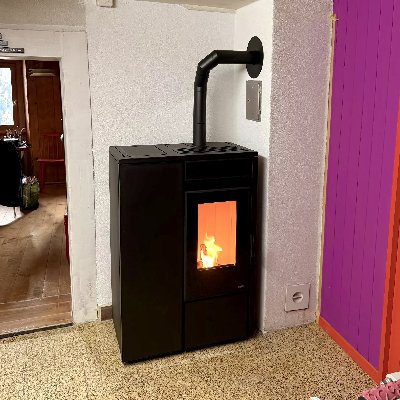
- Steel: heats up very quickly. Ideal for quickly heating a room you use only occasionally.
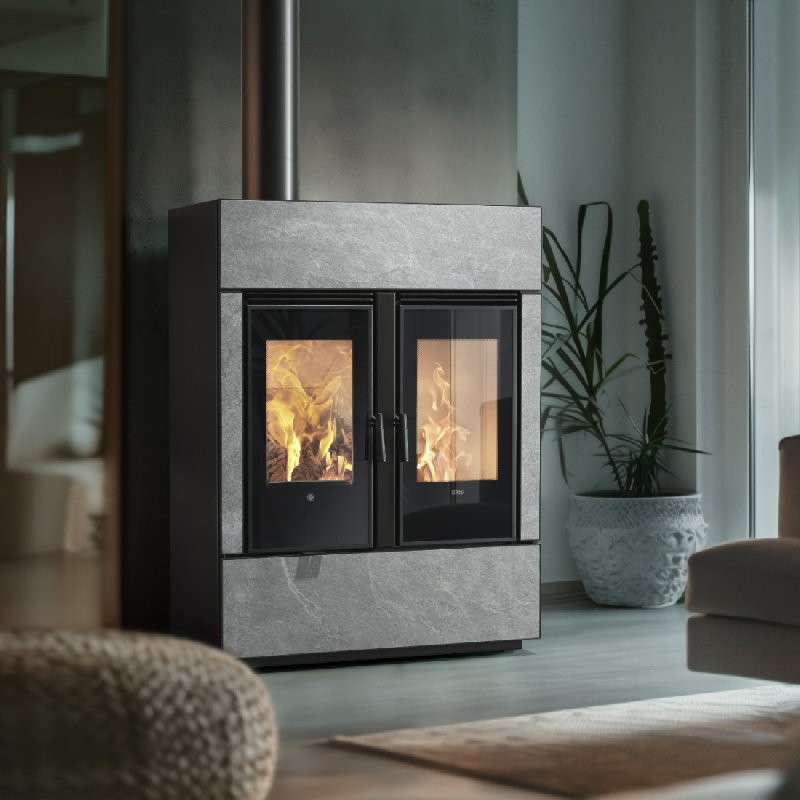
- Cast iron: heats up quickly and retains heat a little longer thanks to its greater thermal inertia compared to steel.
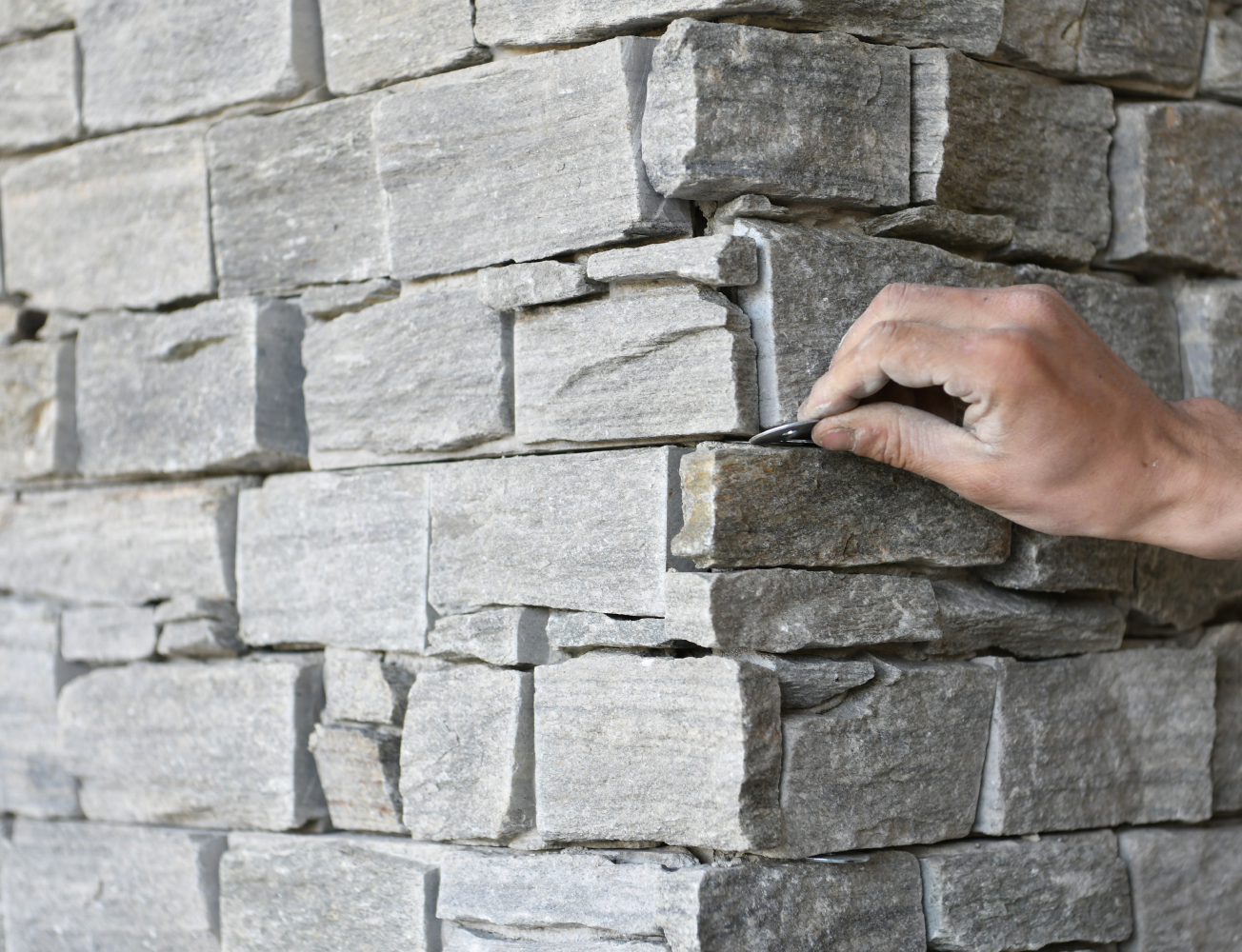
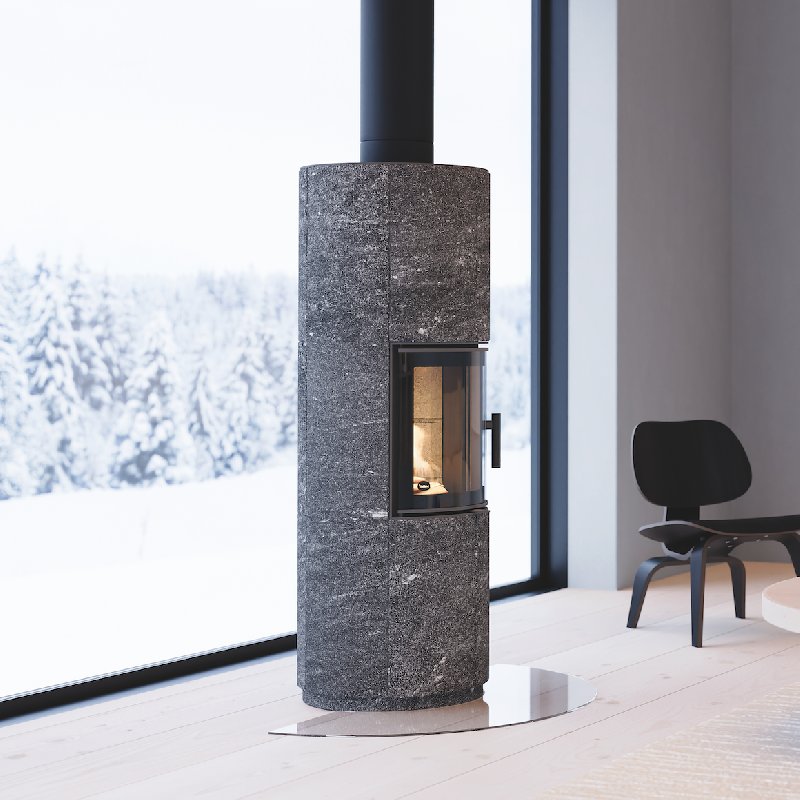
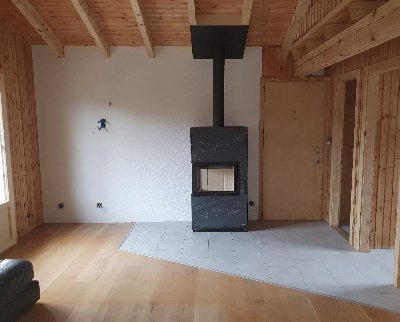
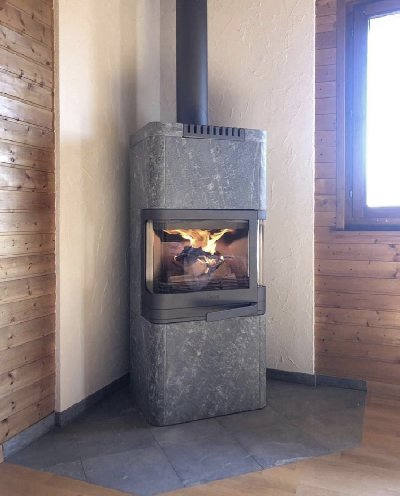
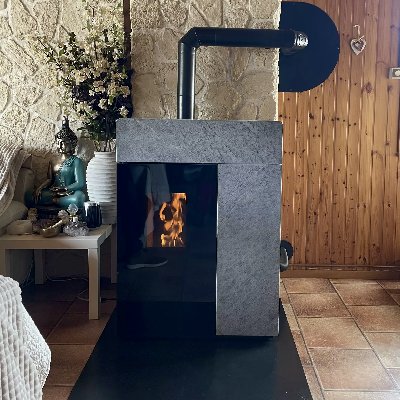
- Soapstone: a true heat-storage stove. It stores heat and releases it gently, sometimes for up to 24 hours after the fire has gone out.
A soapstone stove, also known as a Swedish stove or masonry heater, is designed to heat large spaces using a small amount of wood. Its initial cost is higher, but the investment pays off over time. If you’re unsure which type to choose, our team will assess your actual needs during a free in-home visit. To narrow down your choice, discuss your options with us while referring to the Jotul F-200 LL’s performance declaration —a useful technical reference.
Efficiency and Performance: Understanding the Key Data
How can you tell if a unit heats efficiently? Efficiency, expressed as a percentage, indicates the proportion of the wood’s energy that is actually converted into useful heat. Modern enclosed fireplaces regularly exceed 80%, compared to 10–15% for a traditional open fireplace.
Two other indicators deserve your attention: the rated output, expressed in kilowatts, and the fine particulate matter emission rate. A unit that’s too powerful for your space will consume too much fuel and become clogged; an undersized model will run at a constant overheat. The rule of thumb: allow about 1 kW per 10 m² in a well-insulated home, but always have this calculation verified by a professional.
The industry’s efforts are paying off from an environmental standpoint. Between 2012 and 2023, emissions from wood heating fell sharply—a decline estimated at between 40% and 50% according to industry data. A modern, high-efficiency stove therefore pollutes far less than an older model.
Log Firewood vs. Pellets: The Fuel Showdown

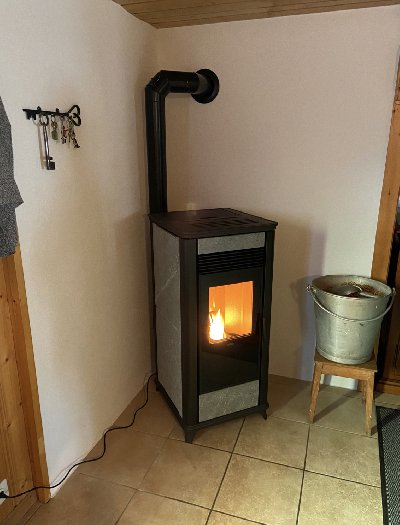
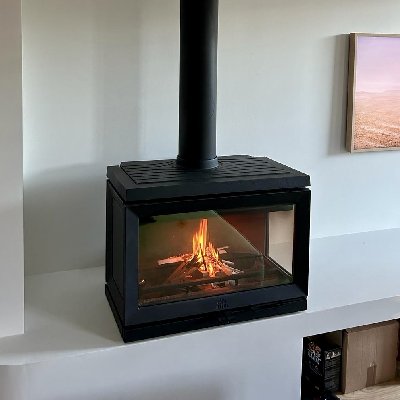
The fuel you choose shapes your daily heating routine. Logs require manual loading and take up a lot of storage space, but they’re unbeatable when it comes to ambiance and operational autonomy. Pellets, on the other hand, allow for automatic control and precise temperature programming.
In terms of cost, both fuels remain competitive. According to a survey on fuel prices, firewood offers savings of nearly 63% compared to heating oil and 62% compared to natural gas. Pellets, for their part, remain one of the cheapest energy sources per kilowatt-hour for households.
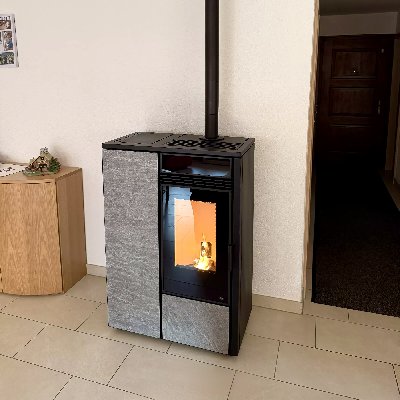
Can’t decide? Wood-and-pellet combination stoves combine the best of both worlds in a single unit. They offer the open flame of a log fire and the automation of pellets. To understand exactly how a pellet stove works, check out our user manual for the RIKA Sumo, which provides detailed instructions on programming.
Properly Sizing and Installing Your Stove
An excellent stove that’s poorly installed loses all its value. The flue, air intake, safety distance from combustible materials, and floor protection are critical to safety and performance. In French-speaking Switzerland, this work often requires coordination with a chimney sweep and sometimes an architect.
The recovery of the pellet stove market illustrates the renewed interest in these systems: in 2025, sales of pellet stoves surged by approximately 36% according to industry figures. This growth is accompanied by increased demands on installation quality.
This is precisely where our support makes a difference. Our installation teams handle the removal of the old system, the installation of the new unit, and the finishing touches (tiling, plastering, painting), all while protecting your home and cleaning up the work site. To get your project off to a smooth start, book our free, no-obligation consultation.
Comparison of Wood-Burning Heating Solutions
| Criterion | Steel/Cast-Iron Stove | Soapstone stove | Carron-Lugon Solution |
|---|---|---|---|
| Heat-up time | Fast | Gradual | Customized advice based on your rooms |
| Heat Release | Short to medium | Up to 24 hours | Guided selection: logs, pellets, or a combination |
| Installation | To be coordinated | To be coordinated | Complete installation and finishing touches included |
| Follow-up | Varies | Variable | In-house after-sales service |
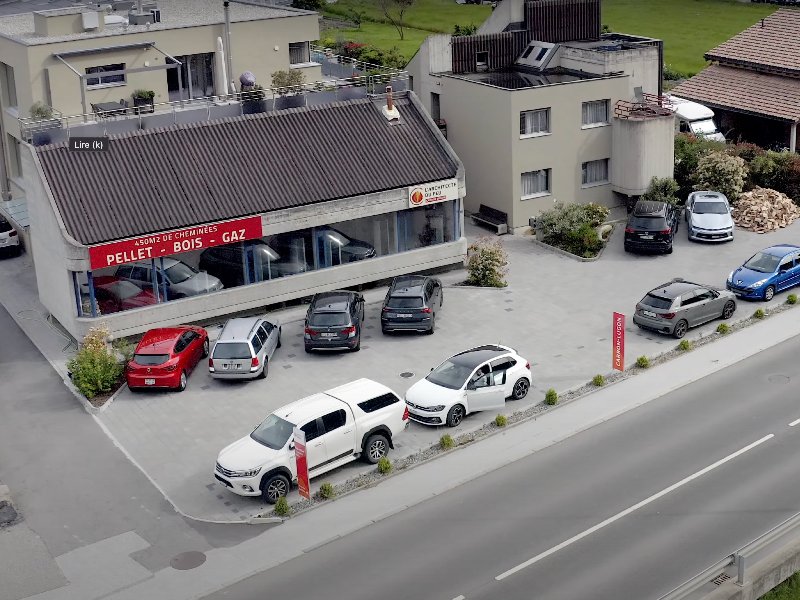
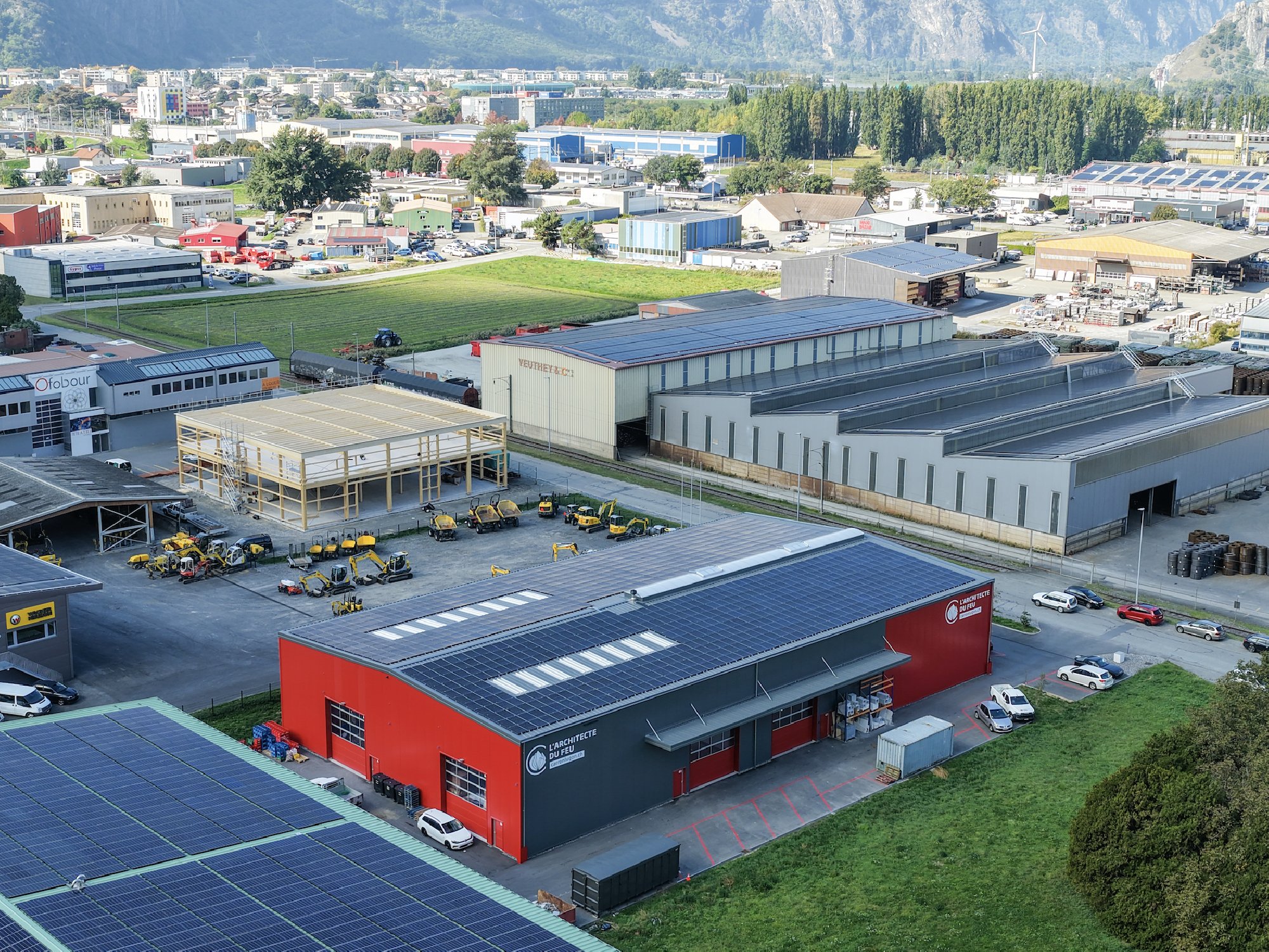
Whereas a purchase alone leaves you to handle the logistics, our offer covers the entire project—from consultation to maintenance—at our showrooms in Fully and Etoy, which are open to the public.
Conclusion
Choosing a high-performance wood stove involves balancing three factors: the material that determines your thermal comfort, the efficiency that ensures performance, and the fuel that shapes your daily life. Today’s stoves often exceed 80% efficiency and produce far fewer emissions than older models, all while relying on a local energy source with stable prices. Never overlook the installation: it’s what ensures the system’s safety and unlocks your stove’s full potential. Our strength lies in guiding you through every step—from the initial free consultation to after-sales service—without you having to coordinate with multiple providers. To bring your project to life, explore our selection of Scandinavian stoves and soapstone stoves in our showroom.
Frequently Asked Questions
What efficiency can you expect from a modern wood stove?
A modern stove typically has an efficiency rating of over 80%. This means that more than four-fifths of the wood’s energy is converted into usable heat, compared to 10–15% for an open fireplace.
Log wood or pellets: which fuel is less expensive?
Both remain very competitive compared to fossil fuels. Firewood offers savings of nearly 63% compared to heating oil, while wood pellets are among the cheapest energy sources per kilowatt-hour for households.
Who installs the stove once it’s been chosen?
Our teams handle everything. They remove the old system, install the new unit, complete the finishing touches, and clean up the work area, while coordinating the work with other trades as needed.