

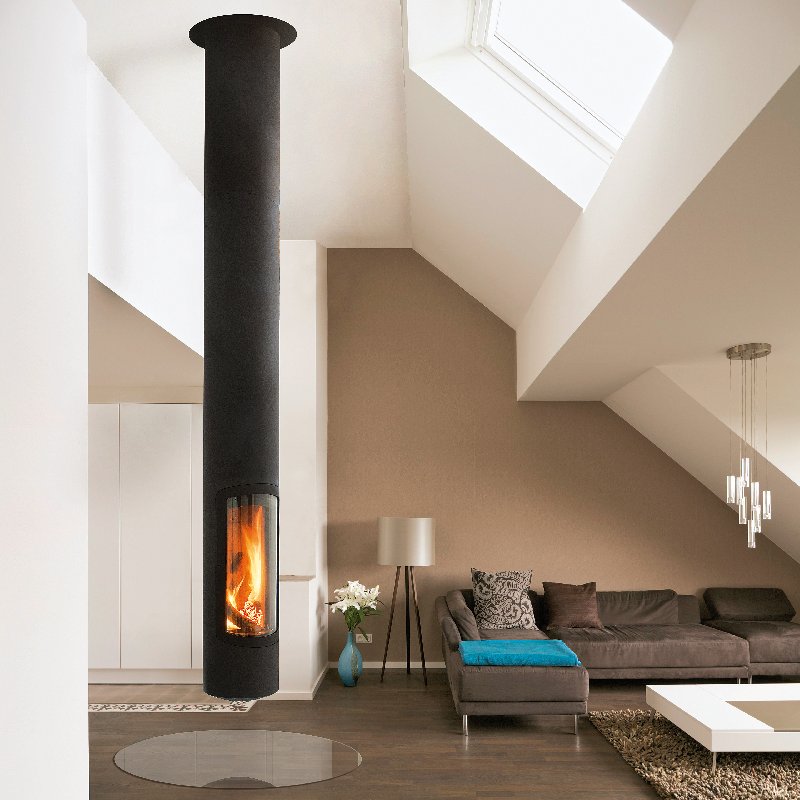
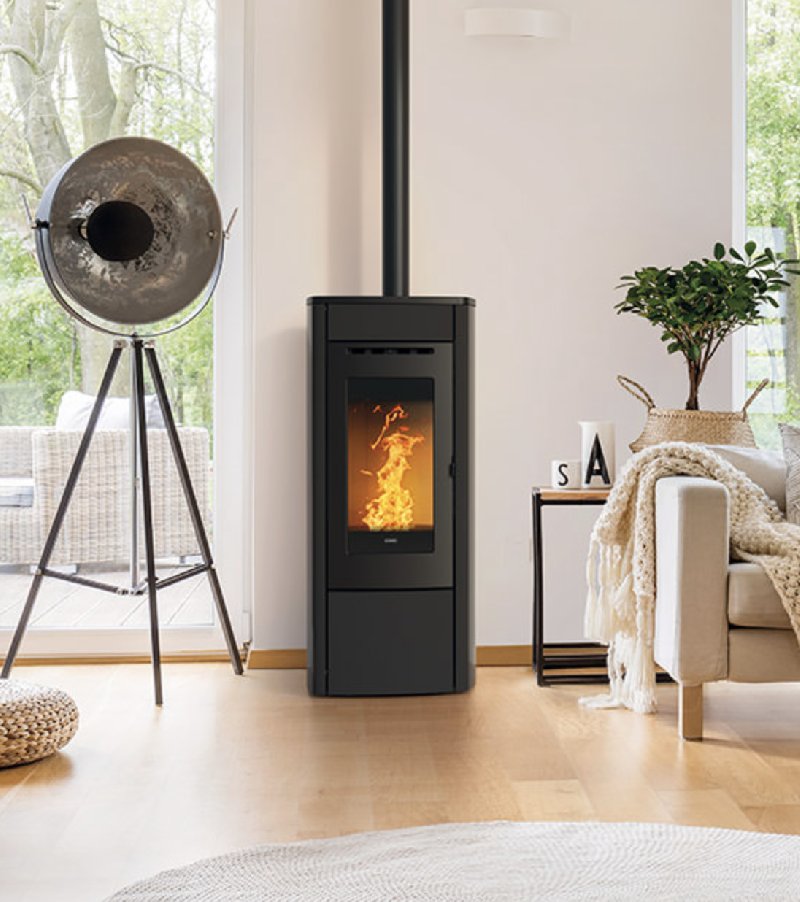
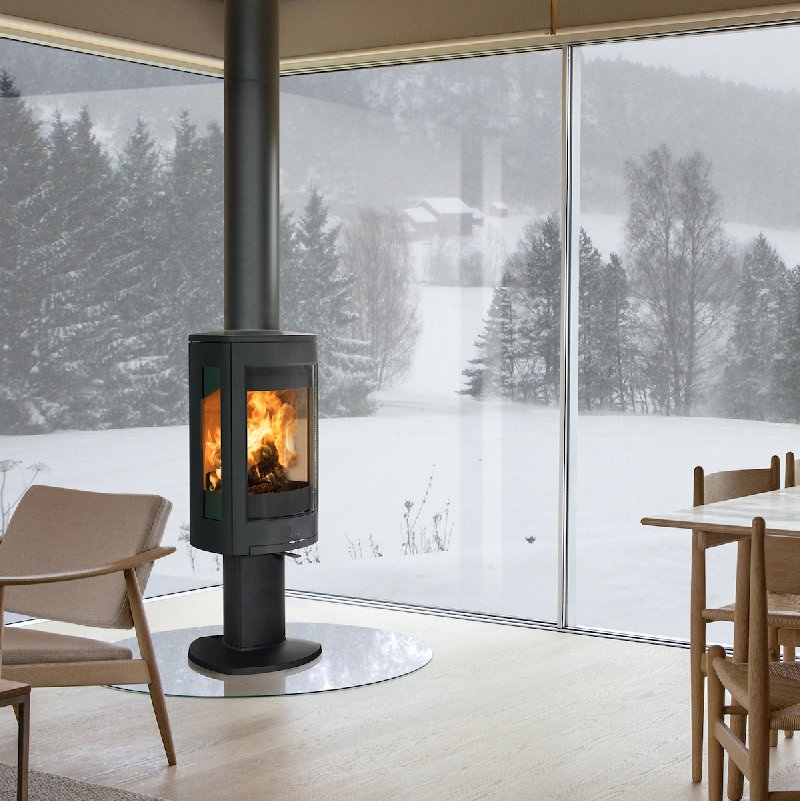
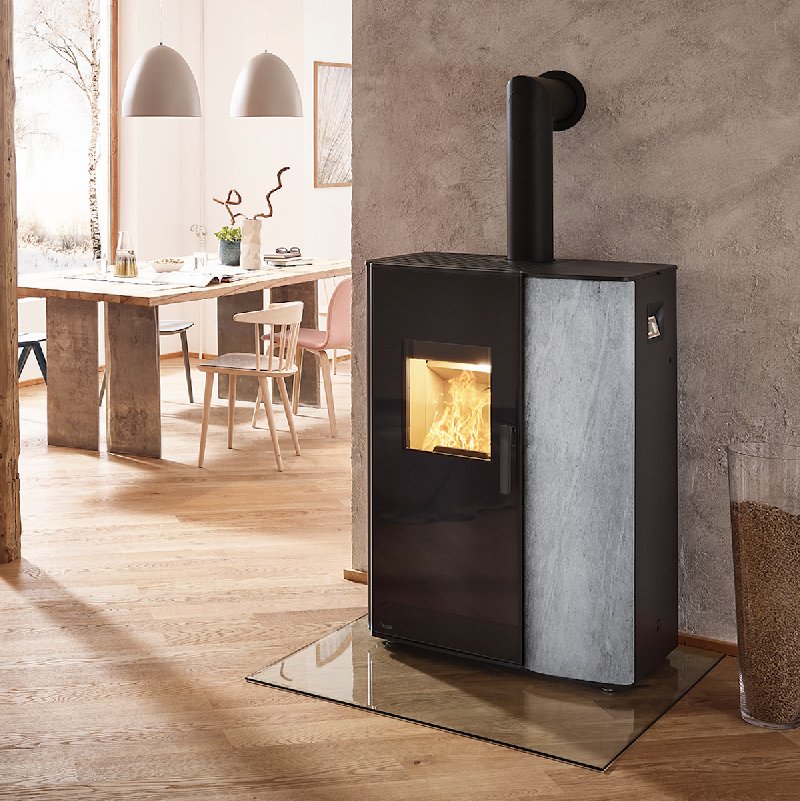
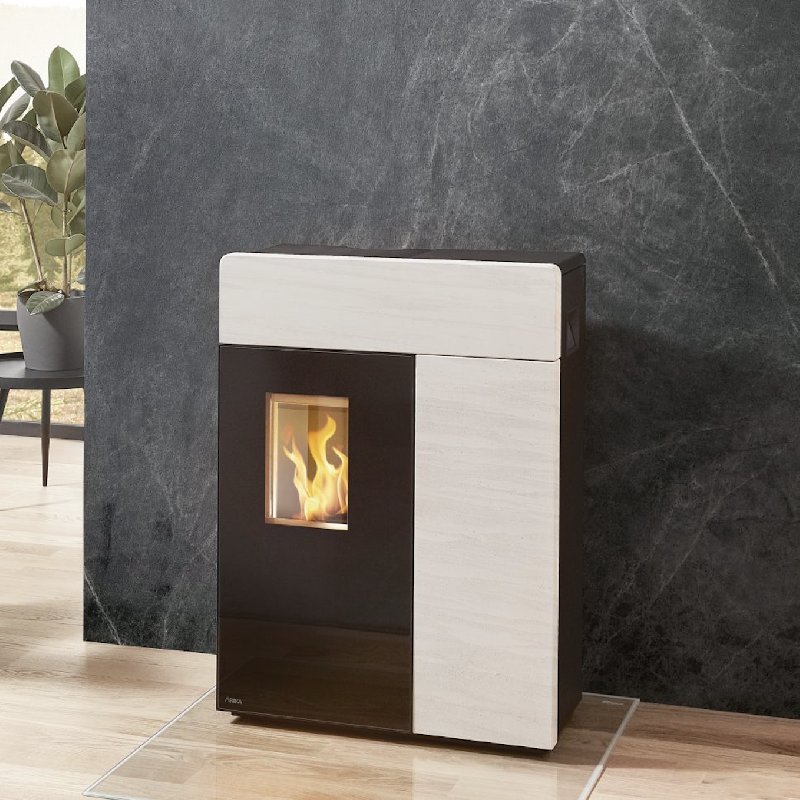
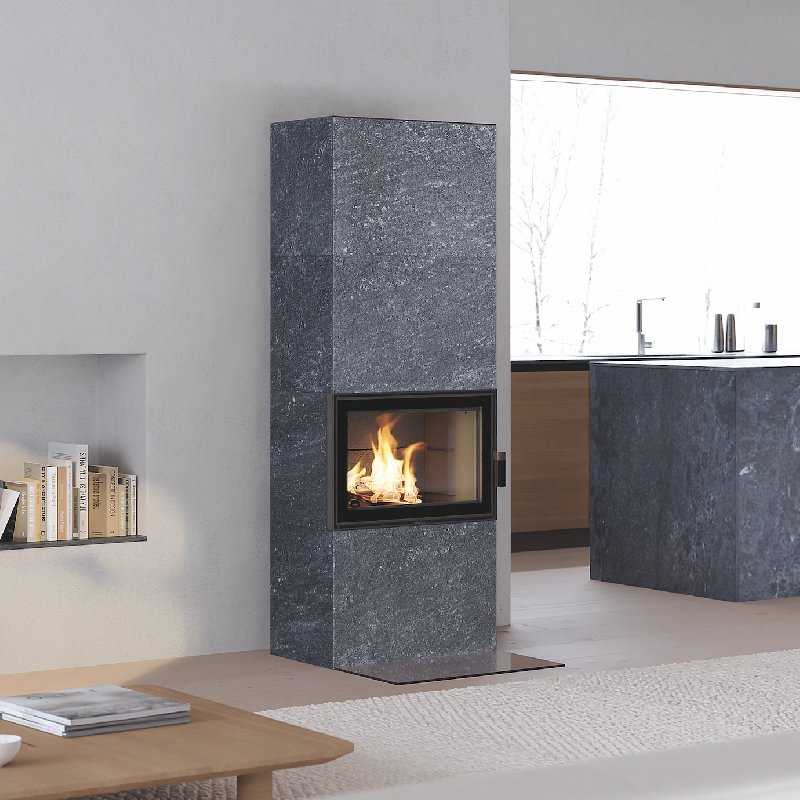
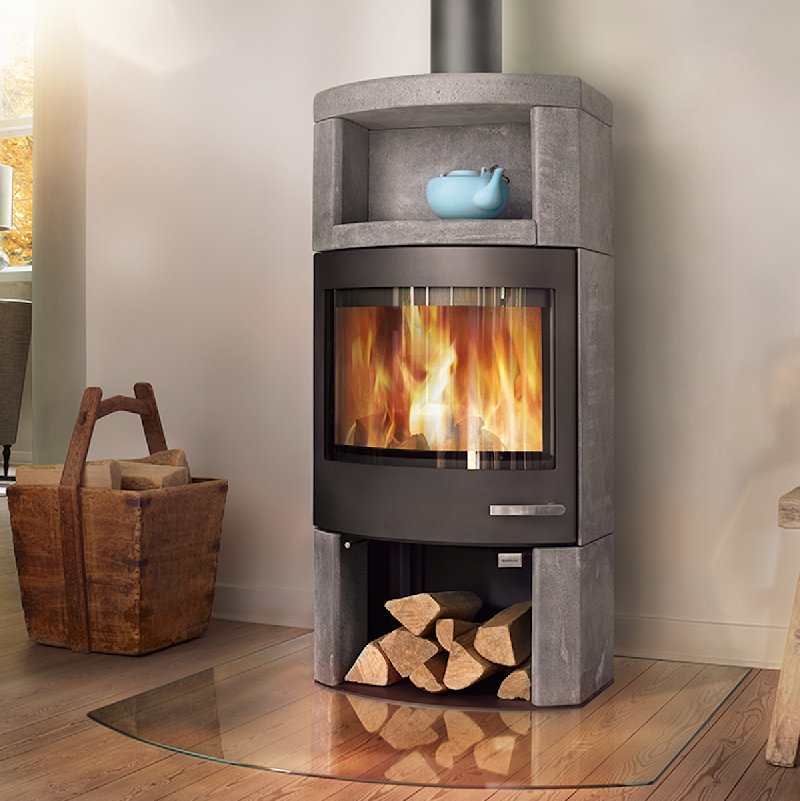
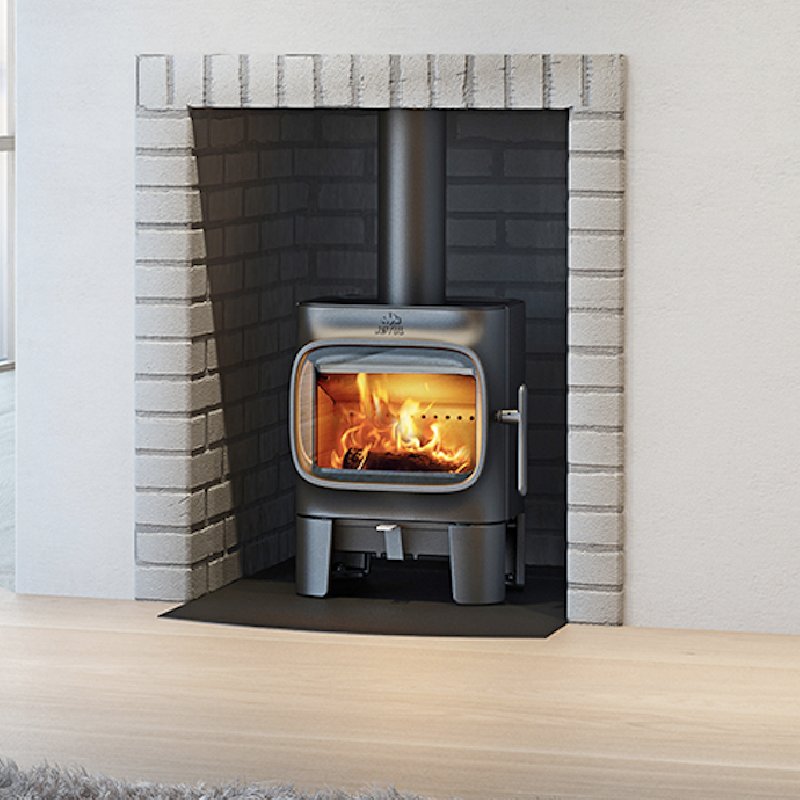
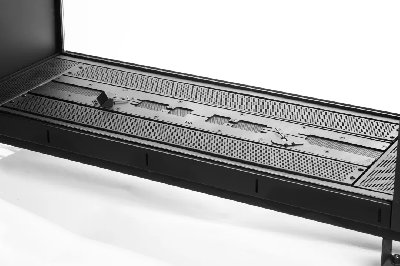
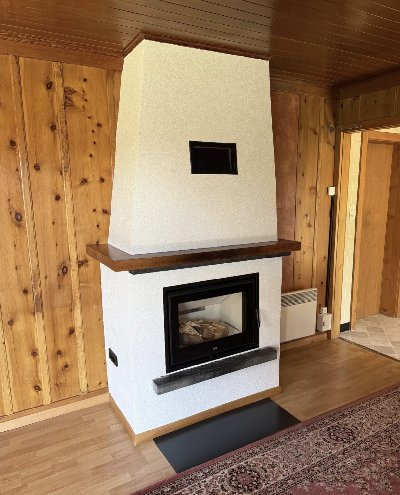
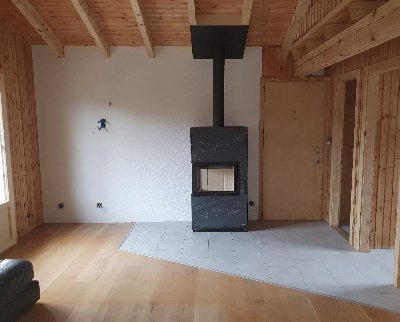
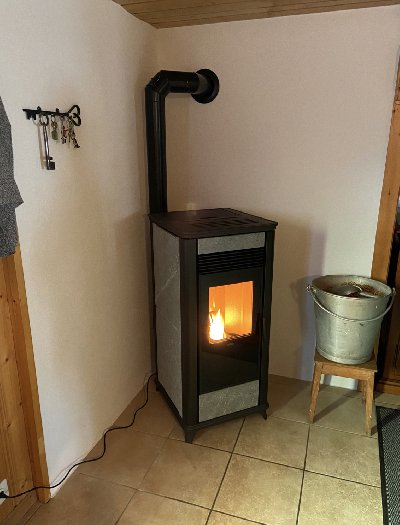
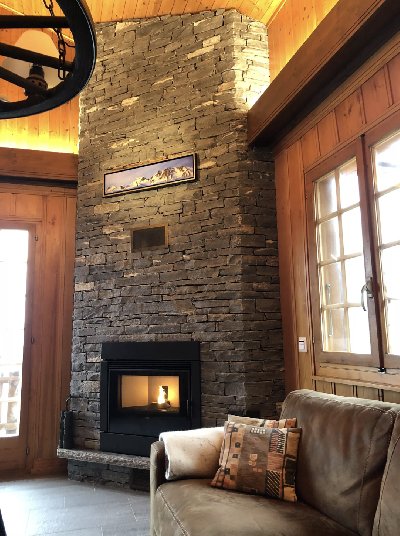
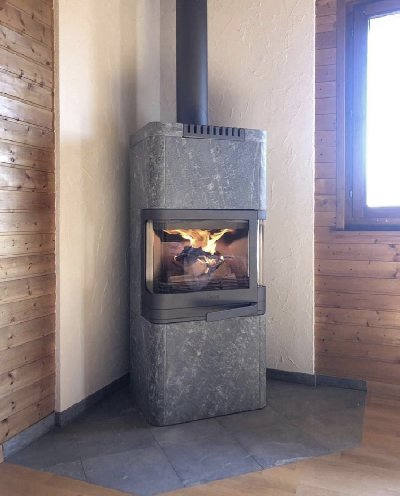
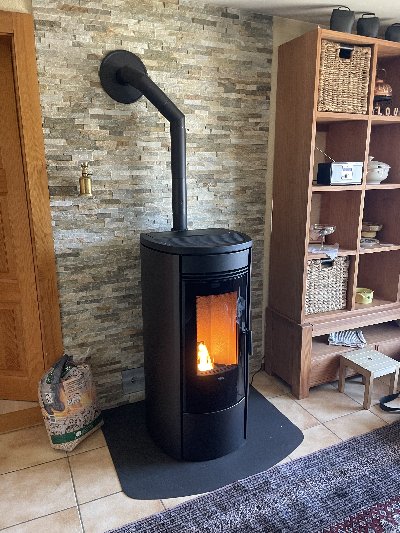
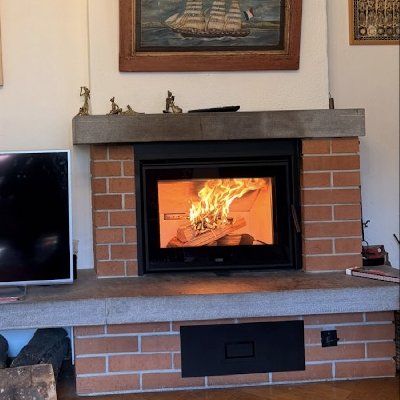
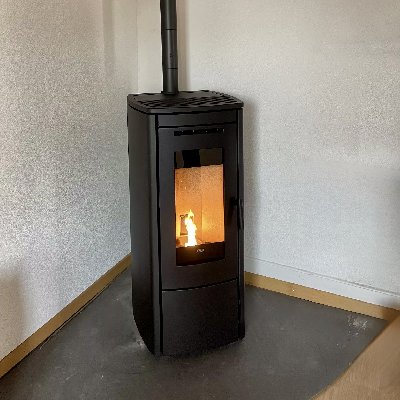
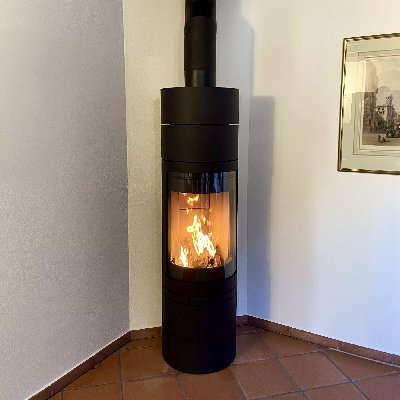
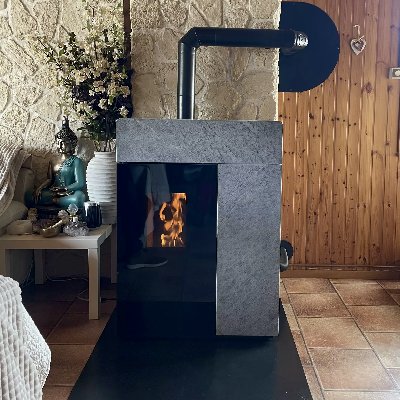
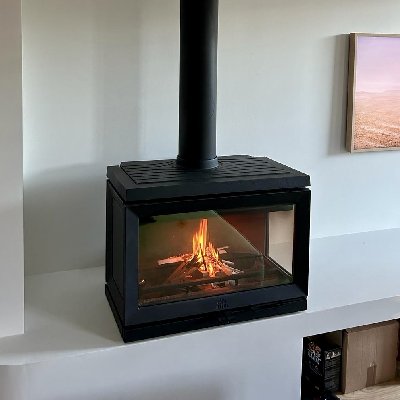
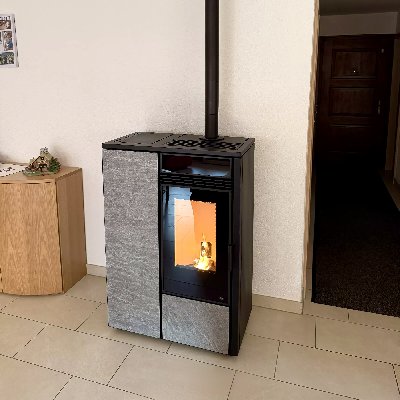
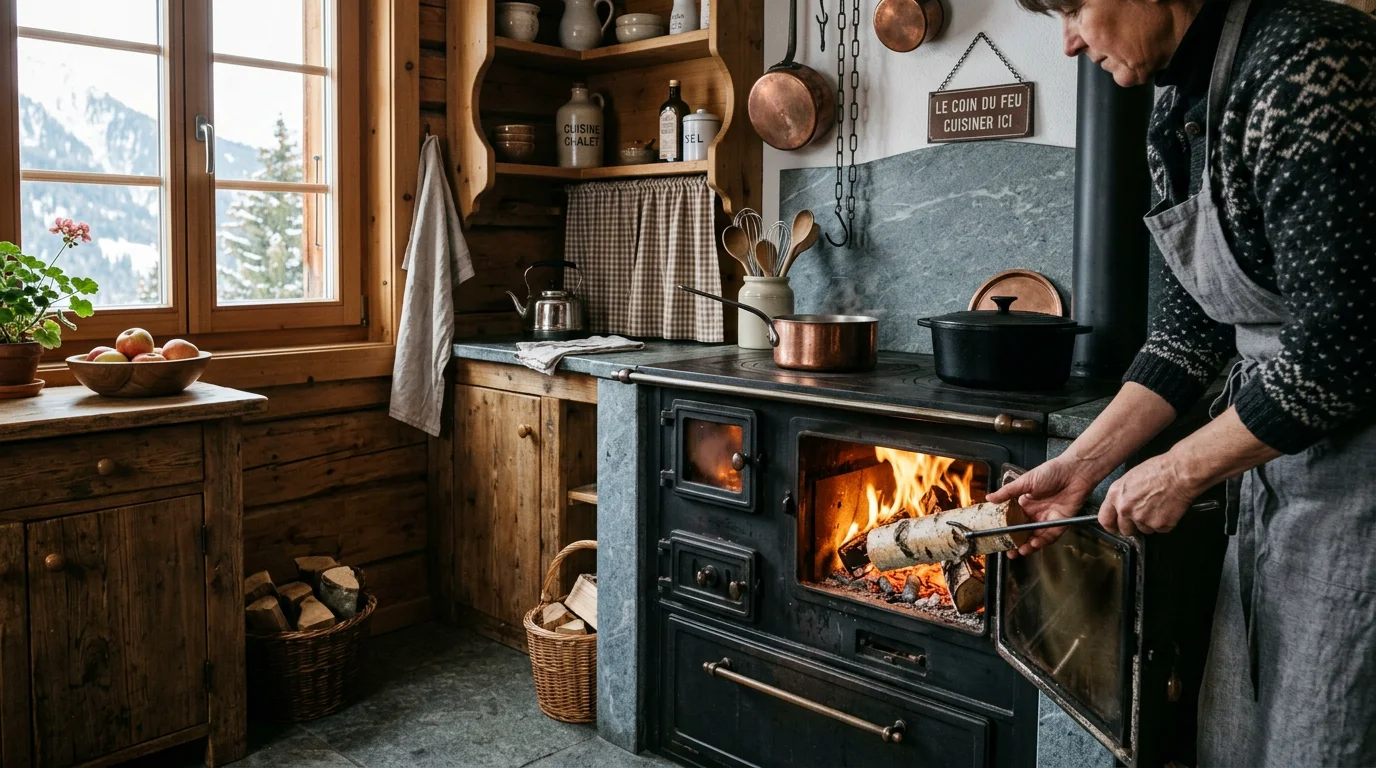
A single appliance that simmers your meals, warms the kitchen, and fills the house with the scent of a wood fire: that’s what continues to appeal to people today. The wood-burning stove combines the charm of tradition with real energy efficiency. Before choosing a model, it’s important to understand how it works, its power ratings, and the accessories that come with it—such as a good cooking grate for a wood-burning stove —to get the most out of your cooking.
Wood is playing an increasingly important role in Switzerland’s energy mix. In Switzerland, the share of harvested wood used for heating has doubled in twenty years, according to the FSO, and now accounts for nearly half of the total harvest. In this context, cooking with wood isn’t just a matter of nostalgia—it’s a rational choice for many households in French-speaking Switzerland.
How Does a Wood-Burning Stove Work?
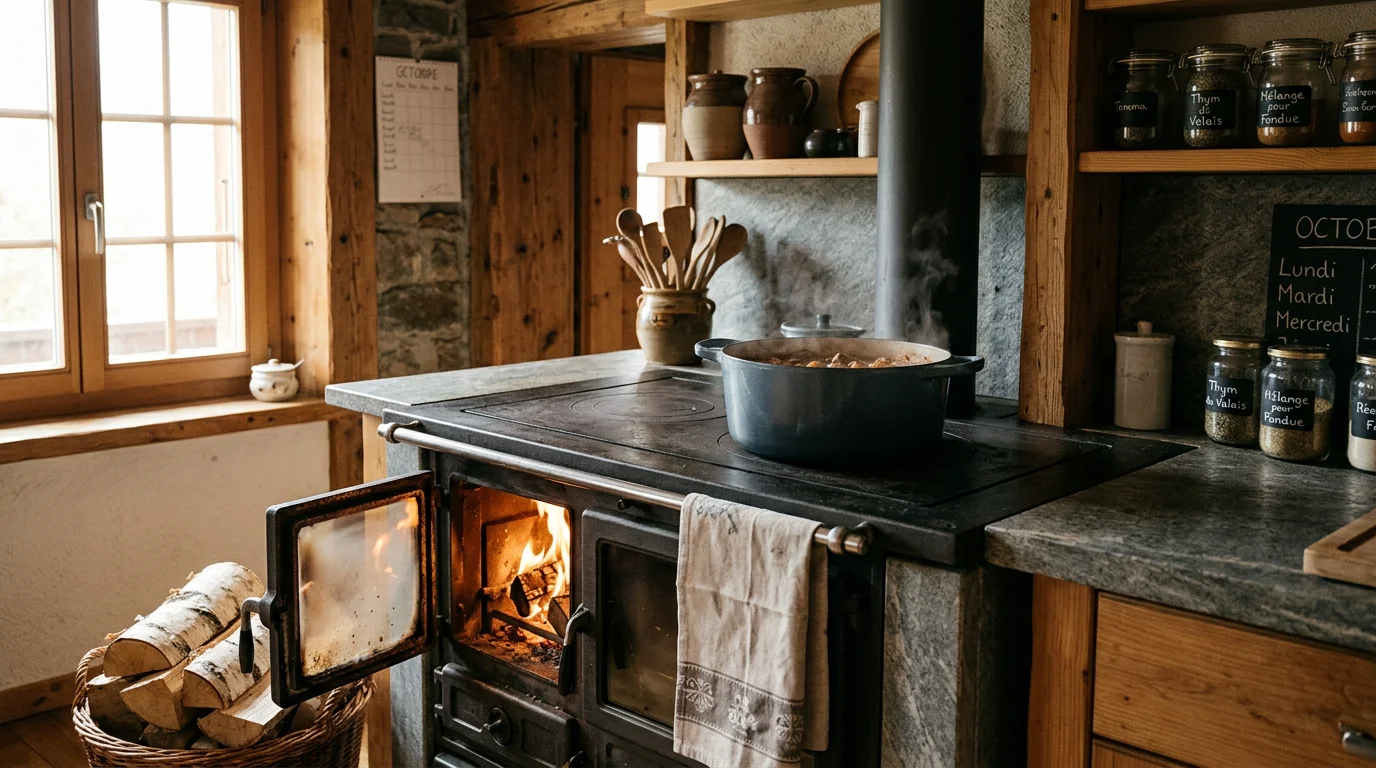
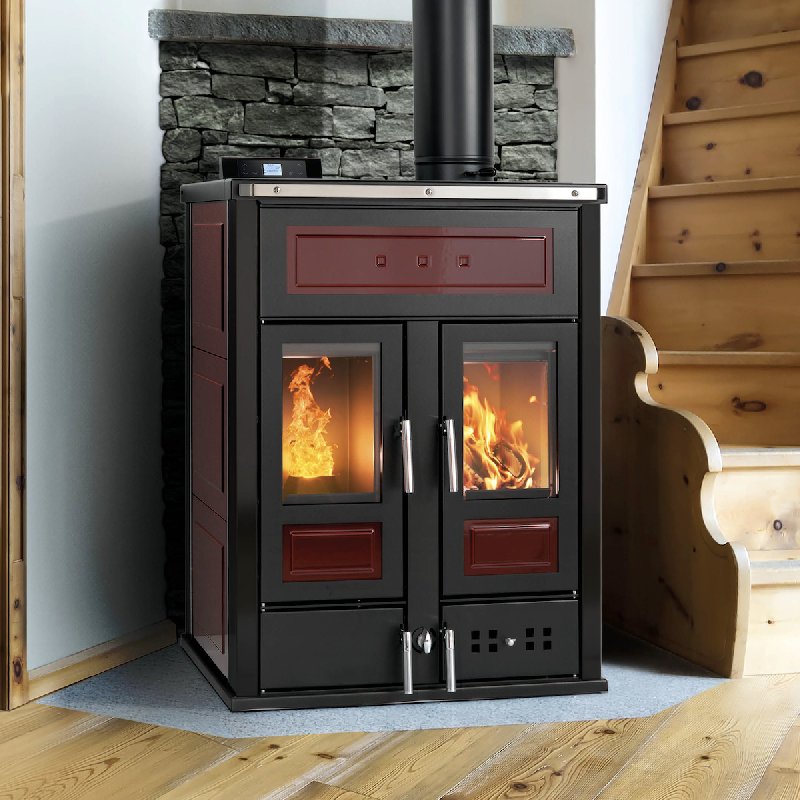
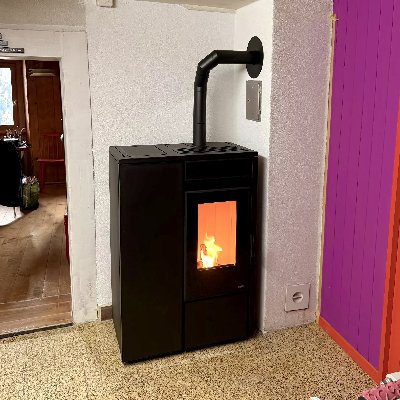
The term “wood-burning stove” refers to an appliance—sometimes called a kitchen stove—typically made from sturdy materials such as steel or cast iron. It performs two functions simultaneously: cooking food and heating the room. The burning wood heats a stovetop and, on most models, a built-in oven.
This type of appliance can operate on its own to heat a single room or an entire house, but it can also serve as a supplement to an existing heat pump or boiler. By adding a water heater, you can supply heat to radiators or a domestic hot water tank. The heat from the fireplace then becomes a true supplemental central heating system.
The Different Types of Wood-Burning Stoves
As with stoves, the range of options is very diverse: one or more cooktops, a built-in oven, a water tank, and a ceramic or stone finish. There are two main categories of wood-burning cookstoves.
- The basic stove: It produces between 4 and 12 kW and heats the kitchen and the surrounding area. It serves as supplemental heating and should be placed in the living area.
- The stove with a water heater: its output can reach 20 kW. It combines direct heating power with a water heater that heats water for central heating and domestic hot water.
The market reflects these varied uses. According to the Renewable Energy Observatory, as reported by the Journal des Énergies Renouvelables, wood-burning heating appliances are overwhelmingly installed in existing homes, accounting for 91% of installations in 2024. Replacing older units with more efficient models accounts for a significant portion of these projects.
Advantages and Disadvantages to Consider
Why choose a unit that requires more attention than simply pressing a button? Because its benefits are tangible and long-lasting.
- Multifunctional appliance: heating and cooking combined in a single unit.
- Pleasant, radiantheat, highly appreciated in winter.
- Renewable and locally sourced energy: wood qualifies for various environmental incentives.
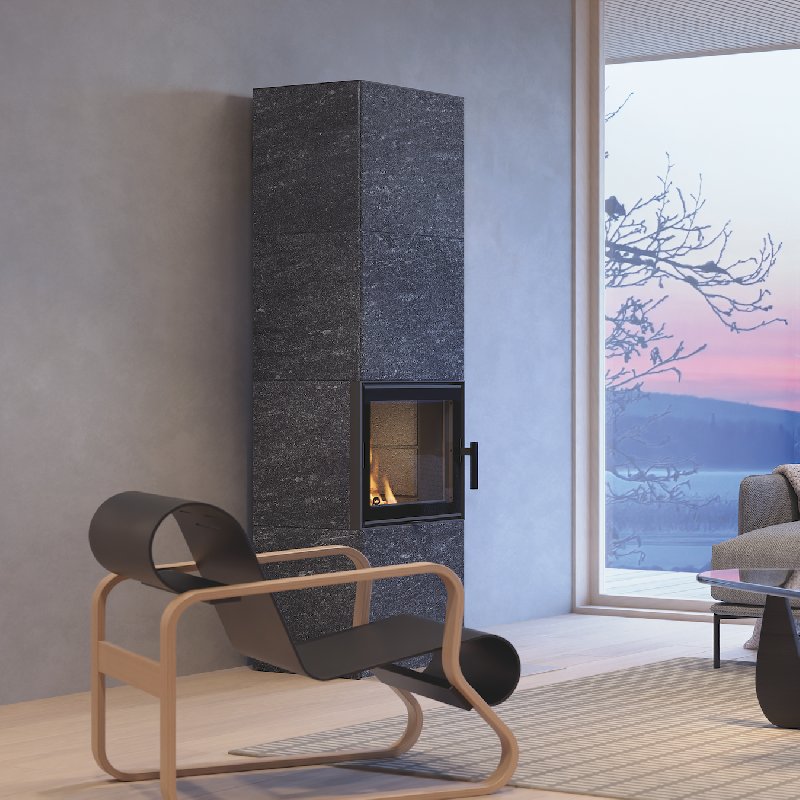
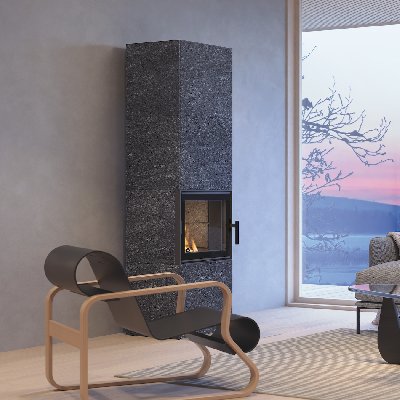
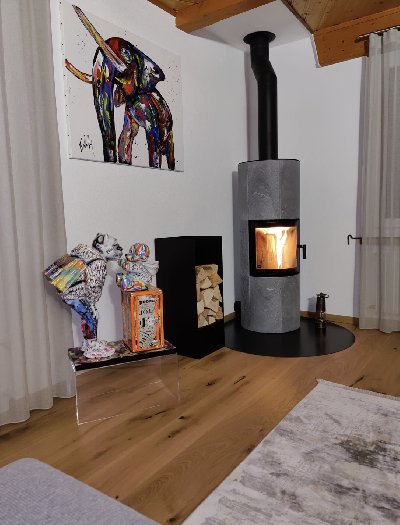
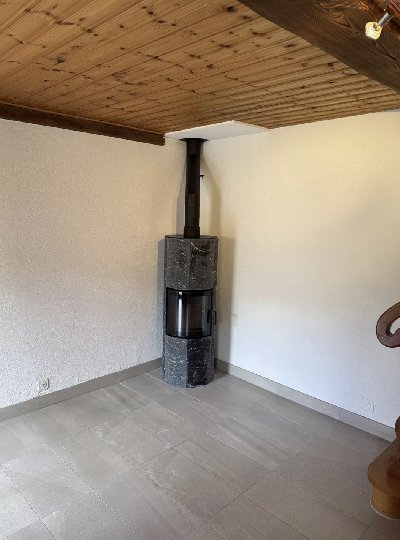
- Wide range of designs, from vintage earthenware to contemporary soapstone.
On the downside, using it can be demanding: you have to feed the fire, manage the combustion, and monitor the risk of the room overheating. A basic model must be installed in the kitchen. The Swiss market remains strong, however: according to a sector analysis, one national player estimates that just under 30,000 wood-burning heaters are sold each year in Switzerland.
Making the Right Choice: Heat Output, Materials, and Design
The right choice depends on the area to be heated, how often you’ll use it, and your aesthetic preferences. Here are the key criteria compared by use case, along with the support we offer in French-speaking Switzerland.
| Criterion | Simple Stove | Stove with water heater | Our Carron-Lugon Support |
|---|---|---|---|
| Power | 4 to 12 kW | Up to 20 kW | Free needs assessment based on plans or an on-site visit |
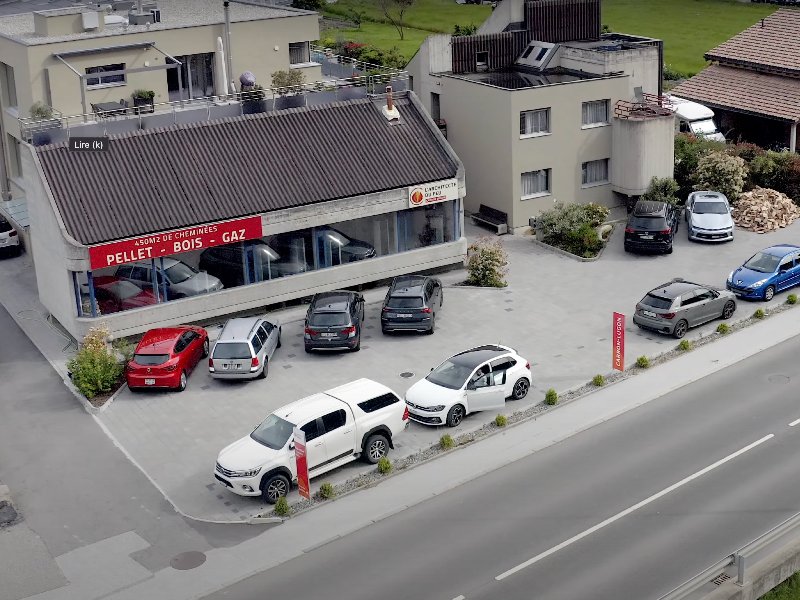
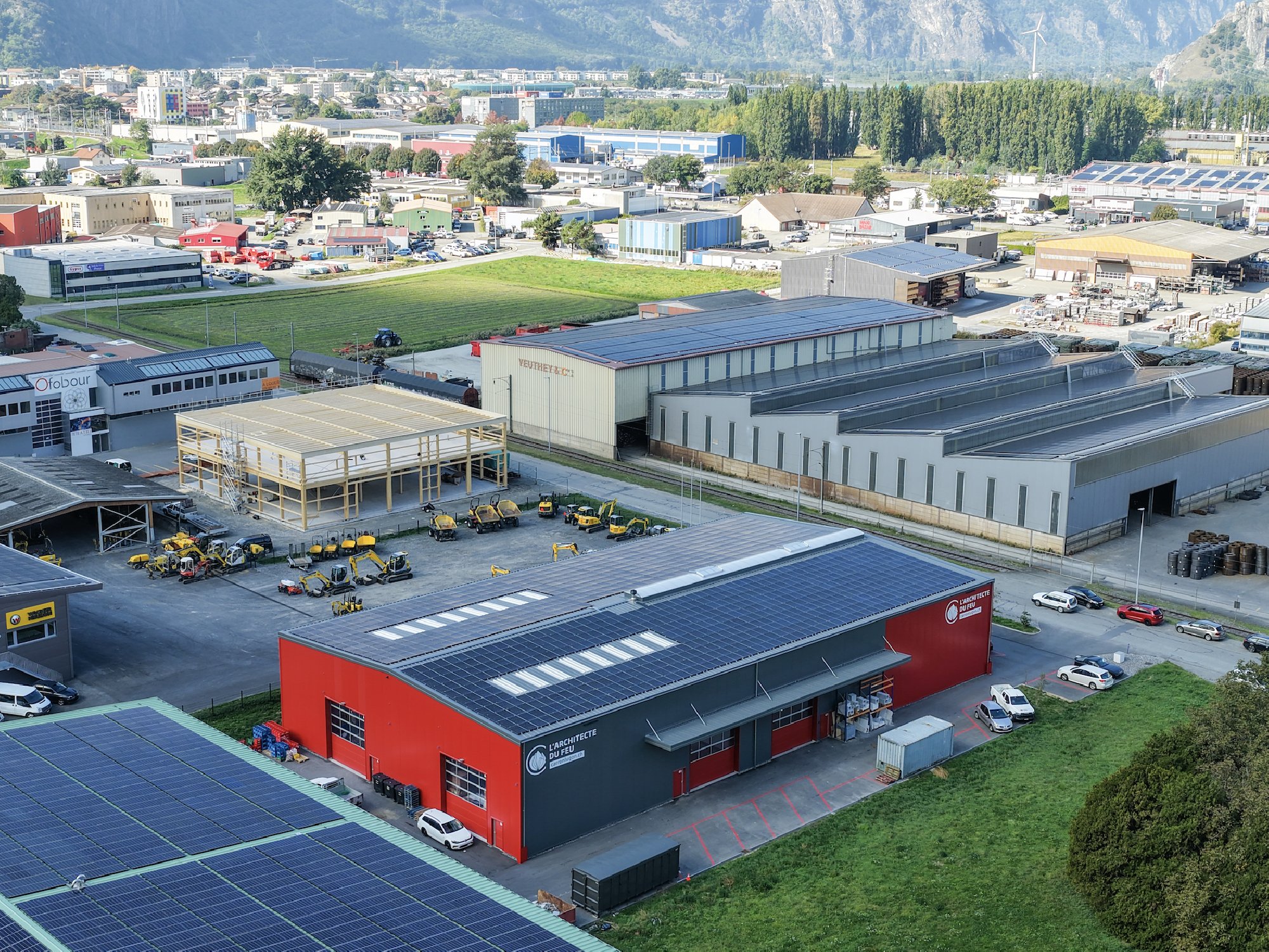
| Usage | Supplemental heating + cooking | Central heating + hot water | Personalized advice at our showrooms in Fully and Etoy |
| Installation | In the kitchen | Utility room available | Construction site management and coordination of trades |
| After-sales service | Depending on the retailer | Depends on the retailer | In-house after-sales service for wood, pellets, and gas |
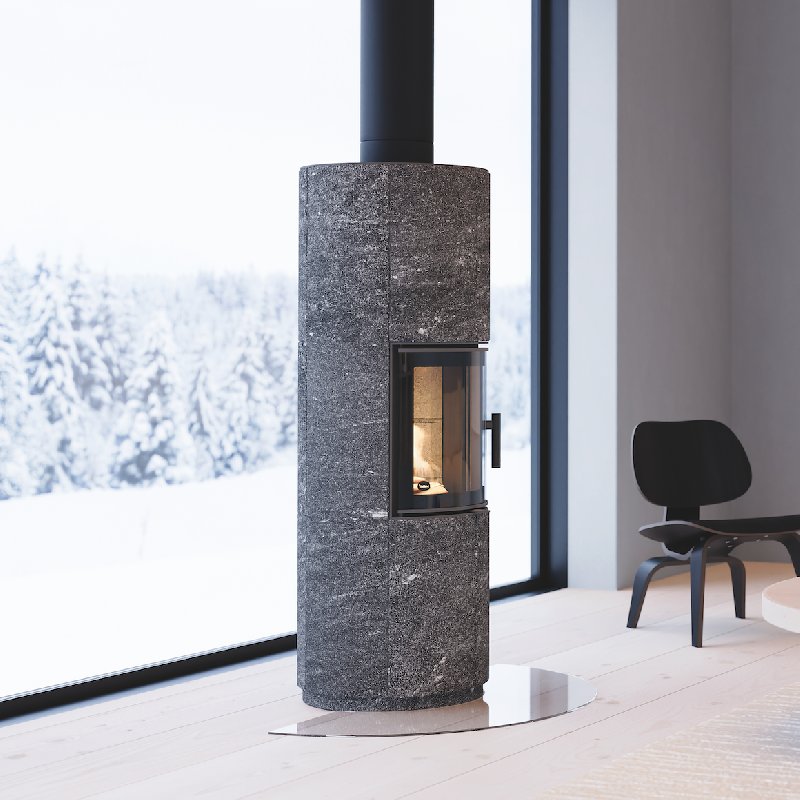
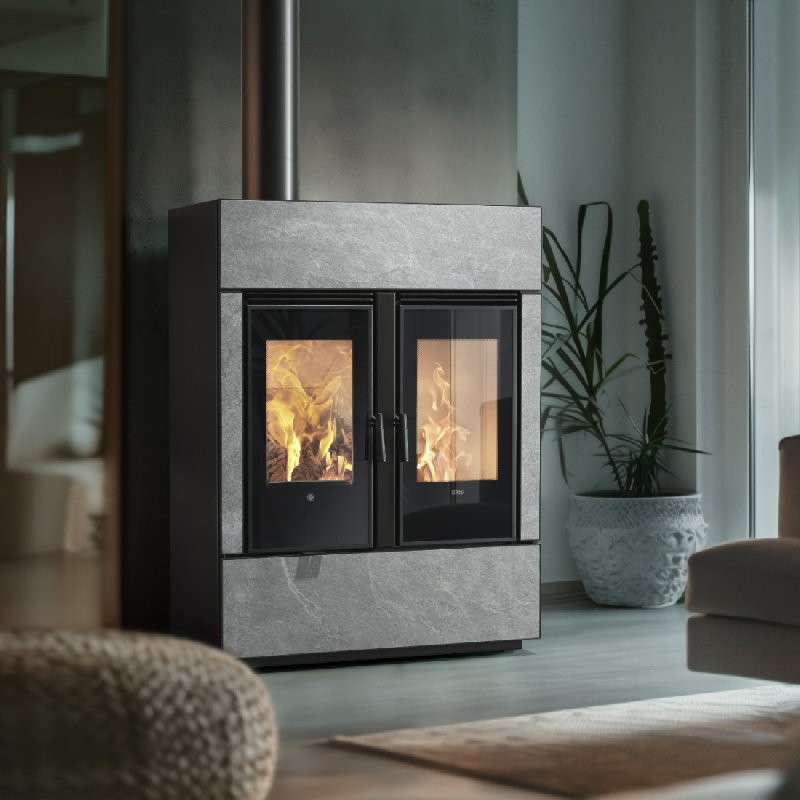
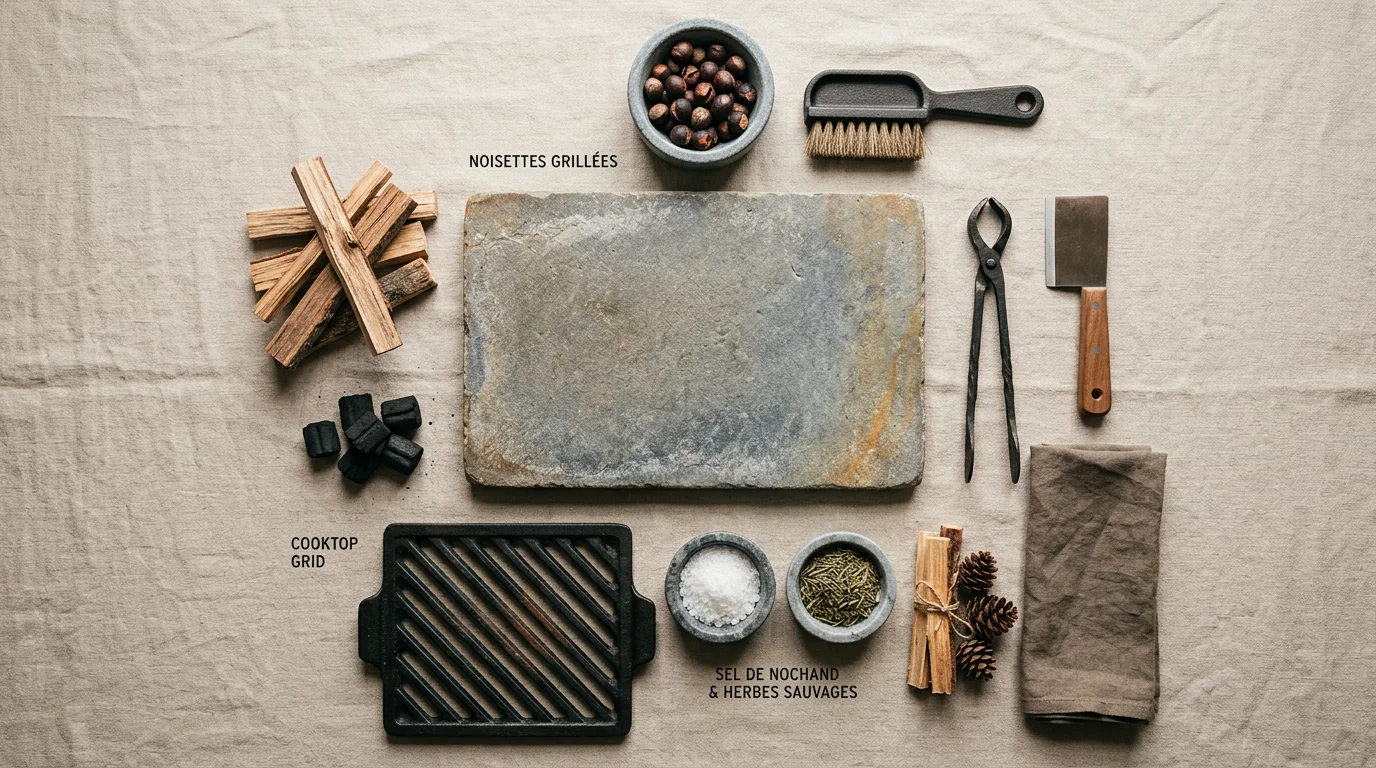
Materials matter, too. Soapstone, for example, stores heat and releases it long after the fire has gone out. For cooking, a complete soapstone cookware set allows you to simmer and gently keep dishes warm, while a large soapstone baking stone enhances slow, healthy cooking.
Installation, Pricing, and Maintenance in Switzerland
Installing a wood-burning stove requires careful planning: the flue, ventilation, and safety features must all comply with regulations. That’s why we manage the project and coordinate with architects and other trades, including the removal of the old appliance, restoration work (tiling, plastering, painting), and thorough cleaning of the home.
Fuel costs remain a factor to monitor. In Switzerland, the wood-energy market showed stable demand and rising prices by the end of 2025, according to federal statistics, with an upward trend expected through the summer of 2026. Dry wood and high-quality kindling ensure clean ignition and better efficiency, while minimizing soot buildup in the flue.
Wood-burning stove or pellet stove: which to choose?
The debate between logs and pellets is currently shaping the market. After several difficult years, pellet stoves are confirming their resurgence: according to the Renewable Energy Observatory, sales of pellet stoves surged by about 35% in 2025. Log-burning stoves, on the other hand, remain popular for the authenticity of the flame and the independence they offer.
The choice depends on your preferences regarding comfort and automation. Pellet stoves appeal for their automatic temperature control; log-burning stoves, for the ritual, the ambiance, and the pleasure of cooking the old-fashioned way. A visit to a showroom often helps you decide faster than a lengthy theoretical comparison.
Conclusion
Choosing a wood-burning stove means combining heating and cooking in a single appliance, ranging from simple models rated at 4 to 12 kW to boiler-equipped versions that reach up to 20 kW. With nearly 30,000 wood-burning heating units sold each year in Switzerland, demand remains strong, driven by a local and renewable energy source. Take the time to assess the area to be heated, the materials, and the installation before making your decision. Our strength lies in supporting you every step of the way, from free, no-obligation consultation to a clean and well-coordinated installation. To bring your project to life with peace of mind, check out our wood-stove cooking grate and come talk with us at our showroom.
Frequently Asked Questions
What output should you choose for a wood-burning stove?
A basic wood-burning stove provides between 4 and 12 kW to heat the kitchen and surrounding area. For central heating and hot water, a model with a boiler capable of up to 20 kW is required.
Can a wood-burning stove replace a central heating system?
Yes, provided you choose a model with a boiler. It will then supply radiators and a hot water tank. A basic model, on the other hand, serves as a supplemental heater for the kitchen.
Who should you contact to install a wood-burning stove in Valais or the canton of Vaud?
We serve French-speaking Switzerland from our showrooms in Fully and Etoy. Our in-house after-sales service also provides follow-up support for wood, pellet, and gas appliances after installation.