

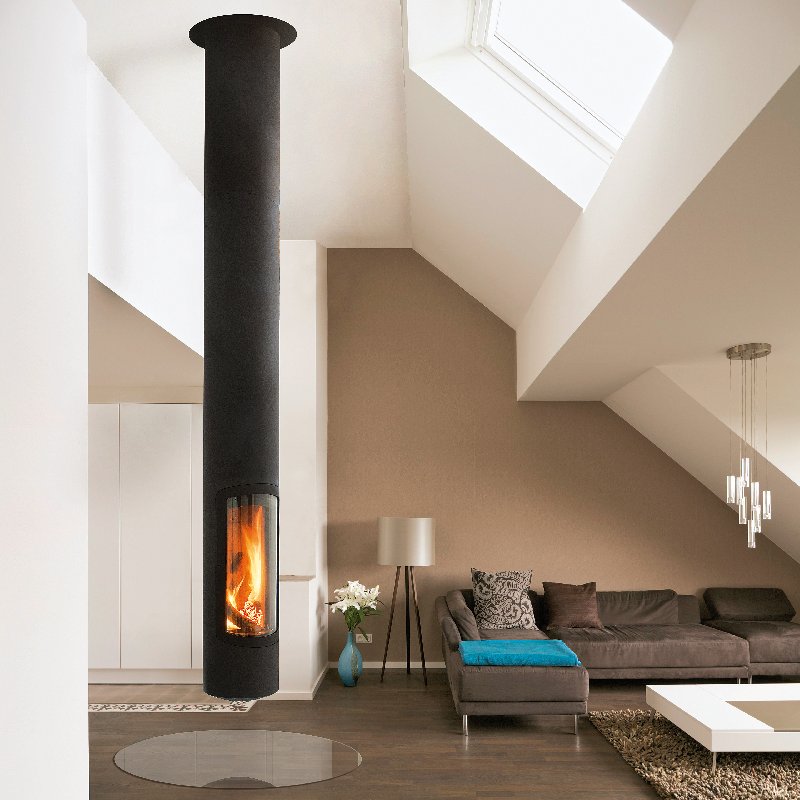
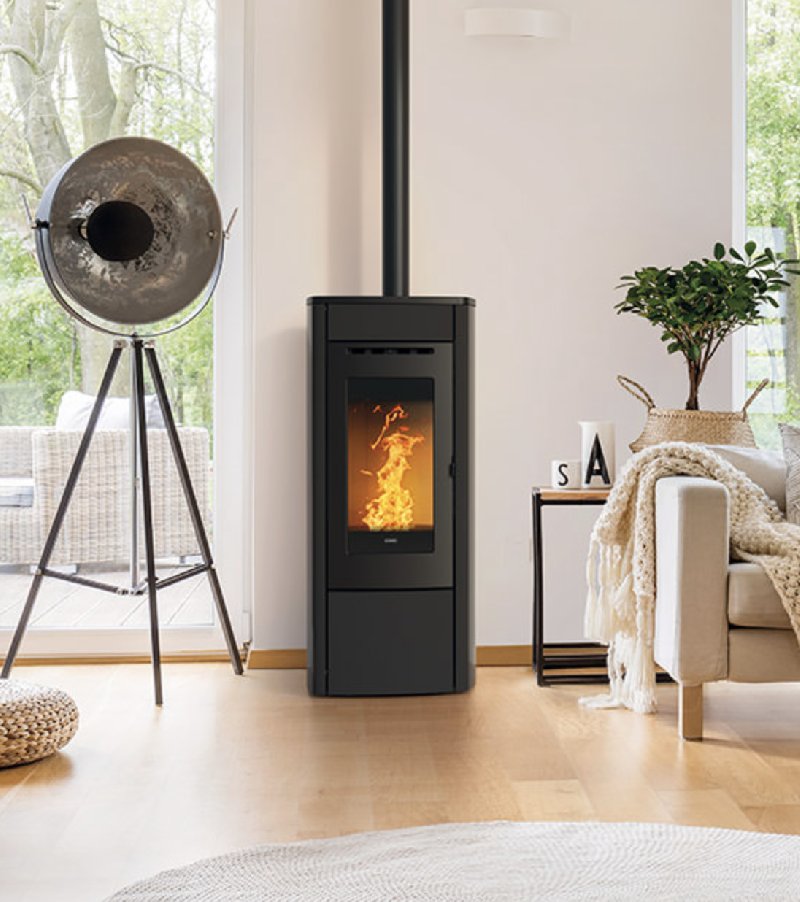
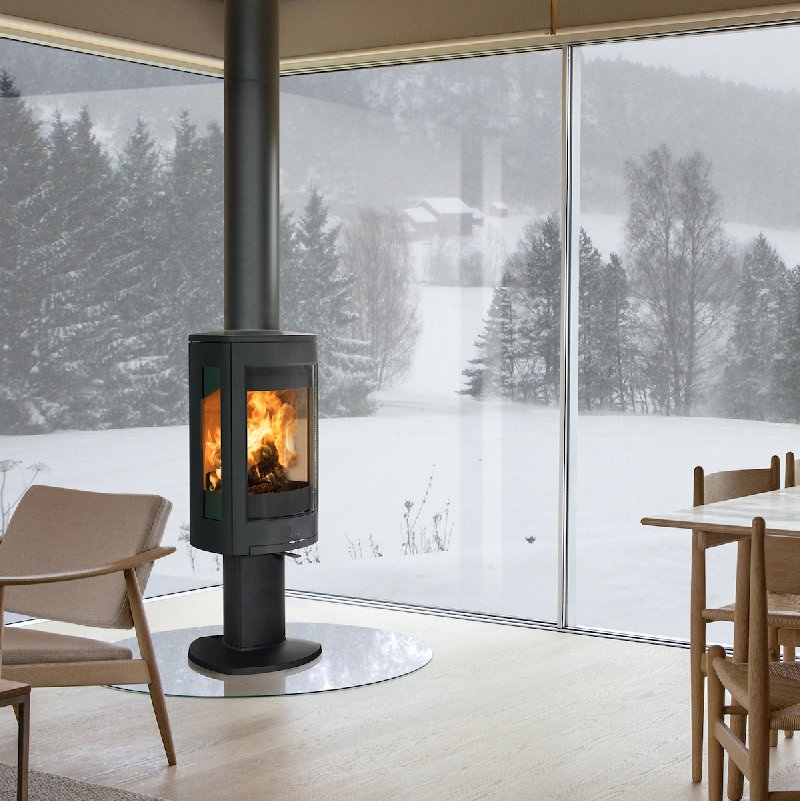
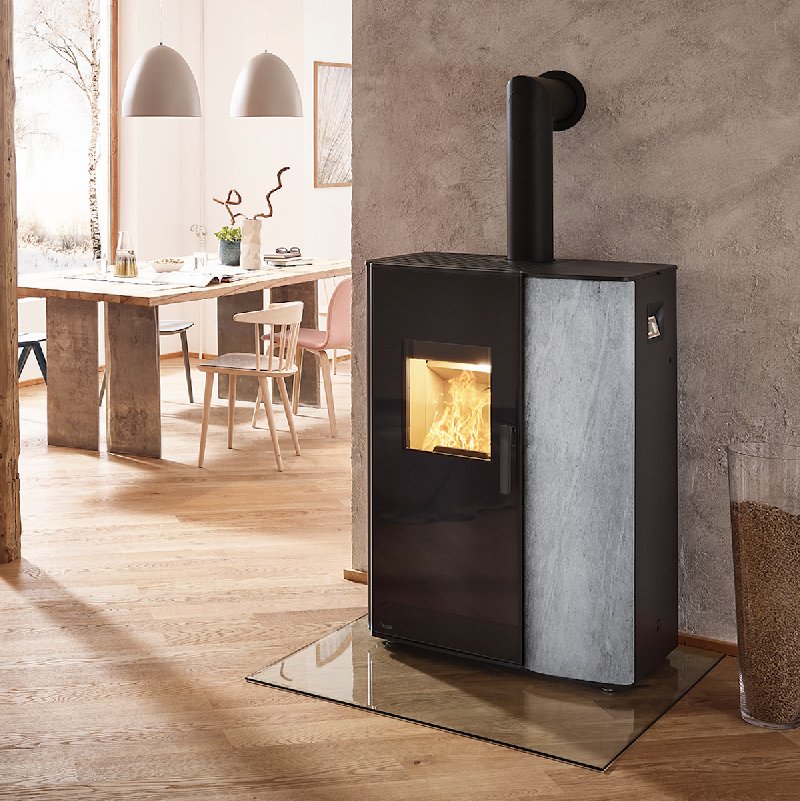
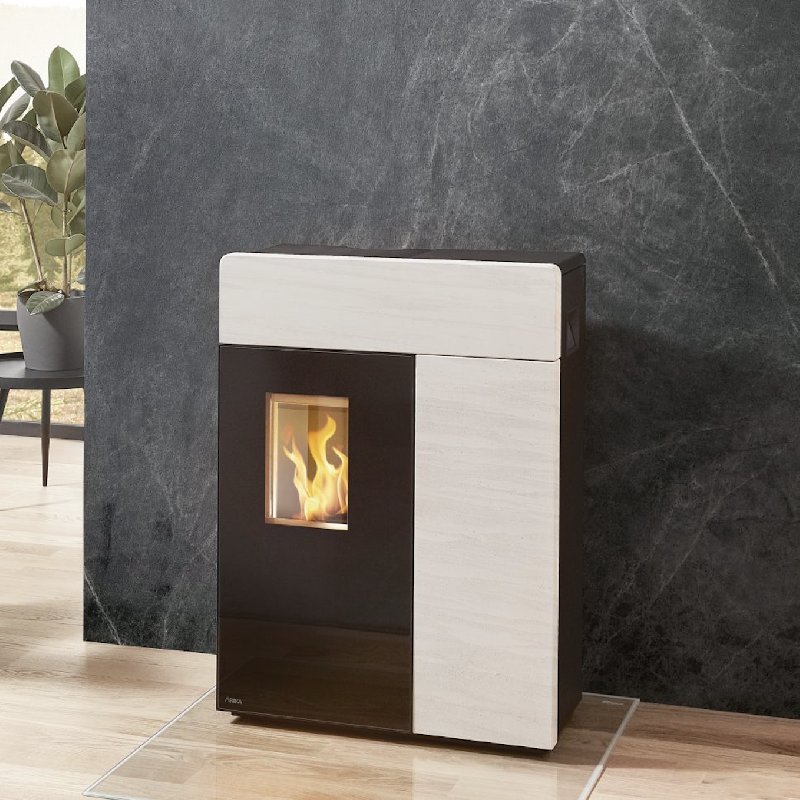
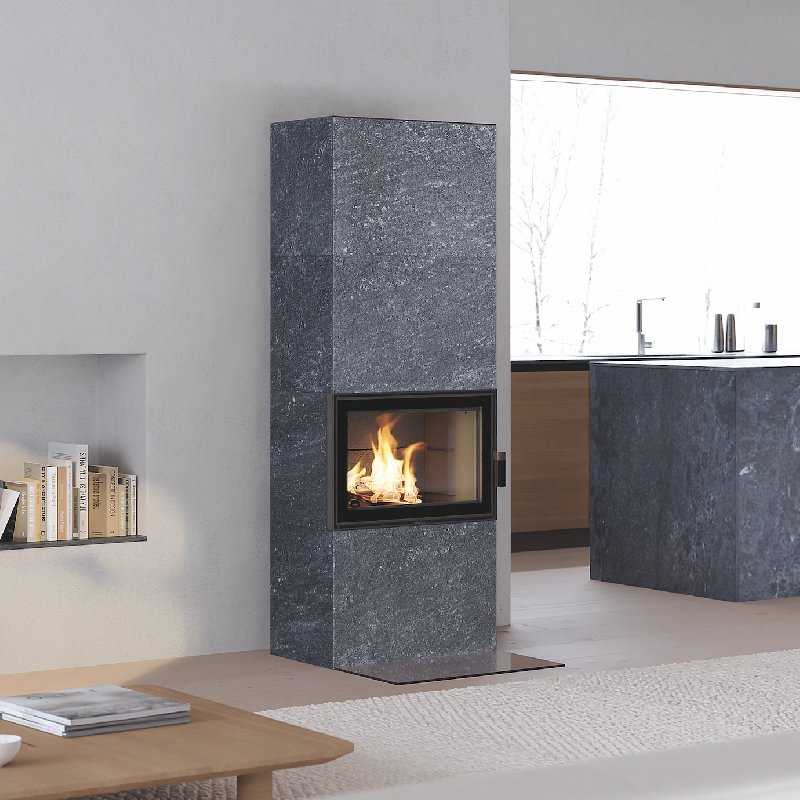
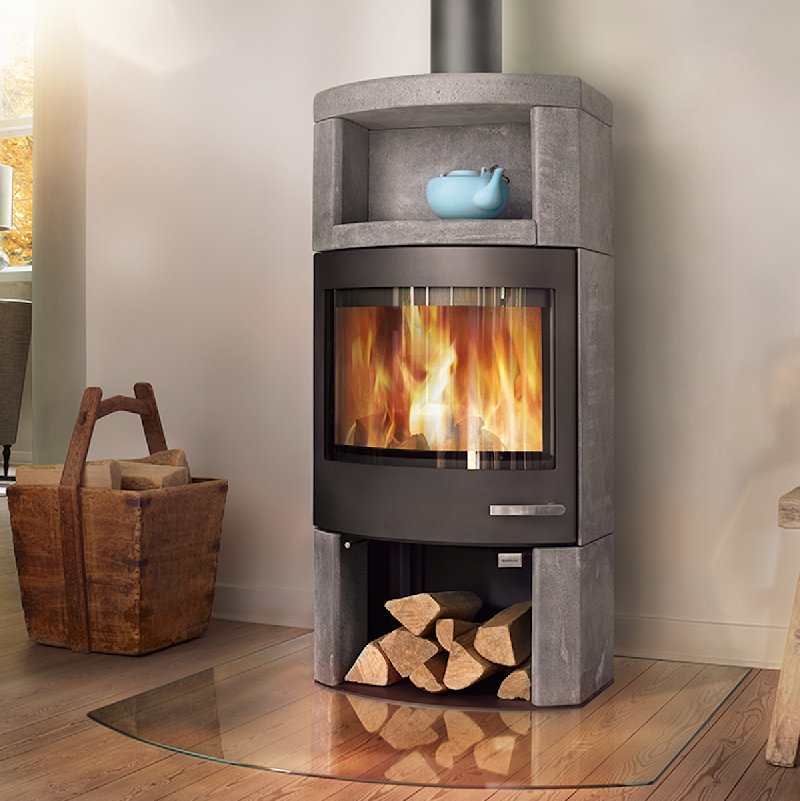
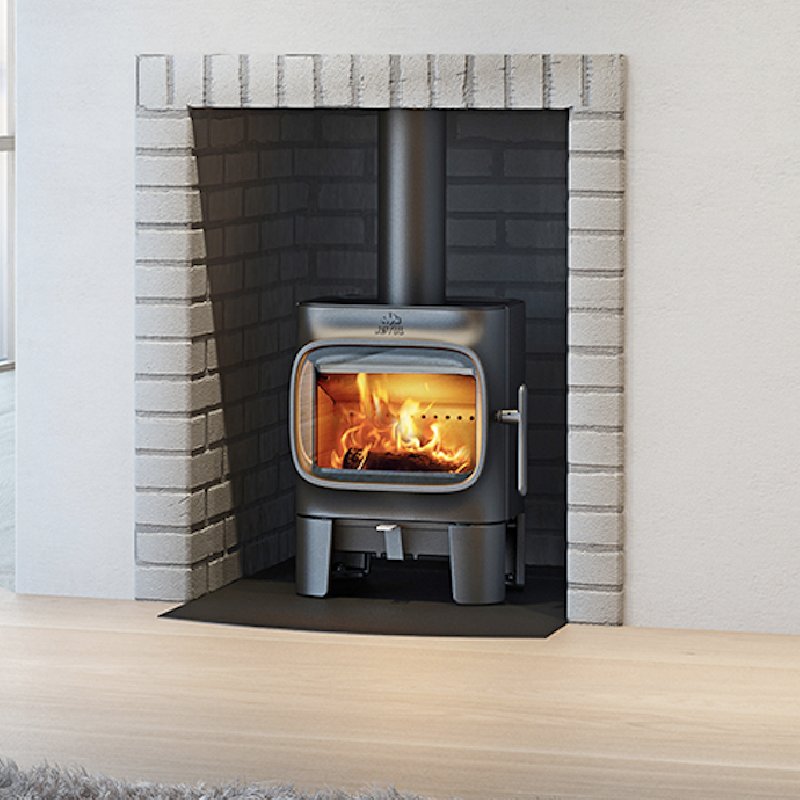
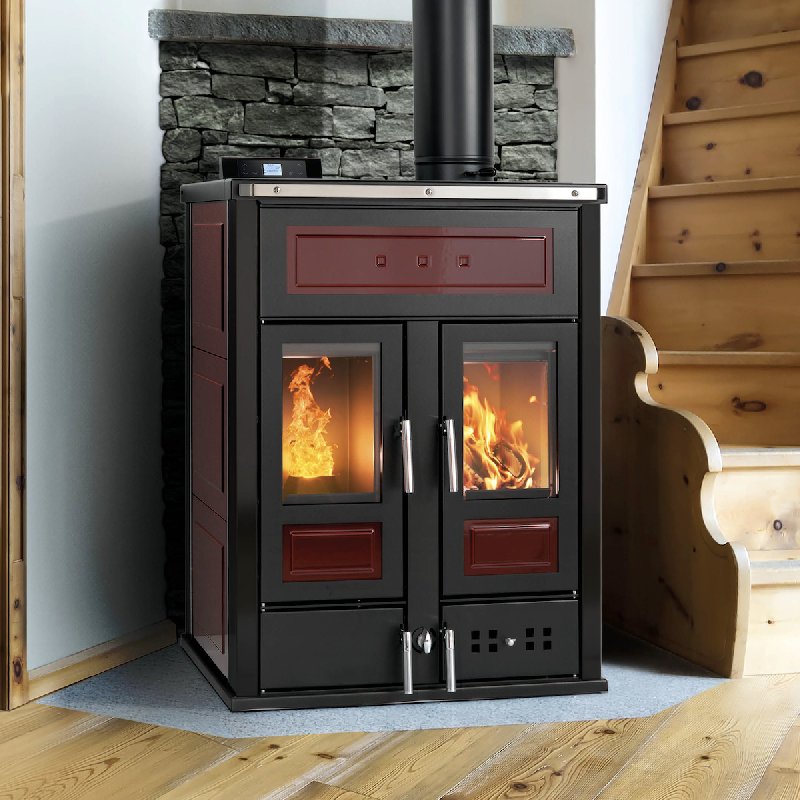
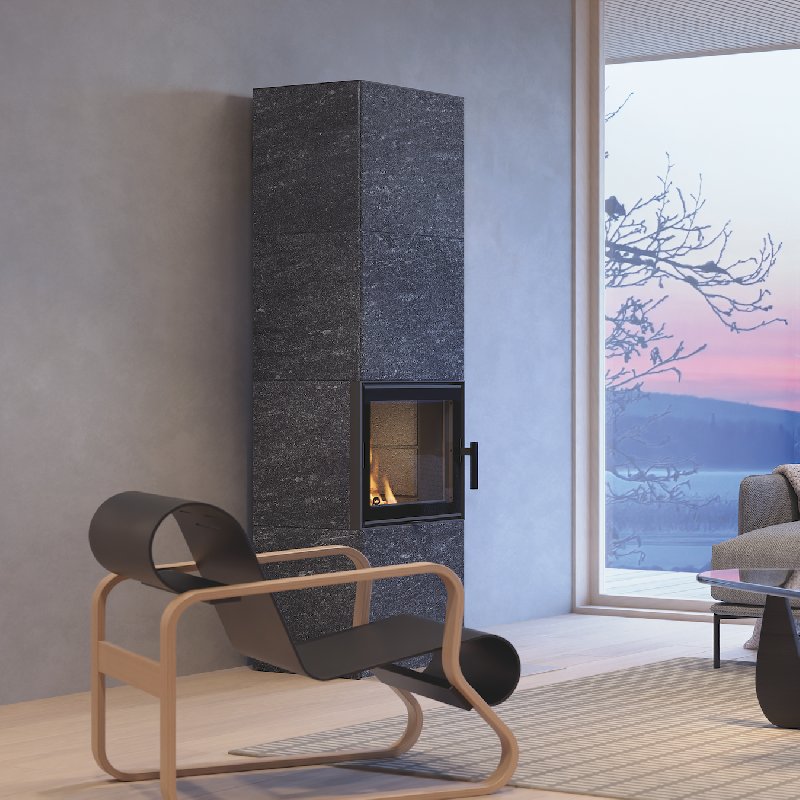
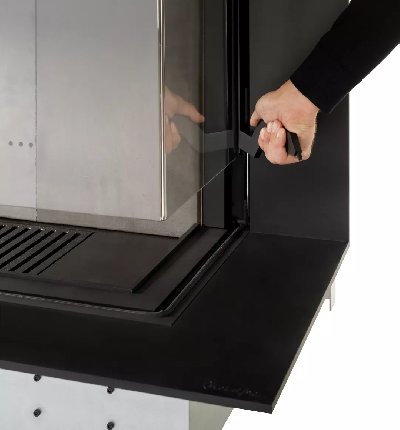
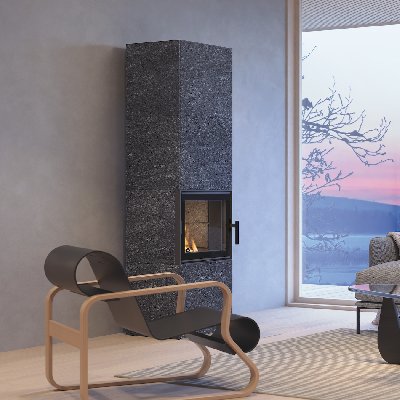
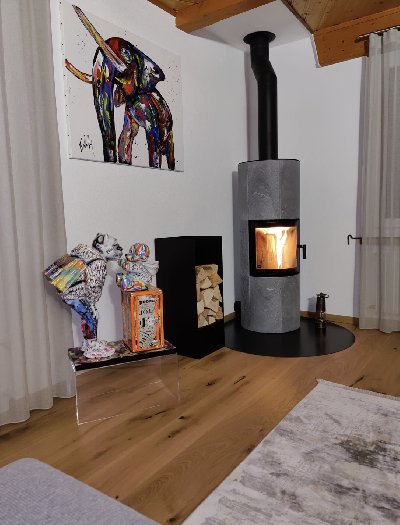
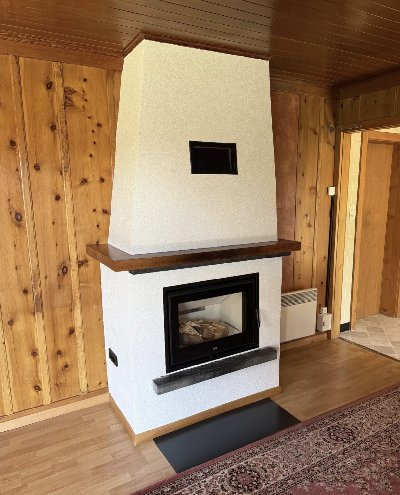
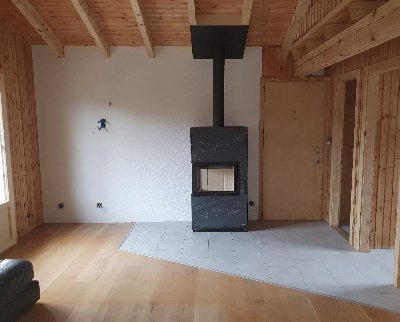
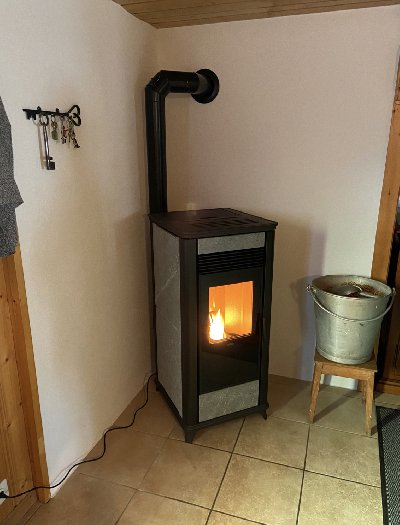
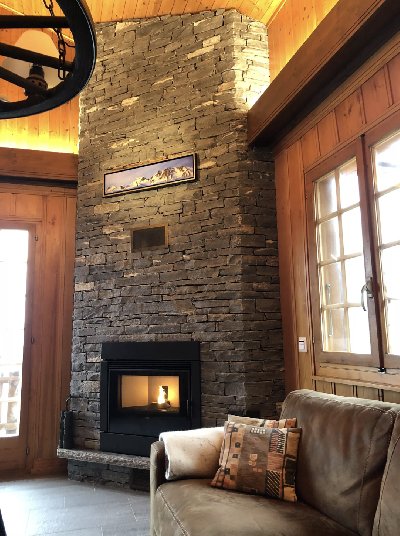
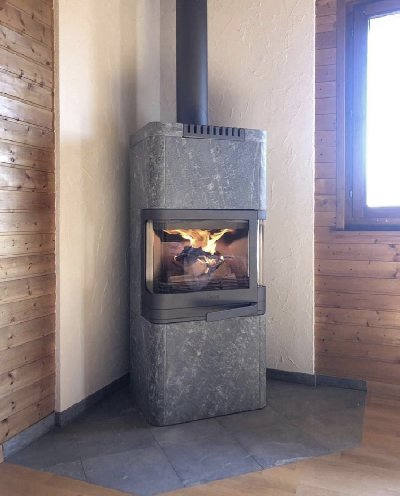
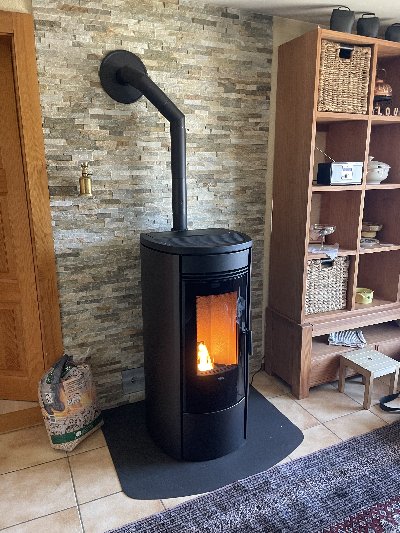
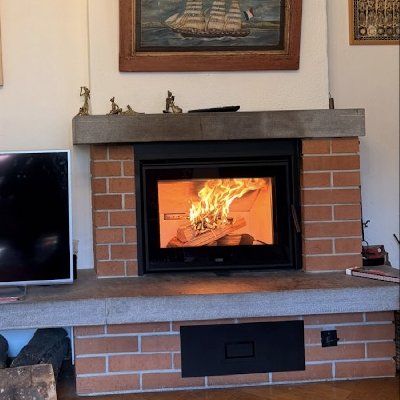
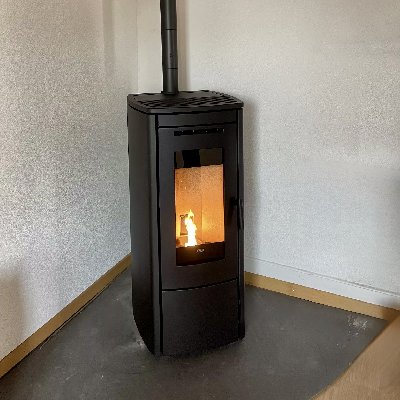
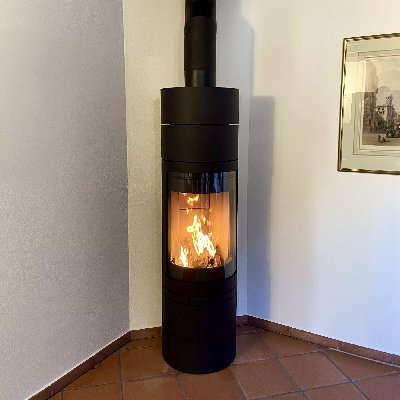
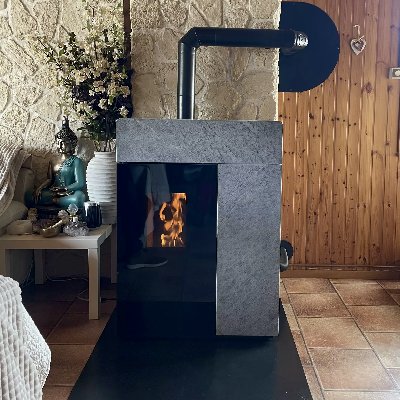
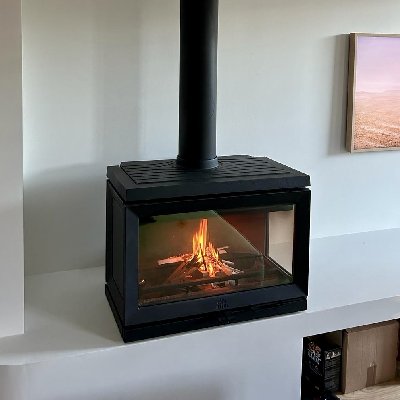
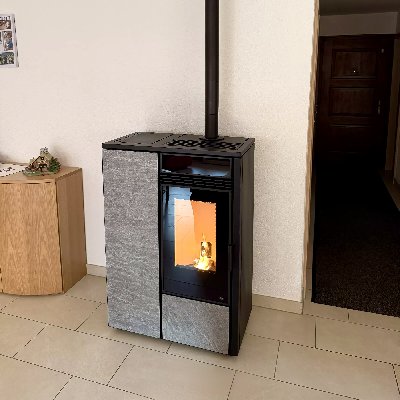

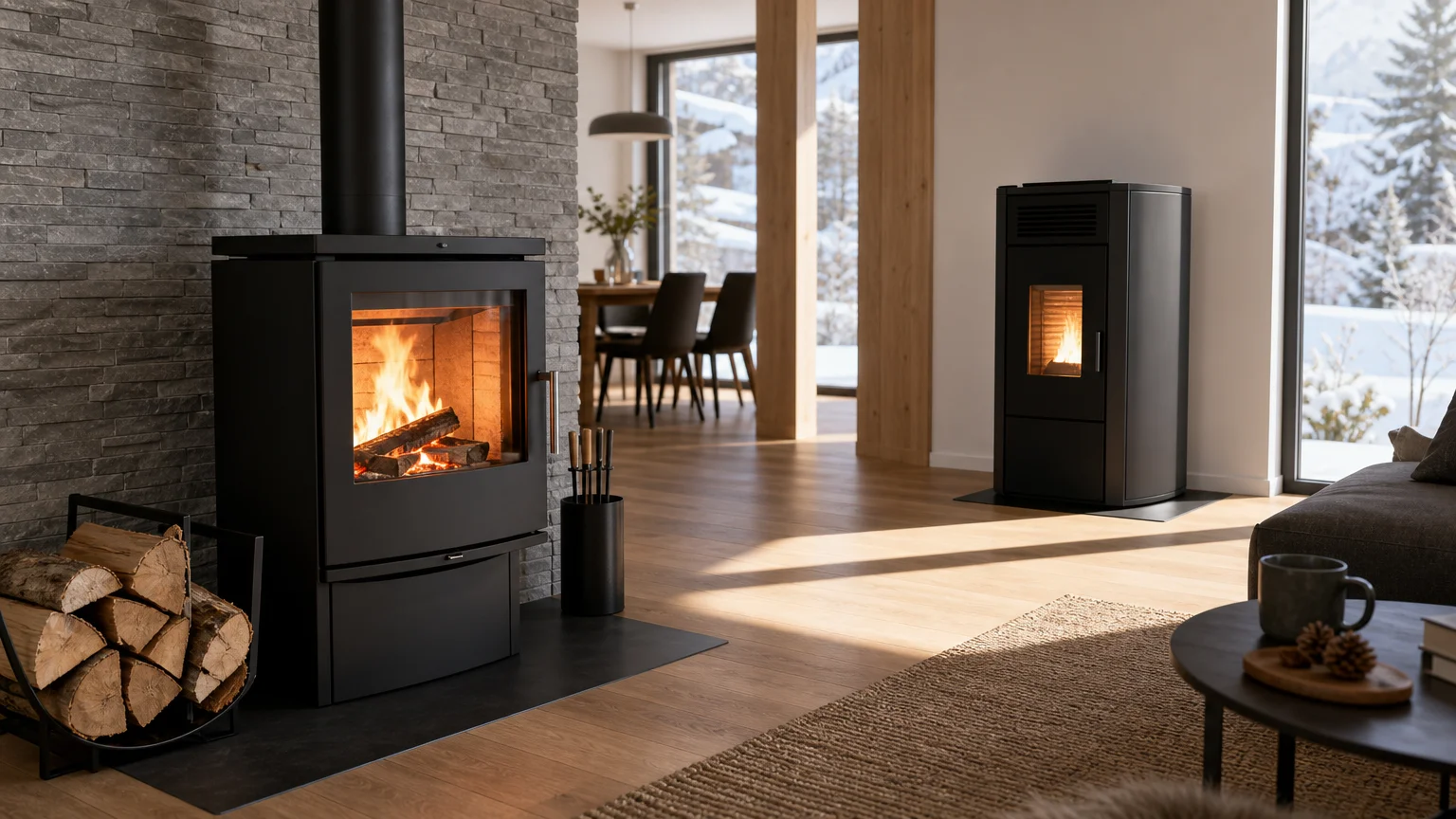
The comparison between wood and pellet stoves pits two appliances against each other that use a common resource but cater to very different habits. A wood stove requires regular attention, while pellet stoves offer greater automation for ignition, fuel feeding, and temperature control.
However, the choice isn’t just about the fuel. Heat output, insulation, room layout, the flue, fuel storage, and Swiss regulations are just as important. A high-performance appliance must be properly sized and installed in a home compatible with its operation.
Wood-Burning or Pellet Stove: What’s the Difference in Daily Life?
Imagine two winter evenings. With a wood stove, you select the logs, light the fire, and adjust the air intake. The heat and flames evolve naturally, creating a more pronounced presence in the room.
With a pellet stove, a hopper automatically feeds the firebox. A thermostat or control regulates combustion based on the desired temperature. This approach suits people who want to come home to a warm room or maintain a consistent atmosphere.
Wood, therefore, offers a more hands-on and sensory experience. Pellets allow for more predictable operation, requiring less attention throughout the day. In both cases, the quality of the installation and proper power adjustment remain essential.
The Swiss energy landscape is also worth considering. Federal data indicates that by 2026, wood energy will account for approximately 5.4% of final energy consumption and nearly 12% of heating needs. These figures cover all wood-based energy, not just residential stoves, but they illustrate the importance of this resource in the country.
Autonomy, Electricity, and the Ambience of the Flame
Imagine a power outage on a cold evening. A traditional wood stove can continue to operate without electricity, provided the system is designed for it. This independence is an advantage for homes prone to power outages or for users who wish to limit their reliance on electronic equipment.
Most pellet stoves use electricity for the auger, ignition, temperature control, and sometimes ventilation. In return, they offer highly appreciated automatic convenience. Programming allows you to set operating schedules, while combustion remains more consistent than when logs are added manually.
Noise is worth special attention. A wood stove generally operates quietly, aside from the natural sounds of the fire. A pellet stove may produce noise from the motor, the fan, or the falling pellets. The noise level depends heavily on the model’s design and the method of heat distribution.
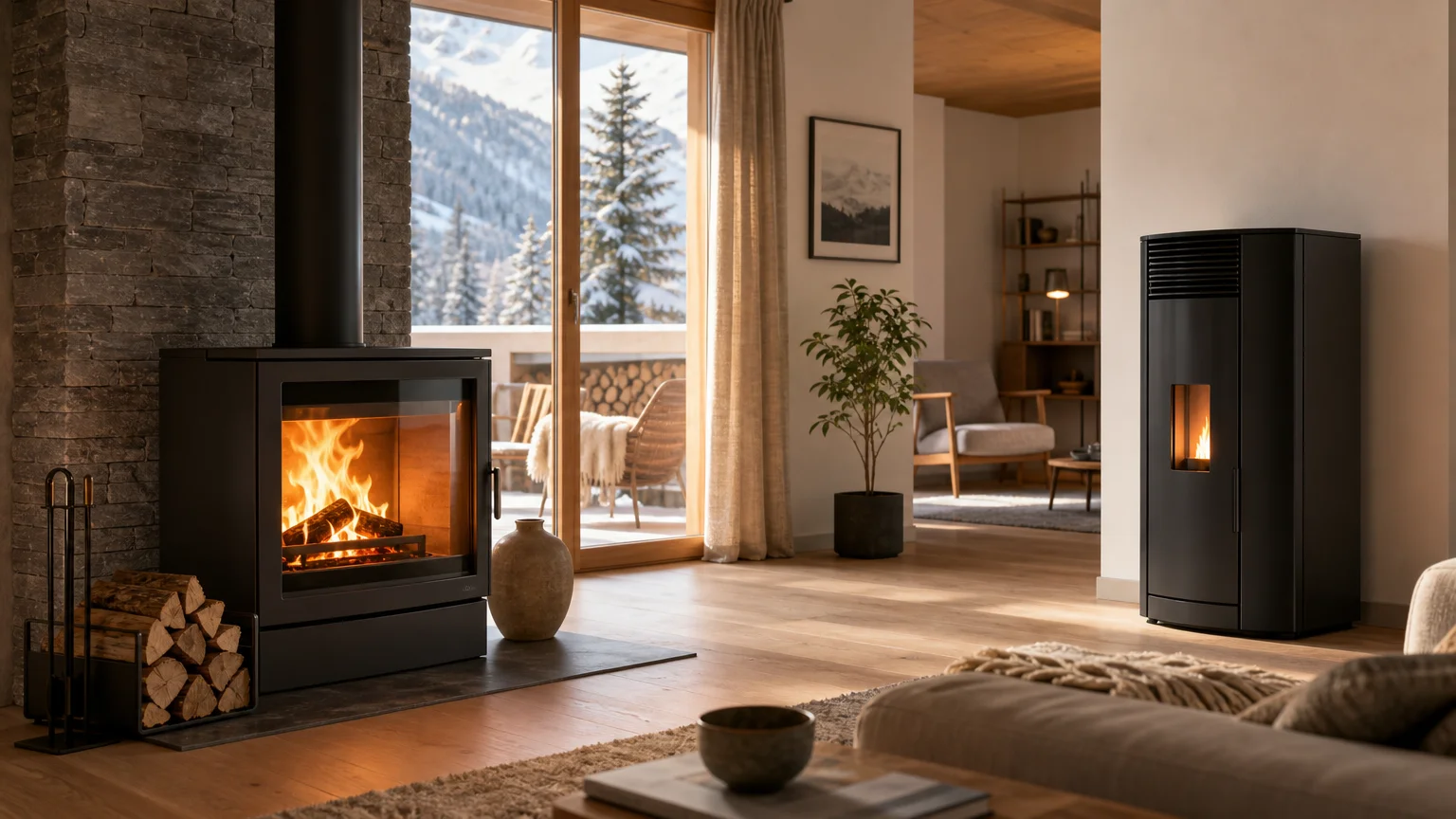
To compare specific models based on your comfort preferences, you can also check out our Rika Paro wood-and-pellet hybrid stove. A hybrid solution may appeal to those who want to enjoy the ambiance of wood while having the flexibility to use pellets as needed.
Efficiency, Emissions, and Air Quality
The most spectacular flame isn’t necessarily the one that most efficiently converts fuel into useful heat. Efficiency depends on the model, draft, wood moisture content, air settings, and usage habits.
Pellet stoves benefit from a steady fuel supply and automated feed control. This consistency promotes stable combustion. A modern wood stove can also achieve good performance, provided you use dry, untreated wood and maintain a sufficiently vigorous burn.
Data from the 2026 Swiss inventory provide a useful indication. For PM2.5 fine particulate matter, the emission factor reported for pellet stoves is 34 g/GJ in flue gases, compared to 74 g/GJ for wood-burning stoves. These are inventory factors, not measurements applicable to every individual unit installed.
The same national inventory lists, for the year 2024, a methane emission factor of 5.2 g/GJ for pellet stoves and 98 g/GJ for closed wood-burning stoves. These values illustrate the benefits of consistent combustion, but they do not eliminate the need for proper maintenance or correct use.
To reduce emissions, avoid damp wood, waste, furniture, and treated wood. Lighting the fire from the top, using the appropriate heat setting, and having the chimney swept regularly also help limit smoke. Fuel alone is never enough to guarantee air quality.
Cost, Storage, and Maintenance: What Compromises Should You Expect?
On a Saturday morning, the difference becomes apparent right away. Wood requires a well-ventilated, dry, and accessible storage area. You also need to factor in handling the logs, moving them to the stove, and cleaning up the ashes.
Pellets are stored in bags or in a hopper. Their uniform shape simplifies dosing and allows for automatic feeding. However, they must remain completely dry, as moisture can degrade them and disrupt the operation of the feeding system.
The total cost is not limited to the price of the stove. It includes installation, the flue or any necessary modifications to it, labor, fuel, the electricity consumed by a pellet stove, and maintenance. Prices vary depending on the stove’s output, finishes, the complexity of the installation, and the condition of the existing system.
A wood-burning stove generally has fewer mechanical components. It may, however, require more daily attention, involving manual feeding and regular ash removal. A pellet stove reduces these tasks but adds electrical and motorized components that must be monitored.
For a different comparison—particularly when the user wishes to alternate between fuels—our Klover Dual combination stove allows you to explore a wood-and-pellet configuration within a single project. The choice should then be based on the area to be heated, the insulation, and the intended use.
Installation in Switzerland: Flue, Housing, and Regulations
Before choosing a model, you must ask yourself: Can your home accommodate the appliance under the right conditions? The presence of a compliant flue, safety distances, air intake, and the ability to properly vent flue gases are critical factors.
In an apartment, feasibility also depends on the condominium association, the building, and the necessary permits. Installing the unit on the exterior wall or modifying a shared flue may require additional steps. A preliminary assessment helps avoid choosing a unit that is incompatible with the actual setup.
Swiss requirements regarding combustion and emissions are based primarily on the Air Pollution Control Ordinance. You can consult the Swiss ordinance to verify the general framework applicable to wood-fired systems. Specific regulations may also vary by canton and municipality.
In Switzerland, a declaration to the official chimney sweep is generally required. The flue must be inspected, cleaned in accordance with applicable regulations, and adapted to the type of appliance. The wood used must be natural, dry, and suitable for heating.
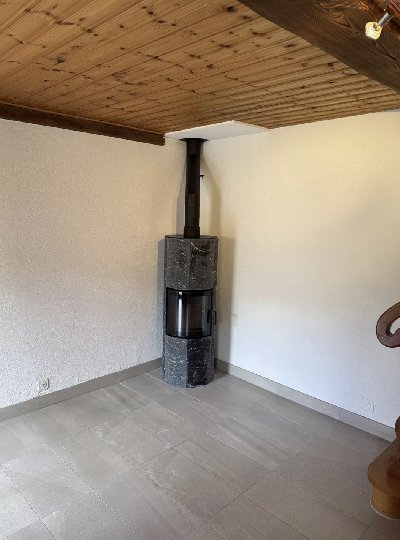
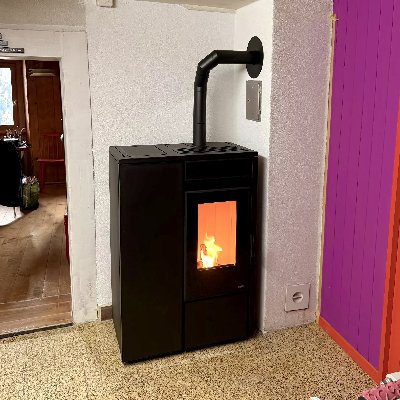
In this context, our replacement of a chimney with a pellet stove illustrates a case where the existing appliance and flue can be reassessed as part of a comprehensive project. Such a conversion must always be technically validated before any order is placed.
Our support includes a needs assessment, a feasibility study, installation, and handling the administrative procedures related to the project. We also provide maintenance, repairs, and spare parts for the relevant equipment.
Which option is right for your home?
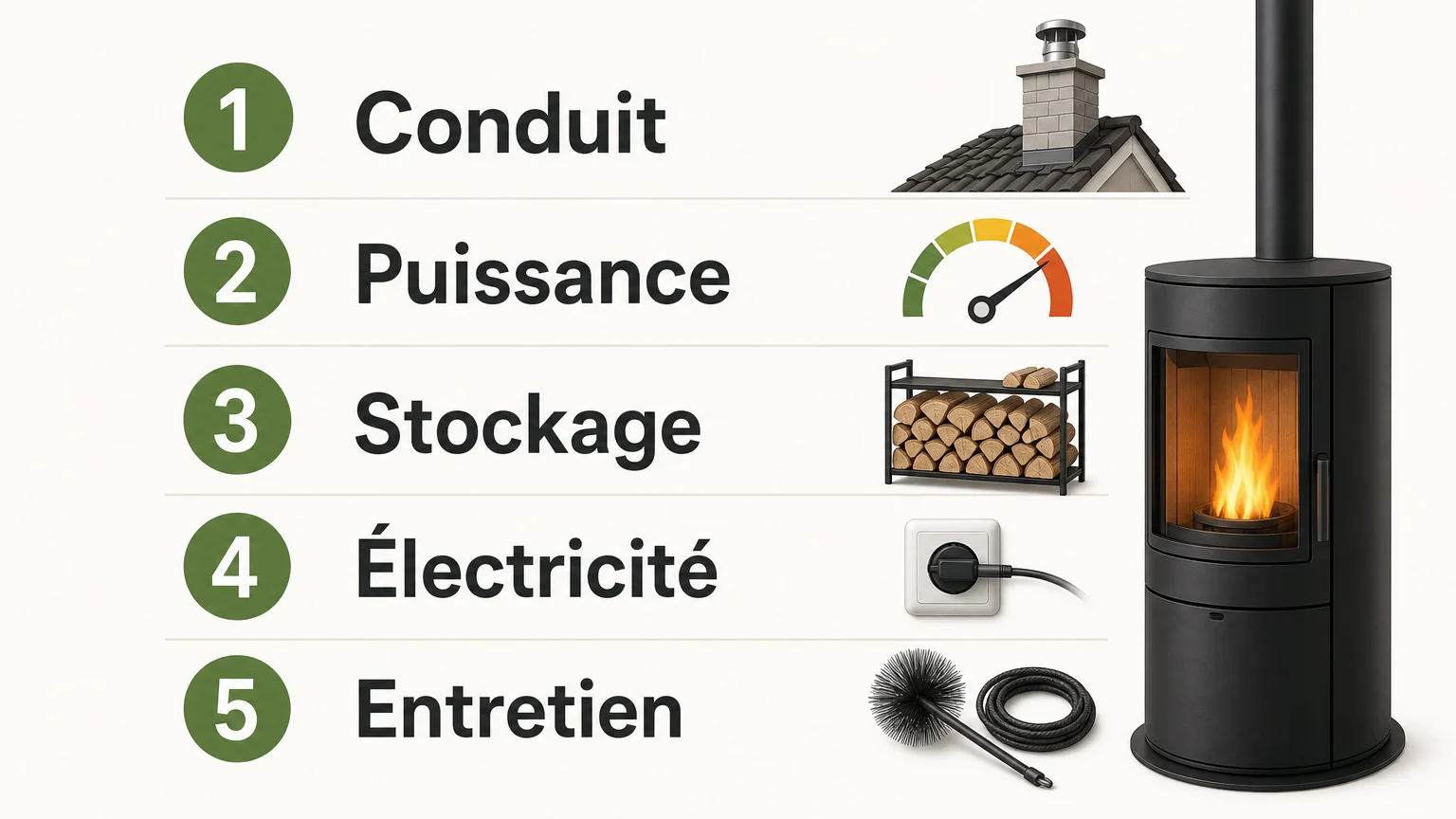
A wood-burning stove is best suited for manual operation, those seeking an authentic flame, and those who prefer a system that relies minimally on electricity. A pellet stove is better suited to a regular lifestyle, allowing for scheduling and the automatic maintenance of a stable temperature. To make an informed decision, be sure to compare the heat output, flue system, fuel storage, maintenance requirements, and room layout. In Switzerland, a preliminary technical assessment remains the best way to avoid installing an oversized unit or a system that cannot be connected.
Plan Your Stove Project
Still undecided between the direct heat of wood and the consistency of pellets? We can assess your home, your habits, and your technical constraints to guide you toward a suitable solution.

Our support ranges from consultation and model selection to installation and the associated procedures. We offer a free feasibility study, particularly to check the flue and the conditions for installation in an apartment. You can also view the stoves in our showrooms in Fully and Etoy before requesting a custom design featuring our wood-burning stoves.
Frequently Asked Questions
Does a wood stove work without electricity?
A traditional wood stove can operate without an electrical connection, depending on its design and installation. However, models equipped with fans or specialized systems may have specific electrical requirements.
Is a pellet stove easier to use?
It generally offers more automated fuel feeding and temperature control. You’ll still need to refill the hopper, remove ash, and maintain the components.
Which fuel takes up the least space?
Pellets are more compact and can be stored in a hopper or a dedicated space. Wood requires sufficient space to store logs in a dry place and allow them to reach an appropriate moisture level.
Can a stove be installed in an apartment in Switzerland?
This depends primarily on the flue, ventilation, the condominium association, and local permits. Our free feasibility study allows you to verify the technical requirements before proceeding.
Which stove should you choose for more consistent heat?
Pellets facilitate automatic temperature control and provide a more consistent heat output. A wood stove can also offer long-lasting heat, especially when it is properly sized or paired with a heat storage unit.