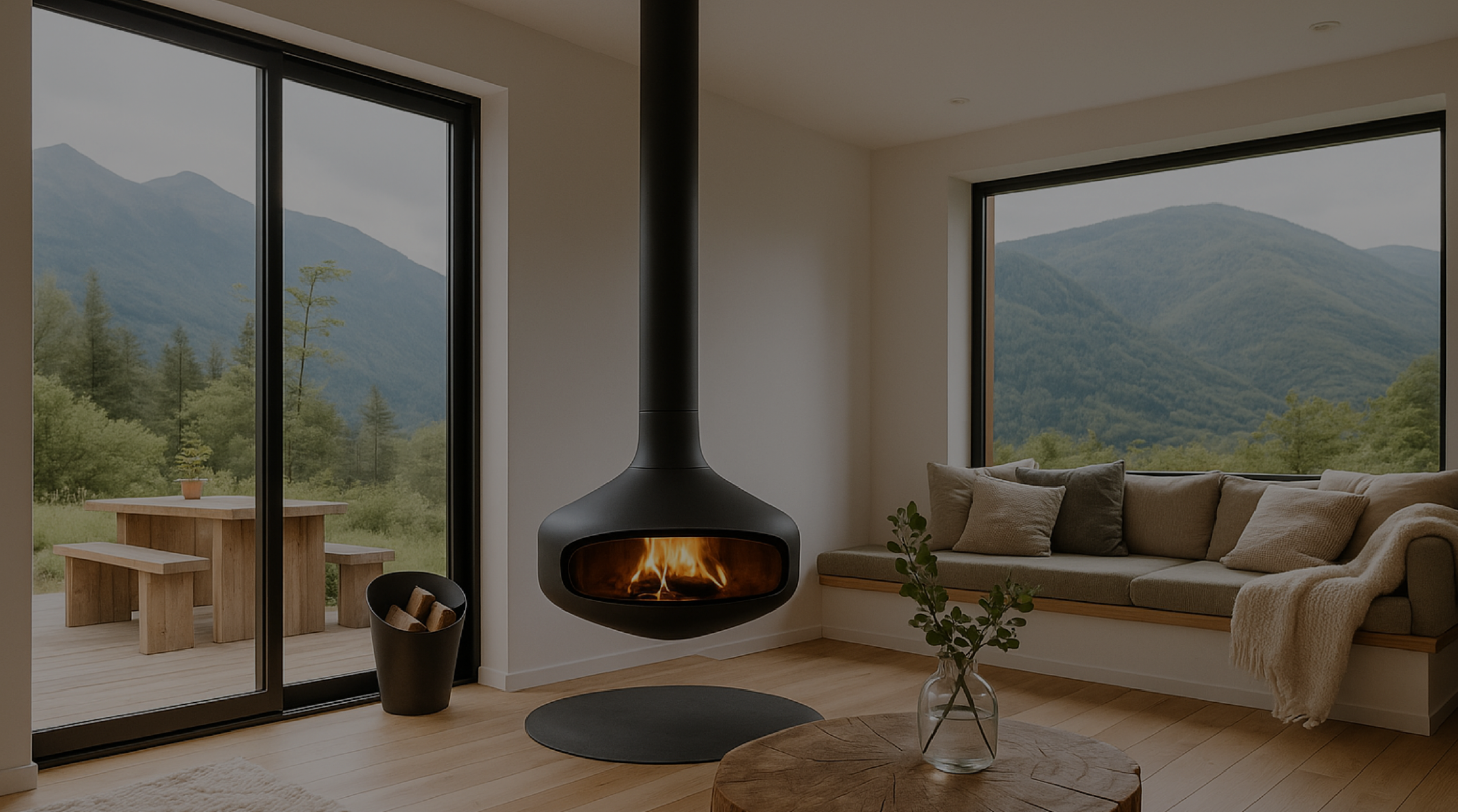


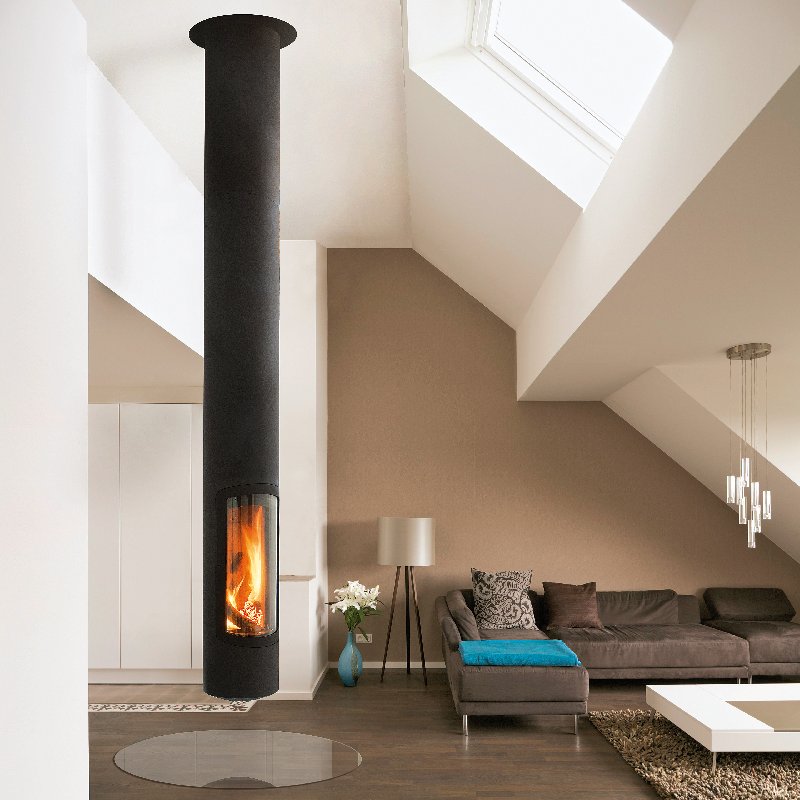

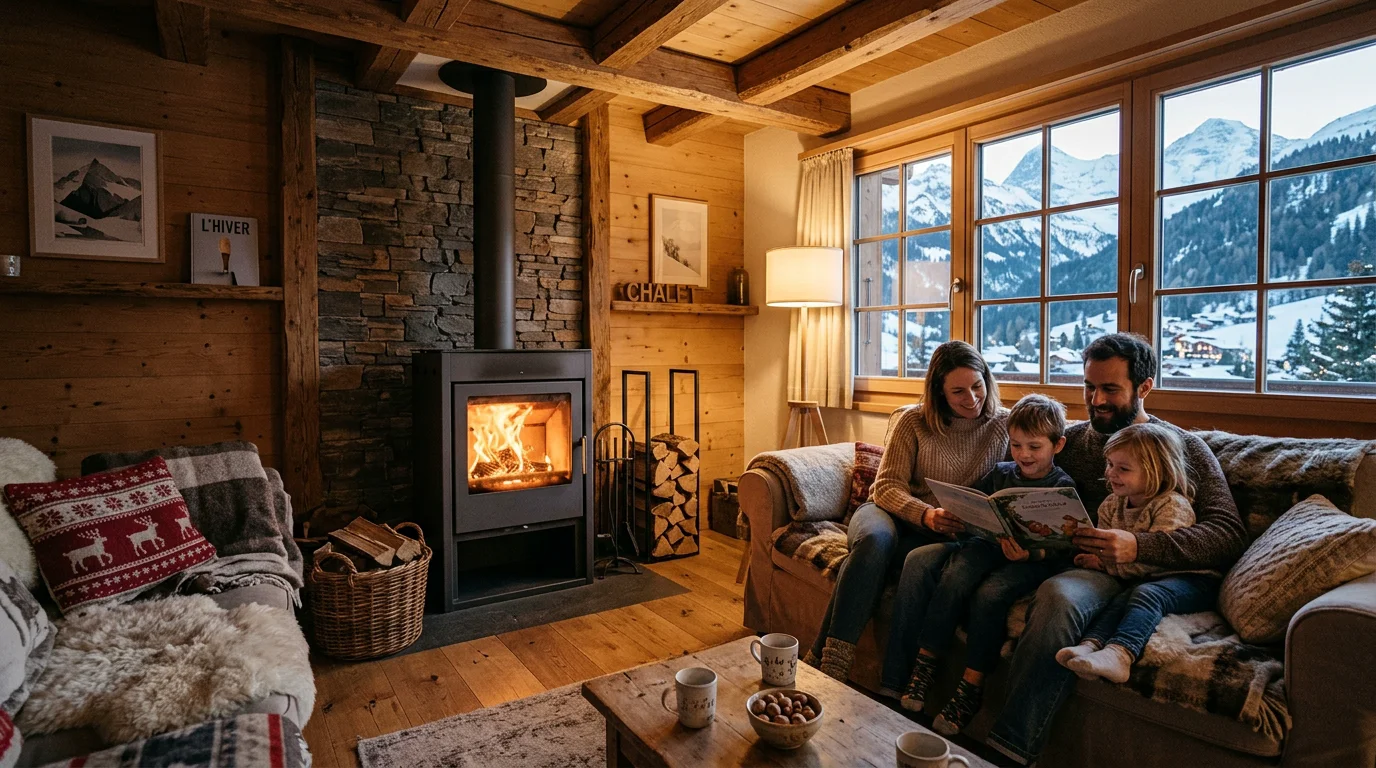
A crackling fire, radiant warmth, and lower heating bills: that’s what more and more households are looking for when they choose a wood-burning stove. Before you can enjoy your new system, you’ll need to choose, install, and maintain it properly—as explained in our guide to cleaning a soapstone stove.
The wood-heating market is experiencing a real resurgence in interest. According to data from Propellet, sales of pellet stoves have increased by more than a third in one year. Between rising fossil fuel prices, the desire for comfort, and the drive to heat homes locally, the stove has emerged as a sustainable solution. But with log wood, pellets, and soapstone to choose from, how do you decide? This overview provides concrete guidelines to help you make your choice.
Why Stoves Are So Popular with Households
Wood remains one of the most competitive energy sources on the market. An analysis by TotalEnergies notes that in 2025, pellets cost approximately 7.5 to 8 centimes per kWh—a price often lower than that of electricity and natural gas. This price stability reassures households after several years of volatility.
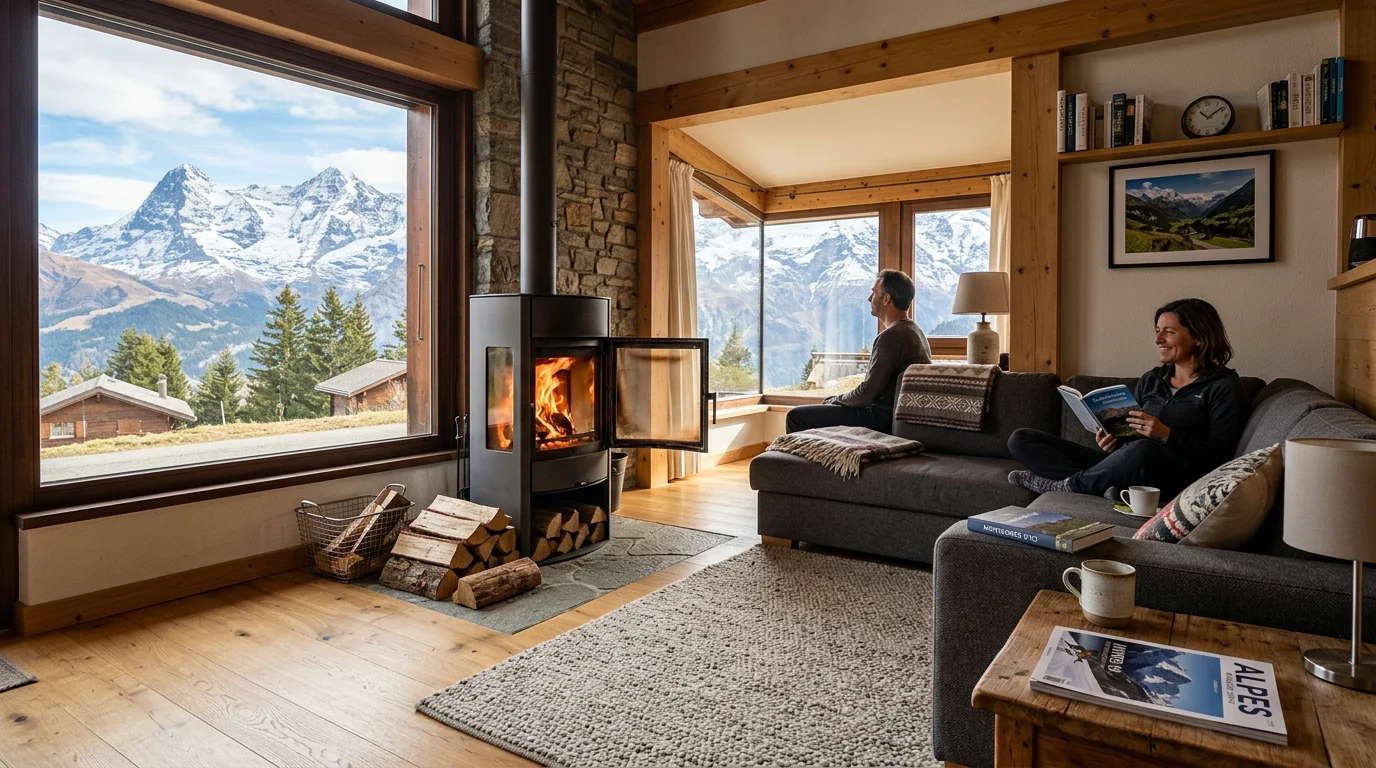
Market trends confirm this popularity. That same year, the French market sold nearly 128,000 pellet stoves, following growth that had already begun in 2024. This recovery is driven by a better-structured industry and more transparent pricing.
Beyond the economic aspect, wood checks several boxes: it is renewable, locally sourced, and independent of geopolitical tensions surrounding imported energy. For many homeowners, it is also a choice driven by comfort and ambiance—something difficult to replicate with a conventional radiator.
Wood, pellets, or storage: which type to choose
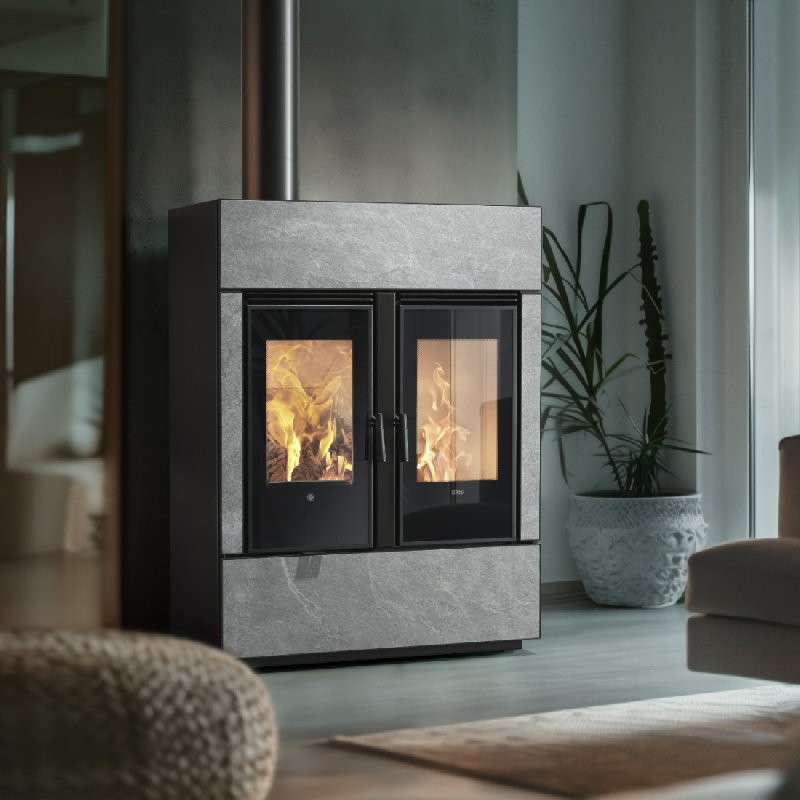
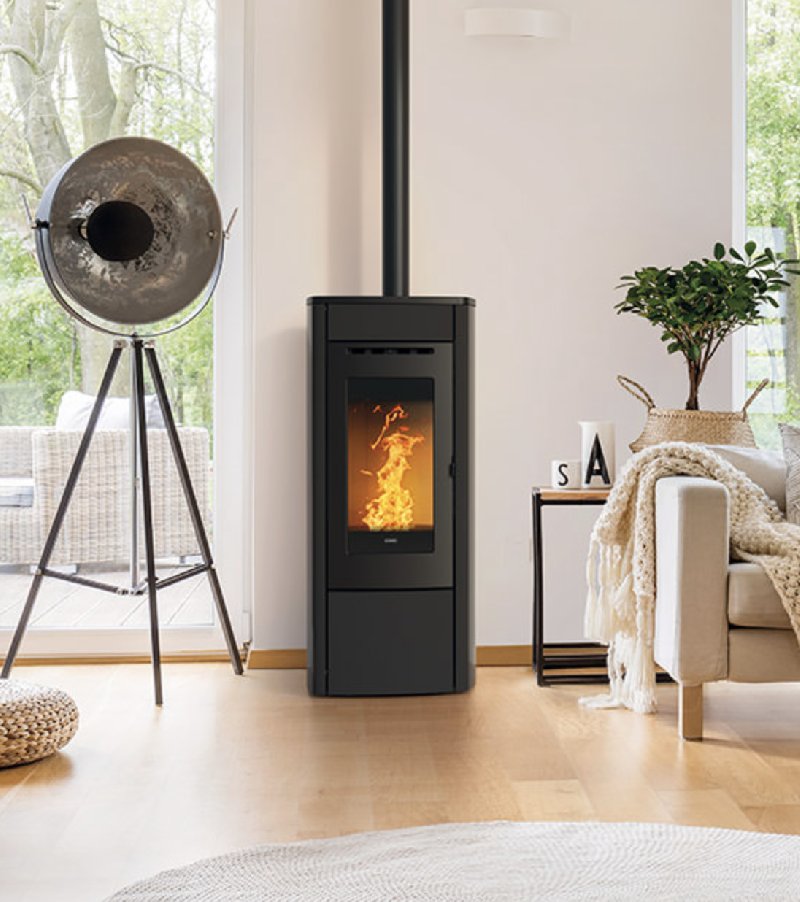
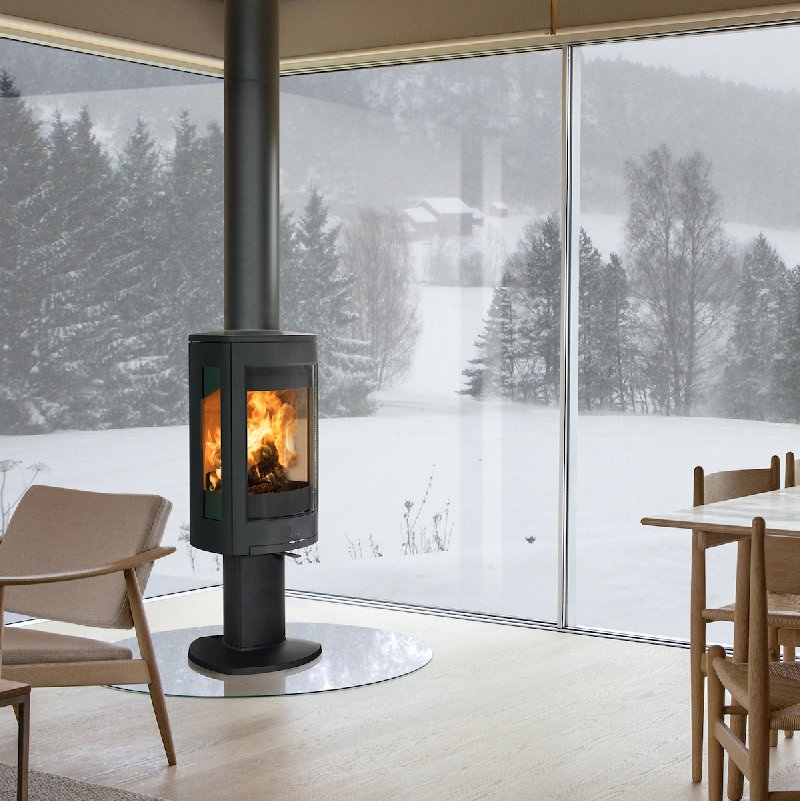
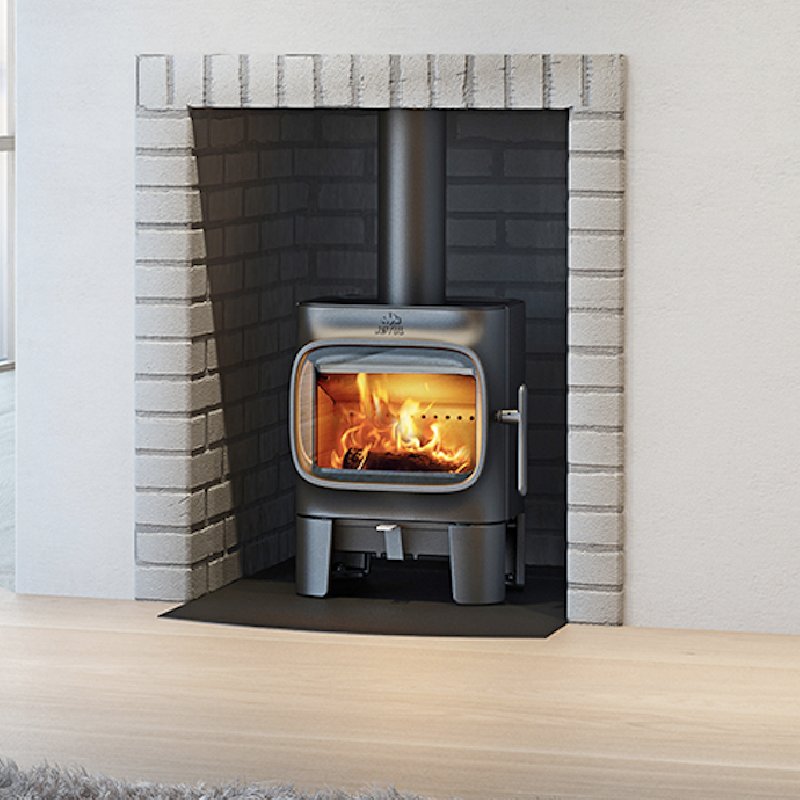
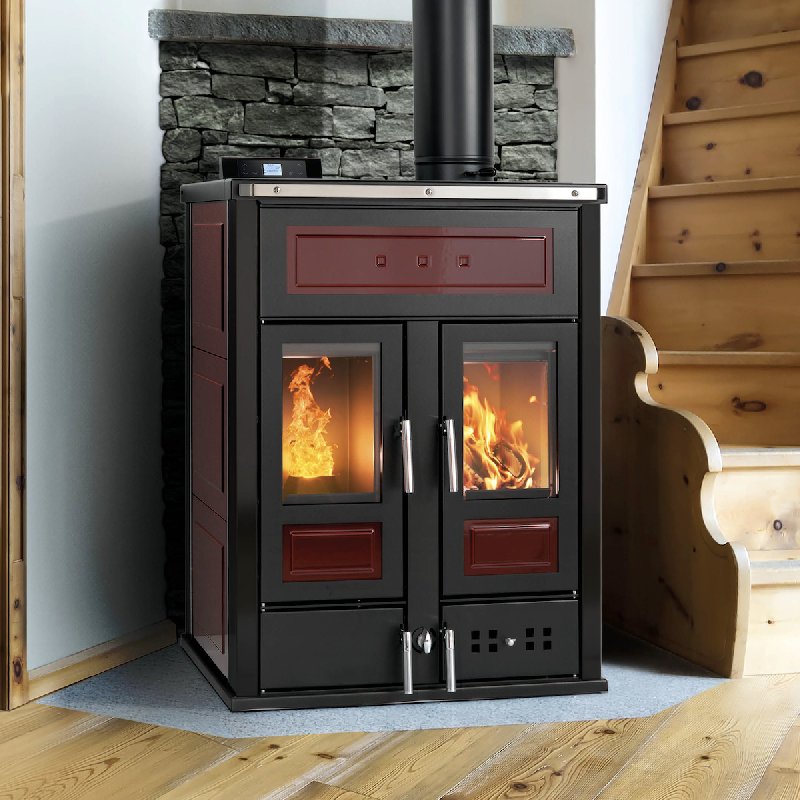
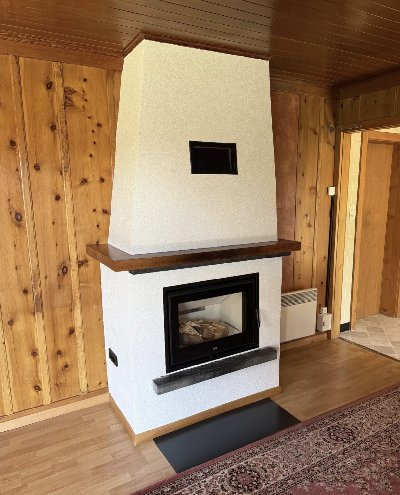
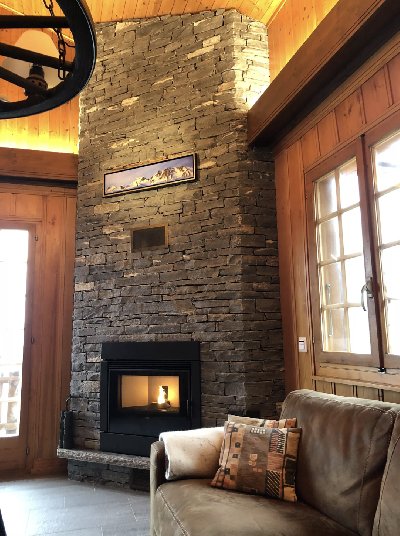
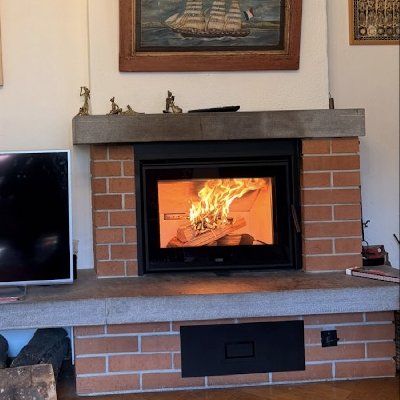
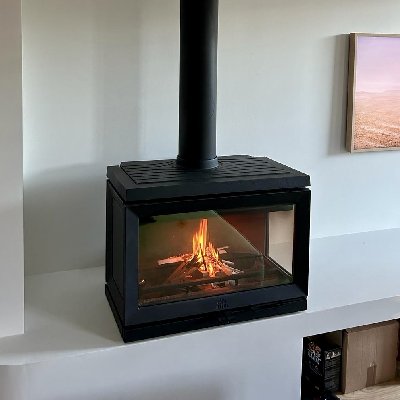
Each type of stove is designed for a specific purpose. The log-burning stove appeals for its authenticity, its lively flame, and its moderate fuel costs. However, it requires regular handling and storage space for logs.
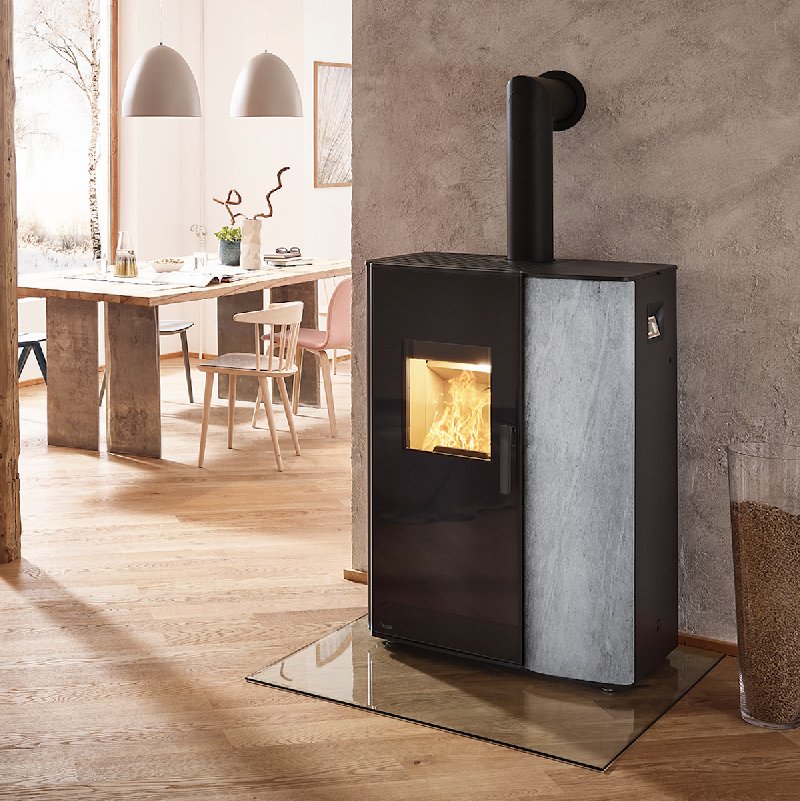
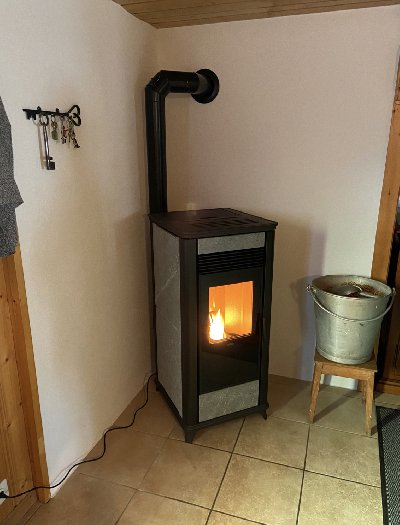
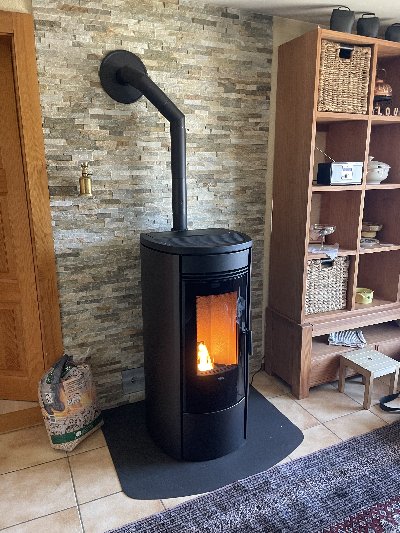
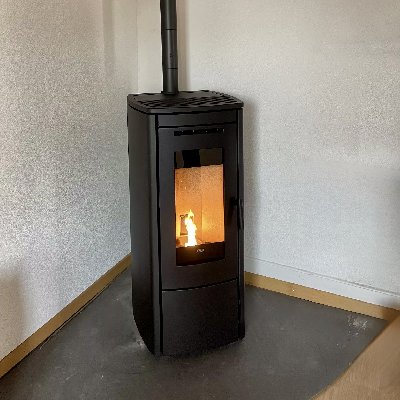
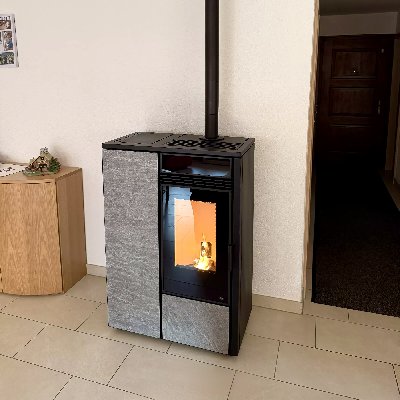
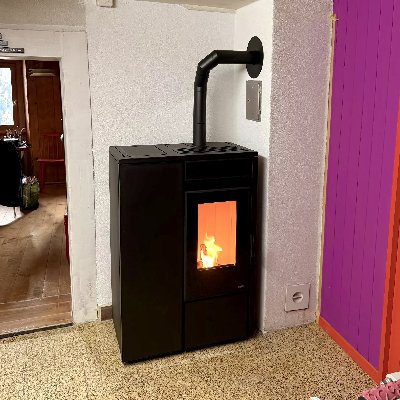
The pellet stove, on the other hand, relies on automation. With a hopper, programmable settings, and precise temperature control, it offers a level of comfort comparable to that of a boiler. According to TotalEnergies, this type of appliance is gaining popularity, particularly in single-family homes, thanks to its precise temperature control and consumption tracking.
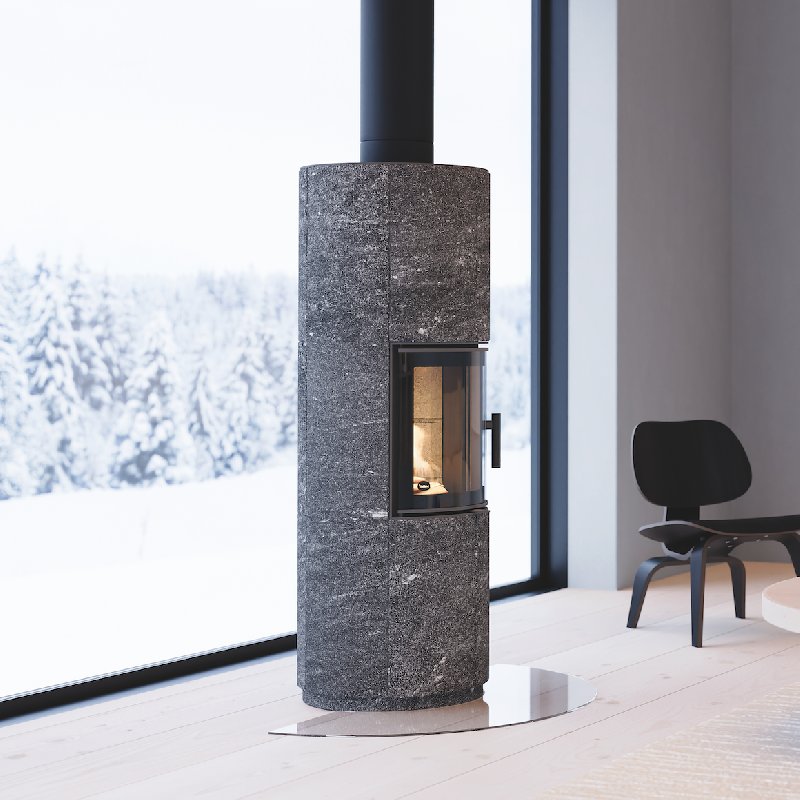
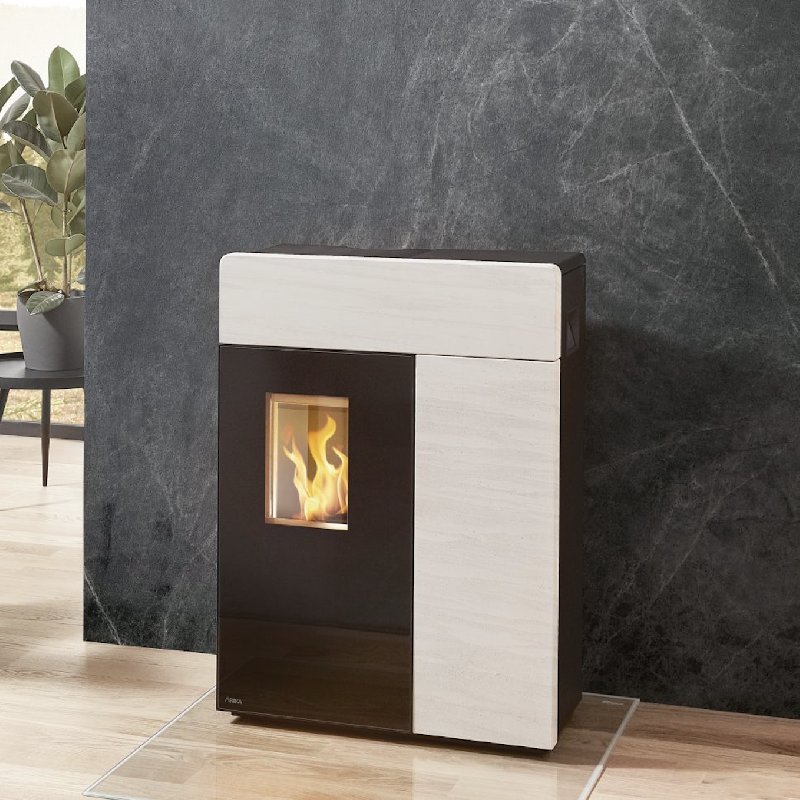
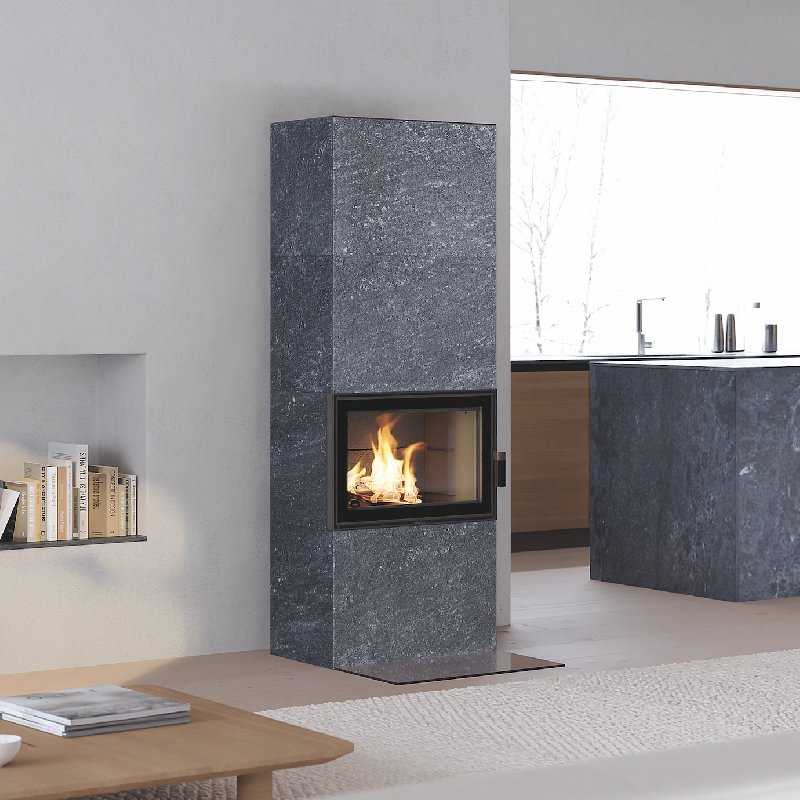
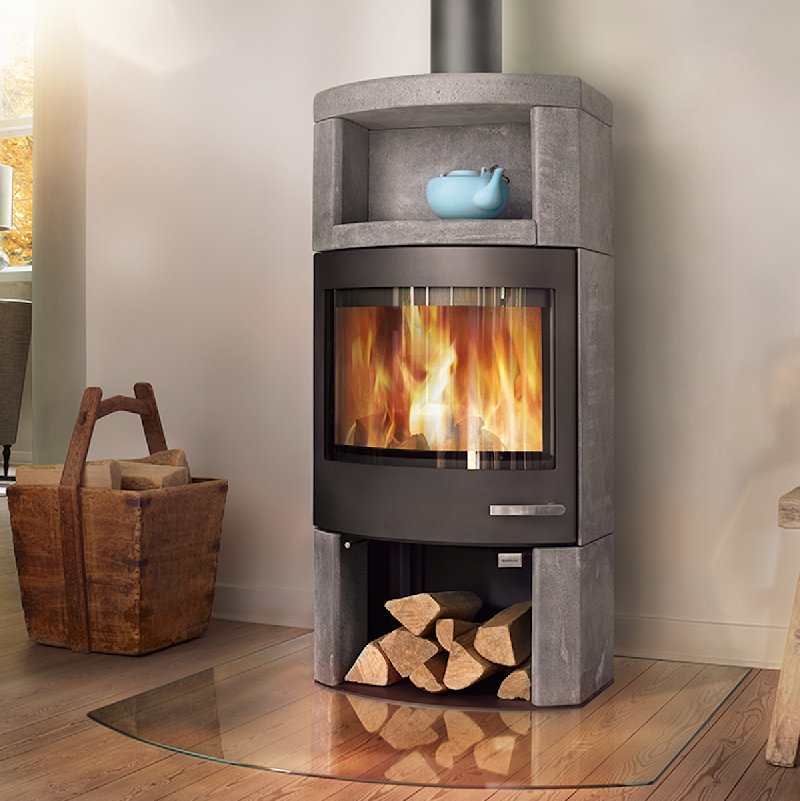
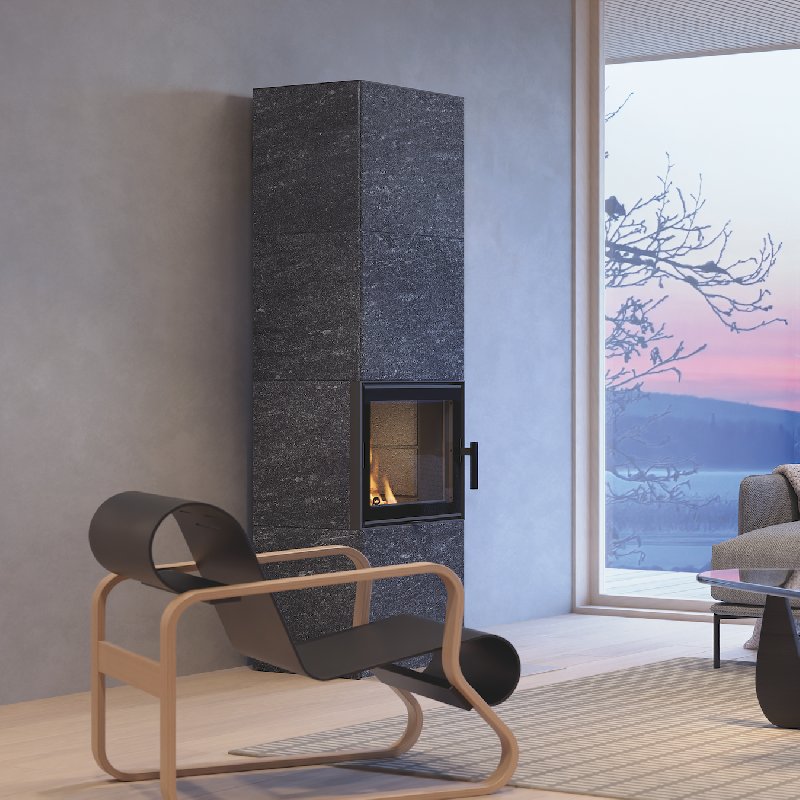
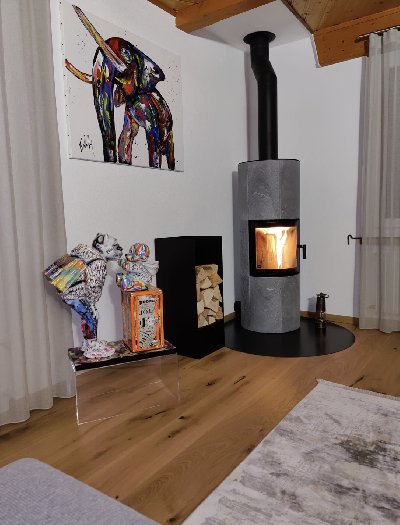
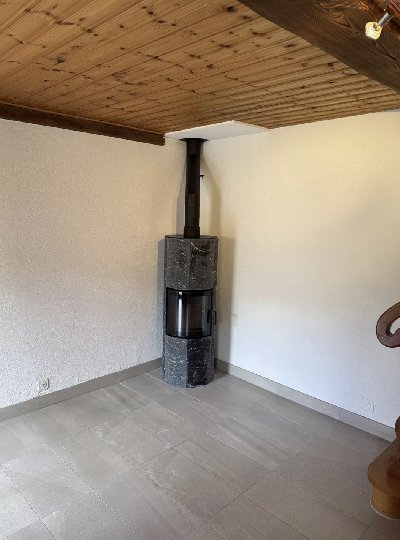
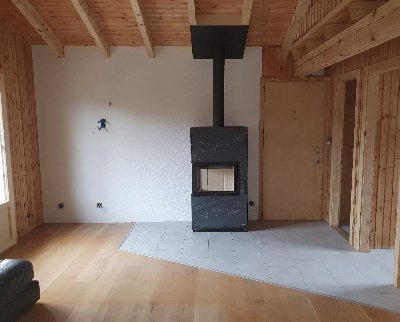
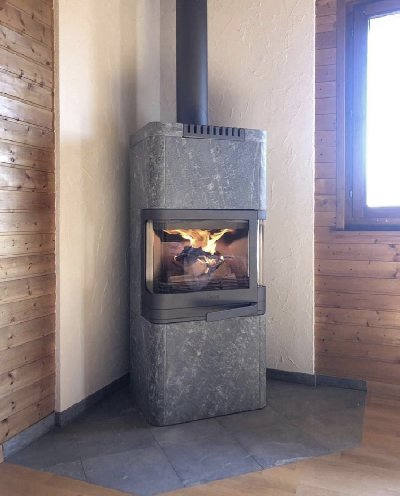
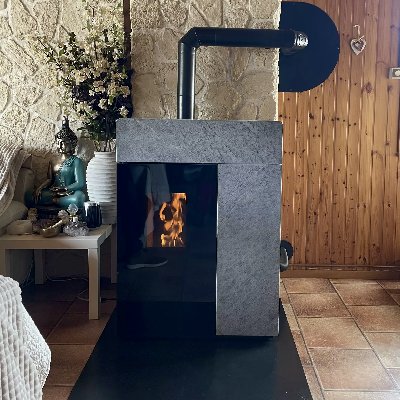
Finally, the storage stove—often clad in soapstone—stores heat within its mass and releases it slowly over many hours, sometimes lasting until the next day. It’s the ideal solution for gentle, continuous heating. These Scandinavian models, such as the Tulikivi Puro storage stove in our showroom, are particularly well-suited for well-insulated homes.
How to Choose Based on Usage
- Cozy supplemental heating: log-burning stove.
- Automated primary heating: pellet stove.
- Thermal mass and long-lasting heat: soapstone storage stove.
How much should you budget for your installation?
How much does a stove actually cost? The price varies widely depending on the technology and output. According to Boisreduc, you should expect to pay between 2,500 and 5,000 euros for a stove, with the investment paying for itself in five to seven years—or even less if fossil fuel prices continue to rise.
On top of this amount, you’ll need to factor in installation, the flue, and, in some cases, connection work. That’s why professional guidance helps you avoid unpleasant surprises. During our free in-home visit, we’ll assess your needs based on your floor plans or directly on-site, with no obligation.
| Stove Type | Estimated appliance cost | Main advantage | Available from us |
|---|---|---|---|
| Log-burning wood stove | 2,500 to 5,000 CHF | Bright flames, low fuel costs | Yes, showrooms in Fully and Etoy |
| Pellet stove | 3,000 to 5,000 CHF | Automation, control | Yes, consultation and installation |
| Storage stove | Based on quote | Thermal mass, long-lasting heat | Yes, including Tulikivi Puro |
Beyond the purchase price, consider the cost of fuel. In 2025, a metric ton of bulk pellets cost around 356 euros, with prices remaining generally stable throughout the year.
Efficiency and Energy Performance
A good stove is about more than just its design. The decisive factor remains efficiency—that is, the proportion of energy actually converted into heat. According to Boisreduc, stoves and boilers certified with the 7-star Flamme Verte rating achieve efficiencies exceeding 90%.
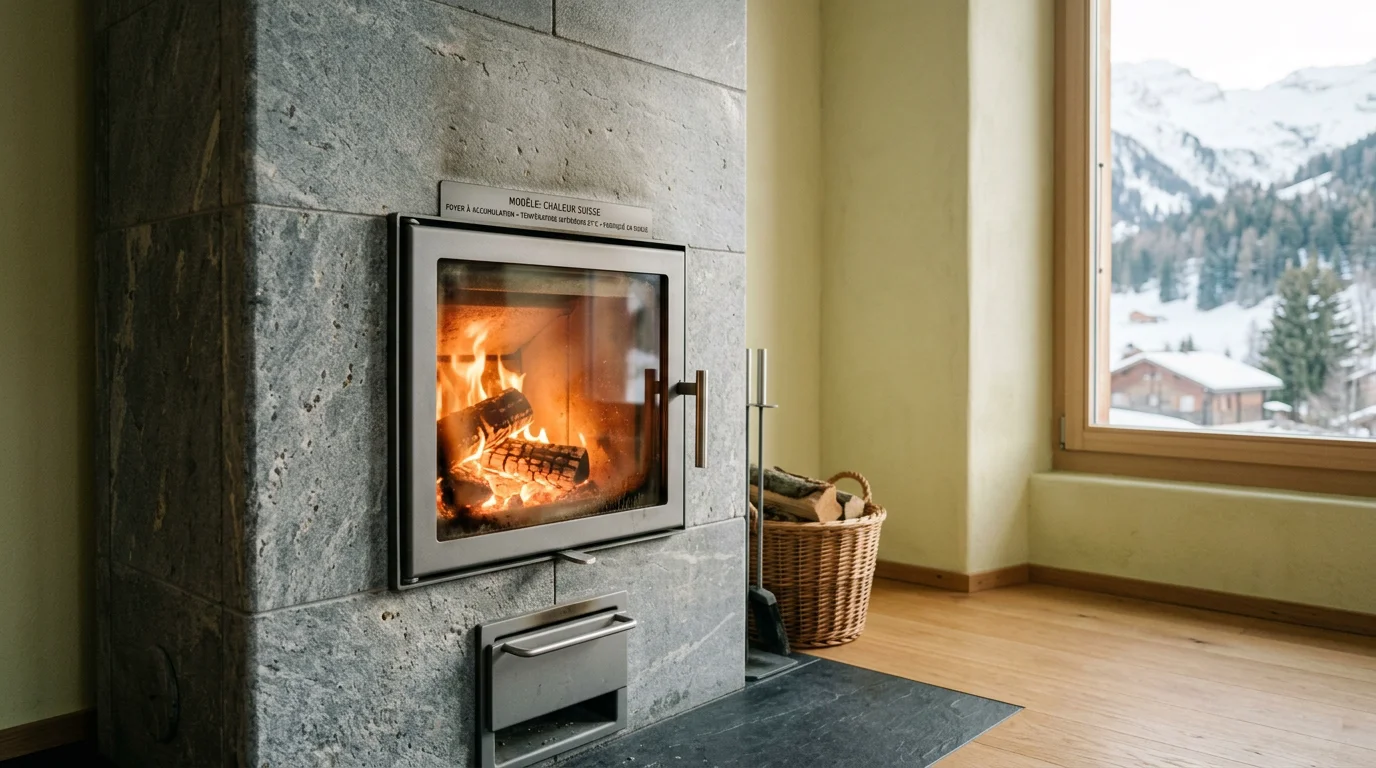
The higher the efficiency, the less fuel you use to produce the same amount of heat. Newer models also emit significantly fewer fine particles than older open fireplaces. A high-efficiency stove therefore offers a double benefit: for your wallet and for air quality.
The output, measured in kilowatts, must be tailored to the size and insulation of your home. An oversized unit clogs up quickly and operates poorly; an undersized model struggles to heat effectively. This is why it’s important to determine the correct size before purchasing.
Installation and Maintenance: Key Steps
A successful installation requires careful assembly, a properly installed flue, and a controlled first firing. This initial firing determines the appliance’s lifespan: to do it right, consult our guide on the first firing.
Regular maintenance is just as important. Mandatory annual chimney sweeping, cleaning the glass, emptying the ash pan, and—for pellet models—removing dust from the combustion chamber ensure long-lasting operation. Our installation teams ensure a clean job, protecting your home and cleaning up after the work is done.
Our in-house after-sales service is available to resolve issues related to pellet, wood, or gas appliances—a major advantage for homeowners who want a single point of contact throughout the entire lifespan of their system.
The Swiss Wood Heating Market
In Switzerland, wood energy plays a strategic role in the energy transition. According to Chauffage bois magazine, after two years of sharp fluctuations, the price of Swiss pellets has stabilized at a level slightly higher than pre-crisis levels, making it competitive once again with other energy sources.
The country actively promotes this heating method. Homeowners who replace a fossil-fuel system with a renewable one can receive financial support, even before their old equipment reaches the end of its lifespan. This is a compelling argument in Valais as well as in the canton of Vaud.
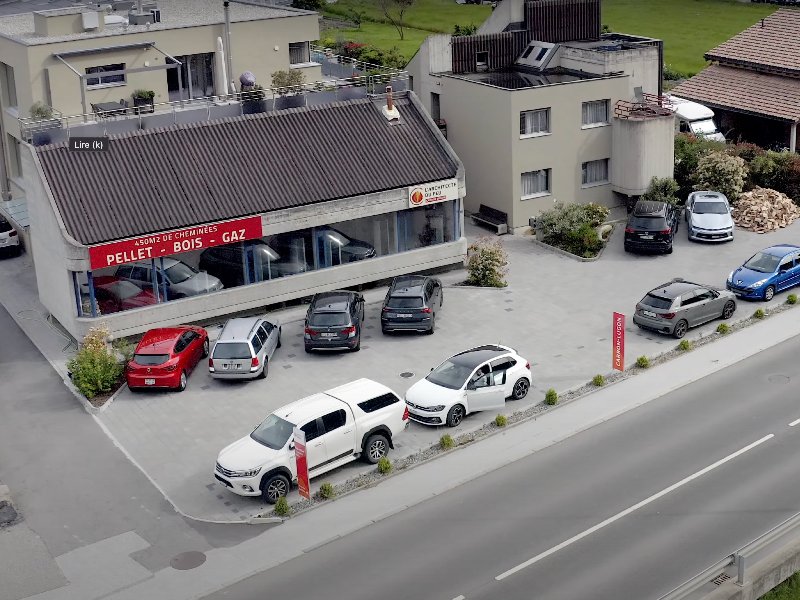
For households in French-speaking Switzerland, wood thus combines local value, affordable prices, and comfort. Our showrooms in Fully, Valais, and Etoy, in the canton of Vaud, allow you to compare wood-burning stoves, pellet stoves, and Scandinavian models under real-world conditions.
Conclusion
Choosing a heating stove comes down to balancing comfort, budget, and intended use. Logs appeal for their authenticity, pellets for their automation, and storage stoves for their thermal mass. With efficiency ratings exceeding 90% for certified units and a projected 36% increase in pellet stove sales by 2025, the trend is clear: wood heating combines performance and economy. The best approach is to select an appliance sized appropriately for your home and have it installed by professionals. With our free consultation, our open-access showrooms, and our meticulous installation teams, you can move forward with confidence, from assessing your needs to after-sales service. To take the plunge, discover our Tulikivi Puro storage stove and envision your future home.
Frequently Asked Questions
Which stove provides heat for the longest time?
A storage stove, often made of soapstone, stores heat within its mass and releases it slowly—sometimes lasting until the next day. It’s the ideal choice for gentle, continuous heat in a well-insulated home.
How much does it cost to install a stove?
Expect to pay between 2,500 and 5,000 CHF for the stove itself, not including installation or the flue. During our free in-home visit, we’ll assess your needs and develop a customized plan, with no obligation.
Is pellet heating cost-effective?
Yes. In 2025, pellets cost around 7.5 to 8 centimes per kWh, often less than electricity or gas. Combined with high efficiency, it offers a return on investment in five to seven years.