

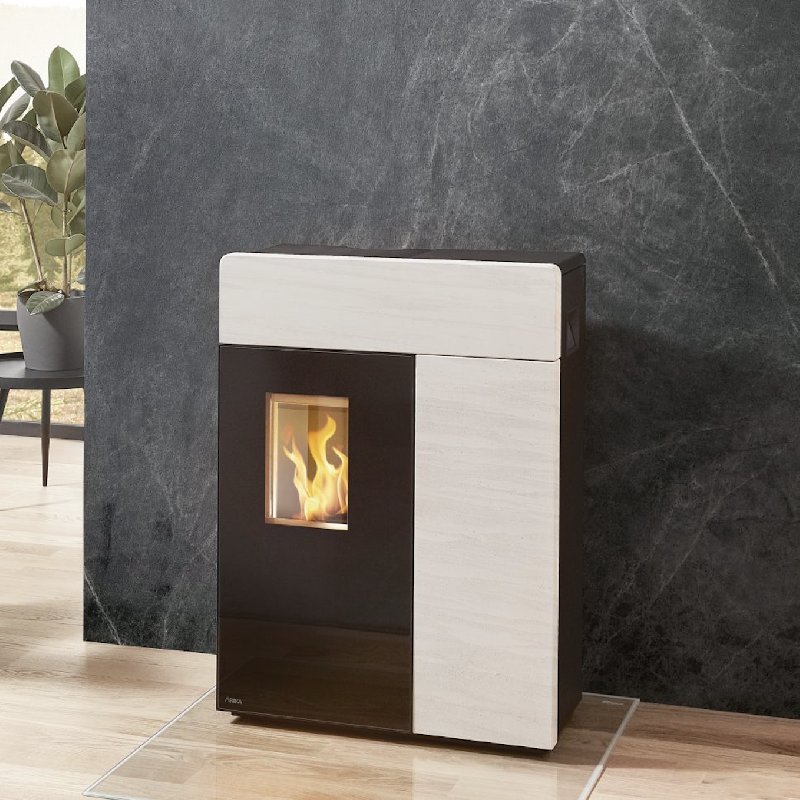
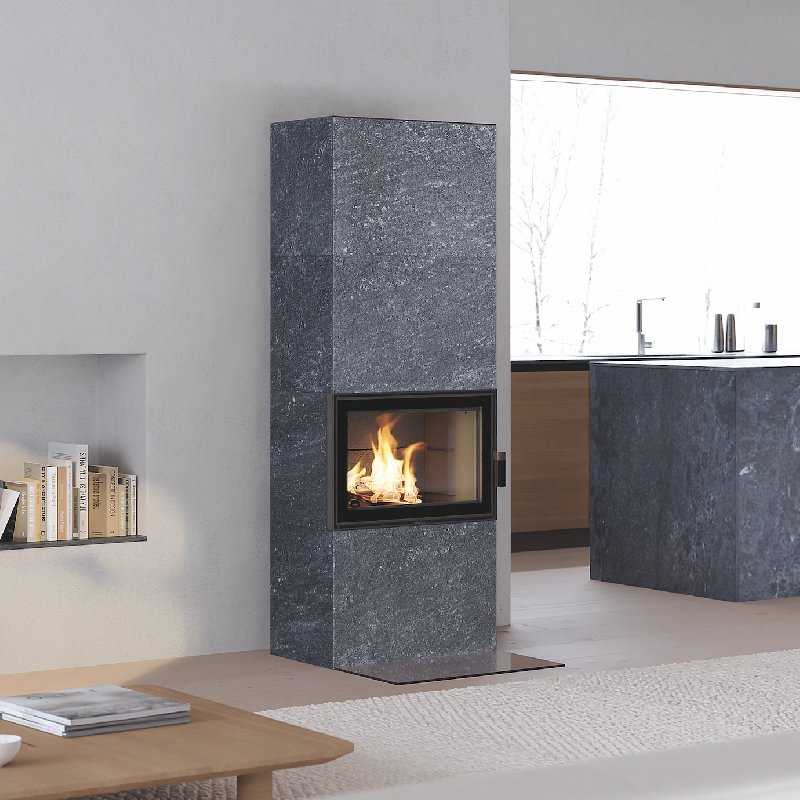
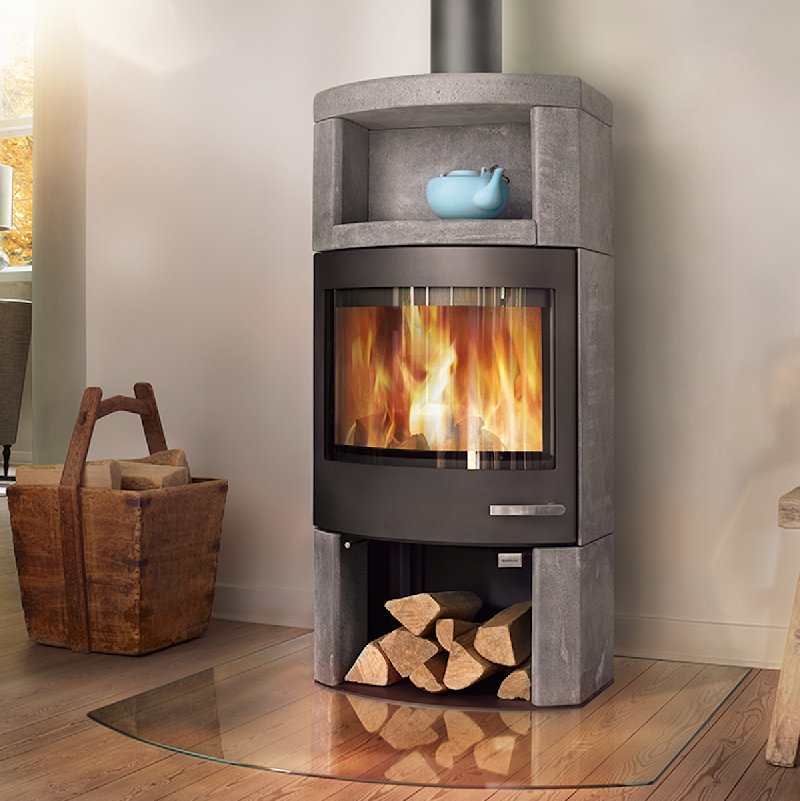
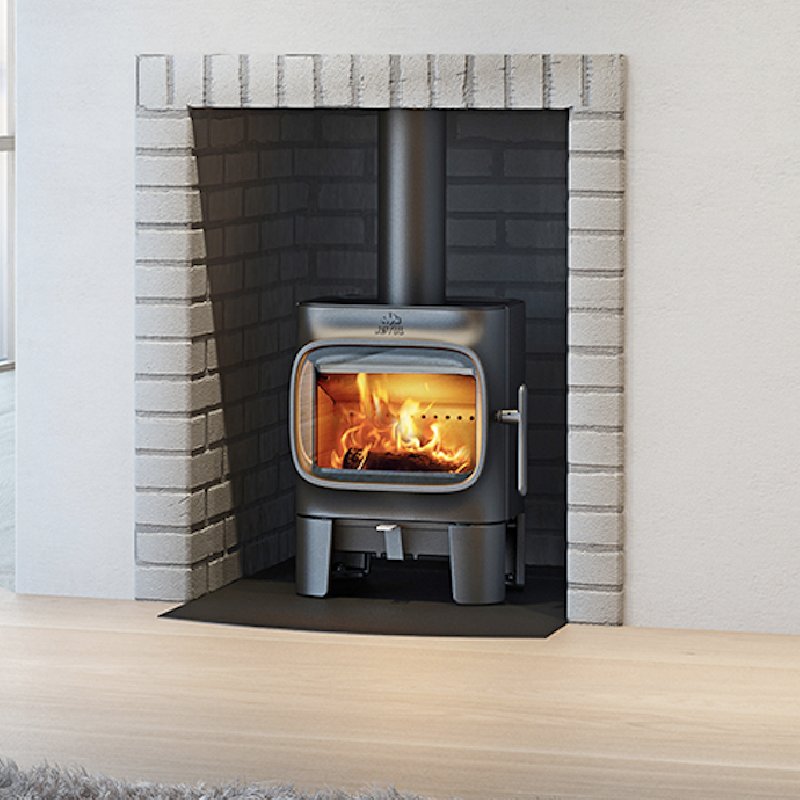
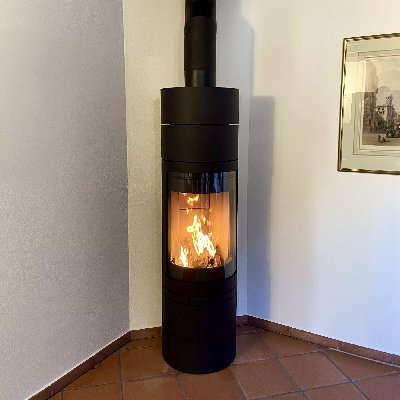
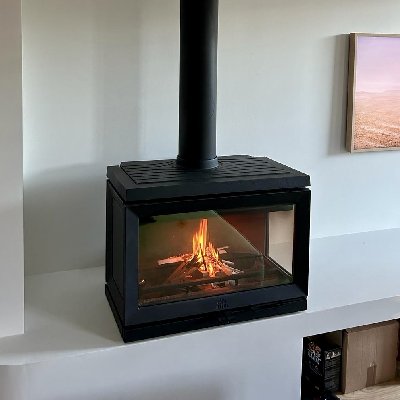
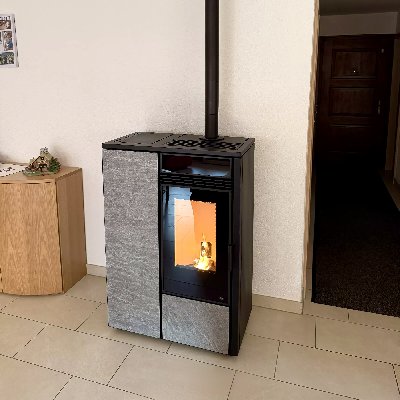

Do you really have to choose between the crackling of a wood fire and the simplicity of programmable heating? More and more households in French-speaking Switzerland are saying no. Combi wood and pellet stoves eliminate this dilemma by combining two technologies in a single unit. Before comparing models, it’s helpful to recall what distinguishes our wood stoves from a hybrid system.
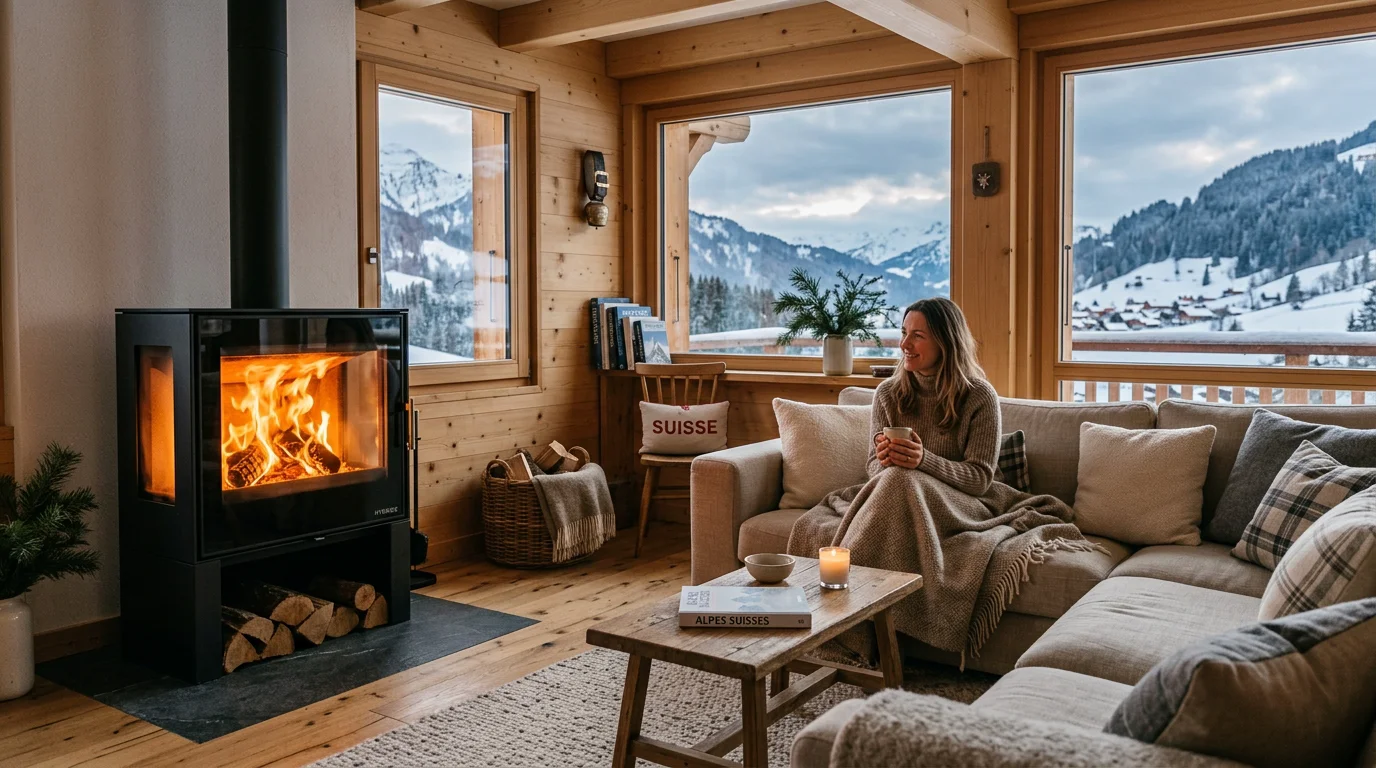
The concept is appealing because it meets two seemingly contradictory needs: the sensory pleasure of a real fire and the need for everyday comfort. You load logs when you’re at home and let the pellets take over when you’re away. This guide details how they work, their performance, the cost, and the criteria for choosing the right one to ensure a successful project.
What is a dual-fuel stove, and how does it work?
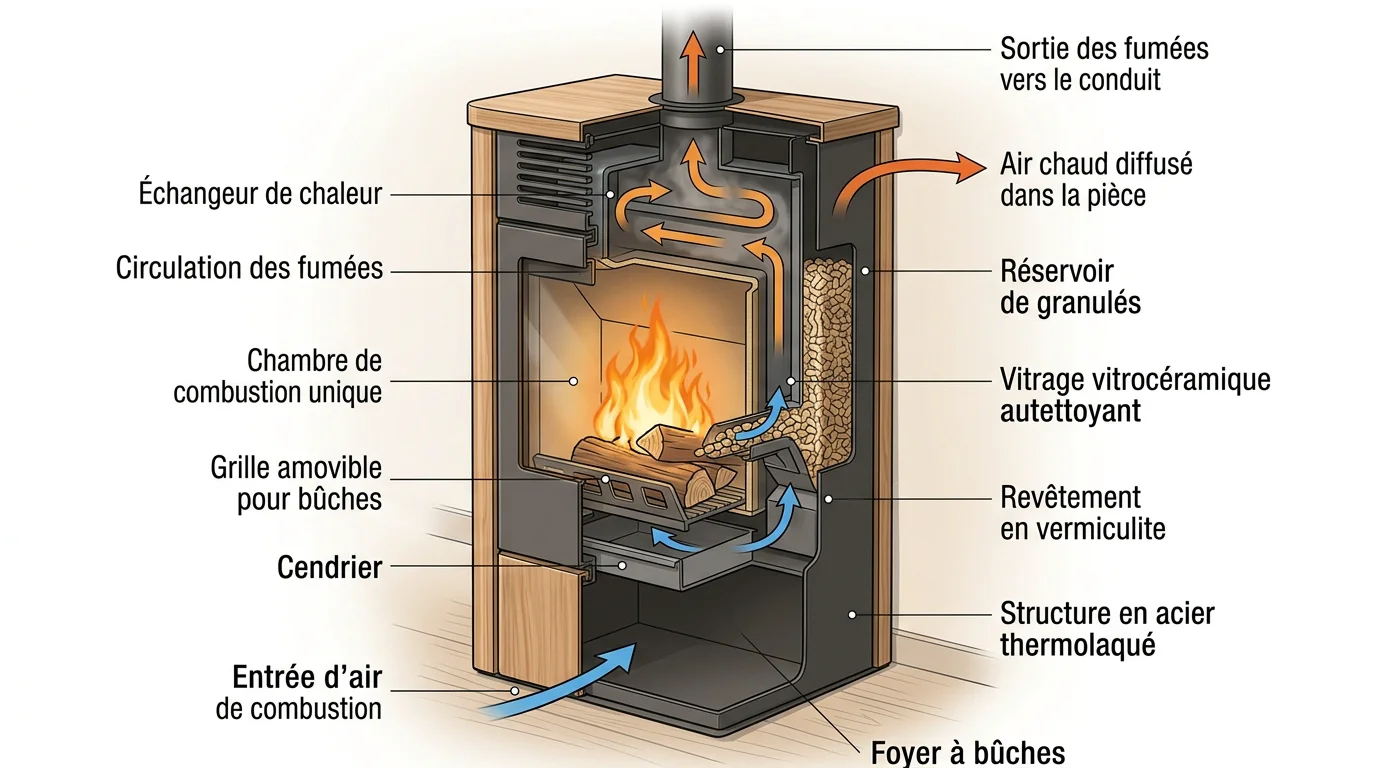
A dual-fuel stove, also known as a hybrid stove, combines a combustion chamber designed for logs with a burner dedicated to pellets. A flame sensor automatically detects the fuel being used. The stove then adjusts its operating mode without any action on your part.
In pellet mode, ignition is automatic: a heating element ignites the air-pellet mixture, while a blower directs the flue gases toward a heat exchanger. In log mode, combustion air enters from below and above the firebox to ensure dual combustion, with the flue gases exiting via natural draft.
The true ingenuity lies in the interaction of the two energy sources. Pellets can be used to ignite the logs, then resume heating once the firebox is no longer loaded. Be wary of marketing claims, however: some so-called “hybrid” units are limited to a simple pellet hopper, with no electronics or true transition between fuel types.
Wood or pellets: the benefits combined in a single appliance
The pellet stove has eliminated the chore of handling logs thanks to an automatic feed system and programmable settings. The wood-burning stove, on the other hand, retains the charm of a roaring fire and offers total independence from the electrical grid.A dual-fuel stove lets you choose based on your mood at the moment and the price of the fuels.
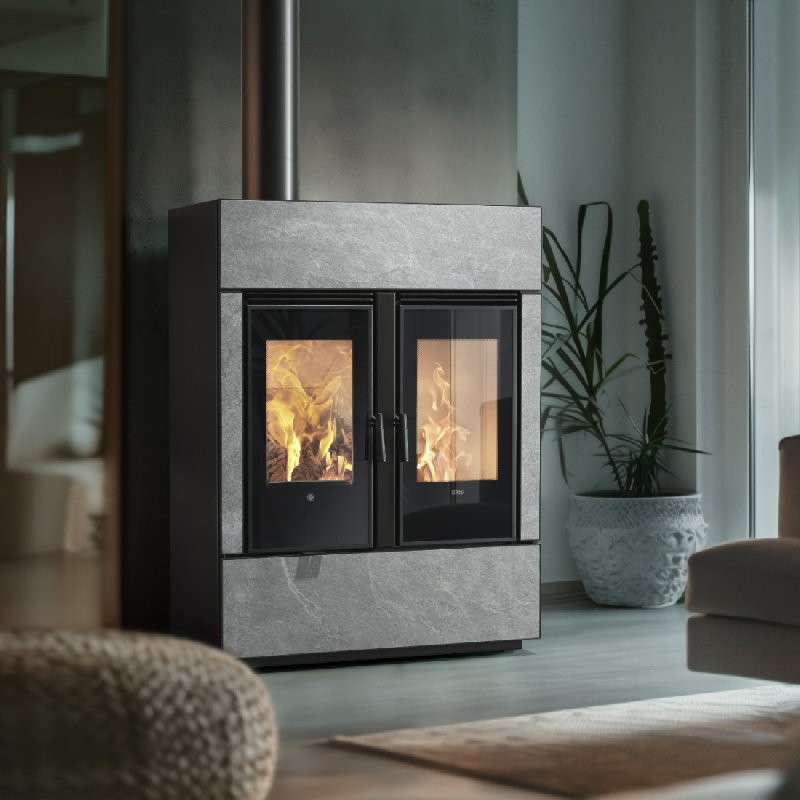
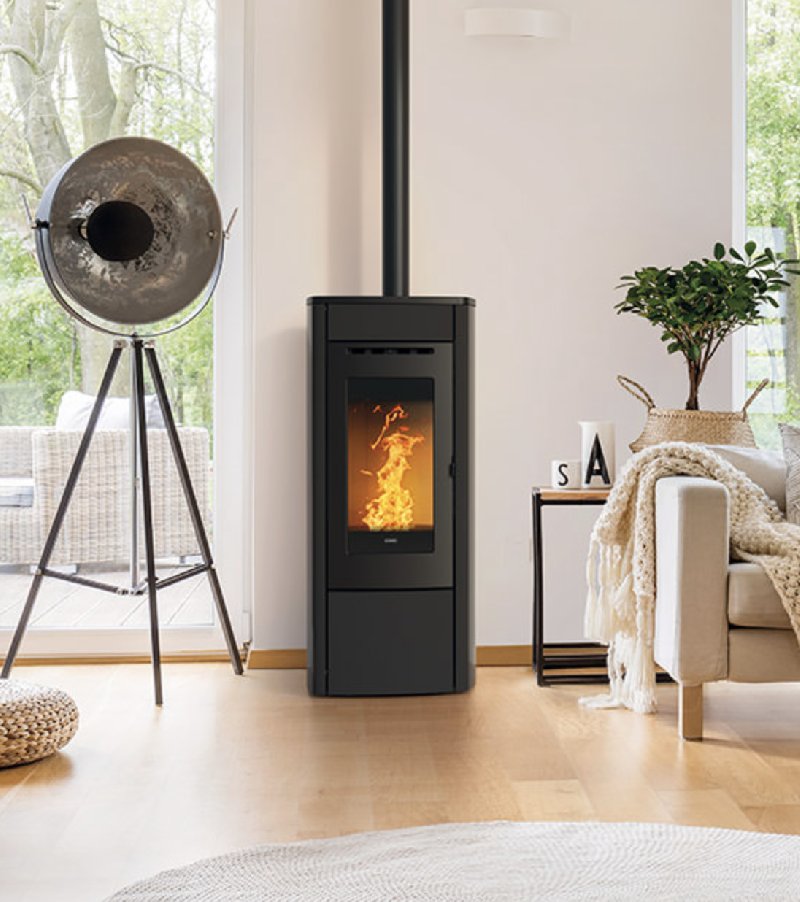
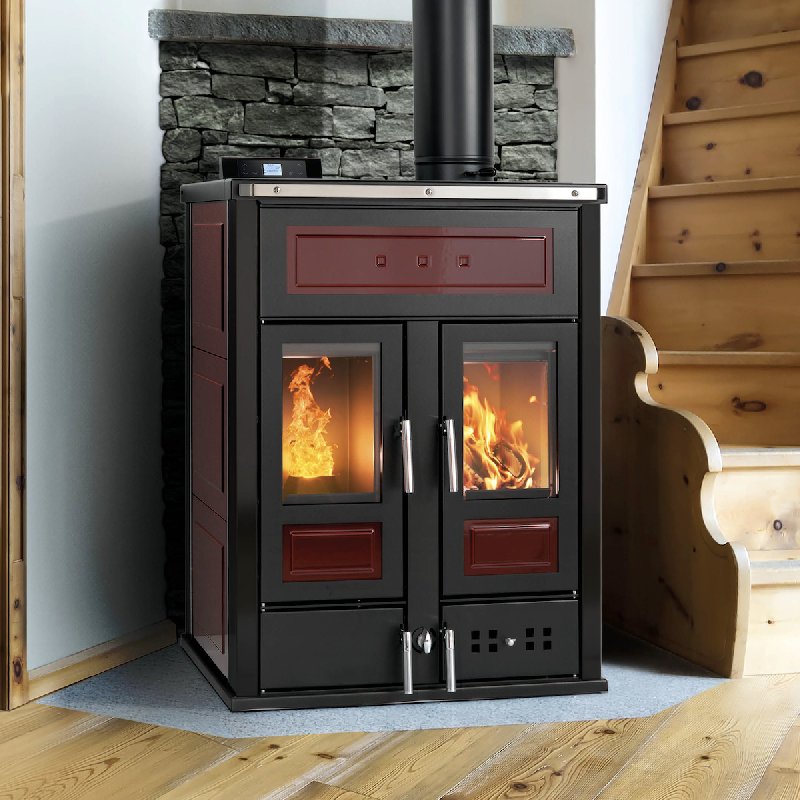
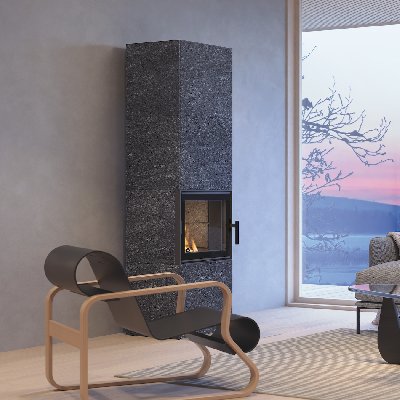
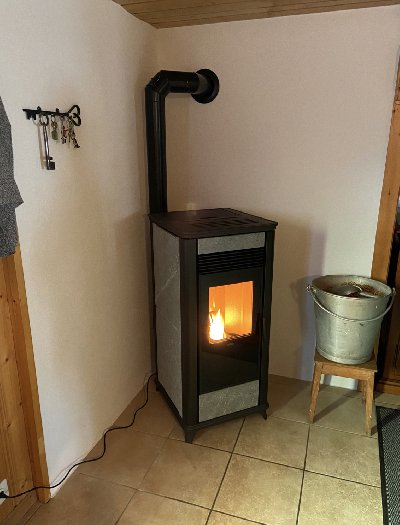
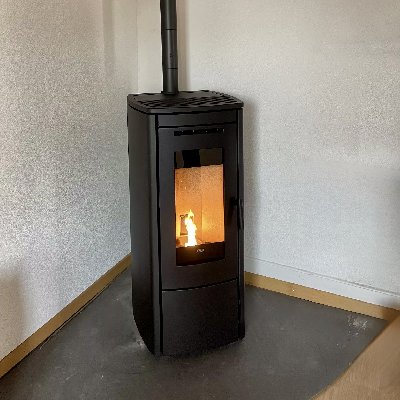
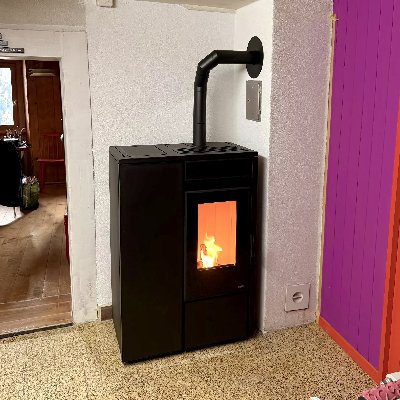
In practice, many users set the stove to run on pellets when they’re away (at night or during the workday) and reserve firewood for when they’re at home. This way, you get to enjoy the pleasure of a fire while freeing yourself from the hassle of constantly refueling. For a contemporary look, our Klover Dual Air dual-fuel stove perfectly exemplifies this dual approach to comfort and automation.
However, this compromise has a downside: the versatility is only worthwhile if you actually use both modes. If you never use logs, a pellet stove alone will suffice. A hybrid stove is particularly justified when wood accounts for a significant portion of your heating needs.
Efficiency and Energy Performance
The design of a hybrid stove often prioritizes log combustion, featuring a large combustion chamber and a suitable flue system. Efficiency is around 80% in wood mode and climbs above 90% in pellet mode. According to a specialized comparison, high efficiency means less fuel consumed for the same amount of heat.
To achieve these figures, fuel quality is crucial. Aim for logs with about 20% moisture content, which requires drying for eighteen to twenty-four months in a ventilated, sheltered area. For pellets, choose those with a calorific value above 5 kWh/kg and ensure they are stored in a completely dry environment.
Heat is distributed through convection and radiation. Some models are ductable and can heat one or two adjacent rooms using additional fans. Others rely on natural convection, which is quieter, to provide gentle heat.
How much should you budget for a dual-fuel stove?
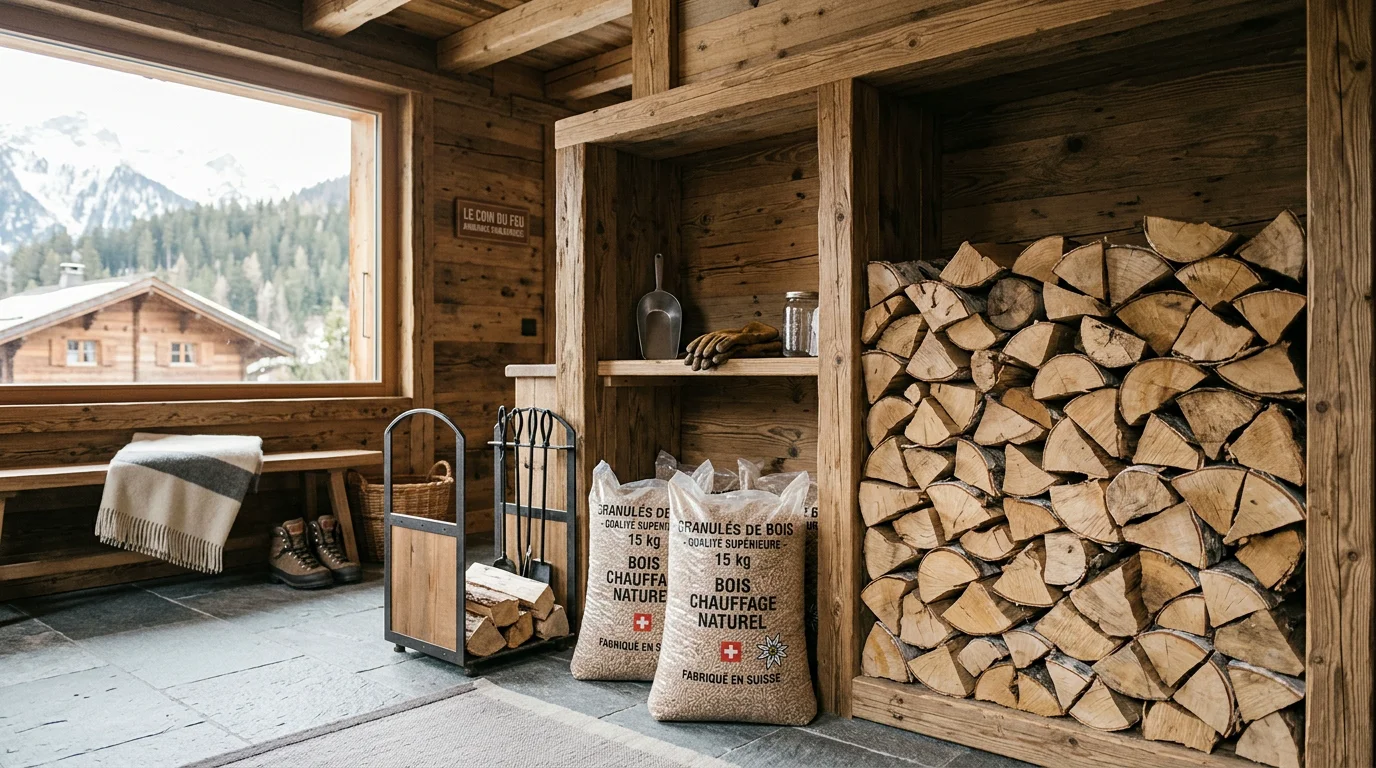
A dual-fuel stove costs more than a standard pellet stove, which has an average price of around 3,500 euros. Generally, expect to pay between 3,000 and 10,000 euros for a hybrid model; the dual technology and relative rarity of these units account for this price range. It’s therefore a good idea to also get quotes for “wood-only” or “pellet-only” solutions to help you make an informed decision.
The profitability calculation depends heavily on fuel prices, which remain volatile. In France, a parliamentary question noted that the price of a metric ton of pellets had risen from about 280 euros in July 2021 to nearly 500 euros in August 2022. This sharp increase eroded household confidence before the market saw a marked recovery.
To recoup your investment, you should use the log mode as often as possible, since wood remains the least expensive fuel per kWh. A hybrid stove is particularly well-suited as a replacement for electric heating. Always request several quotes to compare offers and features.
Self-Sufficiency and Wood Heating: An Asset in Switzerland
The main advantage of hybrid stoves is energy independence. The wood-burning mode remains operational during power outages, and you can secure your supply by building your own wood stockpile. In a tense energy climate, this independence is becoming a top priority for homeowners.
Wood energy relies on a solid local resource. According to proPellets.ch, forest management and the wood industry employ nearly 100,000 people in Switzerland, often in outlying regions. Pellet production also makes use of wood waste from sawmills.
The resource remains abundant: according to the Federal Statistical Office, as reported by prixpellets.ch, the timber harvest in Switzerland reached nearly 4.9 million cubic meters in 2025. Choosing a dual-fuel stove, therefore, means opting for a renewable energy source that is deeply rooted in the local community.
Installation, Maintenance, and Choosing Your Dual-Fuel Stove
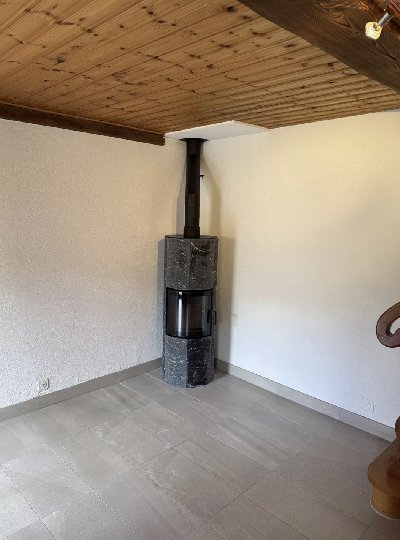
Installation requires a professional trained in the product. A dedicated air intake is essential—ideally drawn from outside—and the flue must be suitable for both fuels, with a standard diameter of 130 to 150 mm. The draft must be checked during commissioning; it is often around 12 Pa at maximum output.
As for maintenance, plan for regular cleaning of the glass and burner, weekly emptying of the ash pan, and a complete annual service by a professional (chimney sweeping, cleaning the flue, and inspecting the seals). A heavy-duty model—sometimes weighing over 300 kg—also requires planning for storage space for both fuels.
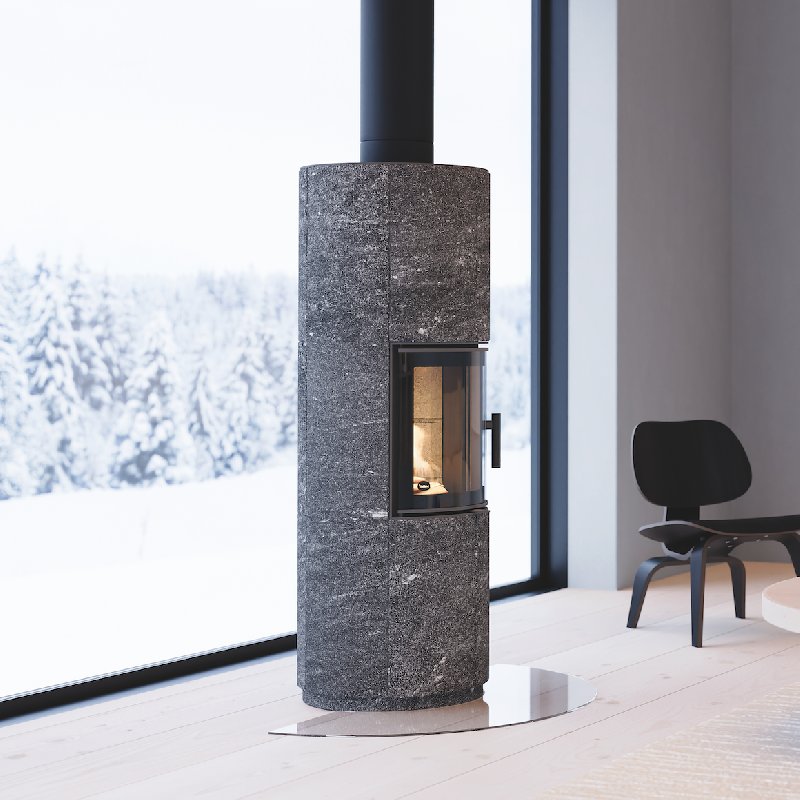
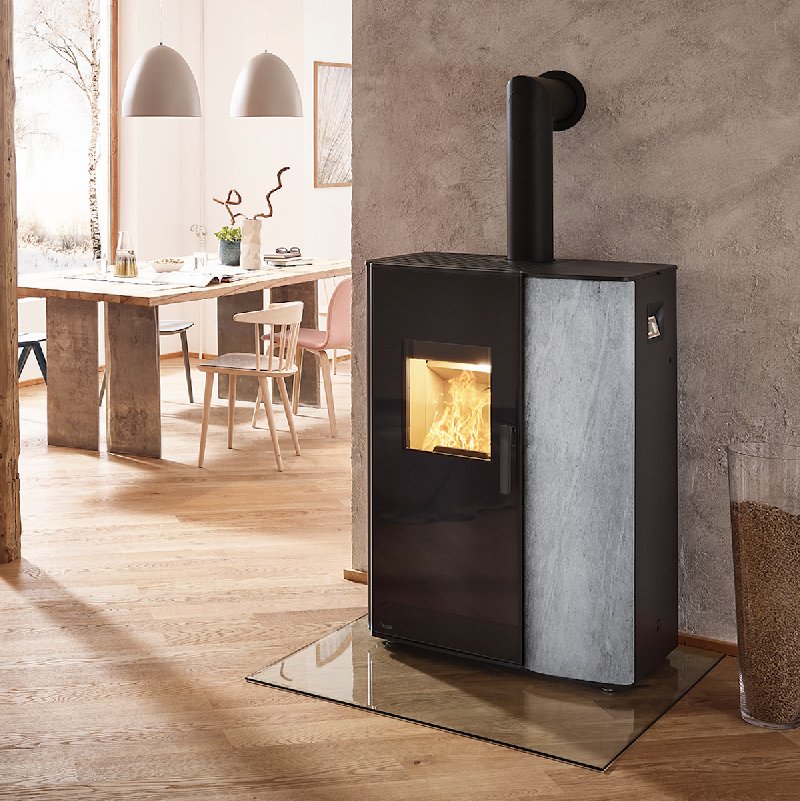
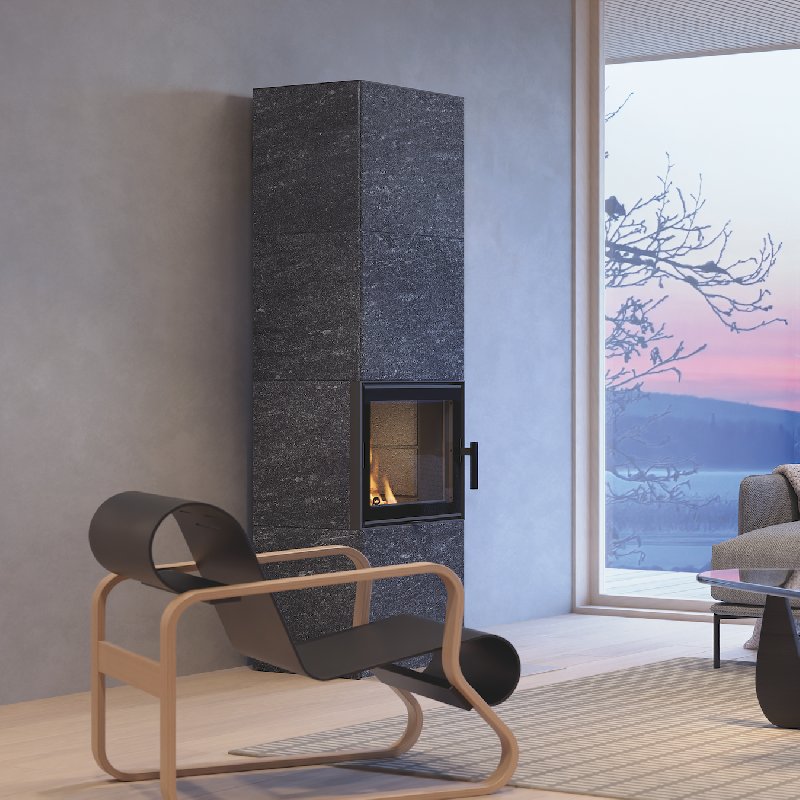
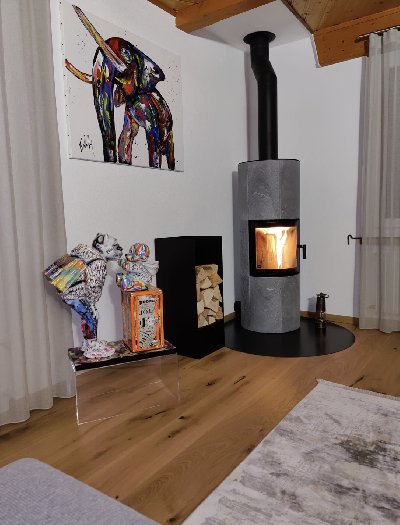
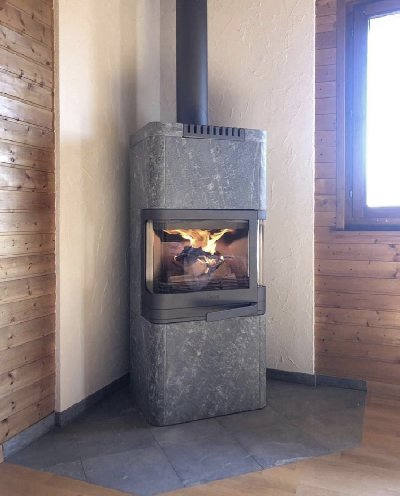
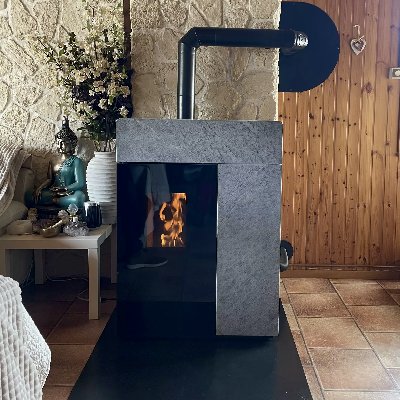
After-sales support is crucial, as a less common appliance is harder to repair. That’s why we recommend choosing a brand with a strong local presence and an installer who provides service. For a cozy, heat-retaining soapstone finish, our Klover DIVA Duo dual-fuel stove meets these requirements for comfort and durability.
Our advice for a successful project in French-speaking Switzerland
Hybrid stoves aren’t for everyone: they make the most sense if you truly alternate between firewood and pellets. First, assess your access to firewood, your storage space, and how often you’re away from home on a daily basis. If wood makes up a significant portion of your heating needs, a hybrid stove offers an excellent balance of enjoyment, autonomy, and efficiency. Otherwise, a simpler solution—such as a wood-burning stove or a pellet stove—will be more economical and just as satisfying. In any case, precise sizing and proper installation remain the key to efficient and long-lasting heating.
Take the plunge with Carron-Lugon
Still torn between the charm of wood and the convenience of pellets? That’s exactly where our expert guidance makes all the difference. We assess your needs based on blueprints or during a free, no-obligation in-home visit to guide you toward the solution best suited to your home in Valais, the canton of Vaud, or Geneva.
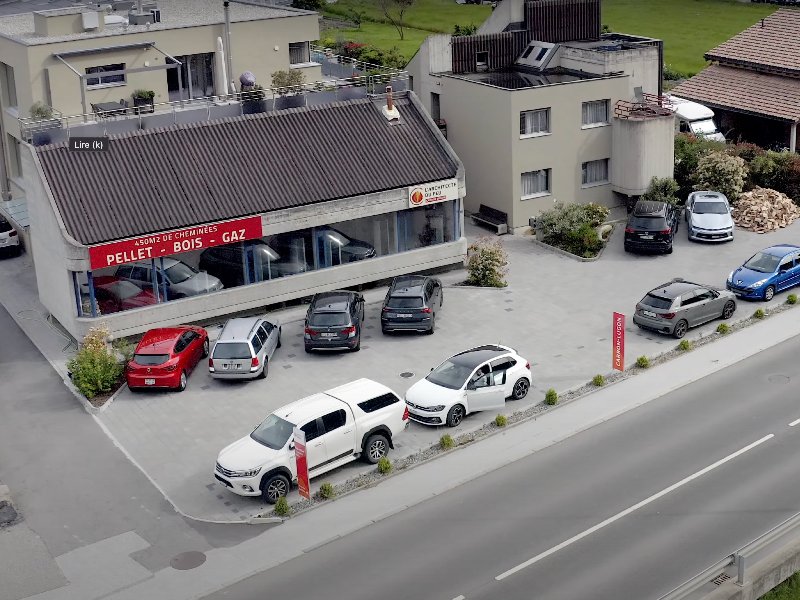
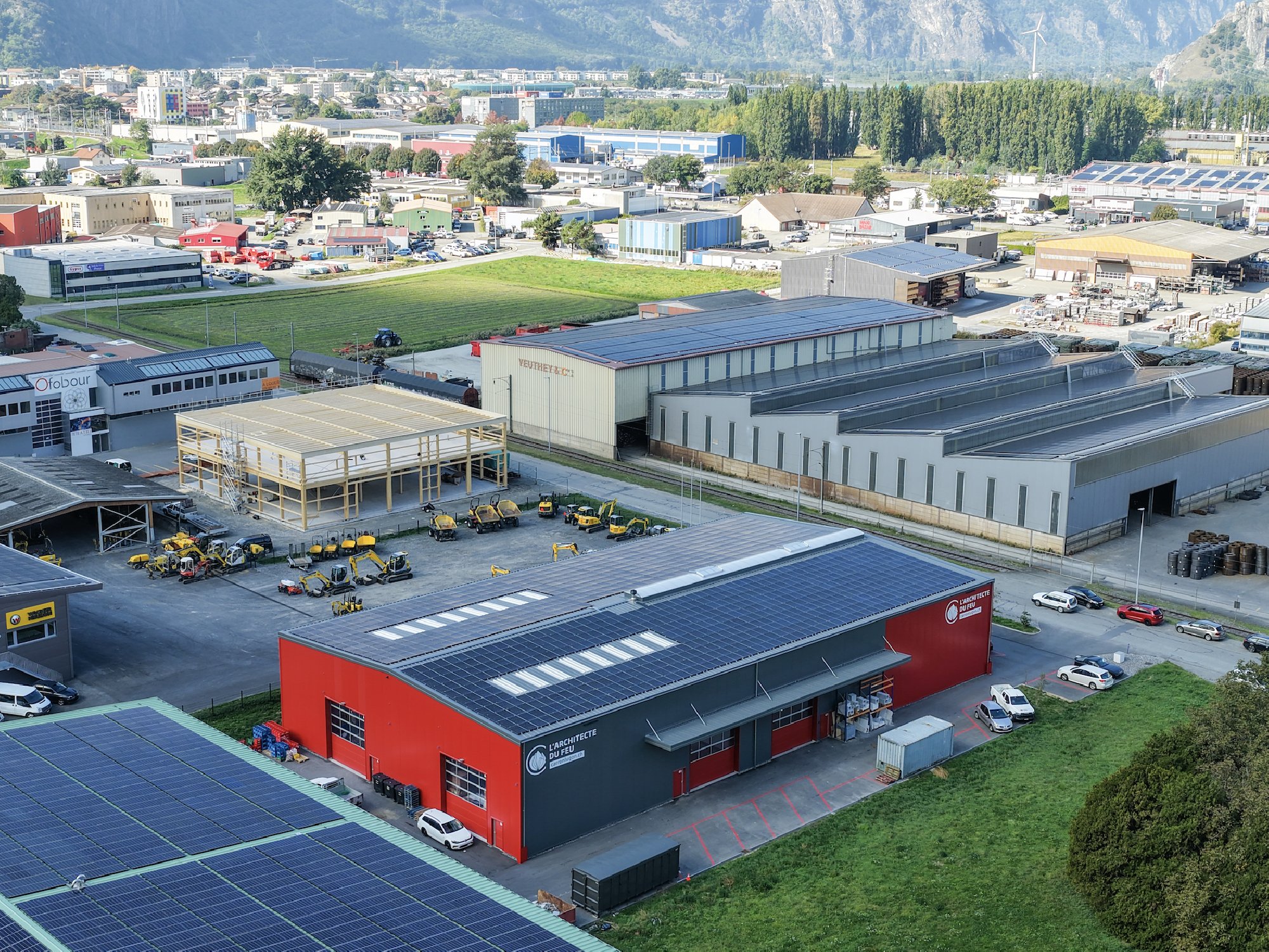
From organizing the installation to coordinating with architects, right through to our in-house after-sales service, we handle your project professionally from start to finish. Discover our wood and pellet heating solutions and come talk with our advisors at our showrooms in Fully and Etoy.
Frequently Asked Questions
Does a dual-fuel stove really work without electricity?
Yes, in log mode, most models operate using natural draft and remain functional during a power outage. However, sufficient chimney draft—often at least 12 Pa—is required. Pellet mode, on the other hand, requires electricity for the feed mechanism and electronics.
Is the switch from wood to pellets automatic?
On advanced models, a flame sensor detects the fuel, and the pellet feed takes over when the log fire goes out. You therefore don’t need to make any adjustments to switch modes. Entry-level models do not always offer this automatic transition.
What is the efficiency of a hybrid stove?
It’s generally around 80% in wood mode and often exceeds 90% in pellet mode. These performance levels require high-quality fuel, specifically dry logs and pellets stored in a dry place. Good efficiency directly reduces your fuel consumption.
Do you need a lot of space to store fuel?
You’ll need to plan for space for both logs and pellets, as the pellets must be kept dry at all times. The stove itself is often bulky due to its pellet hopper. However, you can purchase pellets on an as-needed basis if your space is limited.
Is a dual-fuel stove cost-effective?
It is, especially if you use firewood regularly, since wood is the cheapest fuel per kWh. Its higher purchase cost pays for itself even more quickly if it replaces electric heating. Compare several quotes and solutions before making your decision.