

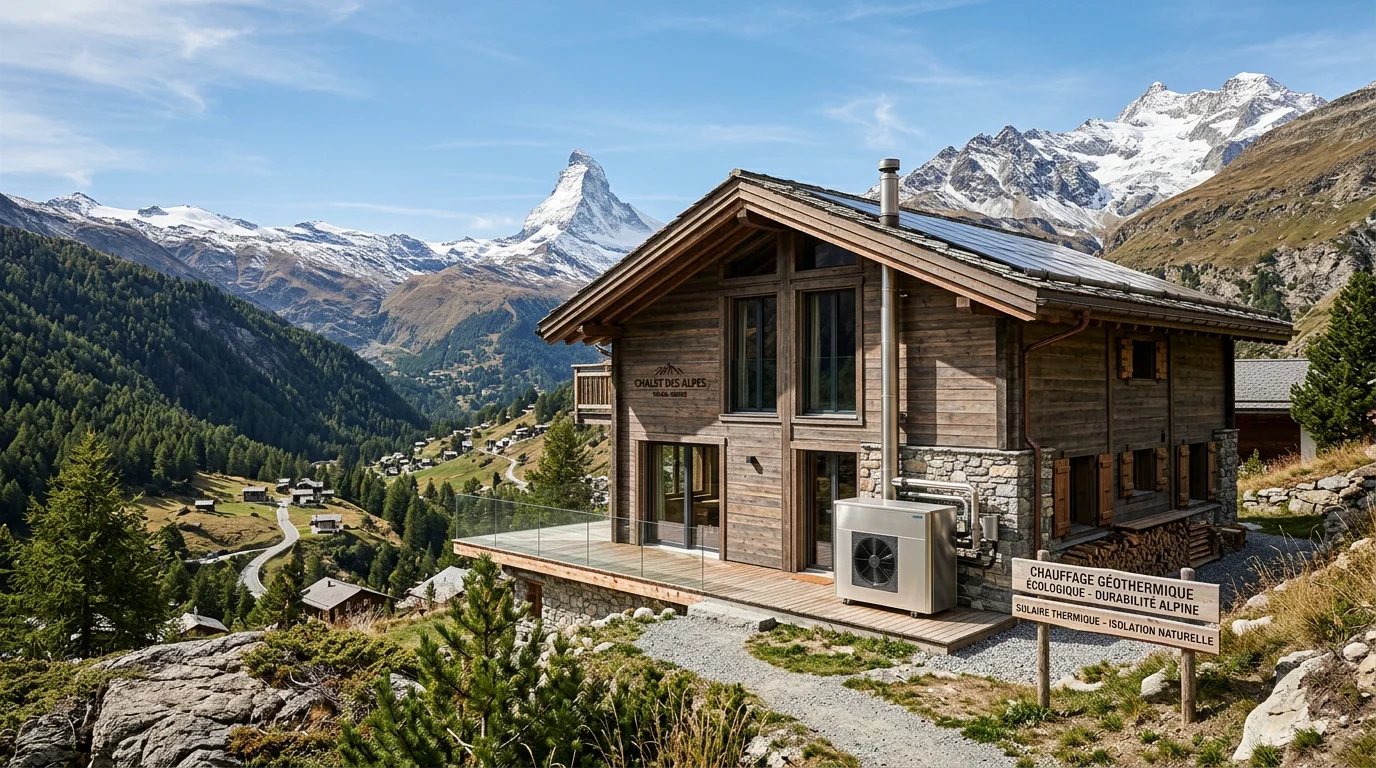
Up to CHF 9,000 to switch from heating oil: in the canton of Valais, phasing out fossil fuel heating has never been more heavily subsidized. However, you must submit a complete application, including the required technical documentation, such as our Boiler Performance Declaration (DOP). Without these documents, an application may be rejected before it is even reviewed.
Heating subsidies in Valais are based on the Buildings Program, a national initiative implemented on a canton-by-canton basis. According to a comparison of Valais subsidies, the 2026 rates cover heat pumps, wood-fired heating, and insulation. Understanding these amounts means avoiding leaving several thousand francs on the table.
How much do these subsidies amount to in Valais in 2026?
Heating subsidies in Valais are organized around three main categories of measures: heating system replacement, building envelope insulation, and comprehensive renovation. The amounts vary depending on the measure chosen and the area involved.
For a heat pump replacing a fossil-fuel boiler, the Valais subsidy starts at around CHF 9,000. Thermal insulation is subsidized at a rate of CHF 70 per square meter, and a complete renovation aimed at achieving Minergie standard or a CECB rating upgrade can reach CHF 260 per square meter of energy reference area. These limits are not unlimited: according to the manufacturer Stiebel Eltron, the cantonal subsidy for a heat pump cannot exceed 40% of the total investment.
In practice, for a complete renovation of a single-family home, the total subsidies often range from CHF 19,000 to CHF 32,000, depending on the size of the home and the measures chosen. These figures are approximate and depend on your specific building.
Which heating systems are eligible?
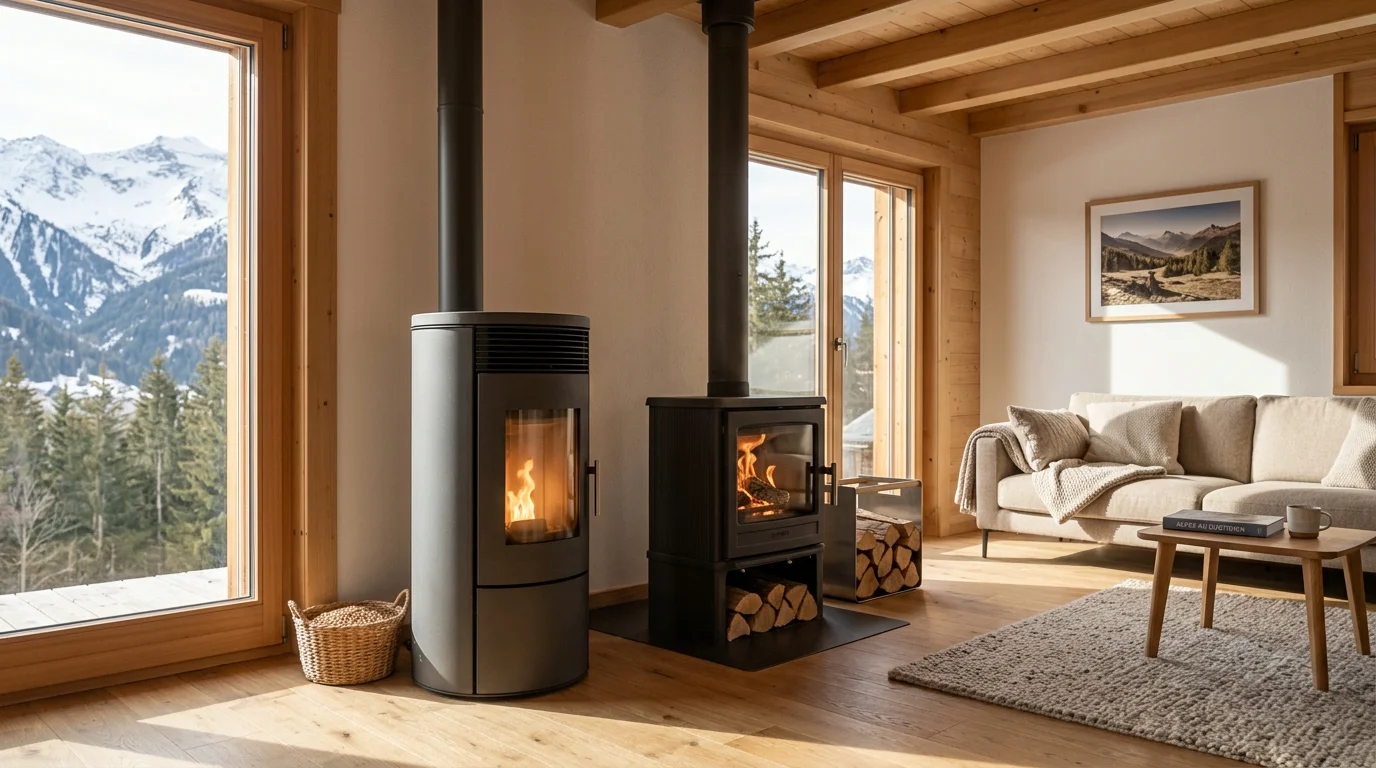
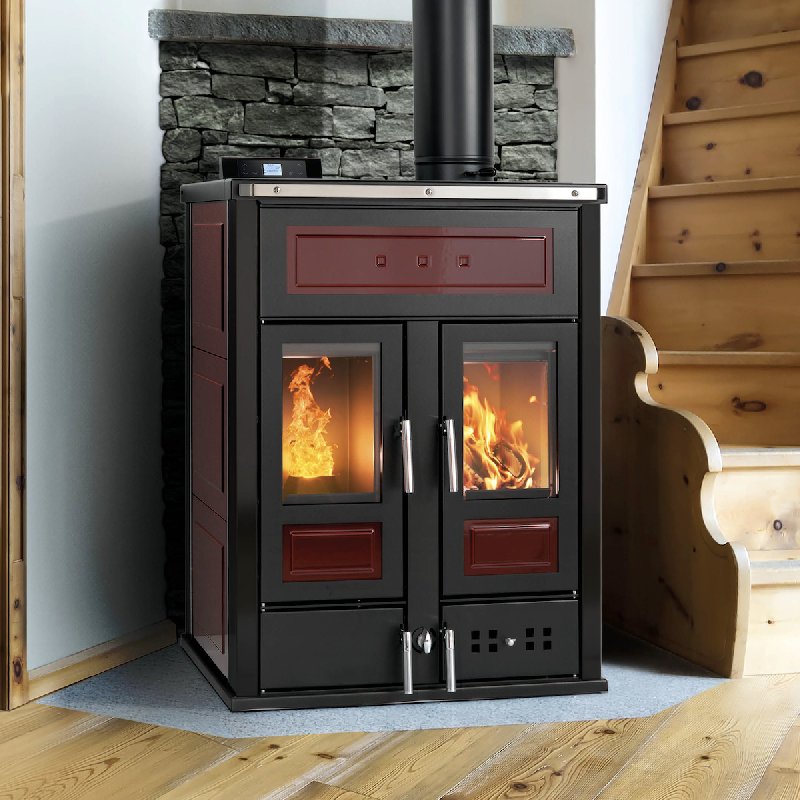
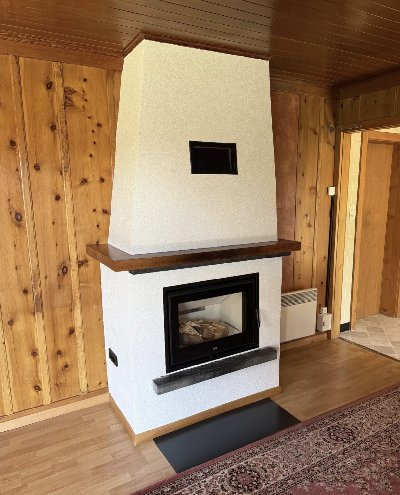
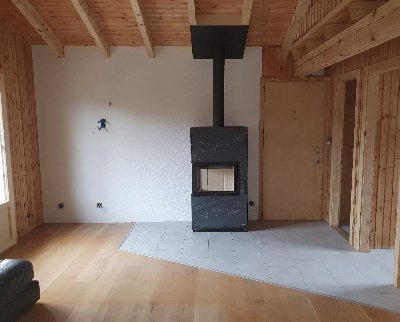
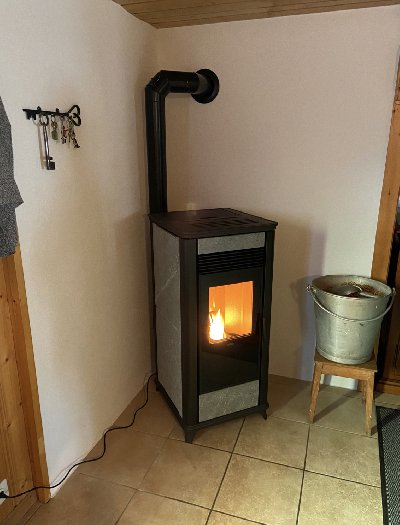
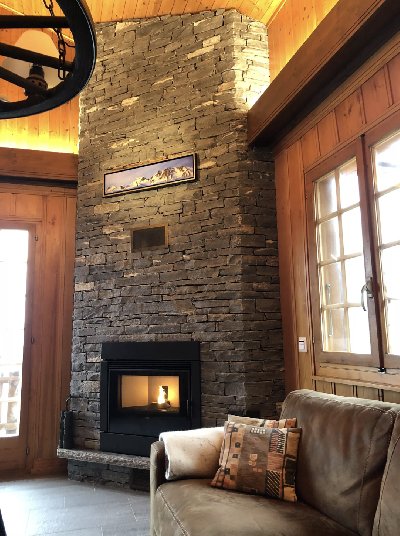
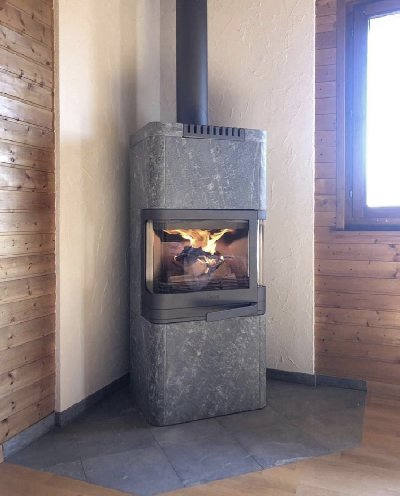
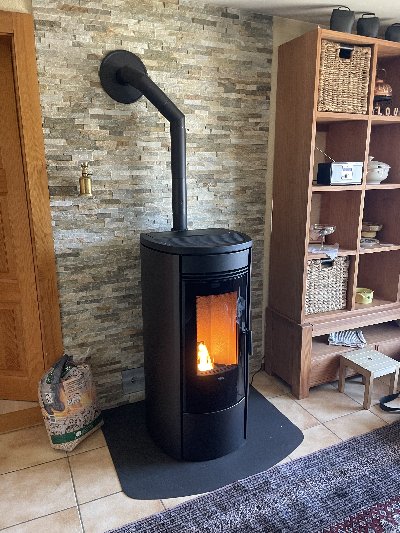
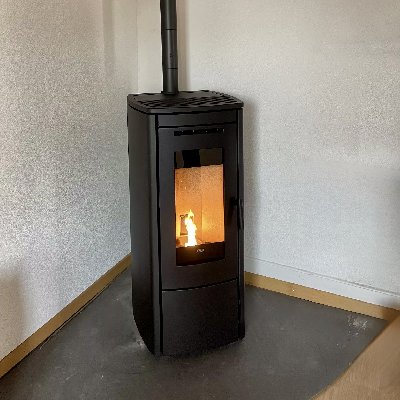
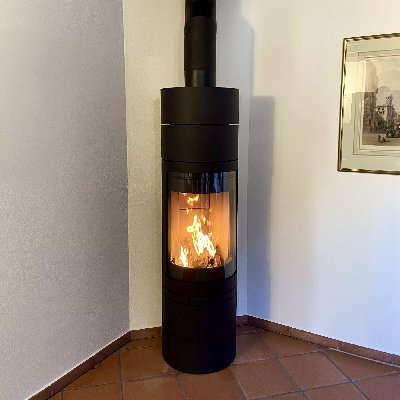
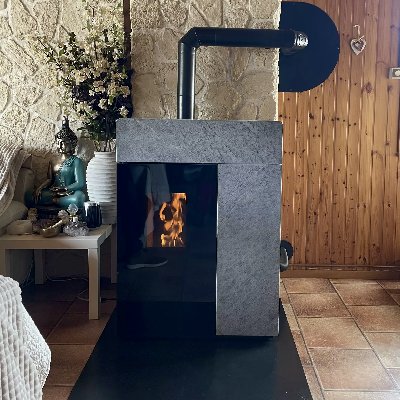
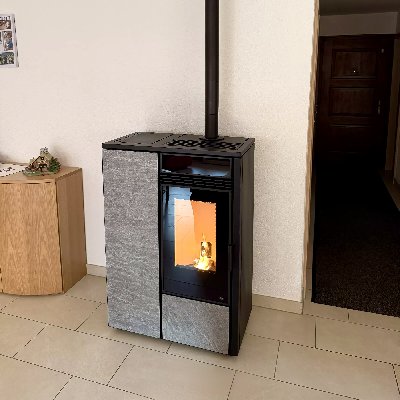
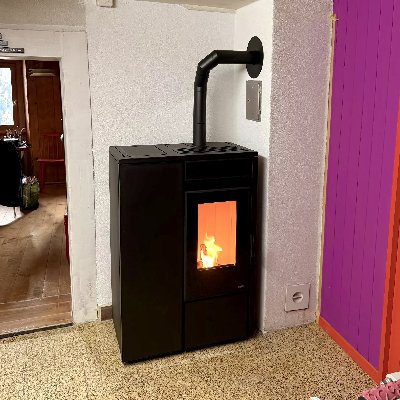
The principle remains the same: the subsidies reward switching from fossil fuels to a renewable energy solution. A heat pump, a wood-burning boiler, a pellet boiler, or a pellet stove connected to a hydronic heating system are all eligible for support.
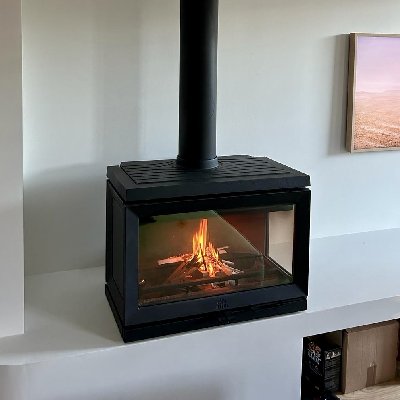
The exact subsidy rates vary from canton to canton. By way of comparison, in the neighboring canton of Vaud, the Buildings 2026 Program provides CHF 4,500 for the installation of a wood-burning stove, a pellet stove with a daily storage tank, or a wood-fired boiler, as a replacement for oil, gas, or electric resistance heating.
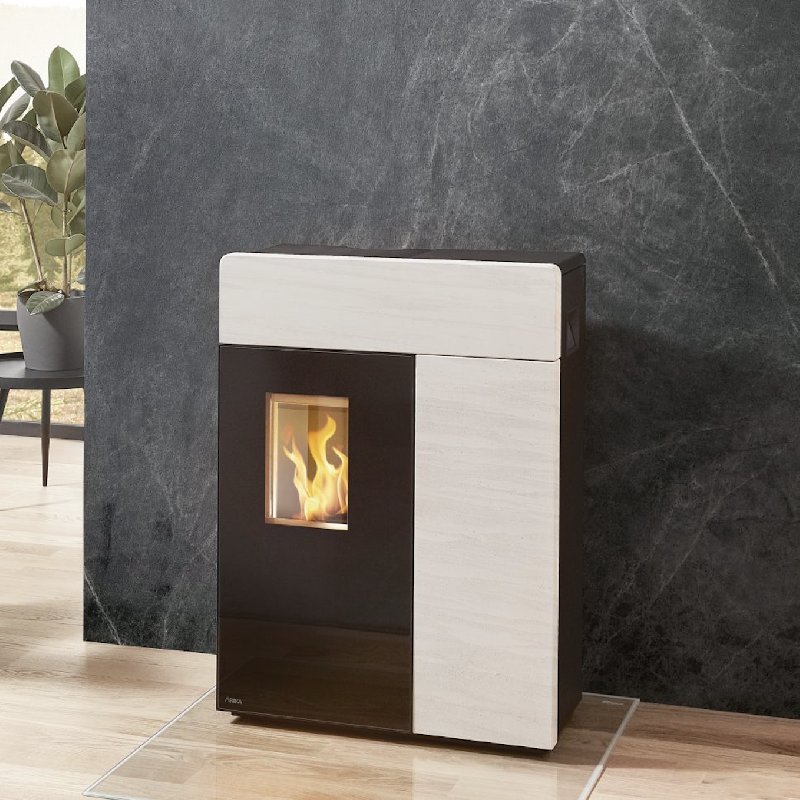
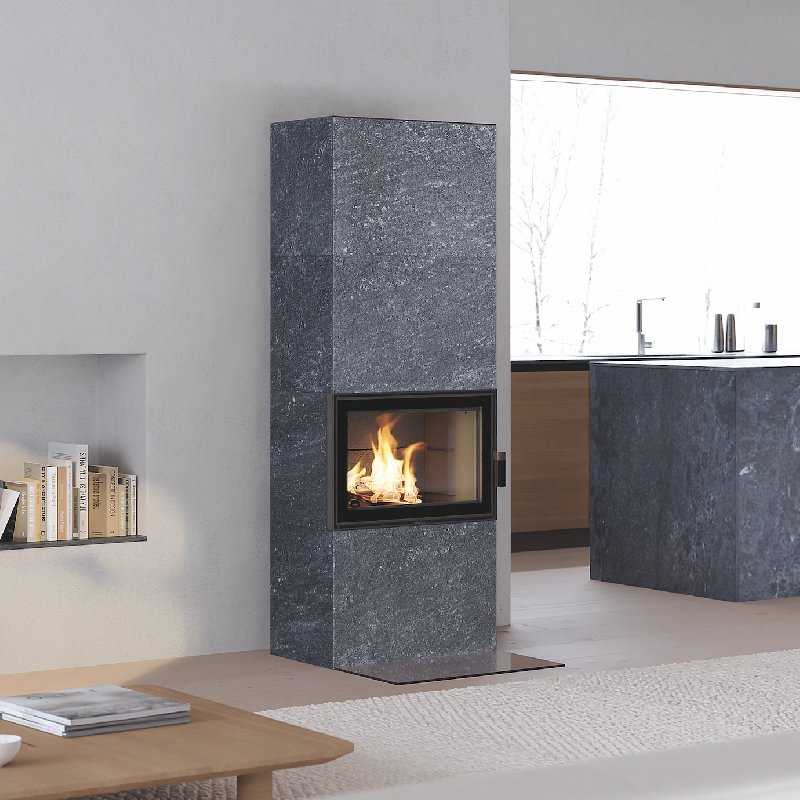
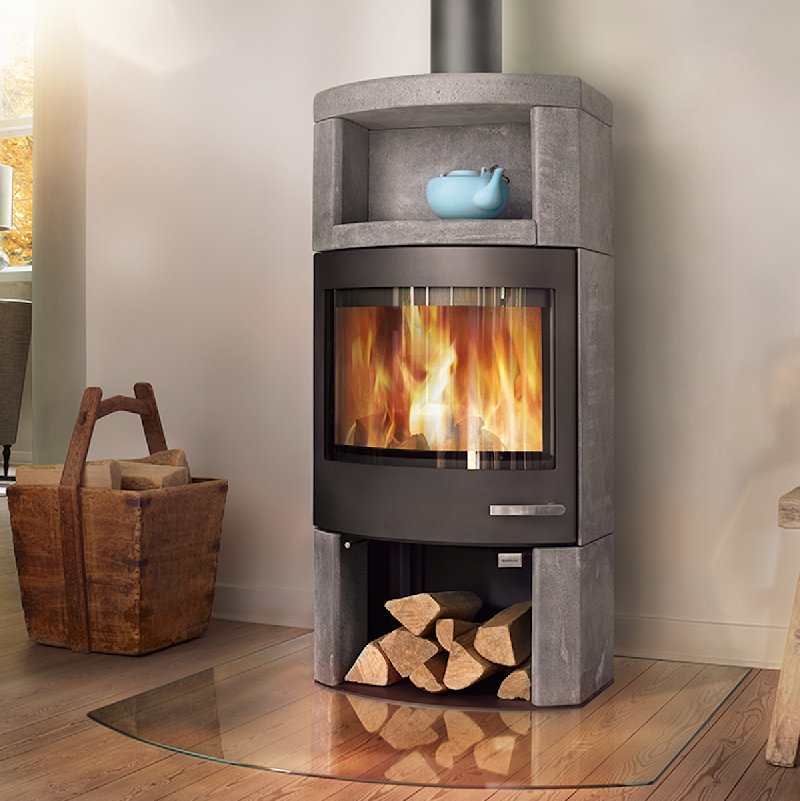
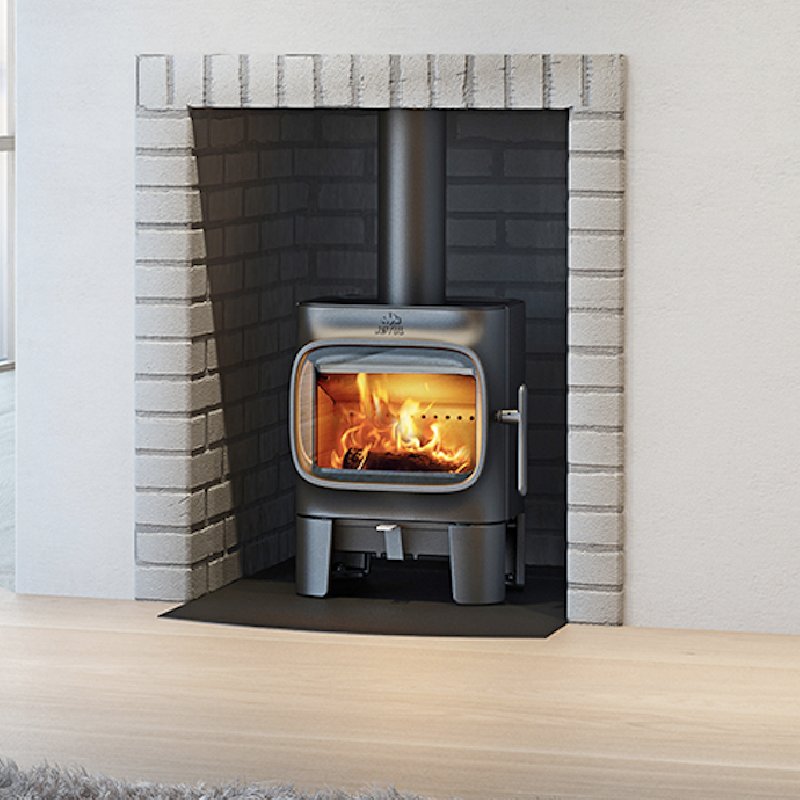
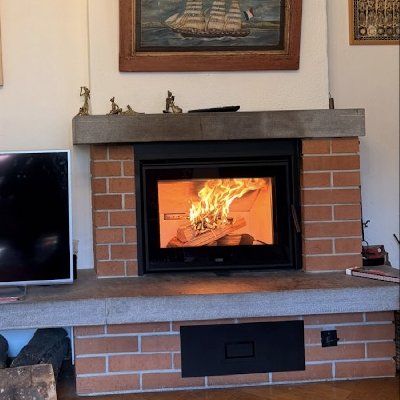
The choice of appliance affects both your comfort and the amount of the subsidy. Our teams will help you select a stove or boiler suited to your home—based on your floor plans or an on-site visit—to ensure the equipment you choose meets the program’s requirements.
Requirements for a Valid Application
One rule takes precedence over all others in Valais: each application must be submitted and approved before work begins. A late application will be rejected without exception, even if the work meets all other conditions.
Three requirements apply without exception. The new system must replace a fossil-fuel or electric resistance heating system. The building must comply with current performance standards, specifically the SIA 380/1 standard. Finally, the installed unit must fall within the categories recognized by the program.
A free advisory service, often called “Heating with Renewables,” is offered for any heating system older than ten years. This step helps you define the scope of your project before making any financial commitment.
The application steps, in the correct order
First, contact the cantonal energy office to find out which measures and incentive rates apply to your situation. These vary by canton and change every year.
Next, have an assessment conducted—ideally through a cantonal building energy certificate (CECB)—and then develop a renovation plan. Submit your application once the plan is ready, and in any case before construction begins.
Finally, carry out the work, followed by the declaration of completion. Payment is made after the final review of the application. Following this process from start to finish helps avoid the most common reasons for rejection.
Combining Financial Assistance and Tax Benefits
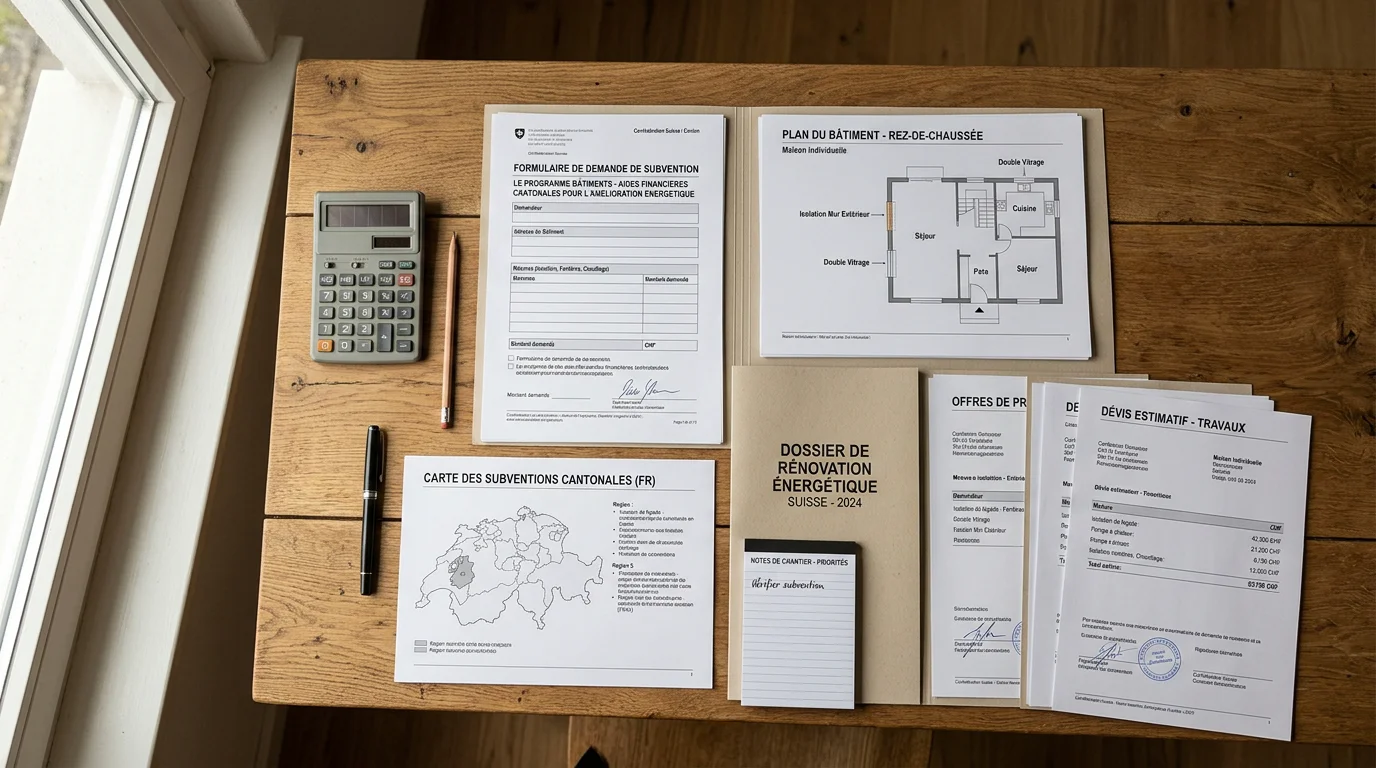
Several measures can be combined, but not without limitations. An analysis by the Buildings Program notes that comprehensive renovation measures and the CECB class upgrade cannot be combined with any other measures, unlike one-off measures.
Combining two separate programs—for example, a cantonal grant and a private program like Myclimate—is not possible for the same measure. You must therefore choose the most favorable option, not add them together. It is also important to note that the grant can never exceed the actual cost of the installation.
In addition to direct subsidies, the cost of energy-saving work—net of any subsidies received—is deductible from taxable income and can be spread over two to three tax years. This tax benefit significantly enhances the cost-effectiveness of replacing a heating system.
Gather the technical documentation for your system
The reviewing agency requires specific documents: the type of the old heating system, the specifications of the new unit, and its compliance with standards. This is where the quality of your documentation makes the difference between a smooth application process and one that is returned for additional information.
To prove compliance and ensure proper installation, refer to our boiler user manual, which details the installation specifications. Together with the appliance’s declaration of performance, it provides all the technical information required by cantonal regulations.
We coordinate the removal of the old heating system, the installation of the new unit, and the finishing touches, all while keeping your documentation up to date. You save time and minimize the risk of your application being rejected due to missing documents.
Key Points to Remember in Valais
When properly prepared, heating subsidies in Valais turn a costly replacement into a reasonable investment, especially when you factor in the tax deduction. The winning strategy can be summed up in one sentence: submit your application, get approval, then start the work—never the other way around. Choose an eligible appliance, gather the performance declaration and technical manual from the start, and seek guidance to ensure you meet every requirement without any unpleasant surprises. In Switzerland, this type of renovation remains one of the most effective ways to sustainably reduce your bills and emissions.
Take action with Carron-Lugon
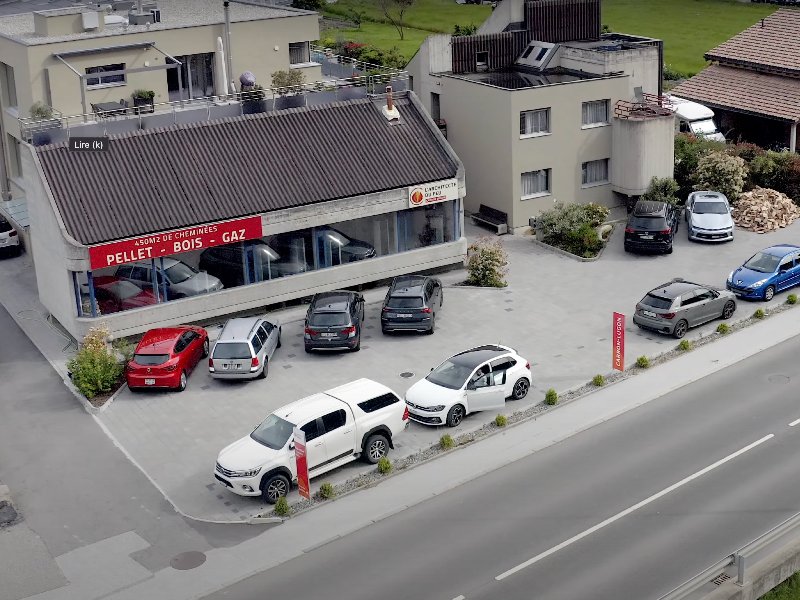
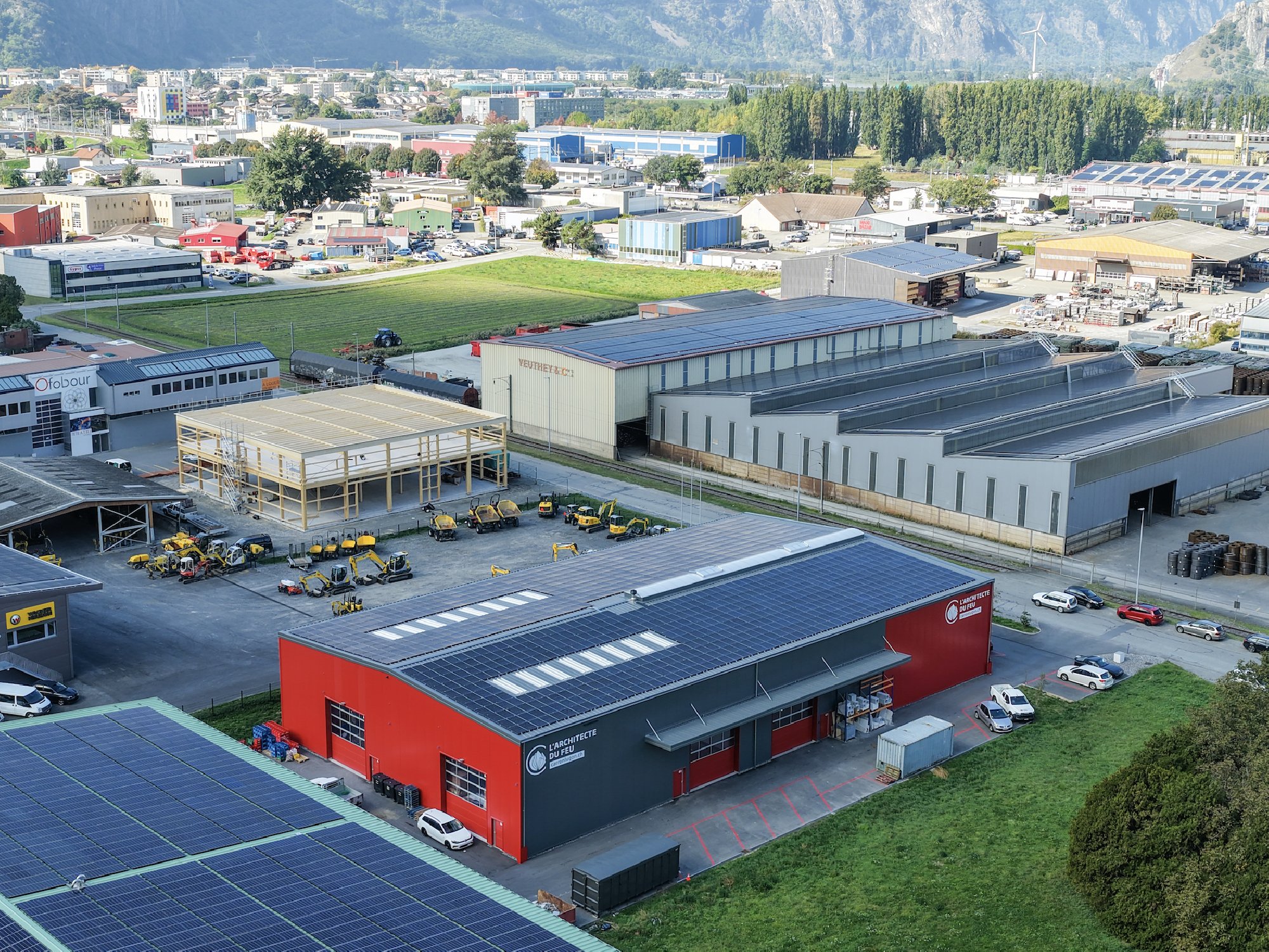
Are you torn between a pellet stove, a wood-fired boiler, or a wood-burning stove, and want to ensure your grant application is approved from the start? The choice of appliance, its compliance, and the quality of the installation will determine both your comfort and whether your application is approved. You might as well start on a solid foundation.
We assess your needs based on your plans or a free, no-obligation on-site visit, then we organize the project, coordinate with other trades, and provide in-house after-sales service. To get your fireplace or stove project off to a good start, request your free, no-obligation on-site visit.
Frequently Asked Questions
Can I submit my application after construction has begun?
No. In Valais, the application must be submitted and approved before construction begins. Late applications are rejected without exception.
Is a pellet stove eligible for a subsidy?
Yes, provided it serves as the primary heating source connected to a hydronic system and replaces a fossil fuel or electric resistance heating system. Our advisors will verify the appliance’s eligibility before purchase during a free on-site visit.
Can multiple grants be combined?
Certain one-time measures can be combined, but the “complete renovation” and “CECB class upgrade” measures cannot be combined with any other measures. Nor can a single project benefit from two different programs for the same measure.
What documents do I need to prepare for my application?
Provide proof of the old system, the specifications of the new appliance, and its compliance with standards—including the declaration of performance and the technical manual. These documents speed up the review process and minimize requests for additional information.
Are the renovation costs tax-deductible?
Yes. Energy-saving work, net of any subsidies received, is deductible from taxable income and can be spread over two to three tax years. This benefit is in addition to the direct assistance provided by the Buildings Program.