

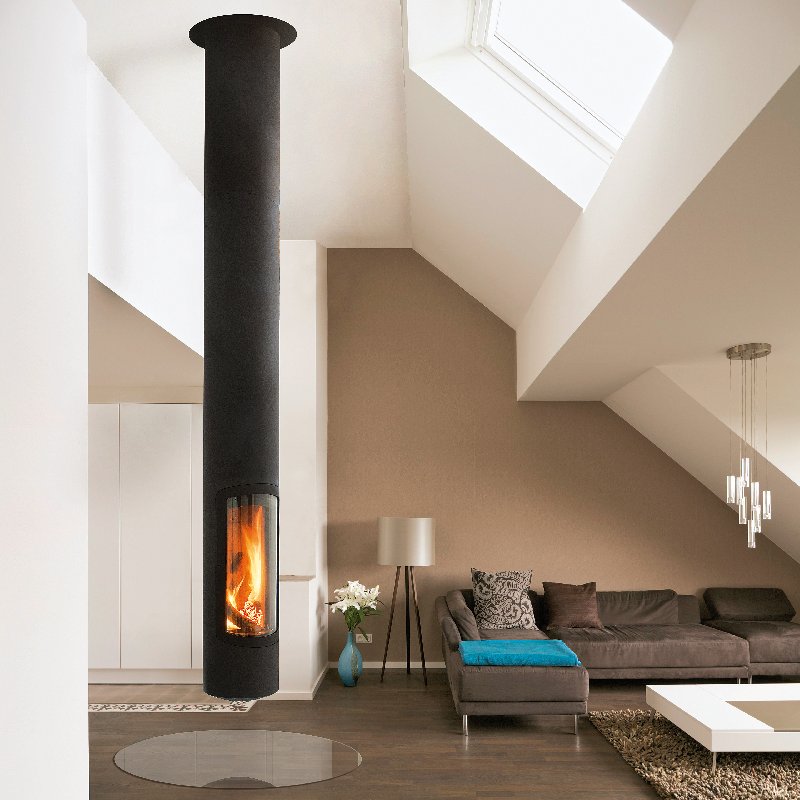
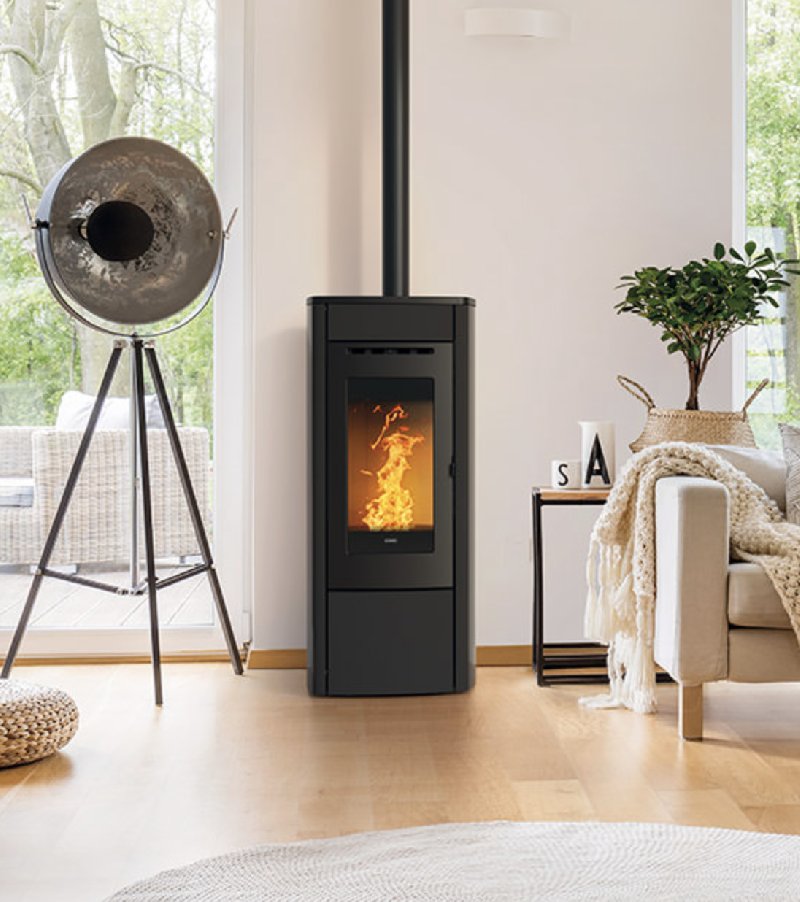
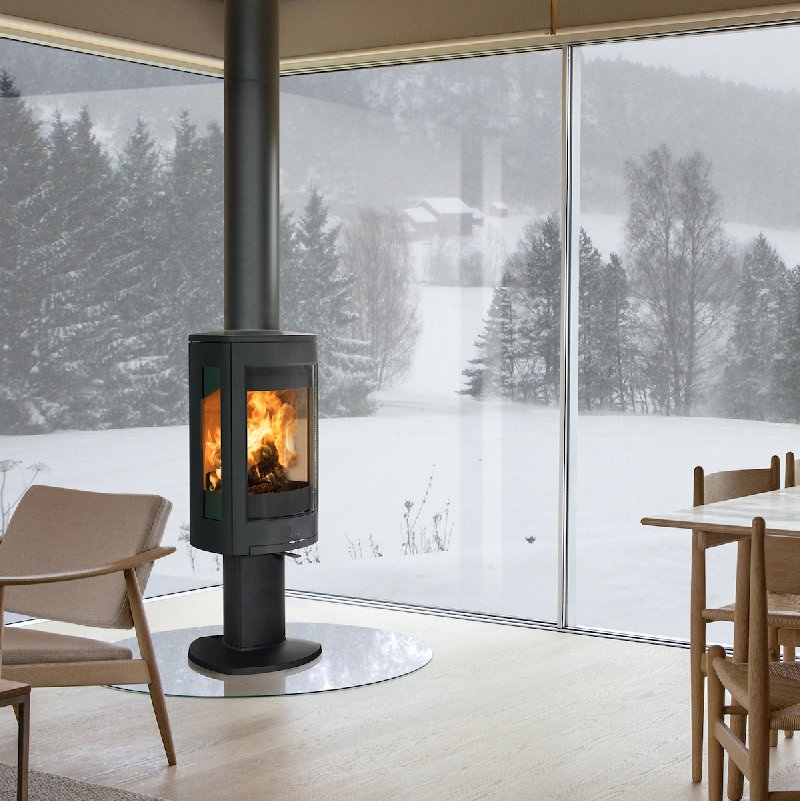
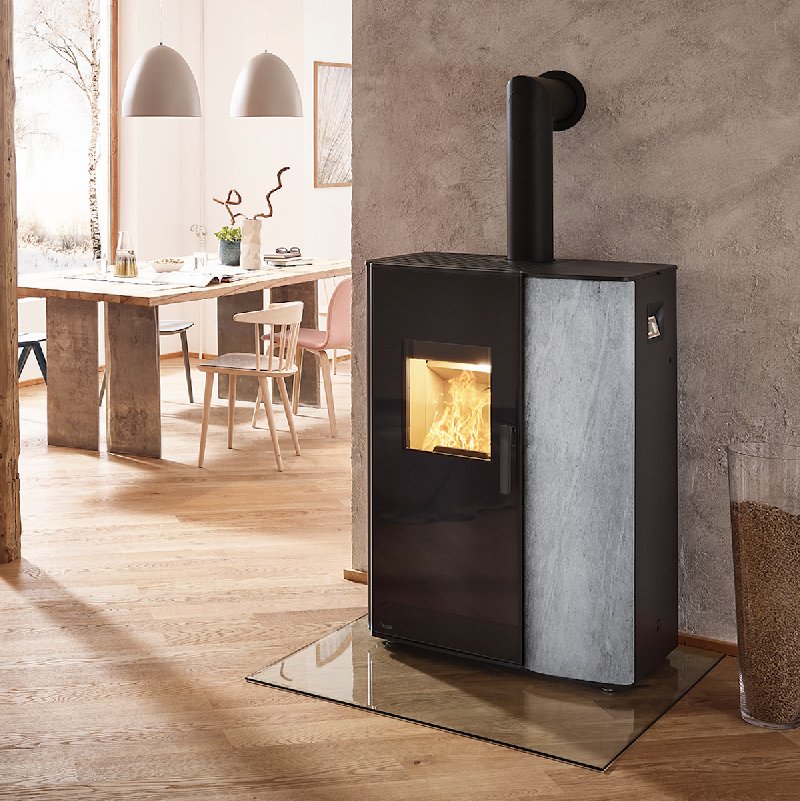
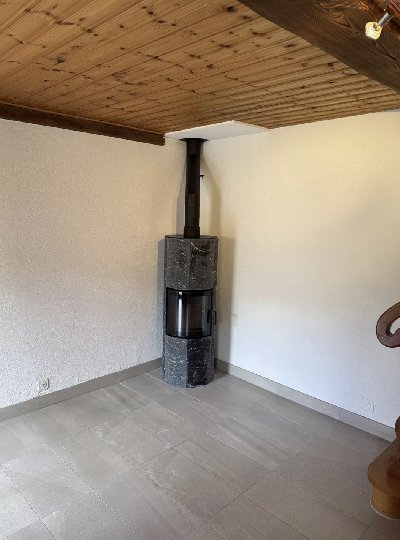
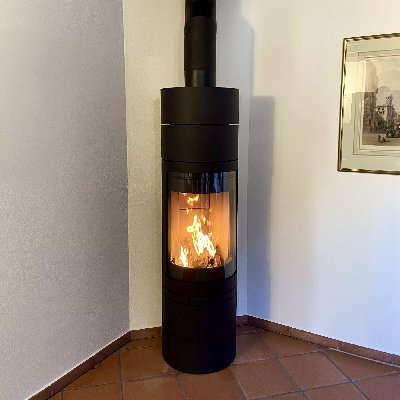
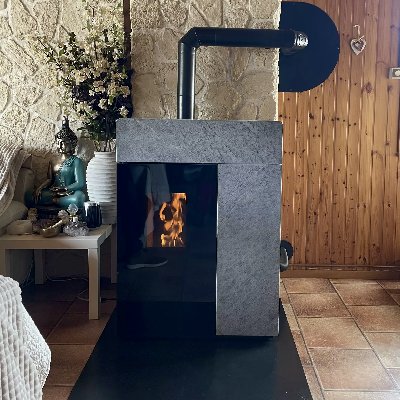
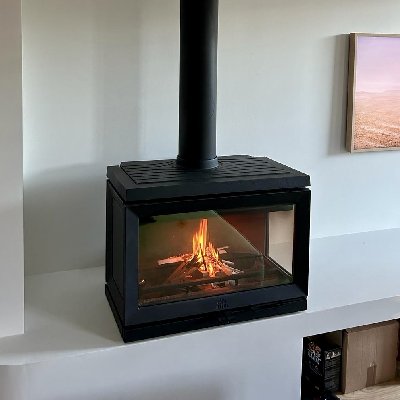
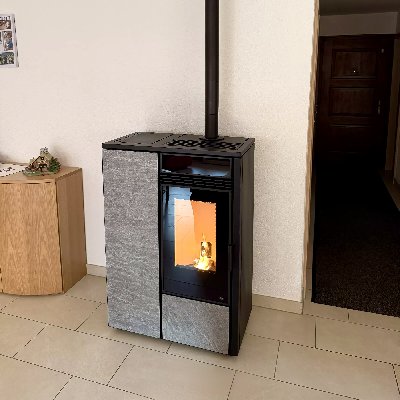
There are different ways of exhausting smoke from your stove or fireplace. Generally speaking, and in accordance with installation standards, smoke must be evacuated above the roof.
Depending on the location and installation constraints, several techniques can be used to bring your flue up to standard or create a new one.
Lining a flue pipe
If an existing flue pipe is in good condition, it can be reused simply by fitting a new rigid stainless steel tube and insulating the inside. The main advantage is that no major work is required: the passage is already there.
By casing your pipe in masonry, you're assured of a longer service life for your installation. In general, after 25-30 years, chimney sweeps start to notice wear and tear on the inside of the flue pipe. If this wear is too severe, it cannot be reused.
Generally speaking, lining your flue offers a number of advantages:
- Tight flue (for better draught, and therefore better performance from your heating appliance)
- Limits the build-up of bistre (tarry soot that can cause chimney fires).
- Prevents corrosion due to the acidity of flue gases
- Secures the flue, which is not always up to standard (depending on the year of construction of the dwelling)
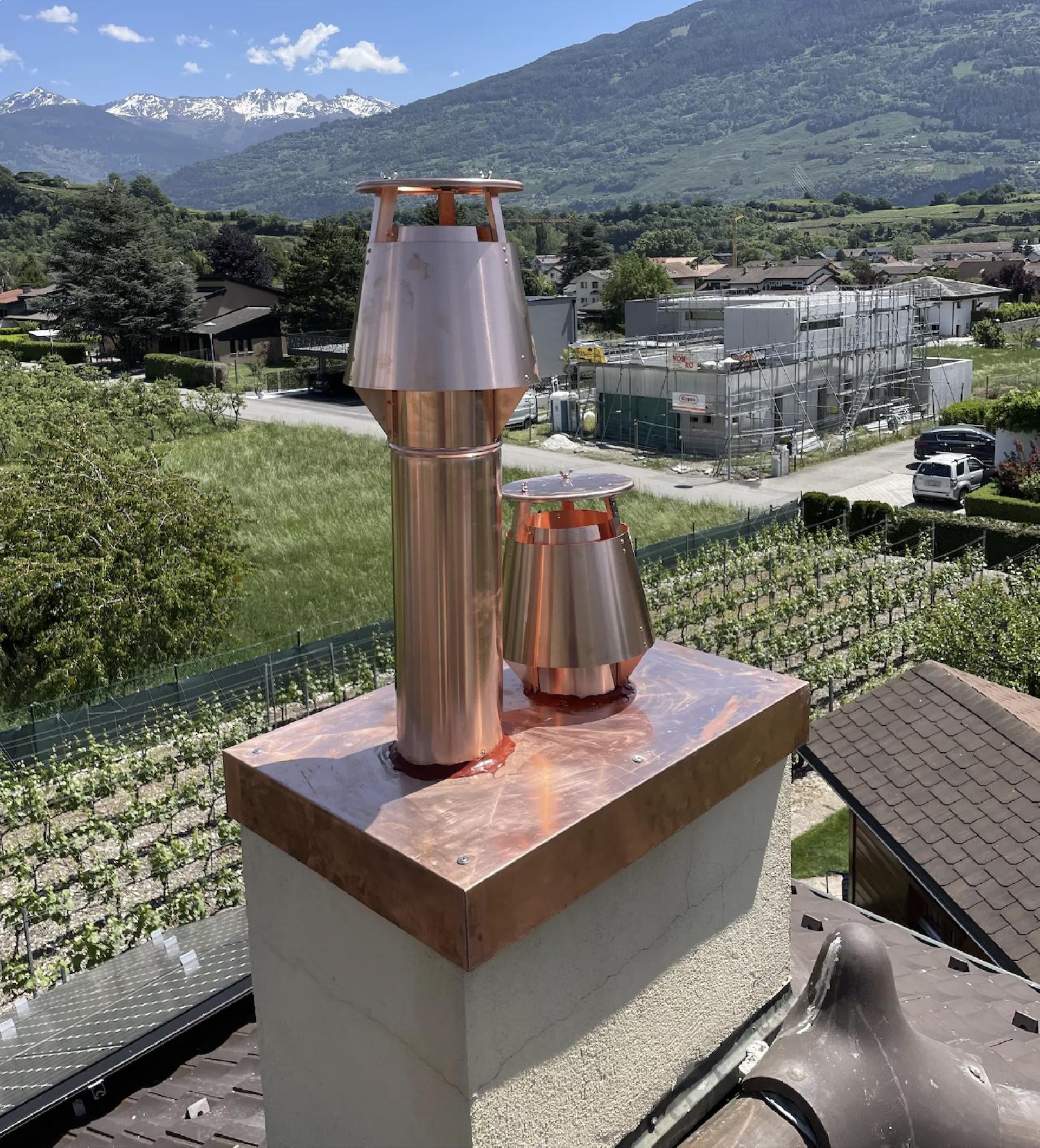
Lining an existing double flue
Lining with flexible tubing
Lining with flexible tubing is similar to lining an existing rigid-tube flue. The difference lies in the type of tubes used. In this case, the tubes are flexible and delivered in torches. They are used when the cocks have particular shapes (elbow / counter-elbow) and it is therefore not possible to run rigid tubes through them.
Although this type of casing is as leaktight as conventional rigid casings, it is less resistant over time.
Technical sheathing
A technical sheath is used when it is necessary to cross one or more floors above the chimney location. It insulates the pipe as it passes through the living space, ensuring occupant safety and fire compartmentation. You can, of course, finish the technical shaft as you wish (plaster or other finishes).
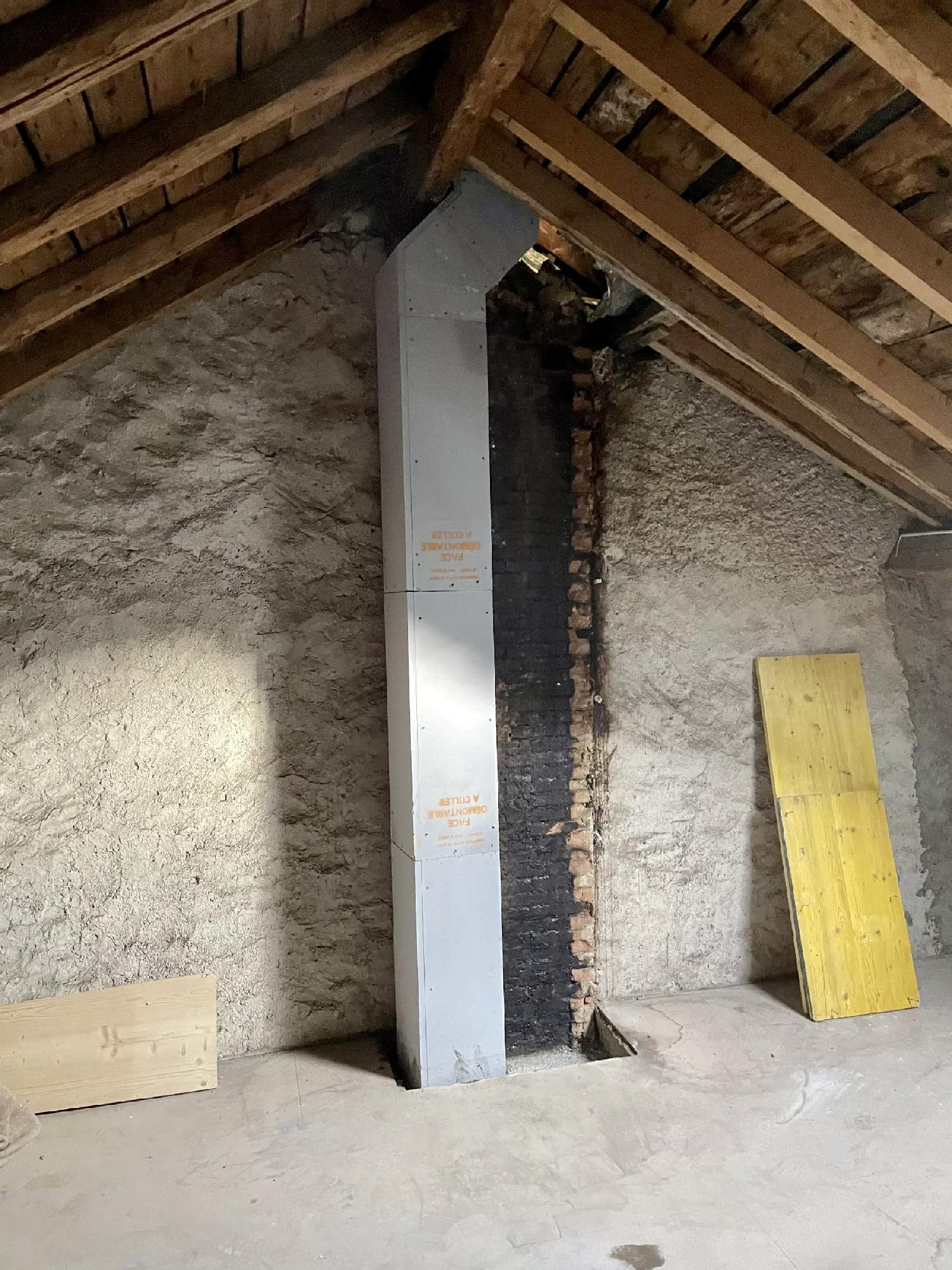
Technical duct
Facade duct
The advantage of a façade-mounted insulated pipe is that you can keep the interior of the house intact, especially when the heating system is located below another floor, thus avoiding the need to build a service duct through the upper room and the roof.
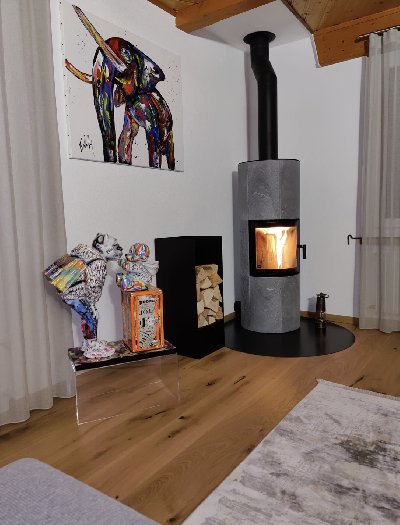
The advantage of a front-mounted flue is that you can install your stove without any visible flue inside (the connecting pipe would run directly to the back of the stove). In this case, the double sleeve (where the stove pipe connects) would be installed at the right height for the stove. The flue would be custom-fitted to your installation.
If you're thinking of changing your stove one day, remember that it won't necessarily be easy to find a model with the same flue outlet height. We recommend that you install the tube from the top, so that you have some room for maneuver.
Tubes are available in 5 coatings: Copper, brushed stainless steel, matte or shiny, or powder-coated in the RAL of your choice.
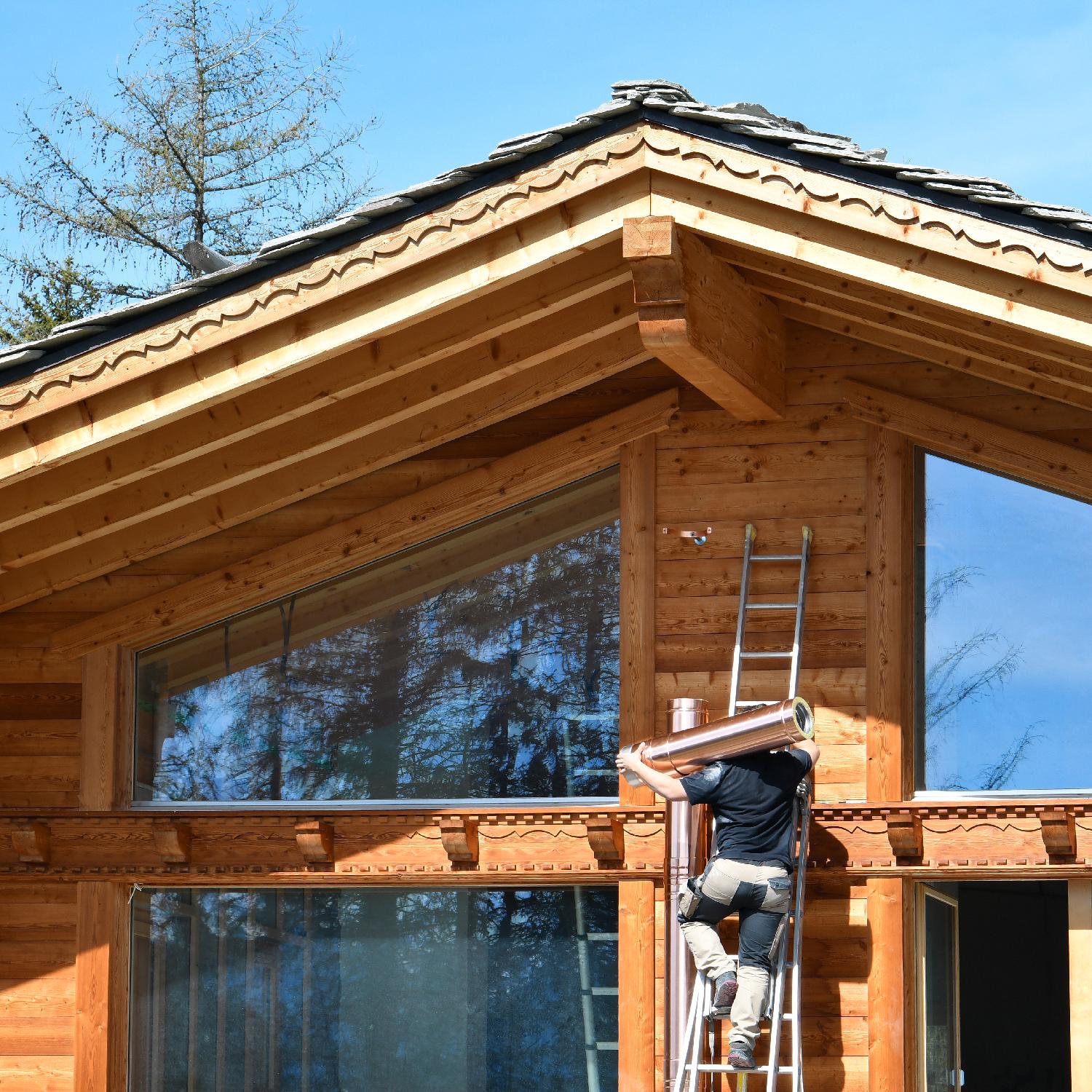
Installation of a copper front duct
Roof outlet
The roof outlet is used when your heating appliance is located directly under the roof. It must be concreted into the header or slab. It's an insulated tube like the one used for the façade duct.
Tubes are available in 5 coatings: Copper, brushed stainless steel, matte or gloss, or powder-coated in the RAL of your choice.

Copper roof outlet