

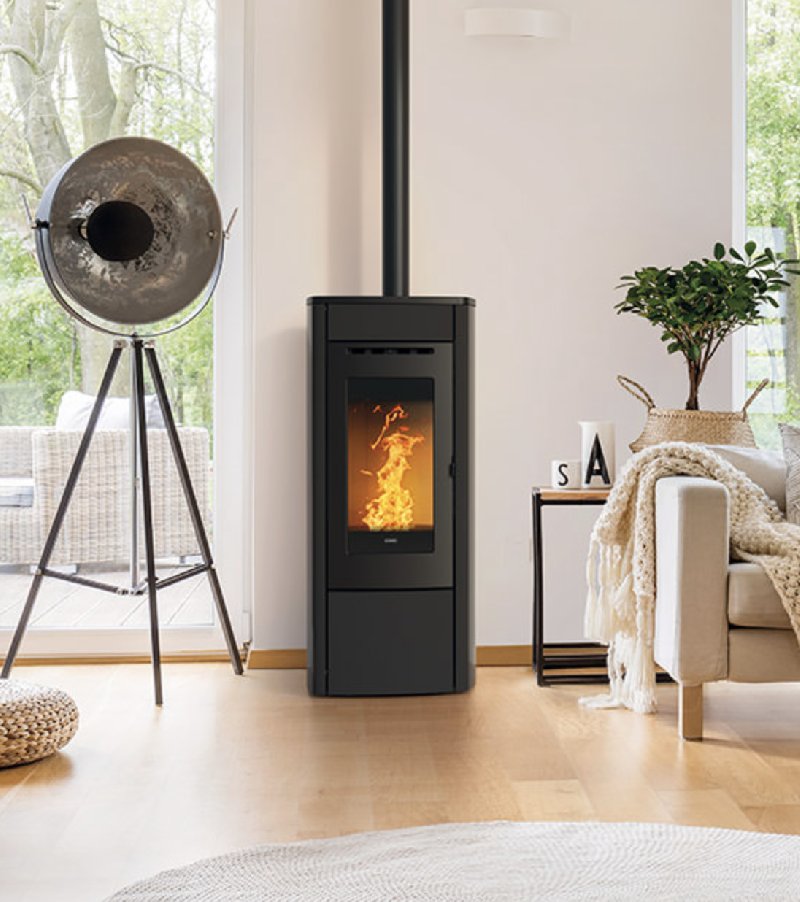
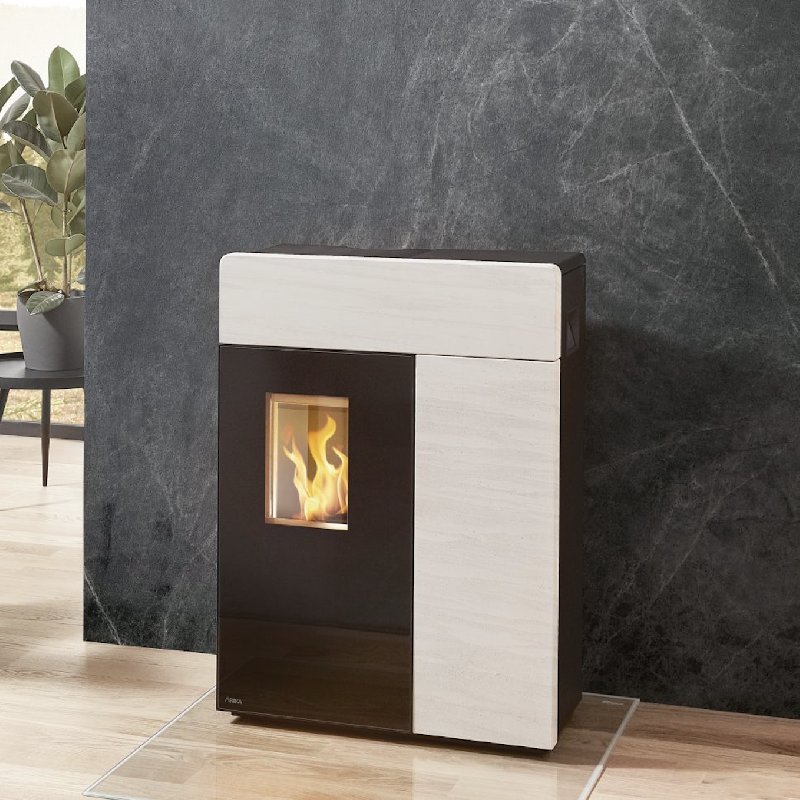
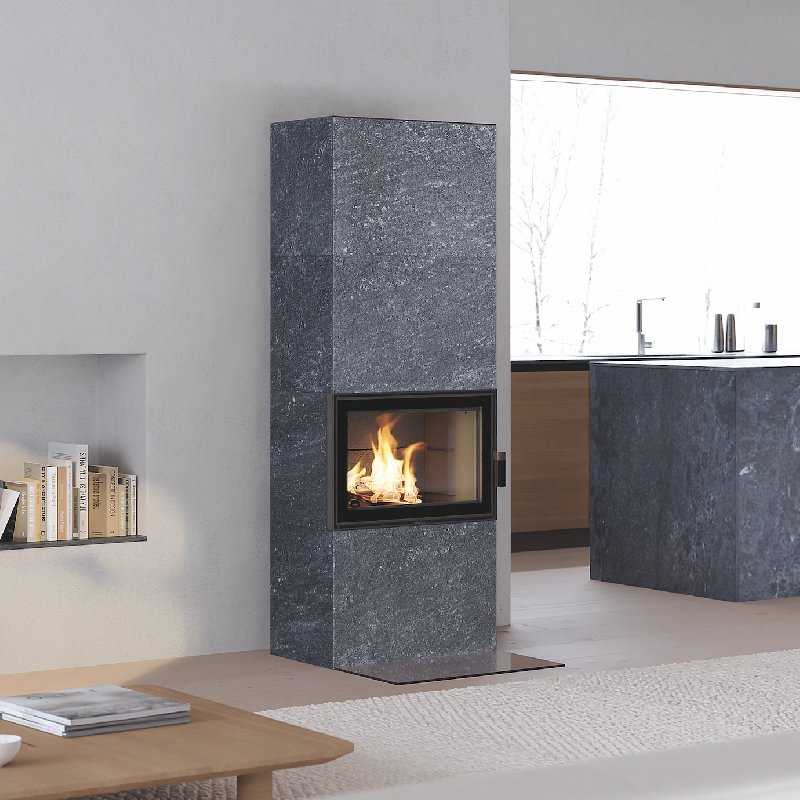
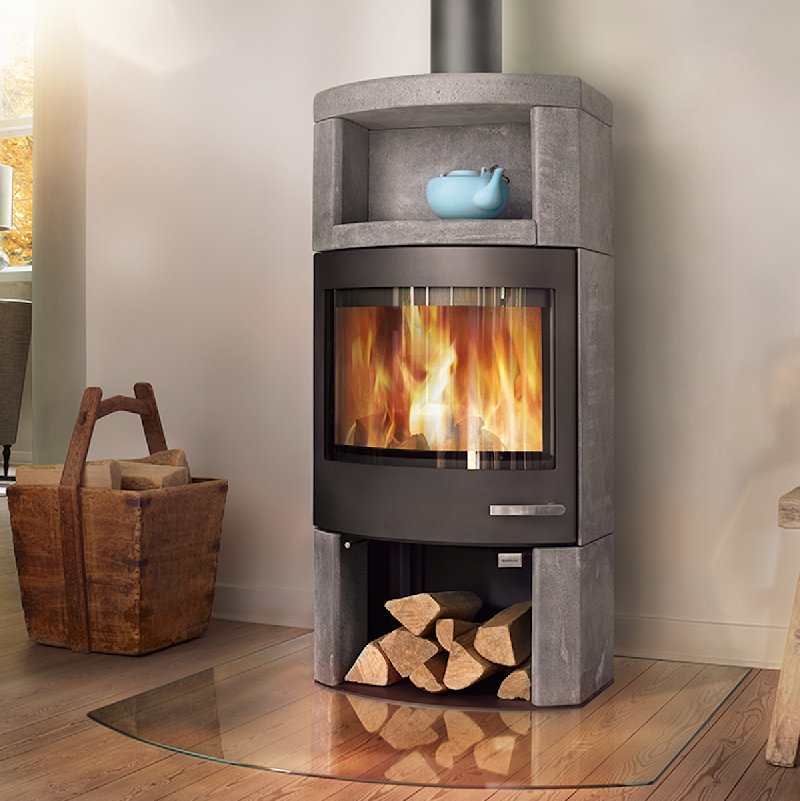
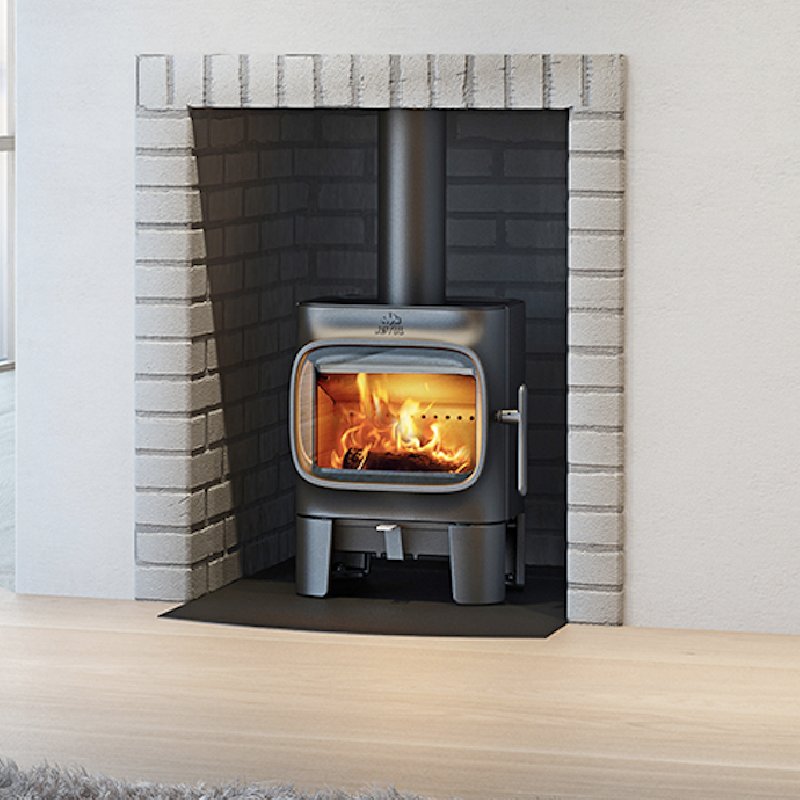
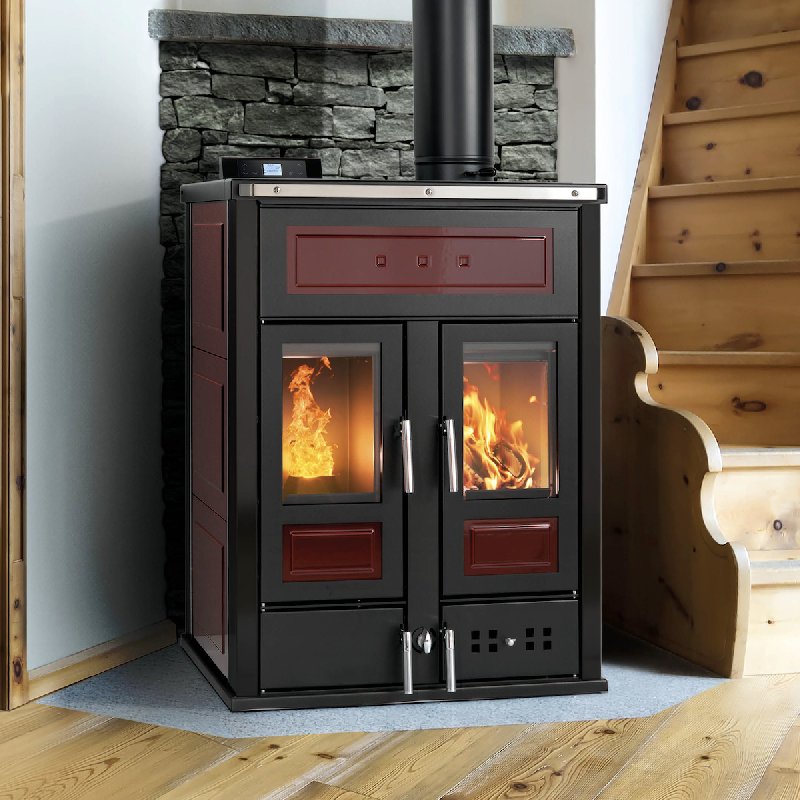
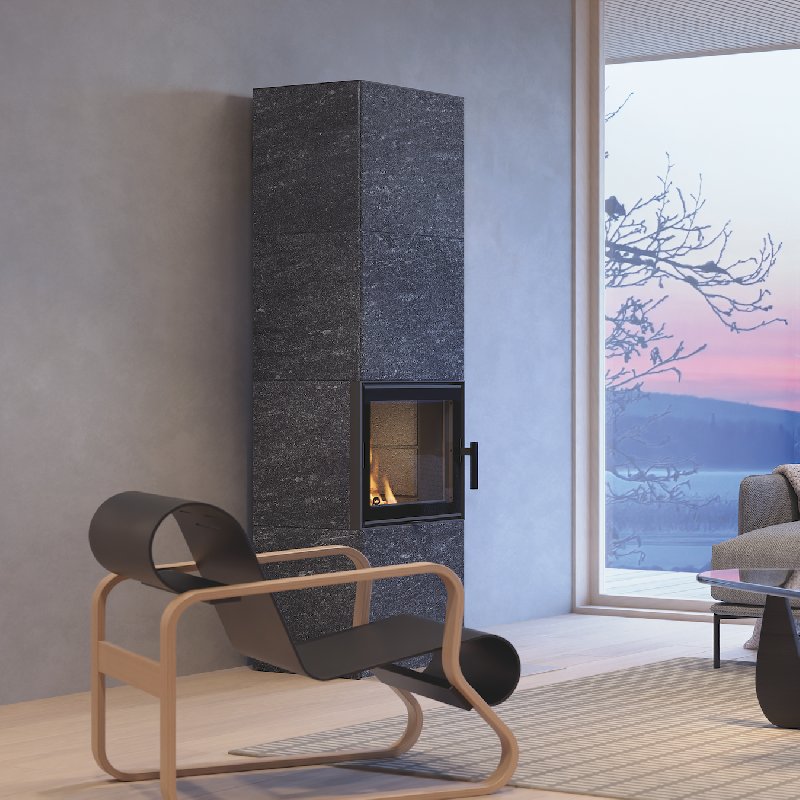
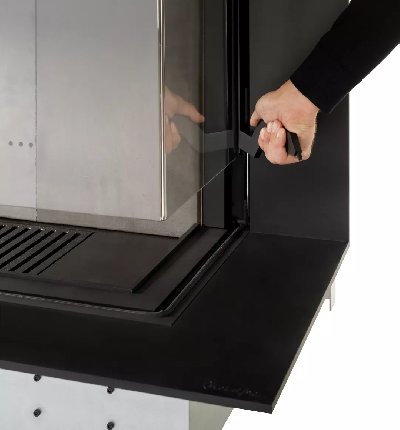
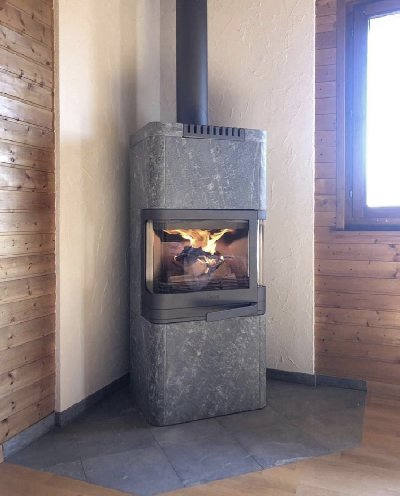
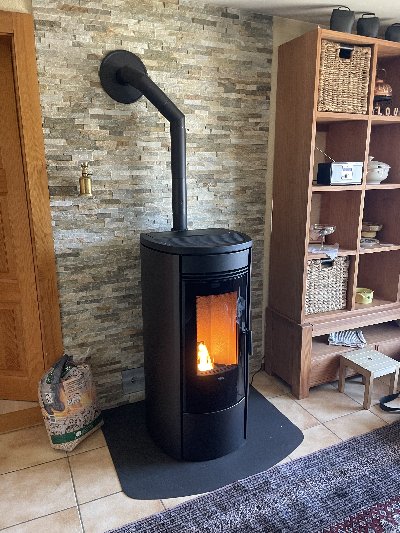
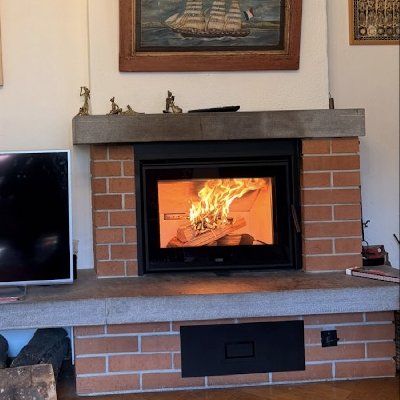
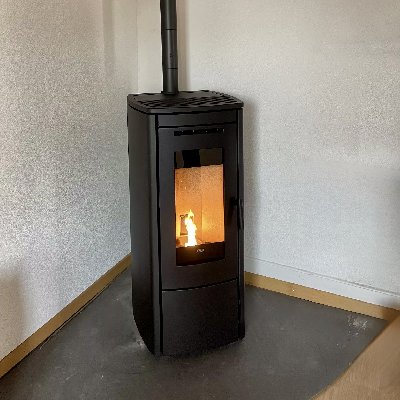
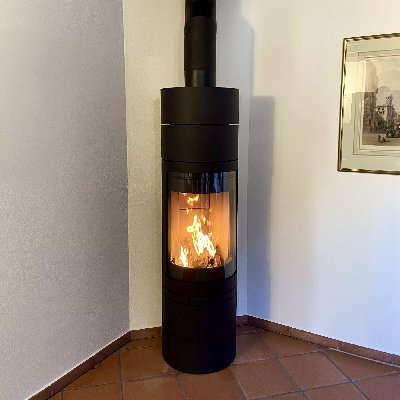
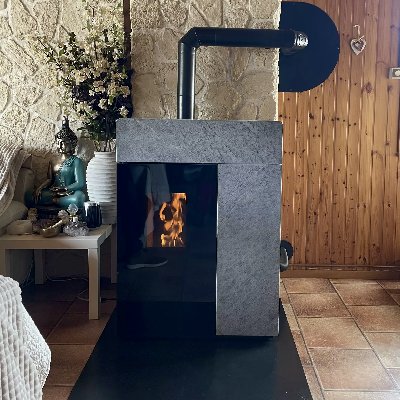
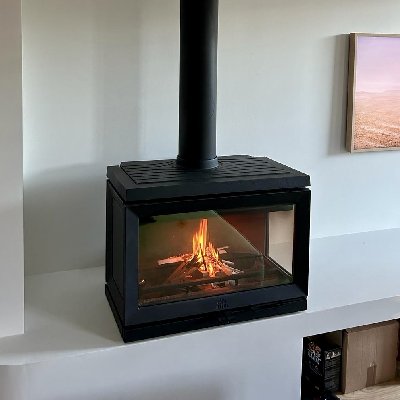
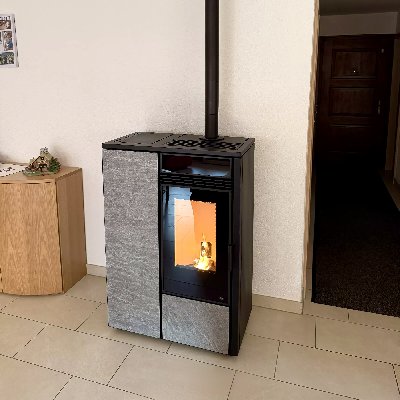

A modern unit can convert one metric ton of pellets into heat with an efficiency of over 90%. However, you still need to choose the right model, the right output, and the right fuel. Even before comparing catalogs, technical documentation can help guide your decisions: for example, the RIKA CONNECT Pellet 22 user guide details the settings that make a difference in everyday use.
This comprehensive guide to pellet stoves brings together everything you need to make an informed decision. In Switzerland, wood heating is attracting more and more households seeking a local and renewable energy source. According to ADEME, a pellet stove offers better efficiency than a wood-burning stove and emits slightly fewer fine particles. All that’s left is to understand how it works and how to integrate it into your home.
Why Pellet Stoves Are So Popular Today
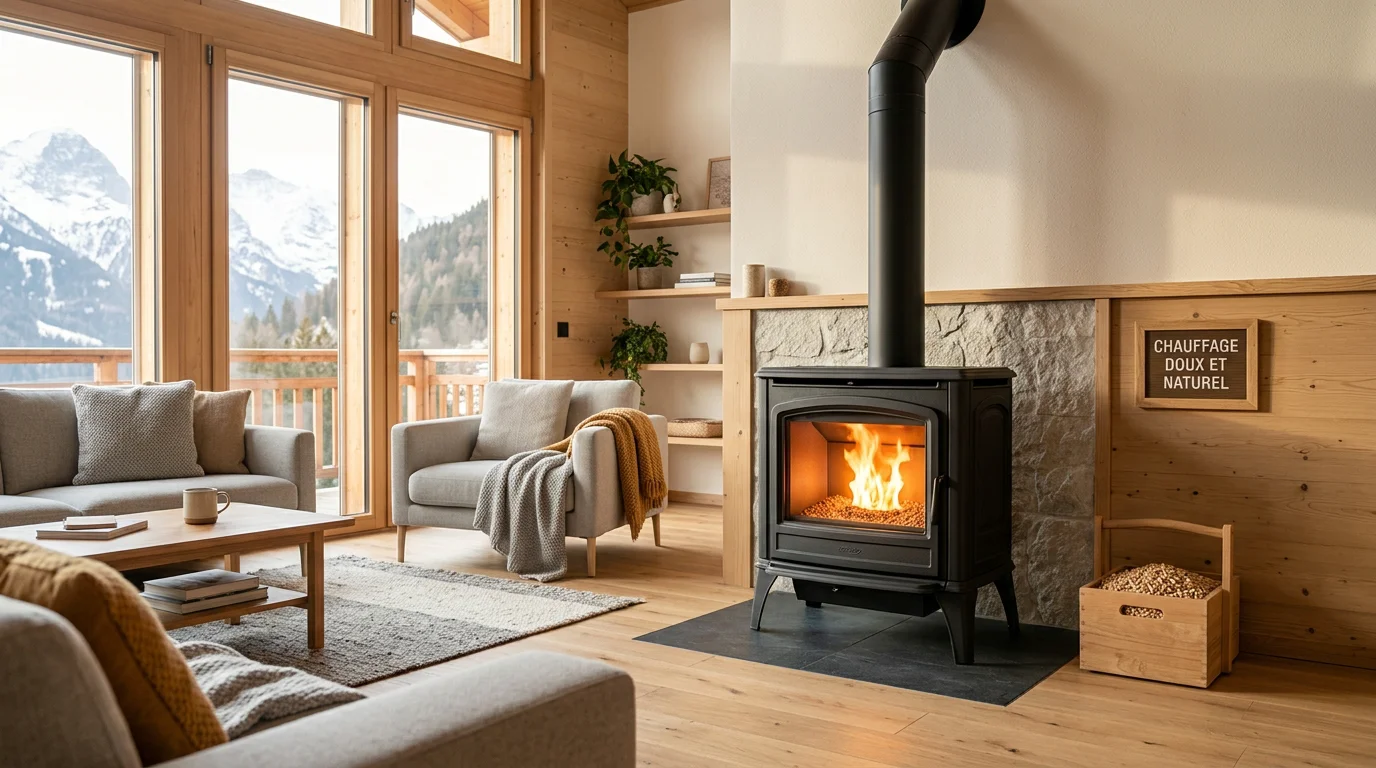
Wood pellet heating combines comfort with automation. Fuel is supplied via a built-in hopper, providing 1 to 3 days of autonomy depending on the model. This precise control is part of the reason for its success.
Market trends confirm this popularity. According to a market report published in 2026, pellet stoves and boilers are gaining momentum, especially in single-family homes. Precise heat control and consumption monitoring are among the main reasons for this trend.
In terms of performance, actual efficiency ratings typically range between 85 and 90 percent, with peaks approaching 92 percent on certain well-maintained high-end models. By comparison, a traditional wood-burning stove generally peaks at between 70 and 85%. This difference directly impacts your energy bill.
How Does a Pellet Stove Work?
The principle relies on a standardized fuel that is highly uniform in size, moisture content, and ash content. This consistency makes automation possible, unlike with firewood.
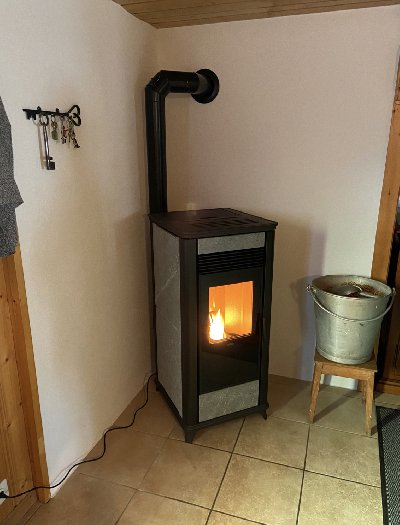
The heart of the system is the auger, driven by a gearmotor. It conveys the pellets from the hopper to the combustion chamber, also known as the firebox. A pilot igniter lights the pellets at startup, and combustion is then sustained by the steady flow of pellets.
Several components complete the system:
- The flue gas extractor: it removes exhaust gases and supplies combustion air to the combustion chamber.
- The tangential fan: it distributes heat throughout the room and cools the unit.
- The electronic control board: acting as the “brain” of the system, it centralizes data from the sensors and controls each component.
- The pressure switch and sensors: These monitor the negative pressure, flue gas temperature, and hopper temperature to ensure safety.
Most stoves offer five power settings and several operating modes, ranging from manual operation to weekly programming. Once the set temperature is reached, the stove “modulates” to a lower power setting to maintain a constant heat level.
Choosing the Right Size for Your Stove
Choosing the right output is crucial. An oversized unit will overheat and become clogged; an undersized model will never provide enough heat. The appropriate output depends on the room’s square footage, insulation, and ceiling height.
As a general guide, here are the commonly accepted guidelines:
- Small room (20–40 m²): 4–6 kW.
- Medium-sized living room (40 to 70 m²): 7 to 10 kW.
- Large room or open space over 70 m²: 10 to 15 kW.
These values are merely rough estimates. A home renovated to current standards often requires less heating capacity than an older, poorly insulated home of equivalent size. It is precisely to avoid these mistakes that we offer a free, no-obligation consultation: our needs assessment is based on your floor plans or an on-site visit, whether in Valais or the canton of Vaud.
The Different Types of Pellet Stoves
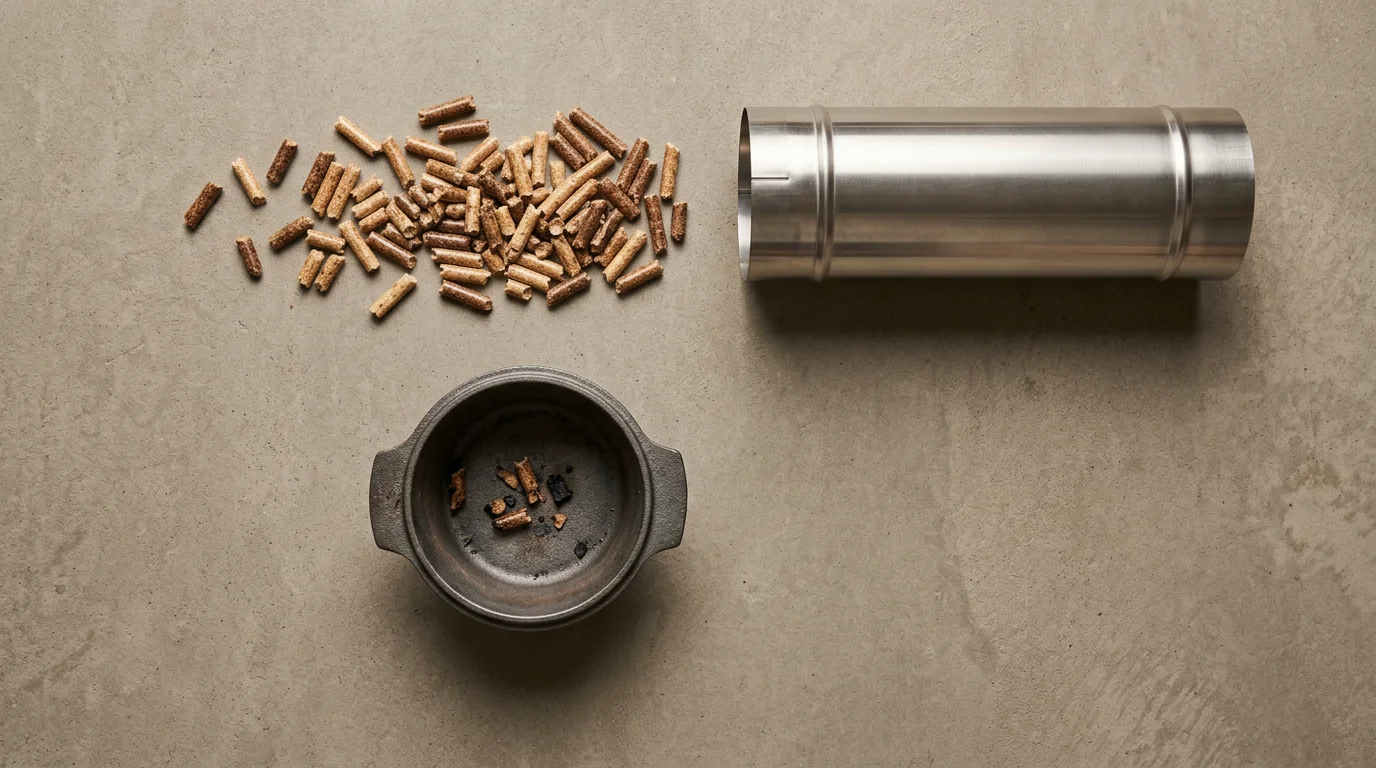
Not all pellet stoves are created equal depending on your home. There are several main categories, each designed to meet a specific need.
- The sealed stove: it draws combustion air directly from outside, making it ideal for well-insulated, low-energy homes.
- The ducted stove: It distributes heat to multiple rooms via ducts.
- The natural convection stove: quiet and fanless, it distributes heat approximately 30% by radiation and 70% by convection.
- The combination or hydro stove: capable of feeding a central heating system or burning logs as a backup.
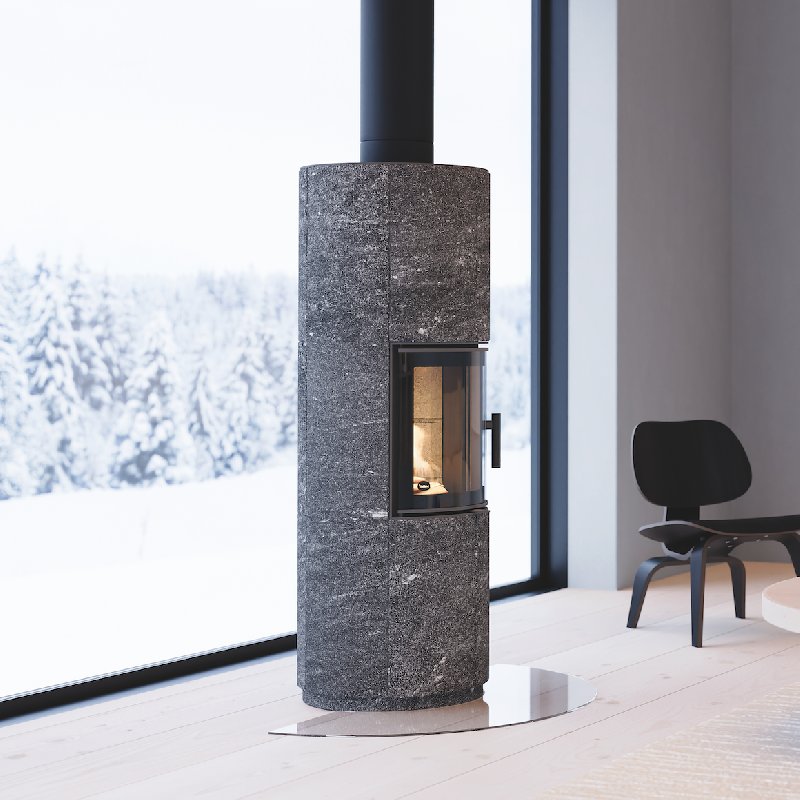
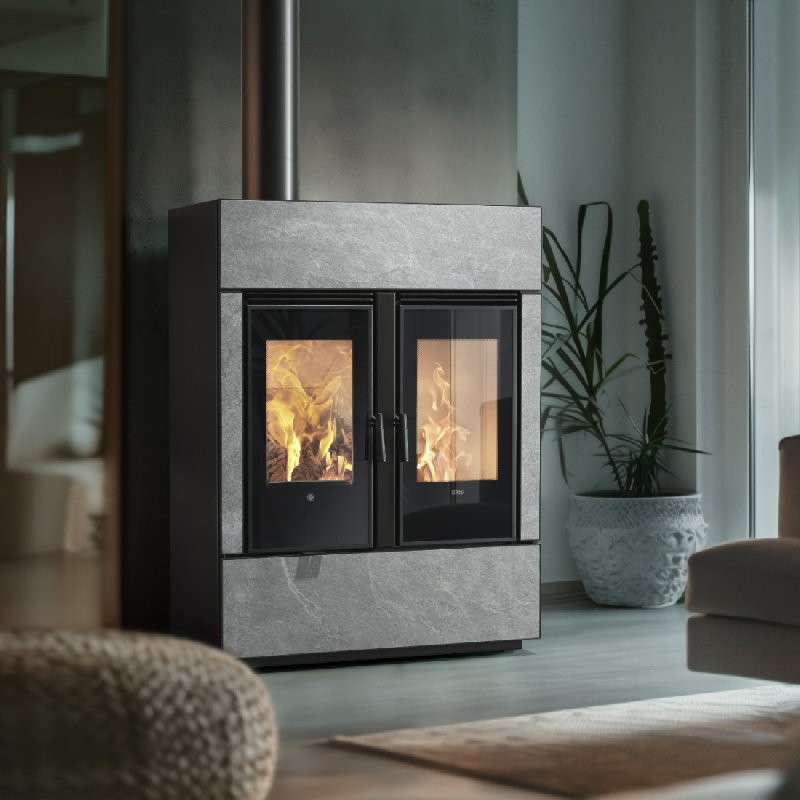
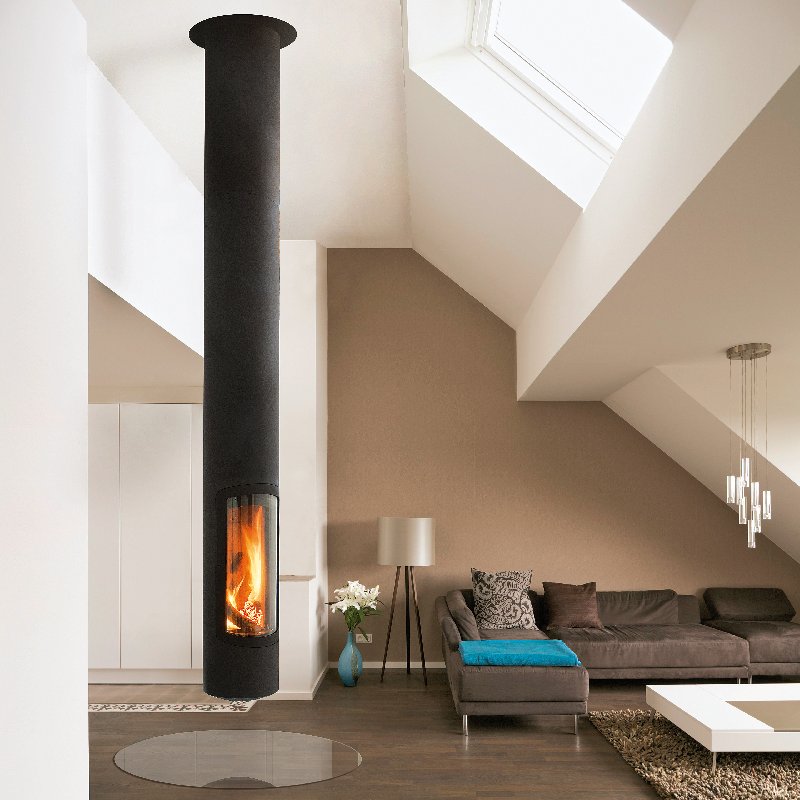
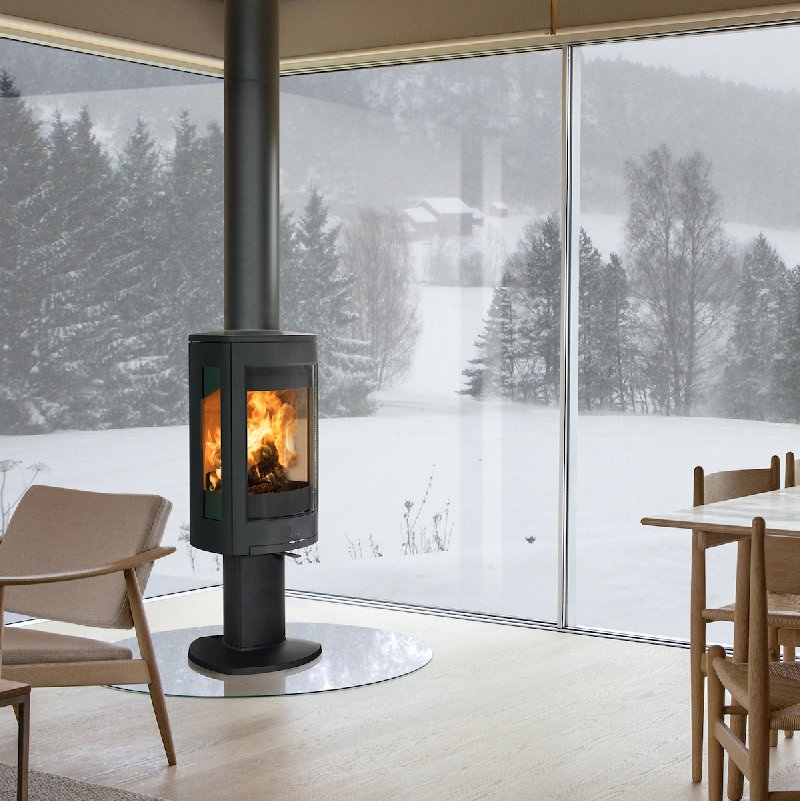
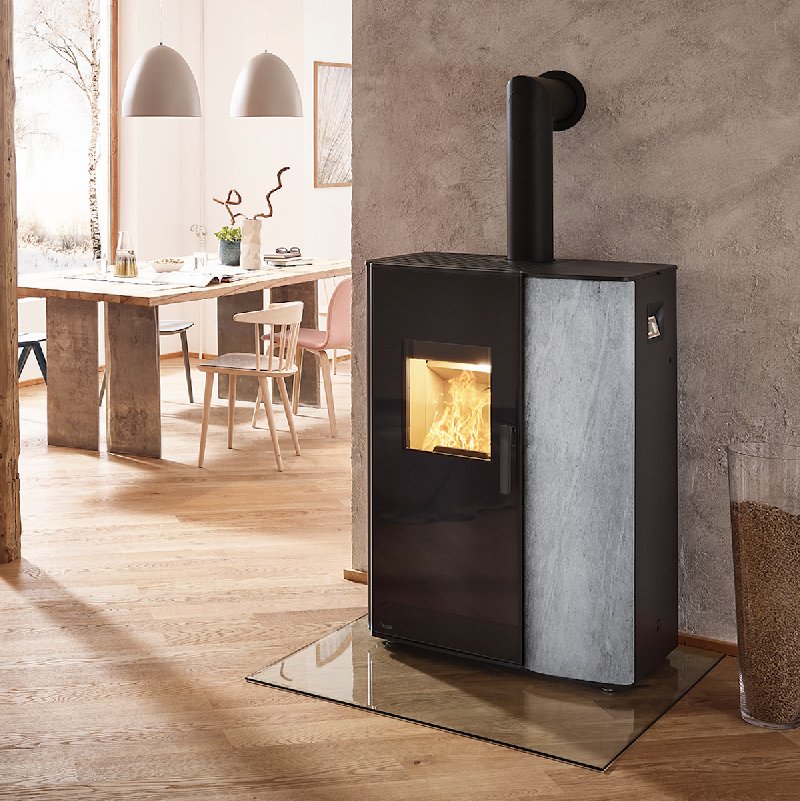
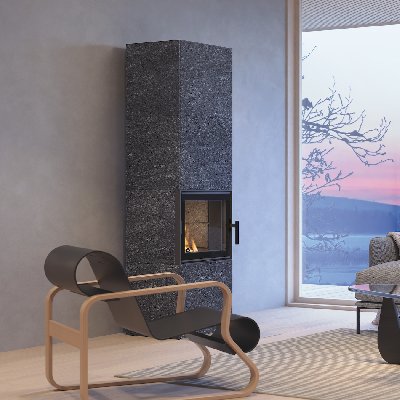
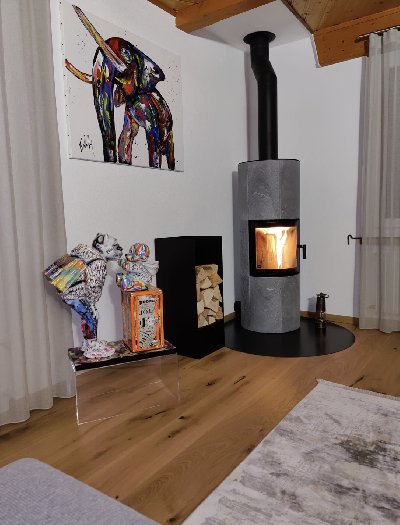
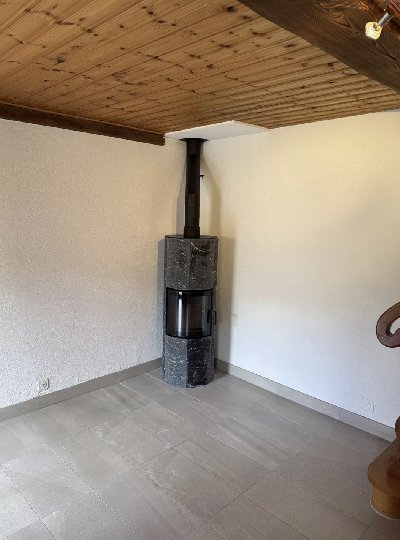
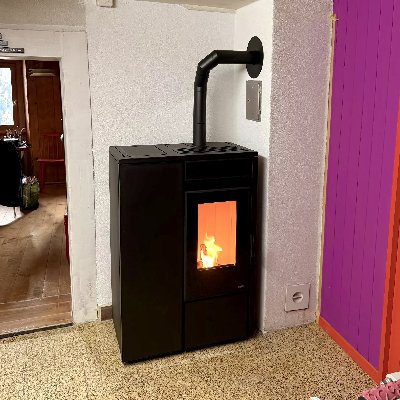
Design matters, too. Some models serve as decorative elements in their own right, featuring finishes in metal, soapstone, or ceramic. The performance specifications for the RIKA PARO pellet stove clearly illustrate how aesthetics and technical specifications come together in a single model. In our showrooms in Fully and Etoy, you can compare these solutions under real-world conditions.
Pellet quality: a decisive factor
An excellent stove that’s not fueled properly loses its appeal. The quality of the pellets directly affects the stove’s efficiency, the buildup of soot, and its lifespan.
Two certifications dominate the market: ENplus A1 and DINplus. Both guarantee a moisture content of less than 10% and a low ash content. Certified pellets offer clean combustion and a high calorific value, generally around 4.8 to 5.3 kWh per kilogram.
Be wary of prices that are too low. An unusually attractive price often hides a subpar product that produces more ash. A good habit: store your bags in a dry place, as pellets degrade when exposed to water and turn into sawdust. A light whitish film on the glass indicates proper combustion; glass that quickly turns black signals a lack of air or pellets that are too damp.
Maintenance, Safety, and Lifespan
A pellet stove requires two levels of cleaning: routine maintenance, which you can perform yourself, and major maintenance, which should be handled by a professional. Neglecting routine maintenance can be costly: a poorly maintained stove can lead to significantly higher pellet consumption.
On a daily and weekly basis, just a few simple steps are all it takes:
- Empty the ash pan before it reaches 75% capacity.
- Clean the glass with a slightly damp cloth.
- Inspect the firebox and remove any slag blocking the air intakes.
Every month, a more thorough cleaning of the heat exchangers and a check of the seals are required. Finally, an annual service is essential: chimney sweeping, inspection of the exhaust fan, and checking the auger and electronic settings. The chimney must be made of stainless steel and comply with safety standards.
When properly maintained, a pellet stove typically lasts 15 to 20 years. This is where long-term support really makes a difference: our in-house after-sales service handles pellet, wood, and gas appliances without referring you to a third party.
Price, Budget, and Cost-Effectiveness
How much does a pellet stove actually cost? In Switzerland, the purchase price typically ranges from 2,000 to 10,000 francs, depending on the brand and features. Installation costs and any necessary flue modifications are added to this total.
The fuel remains cost-effective. In France, according to a 2025 market analysis, Flamme Verte 7-star certified appliances exceed 90% efficiency, and the return on investment is often achieved within 5 to 7 years compared to heating oil or electricity. On a per-kWh basis, pellets cost around 7.5 to 8 euro cents in 2025.
For Switzerland, the Federal Statistical Office publishes a national pellet price index, reported by proPellets.ch and adjusted to a December 2025 baseline. This tracking helps you buy at the right time—ideally in the spring when prices are lower.
That leaves the question of the service provider. The table below compares three approaches based on the criteria that really matter.
| Criterion | Purchasing from a large retailer | General contractor | Carron-Lugon |
|---|---|---|---|
| Free needs assessment (based on plans or on-site) | No | Sometimes | Yes, with no obligation |
| Coordination with architects and tradespeople | No | Varies | Yes |
| Dismantling and restoration (tiling, plastering, painting) | No | Rarely | Yes |
| In-house after-sales service (pellets, wood, gas) | No | Varies | Yes |
| Showrooms open to the public | No | Rarely | Fully and Etoy |
Conclusion
Choosing a pellet stove comes down to balancing three key factors: a heat output suited to your home, certified pellets, and regular maintenance. These three factors explain why some units achieve 92% efficiency while others fall short. Keep this key point in mind: a well-maintained model lasts 15 to 20 years and pays for its initial premium cost within a few winters. The best advice is to have your project evaluated before purchasing, either with plans in hand or during an on-site visit. That’s precisely our strength: personalized, guided support, from initial consultation through after-sales service, throughout French-speaking Switzerland. To learn more, consult our performance specifications for the RIKA CONNECT Pellet 22 and plan your project with confidence.
Frequently Asked Questions
What’s the difference between a granule stove and a pellet stove?
None. The terms “granules” and “pellets” refer to exactly the same fuel: small cylinders of compressed wood. The choice of word does not affect the appliance or how it works.
Does a pellet stove use a lot of electricity?
No, power consumption remains low, typically between 100 and 300 watts during normal operation. Only the ignition phase uses more power, with the ignition coil reaching about 400 watts for a few minutes.
Do you need a professional to install a pellet stove?
Yes, installing the flue and ensuring compliance with safety standards require expert knowledge. We organize the project, coordinate the various trades, and handle the dismantling and restoration, while protecting your home.