

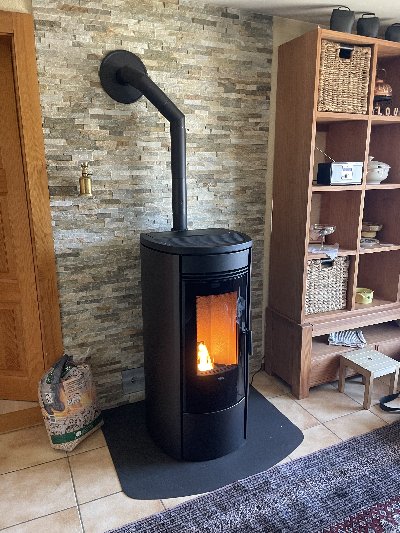
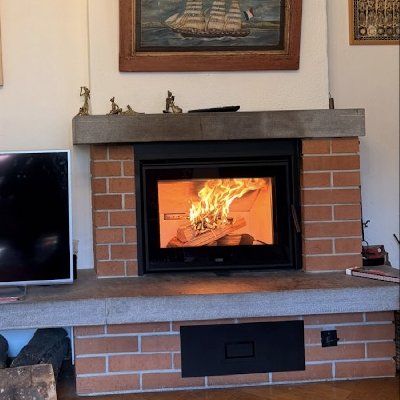
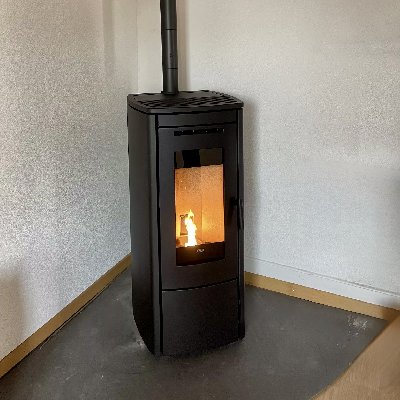
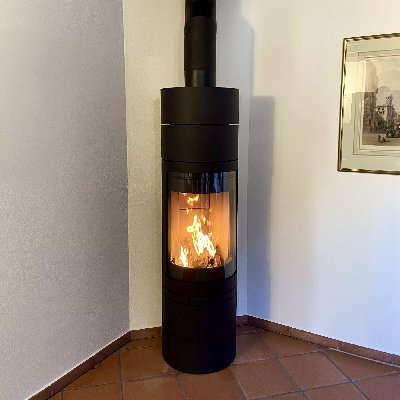
How much can you actually save on your heating costs thanks to subsidies for renewable heating? The answer depends primarily on the building, the canton, and the system you choose. To compare different options, see our page on wood-fired heating.
Subsidies for wood and pellet heating do not constitute a single national program. Rather, they encompass several different programs, each with varying cantonal and municipal rules. In 2026, it is therefore essential to proceed with caution, as placing an order too early could jeopardize your funding.
What financial assistance is available for wood-fired heating in 2026?
In Switzerland, financial assistance primarily serves one goal: to replace systems powered by heating oil, natural gas, or direct electricity with a renewable solution. The Buildings Program and the Incentive Program form the main public framework, but their implementation depends on the cantons.
On August 25, 2026, the Swiss Federal Office of Energy reported that 636.4 million francs had been allocated in 2025 under the Buildings Program and the Incentive Program. This amount covers all supported measures, not just wood-fired boilers or pellet-fired appliances. Nevertheless, it highlights the importance of energy-efficiency renovation initiatives in Switzerland, according to the SFOE’s press release.
For a residential project, three levels can be considered: the canton, the municipality, and certain national programs related to CO₂ reduction. These subsidies are not always combinable. Their compatibility must be verified before submitting the application.
Which wood- and pellet-fired heating systems are eligible?
Consider two different projects. The first replaces an oil-fired boiler with an automatic pellet boiler. The second involves installing a pellet stove as a supplemental heating source in a home that is already equipped with a heating system. The first project may qualify as a replacement of the primary heating system, while the second may be excluded.
Cantonal programs specifically consider the following categories:
- automatic pellet or wood chip boilers;
- log-fired boilers with heat storage tanks;
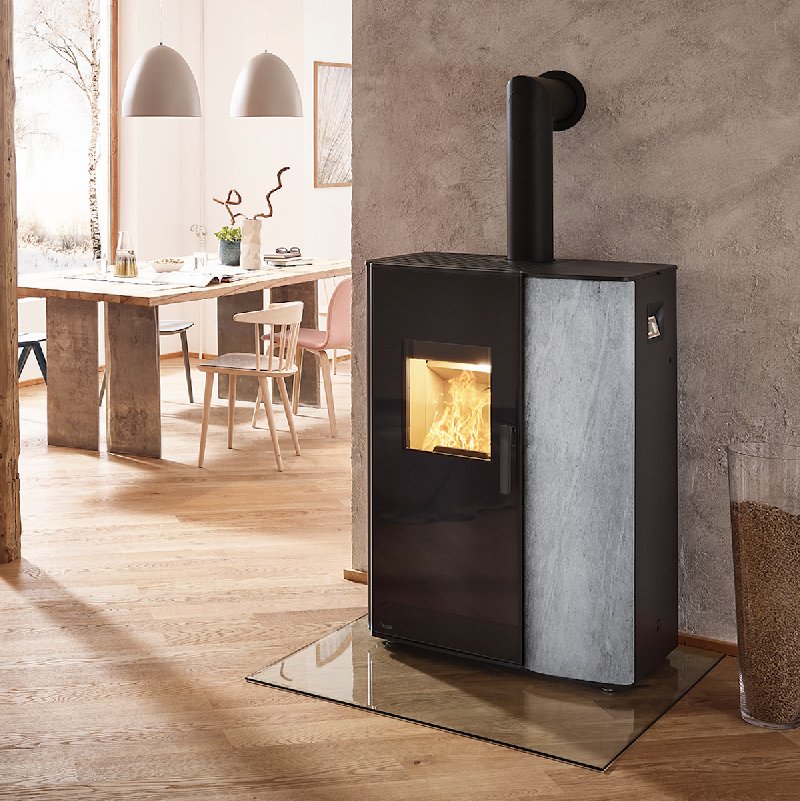
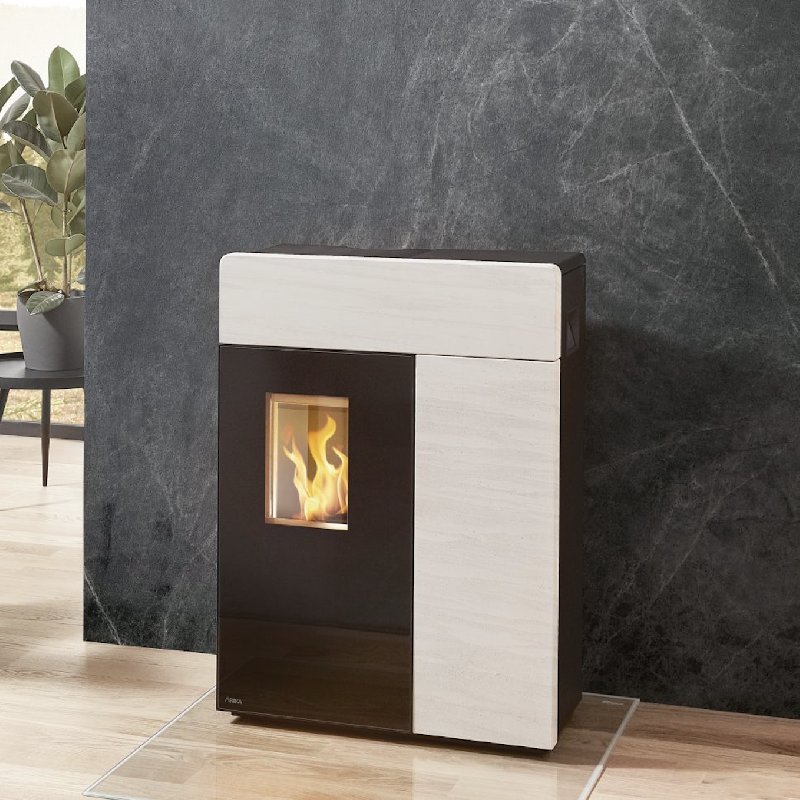
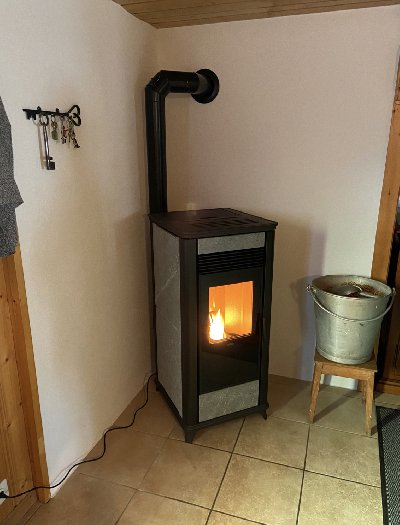
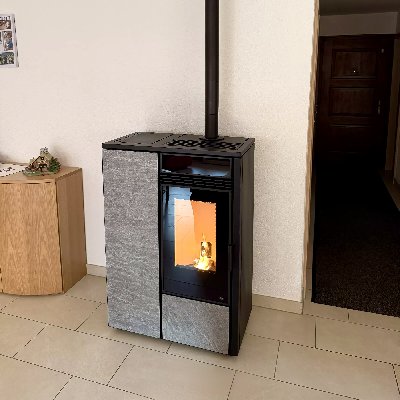
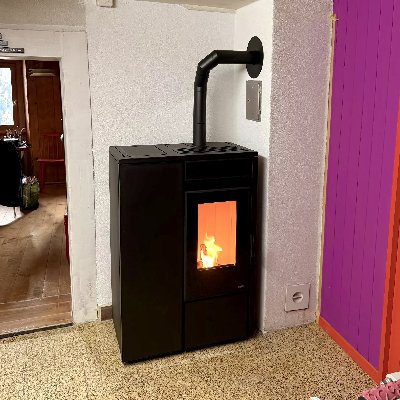
- pellet stoves with a storage tank and hydraulic distribution, depending on local conditions;
- systems exceeding certain power thresholds, which are sometimes covered by the Incentive Program;
- replacements of old fixed fossil-fuel or electric heating systems.
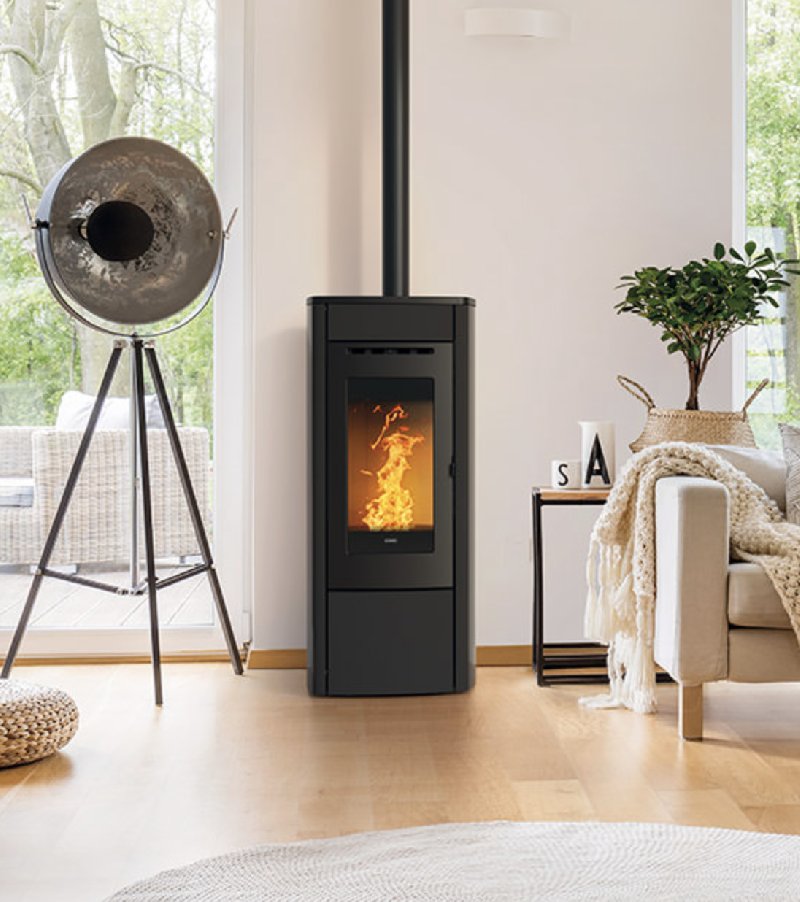
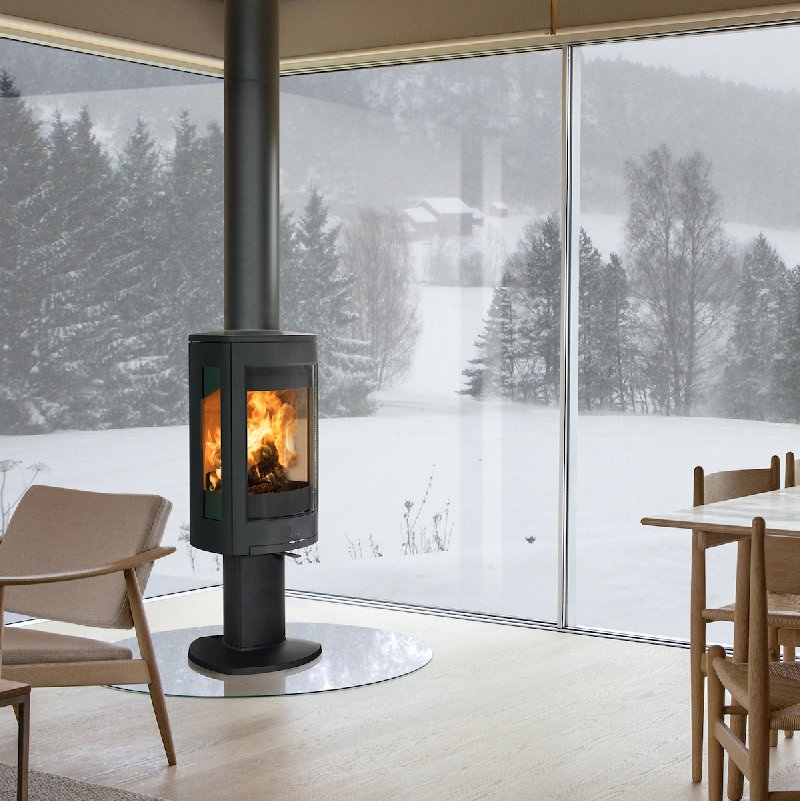
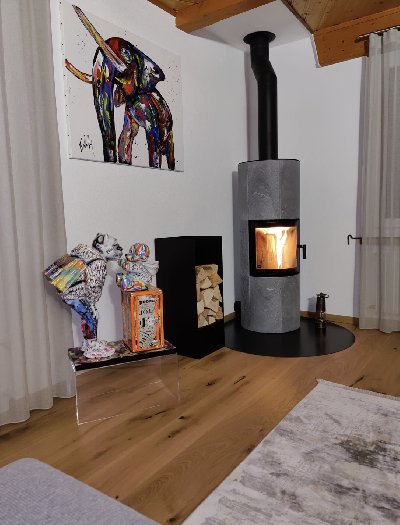
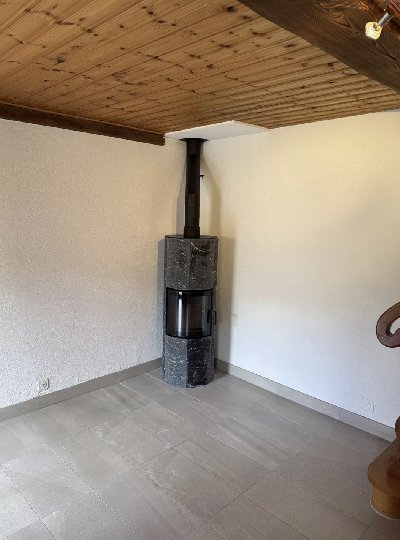
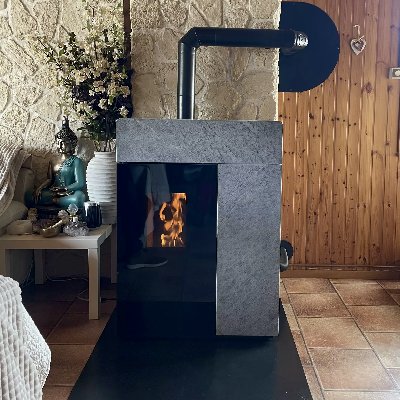
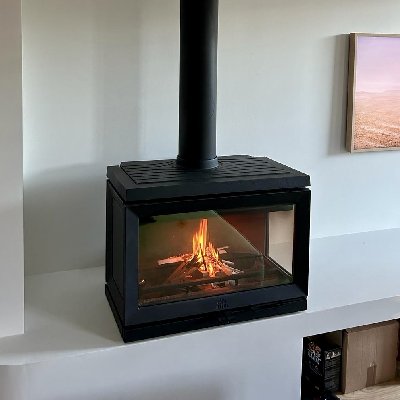
A simple decorative stove, a supplemental fireplace, or a unit without a hydronic connection does not automatically qualify for assistance. The primary heating function, hot water production, and heat distribution may be determining factors.
What conditions should you check before applying for financial assistance?
The first rule of thumb is not to sign anything too quickly. In most programs, the application must be submitted before work begins. The Buildings Program also recommends contacting the cantonal energy office before launching the project.
The most common requirements in 2026 are as follows:
- replace a primary heating system that runs on oil, gas, or direct electricity;
- meet heating needs with a renewable energy source, in accordance with the program’s requirements;
- comply with cantonal regulations regarding capacity and sizing;
- install a unit that complies with applicable technical requirements;
- have a declaration of conformity and, when required, a performance guarantee;
- provide the necessary equipment, such as a storage tank or thermostatic valves;
- submit the application before placing the order, receiving delivery, or starting construction.
The required documents generally include a detailed quote, photographs of the existing system, the specifications of the new unit, and technical documentation. For a multi-unit building or a high-capacity system, plans, an energy reference area, or an energy certificate may also be required.
How can you estimate the amount of subsidies in 2026?
There is no uniform amount in Switzerland. The calculation depends on the canton where the building is located, the municipality, the system’s capacity, the type of fuel being replaced, and the system’s configuration.
| Level of Support | What Qualifies for Support | Points to Check |
|---|---|---|
| Cantonal | Replacement of a fossil fuel or electric heating system with a renewable energy solution | Rate schedule, capacity, primary heating system, and technical documents |
| Municipal | Local supplement for certain energy-related projects | Exact address of the building and rules regarding combined subsidies |
| National or climate-related | Emissions reduction associated with replacing a fossil-fuel heating system | Available program, registration, and potential transfer of CO₂ reductions |
To identify the programs available in your municipality, you can consult the federal program database. Enter the building’s location, then compare the eligibility criteria rather than relying solely on the amount listed.
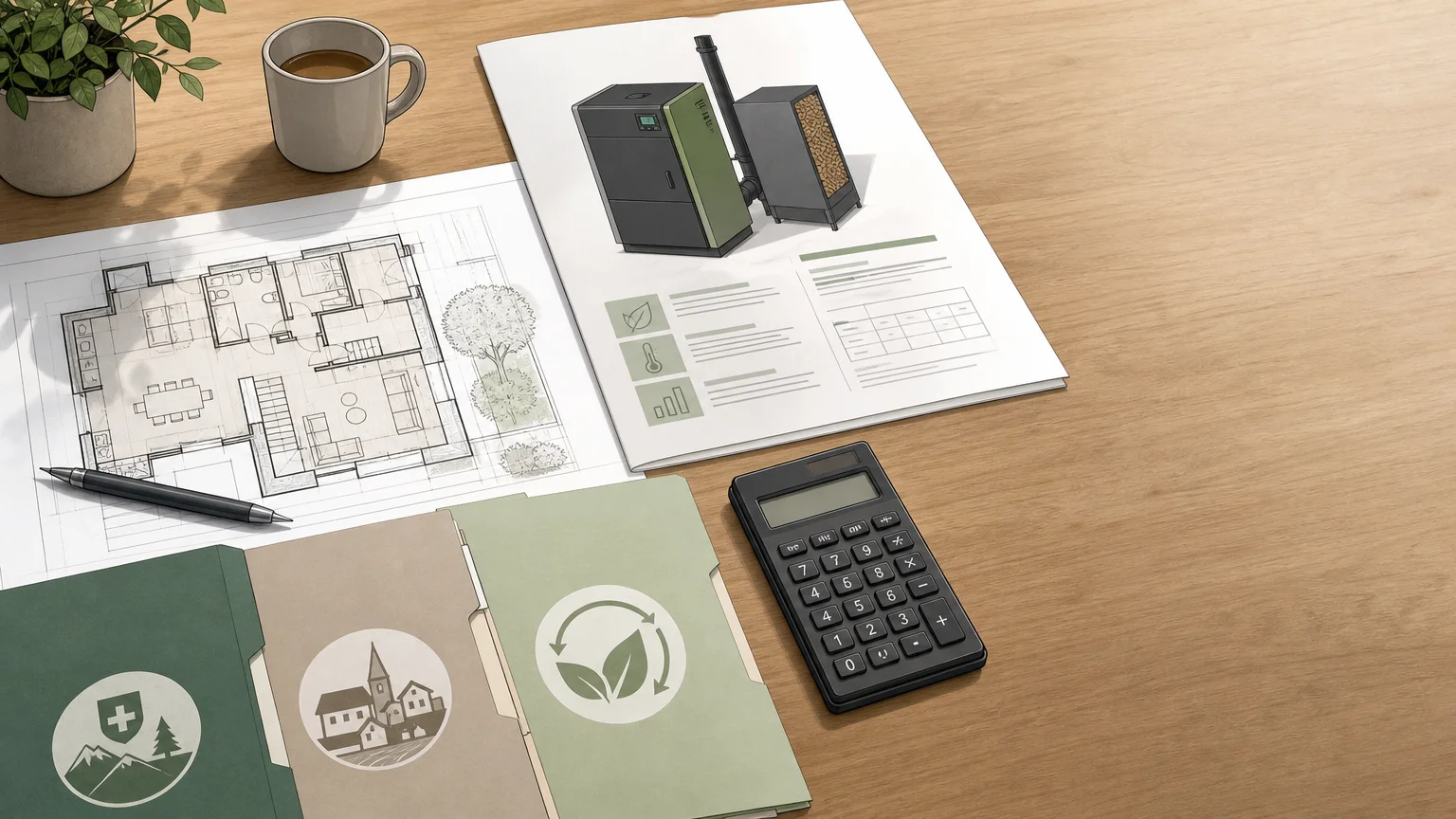
A subsidy listed in an old brochure does not guarantee that it will still apply in 2026. Available budgets, caps, and technical requirements may change. It is best to request written confirmation before finalizing the project.
Is there a climate incentive for pellet heating systems?
Some programs aimed at reducing emissions support the replacement of a fossil-fuel heating system with an automatic pellet heating system. The pellet program offered by KliK is an example of this type of initiative, with funding tied to emission reductions.
This assistance should not be confused with a traditional cantonal subsidy. It may depend on the fuel being replaced, the system’s capacity, the date of application, the date of commissioning, and acceptance of the transfer of CO₂ reductions.
Combining funding sources warrants special attention. Some programs allow multiple sources of support, while others prohibit simultaneous funding for the same investment. Before submitting your application, compare the expected amount, administrative requirements, and any potential exclusions.
For homeowners who are deciding between an automatic boiler, a pellet stove, or a wood-burning system, the choice isn’t based solely on the subsidy. You must also consider the flue, storage space, hydronic distribution, domestic hot water, maintenance, and lifestyle.
In what order should you submit your application in 2026?
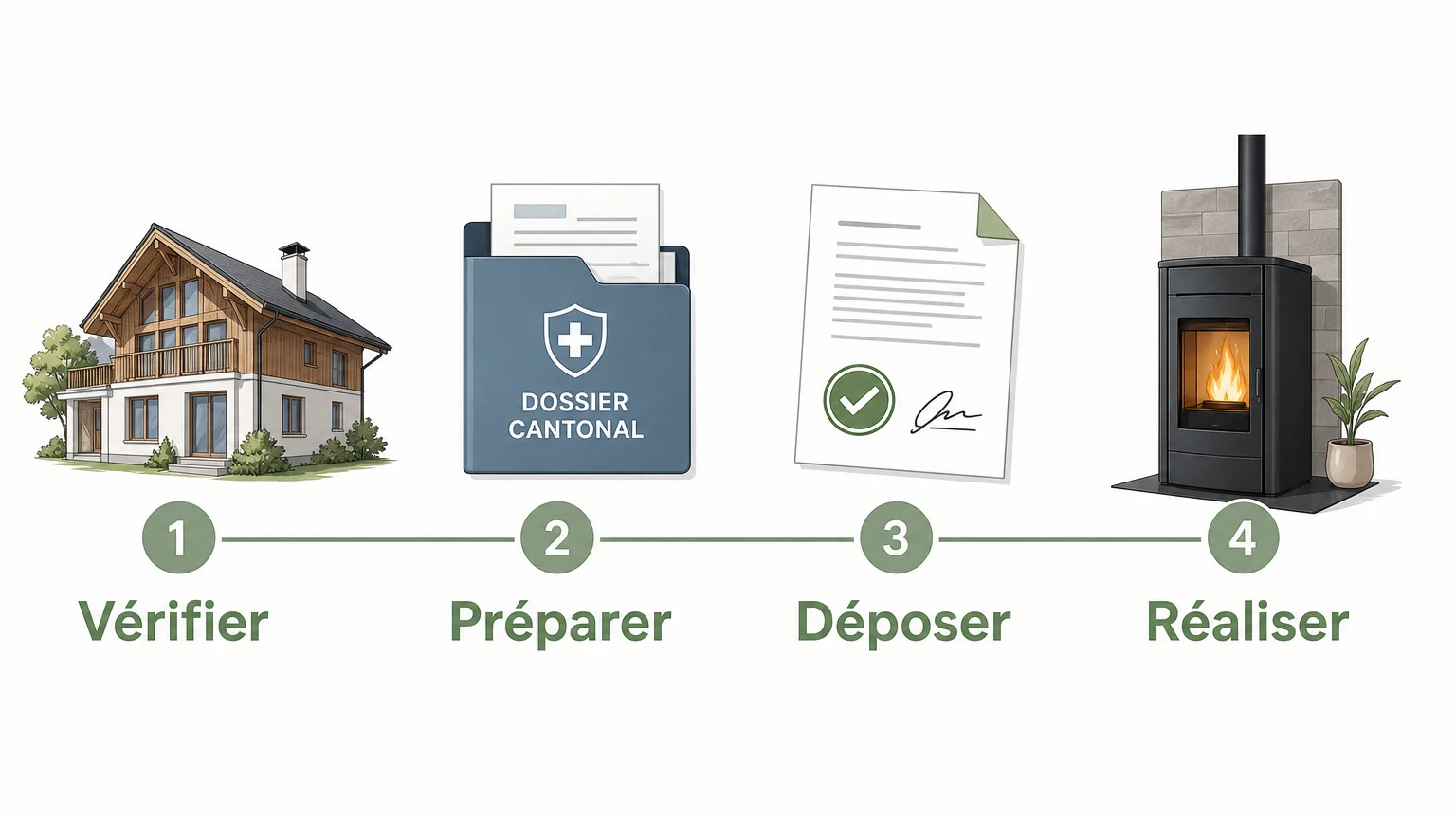
A structured approach minimizes unpleasant surprises. Start by having the building and the existing system inspected, then request one or more quotes detailed enough to specify the capacity, fuel type, and associated equipment.
- Identify the canton and municipality where the building is located.
- Check the programs available for wood and pellets.
- Have the technical feasibility assessed, particularly the flue and heat distribution.
- Gather the quote, plans, photographs, and required supporting documents.
- Submit the application before placing any orders or beginning any work.
- Wait for the written decision before beginning installation.
- After the system is commissioned, submit the paid invoices and the notice of completion.
We can assist you with the technical steps leading up to the application. Our free feasibility study includes an assessment of the home, the available space, and the presence of a compliant flue where required.
We also help you choose a solution that fits your home, your budget, and your lifestyle. After installation, our after-sales service covers maintenance, repairs, and the supply of replacement parts for the relevant equipment.
If you’re considering an automated system instead, check out our pellet stoves and heating systems. The final decision should take into account not only the requirements for financial assistance but also daily use and the building’s specific constraints.
Key Points About Heating Subsidies in 2026
Subsidies for wood- or pellet-fired heating systems can reduce the upfront investment, but they always depend on your location, the system being replaced, and the specifications of the new unit. In 2026, the best approach is to check cantonal and municipal programs, compare any available climate incentives, prepare the technical documentation, and wait for written approval before placing any orders. A preliminary study also helps confirm feasibility and avoid an unsuitable project.
Plan Your Pellet Heating Project
Are you looking to replace a fossil fuel heating system or explore a renewable energy solution for your home? We can advise you on choosing the right unit, technical feasibility, and the steps involved in your installation.

Explore our selection of pellet boilers eligible for financial assistance and consult with our team to move forward with a solution tailored to your building, your space, and your needs.
Frequently Asked Questions
Is a subsidy guaranteed for a pellet heating system?
No. Eligibility depends on the canton, the municipality, the heating system being replaced, the boiler’s capacity, and the terms of the specific program. Submitting a preliminary application allows you to verify your eligibility before committing.
Can a supplemental wood stove qualify for a subsidy?
Not automatically. Subsidies are often intended for a primary heating system, a hydronic distribution system, and the replacement of a fixed fossil fuel or electric system.
Can I start the work before receiving a response from the canton?
It is generally not recommended to begin work before receiving written approval. Placing an order, arranging a delivery, or starting construction may render your application ineligible, depending on the program.
Can municipal and cantonal grants be combined?
Sometimes, but the rules vary by location and program. Always check the eligibility criteria for combining grants before submitting your application.
Who can help me prepare my project?
We can assist you with a feasibility study, selecting a unit, and preparing the necessary steps for installation. We also provide maintenance and repairs for the equipment after installation.