

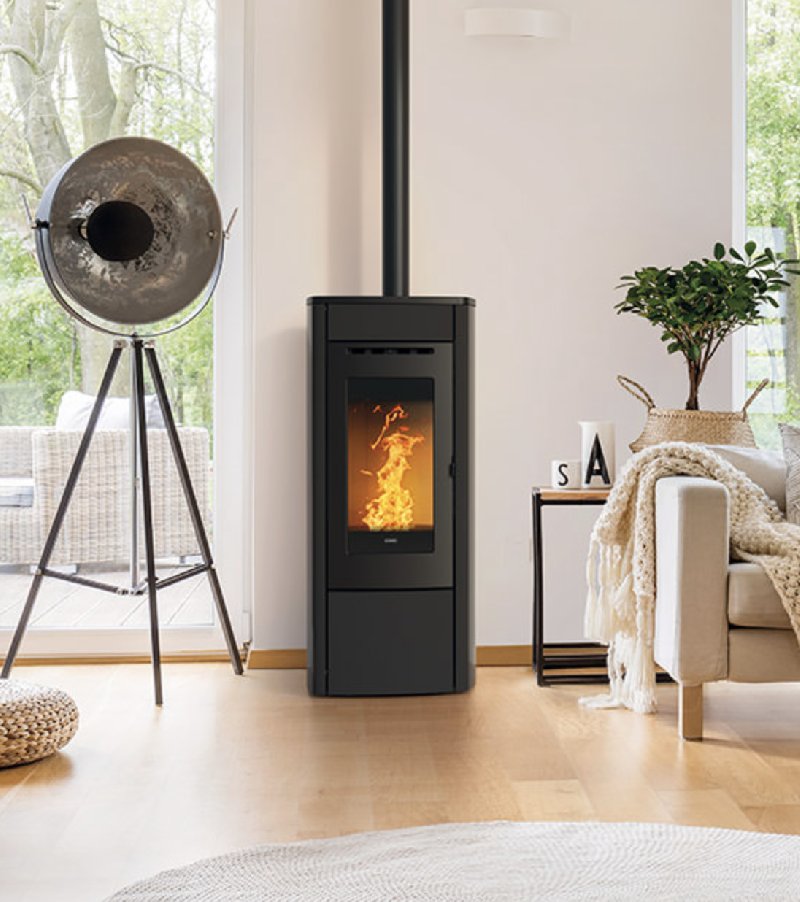
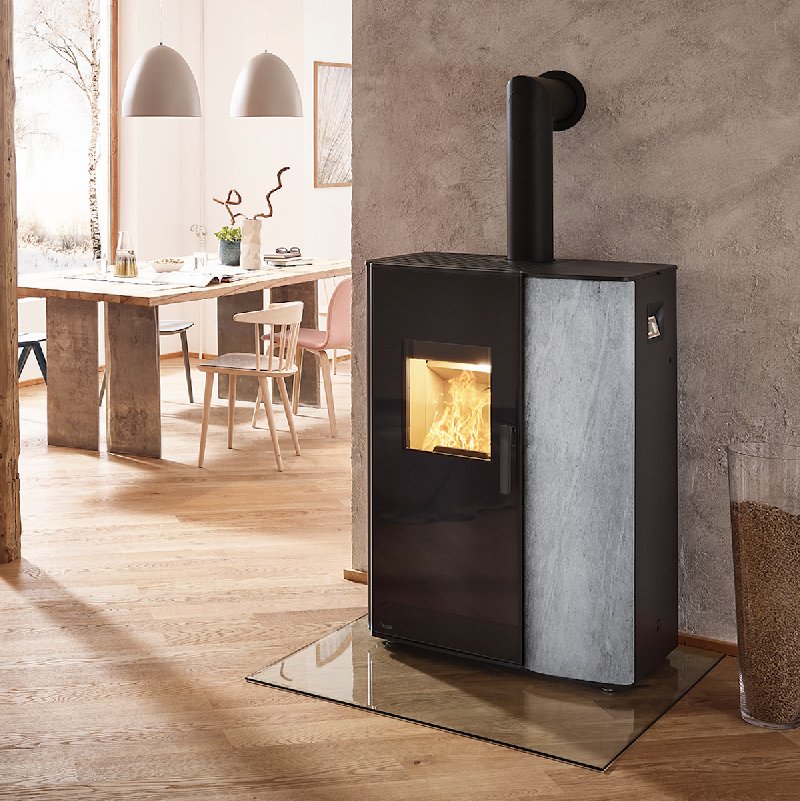
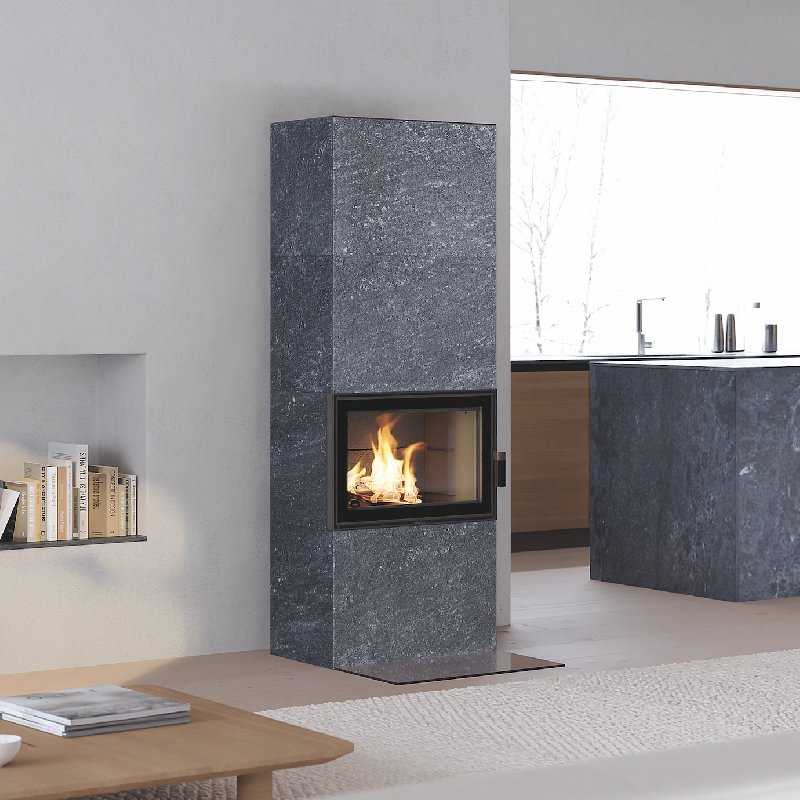
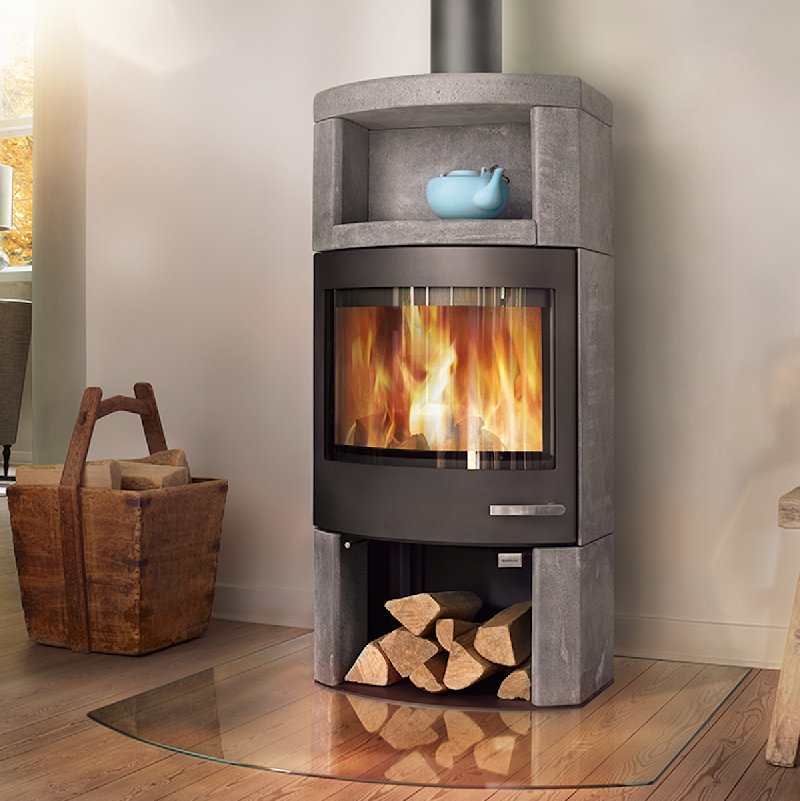
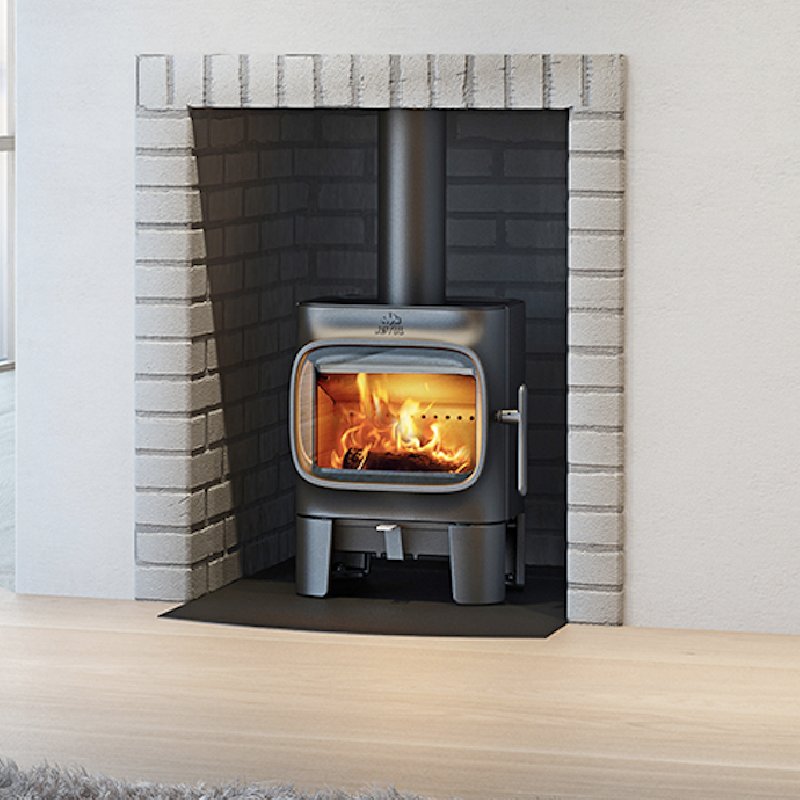
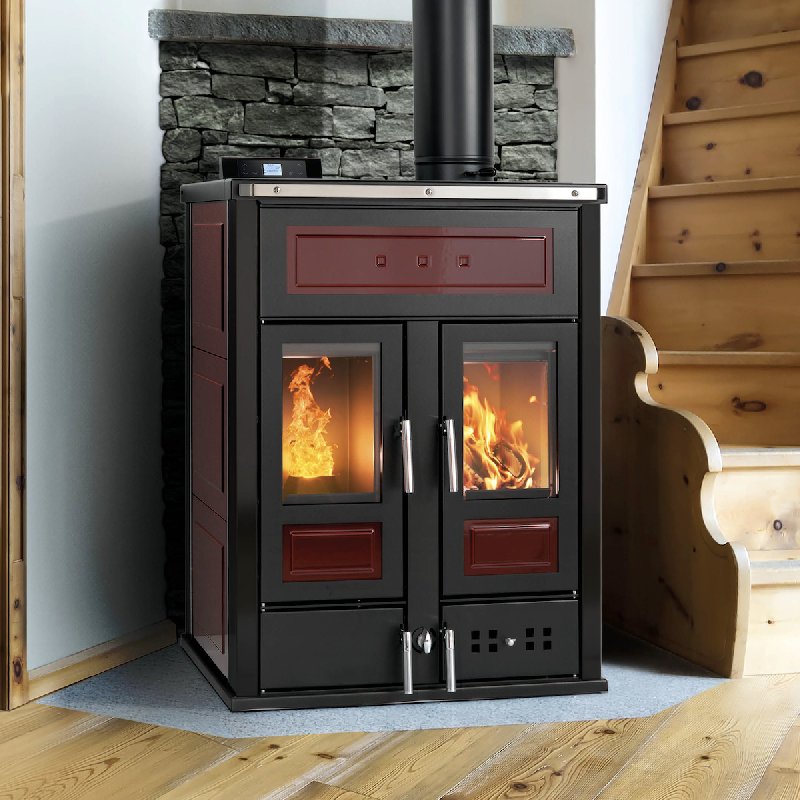
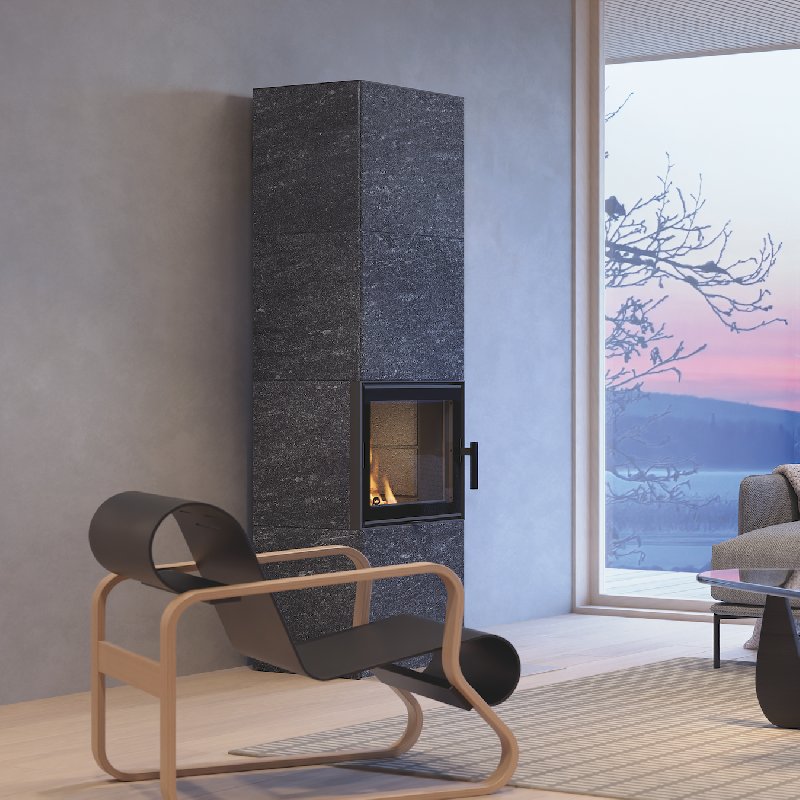
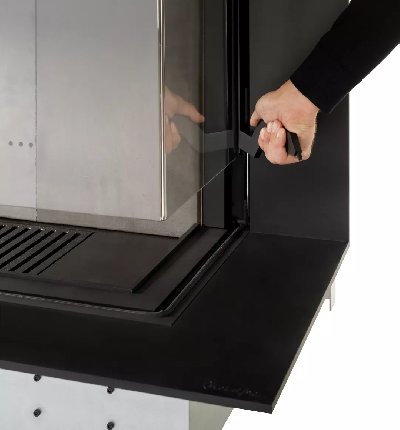
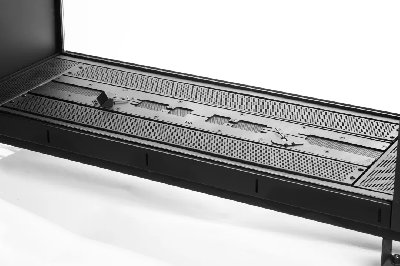

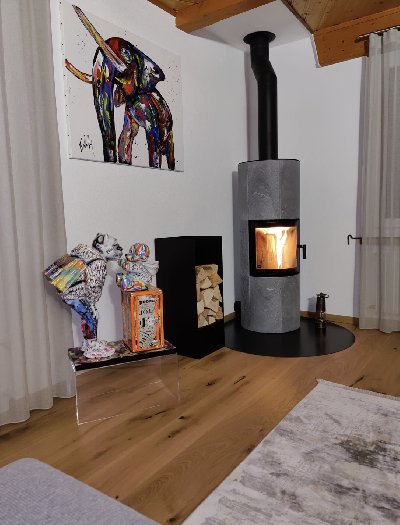
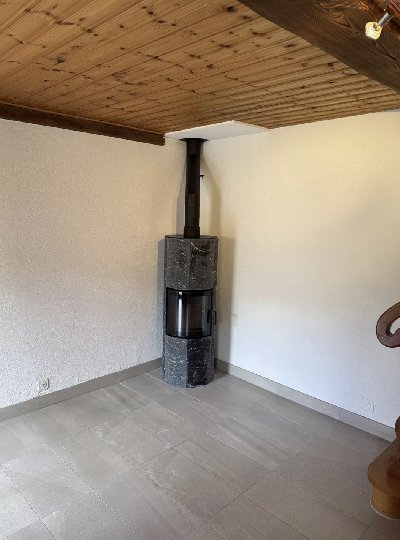
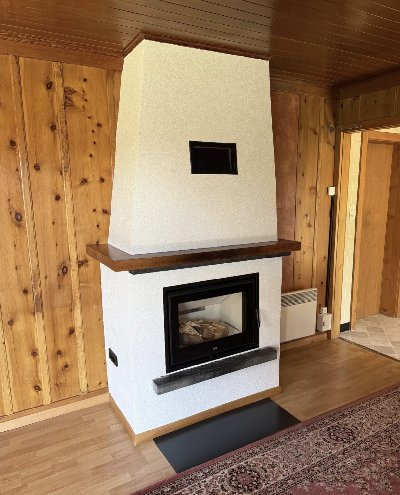
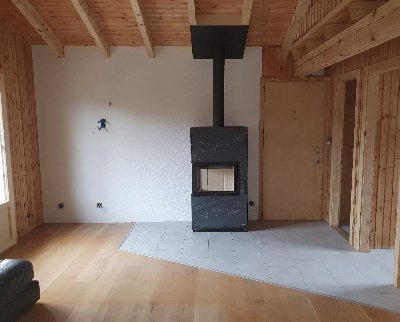
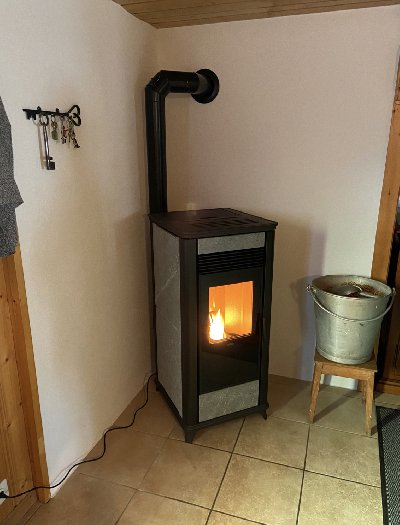
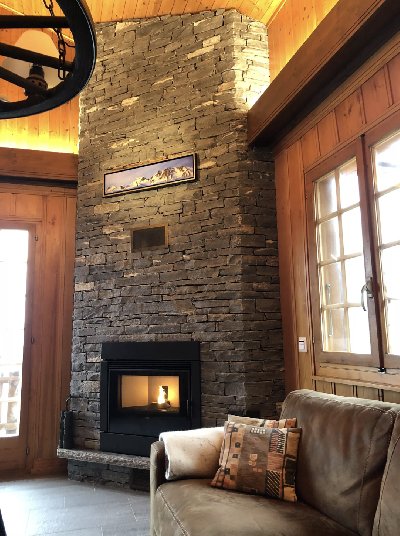
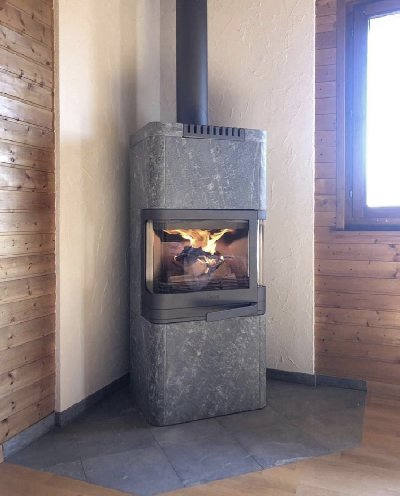
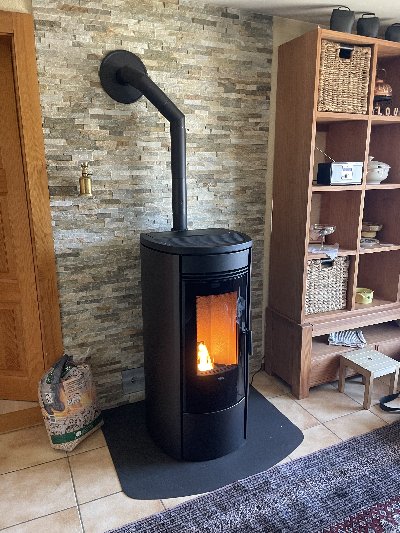
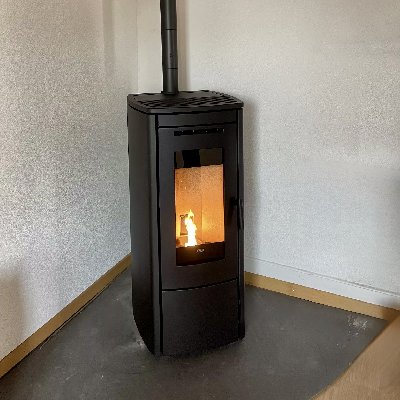



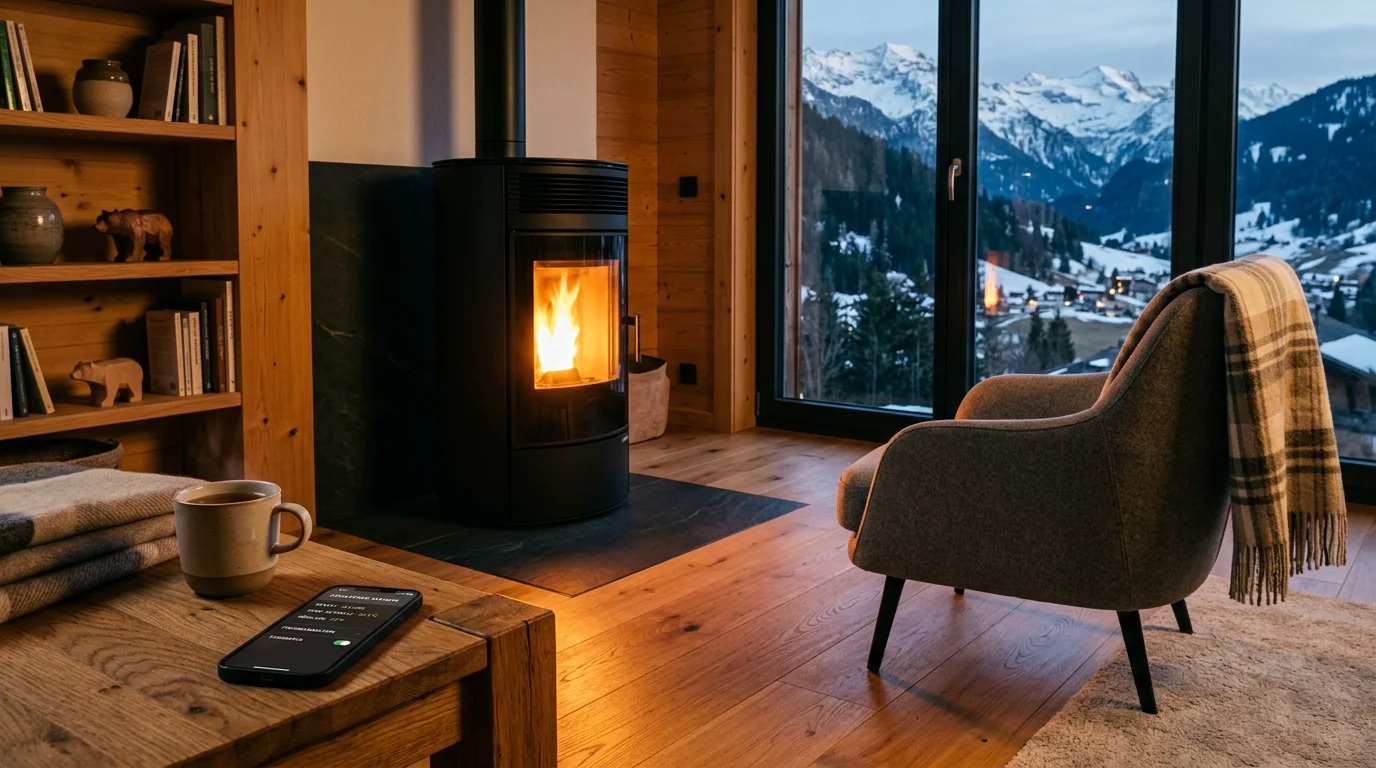
Lighting your fire from your couch—or even before you get home—is what remotely controllable pellet stoves promise. In Switzerland, wood heating remains a mainstay in homes, and our Klover Smart Pellet Stove (Bluetooth) exemplifies this shift toward smarter heating. Connectivity is no longer just a gimmick, but a key to comfort and energy efficiency.
In practical terms, connected pellet stoves combine the clean combustion of pellets with a digital control interface. The pellet stove market is also showing signs of a rebound: according to Propellet, 128,000 pellet stoves were sold in 2025, representing a 36% increase year-over-year. The question remains: what sets a smart model apart, and how do you choose the right one?
What is a smart pellet stove?
A connected pellet stove works like a traditional model, with one major difference: it includes an electronic circuit board and a communication module. Wi-Fi, Bluetooth, or a home automation gateway connect the appliance to your smartphone, tablet, or computer.
Thanks to internal sensors (room temperature, door sensor, burner position), the appliance automatically adjusts the airflow and heating output. This means you’re controlling a stove that regulates its own combustion, while still retaining control via an interface. It’s this autonomy, combined with precise control, that defines the new generation of appliances.
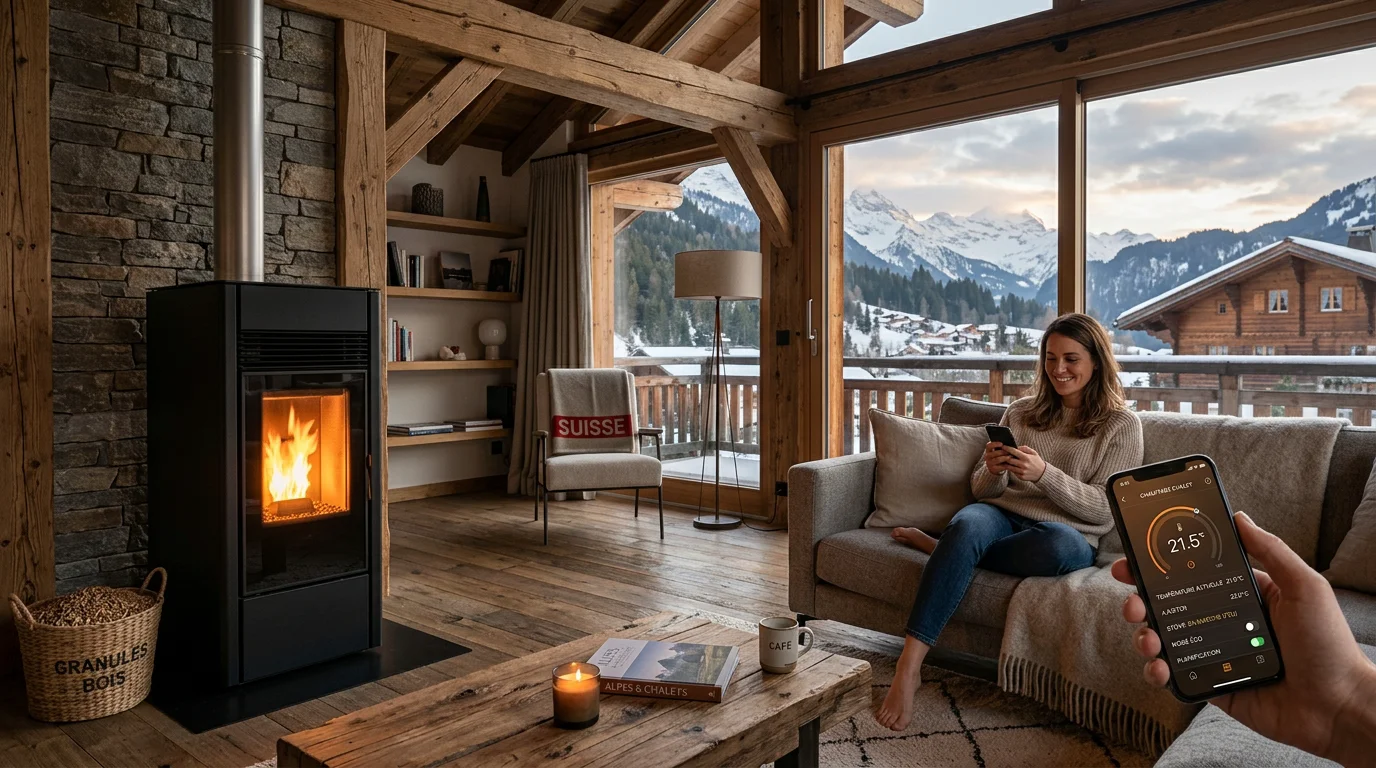
Remote Control: Wi-Fi, App, and Voice Control
At the heart of a connected model is its control system. Using the manufacturer’s dedicated app, you can adjust most settings from anywhere.
- Remote on/off control via the internet.
- Adjust the roomtemperature, sometimes room by room.
- Schedule operations to fit your lifestyle.
- Real-timemonitoring of pelletconsumption.
- Maintenance alerts and fault notifications.
Some systems go a step further with home automation integration. You can then control your stove with your voice, using assistants like Google Home or Alexa, and synchronize the heating with your window shades or thermostat. To get started with remote control, our guide to connecting and using remote controls for pellet stoves walks you through each step.
The Benefits of Smart Pellet Heating
Why pay extra for connectivity? Because the benefits go beyond mere convenience. A device that continuously monitors the room temperature helps prevent overconsumption of wood pellets while maintaining consistent heat.
Monitoring consumption also serves an educational purpose. By viewing your operating hours and pellet usage, you can adjust your habits. Yet pellets remain a competitive energy source: on a per-kWh basis, they cost around 7.5 to 8 centimes in 2025—a stability that provides households with greater predictability.
The environmental argument is also significant in Switzerland. According to a specialized wood-heating magazine, nearly 83% of the pellets consumed in the country come from local production, which reduces the carbon footprint and promotes regional economic growth.
Choosing the Right Smart Pellet Stove
Not all smart devices are created equal. The connectivity technology changes how the device is used: Bluetooth is suitable for local control, while Wi-Fi or a web interface enables full remote control—ideal for a second home. The table below summarizes the main options.
| Solution | Control Range | Typical Use |
|---|---|---|
| Bluetooth | Local (same residence) | Control from the couch |
| Wi-Fi / web interface | Remotely, via the internet | Primary or secondary residence |
| Home automation / voice | Remote + automation | Smart home |
| Carron-Lugon Support | Consulting, installation, and in-house after-sales service | Turnkey Projects in French-speaking Switzerland |
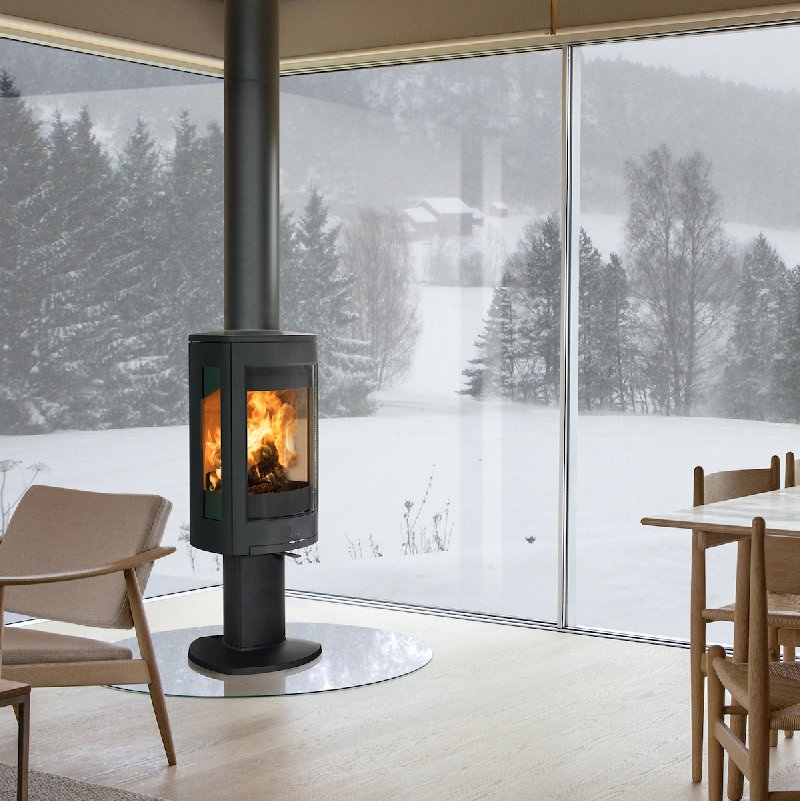
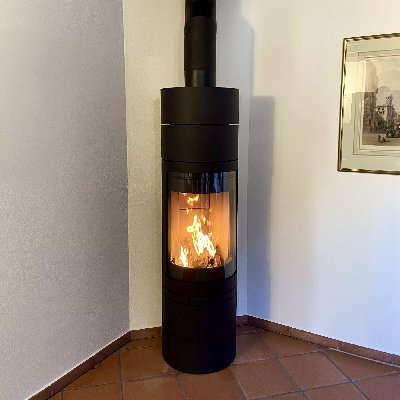
Beyond connectivity, check the power output, the tank capacity, and the ability to distribute warm air to multiple rooms. For a contemporary design combined with smart controls, our Contura smart stove (Connect version) strikes the perfect balance between Scandinavian aesthetics and smart features. The best way to make your selection is in a showroom, where you can see the unit in person.
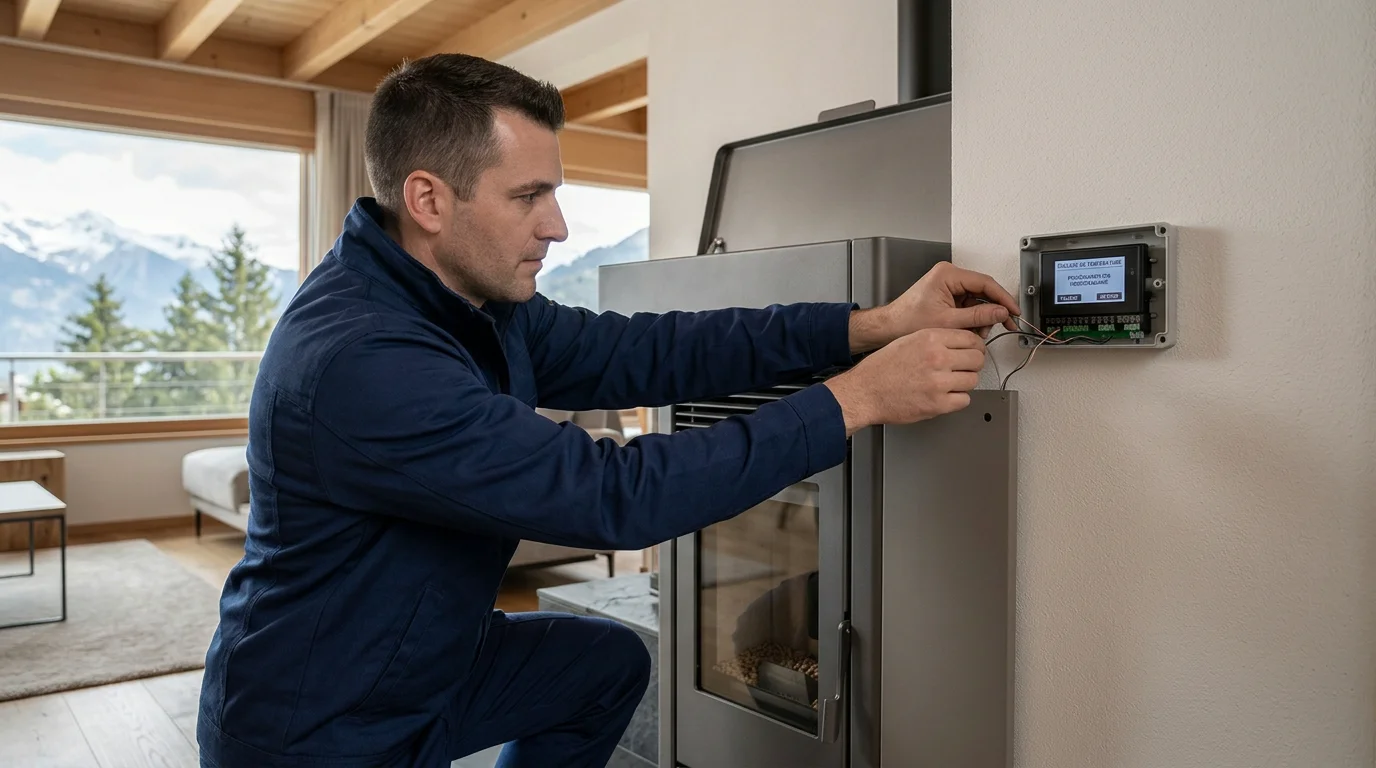
Installation, Setup, and Maintenance
Installing a smart model is similar to installing a traditional pellet stove, with a few additional steps. You’ll need a stable Wi-Fi connection in the room, the manufacturer’s app, and an initial setup to connect the unit to the network.
Once in use, maintenance is simplified. The stove alerts you when the ash pan needs cleaning, reports any malfunctions, and reminds you to schedule annual maintenance. Some models even feature a self-cleaning ash pan that allows for weekly use without any intervention. To help you navigate the common settings, our guide to using the remote control (Klover pellet stoves) walks you through the process step by step.
What budget should you plan for in 2026?
Connectivity represents a modest additional cost. A standard pellet stove typically costs between 3,000 and 5,000 CHF, while a connected model generally ranges from 4,000 to 6,500 CHF, depending on its output and home automation features. The price difference is due to the control electronics and smart monitoring features.
This investment is part of a growing market. The annual study reported by Poelesabois.com confirms that by 2025, pellet stove sales will have increased by 35%, bucking the trend of an overall wood market that is in slight decline. Demand is focused on automatic, high-performance units, with connected models representing the top of the line. Over time, the energy savings achieved more than offset the initial price difference.
Smart Heating in French-speaking Switzerland
Smart pellet stoves combine three advantages rarely found together: clean pellet combustion, precise heat control, and the convenience of remote operation. In Switzerland, where wood-based energy is largely locally sourced, they are emerging as a sustainable and practical solution. The success of a project depends above all on precise sizing, installation that complies with standards, and solid support. Before buying, compare connection technologies, power output, and the ability to heat multiple rooms, then confirm your choice by seeing the unit in person at a showroom.
Take the first step with Carron-Lugon
Are you considering a modern, programmable heating system tailored to your home in Valais, the canton of Vaud, or Geneva? Our team will assess your needs based on blueprints or during a free, no-obligation on-site visit, then coordinate the entire project with architects and other trades.
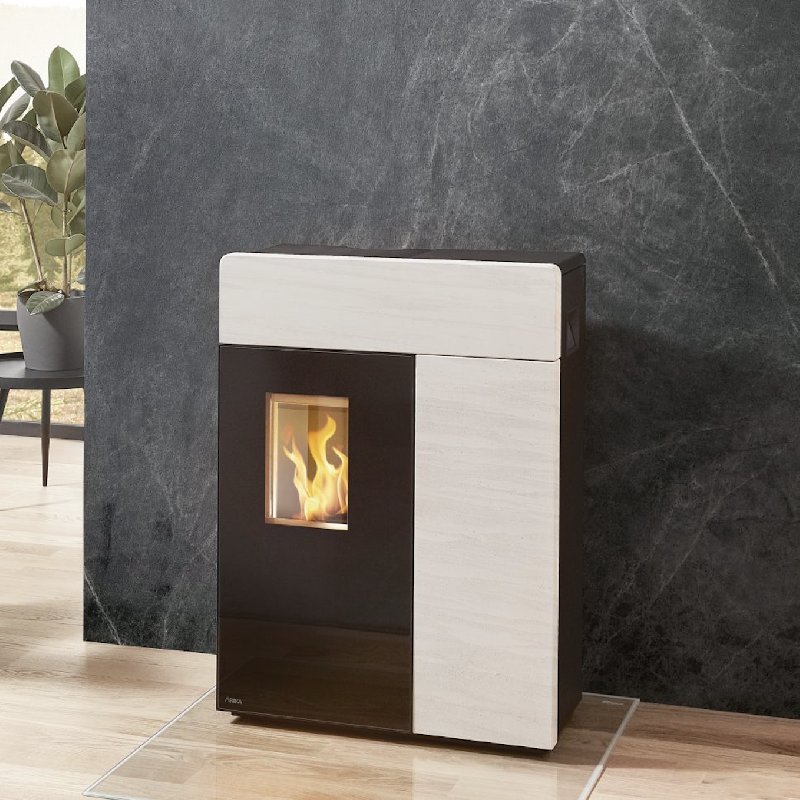
From selecting your unit in the showroom to clean and meticulous installation, right through to our in-house after-sales service, we manage your project from start to finish. Discover the RIKA Connect Pellet smart stove from our selection and come discuss it with us at our showrooms in Fully and Etoy, which are open to the public.
Frequently Asked Questions
Does a smart pellet stove work without an internet connection?
Yes, the stove heats normally and its automatic control remains active without an internet connection. Wi-Fi or Bluetooth are only used for remote control and monitoring via the app. Without a network connection, you can still use the physical controls and the remote control.
Can you control a pellet stove from a second home?
This is one of the major benefits of Wi-Fi models or those equipped with a web interface. You can turn on the heater remotely before you arrive and check its status at any time. There are solutions specifically designed for controlling devices located in remote homes.
How much more does it cost compared to a traditional stove?
Connectivity generally adds a few hundred francs to the price of an equivalent model. A connected stove often costs between 4,000 and 6,500 CHF, compared to 3,000 to 5,000 CHF for a manual or simply programmable unit. The energy savings tend to offset this difference over time.
Are these stoves compatible with home automation systems?
Some models integrate with popular ecosystems such as Google Home, Alexa, or HomeKit. You can then control your stove with your voice or automate heating based on the weather. Compatibility varies by manufacturer, so be sure to check before purchasing.
Is maintenance more complicated on a smart model?
No, it’s actually made easier by automatic cleaning and maintenance alerts. The stove notifies you when to empty the ash pan or schedule annual maintenance. If you encounter a problem with a pellet, wood, or gas stove, our in-house customer service team will take care of it.