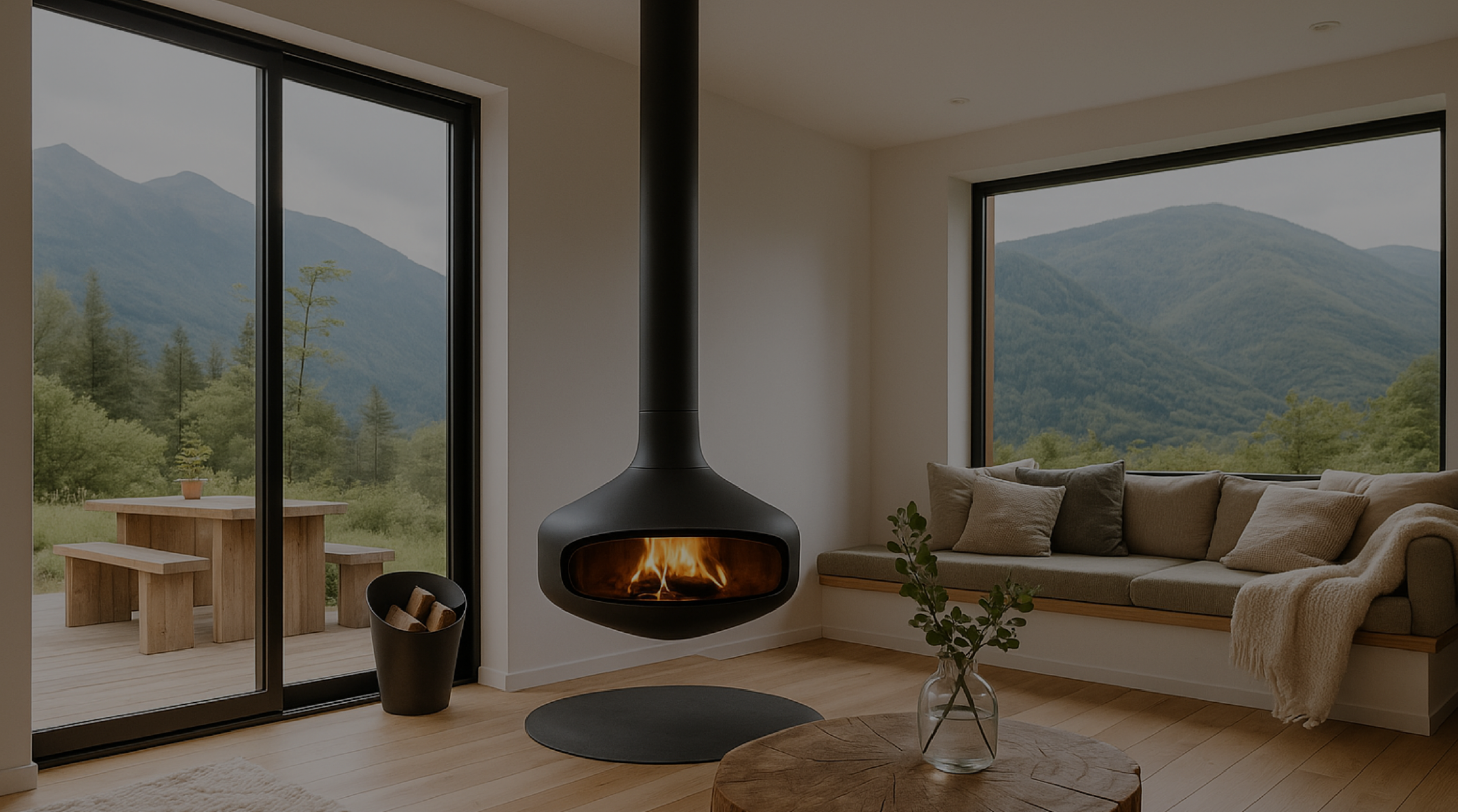


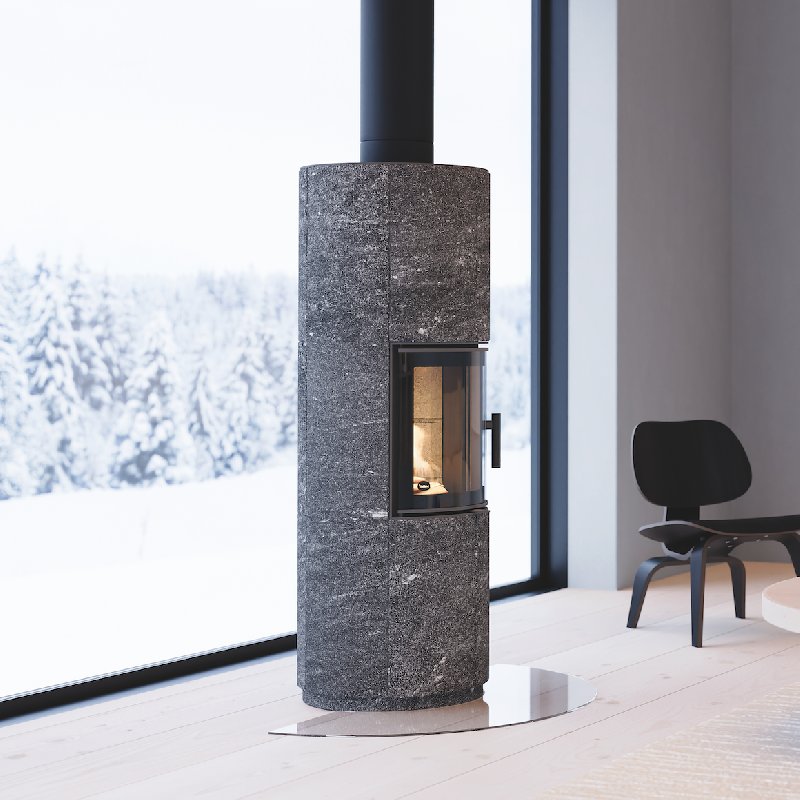
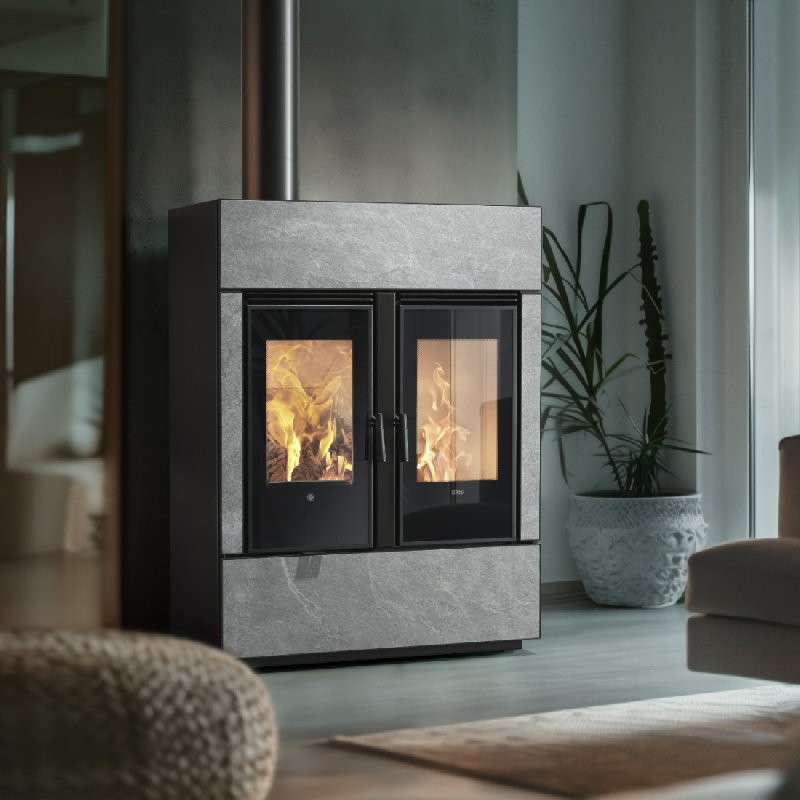
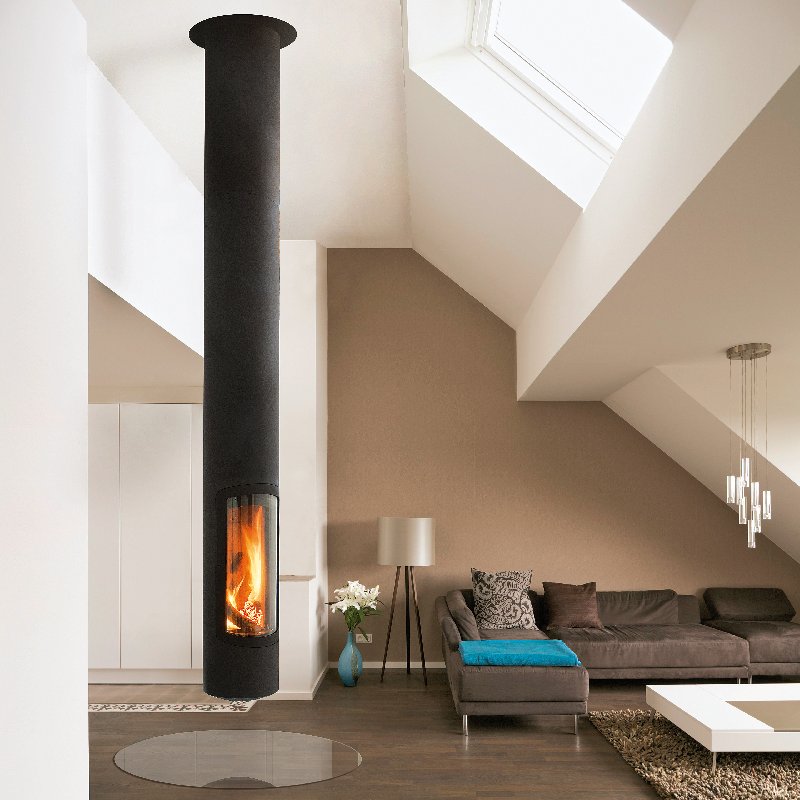
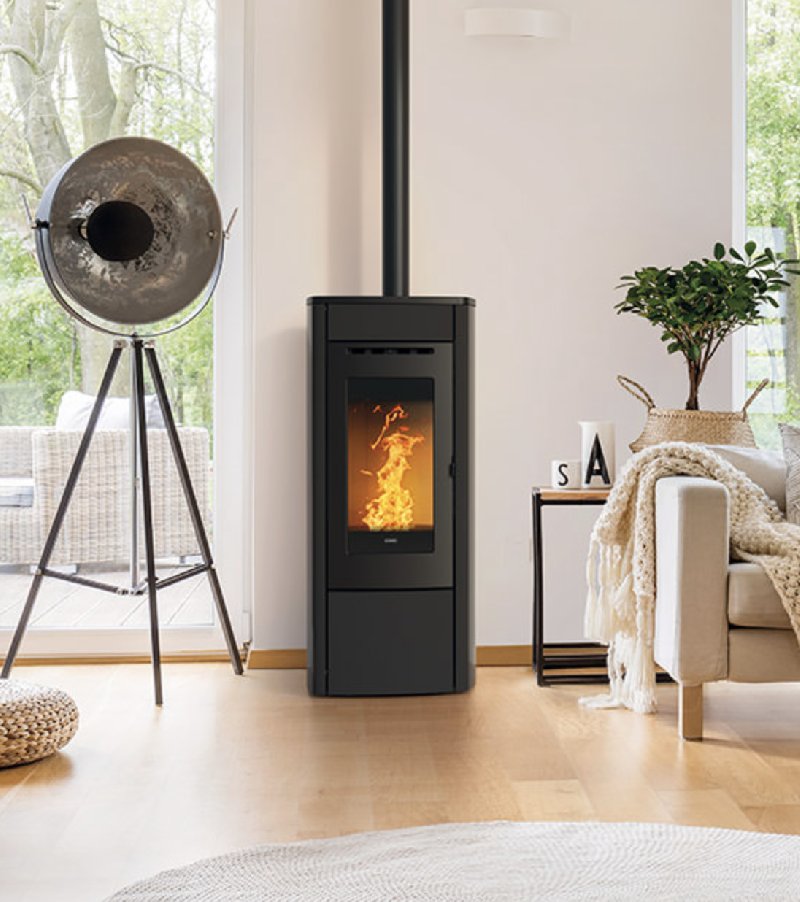
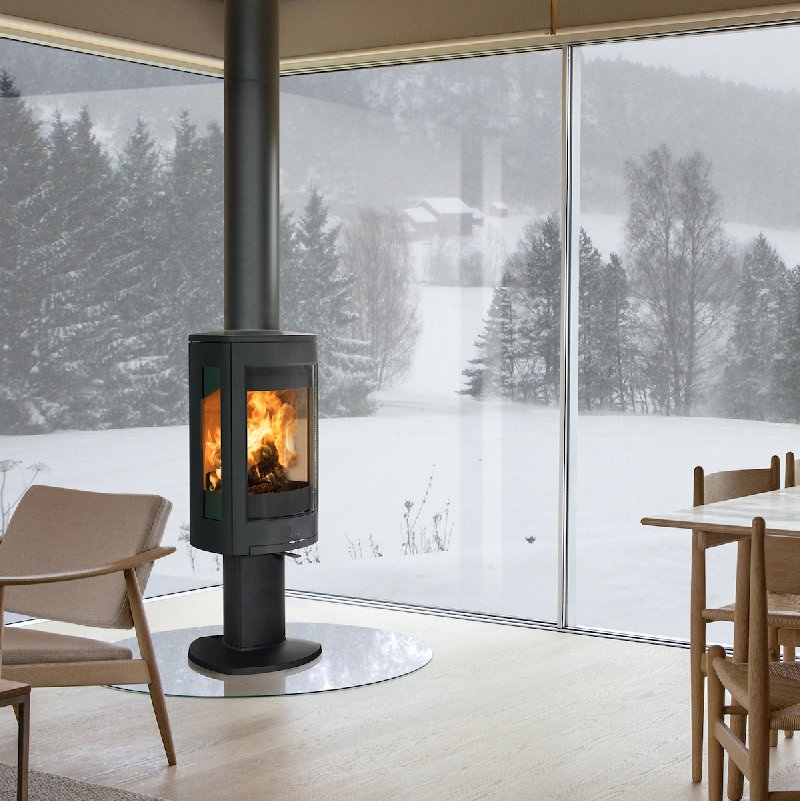
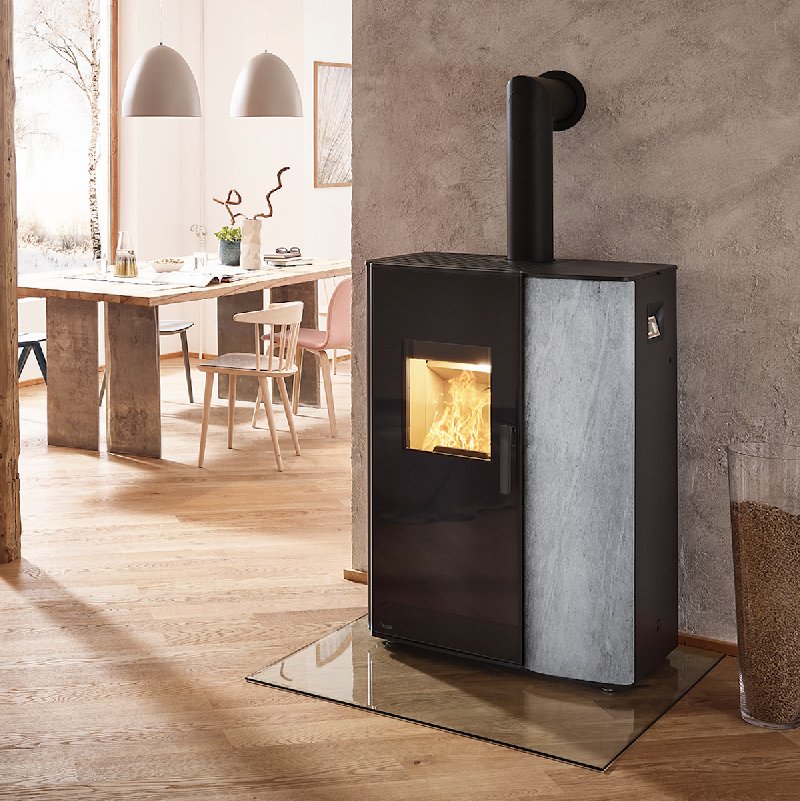
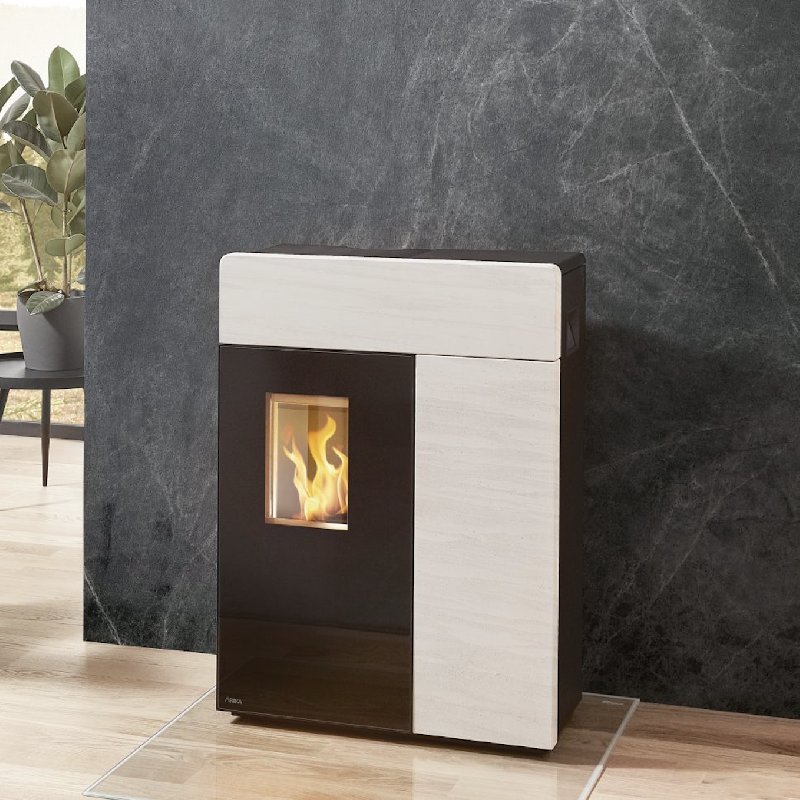
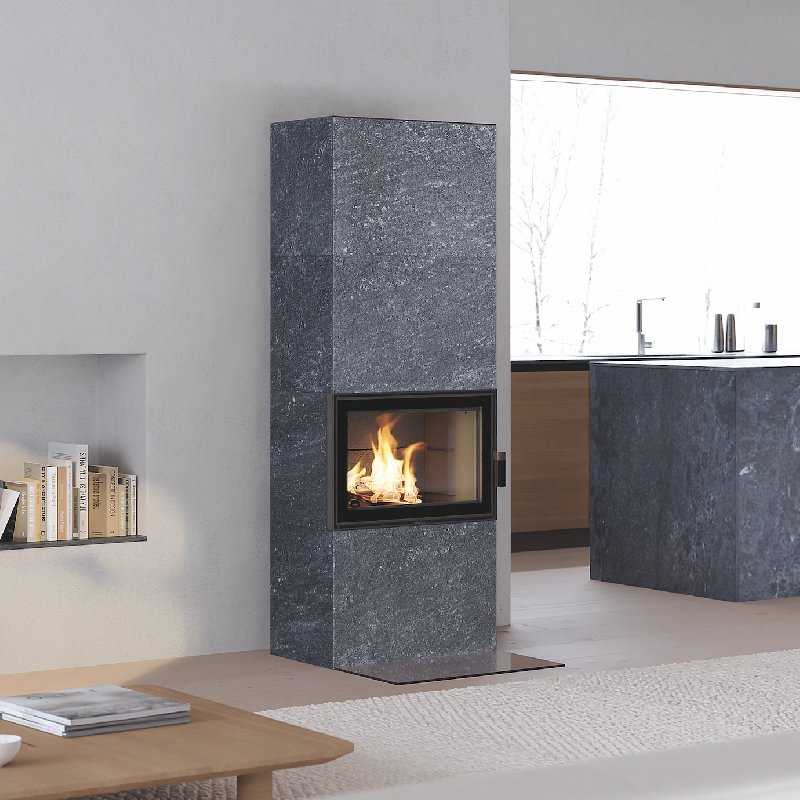
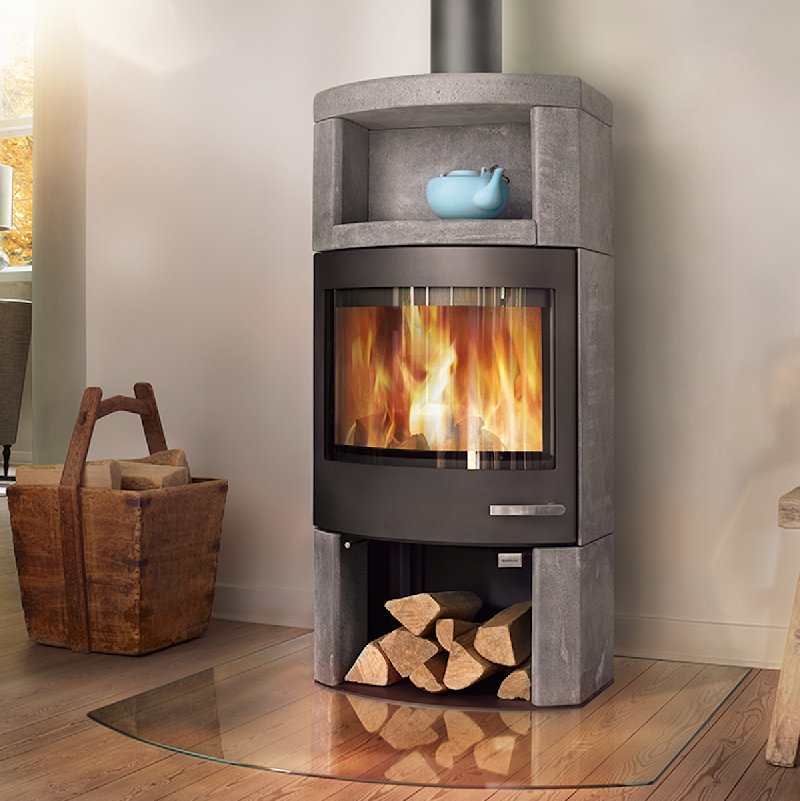
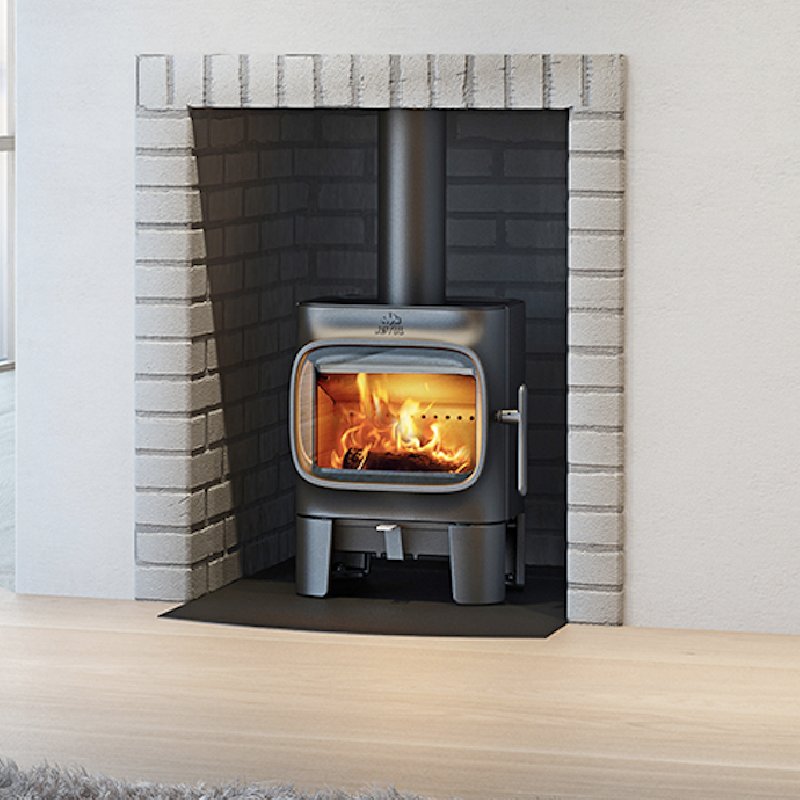
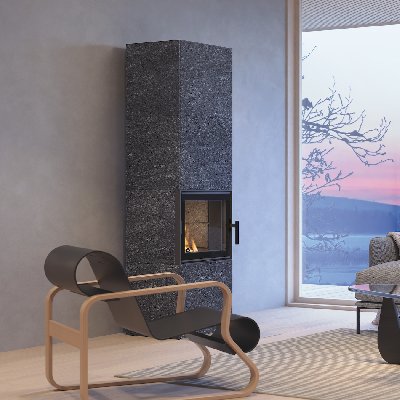
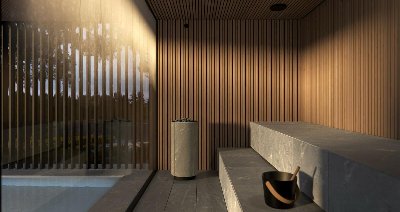
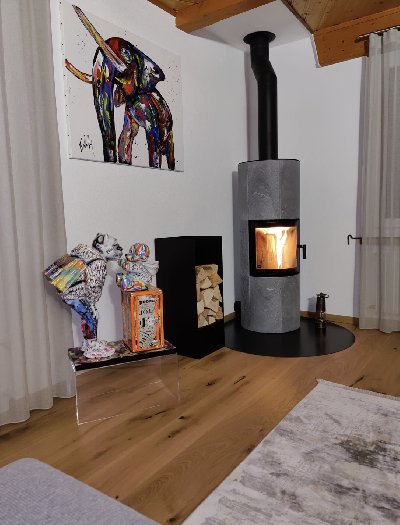
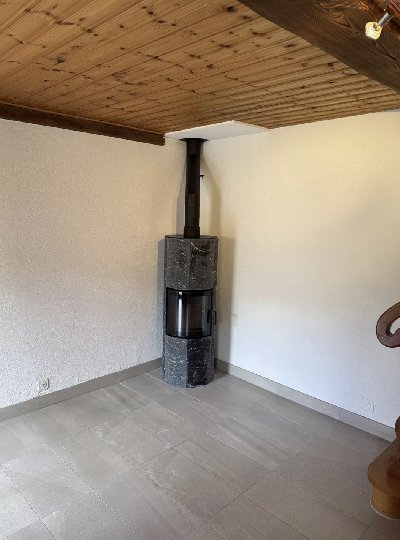
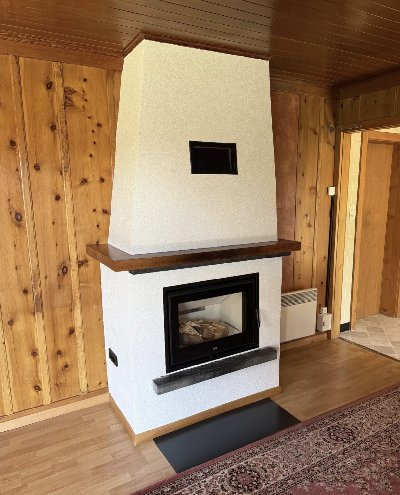
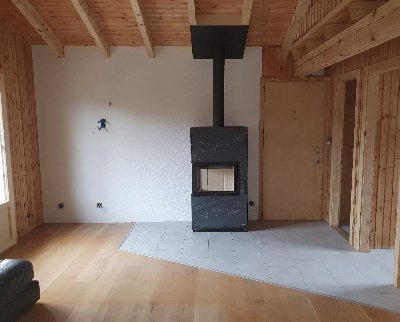
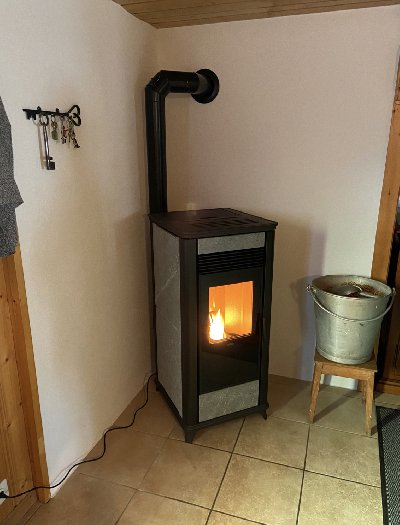
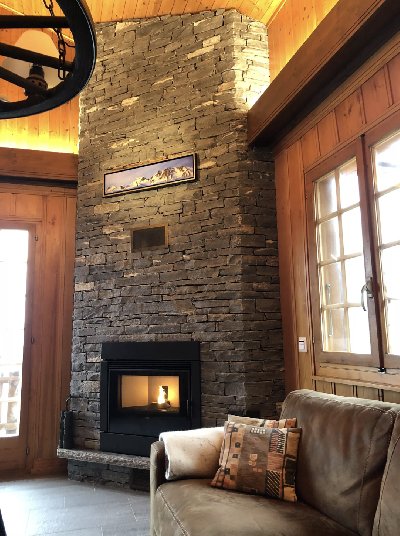
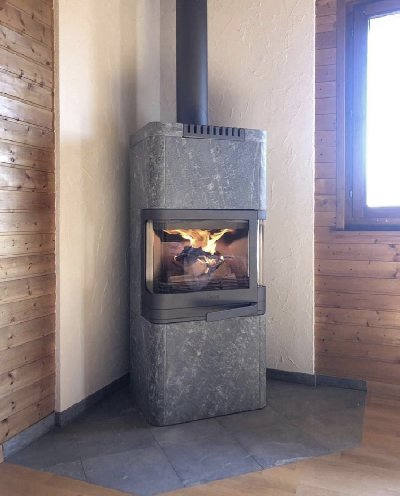
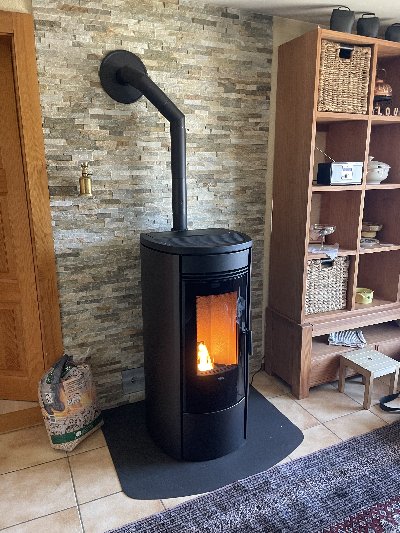
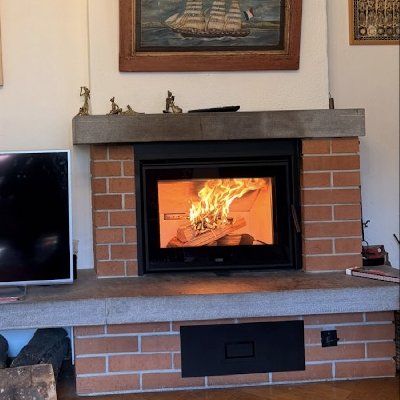
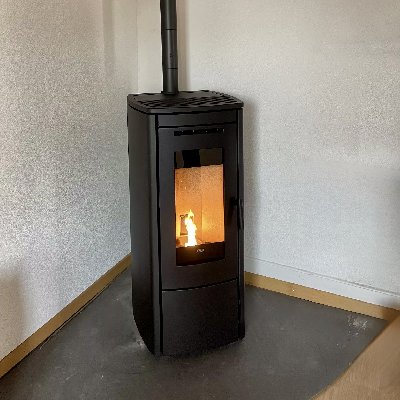
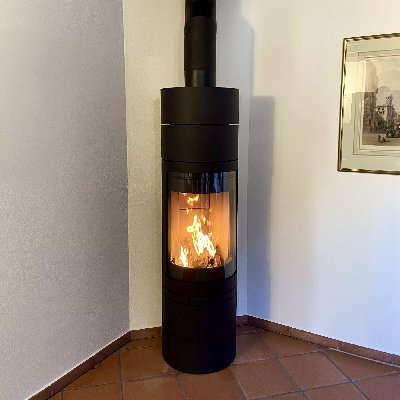
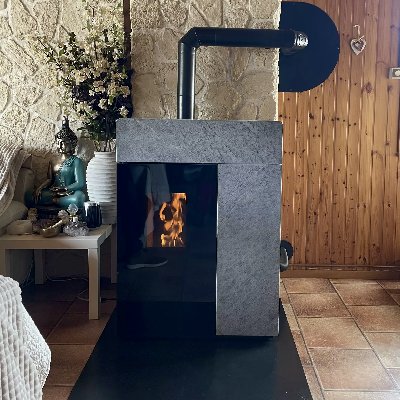
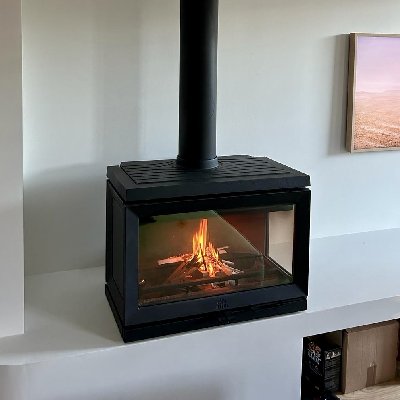
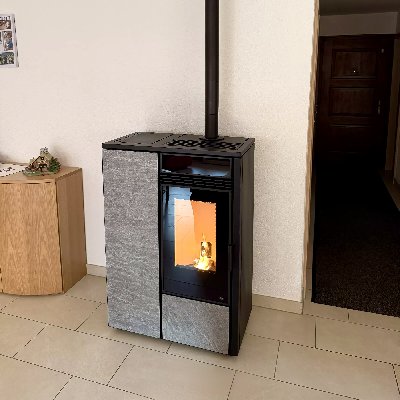

Can a living room fireplace enhance comfort without complicating your home? Yes, provided you choose the unit based on your fuel type, flue, insulation, and lifestyle. To help you define an aesthetic direction, Focus’s contemporary fireplaces showcase different ways to integrate a modern fireplace into a living space. Living room fireplaces are therefore both decorative elements and supplemental heating solutions.
However, your choice should not be based solely on the appearance of the flames. In Switzerland, emissions, fuel quality, and proper use of the system are also important factors. Data from the FOEN on wood heating notes, in particular, that in 2023, wood combustion accounted for 15% of PM10 fine particulate matter emissions in the country.
What type of fireplace should you choose for your living room?
Imagine two living rooms of the same size. In the first, the occupants want an authentic fire on the weekends. In the second, they want quick heat with minimal effort. The best appliance will not be the same.
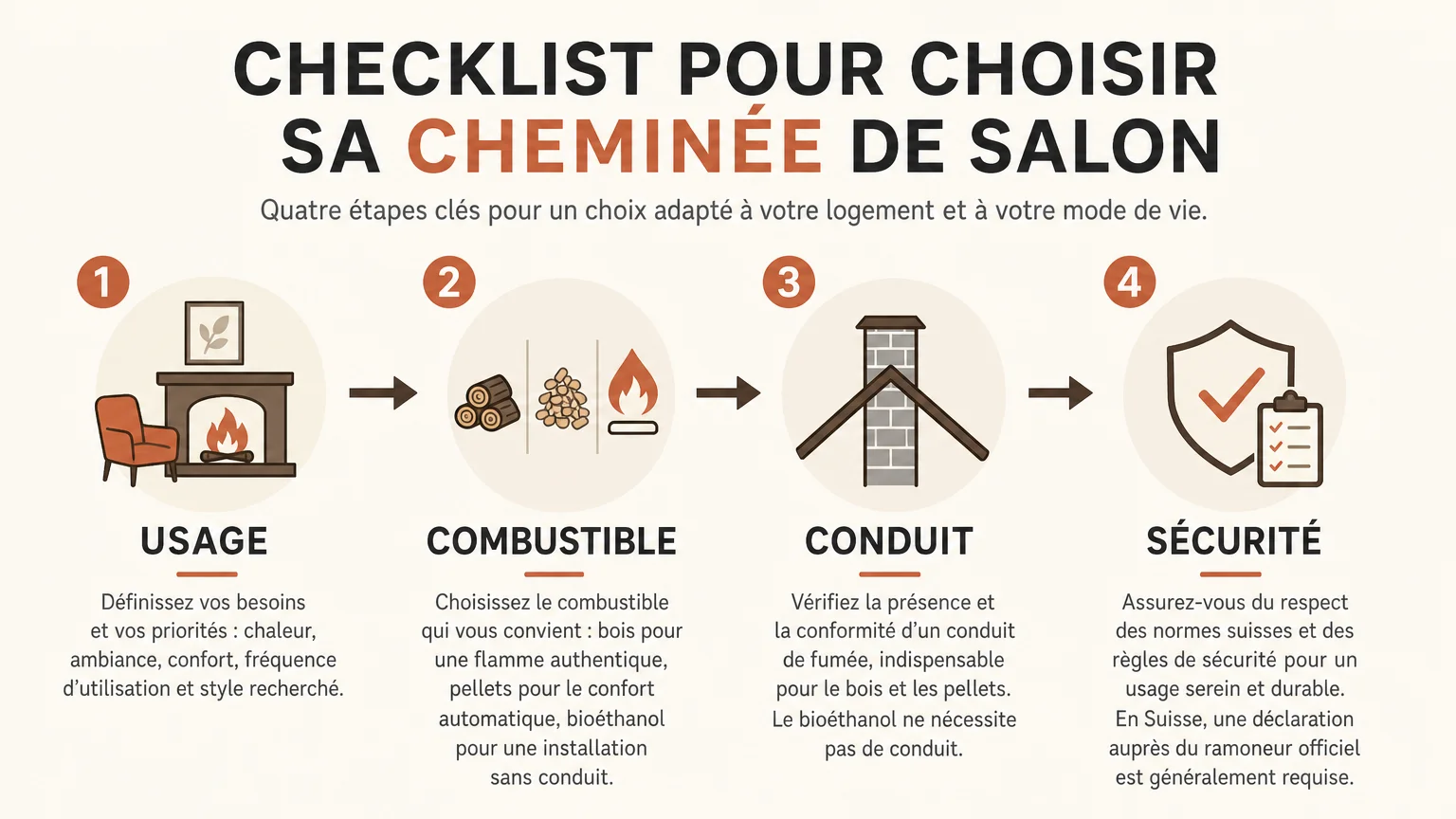
Start by identifying the primary purpose of your project. A fireplace can create ambiance, provide supplemental heat, or play a more significant role in a home’s thermal comfort. This distinction influences the output, fuel type, flue system, and level of maintenance required.
| Solution | Key Benefit | Points to Consider |
|---|---|---|
| Open Fireplace | Unobstructed view and traditional ambiance | Limited efficiency, draft, safety, and chimney maintenance |
| Closed fireplace or insert | Visible flame and better heat control | Compatible flue, heat output, and safety distances |
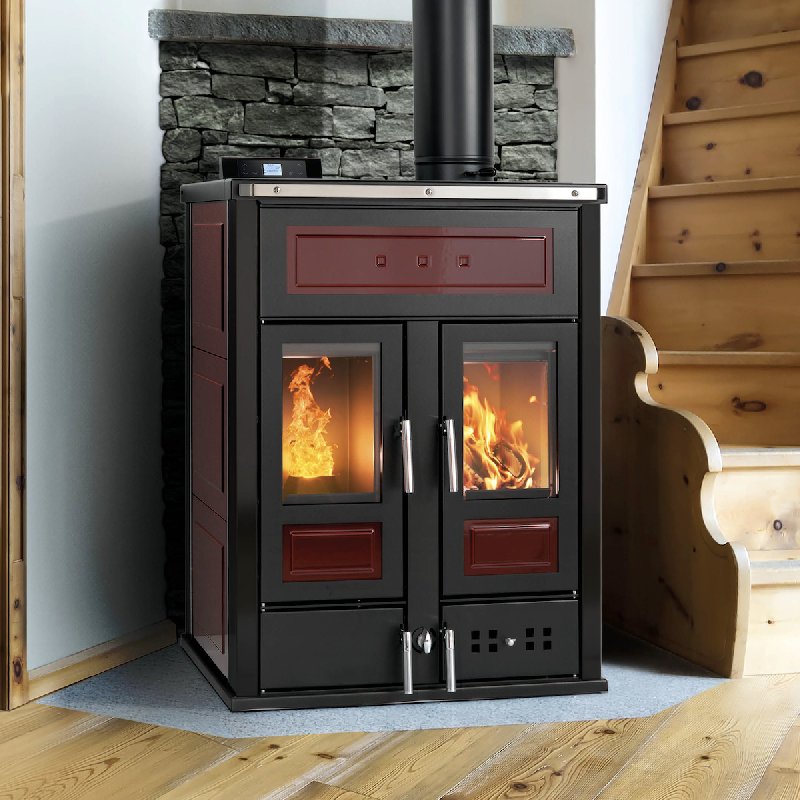
| Wood-burning stove | Authentic warmth in a freestanding unit | Log storage, manual feeding, and ash disposal |
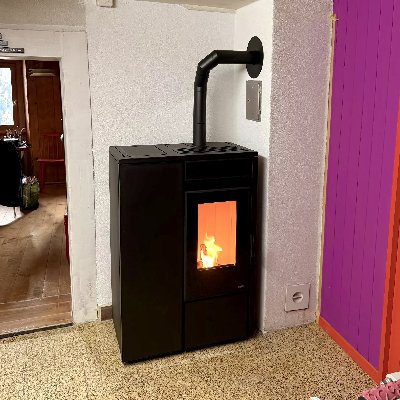
| Pellet stove | Automated comfort and continuous fuel supply | Electricity, pellet storage, noise, and maintenance |
| Bioethanol or electric | Flexibility of integration and decorative use | Ventilation, safety, actual heat output, and no combustion |
An open fireplace retains a special charm, but it does not meet the same expectations as a closed fireplace. For more efficient heating, a glass-fronted insert can be a practical upgrade. The choice then depends on the condition of the existing chimney, the building’s layout, and the desired result.
Wood, pellets, bioethanol, or electricity: what are the differences?
The fuel determines your day-to-day experience. It affects how often you light the fire, storage, cleaning, the heat produced, and technical requirements.
Wood is ideal for people who enjoy the ritual of a fire. You’ll need to have dry logs on hand, a storage area, and be prepared to load the fireplace manually. In return, you’ll enjoy an ever-changing flame, radiant heat, and a sensory experience that’s hard to replicate.
Pellets prioritize automated convenience. They are suitable for users who want to minimize handling firewood and regulate heat more easily. However, this solution requires an electrical supply, proper storage, and regular maintenance of the system.
Bioethanol can create a cozy atmosphere in certain setups without a traditional flue. However, it should not be considered a primary heating source. Ventilation, the distance from combustible materials, and the refilling procedure must be taken seriously.
Electric fireplaces are characterized by the absence of combustion, smoke, and ash. They may be suitable when visual appeal is the priority or when chimney constraints make a traditional fireplace difficult to install. However, they do not replicate the operation of a wood fire, and their heating function is generally supplementary.
Does your home allow for the planned installation?
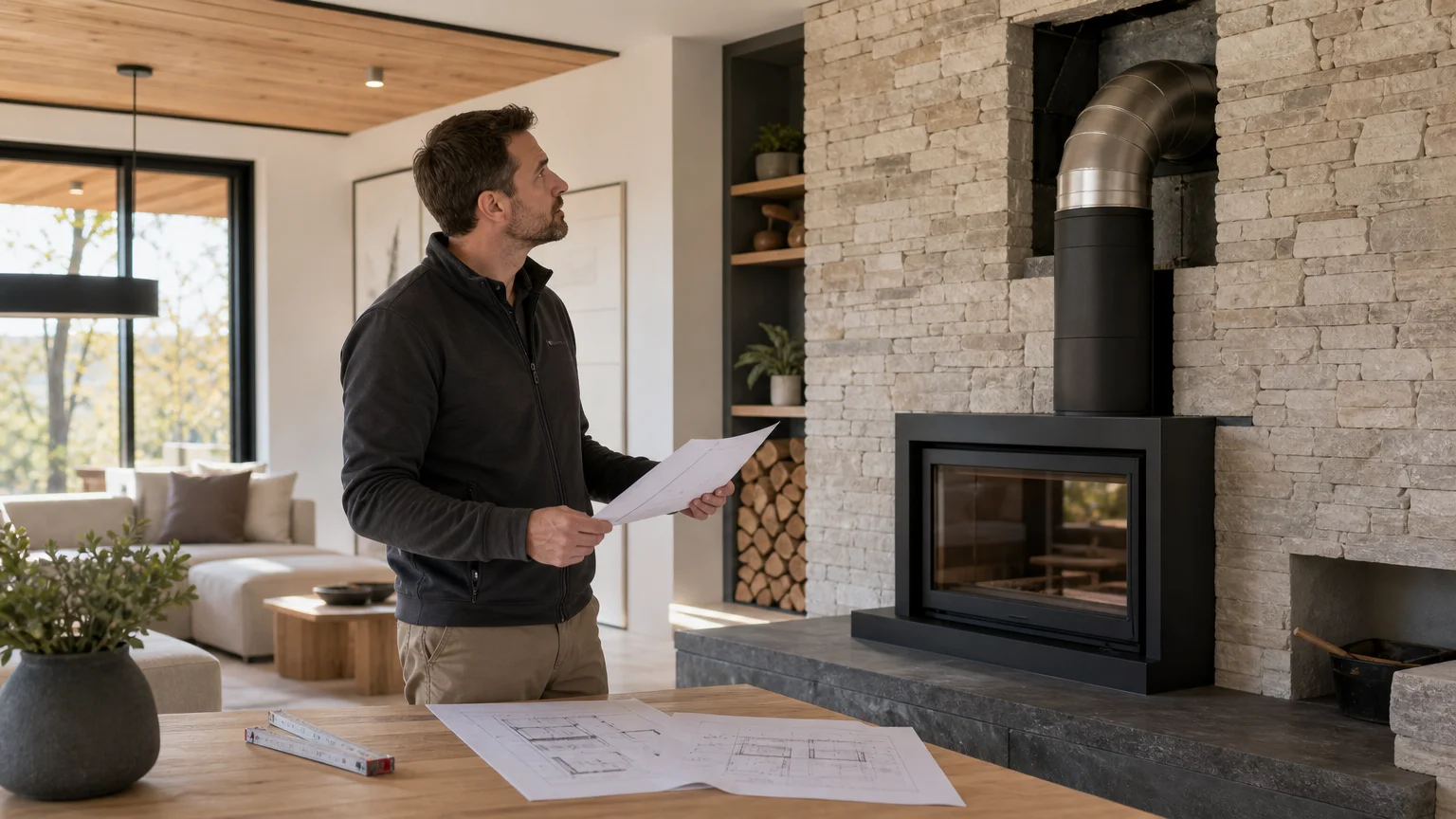
An apartment can accommodate a fireplace, but the answer depends on specific conditions. The presence of a code-compliant flue, the possibility of connection, building regulations, and the landlord’s approval can be decisive factors.
The living room’s square footage alone is not enough to determine the right heat output. Consider the room’s volume, insulation, ceiling height, orientation, and desired temperature. A unit that’s too powerful can cause excessive heat. A model that’s too weak may not meet your expectations.
For an existing fireplace, the condition of the firebox and flue must be inspected. Geneva’s guidelines regarding individual wood-burning heating systems note, in particular, that glass-fronted inserts can significantly improve the efficiency of an open fireplace. However, this solution requires a compatibility assessment before any work begins.
In a new or highly airtight home, the supply of combustion air also warrants your attention. Ventilation and the simultaneous operation of other equipment can affect the draft. A technical assessment helps ensure you do not choose a model that is incompatible with the building envelope.
Why is the flue so important?
A hidden flue can determine the feasibility of a visible installation. Its diameter, route, condition, height, and compatibility with the appliance must be verified before placing an order.
Wood- and pellet-burning appliances require proper exhaust for combustion byproducts. A gas fireplace must also have an exhaust solution compatible with the model. The absence of a flue cannot therefore be inferred from the appliance’s appearance or size.
In Switzerland, the feusuisse technical framework specifies the requirements for the construction of stoves, living room fireplaces, and exhaust flues. Since 2025, Part B of the State of the Art document has served as an important basis for fire safety issues related to these installations.
Also plan for the distances between the firebox, the surround, and combustible materials. A piece of furniture, a wood-paneled wall, or decorative cladding can alter the installation requirements. Measurements must be taken on-site or based on sufficiently detailed plans.
What safety rules should you follow on a daily basis?
An evening by the fire should be comfortable, but that doesn’t mean you can skip safety precautions. Use only the fuel specified by the manufacturer and follow the operating instructions.
For a wood-burning appliance, burn dry, untreated wood. Avoid liquid fire starters, which can cause sudden ignition. Also, have the flue inspected and cleaned according to the requirements applicable to your installation.
Bioethanol requires special caution. The FOPH guidelines on ethanol fireplaces note that these appliances can produce carbon monoxide, nitrogen oxides, and very fine particulate matter. Adequate ventilation, a safe distance, and refilling only when the burner is cold are essential.
A flue-less appliance should not automatically be considered a heating source. Above a certain power rating, the applicable regulations may change. Seek technical confirmation before using a decorative fireplace as a regular heat source.
How can you incorporate a fireplace into your interior design?
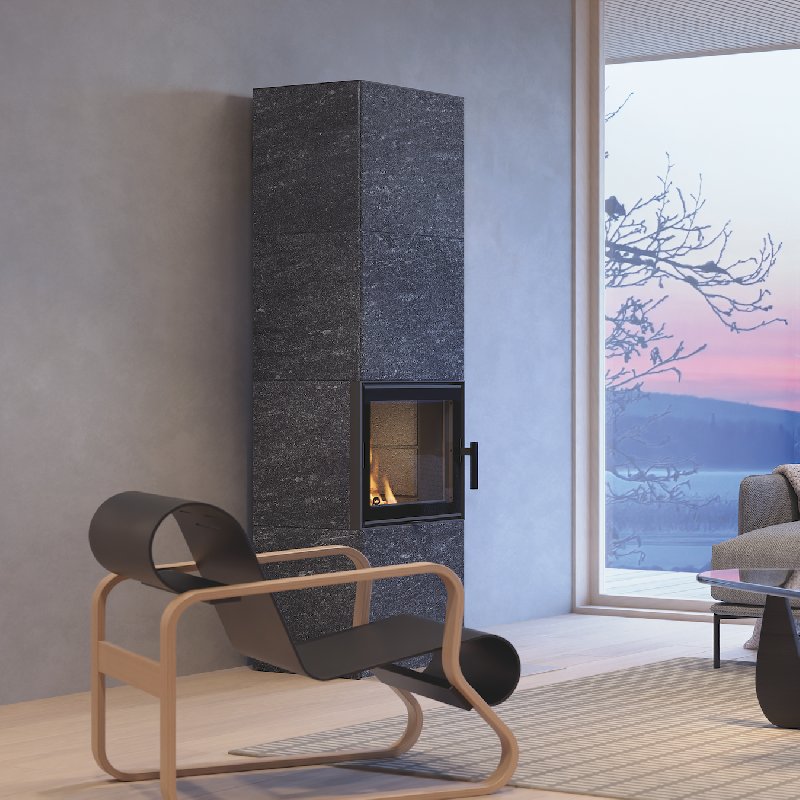
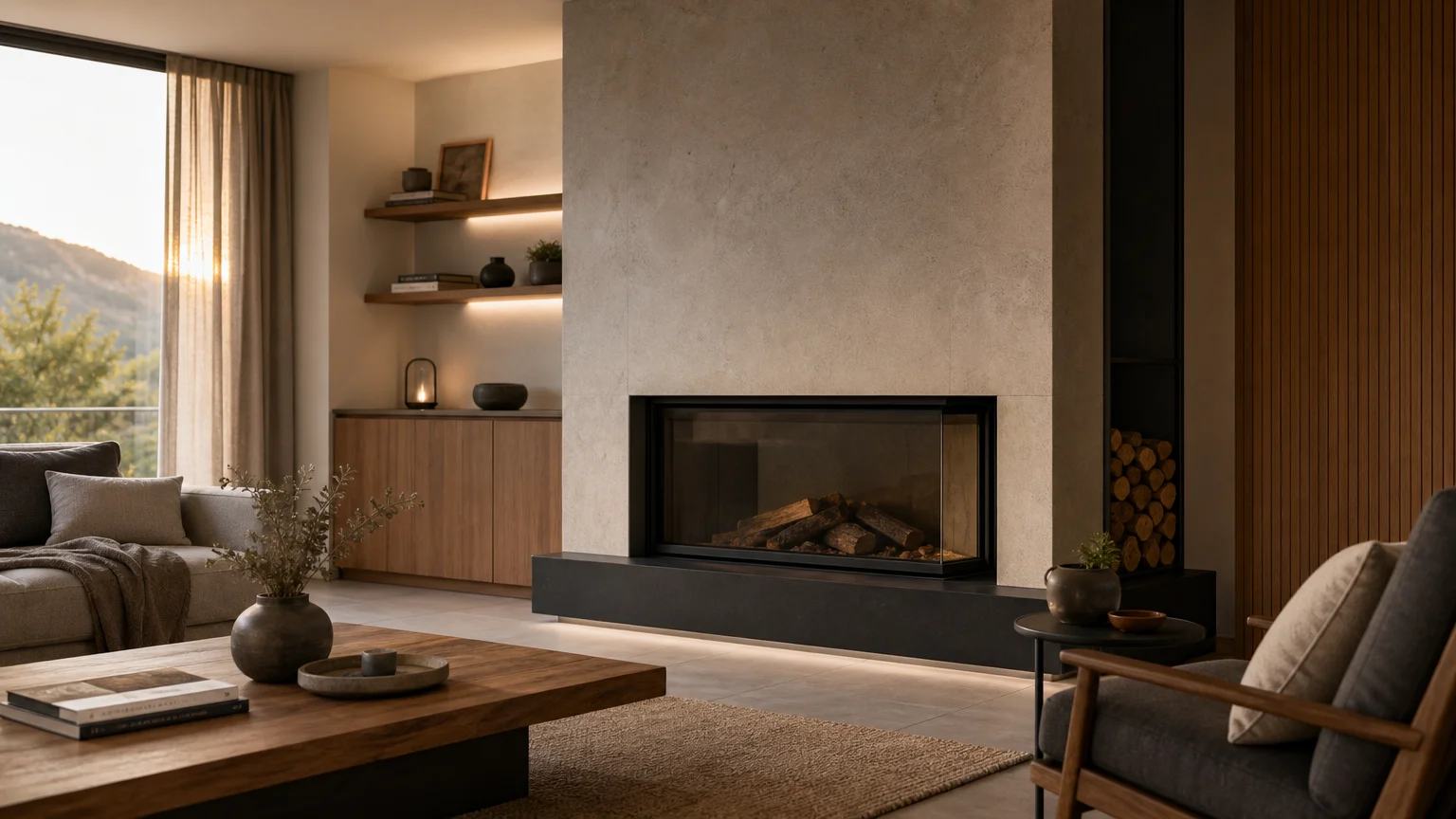
The living room feels more cohesive when the fireplace is designed in harmony with the furniture, traffic flow, and materials. It can serve as a focal point against a wall, separate two spaces, or be incorporated into a storage system.
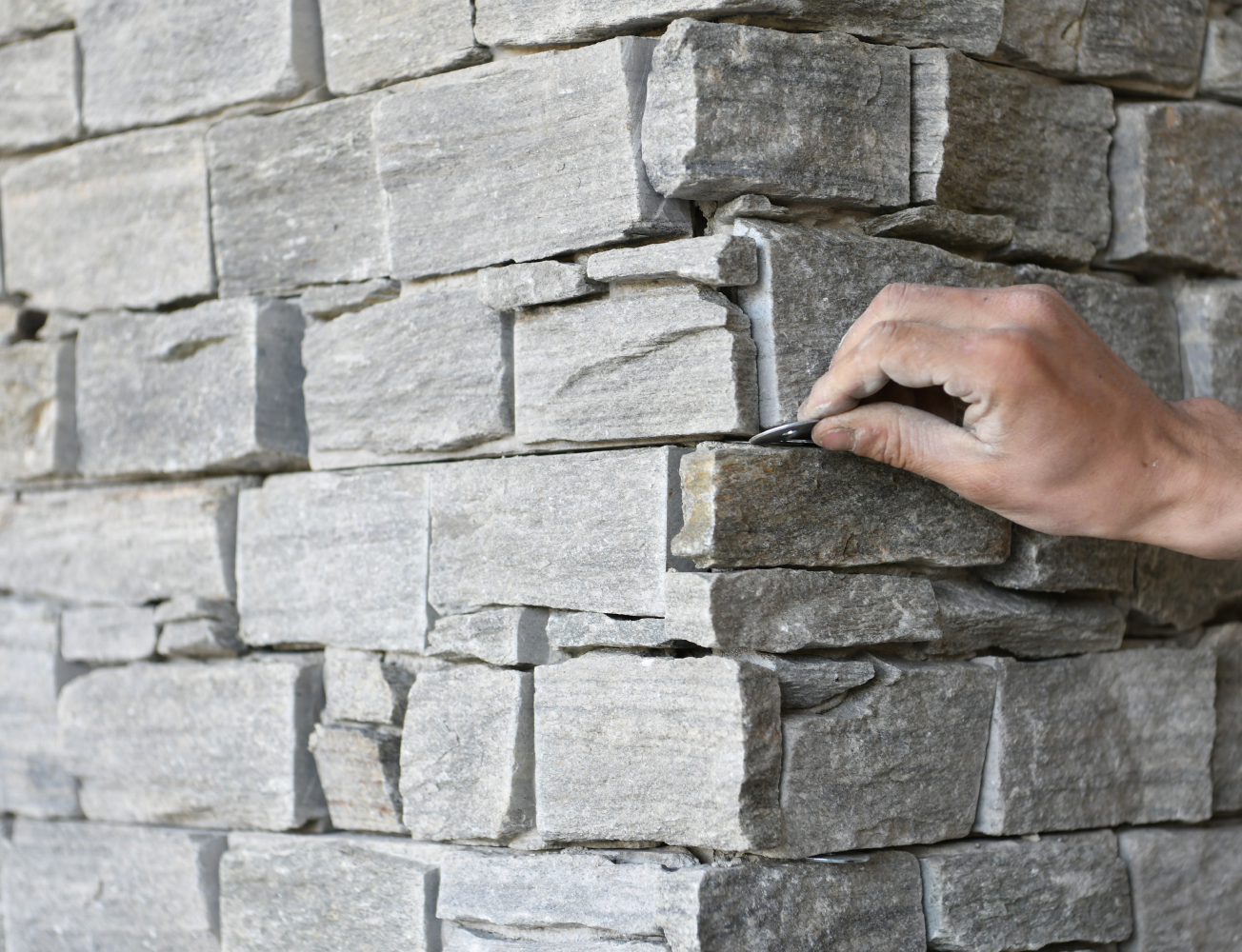
In a minimalist interior, understated trim and an unobstructed view of the fire enhance the sense of space. In a renovation, stone, ceramic, or mineral cladding can create a connection with the existing architecture. However, the depth of the fireplace must remain compatible with walkways and safety clearances.
For a contemporary look, check out our Focus designer fireplaces. If your room has specific constraints, we can also design custom Metalfire fireplaces, taking into account the dimensions, style, and feasibility of the project.
How can you ensure your project is feasible before making a purchase?
Before requesting a quote, gather some useful information. Note the floor area and volume of the living room, take a photo of the intended wall, indicate whether a flue is present, and specify whether you live in a house or an apartment.
Next, define your priorities. Are you primarily looking for a decorative flame, supplemental heating, regular use, or automated operation? This will help you rule out units that don’t fit your daily needs.
Request a detailed assessment that clearly outlines the unit, the trim, the connection, any necessary construction work, commissioning, and follow-up service. Timelines, prices, and terms may vary depending on the layout of your home. A reliable estimate must therefore be based on concrete details.
We support projects from start to finish, from assessing your needs and selecting a model to installation and after-sales service. Our showrooms in Fully and Etoy allow you to see the fireplaces in real-life settings. We have over 55 years of expertise and guarantee that 100% of our installations are certified to comply with Swiss AEAI and Feusuisse standards.
The right choice depends on your home
A successful living room fireplace combines aesthetics, everyday use, and technical feasibility. Wood emphasizes authenticity, pellets offer automated convenience, bioethanol creates ambiance in certain settings, and electric fireplaces provide decorative simplicity. Before making a choice, check the flue, heat output, insulation, ventilation, safety distances, and applicable regulations in Switzerland. A personalized assessment will help you transform a decorative idea into a cohesive, safe installation that’s tailored to your home.
Have Your Fireplace Project Evaluated
Are you torn between a wood-burning fireplace, a pellet stove, or a unit designed more for ambiance? We’ll assess your home, technical constraints, budget, and aesthetic preferences.
Our support includes consultation, a free feasibility study, installation, handling all project-related paperwork, and post-installation follow-up. To compare styles and available fuel types, browse our selection of fireplaces.
Frequently Asked Questions
Can a fireplace be installed in an apartment?
Yes, this may be possible if the flue, ventilation, building regulations, and necessary permits allow it. A feasibility study must confirm the project’s compatibility before any order is placed.
Which fuel should I choose for ease of use?
Pellets are generally suitable for those seeking more automation. Wood remains a good choice if you enjoy loading the fire manually and the authentic experience of a wood fire.
Does a bioethanol fireplace actually provide heat?
It can provide occasional warmth, but its main purpose is often decorative. Ventilation, fire safety, and actual heat output must be verified before use.
Is a flue always required?
Wood- and pellet-burning fireplaces require proper venting. Some electric or decorative bioethanol models do not use a traditional flue, but this does not exempt them from safety regulations.
How can Carron-Lugon help you?
We can conduct a free feasibility study for your project and guide you toward a solution tailored to your home. We also provide consulting, installation, maintenance, repairs, and spare parts for the relevant equipment.