

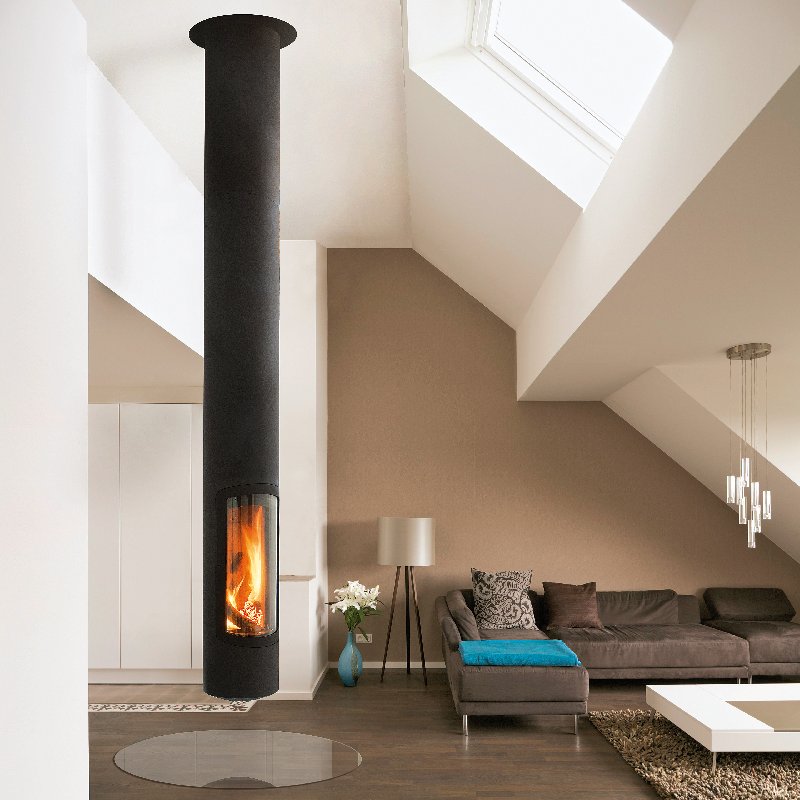
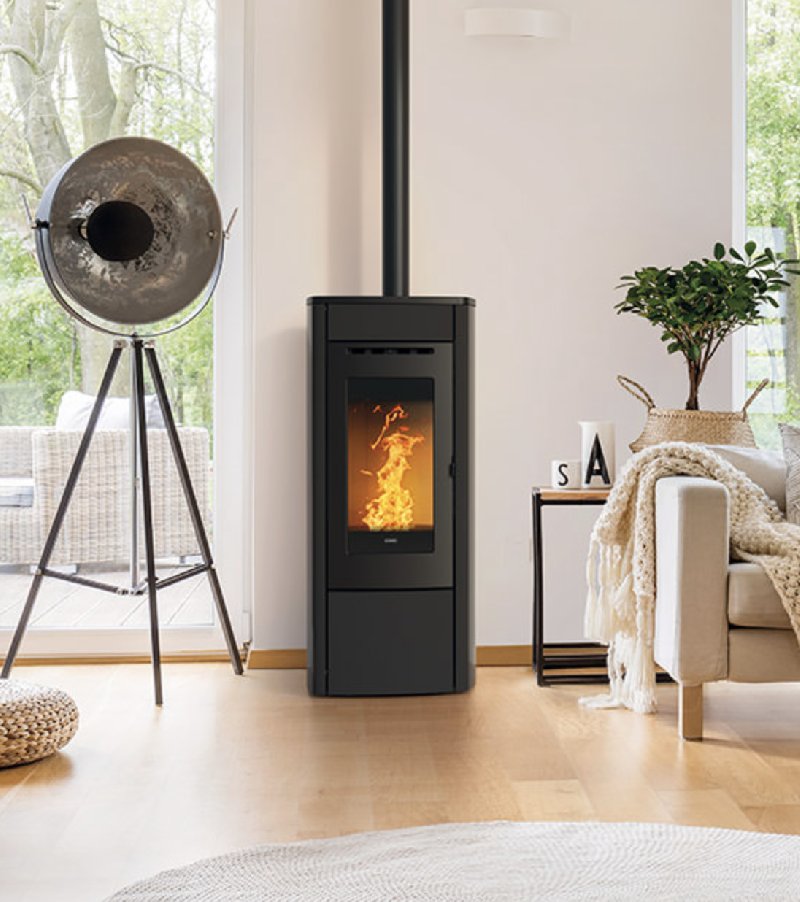
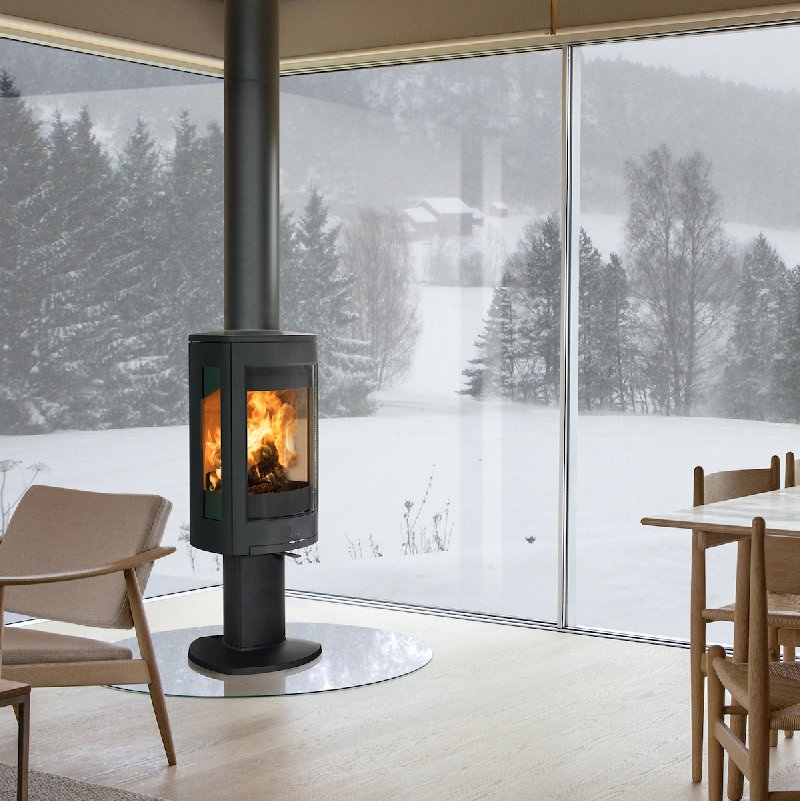
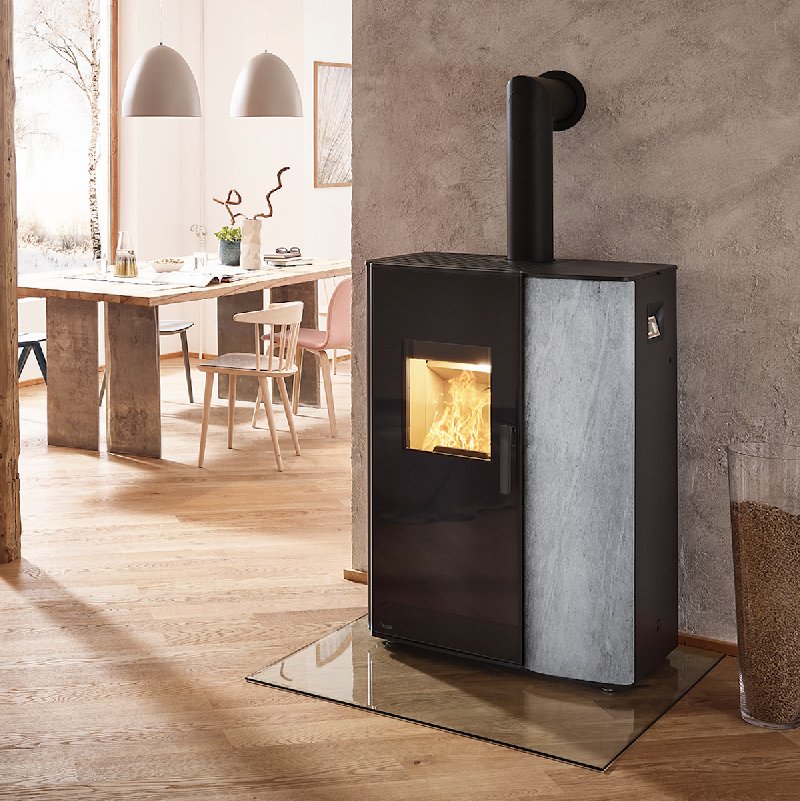
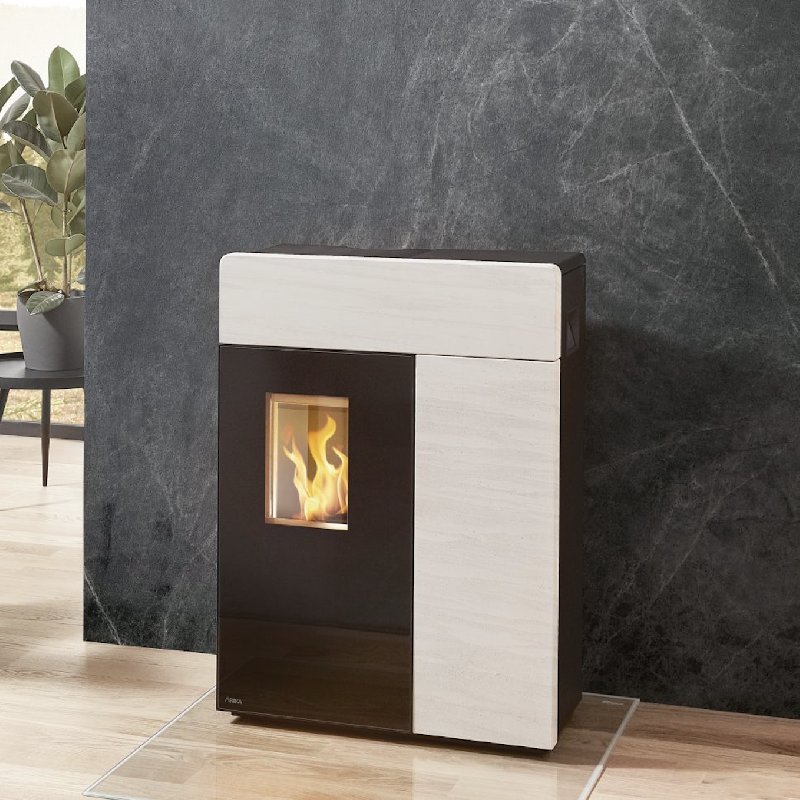
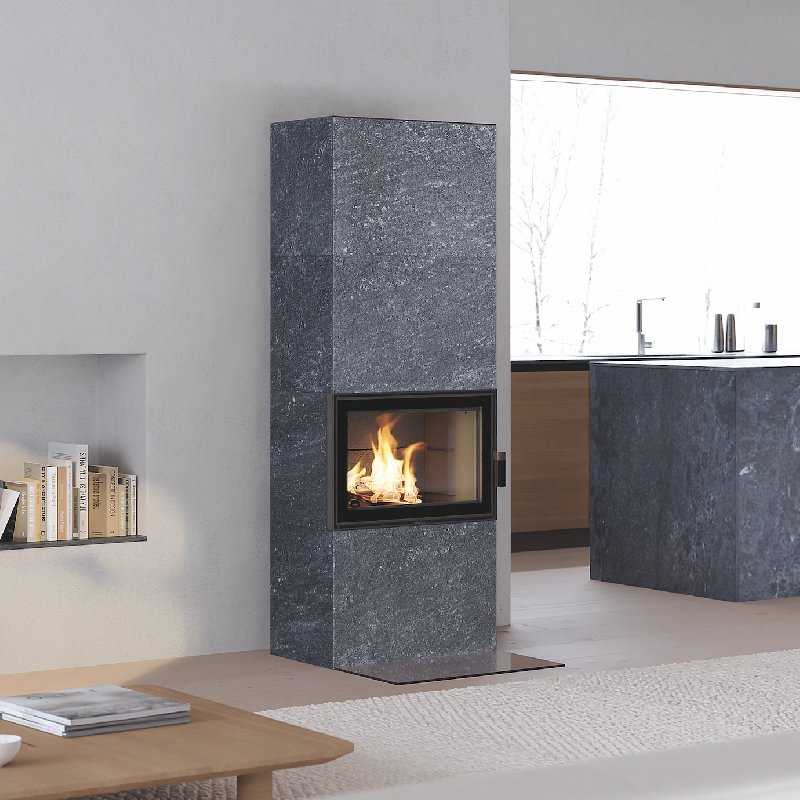
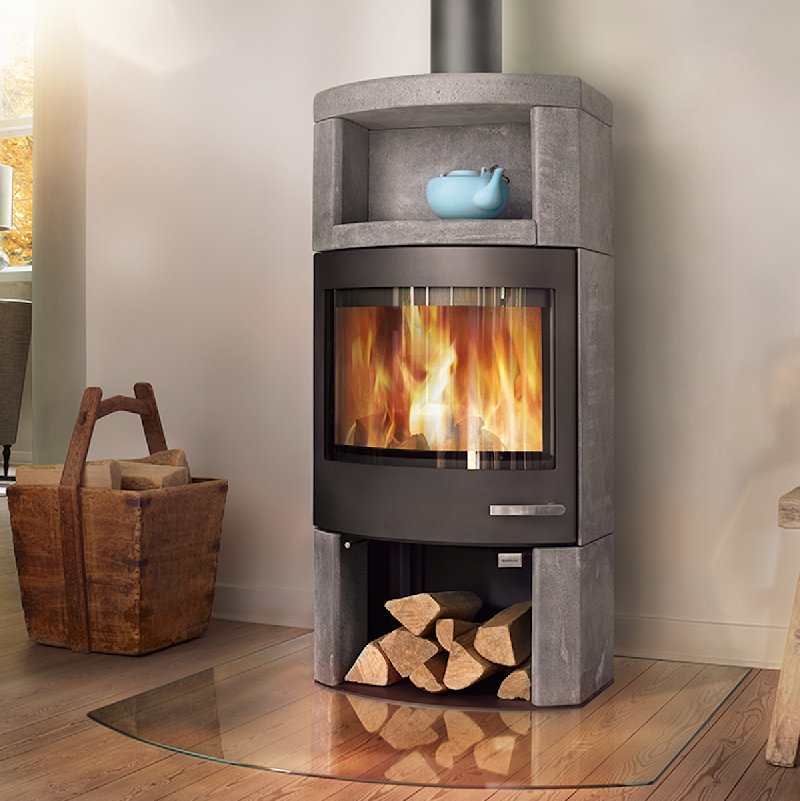
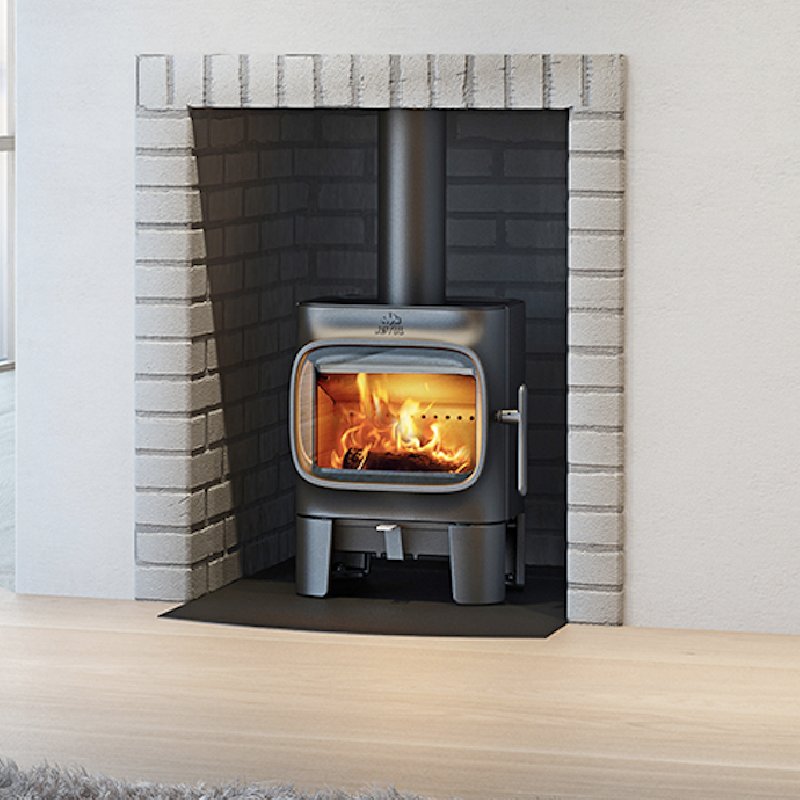
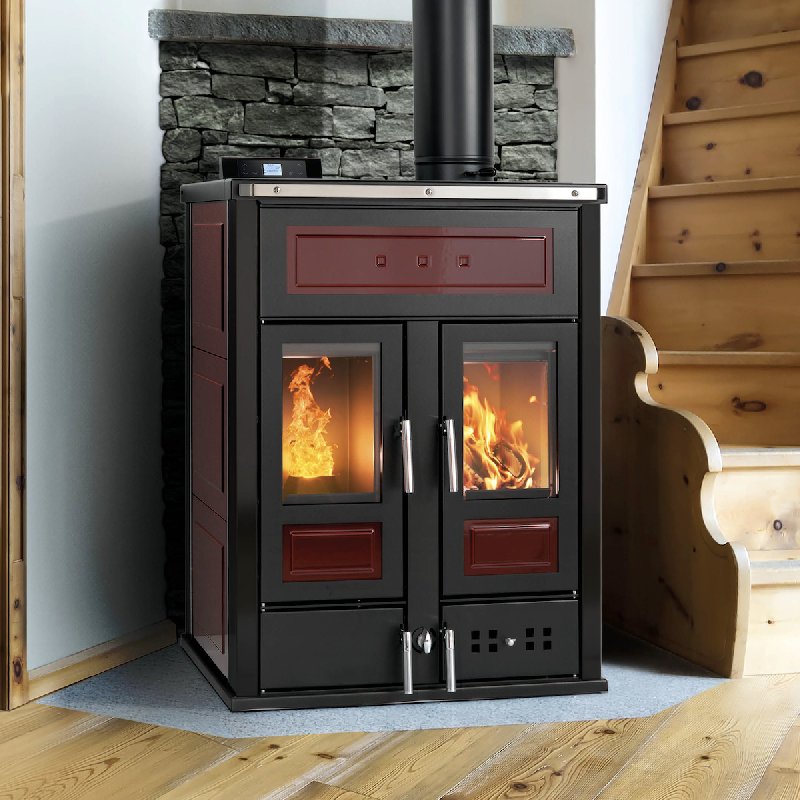
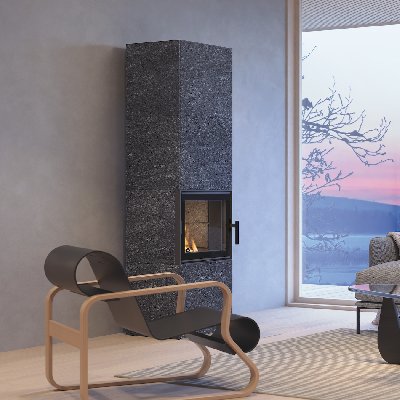

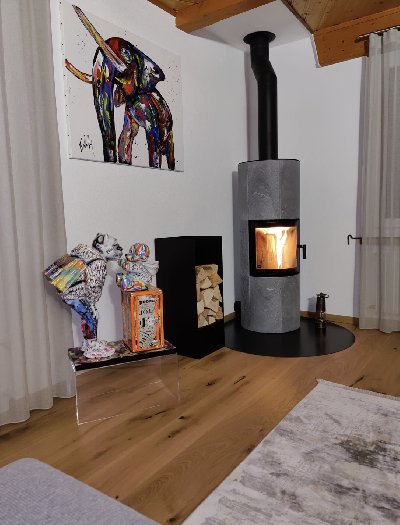
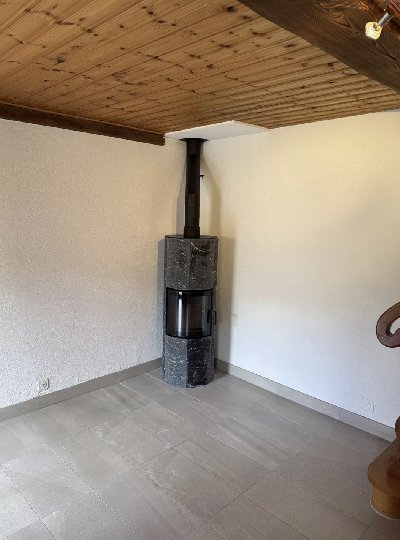
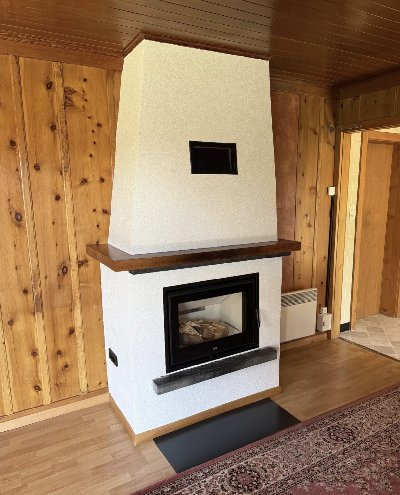
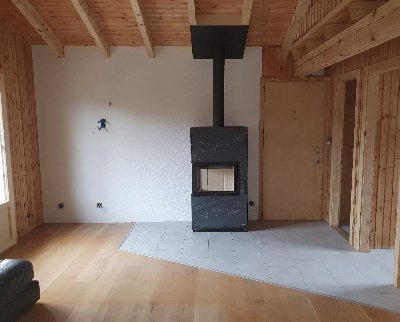
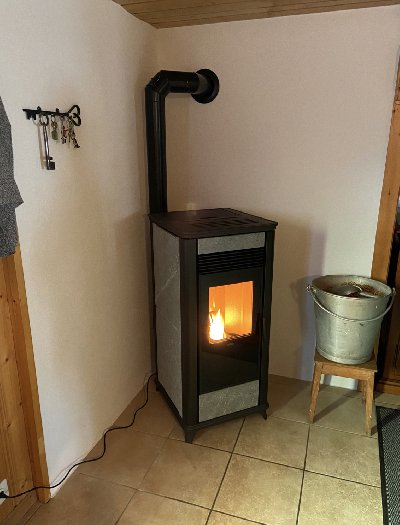
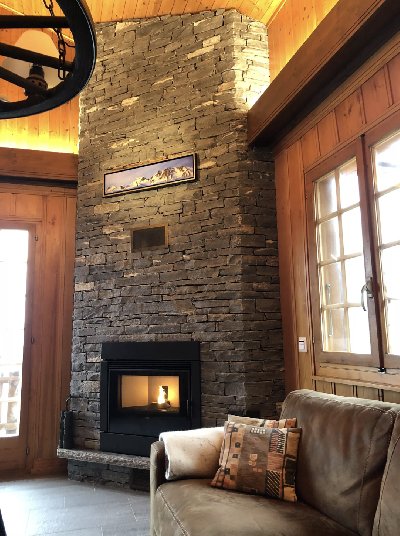
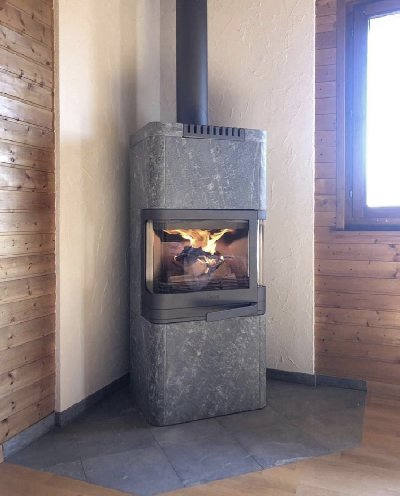
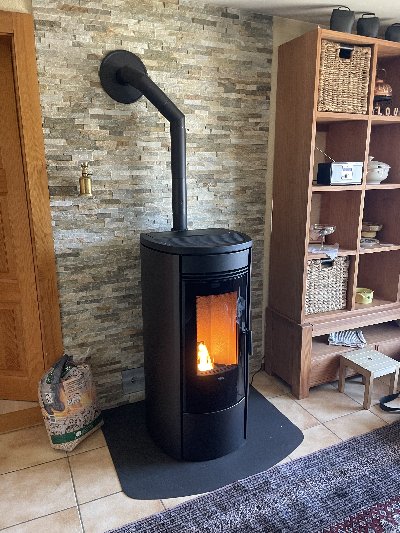
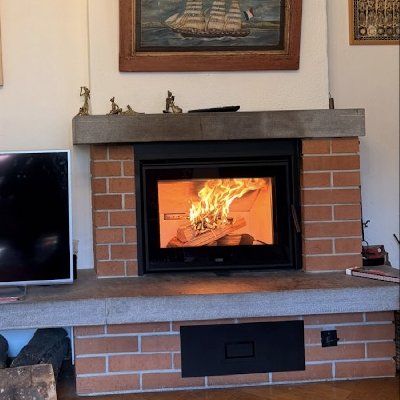
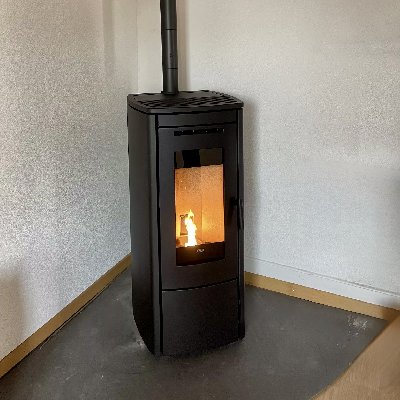
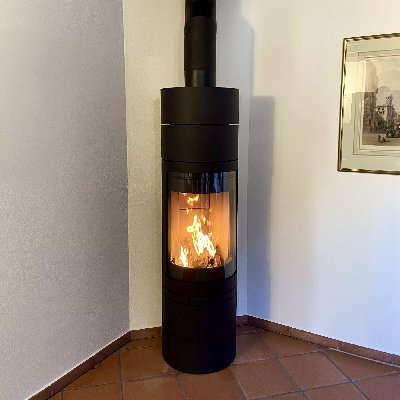
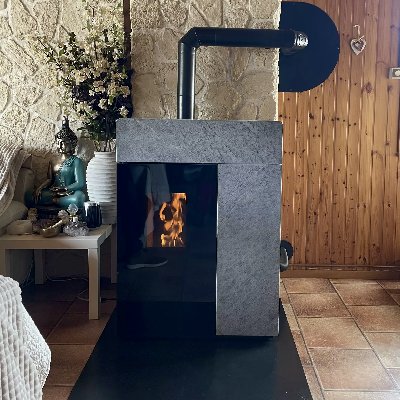
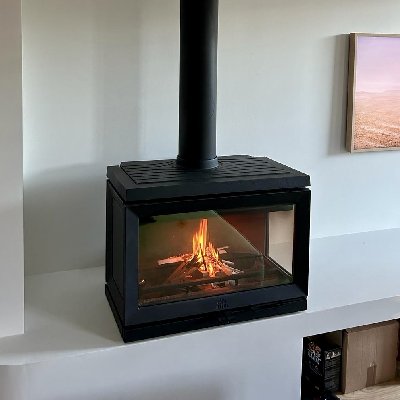
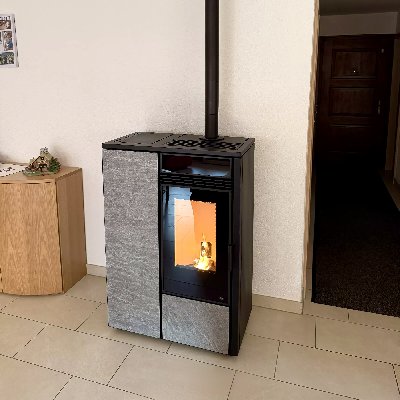
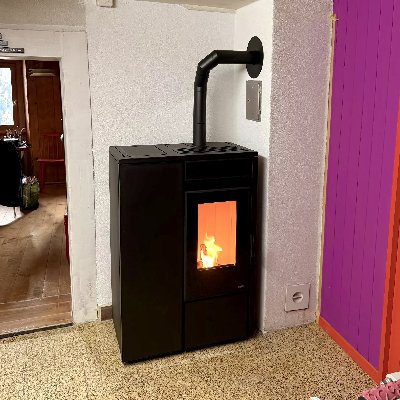

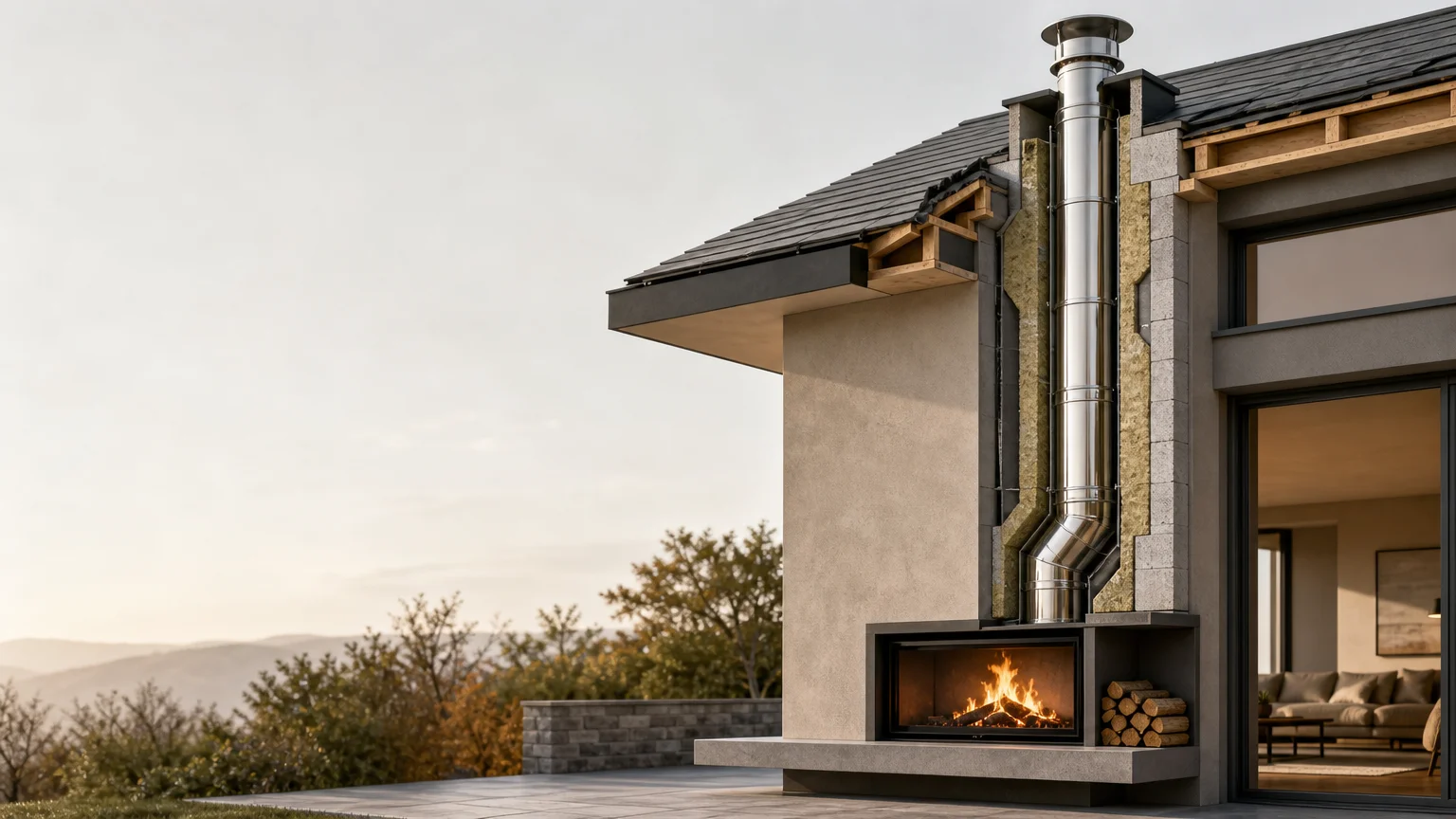
An improperly fitted flue can cause uneven draft, smoke backflow, or premature wear of the system. Every element matters, from the diameter to the roof outlet. For the visible part of the connection, we offer a matte black chimney flue pipe, designed to integrate into a cohesive and properly sized system.
If you’re looking for a good chimney liner, don’t limit yourself to the material or appearance of the tube. The right choice depends on the fireplace, the fuel, the height of the flue, its condition, and the safety requirements applicable to your home in Switzerland.
Why is a flue liner essential for a fireplace?
Imagine an old masonry flue with cracks or an irregular cross-section. Installing a modern fireplace changes the temperatures, the volume of smoke, and the airtightness requirements. Lining involves inserting an inner flue—usually made of metal—into the existing flue to create a continuous and properly sized passageway.
Its primary function is to ensure a sealed flue gas exhaust system. It also protects the masonry from condensation, corrosion, and combustion deposits. When the flue is properly sized, the draft becomes more consistent, and the appliance can operate under optimal conditions.
However, lining does not fix all problems. A chimney that is unstable, too short, poorly ventilated, or incompatible with the appliance must be corrected before or during the work. The SFOE guide notes in particular that problems with condensation, odors, corrosion, or backdraft may require renovation or lining of the flue.
What criteria should you check before choosing a liner?
A common example is replacing an old open fireplace with a wood-burning or pellet stove. The existing flue may appear wide enough, but this does not guarantee its compatibility or proper functioning with the new appliance.
Before placing an order, it’s helpful to gather the following information:
- The type of appliance: fireplace, insert, wood stove, or pellet stove.
- The fuel used, as temperatures and condensate levels may vary.
- The shape of the flue: straight, offset, narrow, or with multiple bends.
- The condition of the masonry, checking for cracks, blockages, or signs of moisture.
- The required diameter, determined by the appliance, its output, and the flue’s configuration.
- Ventilation of the masonry flue, which is essential when the configuration requires it.
The diameter should not be chosen solely because it is available in stores. A flue that is too small can impede the exhaust of fumes. A duct that is too large can reduce the speed of the flue gases and promote cooling or condensation. To complete the connection, our gray chimney liner can be part of a solution tailored to the specific characteristics of your installation.
Flexible or Rigid Lining: Which Solution Should You Choose?
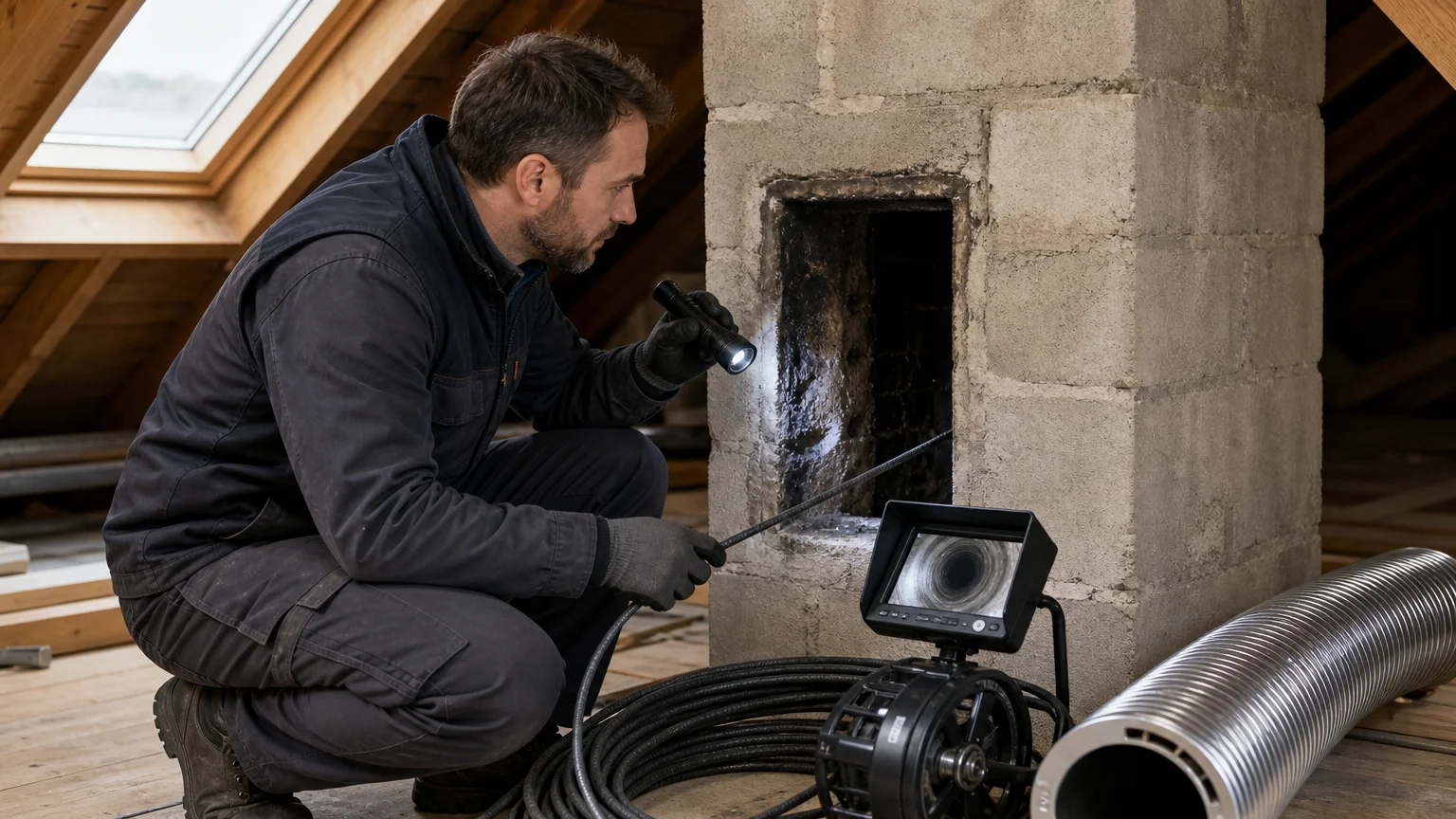
Which option is right for your home? The answer depends mainly on the layout of the flue. A flexible liner adapts to older flues that have bends or deviations. A rigid liner is better suited for a straight, even, and easily accessible flue.
| Solution | Suitable configuration | Advantages | Points to Consider |
|---|---|---|---|
| Flexible Ducting | Old, winding, or misaligned pipes | Can be installed along an irregular path; limited masonry renovation required | Diameter, continuity, connections, and cleaning must be checked |
| Rigid piping | Straight pipe or creation of a new pipe | Smooth inner wall, facilitating inspection and cleaning | Less suitable for elbows and conduits with obstructions |
It is also important to distinguish between lining installed within an existing masonry pipe and a double-walled pipe system created inside or outside the building. These two solutions address different needs. The first rehabilitates an existing passageway. The second constitutes a new exhaust system, with its own requirements for insulation, fastening, and clearance from combustible materials.
A professional must also verify compatibility between the pipe, fittings, cap, finishing plate, and appliance. Assembling components from incompatible systems can compromise the system’s airtightness and compliance.
How can you ensure good draft and an efficient roof outlet?
Imagine a flue that is perfectly lined but too short or improperly sized. The material may be suitable, yet the draft remains weak. Proper operation therefore depends on the entire run of the flue, from the air intake necessary for combustion all the way to the exhaust outlet.
The flue’s sizing must follow the appliance manufacturer’s specifications. Height, heat output, diameter, the number of elbows, and flue gas temperature all influence the result. Increasing the diameter without proper calculation does not automatically improve the draft.
The roof vent requires special attention. Flue gases must be vented in an area where they are not blown back toward the building or nearby openings. The FOEN’s recommendations on chimneys state that exhaust gases from combustion systems must be discharged above the roofs, at a sufficient height to prevent turbulence and nuisance.
The chimney cap must not obstruct the vertical exhaust of flue gases. Its shape, location, and compatibility with the system must be verified. Inadequate protection against rain can lead to moisture buildup, while an improperly chosen accessory can disrupt exhaust flow.
Finally, a highly airtight home may require a dedicated air intake. A range hood, mechanical ventilation, or a room with negative pressure can disrupt the draft. This interaction must be factored into the design, especially in new construction or energy-efficient renovations.
What inspections and maintenance should be planned in Switzerland?
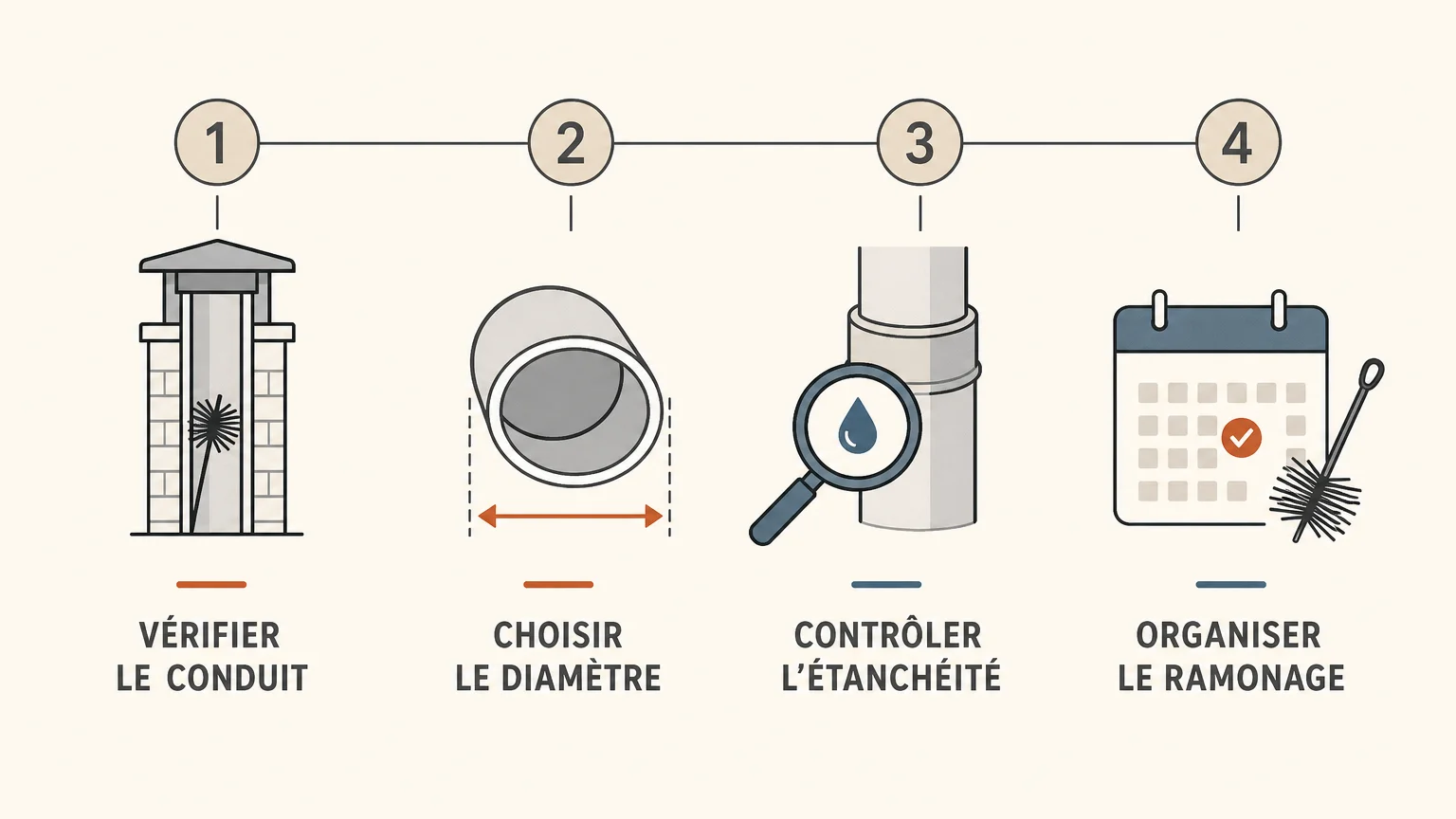
A system may function properly for several years but then reveal a defect when the appliance is replaced. This is why the flue must be inspected before installation, as well as after the work is completed, when required by cantonal procedures or by the rules applicable to the installed system.
The initial inspection may include a visual examination, a check of the masonry’s condition, a continuity test, and a leak test. Safety clearances, ventilation of the masonry flue, and the compliance of accessories must also be verified.
For the systems in question, certification is not limited to the inner pipe. An AEAI document published in 2025 notes that installation options, fittings, safety distances, and the construction of the flue must comply with the requirements of the certified system.
Chimney sweeping remains essential after installation. The frequency depends, in particular, on the canton, the fuel, and the system’s output. In Geneva, for example, a manually ignited individual wood-burning heating system must be swept at least twice a year, according to cantonal information published in 2026.
The total cost depends on several factors:
- The length and diameter of the flue lining.
- The choice between flexible, rigid, or double-wall ducting.
- Access to the roof and working conditions.
- The condition of the existing flue and any necessary preparatory work.
- The connections, the roof outlet, and any necessary inspections.
A reliable estimate must therefore break down the costs for materials, installation, preparatory work, inspections, and any necessary administrative procedures. A quote based solely on price per meter does not always allow for a proper comparison between two solutions.
Key Considerations for Choosing a Good Chimney Liner
A good chimney liner forms a complete system, not just a simple tube placed within existing masonry. It must be compatible with the appliance, the fuel, the required diameter, the flue’s route, and safety requirements. In Switzerland, verifying certification, clearances, the roof exit, and chimney sweeping requirements is essential. A preliminary assessment helps minimize sizing errors, plan the necessary work, and ensure a durable, airtight installation that performs reliably over time.
A Flue Lining Project Tailored to Your Home
When the flue configuration is old, irregular, or difficult to assess, professional advice helps you avoid choosing an unsuitable diameter or system. We evaluate your project based on your home, your appliance, your available space, and your technical constraints.

For over 55 years, we’ve supported fireplace and stove projects—from feasibility studies to administrative procedures, installation, and after-sales service. To compare available solutions and speak with our advisors, explore our selection of fireplaces and flue systems.
Frequently Asked Questions
Is a flue liner always necessary for a fireplace?
Whether one is needed depends on the appliance, the condition of the flue, and the layout of the home. This must be determined after inspecting the flue and verifying compatibility with the new equipment.
Is flexible lining preferable to rigid lining?
Flexible lining is generally suitable for older flues that have bends or deviations. Rigid lining is better suited for a straight, even, and accessible flue.
How do you choose the right liner diameter?
The diameter must comply with the manufacturer’s specifications and the duct’s characteristics. The appliance’s power rating, its height, and the entire route of the duct must also be taken into account.
Can ducting be installed in an apartment?
Installation in an apartment may be possible if the duct, the air intake, the roof vent, and the building’s regulations allow it. A feasibility study is essential before ordering the materials.
Can you assist with a ducting project?
Yes. We can assess feasibility, guide you toward a suitable solution, organize the installation, and provide maintenance, repairs, or replacement parts after installation.