

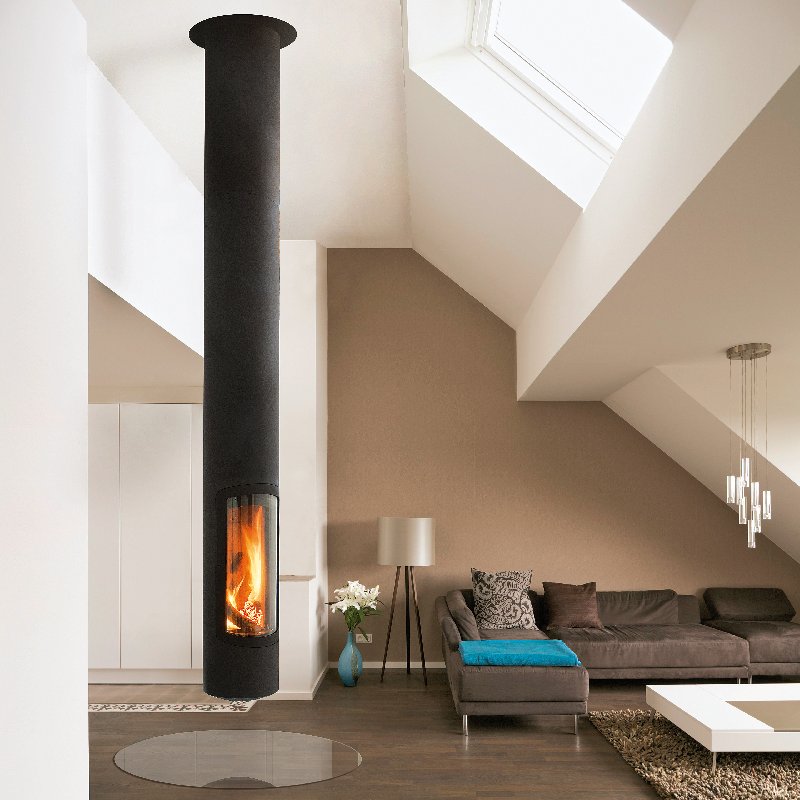
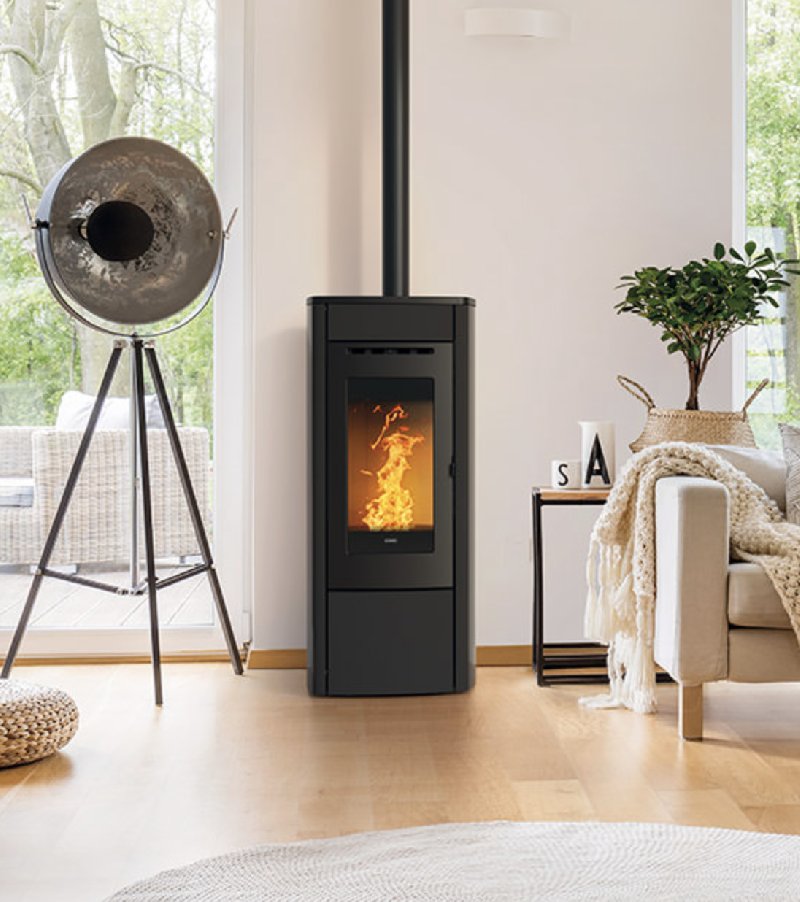
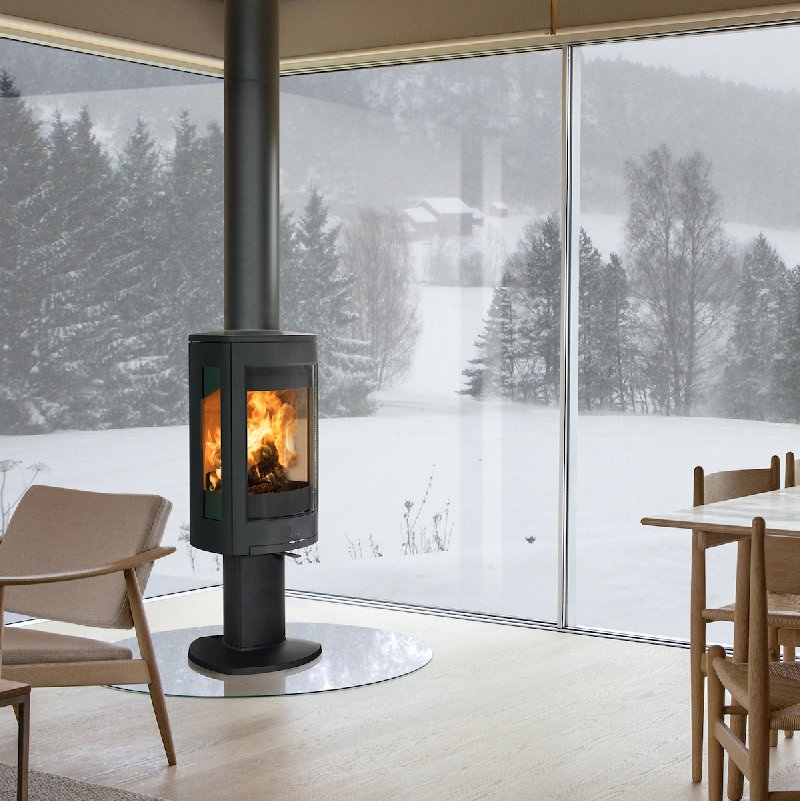
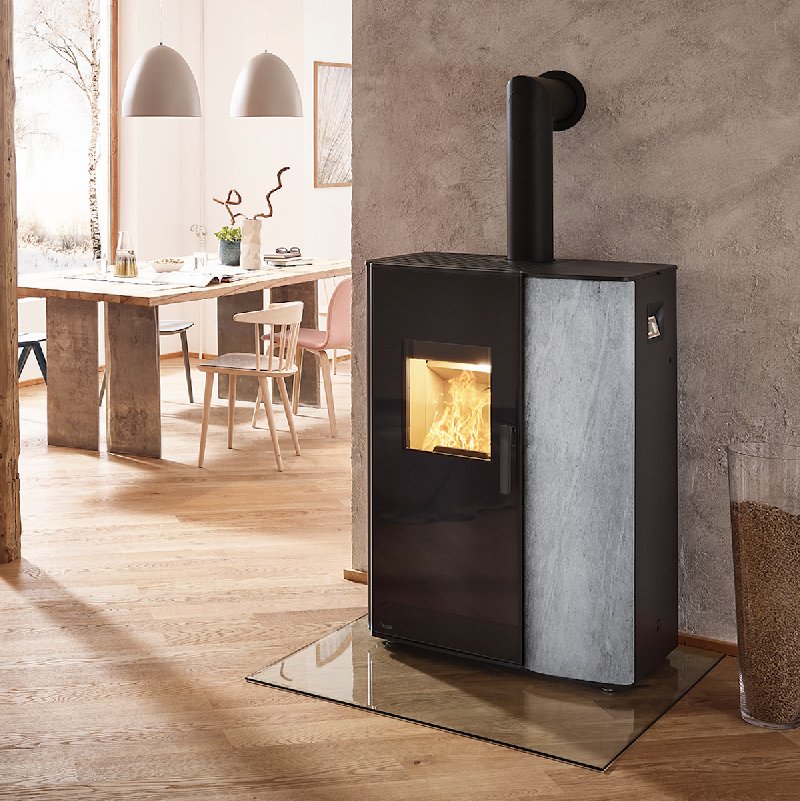
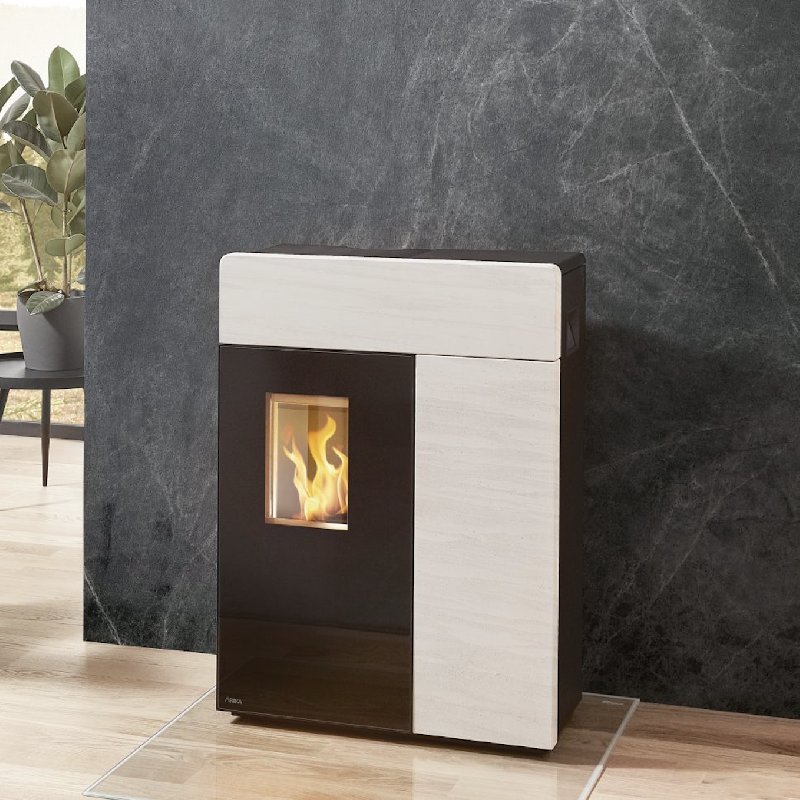

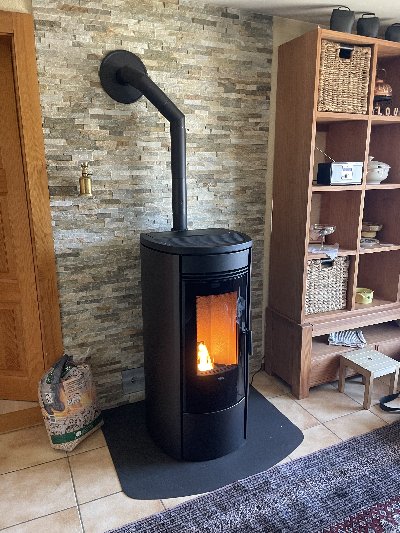
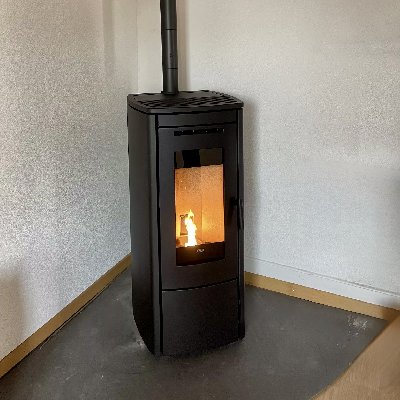
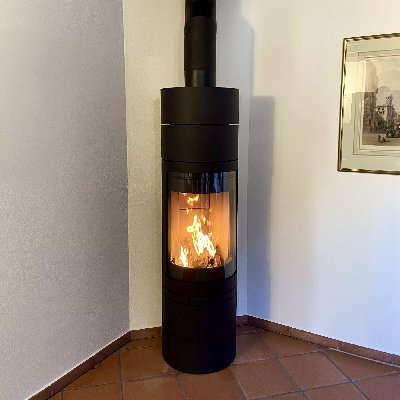
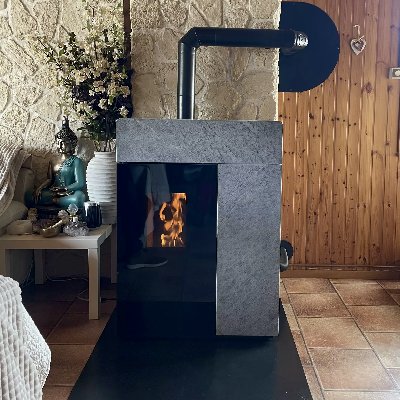
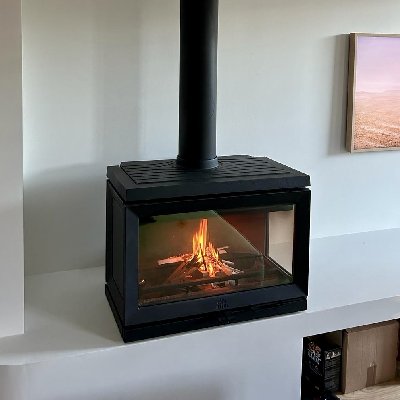
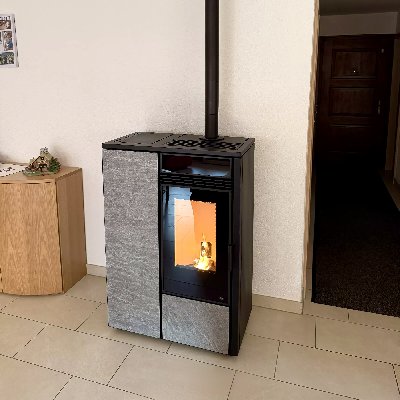
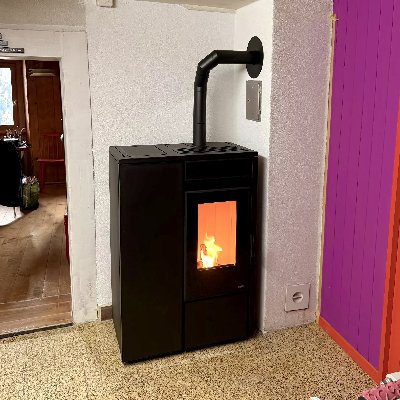

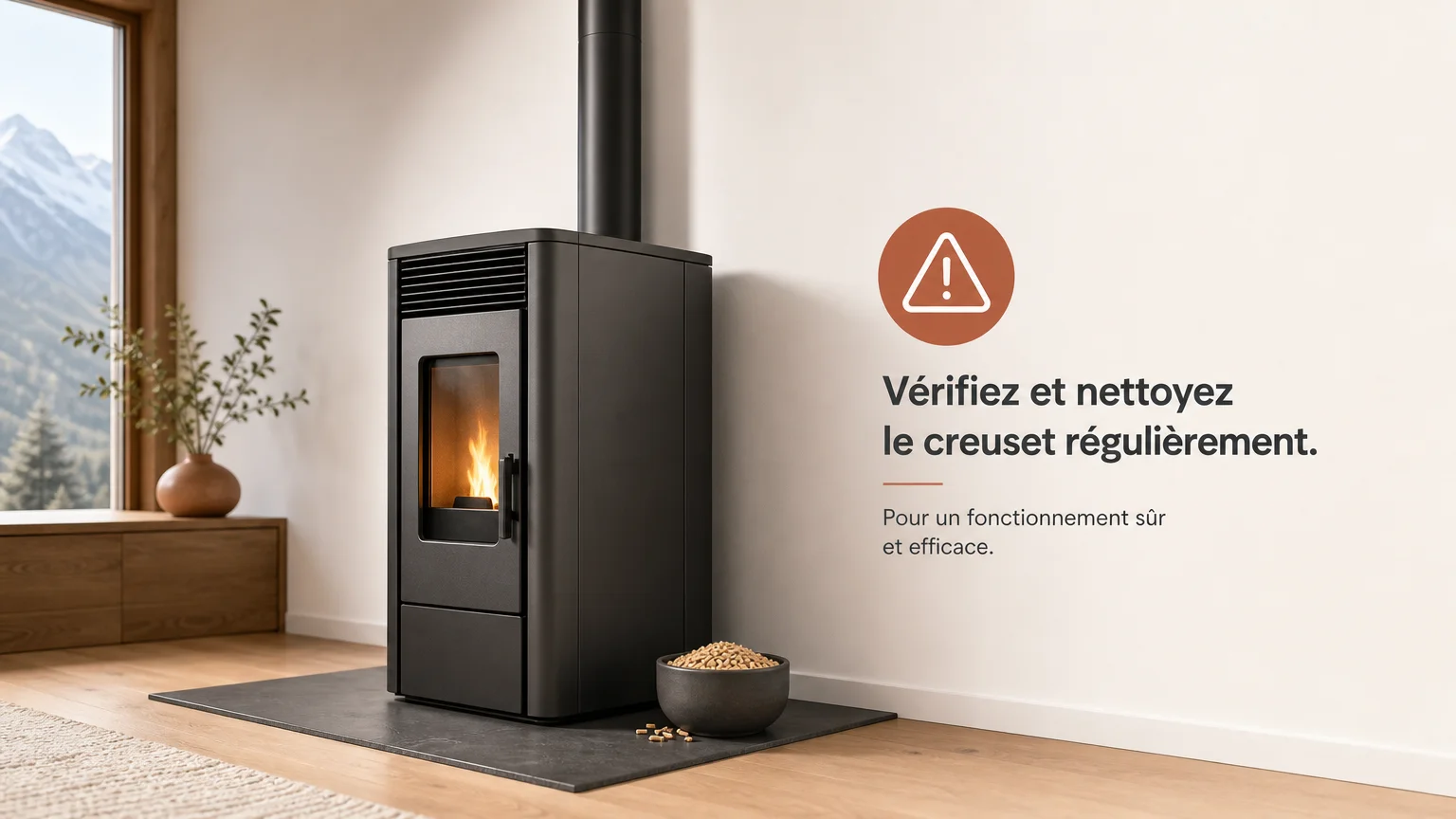
A pellet stove doesn’t always break down because of an expensive part. A clogged hopper, a hopper filled with sawdust, a sooty flue, or a door that isn’t closed properly can interrupt the cycle. To interpret a specific error, we provide our AL-01 Klover support guide, but the displayed code is never a substitute for a comprehensive diagnosis.
In Switzerland, weather-adjusted consumption reached approximately 433,000 metric tons of pellets in 2024 for stoves and boilers, according tothe Forest and Wood Yearbook. As the number of these appliances increases, it becomes increasingly important to distinguish between a simple operating error, an installation issue, and a safety hazard.
Why does your pellet stove break down?
Before replacing a part, you need to identify the type of malfunction. In most cases, you’ll find one of the following causes:
- Insufficient maintenance, with ash in the firebox, air ducts, heat exchanger, or flue.
- Degraded fuel that is too damp, too dusty, or improperly stored.
- An installation defect, such as insufficient draft, an improper air intake, or a leak.
- A worn-out part, such as the spark plug, auger, fan, sensor, or pressure switch.
- An electrical malfunction, such as a blown fuse, a power supply issue, a faulty screen, or a defective circuit board.
You must also consider the exact symptom. A unit that never starts cannot be diagnosed in the same way as one that ignites but then shuts off after a few minutes. The presence of a flame, the flow of pellets, the sound of the motors, and the alarm message provide additional clues.
Do not reset an alarm multiple times without investigating its cause. This practice can mask a draft problem, overheating, or improper flue gas exhaust. It does not fix the affected part and may complicate the technician’s repair work.
What should you check when your stove won’t light?
If your stove starts its cycle without producing a flame, begin with the simplest check. Wait for it to cool completely, unplug it if you need to open any part of the unit, then verify that the firebox is clean, properly positioned, and that its air vents are clear.
Next, observe the pellet feed. If pellets aren’t falling, check the hopper level, look for sawdust, and verify that the auger is working properly. If the pellets are feeding but remain intact, the problem may be with the ignition plug, insufficient air supply, or a malfunction in the flue gas extractor.
You should also check the quality of the fuel. Damp, crumbly, or heavily dusty pellets can slow ignition and disrupt combustion. Store the bags in a dry, enclosed space protected from fluctuations in humidity.
Never pour flammable liquids into the combustion chamber, and do not attempt to force a manual ignition without following the manufacturer’s instructions. A spark plug should only be replaced with a part compatible with your model. If the appliance is still under warranty, avoid making any electrical or mechanical modifications.
Why does your appliance shut off after a few minutes?
Do you see a flame when you start it up, but then your stove shuts off shortly afterward? This scenario often indicates that the appliance is no longer receiving normal readings regarding combustion, flue gas temperature, or flue draft.
Start by observing the flame before it goes out. A weak, yellow, and unstable flame may indicate a lack of air, a partially clogged burner, a dirty flue, or an improper setting. A flame that gradually fades may also indicate an irregular pellet feed.
If the flame is still present when the alarm sounds, you should instead check the sensors, the pressure switch, or the electrical connections. An inconsistent reading can trigger a safety shutdown even though combustion still appears to be functioning correctly.
You should note the time elapsed before shutdown, the displayed message, the pellet level, and the condition of the combustion chamber. This information will help a professional distinguish between an ignition problem, a loss of vacuum, a faulty sensor, or an interruption in the pellet supply.
What should you do if pellets are no longer reaching the firebox?
A full hopper does not guarantee that pellets will reach the firebox. There may be a sawdust blockage at the screw conveyor inlet, a pellet swollen by moisture, a foreign object, or a jammed gearmotor.
Turn off the unit, let it cool down, and unplug it before cleaning. You can remove any visible pellets and vacuum up any accessible sawdust, but you must not disassemble the auger unless you are familiar with the manufacturer’s procedure.
A cracking, clattering, or squeaking noise may accompany a mechanical jam. In this case, avoid repeatedly restarting the unit, as the motor may overheat and the circuit board may continue to control a mechanism that is stuck.
If the pellets are falling irregularly, gently sift the fuel before refilling the hopper. However, be sure to keep the information from the bag, as a change in batch may help a professional verify the quality of the fuel being used.
If you’re concerned about pellet shortages, the Swiss Federal Office for National Economic Supply (OEC) notes that Switzerland uses a national pellet monitoring system. This system was developed in early 2025 to better anticipate supply disruptions, but it does not replace proper storage at your home.
How should you respond to smoke, draft issues, or fan problems?
If you smell smoke in the room, immediately turn off the stove, ventilate the home, and move away from the appliance. Do not restart the stove until you’ve had the flue, the air intake, and the combustion chamber’s seal inspected.
Insufficient draft can result from a blocked flue, internal soot buildup, insufficient air supply, or negative pressure created by the home’s ventilation system. You should avoid adjusting the airflow settings randomly, as an improper adjustment can worsen combustion.
If the flue fan becomes noisy, slows down, or fails to start, please refer to our Rika flue fan information sheet. A malfunction in this component can disrupt flue gas exhaust, the supply of combustion air, and flame stability.
The pressure switch monitors the negative pressure required for the appliance to operate. If a repeated alarm appears, first check that the firebox is clean, that the door is closed, and the visible condition of the pressure tube; then consult our Rika pressure switch guide.
In Switzerland, emissions from combustion systems are subject to air quality regulations. You can review the Swiss air quality regulations and ask your chimney sweep which inspections apply to your system.
What do an overheating alarm, a faulty sensor, or a black screen mean?
An overheating alarm does not necessarily mean that the actual temperature is too high. It could also be caused by a clogged tangential fan, a misaligned sensor, a blocked heat exchanger, or a unit that is installed too deeply to dissipate heat properly.
Do not immediately adjust the power or ventilation settings. First, check that the vents are not blocked, that air is circulating in the room, and that internal maintenance has been performed according to the manual.
A faulty flue gas sensor can cause the unit to shut down even when the flame appears normal. A black screen, on the other hand, may indicate a power outage, a blown fuse, a disconnected connection, or a malfunctioning control panel or circuit board.
After a power outage, wait until the appliance has cooled down before checking its condition. Do not restart a stove that displays an inconsistent temperature, emits a burning smell, or triggers an unexplained alarm. For affected appliances, you can also visit our page on MCZ alarms.
What method can help you avoid an unnecessary repair?
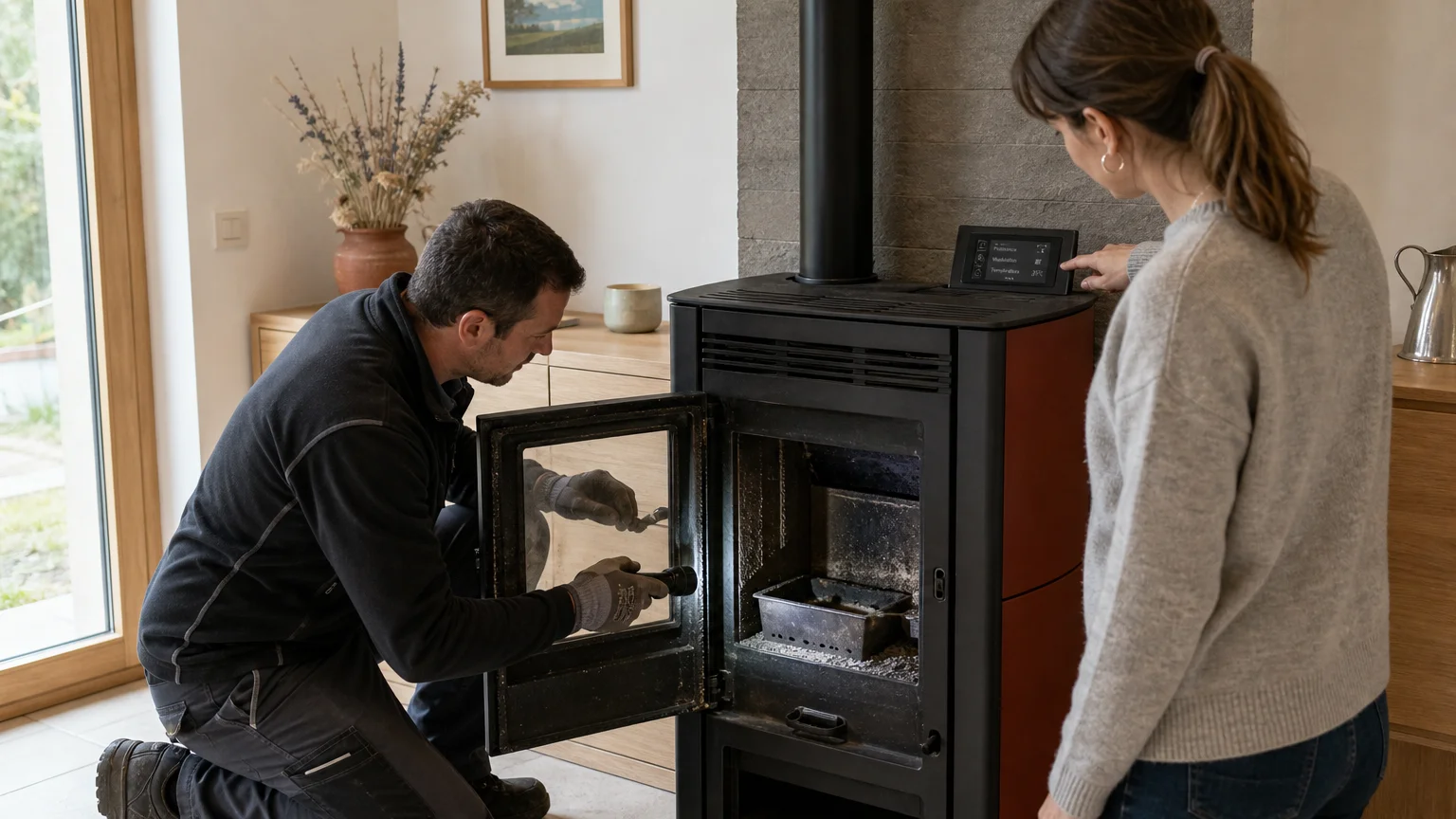
You’ll save time by noting the details before looking for a part. Write down the displayed message, the time it shut down, whether there’s a flame or not, the amount of pellets remaining, and any unusual noises.
- Turn off the appliance and wait for it to cool down completely.
- Check the power supply, the pellet level, and that the doors are closed.
- Clean only the accessible parts specified in the manual.
- Observe the firebox, the flame, the smoke, and any noises when restarting the unit as instructed.
- Contact a professional if the alarm sounds again or if the malfunction involves a safety component.
You must keep a photo of the error message and the condition of the crucible. You can also note the model number, the year of installation, and the date of the last maintenance. This record prevents the random replacement of parts and makes it easier to identify the actual cause.
The BPA advises that rushing and improvising increase risks during home repairs. You must therefore avoid any work while the unit is powered on, bypassing safety features, or conducting prolonged tests in the presence of smoke.
How can you prevent future breakdowns?
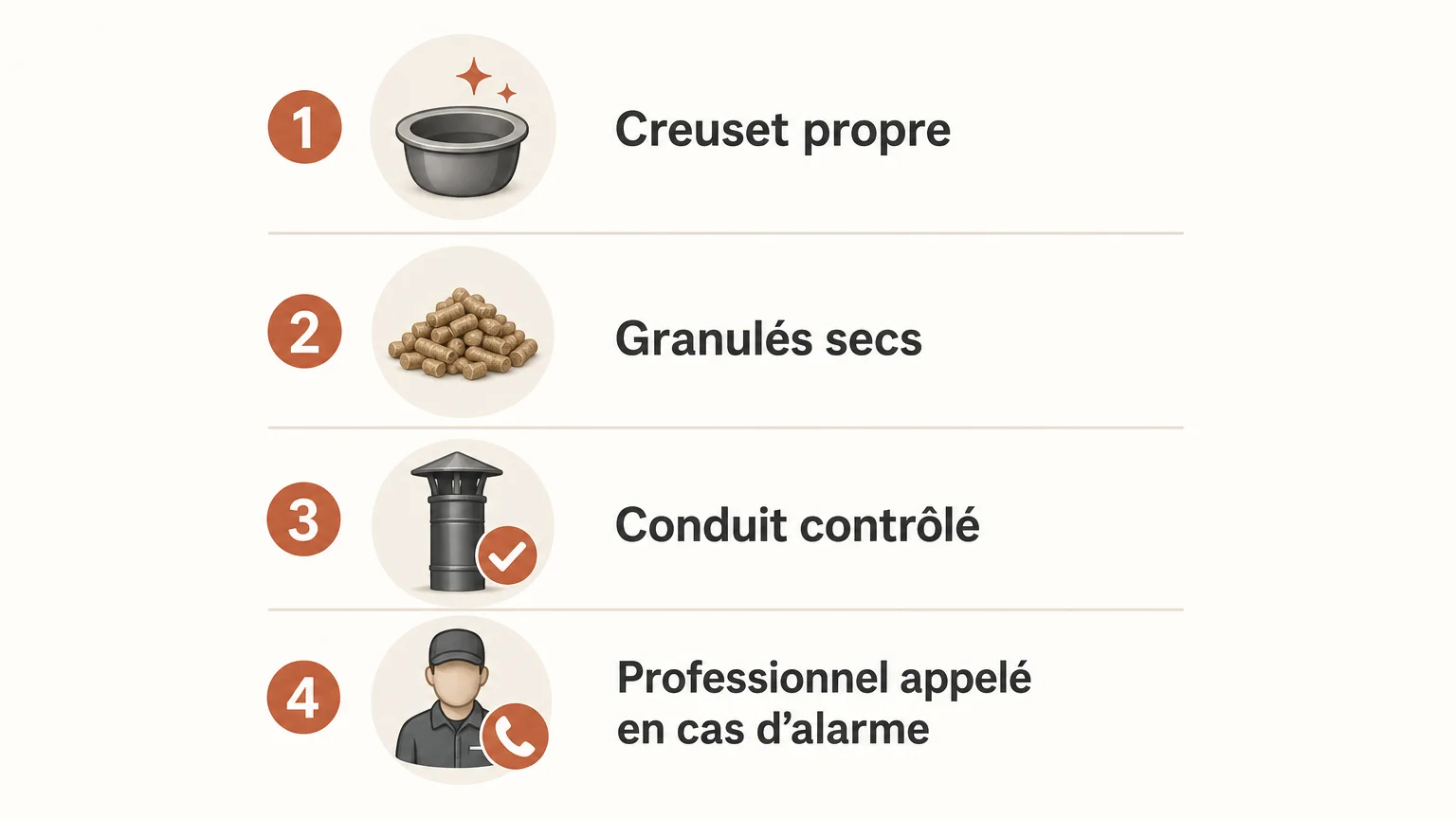
You can reduce the risk of breakdowns by making maintenance part of your regular routine. The frequency depends on the model, the quality of the pellets, the heat output, and the number of operating hours.
- Regularly remove ash from the firebox and check that the air vents remain open.
- Clean the heat exchangers and accessible passages according to the manufacturer’s instructions.
- Keep pellet bags dry and avoid filling the hopper with fuel that is visibly damp.
- Monitor the color of the flame, the condition of the glass, and watch for unusual noises or odors.
- Have the flue and the system inspected in accordance with cantonal regulations and the professional’s recommendations.
You should also avoid very short cycles and repeated extreme settings. Constant high-power operation with low ventilation can lead to clogging or overheating, while setting the heat too high for the room can result in uncomfortable temperature fluctuations.
After a service visit, ask for a detailed list of the work performed on your invoice or service report. This will allow you to track the condition of the flue, gaskets, fans, sensors, and replaced parts from one season to the next.
Key Points to Remember for Pellet Stove Breakdowns
A pellet stove malfunction is first diagnosed based on the symptom, the time it shut down, and the error message displayed. You can clean accessible parts and check the fuel, but you must shut off the unit as soon as you notice smoke, overheating, an unusual odor, or a persistent alarm. Regular maintenance and a properly inspected installation remain your best defenses against repeated breakdowns.
Take action with Carron-Lugon
A recurring malfunction may indicate that the unit is unsuitable, that the installation needs to be checked, or that more comprehensive maintenance is required. For your project in Switzerland, you can provide us with details about your home, your heating habits, your available space, and any constraints related to your flue. We’ll help you move forward with a comprehensive approach, from the feasibility study to post-installation follow-up.

You can browse our pellet stoves and compare solutions based on your budget, home, and preferences. We’ll guide you through model selection, installation, project-related procedures, and future needs for maintenance, repairs, or replacement parts.
Frequently Asked Questions
Why does your pellet stove turn off on its own?
This could be due to a lack of pellets, a clogged burner, poor draft, a faulty sensor, or an irregular fuel supply. Note the time elapsed before the unit shuts off and the message displayed before restarting the appliance.
What should you do if your stove displays an alarm?
You should turn off the stove, wait for it to cool down, and consult the user manual specific to your model. If the alarm returns after a simple cleaning, contact a professional rather than repeatedly resetting it.
Why does your stove’s glass turn black so quickly?
A very black glass window may indicate a lack of air, a clogged burner, poor-quality pellets, a worn gasket, or insufficient draft. You should have the installation inspected if cleaning and changing the fuel are not sufficient.
Is it dangerous to continue using a stove that’s smoking?
Yes, you must immediately turn off the stove if smoke enters the room, then ventilate the area and request an inspection. Do not attempt to use the stove again until you have checked the flue, the air intake, and the exhaust components.
Can Carron-Lugon provide service after a stove has been installed?
Our after-sales service includes maintenance, repairs, and the supply of replacement parts for the relevant equipment. Please provide us with the model number, the error message, and the symptoms you’ve observed to help us process your request.