

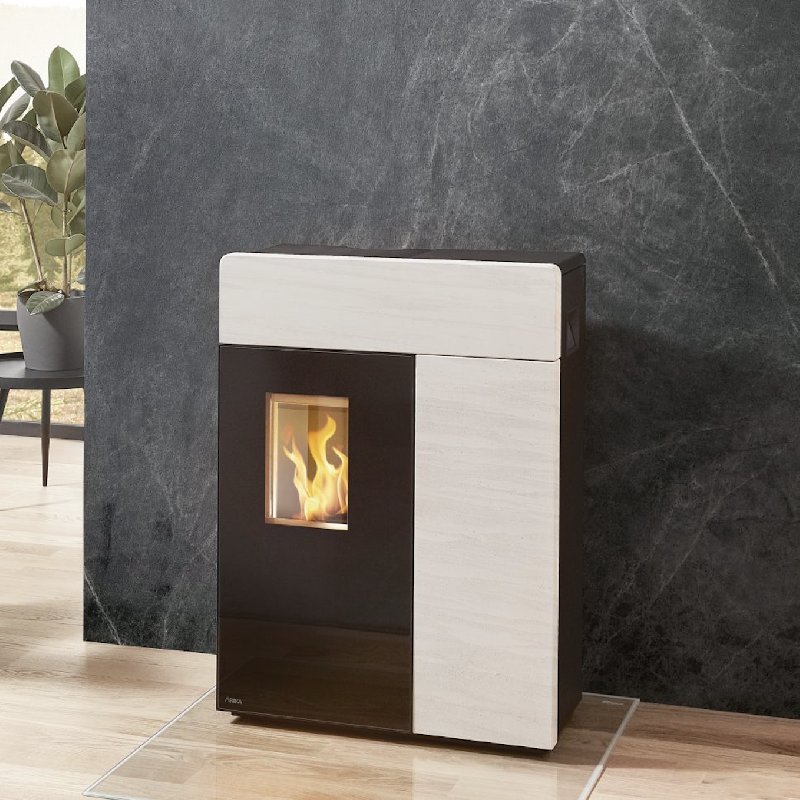
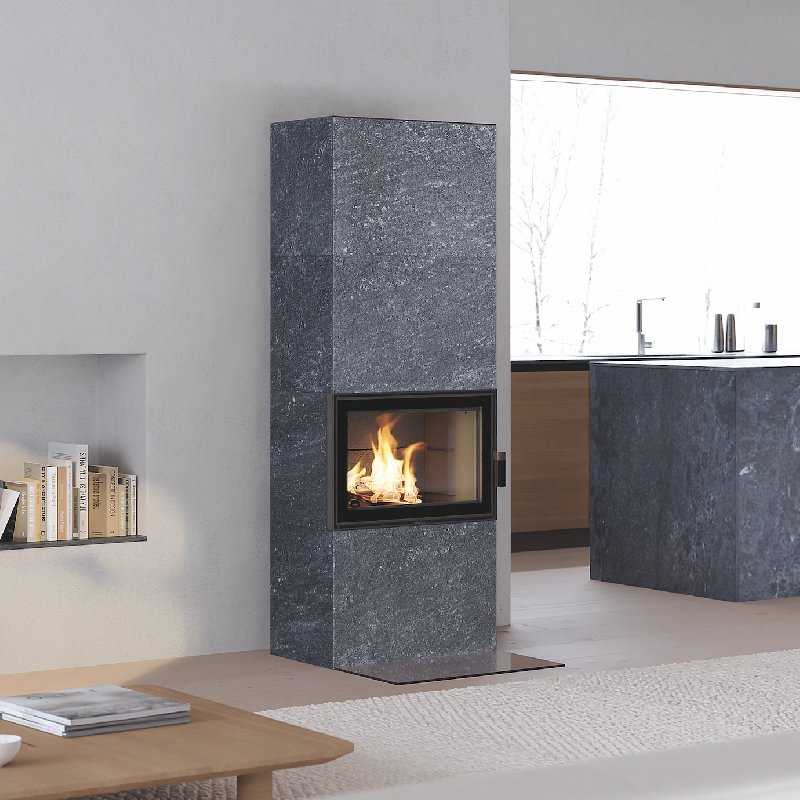
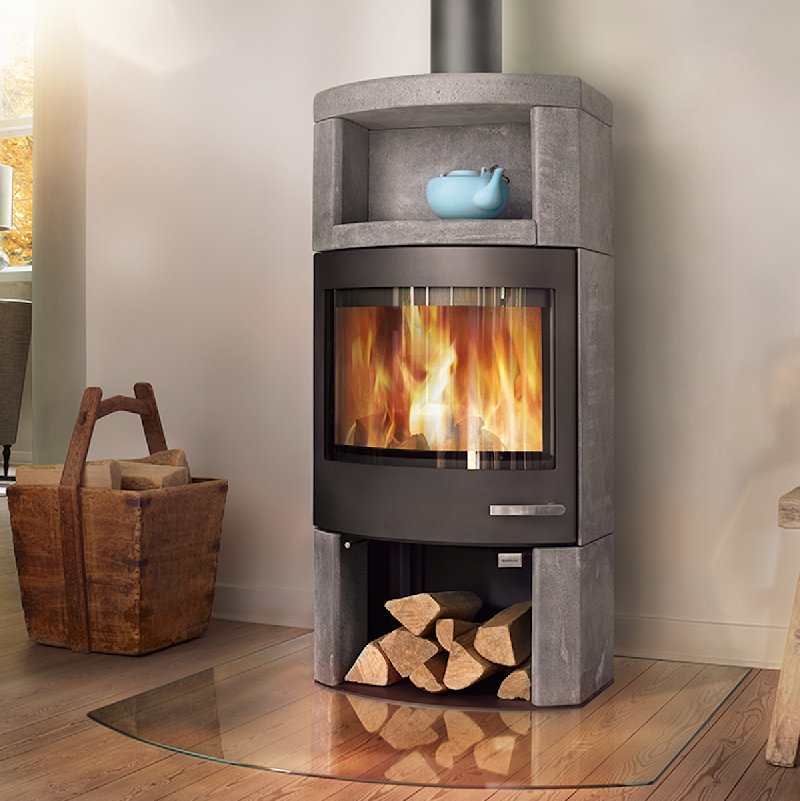
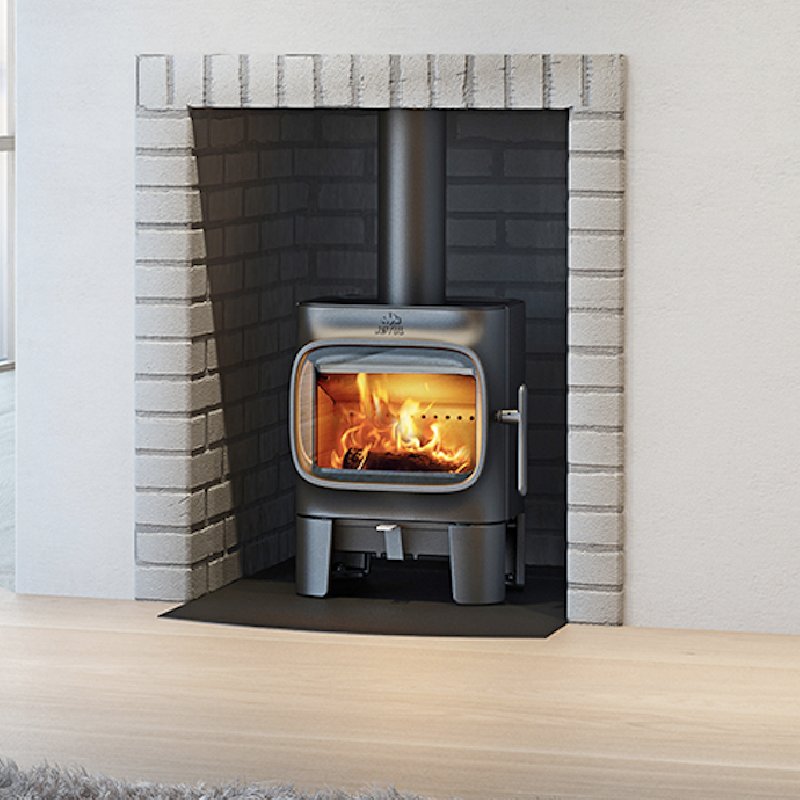


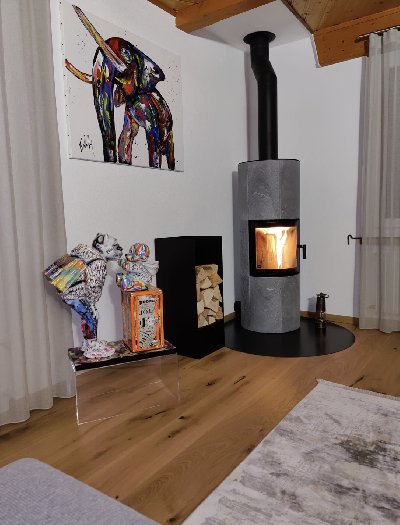
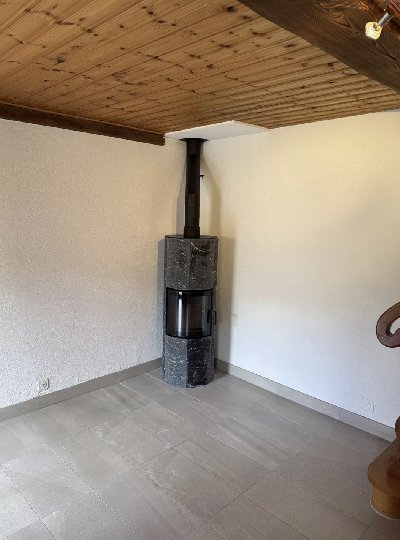
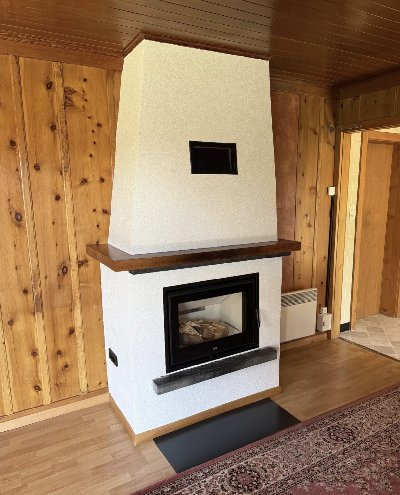
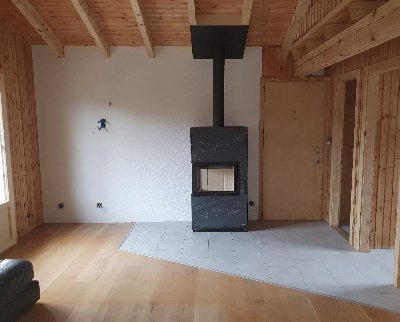
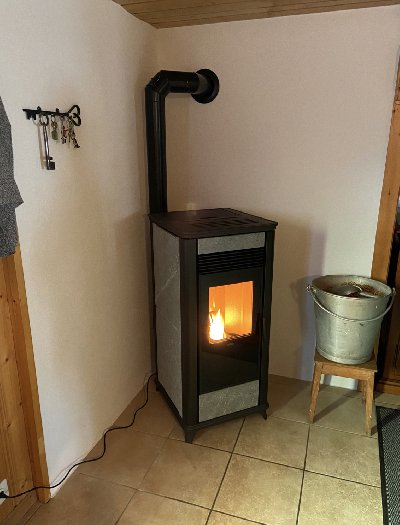
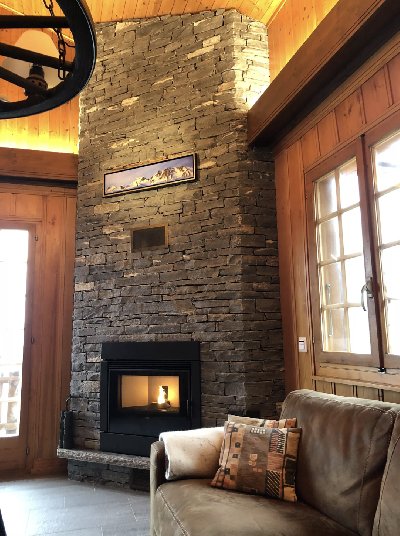
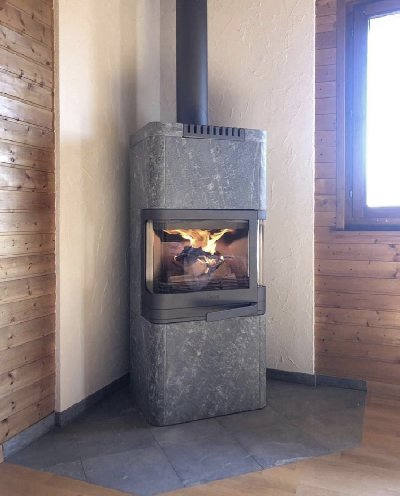
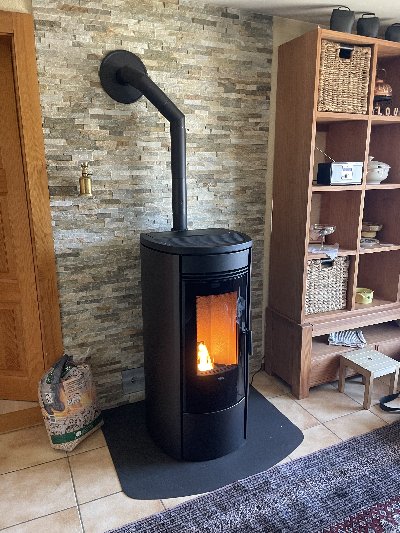

An improperly adjusted unit can lose up to 20% in efficiency—a difference that shows up directly on your bill every winter. Yet most problems stem from habits that are easy to correct. Even before considering the settings, one point is too often overlooked: how you store and handle the pellets already affects the quality of combustion.
Understanding the mistakes to avoid with a pellet stove helps you prevent breakdowns, limit overconsumption, and ensure safe heating. In Switzerland, pellet heating has been growing for years: according to proPellets.ch, there were no pellet systems installed in 1995, compared to approximately 30,000 boilers and stoves recorded in 2019 by the Swiss Federal Office of Energy. This popularity makes proper use all the more important.
Choosing the wrong size stove: the first costly mistake
Choosing a unit without calculating the actual power required is the most common pitfall. An undersized stove runs constantly at full capacity, wears out quickly, and consumes more fuel. An oversized model, on the other hand, cycles on and off frequently, which impairs combustion and dries out the indoor air.
Heat output cannot be determined by floor area alone. Insulation, ceiling height, the number of windows, and the layout of the rooms are just as important. The pellet stove market remains robust: according to Business Research Insights, it was valued at $0.75 billion in 2026, with expected annual growth of nearly 5% through 2035. A sustainable investment therefore warrants precise sizing from the outset.
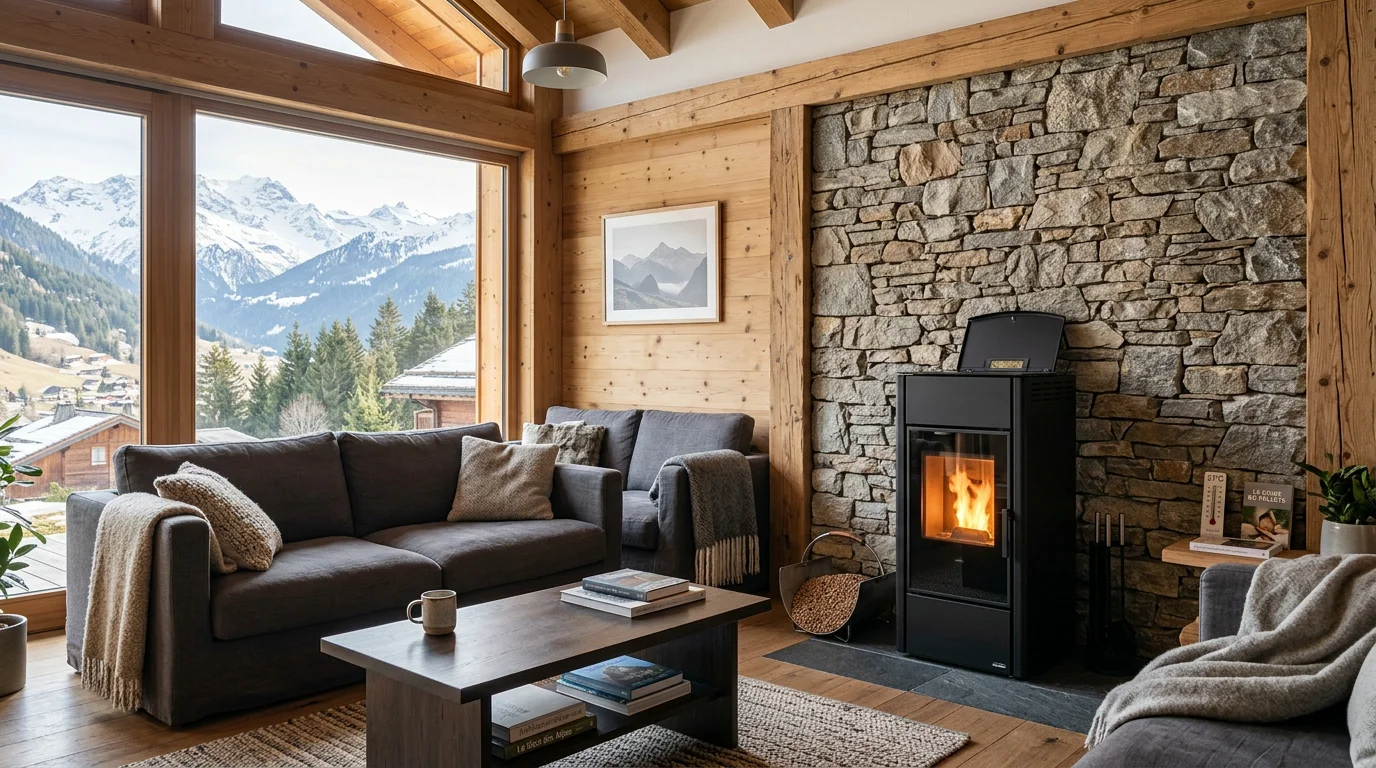
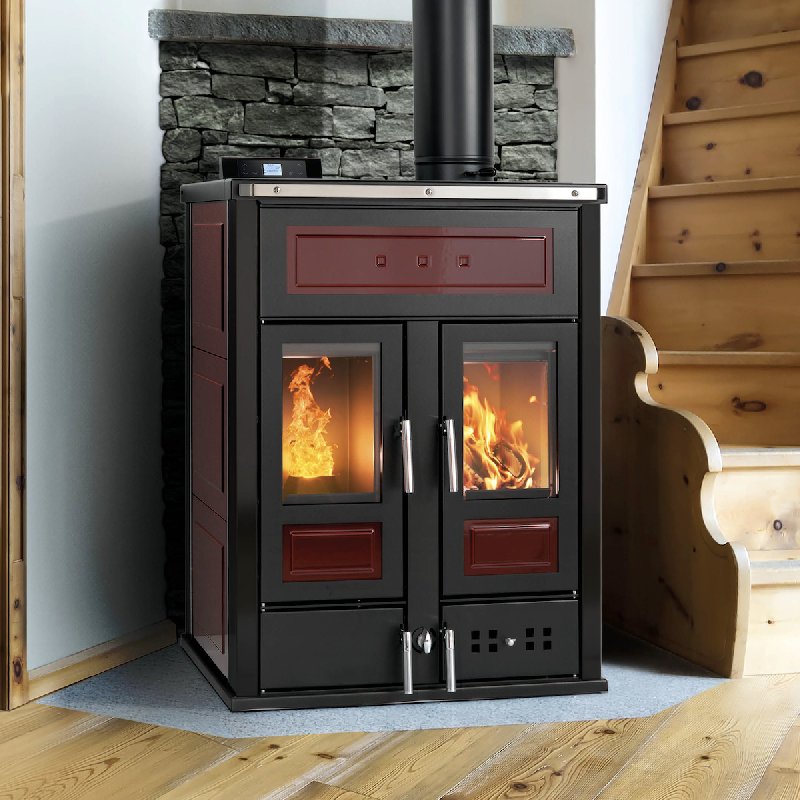
To avoid miscalculations, a preliminary technical visit remains the best safeguard. Our teams will install a Klover pellet stove tailored to your home, following an assessment based on floor plans or an on-site inspection.
Neglecting pellet quality and storage
Cheap pellets often end up costing more in the long run. Pellets that are too damp or too dusty burn poorly, clog the firebox and the auger, and increase fuel consumption. Opt for ENplus A1 or DINplus certified pellets: they guarantee a moisture content of less than 10% and a low ash content.
Price shouldn’t be the only factor, especially since the market has stabilized. According to 7monÉnergie, the price per metric ton was around 425 to 430 euros in the summer of 2026, with significant regional variations, far from the peaks of 600 to 900 euros seen during the 2022 energy crisis. Prioritizing quality protects your system in the long term.
Storage is just as important. Store your bags in a dry room, on raised pallets, protected from moisture. Properly stored fuel means more reliable ignition and less residue in the combustion chamber.
Rushing the Ignition and Start-up
A rushed initial startup can permanently compromise the appliance’s performance. The initial filling of the auger, adjusting the air intake, and running in the components require a systematic approach. A poor initial ignition often results in an unstable flame or error messages within the first few days.
Taking the time to follow the manufacturer’s procedure prevents many problems. Our dedicated guide details the first ignition of my pellet stove, step by step, for a smooth start.
Poorly Chosen Location and Installation
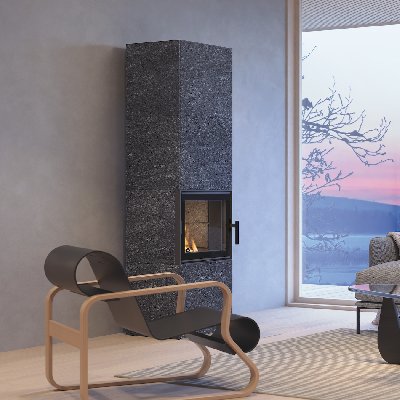
Placing the stove in an off-center corner limits heat distribution and creates cold spots. If placed too close to combustible materials, it becomes a hazard. The installation must comply with safety clearances, ensure sufficient air intake, and include a flue that meets regulatory standards.
Cutting corners during installation is a false economy. A non-compliant installation can jeopardize your insurance coverage and reduce performance. Hiring a qualified installer ensures proper flue gas exhaust and optimal draft—two essential conditions for safe and long-lasting operation.
Neglecting Regular Maintenance
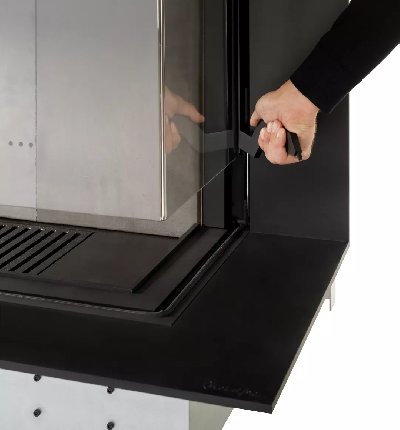
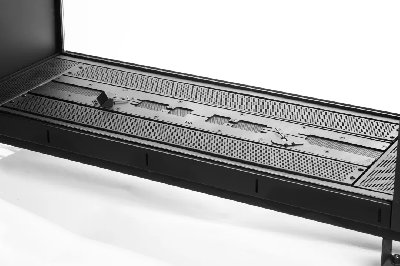
A sooty stove loses efficiency and consumes more fuel, without you immediately noticing it. Weekly cleaning of the ash pan, firebox, and glass, along with dusting the heat exchangers, ensures efficient combustion.
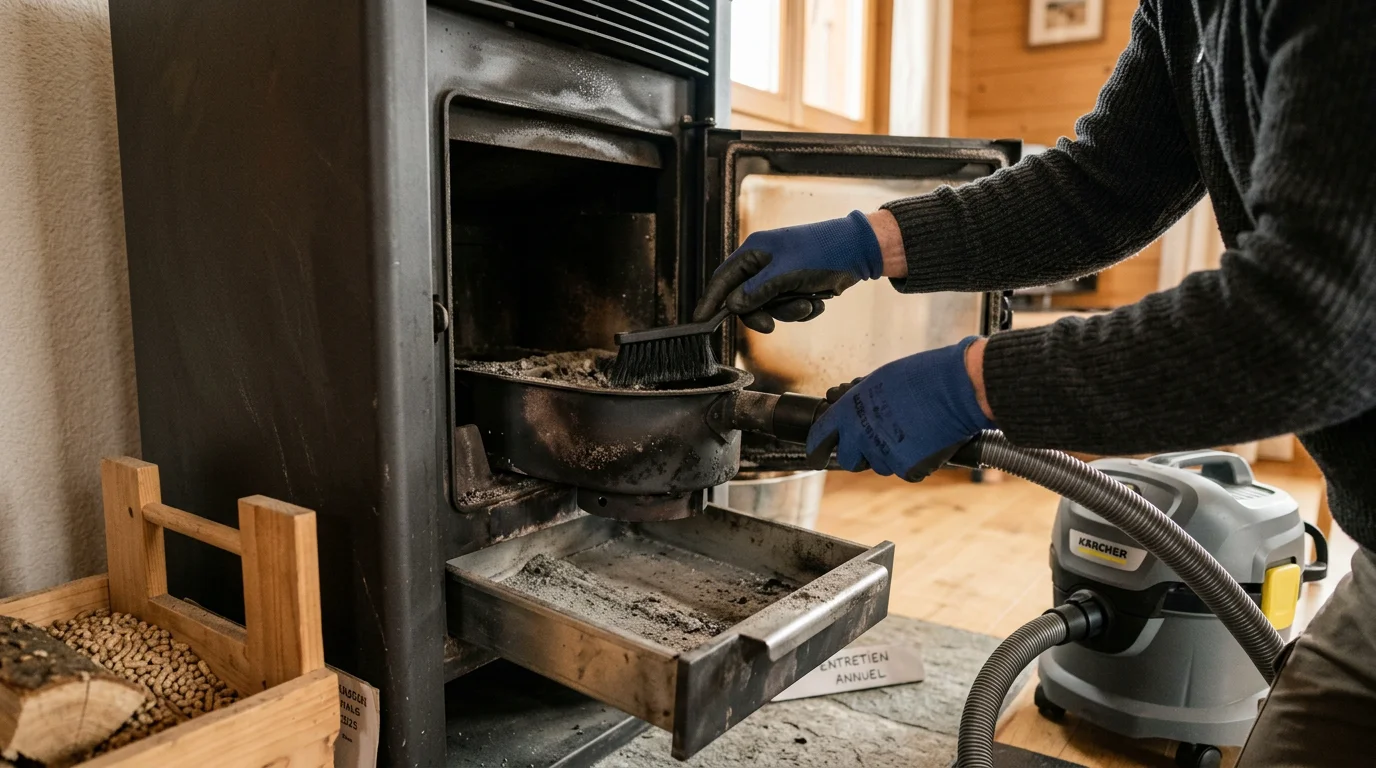
Summer remains the ideal time for the annual inspection. As RIKA points out, a well-maintained unit consumes less fuel, heats more efficiently, and lasts longer. In addition, the chimney must be swept annually, which is mandatory in most cases. If an error message appears, our guide onthe AL-01 alarm—“What to Check on a Pellet Stove” —helps you respond quickly, and our in-house customer service team will take over if necessary.
Ignoring safety, settings, and flue systems
Leaving a flue partially blocked can lead to smoke backflow. Neglecting built-in safety features or failing to maintain proper distances from flammable furniture increases the risks. Regular inspection of the flue and door seals remains essential.
As for settings, running the stove at full power continuously is counterproductive. A lower base temperature during the day, raised in the evening, combined with a schedule tailored to your routine, significantly reduces energy consumption without sacrificing comfort. Newer models with automatic controls adjust themselves, which helps prevent waste.
The Essentials for Effective Heating in French-speaking Switzerland
Avoiding the most common mistakes with a pellet stove comes down to four key points: proper sizing, certified and properly stored pellets, a code-compliant installation, and regular maintenance. These practices protect your budget, extend the life of the appliance, and ensure the safety of your home. Since every home is unique, a personalized assessment remains the best way to make the right choices from the start and enjoy the benefits for years to come, winter after winter.
Take action with Carron-Lugon
Are you unsure about your unit’s capacity, location, or maintenance? We’ll guide you every step of the way—from planning to installation—with a free, no-obligation consultation in Valais, the canton of Vaud, and Geneva. Our teams assess your needs based on blueprints or on-site, coordinate the installation with other trades, and provide in-house after-sales service.

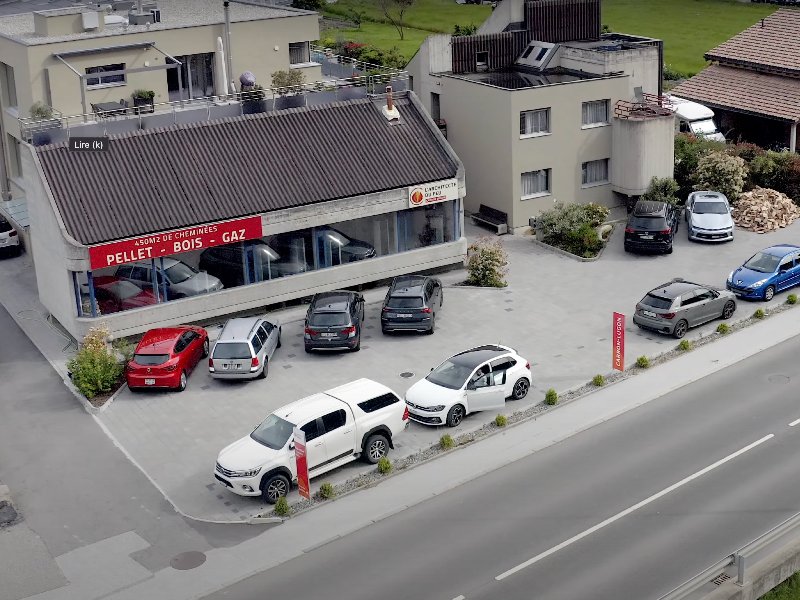
For clean combustion and optimal efficiency, discover our certified pellets for your heating system. Our showrooms in Fully and Etoy, open 24 hours a day, allow you to compare models before making your decision—all as part of a project carried out neatly and meticulously, right through to the final cleanup.
Frequently Asked Questions
What output should I choose for my pellet stove?
The output depends on the floor area, as well as insulation, ceiling height, and room layout. A rough estimate often leads to an ill-suited unit. A professional assessment remains the most reliable way to properly size your system.
Which pellets should I choose to prevent clogging?
Choose ENplus A1 or DINplus-certified pellets with a moisture content below 10% and a low ash content. These criteria ensure clean and consistent combustion. High-quality fuel reduces the need for cleaning and extends the stove’s lifespan.
How often should you maintain a pellet stove?
We recommend cleaning the ash pan, firebox, and glass window weekly, along with dusting the heat exchangers every two to three weeks. A thorough inspection and annual chimney sweeping are required each year. Summer is the ideal time for this maintenance.
Can I install my pellet stove myself?
This is strongly discouraged. Improper installation can create a fire hazard, reduce performance, and void your insurance coverage. Hiring a professional ensures compliance with safety clearances, air intake requirements, and flue standards.
How should I store my pellets properly?
Store your bags in a dry, well-ventilated room on raised pallets, protected from moisture. Avoid damp basements, which can cause the pellets to absorb water. Proper storage preserves the calorific value and makes it easier to light the stove.