

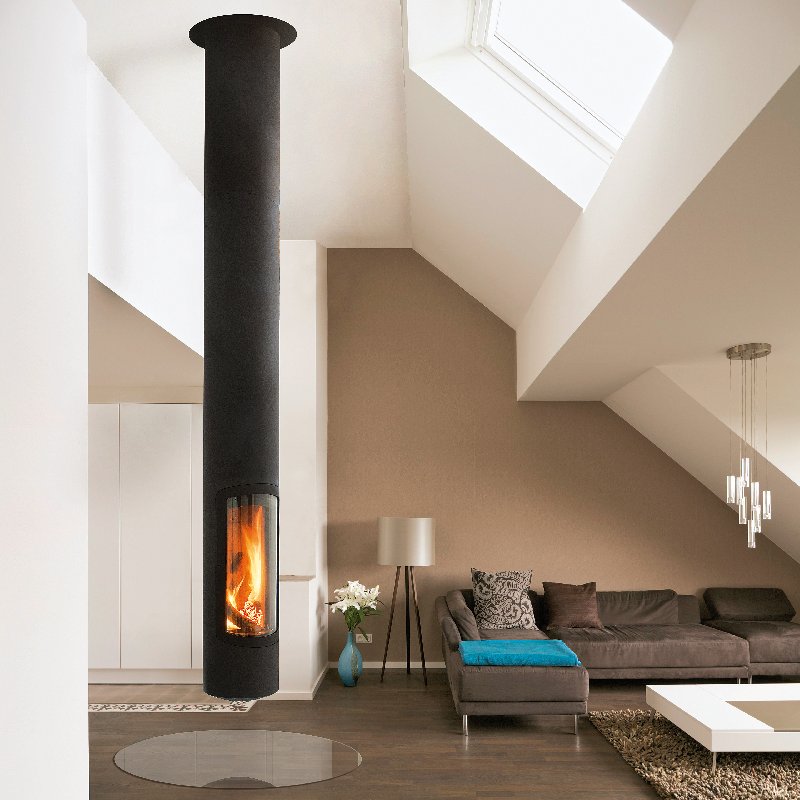
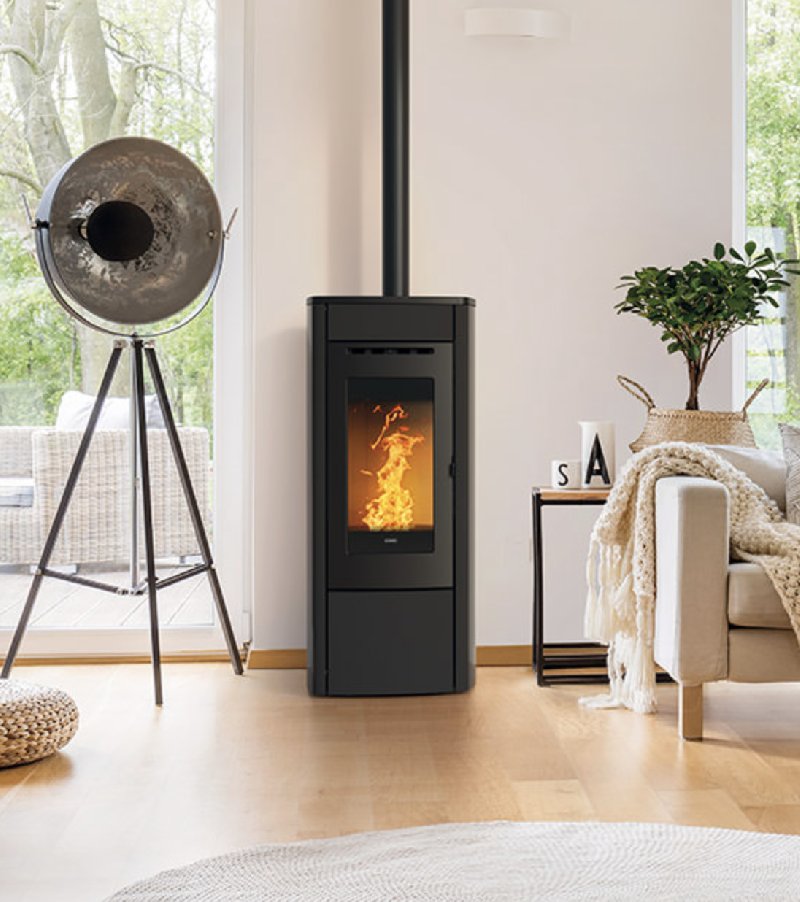
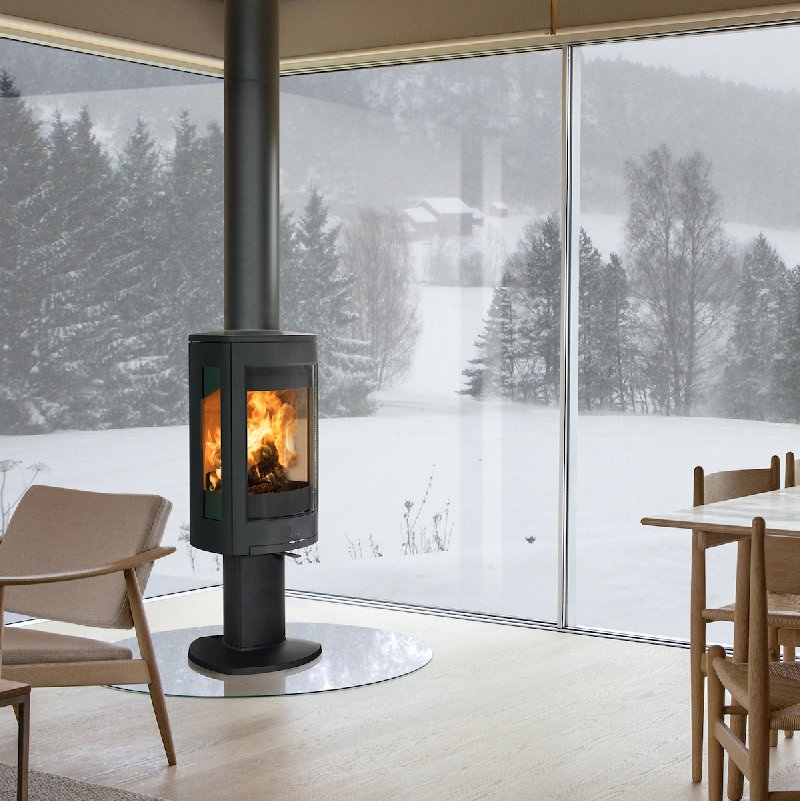
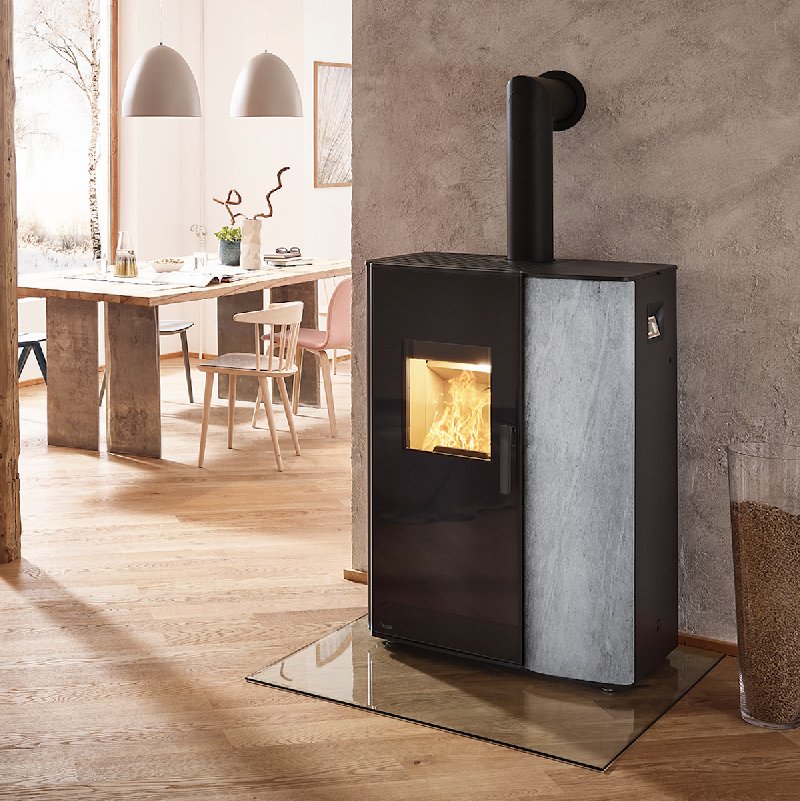
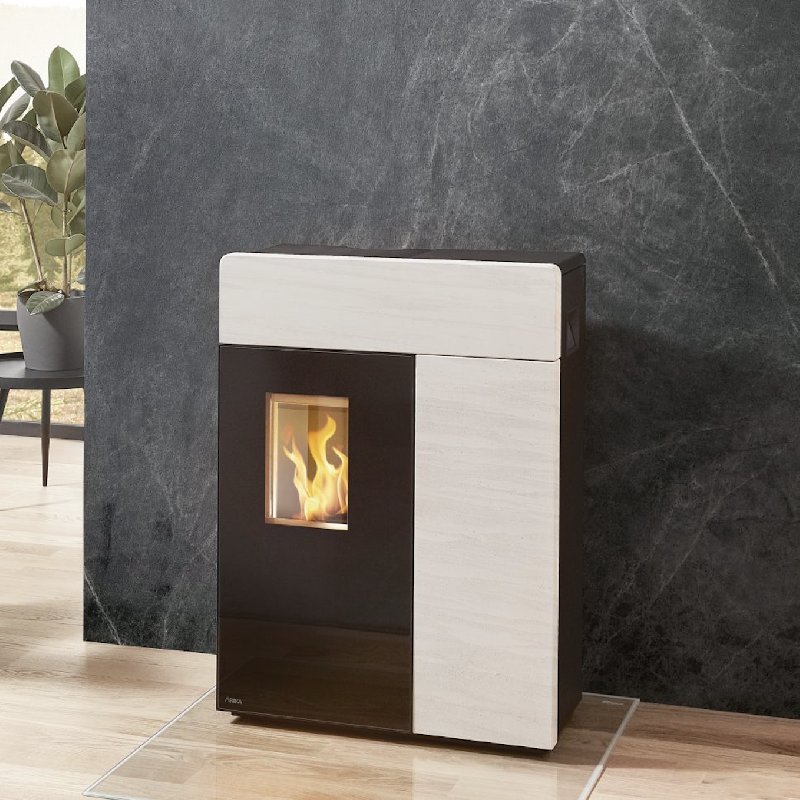
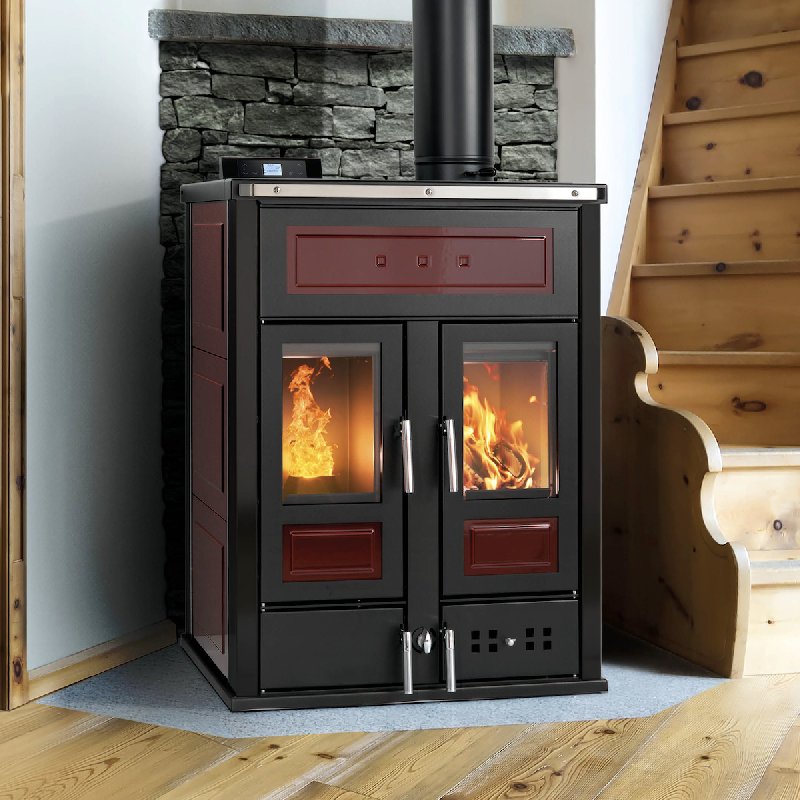
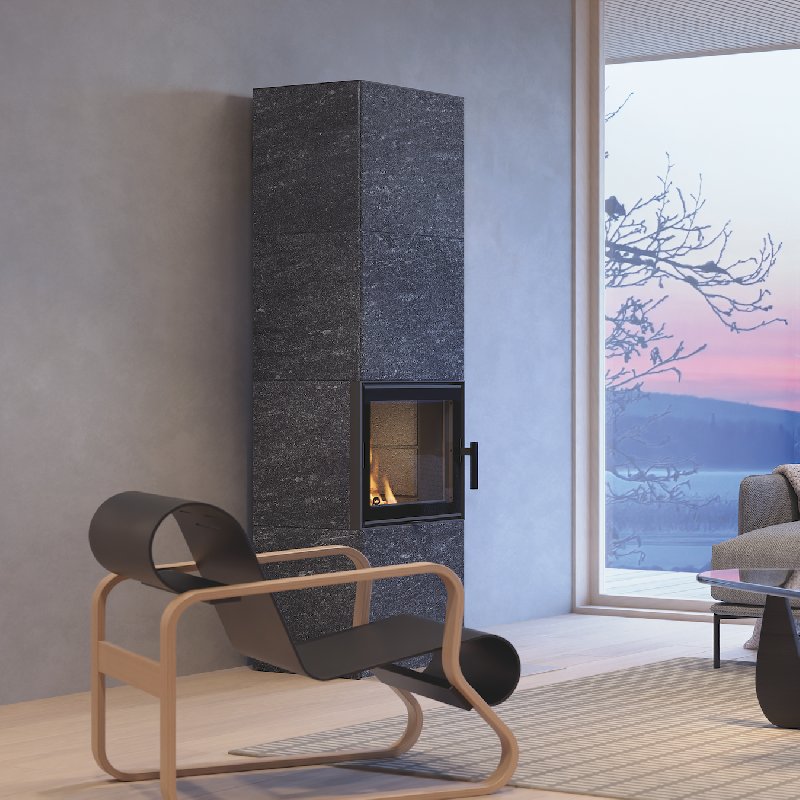
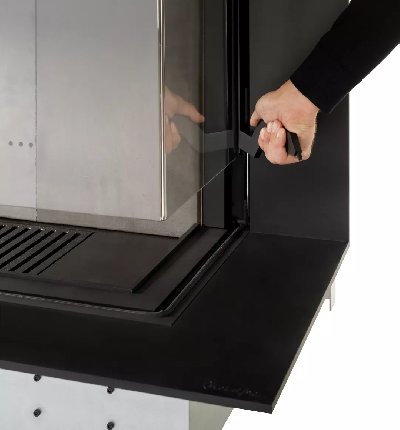
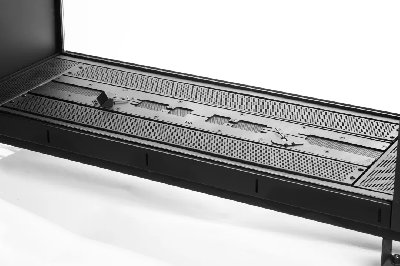
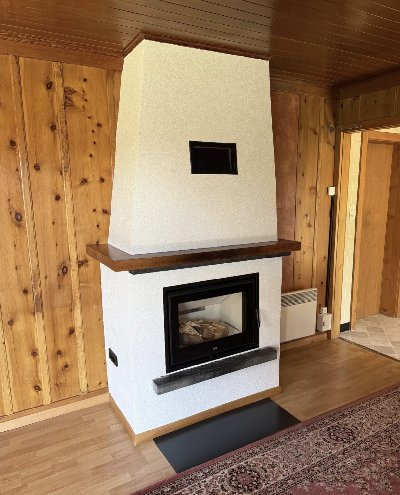
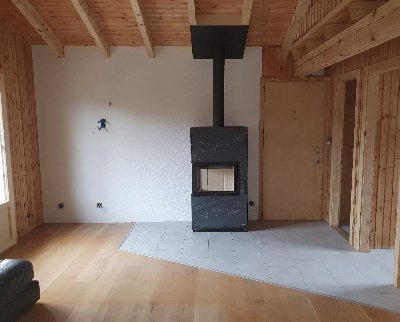
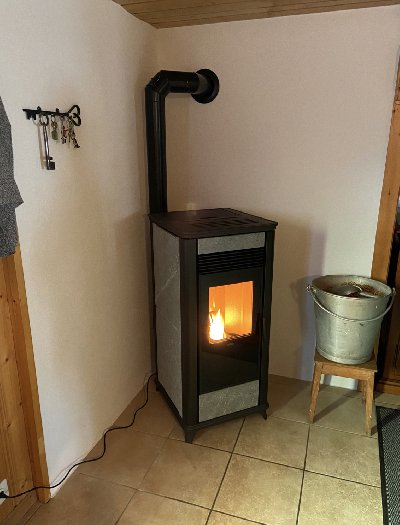
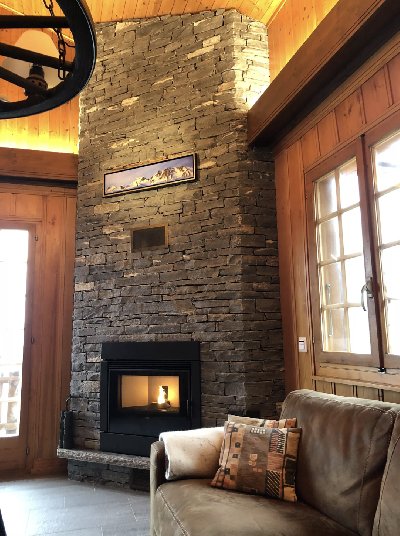
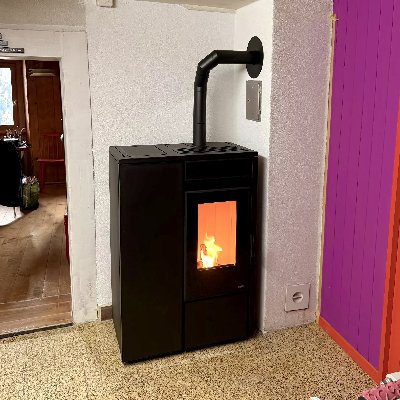
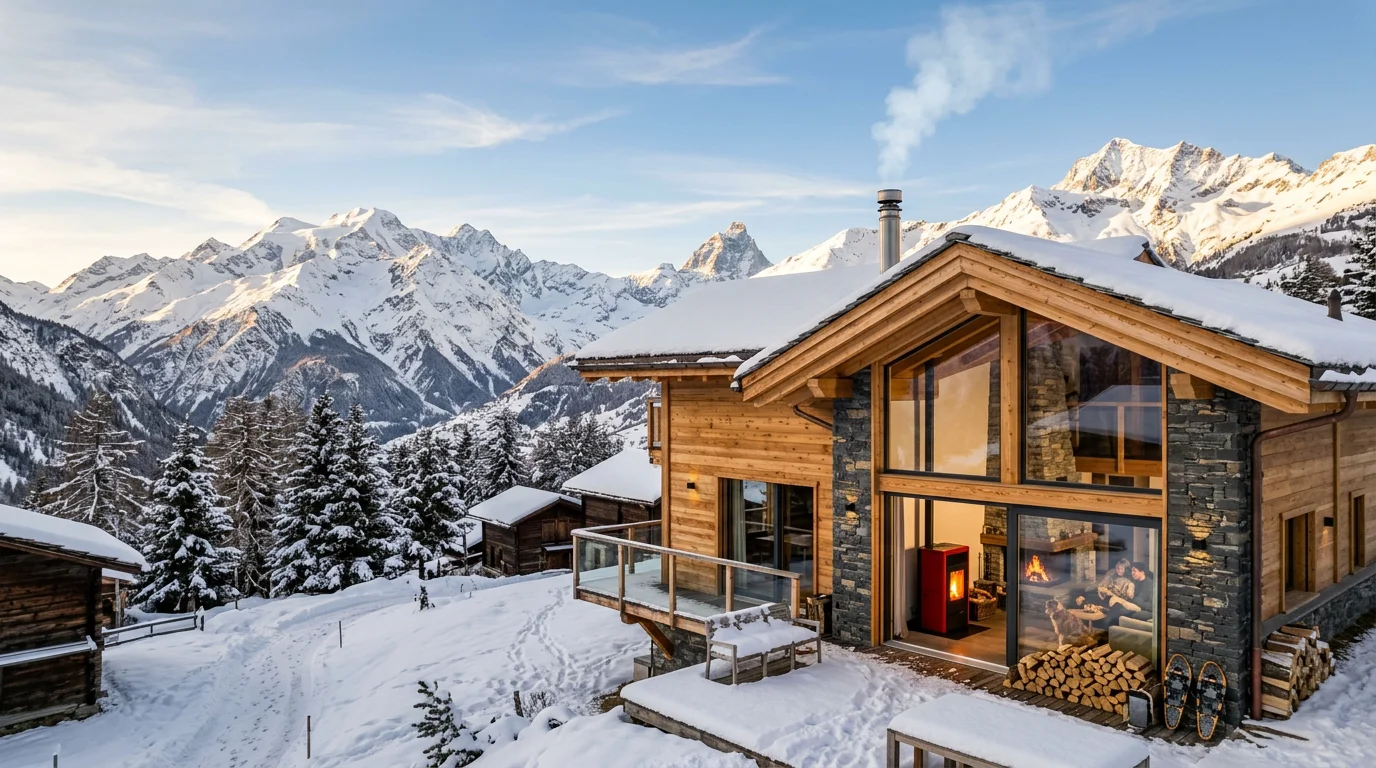
Heating your home with a local, renewable resource that offers predictable costs is attracting more and more homeowners in Valais. The pellet stove in Valais meets this need precisely, combining automatic convenience with a low carbon footprint. To compare models in detail, our RIKA CONNECT PELLET 22 technical data sheet provides information on power ratings, efficiency, and necessary connections before you begin your project.
The budget remains a key factor. According to independent data from pelletpreis.ch, a metric ton of pellets cost an average of CHF 426.08 in October 2024 in Switzerland—a price that is much more stable than that of heating oil. Add to that regulations that are tightening energy requirements, and switching to pellets becomes a decision that’s both environmentally friendly and economical.
What is a pellet stove and how does it work?
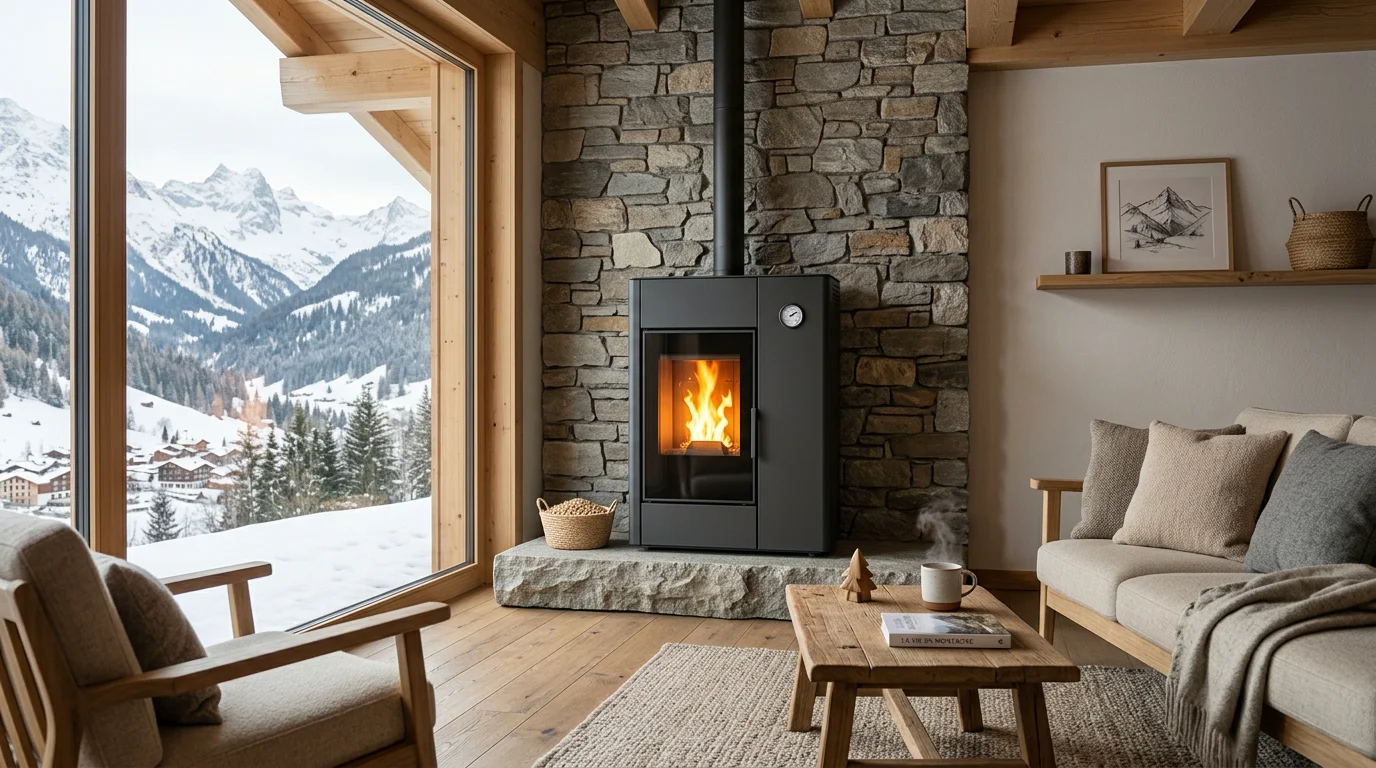
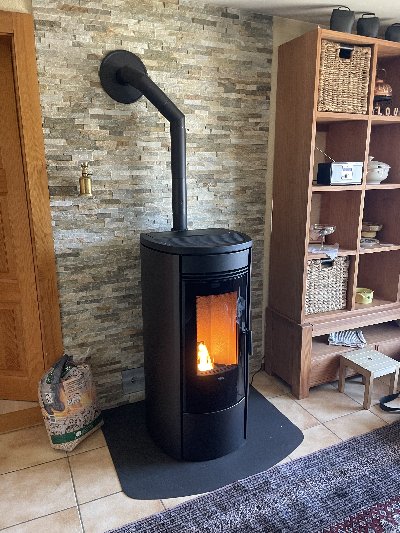
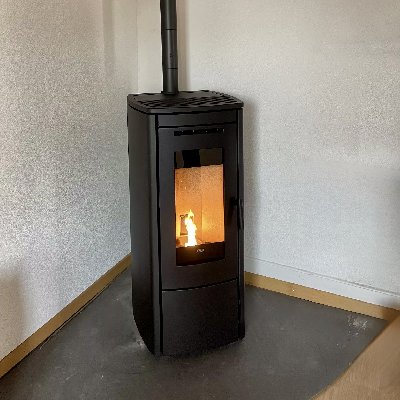
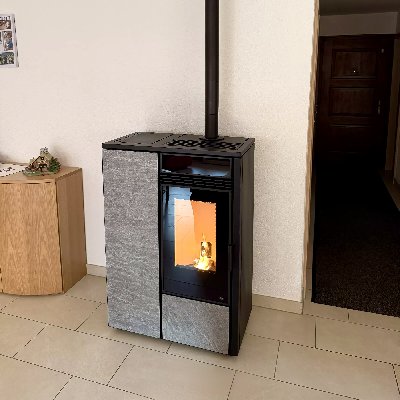
To discuss pellet stoves in Valais—including their benefits, prices, and installation in 2026 —start by understanding how the appliance works. A pellet stove is an automated wood-burning heating system. It burns compressed pellets that are mechanically fed from a built-in hopper to a combustion chamber.
A motorized auger meters the pellets, an electronic igniter starts the combustion, and then a thermostat continuously adjusts the amount of wood pellets fed into the firebox. The result: steady heat and several days of continuous operation. You fill the hopper once or twice a week and empty the ash pan regularly.
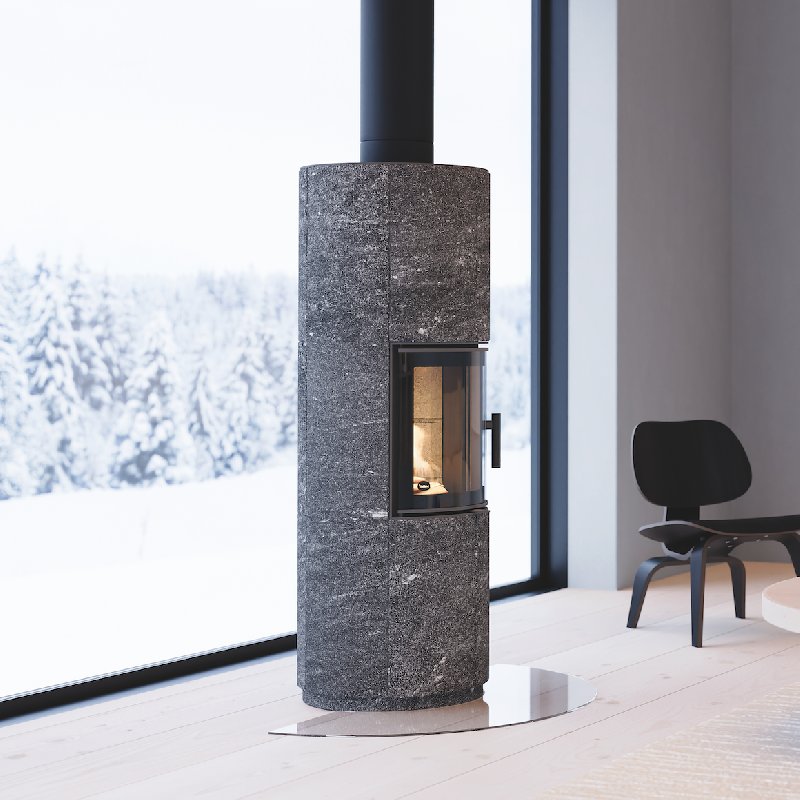
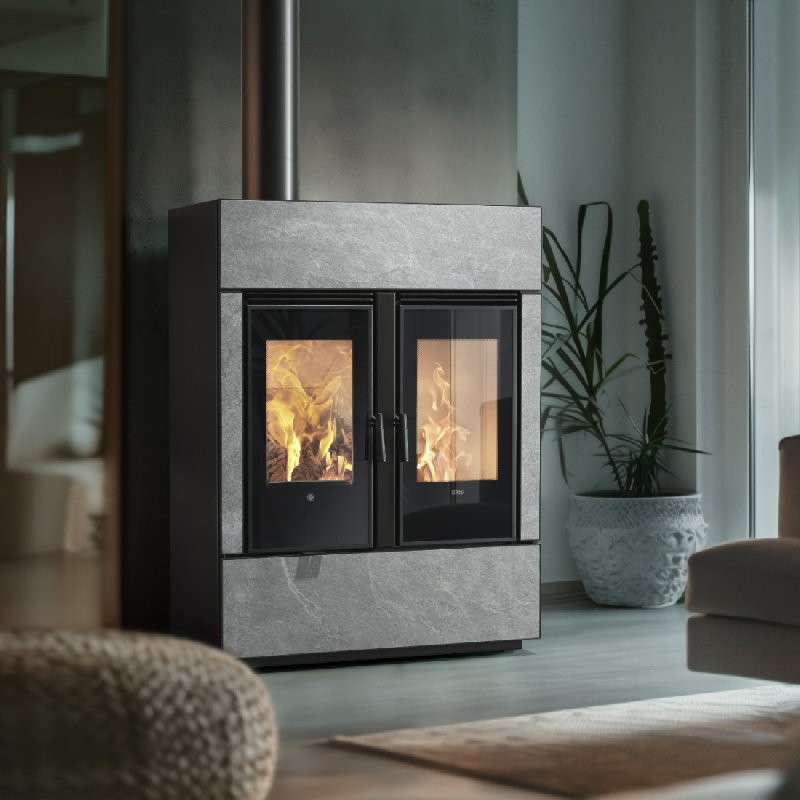
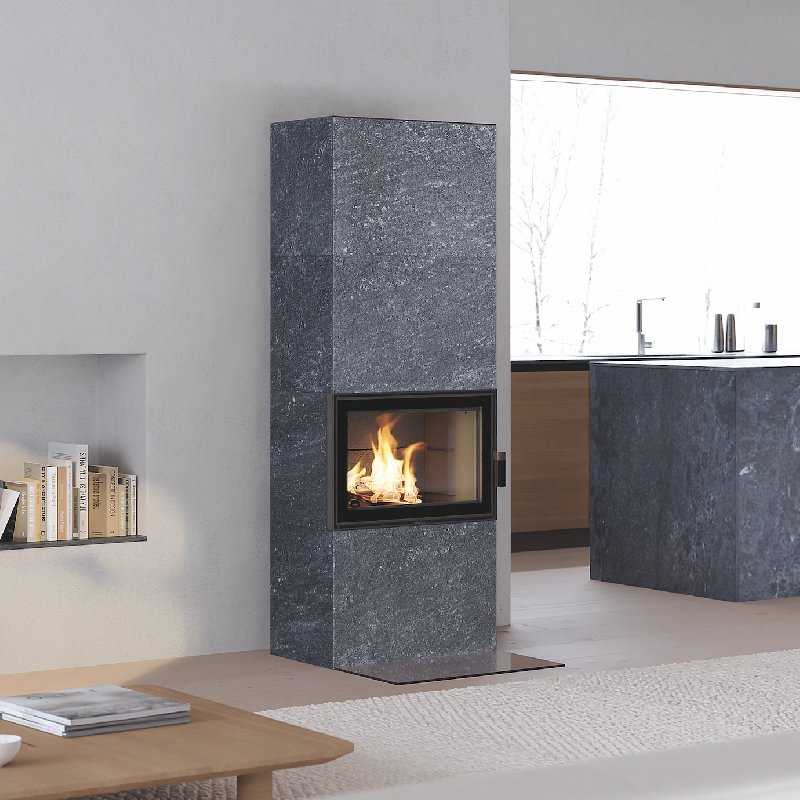
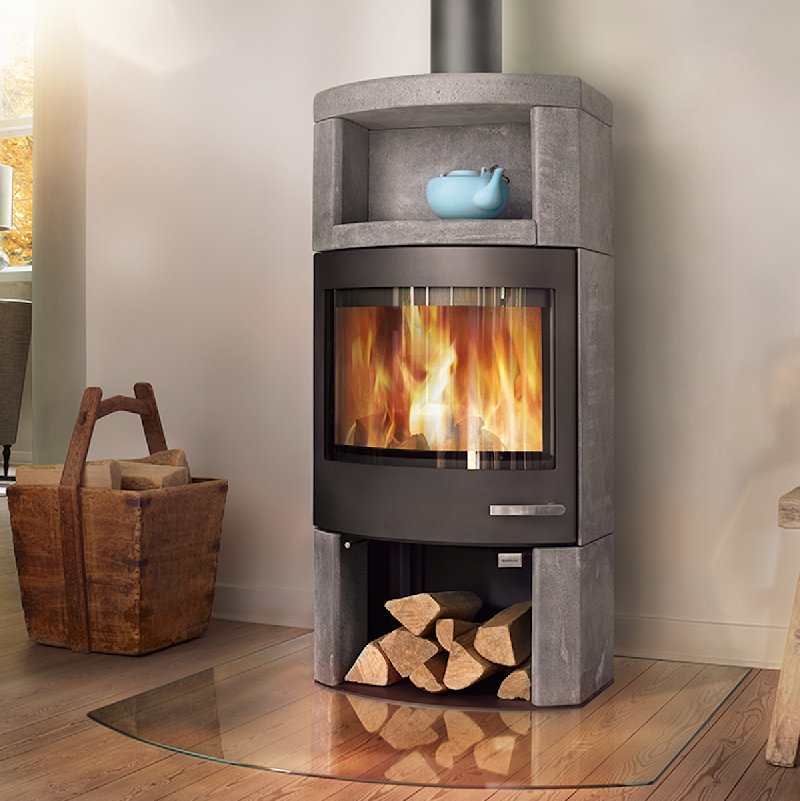
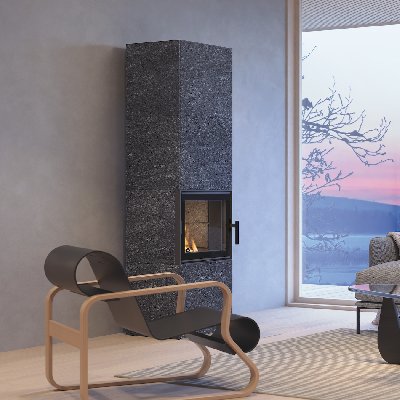
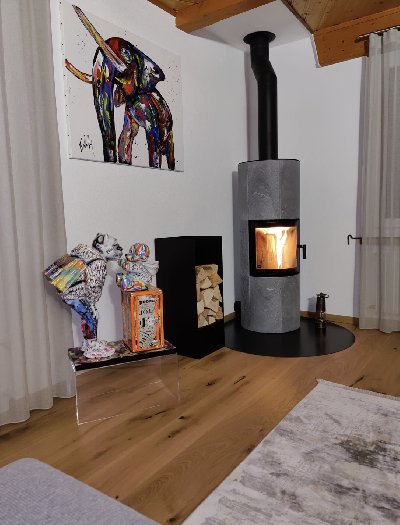
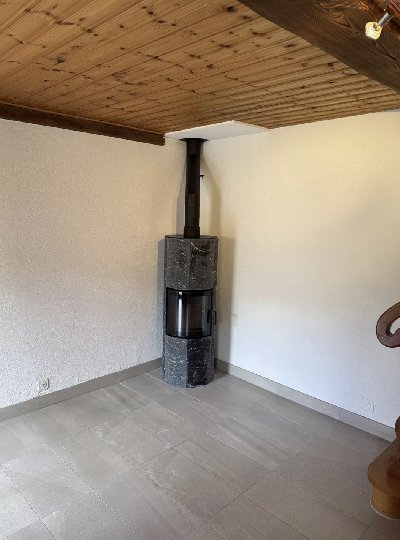
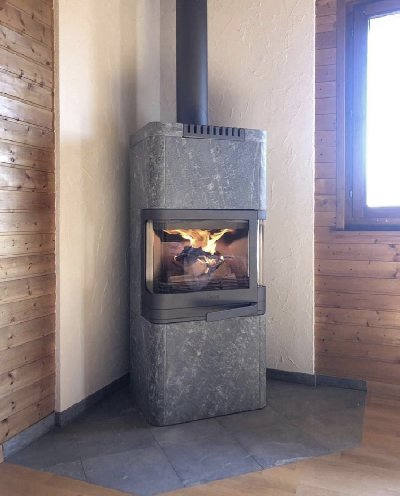
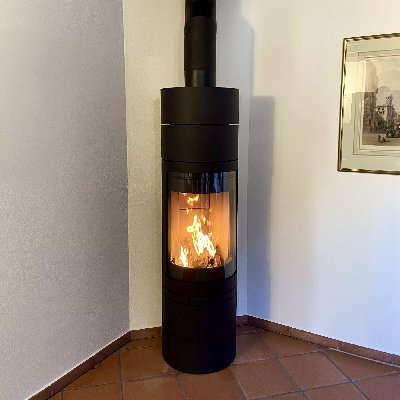
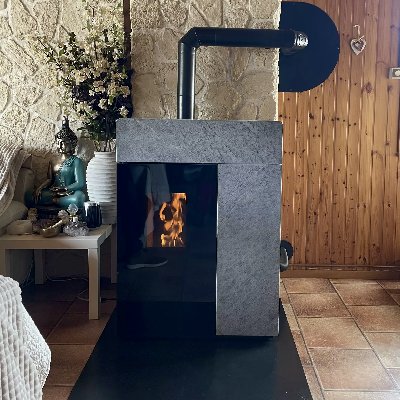
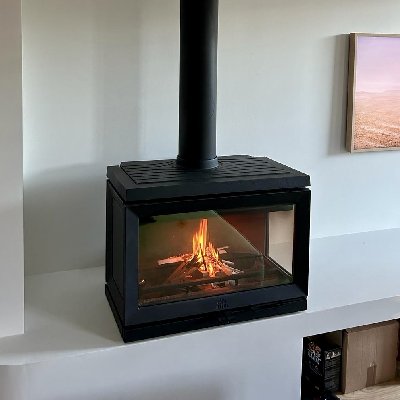
There are several types of wood-burning stoves. The convection stove distributes hot air throughout the room. The soapstone storage stove provides gentle heat for several hours. The ductable stove heats multiple rooms via ducts. Finally, the hydronic stove connects to the central heating system to supply radiators and underfloor heating.
The Advantages of Pellet Stoves in Valais
Why is this type of heating gaining so much ground in the Valais valleys? Three reasons consistently come up. First, energy independence: pellets are made from Swiss sawmill waste, eliminating the need for long-distance transport.
Second, the stability of wood fuel prices. According to data from Expert Zoom, pellets have cost around 7 to 9 centimes per kWh over the past ten years, making them far less vulnerable to geopolitical tensions than heating oil. Finally, climate neutrality: when burned, wood releases only the CO₂ it absorbed during its growth.
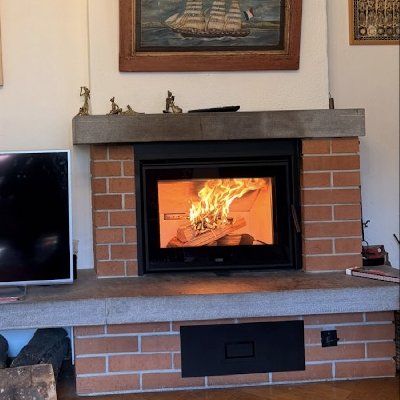
Added to these advantages is high and consistent efficiency. Modern appliances utilize a large portion of the wood’s energy, whereas an open fireplace converts only a fraction of the fuel. At high altitudes, where the heating season in Valais is long, this efficiency directly impacts your annual bill.
Price of a Pellet Stove in 2026
The cost varies significantly depending on the type of appliance, the finish, and the complexity of the installation. Here are the price ranges commonly found on the Swiss market for the appliance alone, excluding installation and the flue.
| Type of appliance | Estimated Price (CHF) | Ideal for |
| Convection, entry-level | 2,500 – 4,000 | Small spaces, tight budget |
| Smart convection, mid-range | 4,000–6,500 | Homes 60–120 m² |
| Storage (soapstone) | 5,000–9,000 | High-quality heat, heavy-duty use |
| Ducted | 5,500–8,500 | Multiple rooms or floors |
| Hydro (central heating) | 7,000–14,000 | Boiler replacement |
Installation costs are in addition to the purchase price. Connecting to an existing, code-compliant duct remains the most economical option, while installing a duct liner or creating a new duct on the exterior of the building increases the cost. In terms of operating costs, factor in fuel, annual maintenance, and low electricity consumption for the motor and electronics.
Fuel costs are not fixed. According to pelletpreis.ch, average prices rose toward the end of 2025, underscoring the value of a high-efficiency unit to minimize your consumption per metric ton.
Subsidies in Valais and Switzerland in 2026
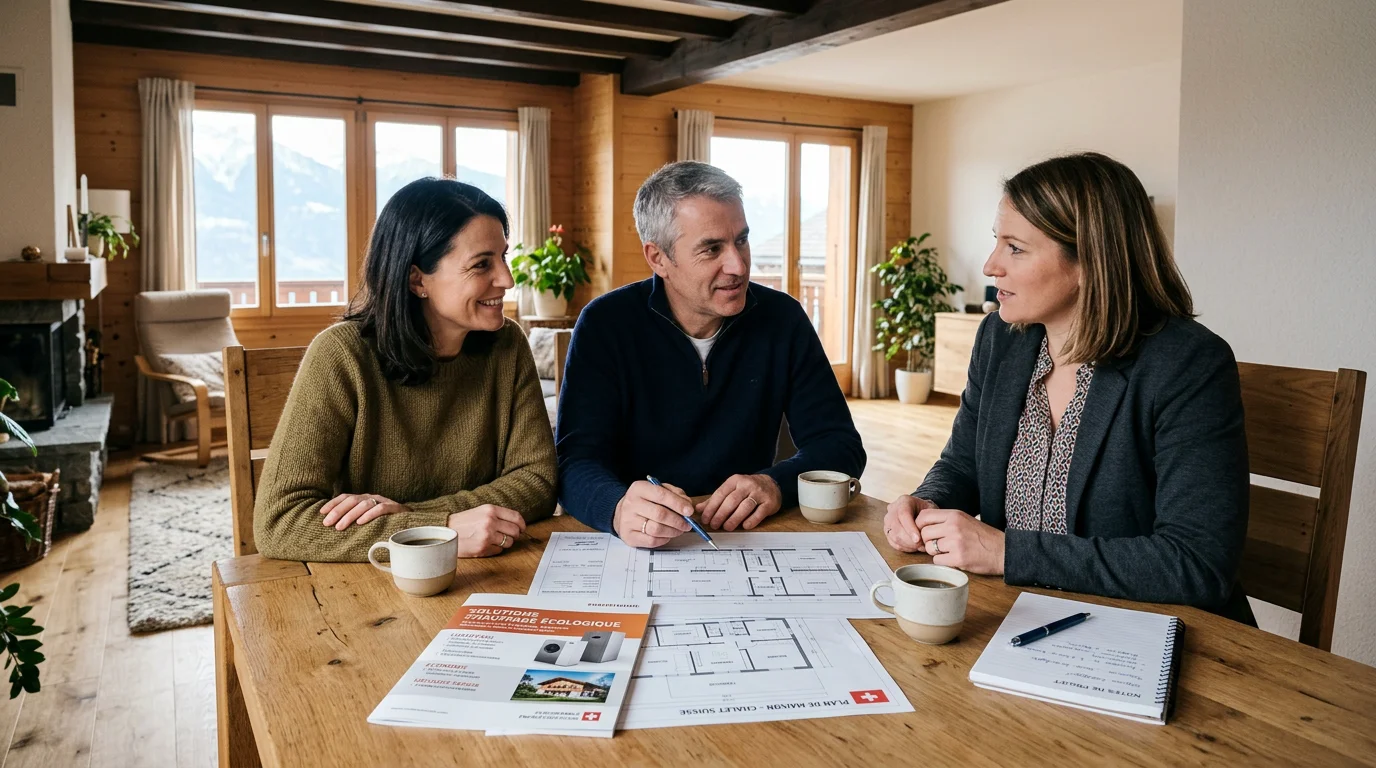
Replacing a fossil fuel with pellets makes you eligible for financial assistance. At the national level, a climate bonus is based on annual energy consumption. According to ÖkoFEN, this support is complemented by cantonal programs that vary from region to region.
It is generally not possible to combine different programs, and the application must always be submitted before work begins. Pellet boilers may qualify for subsidies of up to several thousand francs, with amounts reaching as high as CHF 12,000 in certain replacement cases.
Each canton sets its own subsidy rates. In the neighboring canton of Vaud, for example,the Vaud government subsidizes a pellet stove with a daily storage tank only when used as the primary heating source, replacing an oil, gas, or electric system, provided that 100% of heating needs are met by renewable energy. In Valais, homeowners have access to separate programs; they should check with their municipality before making any commitments. During our free needs assessment, we’ll help you outline your project before placing an order.
How to Choose the Right Capacity and Type of Appliance
A properly sized stove avoids two pitfalls: an undersized unit that struggles to heat, or an oversized unit that becomes clogged with ash. The general rule of thumb for a properly insulated home in Valais is around 4 to 7 kW for up to 80 m², and 7 to 12 kW for larger areas. For an older, poorly insulated home or one at high altitude, increase these values.
The type of heat distribution then depends on the layout of your home. Here’s how to make your choice, and how we’ll guide you through each step.
| Your Situation | Tailored Solution | Support from Carron-Lugon |
| Open-concept living room-kitchen | Convection stove | Free needs assessment based on plans or on-site |
| Enclosed rooms, multiple levels | Ductable stove | Construction site management and coordination of trades |
| Boiler replacement | Hydro stove | Removal of the old system and restoration |
| Priority on thermal comfort | Soapstone storage tank | In-house after-sales service for pellet appliances |
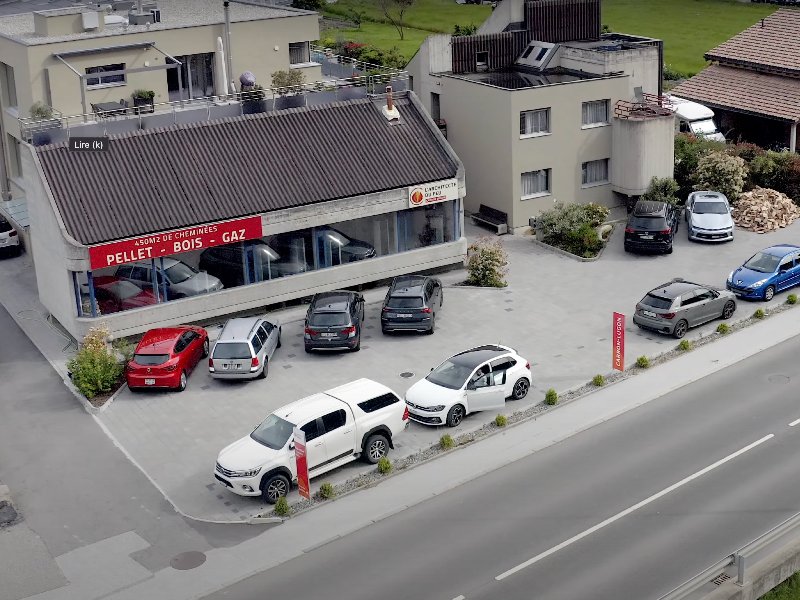
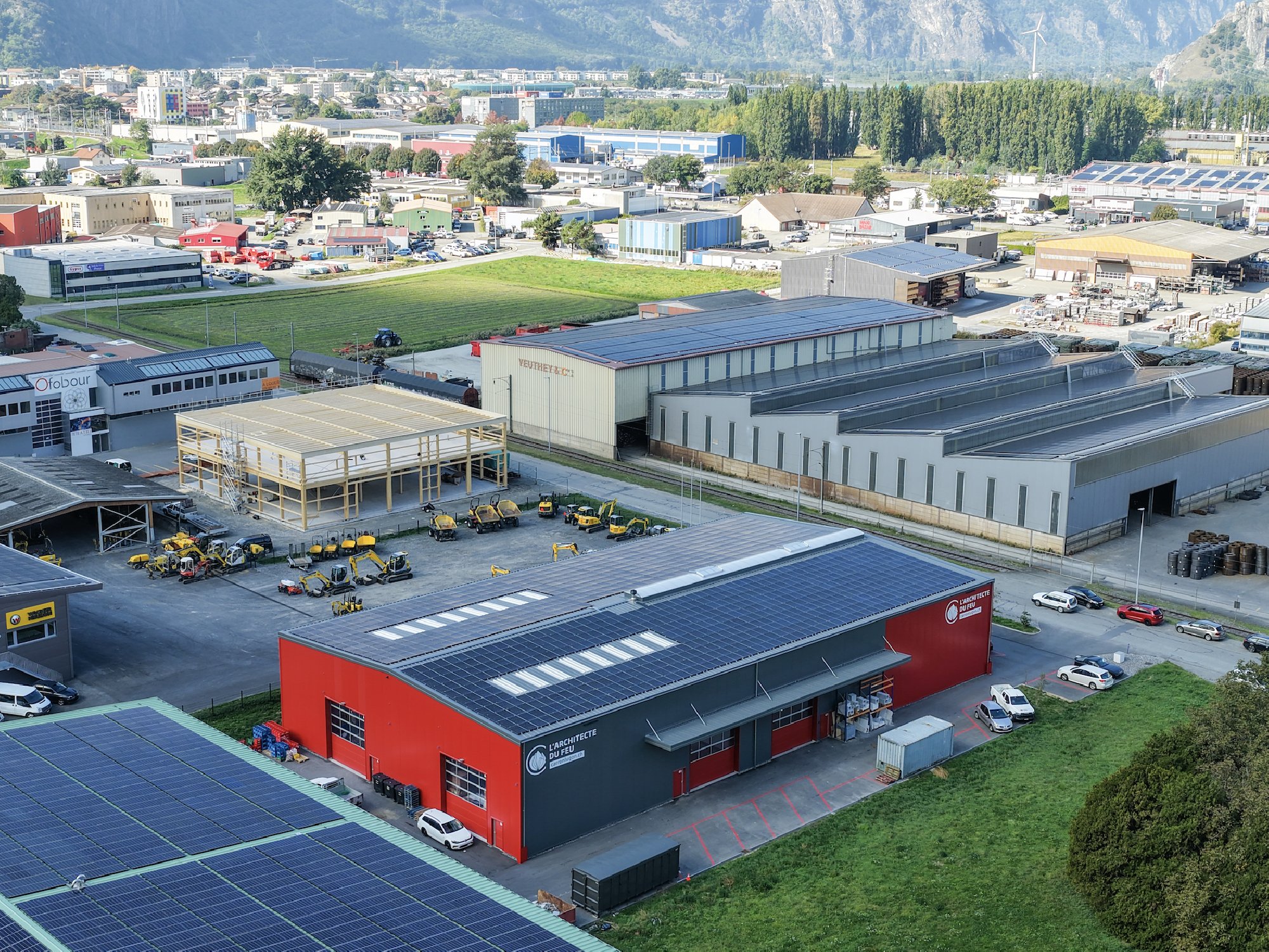
If you’re still deciding between several models, we’ll help you choose the best solution for your project through a free, no-obligation consultation—either at our showrooms in Fully and Etoy or right in your home.
Installation and Standards for Pellet Stoves in Valais
A proper installation is essential for both safety and efficiency. In Switzerland, the appliance must comply with the Air Pollution Control Ordinance, which sets strict limits on fine particulate matter and carbon monoxide. The flue must meet VKF regulations and local municipal requirements.
Hiring a professional for installation is not just a formality. A poorly executed installation can cause draft problems, incomplete combustion, or even void the manufacturer’s warranty. Our installation teams protect your home, handle the removal of your old heating system if necessary, and then take care of tiling, plastering, and painting before cleaning up the work site.
Finally comes the key step of commissioning. The RIKA CONNECT PELLET 22 installation and user manual clearly illustrates the importance of combustion settings, safety tests, and getting familiar with the control app. Precise commissioning ensures proper and long-lasting operation.
Maintenance, Compliance, and Lifespan
A well-maintained pellet stove can operate for many years. Maintenance is divided into three schedules. Empty the ash pan weekly. Clean the glass and check the door seals monthly. Have a certified technician clean the combustion system, inspect the sensors, and check the flue annually.
Annual chimney sweeping by a licensed professional is mandatory in Switzerland, with the frequency determined by the canton. Adhering to these inspections ensures safety, efficiency, and the validity of your warranty. The RIKA CONNECT PELLET 22 Declaration of Performance also specifies the reference values relevant to these checks.
Fuel quality is also important. Damp pellets lose their heating value and cause more buildup inside the appliance. Therefore, keep your pellets dry and protected from moisture to ensure smooth operation all winter long.
Key Points to Remember for Your Project in Valais
Installing a pellet stove in Valais combines a locally sourced fuel with a relatively stable price, high efficiency, and potential financial incentives at the cantonal and national levels. The best approach is to plan ahead: always submit your grant application before placing an order, have a professional size the system, and choose a unit that complies with Swiss standards. A well-prepared project—from selecting the right output to commissioning the system—guarantees you a stress-free winter and manageable heating costs.
Take action with Carron-Lugon
Are you considering a pellet stove but still unsure about the output, type, or connection best suited to your home? This is precisely where our support makes a difference—from the initial planning stage through to commissioning.
We offer a free, no-obligation visit; an assessment of your needs based on blueprints or on-site; full coordination of the installation; and in-house after-sales service for pellet, wood, and gas appliances. Visit our showrooms in Fully and Etoy and schedule your free needs assessment to begin your transition with confidence.
Frequently Asked Questions
Can a pellet stove heat an entire house in Valais?
Yes, provided you choose a model with the appropriate output and type for your home’s size and insulation. For an entire house, a ducted stove or a hydronic model connected to the existing heating system is often the most efficient solution. We’ll assess your situation during a free visit.
How much should I budget for the unit and installation?
The unit alone generally costs between CHF 2,500 and CHF 14,000, depending on the type and finish. Installation costs are additional and depend mainly on whether an existing flue is available or needs to be installed. A technical visit will allow us to provide an accurate estimate.
Are there any subsidies available for a pellet stove in Valais?
Yes, a national climate incentive and cantonal programs support the replacement of fossil-fuel heating systems with pellet systems. The amounts vary by municipality and system size. The application must always be submitted before work begins.
Is a pellet stove noisy?
Newer models operate at a moderate noise level under normal conditions, comparable to light background noise. The startup phase, which lasts a few minutes, is slightly more noticeable, but operation becomes quiet afterward.
What maintenance does a pellet stove require?
Weekly cleaning of the ash pan, a monthly check of the glass and seals, and annual maintenance by a certified technician are sufficient. Annual chimney sweeping by a licensed professional is also mandatory in Switzerland.