

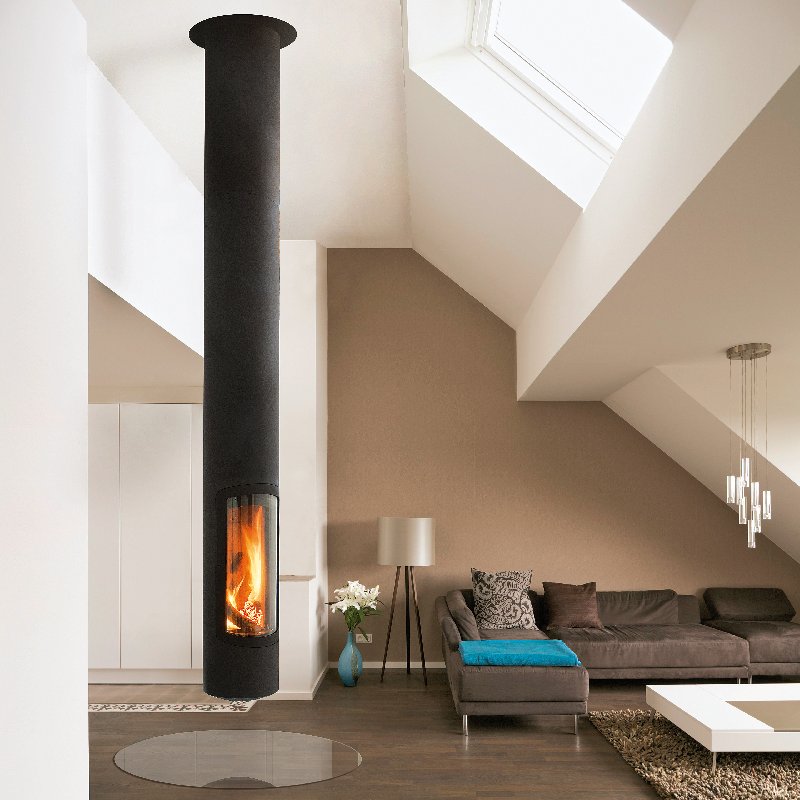
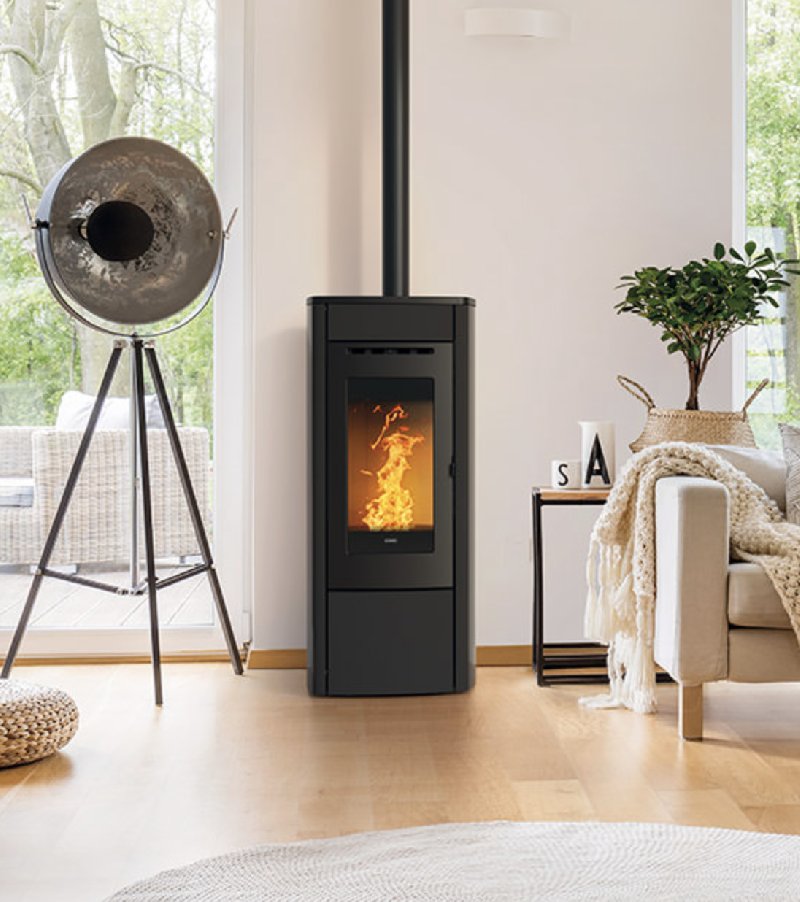
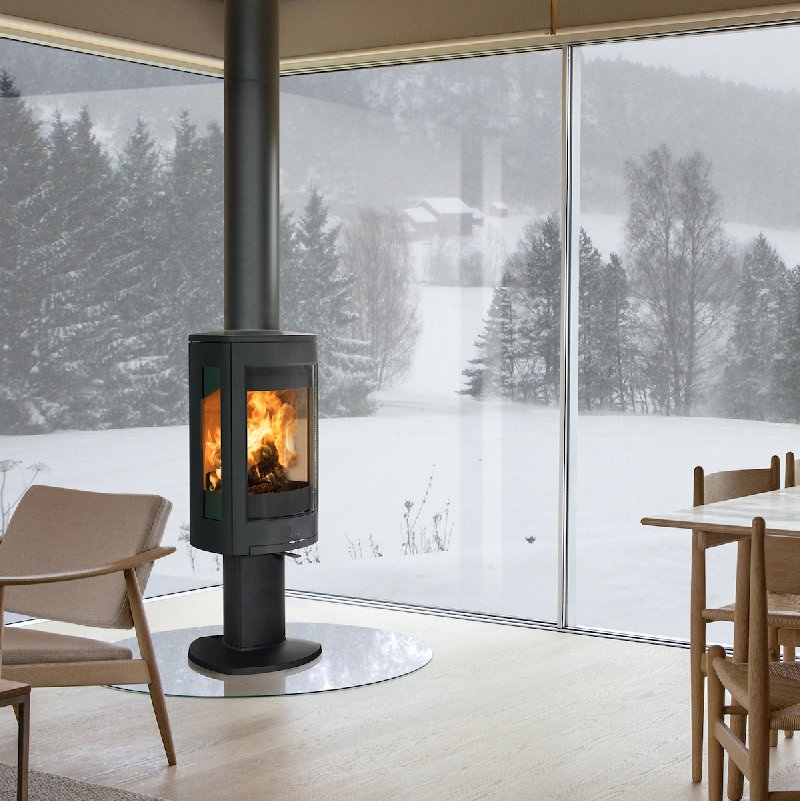
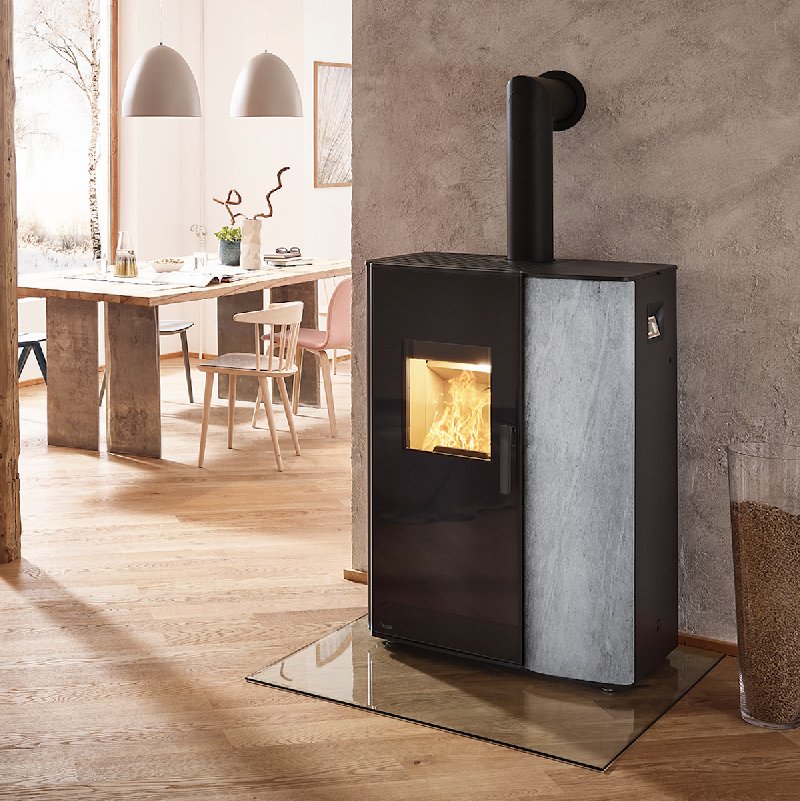
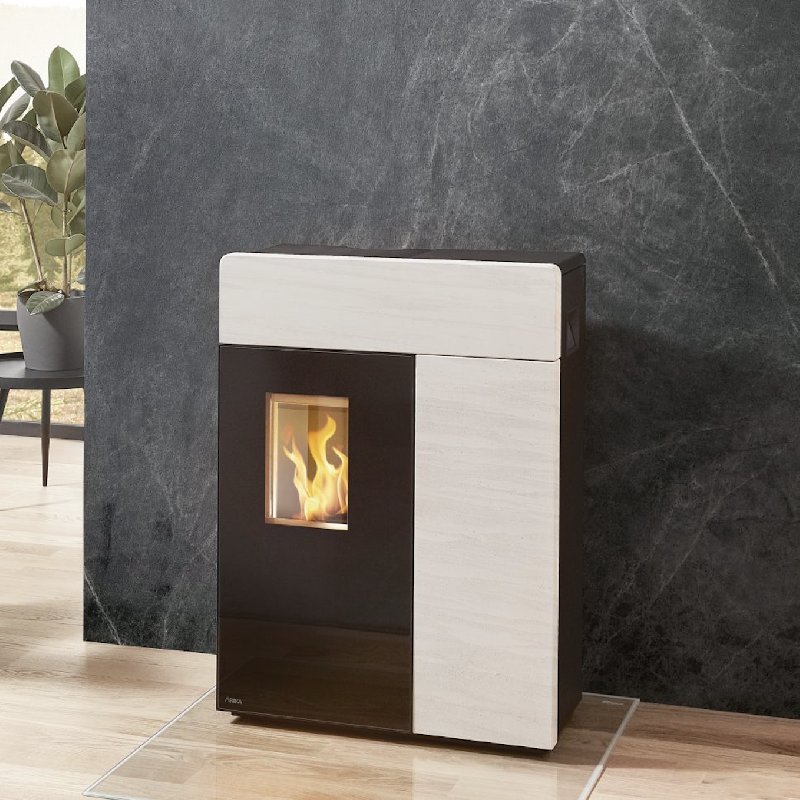
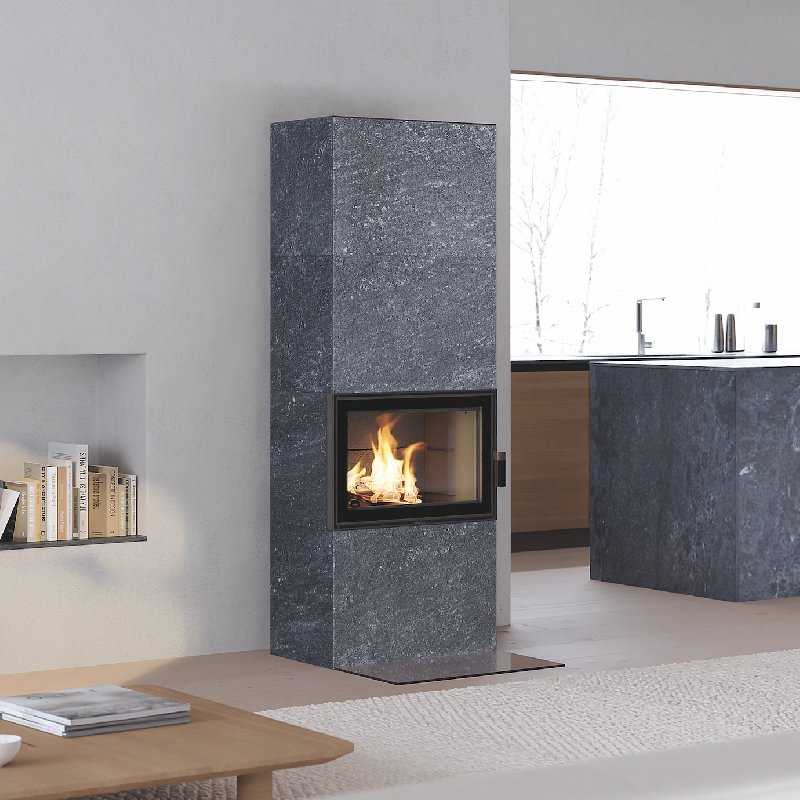
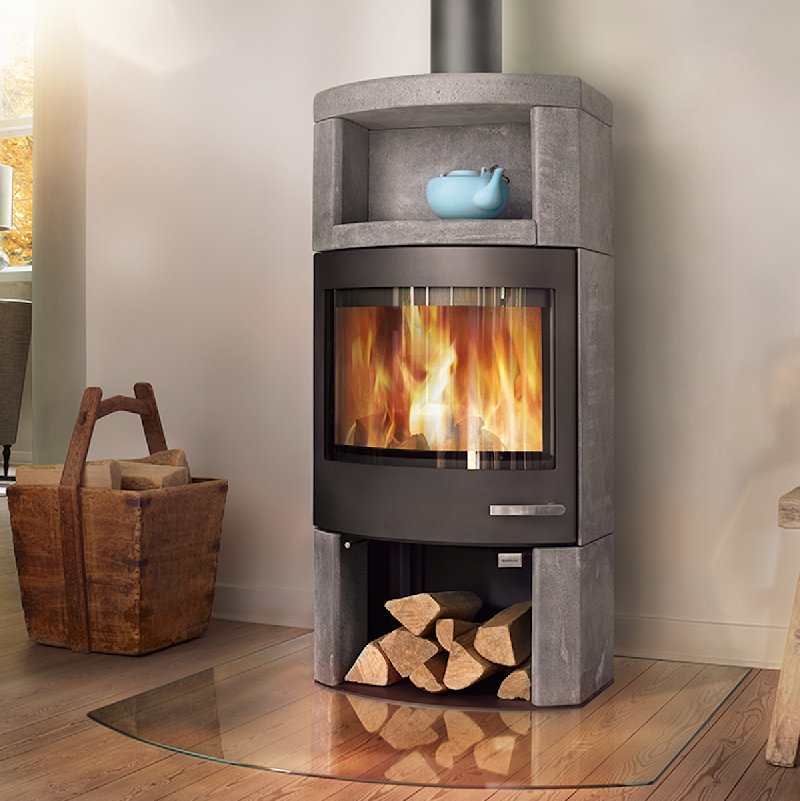
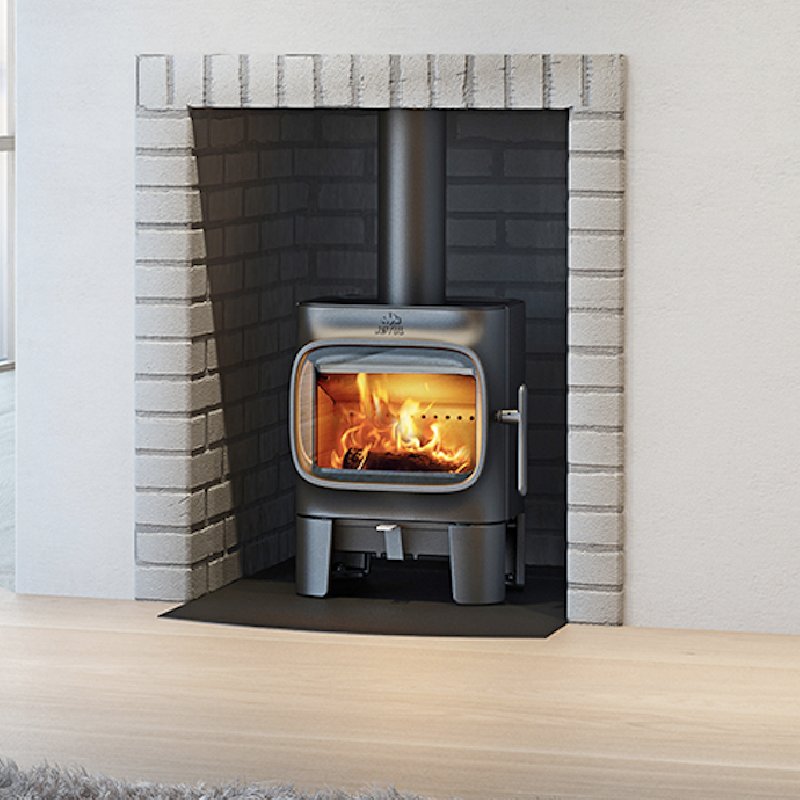
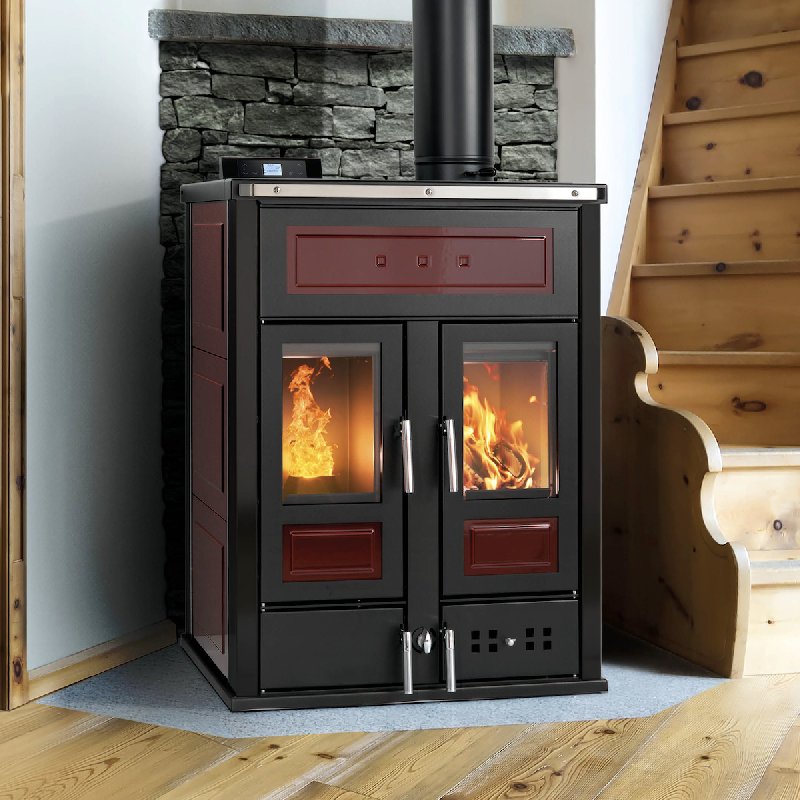
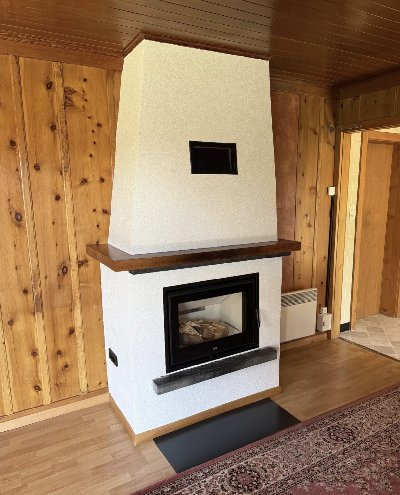
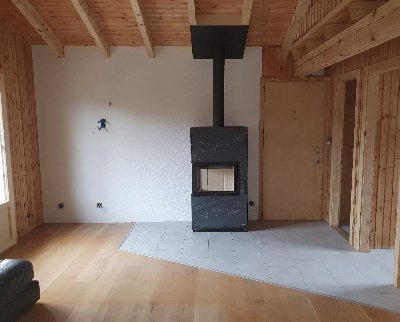
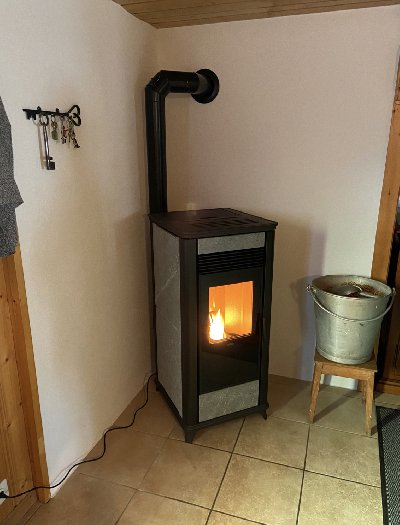
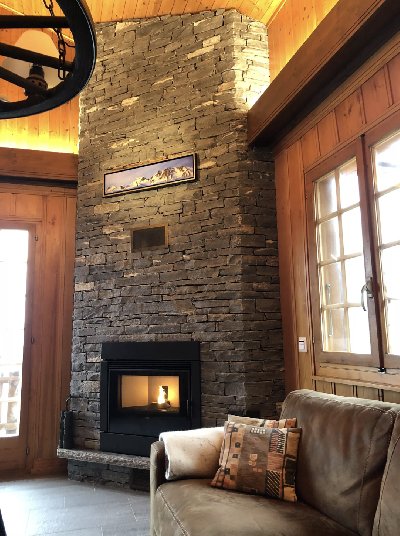
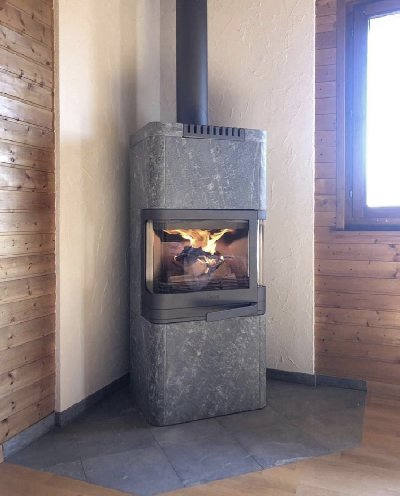
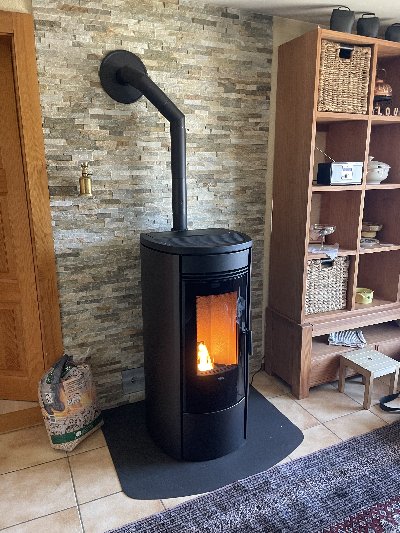
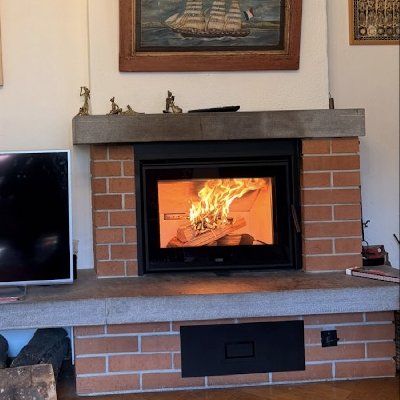
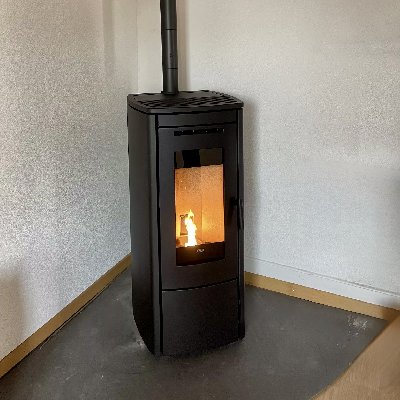
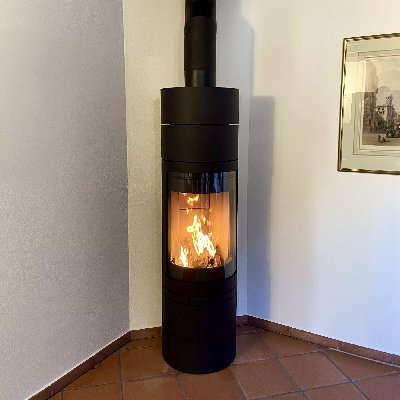
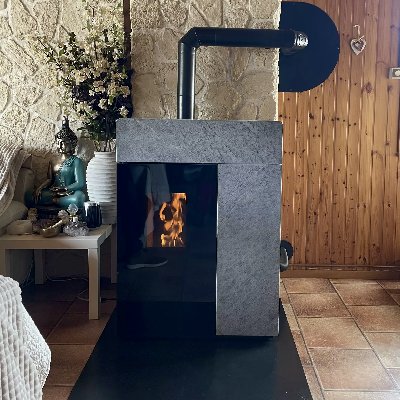
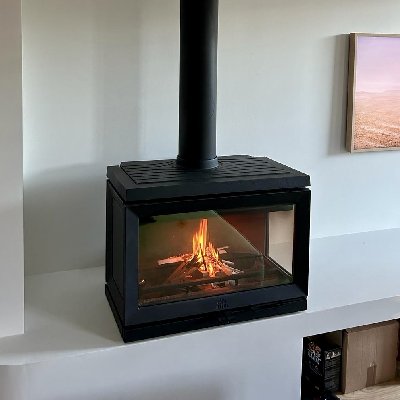
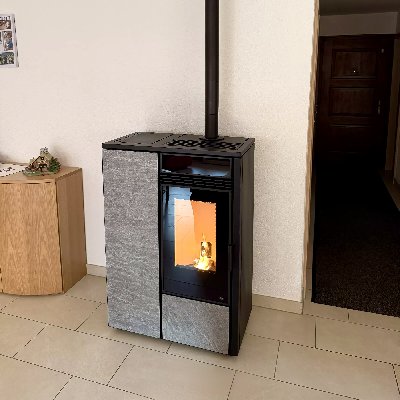
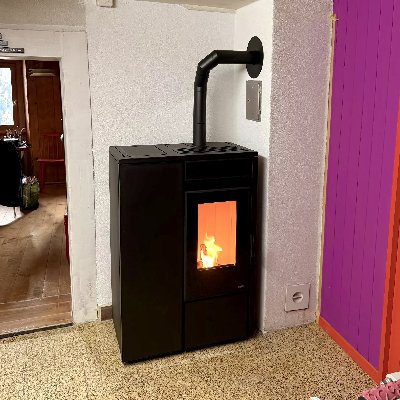

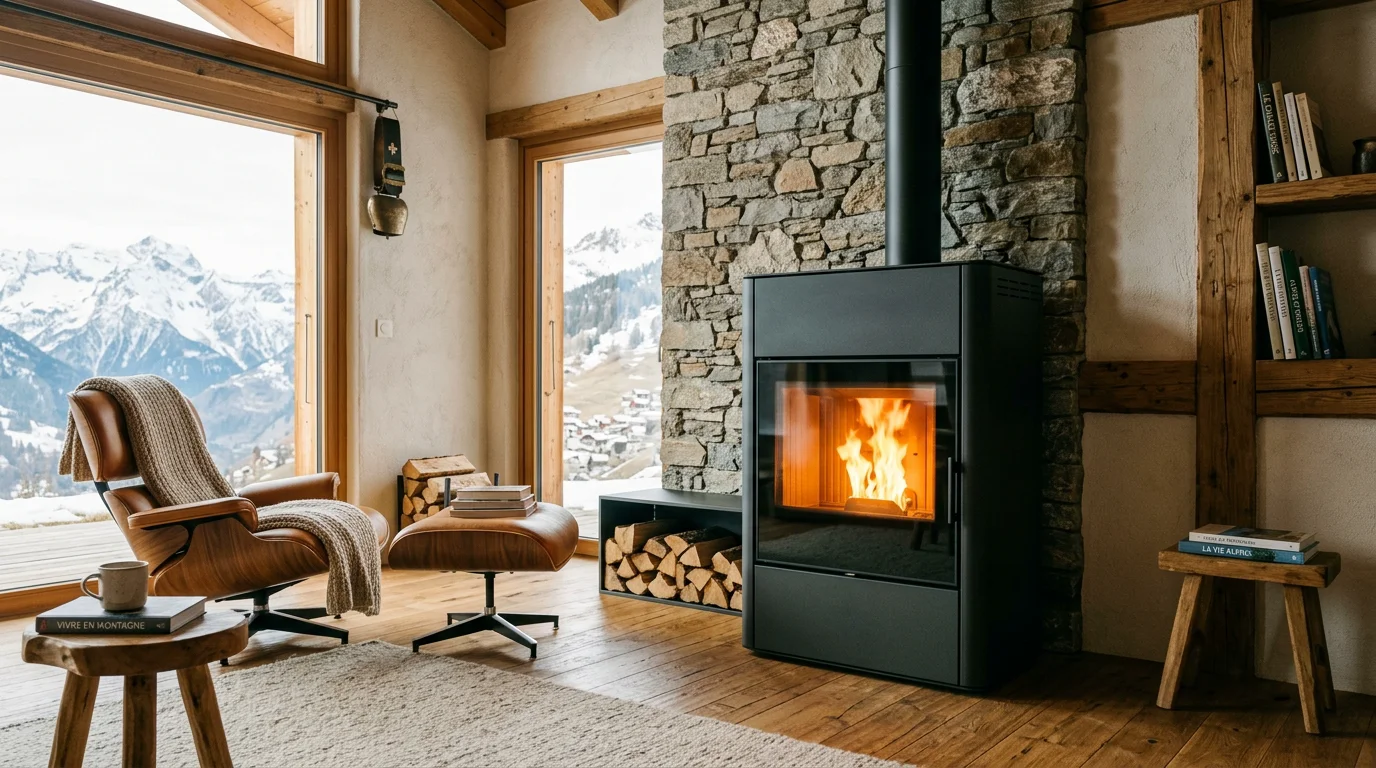
Heating a single room with a stove while leaving the rest of the home cold is the limitation of a conventional appliance. A pellet stove connected to radiators—known as a hydro stove—overcomes this limitation by distributing its heat throughout a water-based heating system. Before you get started, it’s worth understanding how this technology compares to pellet boilers for your project.
Demand for this type of equipment is following the general resurgence of pellet heating. According to a market study, the global market for pellet stoves is expected to grow from $0.68 billion in 2024 to $1.06 billion by 2033. This growth is driven by the search for renewable solutions and the competitive price of the fuel.
How Does a Pellet Stove with a Radiator Work?
A pellet stove with a radiator functions like a small boiler installed in your living room. The combustion of pellets heats a heat exchanger through which water from your heating system circulates. This water is then pumped to your radiators or underfloor heating system.
The difference from a conventional air-heating stove is fundamental. A hydronic model transfers most of its energy to the water—often around 90% to the heating circuit and 10% to the air in the room. All the necessary hydraulic components (circulator pump, expansion tank, safety valve) are generally built into the unit.
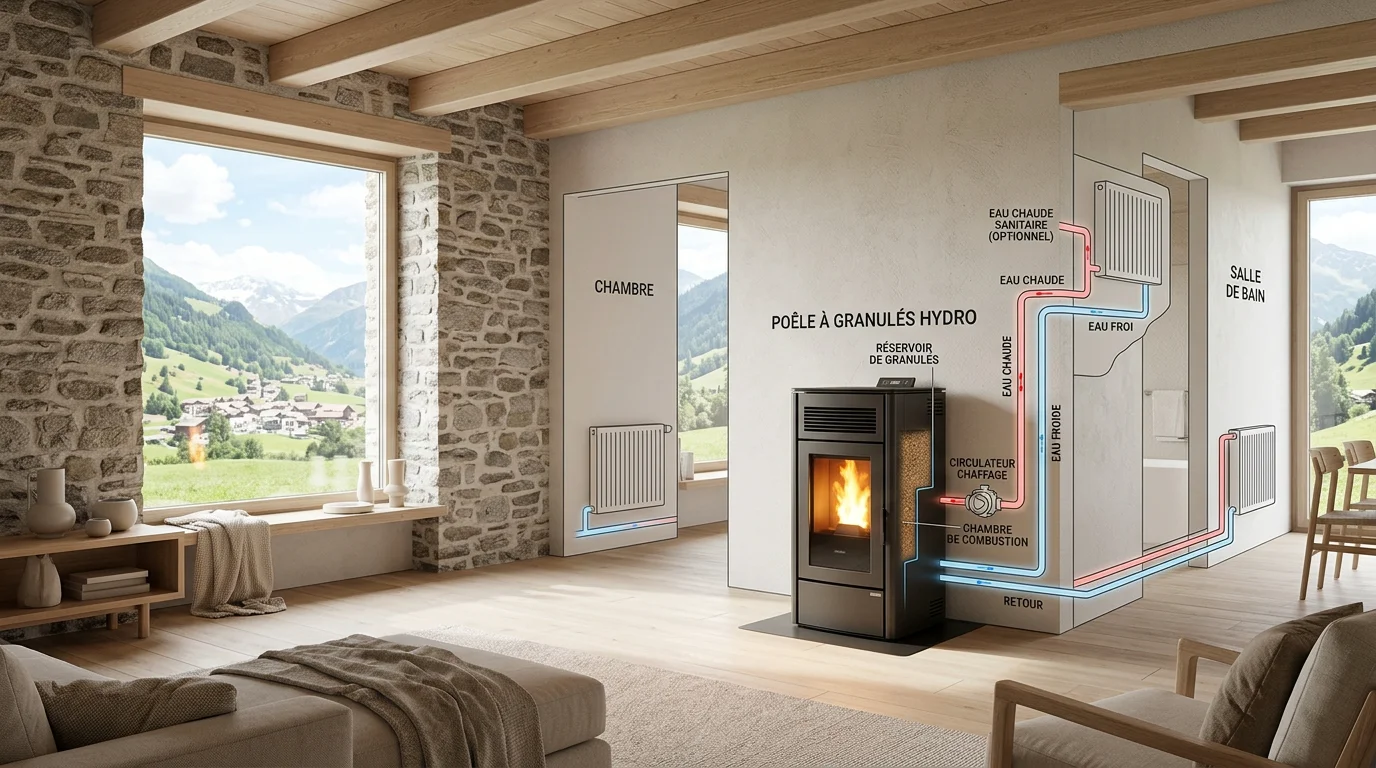
The crucial point: never connect the stove to a single radiator
This is the most common mistake. Never connect a hydronic stove directly to a radiator by reusing existing pipes. The diameter of these pipes is too small to allow sufficient water flow, resulting in inadequate heating.
The recommended practice is to connect the unit to a hydraulic manifold. This is the only way to ensure that the hot water produced can reach all the radiators in the system. The size and insulation of the room where the stove is located also matter: a small, well-insulated room with a stove in it may not need an additional radiator.
The buffer tank, the system’s centerpiece
A hydronic stove can technically operate without a buffer tank, which reduces costs and space requirements. However, in most cases, this water tank is strongly recommended. It stores the energy produced and limits overly frequent start-up and shutdown cycles, which cause premature wear on the ignition spark plug.
A buffer tank is even mandatory in two specific situations:
- When the system includes underfloor heating: the stove produces water at around 70 °C, while the underfloor heating system operates at around 30 °C, so the excess heat must be stored.
- When another energy source is also in use (an older backup boiler, solar thermal panels).
For sizing, the general rule of thumb is about 20 liters per kilowatt. A storage tank placed as close as possible to the stove minimizes heat loss. To refine these calculations and ensure your settings are optimal, our selection of pellet stoves comes with a comprehensive assessment of your needs.
Power, Efficiency, and Expected Performance
Hydro stoves are powerful appliances, designed for renovation projects and capable of heating large areas. For a model used solely for heating, the power output generally ranges from 11 to 24 kW. Models that also provide instant domestic hot water often range from 22 to 34 kW.
In terms of efficiency, these units achieve an efficiency rating of around 90%, thanks to automatic combustion adjustment. This figure places pellet heating among the most energy-efficient solutions. In Switzerland, the environmental benefit is complemented by strong local roots: according to industry publications, nearly 83% of the pellets consumed in the country were produced domestically in 2024.
As a rough estimate, allow for about 1 kW of power per 10 m² with standard ceiling height; this figure should always be adjusted based on the building’s insulation.
Hydro Stove or Pellet Boiler: Which to Choose
Both appliances use the same fuel but serve different purposes. A pellet stove remains visible in the living area and serves a decorative purpose; a pellet boiler, on the other hand, is a technical unit installed in a dedicated utility room. Here are the key considerations:
| Criterion | Hydro pellet stove | Pellet boiler | Our Support at Carron-Lugon |
|---|---|---|---|
| Location | Living room | Utility Room / Basement | Free on-site visit to determine the best solution |
| Typical Power Output | 11 to 34 kW | Often higher | Sized to fit your home |
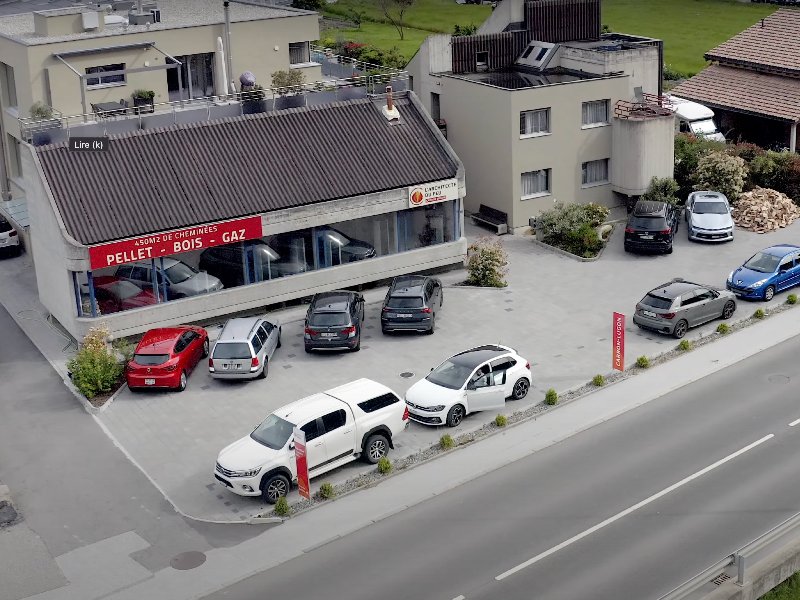
| Decorative function | Yes, visible flames | No | Showrooms in Fully and Etoy |
| Efficiency | ~90% | High | Impartial, no-obligation advice |
If you’re primarily looking for a cozy focal point in the heart of your living room, the hydro stove is the way to go. For a home with high heating demands or simply to replace an old boiler, the boiler option may be preferable. We’ll explore both options during a free, no-obligation visit, based on your floor plans or an on-site assessment at your home.
Installation and Maintenance: Rules to Follow
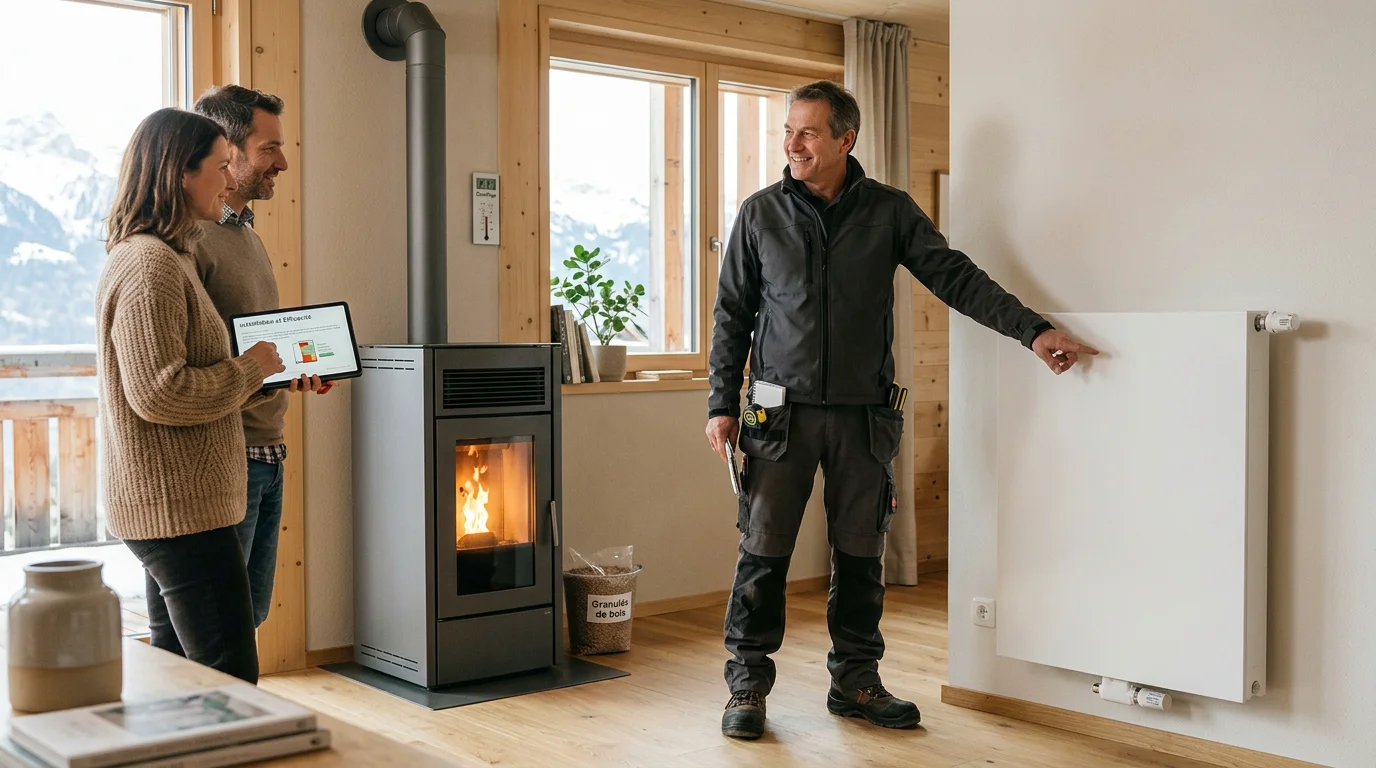
Installing a hydro stove is complex and must be performed by a qualified professional. It involves both chimney work (air intake, flue gas exhaust) and plumbing work (draining the system, shut-off valves, setting the pressure to around 1.5 bar). The chimney flue must comply with safety standards and be swept regularly.
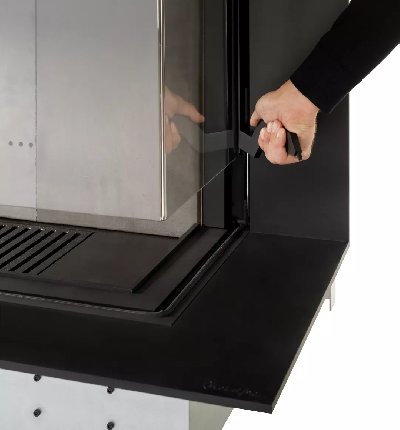
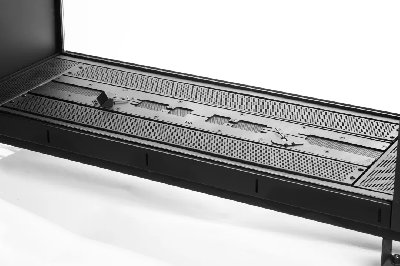
Routine maintenance is similar to that of a conventional stove: regular cleaning of the firebox and glass, and weekly emptying of the ash pan. A thorough annual maintenance check includes inspecting the seals, the circulation pump, and the heat exchangers. To manage consumption, an accessory like our Pelleo pellet dispenser makes it easy to accurately track the amount of pellets burned.
How much does a hydro pellet stove cost in Switzerland?
The cost depends on the stove’s output, the buffer tank, and the complexity of the hydraulic connection. Beyond the initial purchase, fuel costs warrant attention, as prices have fluctuated significantly. The Fédération romande des consommateurs noted that 6,000 kilograms of pellets, which cost an average of 2,077 francs in October 2021, had jumped to nearly 4,000 francs in 2022.
Since then, the situation has stabilized significantly. To track current trends, the Federal Statistical Office publishes a national pellet price index, calculated based on a 6-metric-ton delivery and rebased to 100 points in December 2025. This benchmark allows consumers to verify, before making a purchase, whether the fuel remains competitive compared to fossil fuels. The average annual consumption of a hydro stove is around 2 metric tons for a 120-square-meter home undergoing renovation.
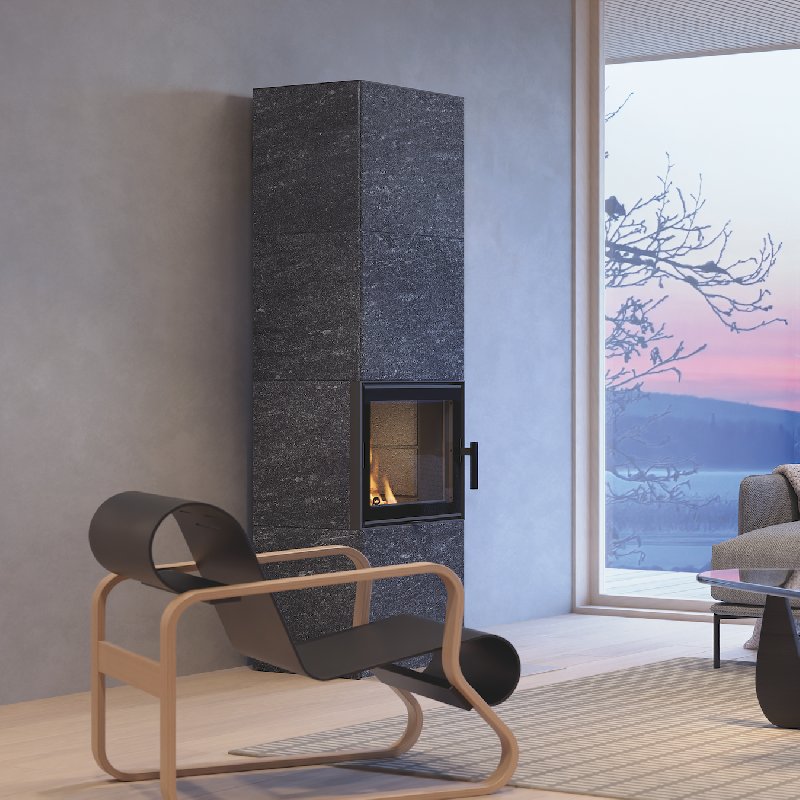
For high-end interiors designed to maximize thermal inertia, we also offer high-storage solutions such as the Tulikivi Puro storage stove, which can be considered alongside central heating options.
Conclusion
A pellet stove connected to radiators transforms a simple supplemental heater into a full-fledged central heating system, with an efficiency close to 90% and fuel produced largely in Switzerland. The success of the project hinges on a few key principles: never connect the stove to a single radiator; use a hydraulic manifold; and install a buffer tank whenever underfloor heating or a second energy source is involved. Sizing the system and coordinating the chimney and plumbing work require real expertise. This is precisely where our support makes a difference: a free on-site visit, a no-obligation assessment, and meticulous execution of the project. To bring your installation to life, explore our range of pellet stoves and request advice today.
Frequently Asked Questions
Can a pellet stove really heat the entire house?
Yes, provided you choose a hydronic model connected to a hydronic manifold rather than to an isolated radiator. The heated water then circulates to all the radiators and can even provide domestic hot water.
Is a buffer tank required?
Not always, but it’s highly recommended. It becomes mandatory if you have underfloor heating or a secondary energy source, such as a backup boiler or solar thermal panels.
Who should you contact to install this type of system in French-speaking Switzerland?
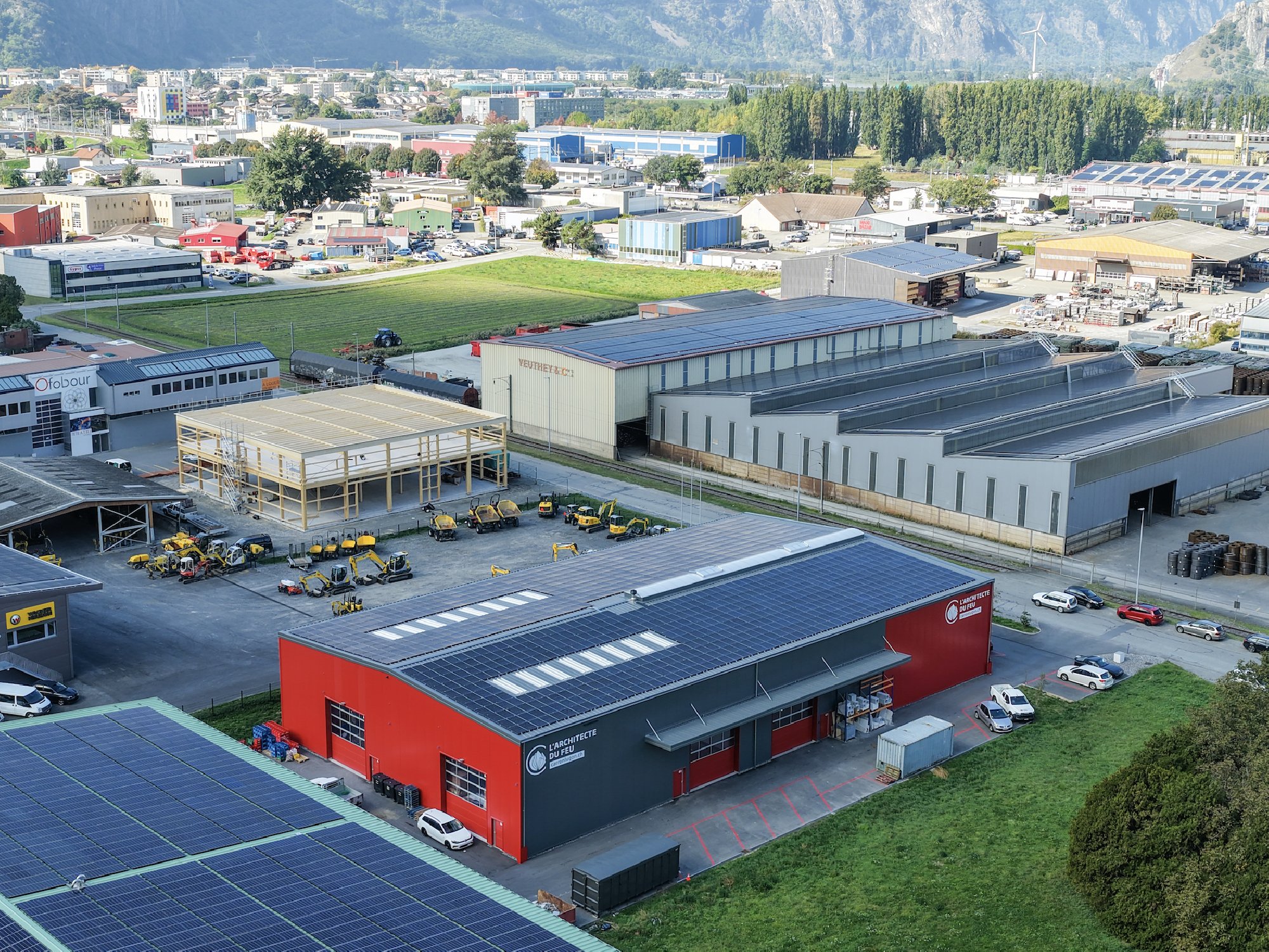
A qualified installer with expertise in both heating and plumbing is essential. Our teams based in Fully and Etoy handle the design, installation, and after-sales service for your pellet systems.