

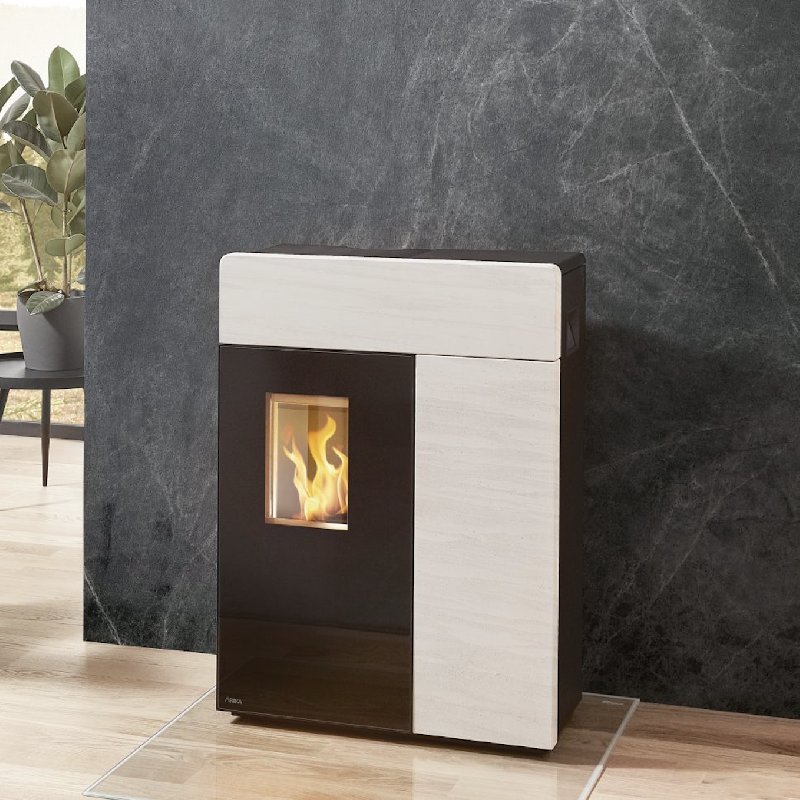
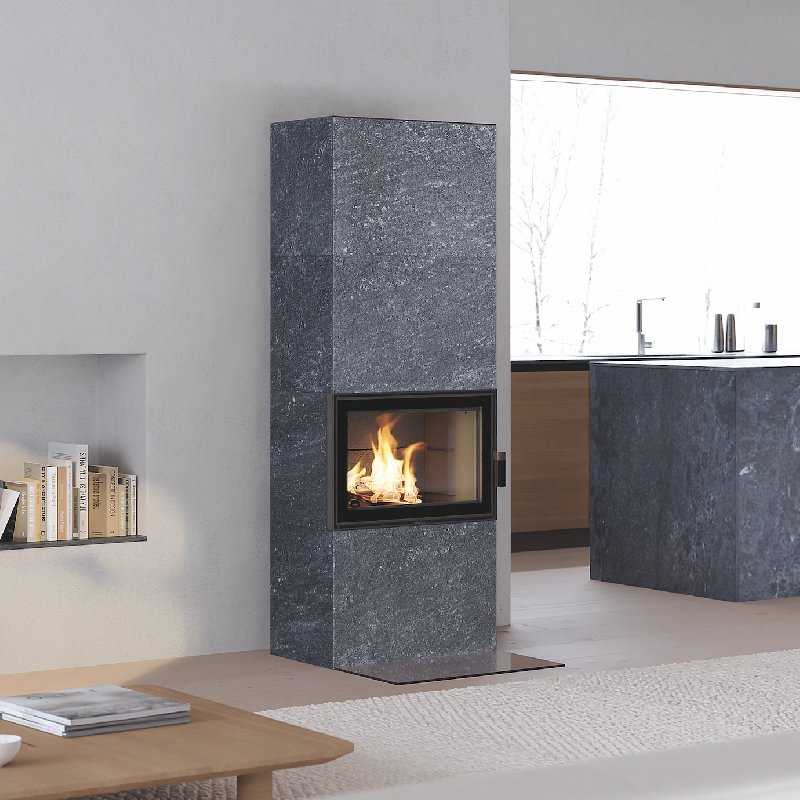
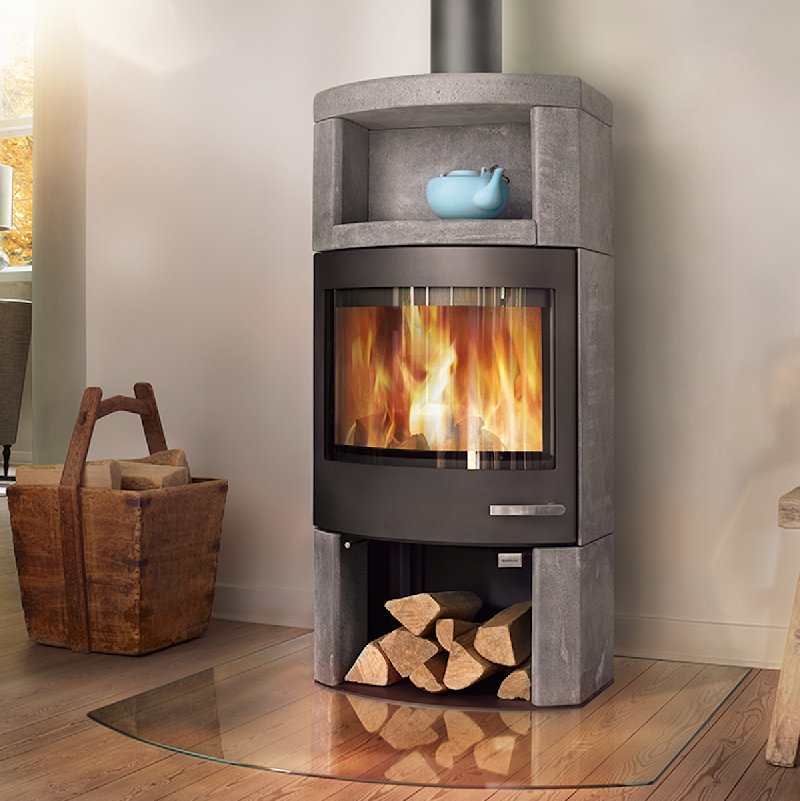
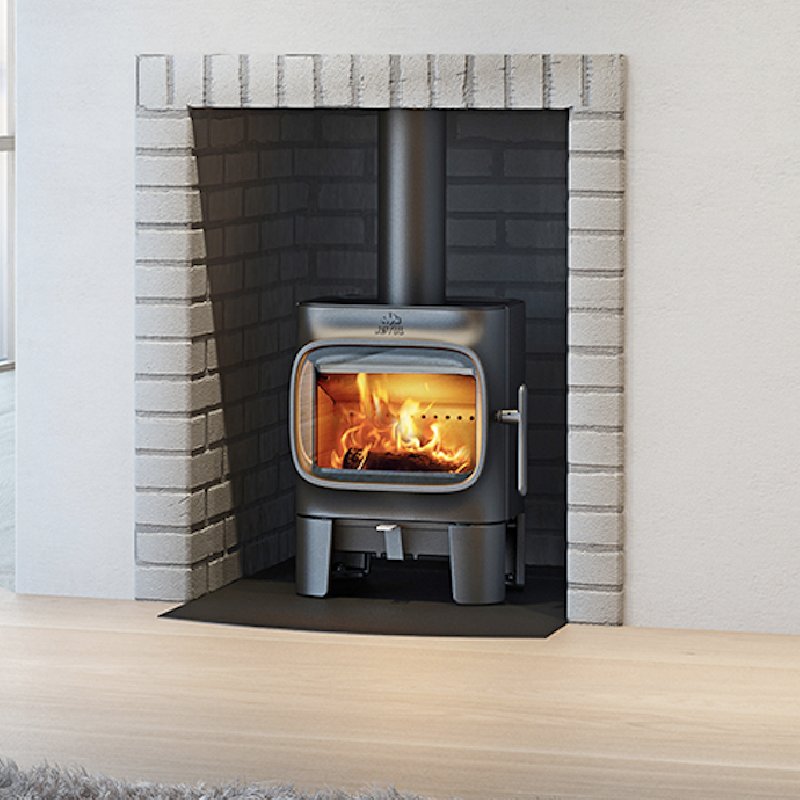
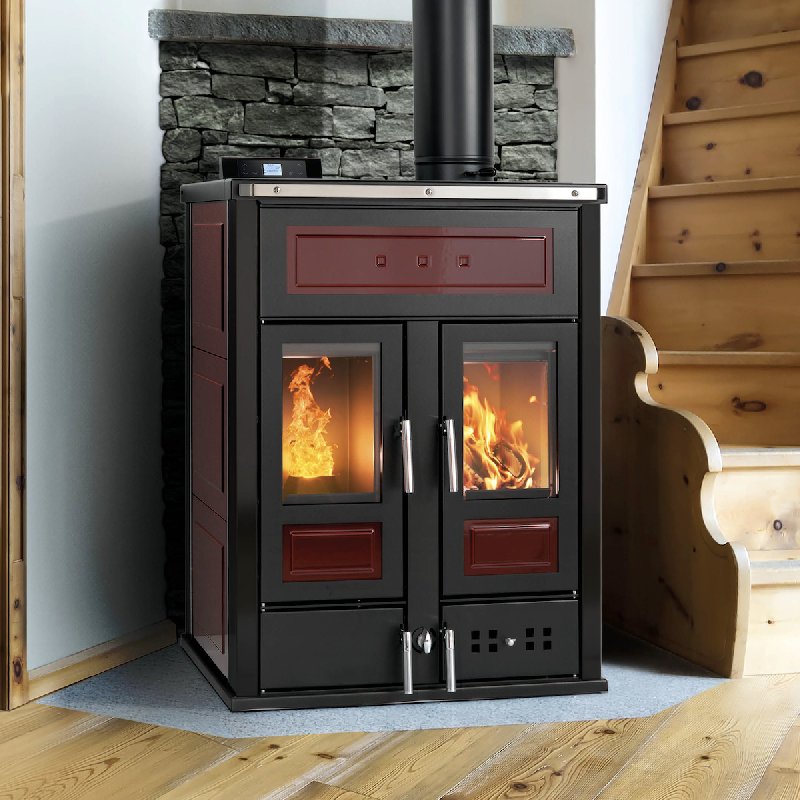
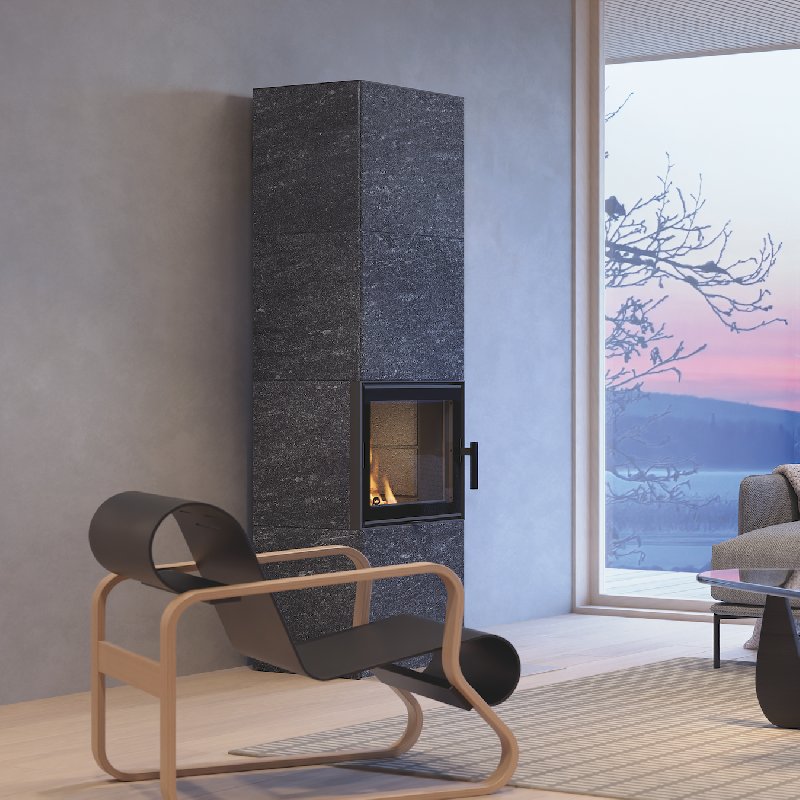
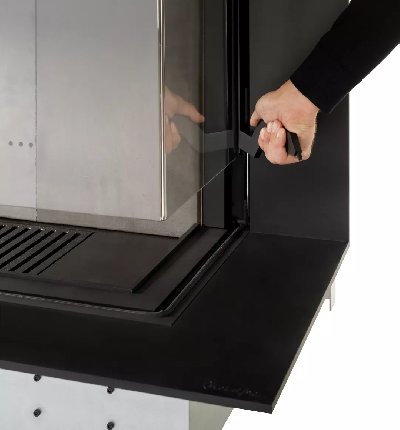
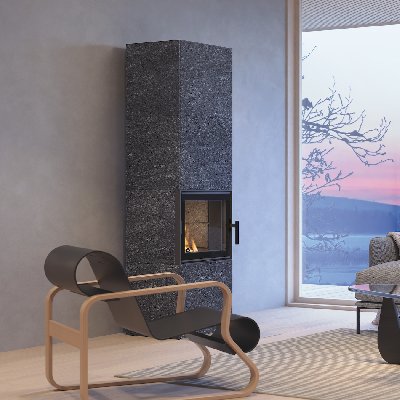

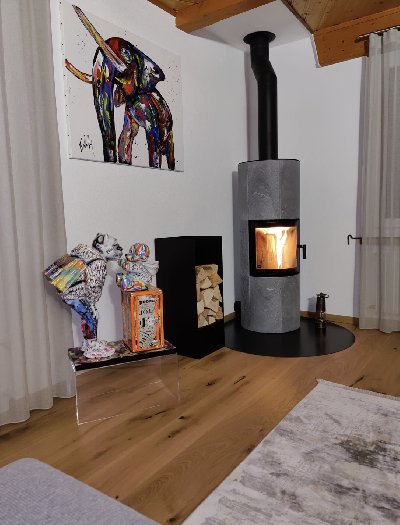
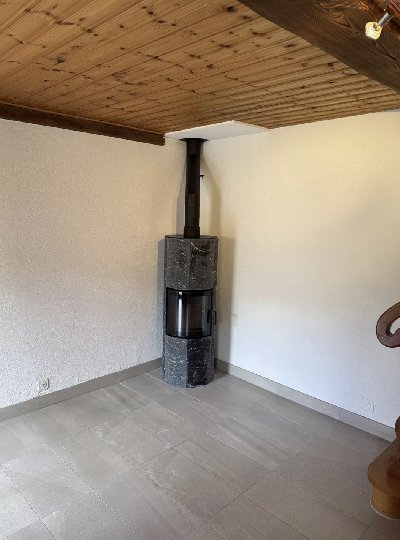
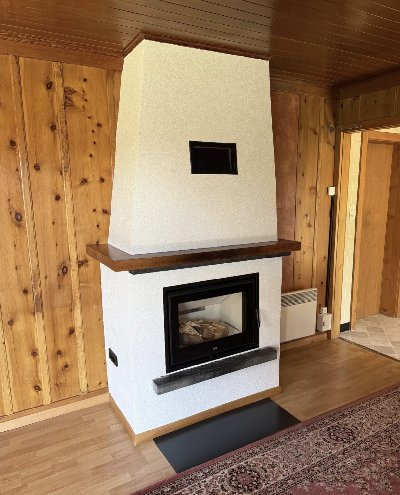
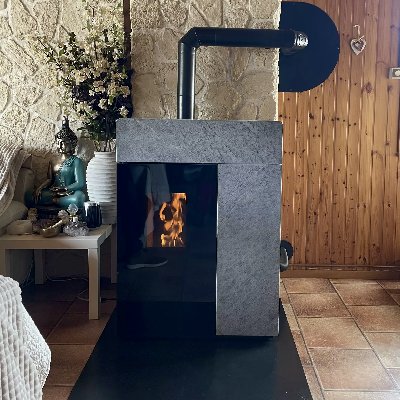
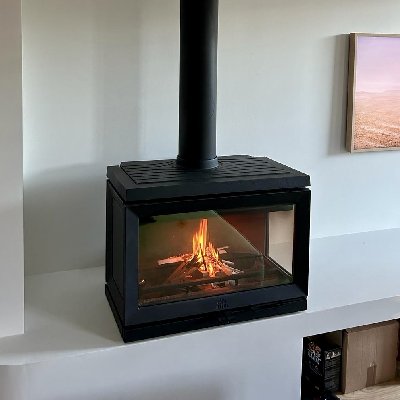
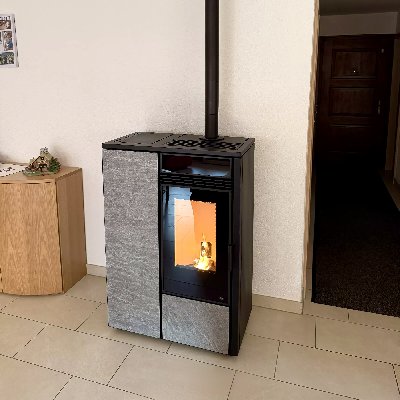
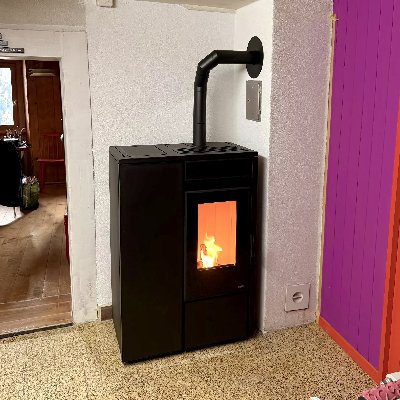


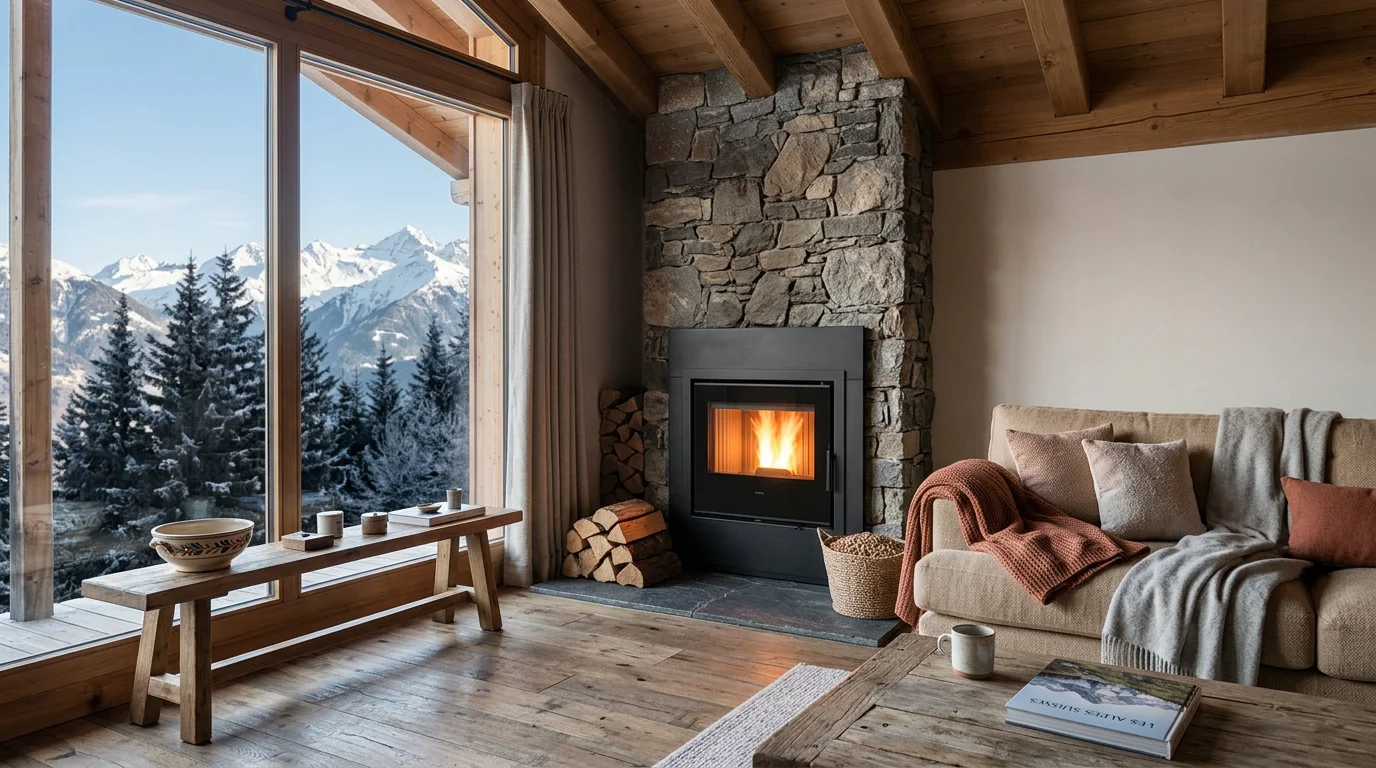
An open fireplace allows most of its heat to escape through the flue. By installing a sealed unit, you completely reverse this thermal process. Before you begin, a technical document such as our CONNECT PELLET 22 user manual will give you a concrete idea of how a modern unit works and the installation challenges to anticipate.
The search term “pellet insert installation” comes up time and again among homeowners who want to modernize their fireplace without tearing everything out. Installing a pellet insert meets this need exactly: reusing the existing structure while gaining in comfort and savings. According to Quelle Énergie, the cost of pellets is around €0.08/kWh, compared to about €0.20 for electricity, which explains the growing interest in this solution.
What is a pellet insert?
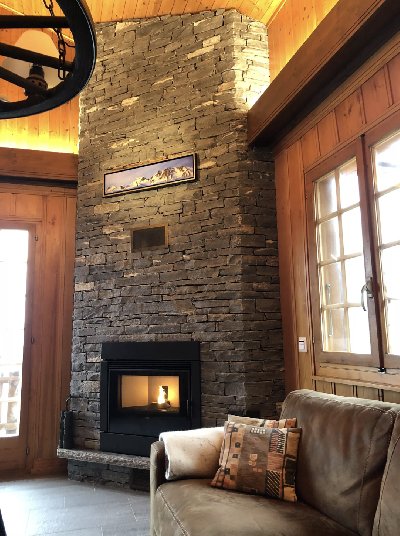
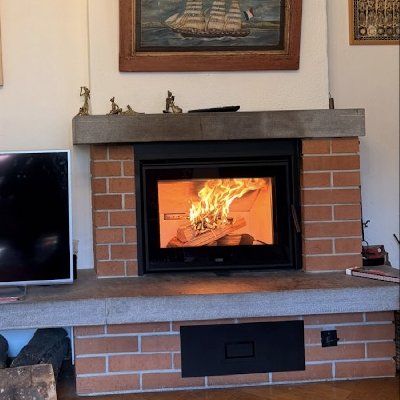
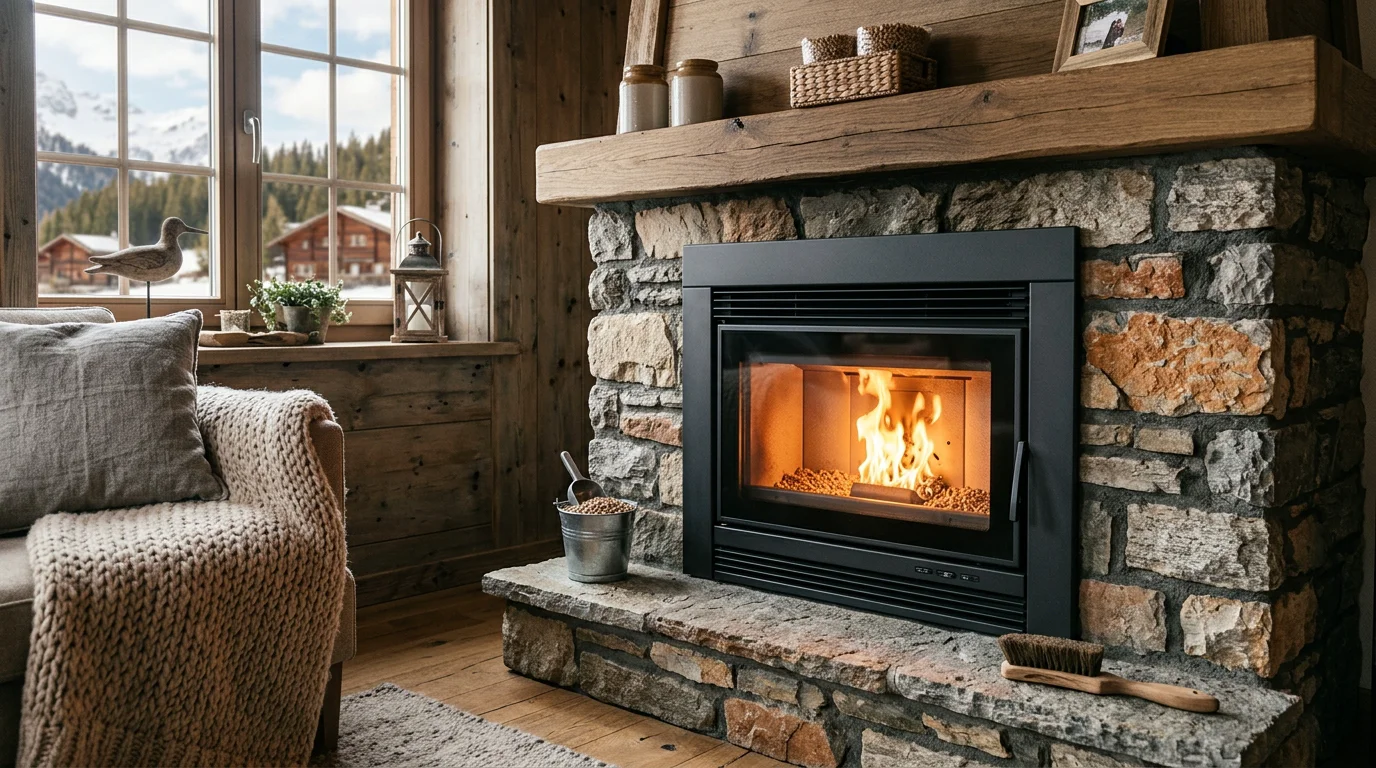
A pellet insert is a compact heating appliance designed to be built into the hearth of an existing fireplace. It runs on pellets, which are small cylinders made of compacted sawdust and wood chips. A screw conveyor automatically feeds the fuel from a hopper to the burner, where a pilot light ignites the pellets.
The heat produced is then distributed by convection—often aided by a fan—and by radiation through the glass. Unlike an open fireplace, the unit recovers nearly all of the wood’s energy. 3e Habitat points out that an open fireplace rarely exceeds 15% efficiency, whereas a pellet insert multiplies that figure by four or five.
Insert or pellet stove: what’s the difference?
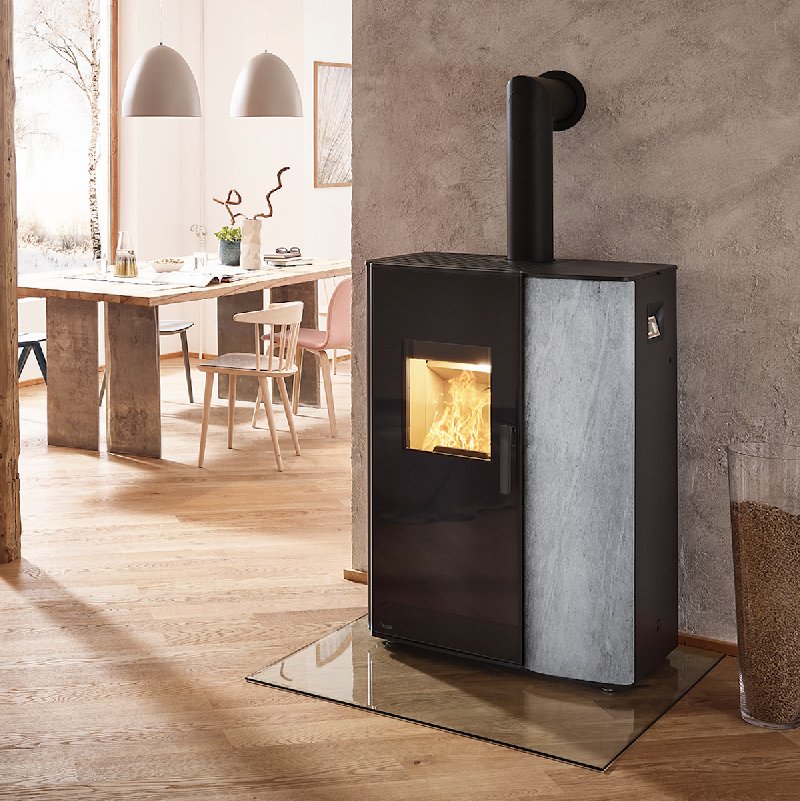
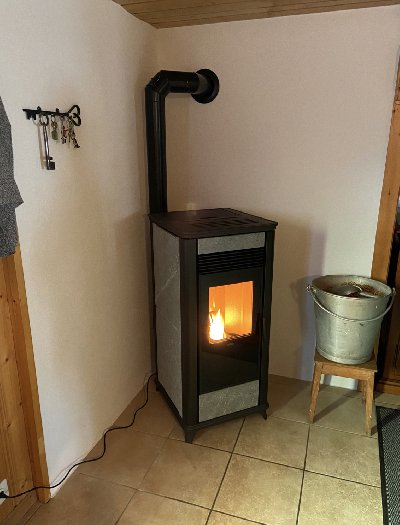
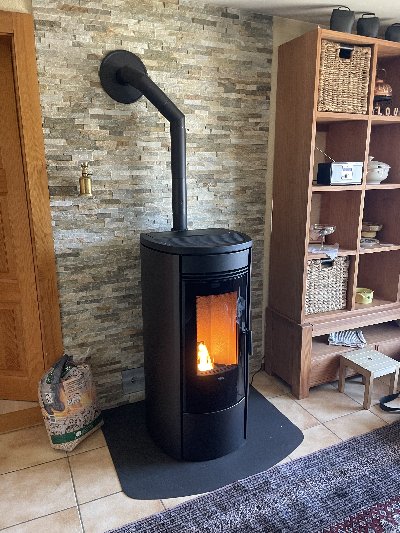
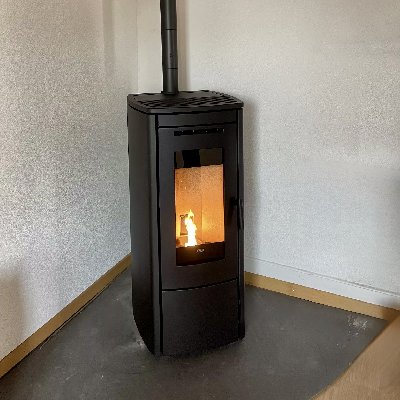
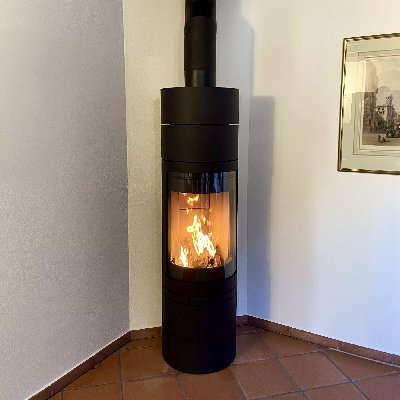
Both use the same fuel, but they are installed differently. A pellet stove is a freestanding unit placed on the floor. An insert, on the other hand, is built into a fireplace surround or chimney. This compact design gives it a more discreet appearance, often at the cost of a smaller hopper and a higher price tag.
Efficiency and Performance: Why Switch to Pellets?
Efficiency is the key selling point. While an open fireplace wastes energy, a modern pellet stove achieves exceptional efficiency. Effy reports that some models reach up to 90% efficiency, compared to 10–20% for a traditional fireplace. Combustion is adjusted in real time by the appliance’s electronics, which continuously regulate the flow of pellets and combustion air.
This precise control provides unparalleled comfort. The insert adjusts its output to the set temperature, generally to within 1 °C. You can program multiple time slots, and the unit will ignite automatically, even when you’re away. To check the specific specifications of a model before purchasing, our CONNECT PELLET 22 technical data sheet details the output, efficiency, and dimensions needed for sizing.
From an environmental standpoint, the carbon footprint of pellet heating remains favorable. A 7-star Flamme Verte-certified unit guarantees high efficiency and reduced particulate emissions. This is an important criterion to consider, as it also determines eligibility for certain financial incentives.
Steps for Installing a Pellet Insert
Installing a pellet insert is more technically complex than installing a simple wood-burning stove. It requires an electrical connection and, in most cases, lining the existing flue. Here are the main steps for a successful installation.
- Preliminary assessment: Measure the fireplace, inspect the flue, check the combustion air supply, and verify safety distances according to the manufacturer’s instructions.
- Chimney lining: A stainless steel liner ensures an airtight seal and exits above the roof ridge to ensure proper draft.
- Combustionair supply: Combustion air is generally drawn from outside, which prevents interference with a mechanical ventilation system or range hood.
- Installation and connection: Positioning the insert on its slides, electrical connection, and convection ventilation around the unit.
- Finishing and Restoration: Tiling, plastering, or painting for a clean finish.
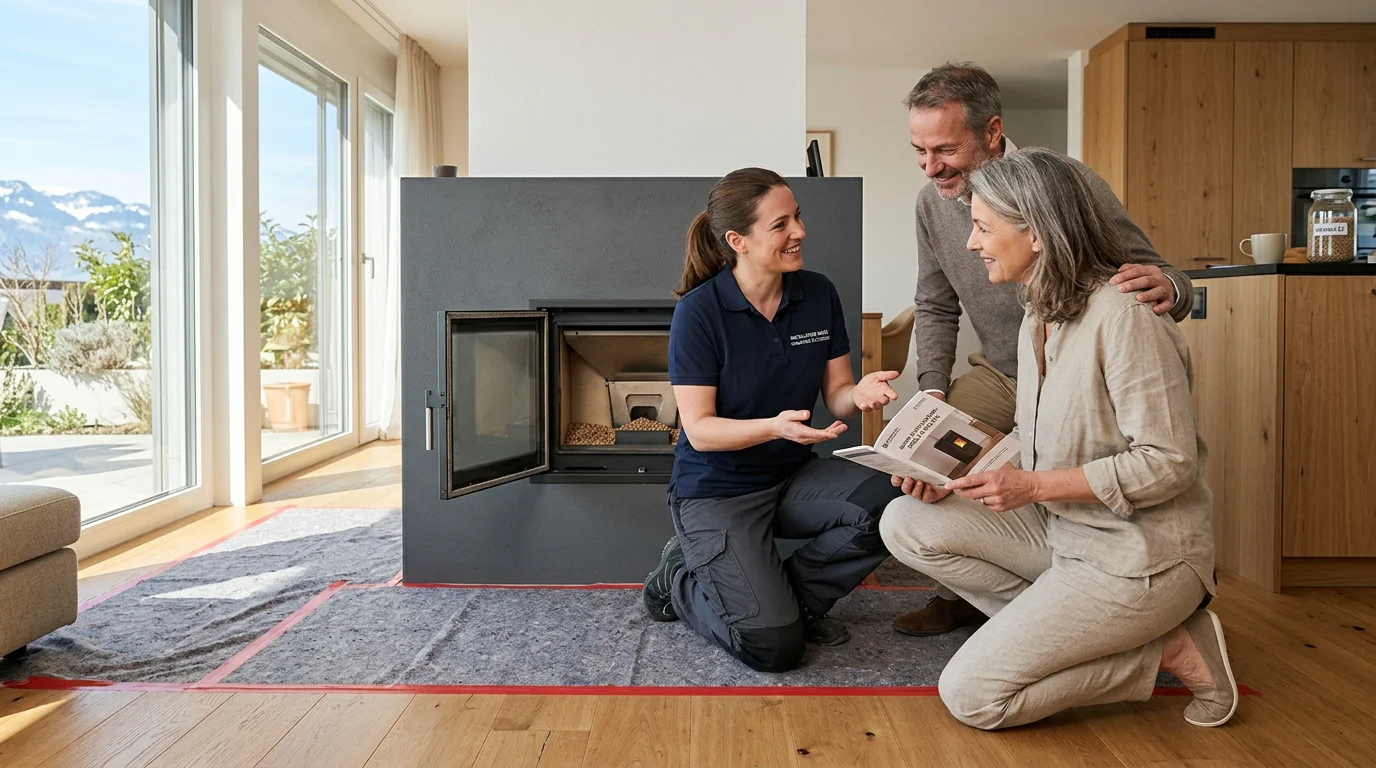
Each of these steps affects safety and final performance. An improperly sized air intake or unsuitable ductwork is enough to compromise performance. That’s why we manage the project from start to finish, coordinating the various trades and protecting your home until the final cleanup. Our installation teams also handle the removal of an old system and the restoration of the space.
Choosing the Right Professional
In French-speaking Switzerland, as elsewhere, the quality of the installation makes all the difference between a high-performing unit and a source of disappointment. An experienced installer will correctly size the unit’s capacity, verify that the flue meets regulations, and advise you on the model best suited to your home. Proper sizing avoids the twin pitfalls of underheating and excessive energy consumption.
How much will it cost to install a pellet insert in 2026?
The total cost breaks down into equipment and labor. In 2026, Quelle Énergie estimates the price of a pellet insert, including installation, to be between €2,000 and €5,000, with installation costs ranging from €1,000 to €1,500. Added to this are the stainless steel flue and the connection kit, which cost an additional €500 to €1,200.
Beyond the purchase price, be sure to compare the value of the support services provided. A well-coordinated project will spare you from unpleasant surprises and the need for rework.
| Criterion | Online Purchase Only | General installer | Our Carron-Lugon support |
|---|---|---|---|
| Needs assessment | No | Varies | Free, based on plans or on-site |
| Construction Coordination | At your expense | Partial | Full, including architects and other trades |
| Dismantling and restoration | No | Rarely | Yes (tiling, plastering, painting) |
| Protection and cleaning | No | Varies | Routine |
| After-sales service | Manufacturer only | Variable | In-house (pellet, wood, gas) |
Our showrooms in Fully (Valais) and Etoy (Vaud) let you view and compare models before making a decision, with a free, no-obligation assessment.
Daily Maintenance and Safety
A pellet insert requires regular attention. On each day the stove is in use, cleaning the firebox for a few minutes keeps the air vents clear. Each week, the combustion chamber should be brushed out and the ash drawer emptied. These simple steps help maintain the appliance’s efficiency.
Annual maintenance by a professional is essential. According to TotalEnergies, an annual inspection and regular chimney sweeping are key practices that optimize efficiency and ensure the safety of the system. This service checks the seals, cleans the flue gas exhaust system, and eliminates the risk of fire or carbon monoxide poisoning.
If you have any issues with a pellet, wood, or gas appliance, our in-house customer service team will take over. You’ll have a single point of contact for the entire lifecycle of your heating system.
Pellet or Log Fireplace Insert: How to Choose?
Pellets are appealing for their automation: programmed ignition, precise temperature control, several days of continuous operation, and infrequent refilling. On the other hand, they rely on electricity for the auger and ventilation, and generate a slight fan noise.
Log-burning stoves, on the other hand, offer a real open fire and one of the least expensive fuels on the market, but require frequent manual refueling and take up a lot of storage space. The choice depends mainly on your lifestyle and the space available. For hassle-free daily heating, the pellet stove has the edge; for the enjoyment of a fire and more occasional use, the wood-burning stove remains a viable option.
Custom-designed cladding and a clear performance declaration ensure results that meet your expectations. You can view an example in our RIKA PARO performance declaration to understand the official performance metrics for a pellet stove.
Conclusion
Switching from an open fireplace to a closed appliance makes all the difference: you transform a meager efficiency of 10 to 15% into performance that can reach 90%, all while reducing your heating bill. Successful installation of a pellet insert rests on three pillars: proper sizing, compliant flue piping, and careful installation. Don’t overlook the air intake or annual maintenance—two factors that are often underestimated. Our strength lies in managing the entire project, from the free consultation in our showroom to the final cleanup, ensuring your home remains clean and protected. To get a concrete idea of a unit’s performance, review our RIKA PARO performance declaration and plan your project with confidence.
Frequently Asked Questions
Can an insert be installed in an old fireplace?
Yes, provided the flue is in good condition or can be lined. A stainless steel liner improves airtightness and draft while complying with safety standards.
How long does a pellet insert last?
A standard hopper lasts about one day in the middle of winter. With a side-loading system, the burn time can extend up to three days, depending on the installed capacity.
Do you need a professional to install it?
It is strongly recommended. The electrical connection, flue lining, and safety clearances require specific expertise. Our free, no-obligation assessment—based on plans or on-site—will help you choose the most suitable solution.