

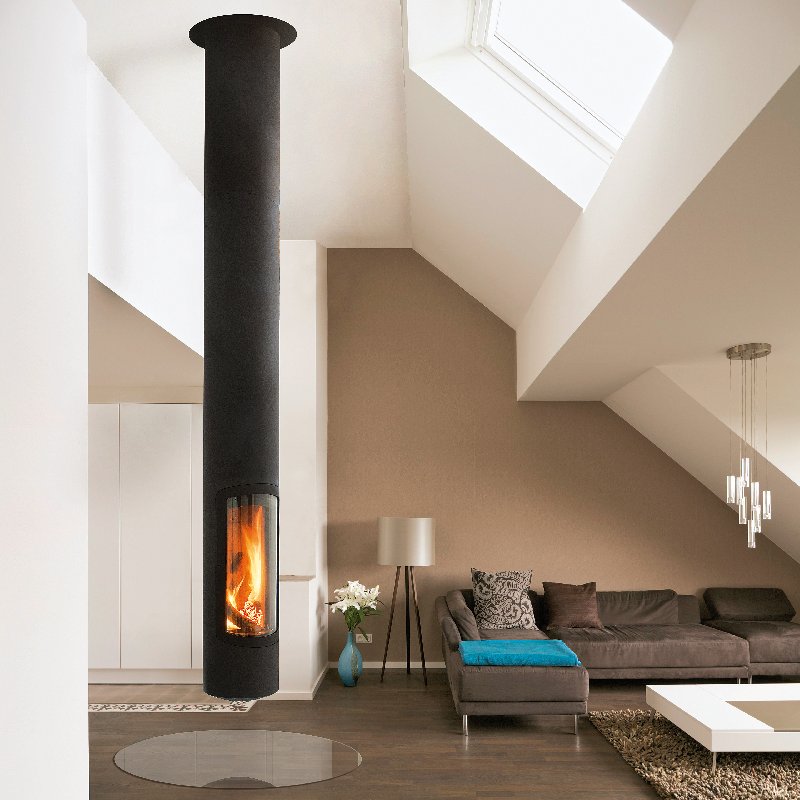
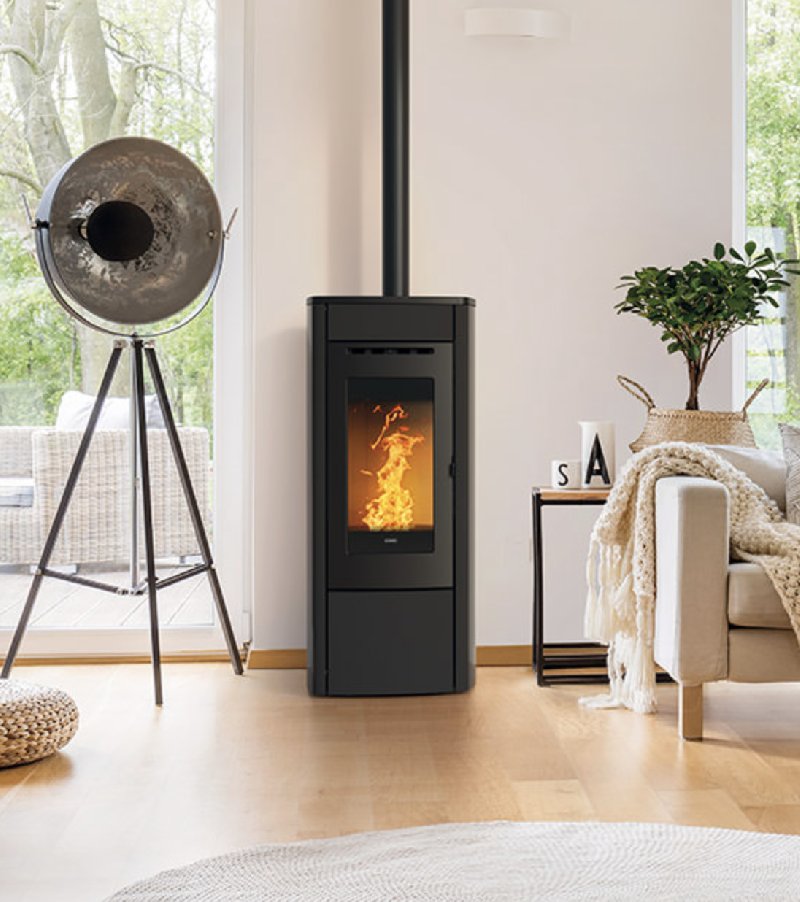
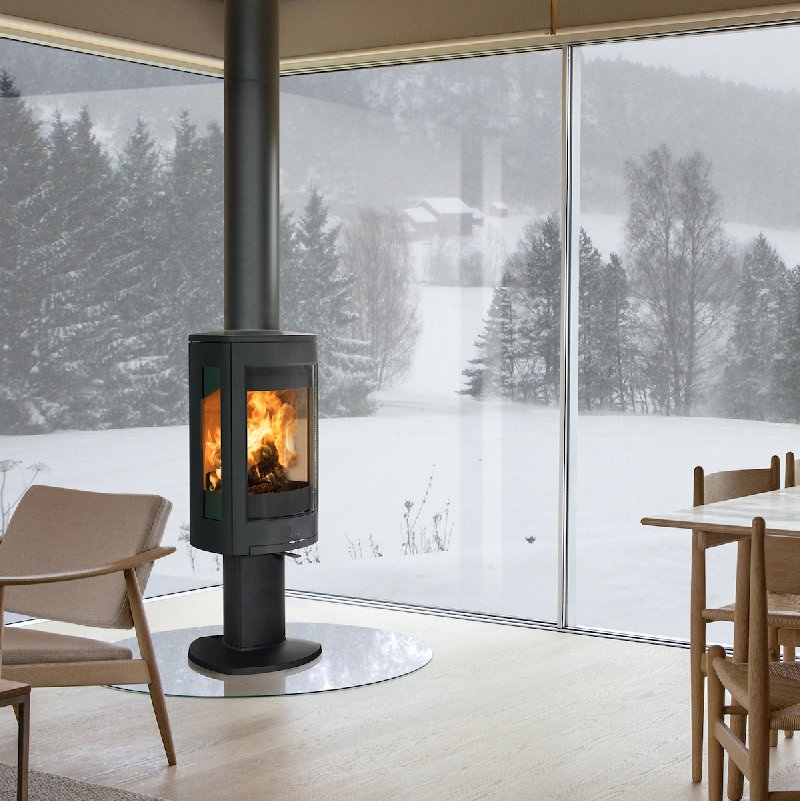
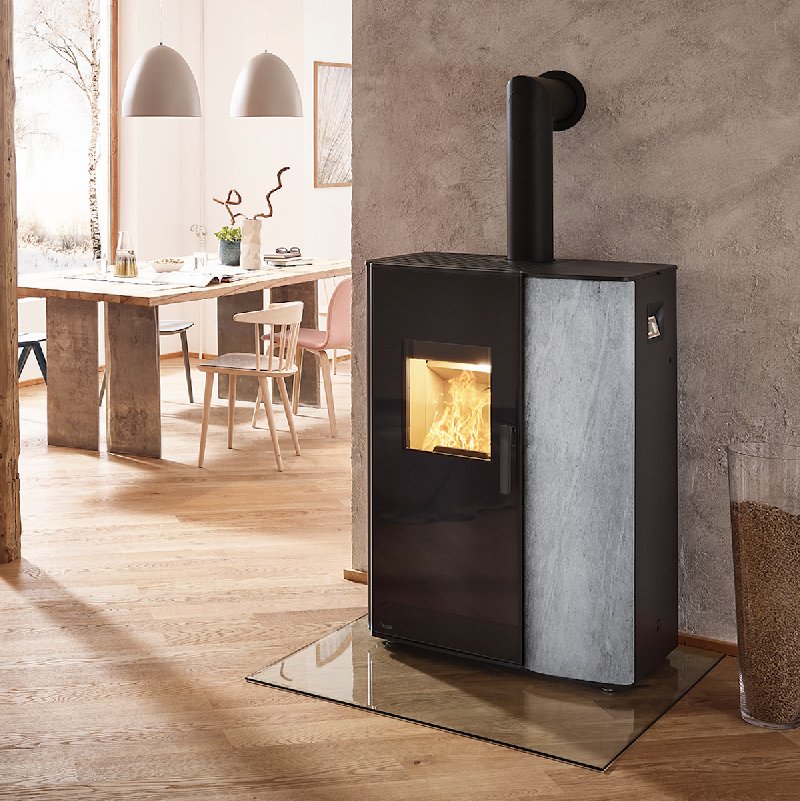
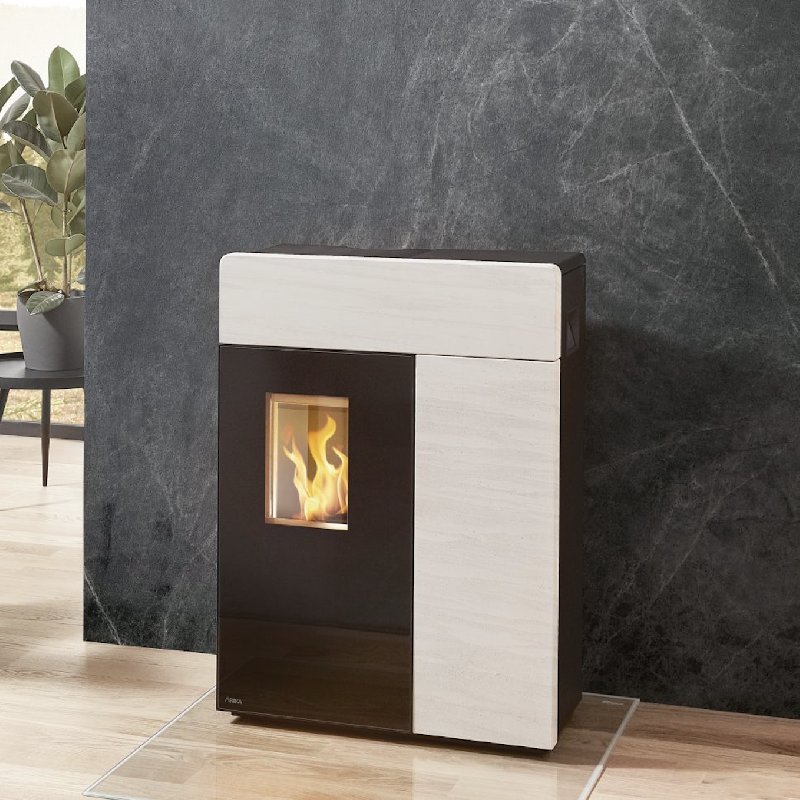
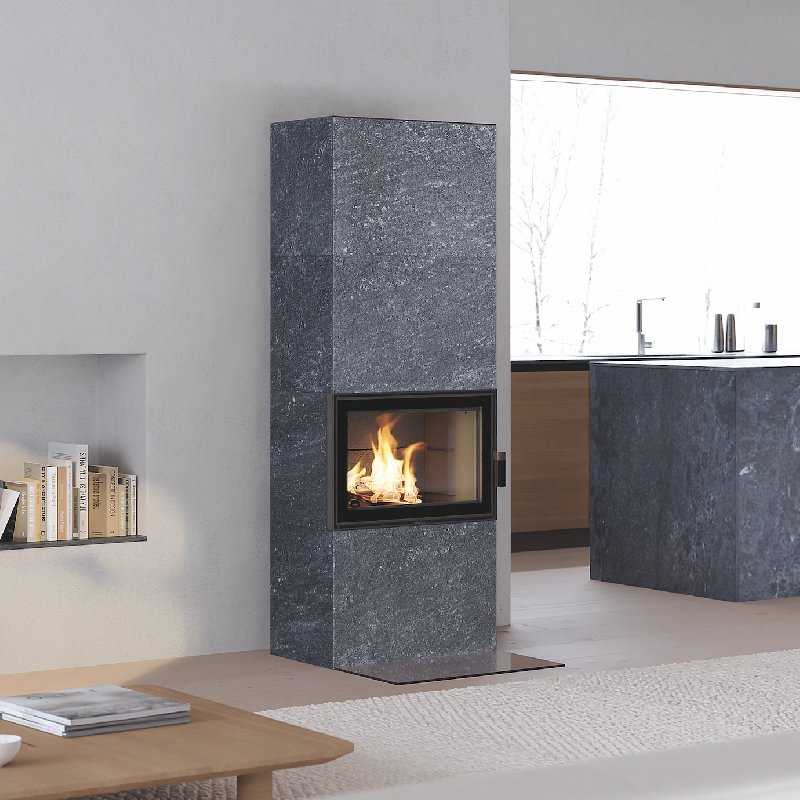
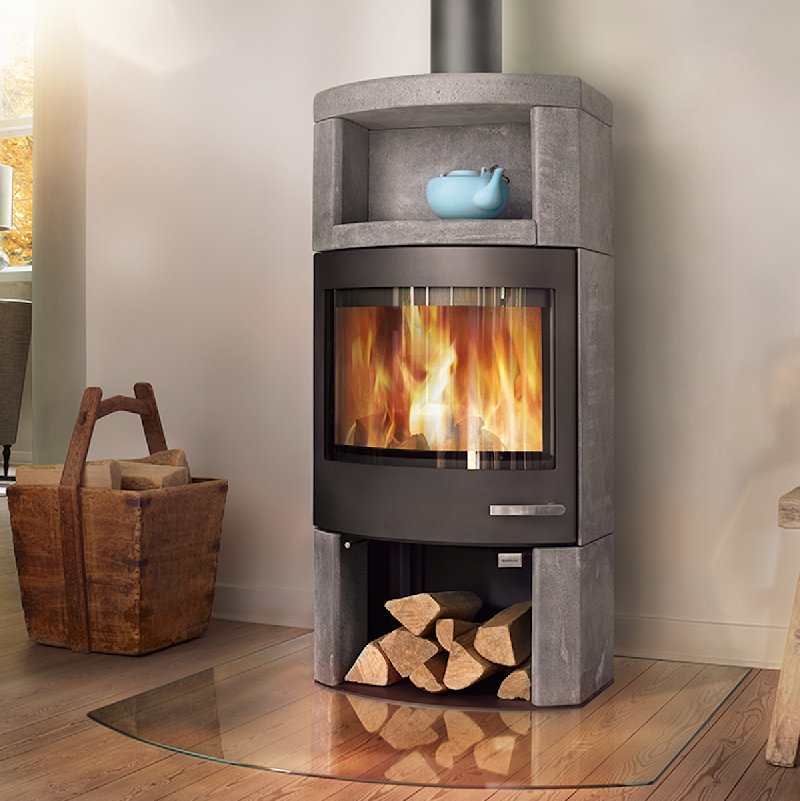
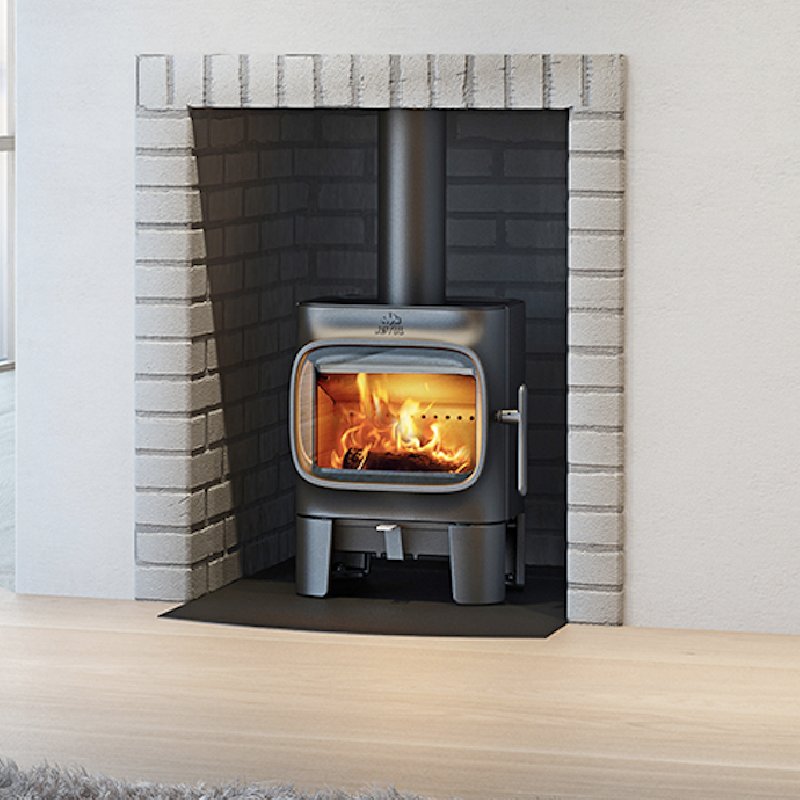
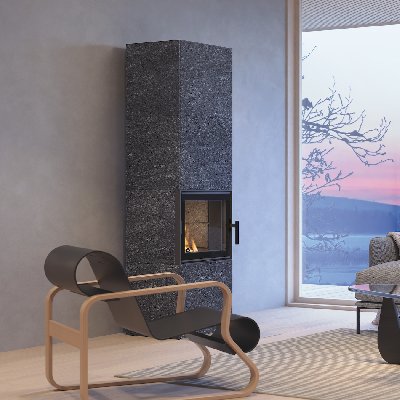
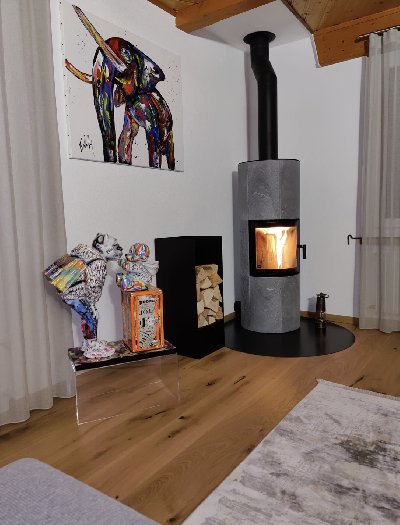
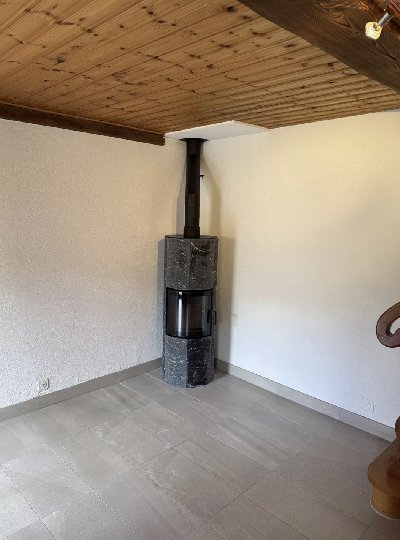
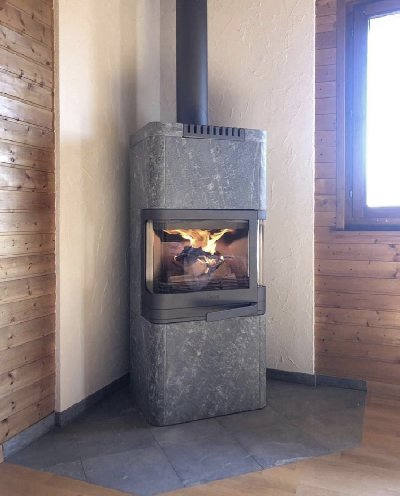
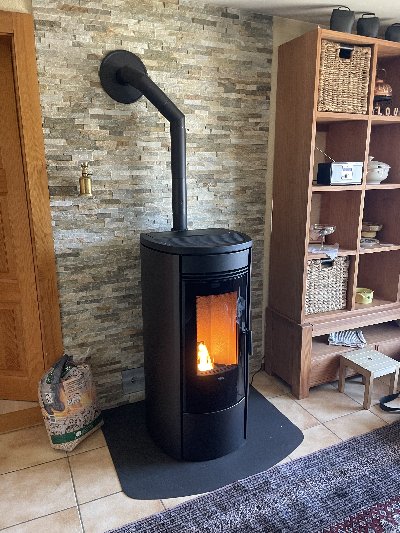
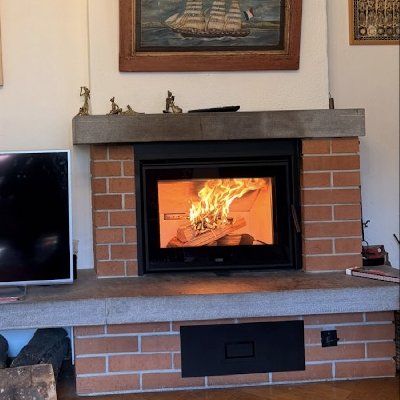
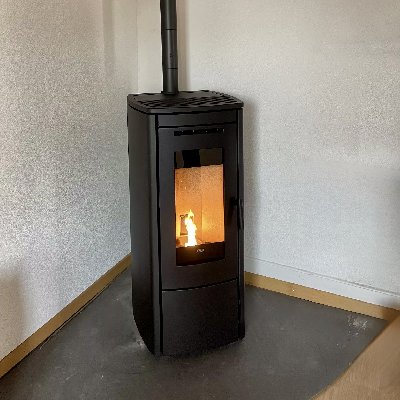
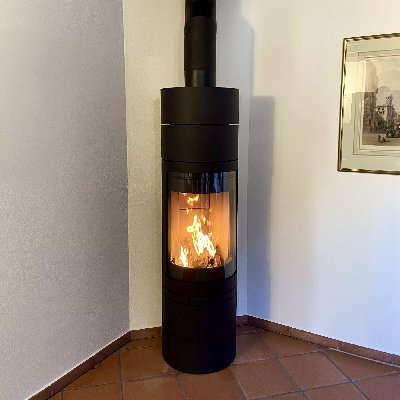
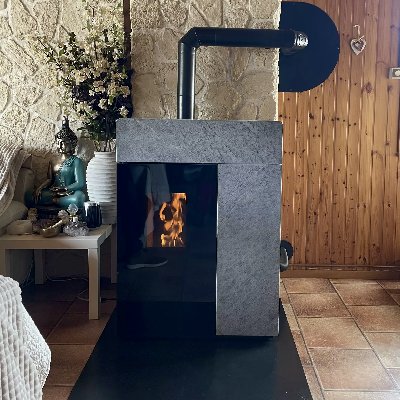
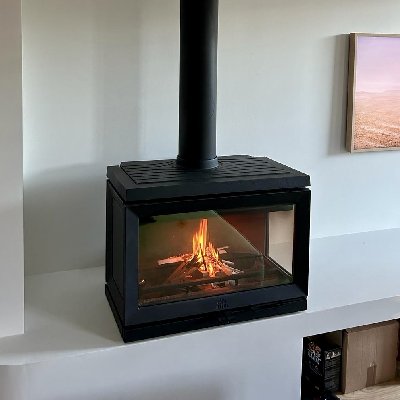
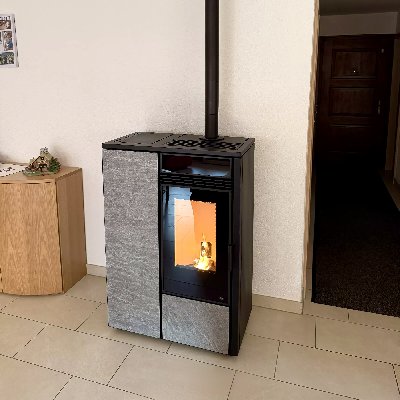
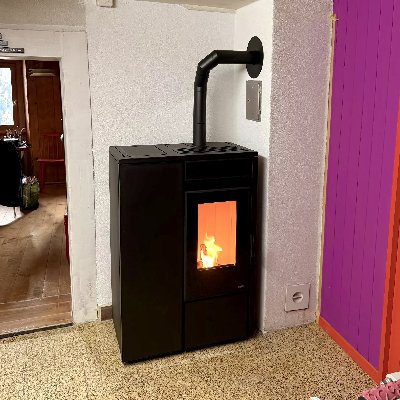

Where should you install your stove so it heats the entire house without wasting pellets? The question may seem trivial, but it determines your daily comfort, your utility bill, and the safety of your home. Even before you think about connecting or commissioning a pellet stove, the choice of location determines everything else.
Knowing how to choose the ideal location for your pellet stove is no small matter in Switzerland, where wood heating is gaining ground. During the energy crisis, the proPellets.ch association recorded a roughly 30% increase in pellet heating systems in 2022 compared to the previous year. Proper placement remains the best way to get the most out of this investment over the long term.
Why Location Affects Your Comfort and Savings
A stove placed in the wrong spot heats poorly, runs more frequently, and burns more pellets. Heat pools in one corner, distant rooms remain cold, and the unit goes through unnecessary ignition cycles.
The financial impact is real. According to the Fédération romande des consommateurs, the price of a metric ton of pellets rose from about 2,077 francs in October 2021 to nearly 4,000 francs for 6,000 kilograms in 2022. Even though prices have since stabilized, every pellet saved counts. Proper stove placement reduces heat loss and evens out consumption.
Three objectives should therefore guide your choice: even heat distribution, safety around combustible materials, andaesthetic integration into your home. None of these should be sacrificed for the sake of the other two.
The central room: the heart of heat distribution
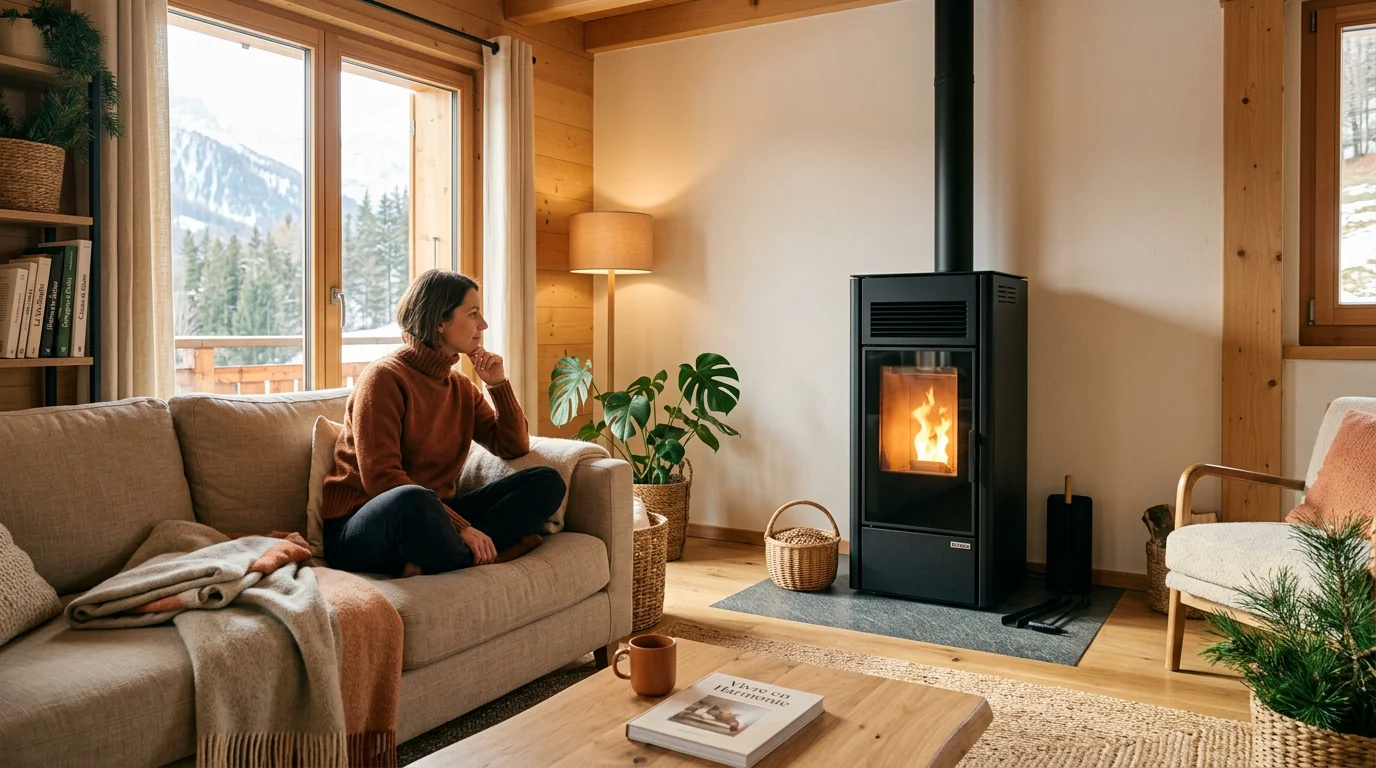
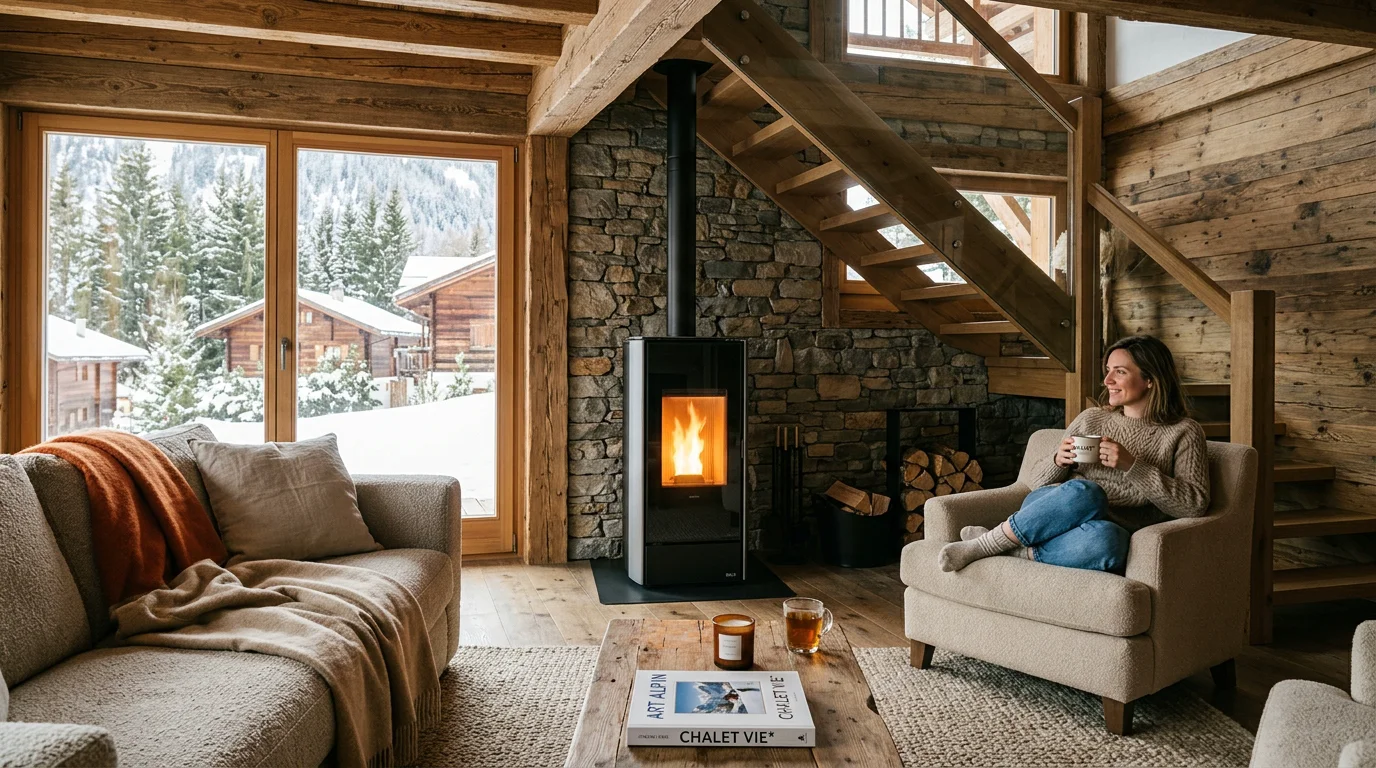
The principle is simple: install your stove where you spend most of your time. The living room or dining room is almost always the best choice, as these are the most frequently used and central spaces.
A central location allows heat to radiate in all directions and reach adjacent rooms. Conversely, a stove relegated to a room on the periphery struggles to heat the rest of the home and drives up energy consumption. If the stove absolutely must be placed in a peripheral area, a ducted model—capable of sending warm air to other rooms via ducts—mitigates this drawback.
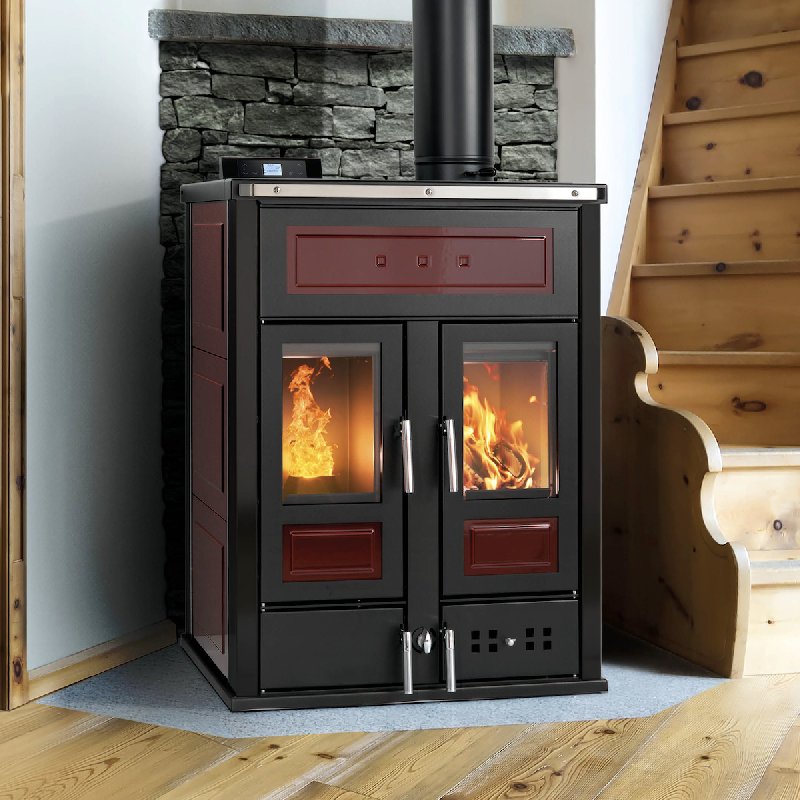
Also consider vertical airflow. Heat naturally rises: a stove placed on the ground floor, near an open stairwell, helps warm the upper floor. In a large space, however, be careful not to direct all the heat upward at the expense of the living area.
Safety Distances and Floor Protection
Safety is non-negotiable. A pellet stove reaches high temperatures and requires minimum clearances from all flammable materials: walls, furniture, curtains, and textiles. A commonly used guideline is approximately 37.5 cm from combustible materials, but always refer to the manufacturer’s manual, as each model has its own specific requirements.
Keep the area around the stove clear. Avoid placing shelves, sofas, or decorative objects there that would block the flow of hot air and hinder maintenance. For upholstered furniture, a generous distance minimizes any risk.
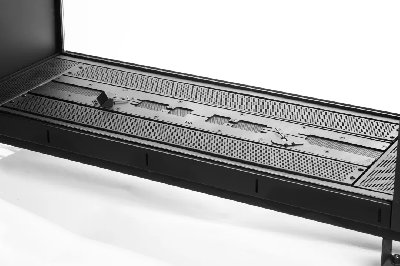
As for the floor, embers do not scatter as they do with a wood-burning stove, but a fire-resistant mat effectively protects hardwood or vinyl flooring and preserves the finish. If you’re unsure about the material or size, our range of floor protection mats for under the stove covers all common configurations. Finally, check the floor’s structural integrity: a stove typically weighs between 80 and 200 kg, and an older wooden floor may require reinforcement.
The flue system: the decisive technical constraint
This is often the deciding factor. The location of your stove depends directly on the flue, which must comply with current standards.
There are two scenarios. If a chimney flue already exists, a double-walled stainless steel liner along its entire length ensures a tight seal and minimizes soot buildup; have it inspected by a professional before installation. If there is no flue, an exterior flue liner is required, and constraints related to the exterior wall, windows, and gutters will determine the stove’s position. Anticipating these factors helps avoid unpleasant surprises: here’s what to plan for regarding the flue system based on your home’s layout.
Placing the stove close to an exterior wall or an existing flue simplifies installation, reduces the length of the flue lining, and improves draft. Optimal draft is essential for both the performance and safety of the entire system.
Ventilation and Air Intake: The Overlooked Factor in Well-Insulated Homes
A pellet stove requires a constant supply of air for clean and complete combustion. However, this requirement varies significantly depending on the building’s insulation level—a factor often overlooked in general-purpose guides.
In an older, less airtight home, outside air enters naturally and is generally sufficient to support combustion. In a new, renovated, or highly insulated home, the airtightness is such that the air intake must often be connected directly to the outside. Without this, the appliance creates negative pressure, and combustion is impaired. If you insulate your home after installation, a reassessment is necessary.
This heating system is also environmentally friendly: wood energy is a local and renewable resource. In Switzerland, Énergie-bois Suisse tracks a dedicated price index for wood chips and pellets, reflecting the sector’s growing structure. Simply place your stove away from drafts, far from exterior doors and windows, which disrupt heat distribution.
Access, Maintenance, and Storage of Pellets
A good location should also be chosen with the long term in mind. The stove must remain easily accessible for three regular tasks: refilling the hopper, emptying the ash pan, and cleaning the glass and the combustion chamber.
A stove wedged behind a piece of furniture or in a hard-to-reach corner turns every maintenance task into a chore and will eventually be neglected, shortening its lifespan. Make sure there’s plenty of clearance in front of and around the stove.
Pellet storage is also a factor. Ideally, the storage area should be nearby, in a dry and well-ventilated location, to minimize handling. Storage conditions directly affect efficiency: learn how to ensure proper storage of pellets (depending on the location) chosen for your stove. According to proPellets.ch, the price of pellets is calculated based on a delivery of 6 metric tons, a volume that requires adequate storage space.
Comparison: Evaluate on Your Own or Seek Guidance
Choosing a location involves balancing technical, regulatory, and aesthetic criteria. Here’s how the possible approaches compare.
| Criterion | Do it yourself | General contractor | Our Support at Carron-Lugon |
|---|---|---|---|
| Needs Assessment | Limited, based on intuition | Variable | Free, no-obligation assessment, based on plans or an on-site visit |
| Construction Coordination | At your expense | Partial | Site organization and coordination with architects and other trades |
| Repair work | Not covered | Rarely | Dismantling and restoration (tiling, plastering, painting) |
| After-sales service | None | Depends on the service provider | In-house after-sales service for pellet, wood, and gas appliances |
For a reliable project, personalized advice helps avoid costly mistakes. Our free on-site visit allows us to assess your home, its insulation, and your lifestyle before you make any decisions. You can also compare models at our showrooms in Fully and Etoy, accessible throughout French-speaking Switzerland.
Conclusion
Carefully considering the ideal location for your pellet stove means balancing four priorities: a central living space to distribute heat, compliance with safety distances, a code-compliant flue system, and an air intake suited to your insulation. The result is consistent comfort, controlled consumption, and a safe installation—a concern made all the more pressing by the fact that pellet prices have doubled during the energy crisis. The best advice is to make your decision before purchasing, never after. With our free consultation—whether based on blueprints or on-site—you can ensure every technical detail is in order from the start and avoid any regrets. To plan your project with confidence, explore our range of fireplaces and flues, and let’s lay the groundwork for your future heating system together.
Frequently Asked Questions
Can a pellet stove be installed in a bedroom?
It’s possible but subject to strict precautions, particularly regarding ventilation and safety. A sealed model with an external air intake is strongly recommended. Always have the setup verified by a professional.
Is a floor protection plate required?
For a pellet stove, it is not required in most cases, unlike with a wood-burning stove. However, it effectively protects hardwood or vinyl flooring and enhances the finish. Our range of floor plates is designed to fit standard setups.
How far from the walls should the stove be placed?
The distance depends on the model, but a distance of approximately 37.5 cm from combustible materials is commonly used. Be sure to consult the manufacturer’s manual, which specifies the exact distances for your specific unit.