



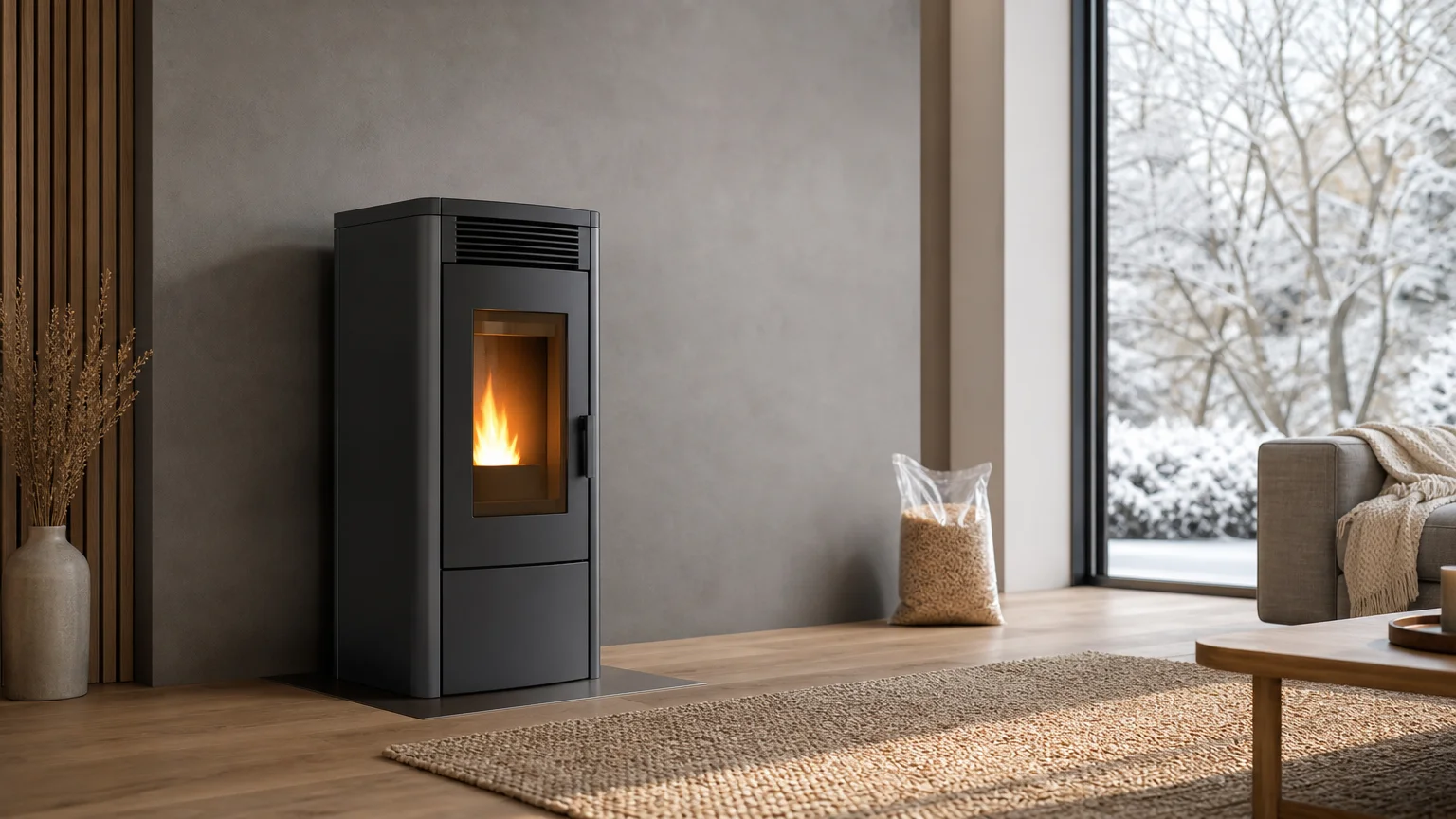
A pellet stove that won’t start doesn’t necessarily indicate a major malfunction. If you’re searching for “pellet stove ignition failure,” start by observing what’s happening in the hopper, then check the components that are accessible when the stove is cool. To avoid mistakes during your first use, also check out our page on getting a Klover pellet stove up and running.
A stove may feed pellets without producing a flame, ignite and then go out, or display an alarm after a few minutes. These symptoms do not all stem from the same causes. In Switzerland, the quality of the installation, the fuel, and how the stove is used remains a key factor, as the FOEN notes regarding installations.
What does a failed ignition really indicate?
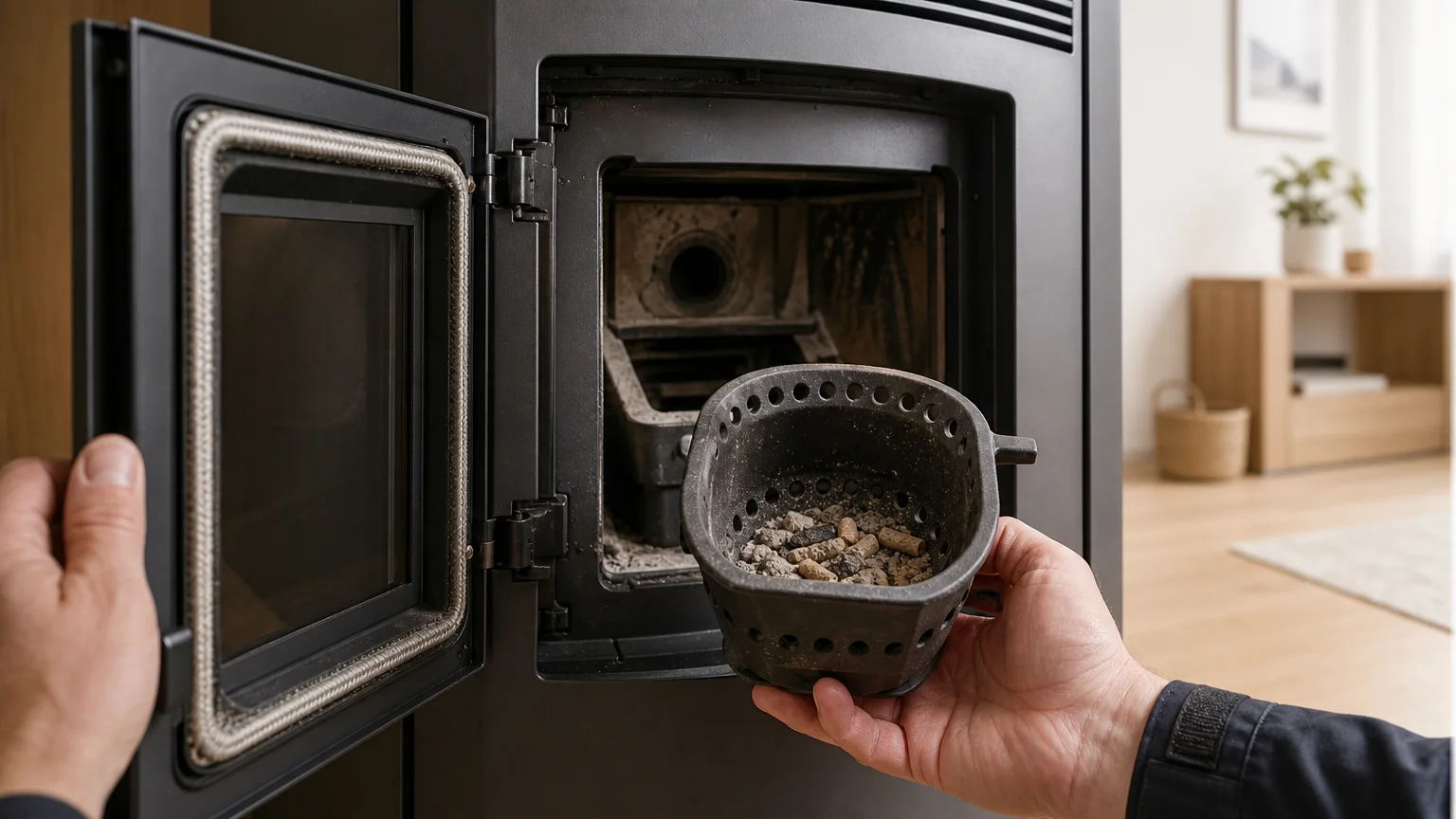
Imagine that the pellets fall into the combustion chamber but remain intact. There is likely insufficient heat, or air is not circulating properly. If the combustion chamber remains empty, the problem is more likely related to the hopper, the auger, or the feed control.
Another scenario: a flame appears but then fades before the unit shuts down. In this case, consider unbalanced combustion, insufficient air supply, poor draft, irregular fuel feeding, or a sensor that fails to detect the temperature rise.
| Observed symptom | Possible cause | Initial Check |
|---|---|---|
| No pellets in the hopper | Empty hopper or blocked feed | Check the level and presence of sawdust |
| Pellets present, no flame | Ignition plug, airflow, or crucible positioning | Clean the crucible and check the air vents |
| Flame appears then goes out | Draft, exhaust fan, sensor, or irregular fuel supply | Note the duration, noise, and displayed code |
| Large amount of unburned pellets | Repeated cycles or interrupted combustion | Turn off the unit and wait for it to cool down |
This observation prevents you from replacing a part at random. It also provides the technician with useful information about the exact time of the shutdown and the type of malfunction.
Crucible, pellets, and ignition plug: checks you can perform yourself
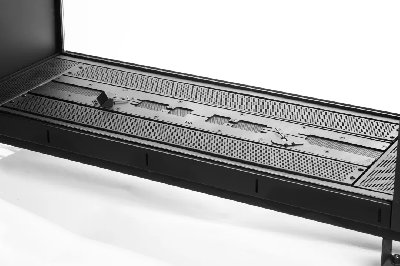
Always wait for the stove to cool down completely first. Then remove the ashes and unburned pellets, and check that the firebox is properly seated on its support. Its openings must remain unobstructed, as they supply air for combustion.
Next, examine the pellets in the hopper. They should be dry, uniform in size, and low in dust. Damp or crumbly pellets can produce more residue and disrupt the flow down the auger. Also, avoid filling the hopper with fuel that is visibly degraded.
If the pellets are feeding properly but aren’t igniting, the ignition plug should be your first line of investigation. It may be worn out, misaligned, fouled, or not receiving power. You can inspect the accessible components listed in the manual, but do not disassemble any parts while they are energized.
For more detailed information on this check, visit our page dedicated to pellet stove ignition electrodes. The part number must always match the exact model of your appliance. A part that looks similar does not guarantee that its power rating or length is compatible.
The FAQ from manufacturer Oranier on pellet stoves also lists the ignition electrode and draft among the possible causes when the burner tray fills up without producing a flame. This note serves as a reminder that a hot spark plug is not always enough to explain the malfunction.
When Air, the Auger, or Flue Gases Cause Blockages
A pellet stove requires a balance between fuel, combustion air, and flue gas exhaust. A blocked air intake, a soot-clogged flue, or a door that doesn’t close properly can disrupt this balance. The burner pan may then fill up without stable combustion.
Check only the grates and accessible passages, as specified in the manual. Do not randomly adjust technical settings. An inappropriate combustion setting may shift the problem without resolving it and complicate the diagnosis.
The auger requires special attention if pellets stop falling or are fed intermittently. A buildup of sawdust at the bottom of the hopper, a pellet swollen by moisture, or a foreign object can slow down its operation. Turn off the appliance before removing any accessible debris, and avoid forcing the mechanism.
The exhaust fan plays a vital role in maintaining negative pressure in the firebox. An unusual humming sound, a lack of airflow, or a grinding noise should prompt you to stop testing. To identify this component, you can consult our page on the flue gas exhaust fan.
If you smell smoke in the room, turn off the stove, ventilate the area, and do not restart the cycle until an inspection has been performed. Appliances connected to exhaust ducts must operate with adequate ventilation.The FOPH’s guidelines on ventilation and heating note that leaky flues can pose a health risk.
Error Codes, Sensors, and Limitations of DIY Diagnostics
A code displayed on the screen is a clue, not a complete diagnosis. Its meaning depends on the stove’s make, model, and electronic version. Note the exact code, the time before shutdown, and the condition of the firebox before restarting the stove.
Sensors monitor, among other things, flue gas temperature, vacuum pressure, and certain safety conditions. A clogged sensor, a faulty pressure switch, or damaged wiring can interrupt ignition even though a flame appears to be present.
For affected units, our guide onthe AL-06 alarm for a Klover pellet stove helps explain the corresponding message. However, you must follow the manual for your specific model, as an identical code does not necessarily have the same meaning across all manufacturers.
Work on the circuit board, pressure switch, fan, ignition plug, or wiring should be performed by a professional if you lack the necessary skills. If the appliance is still under warranty, avoid any electrical or mechanical modifications not authorized by the manufacturer.
Do not repeatedly restart the unit to clear an alarm. This practice can cause pellets to accumulate in the hopper, increase smoke during startup, and mask a draft or safety issue.
The Safe Way to Prevent Another Malfunction in Switzerland
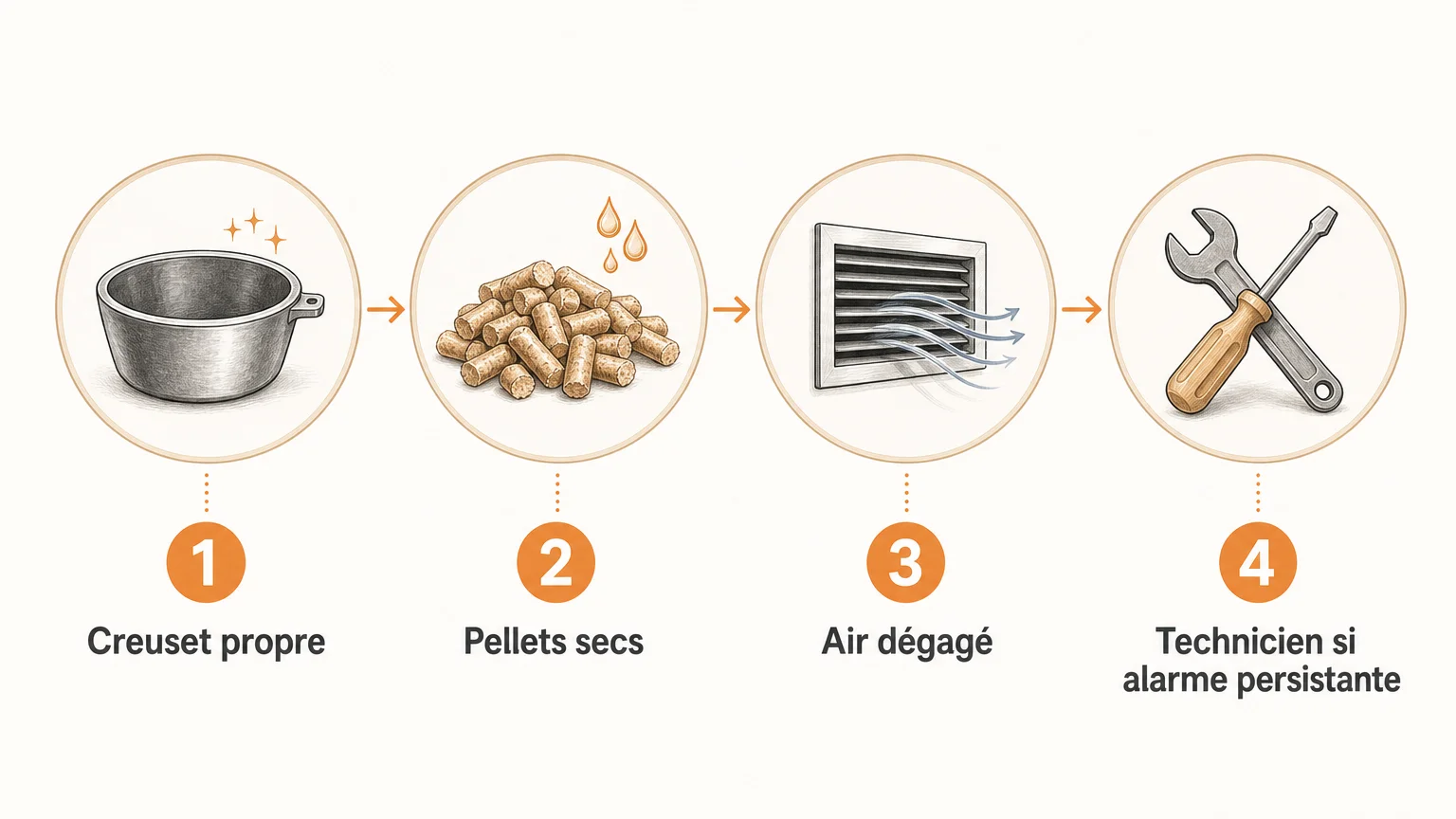
After a failed ignition, follow a consistent procedure. Stop the cycle using the designated control, let the stove cool down, remove any accumulated pellets, and clean the firebox. Then check that the door is closed properly, inspect the visible condition of the hopper, and ensure the air intakes are clean.
Before restarting the stove, ask yourself whether the issue is a one-time occurrence or a recurring problem. A single incident following insufficient cleaning can often be resolved with a simple fix. However, a recurring alarm, unusual smoke, a burning smell, or a mechanical noise requires a professional inspection.
In Switzerland, the required maintenance and inspections depend on the specific installation, the canton, and the manufacturer’s recommendations. The ECA Vaud safety guide specifically emphasizes the importance of maintaining a safe zone around a heating appliance.
Keep a record of the model number, a photo of the alarm code, the date of the last maintenance, and a precise description of the symptom. This information makes it possible to quickly distinguish between a power supply issue, an ignition problem, a loss of draft, or a sensor malfunction.
Our support covers pellet heating projects, installation, maintenance, repairs, and the supply of replacement parts for the relevant equipment. A preliminary assessment can also help verify the feasibility of an installation, especially when a flue must be inspected.
Things to Keep in Mind Before Restarting Your Stove
A pellet stove that fails to ignite should be inspected before taking any action. While the stove is cold, check the firebox, the pellets, the air intake, and the visible fuel supply. If the flame goes out, an alarm sounds again, or smoke appears, stop repeated attempts. A professional can then check the draft, the pilot light, the auger, the exhaust fan, and the sensors under safe conditions.
Professional Support for Your Heating System
Repeated failed ignitions may indicate a need for maintenance, a worn-out part, or a system that requires inspection. We help you assess your project by taking into account your home, available space, daily routines, and chimney constraints.

We support you throughout Switzerland—from the initial needs assessment through installation, and on to maintenance, repairs, and replacement parts for the relevant equipment. To compare solutions tailored to your home and budget, check out our selection of pellet stoves.
Frequently Asked Questions
Why does my pellet stove show a failed ignition?
The burner chamber may be clogged, the pellets may be damp, or the pilot light may no longer be heating properly. Also check the pellet feed and air vents after the stove has cooled completely.
What should I do if the pellets fall but don’t ignite?
Clean the firebox and its openings, then check the ignition spark plug according to the manual. If the pellets remain unburned after another attempt, have the stove diagnosed rather than repeating the ignition cycles.
Why does the stove ignite and then go out?
A flame that goes out may indicate a lack of air, poor draft, an irregular fuel supply, or a sensor that isn’t detecting the temperature correctly. Note the time before it shuts off and the displayed error code.
Is it safe to relight a malfunctioning stove multiple times?
No, repeated restarts can cause unburned pellets to accumulate and increase smoke emissions during startup. Turn off the unit if an alarm sounds again, if an unusual odor develops, or if smoke enters the room.
Can Carron-Lugon provide service after installation?
Yes, our after-sales service includes maintenance, repairs, and the supply of replacement parts for the relevant equipment. Please provide the model number, the error message, and the symptoms observed to facilitate your request.