





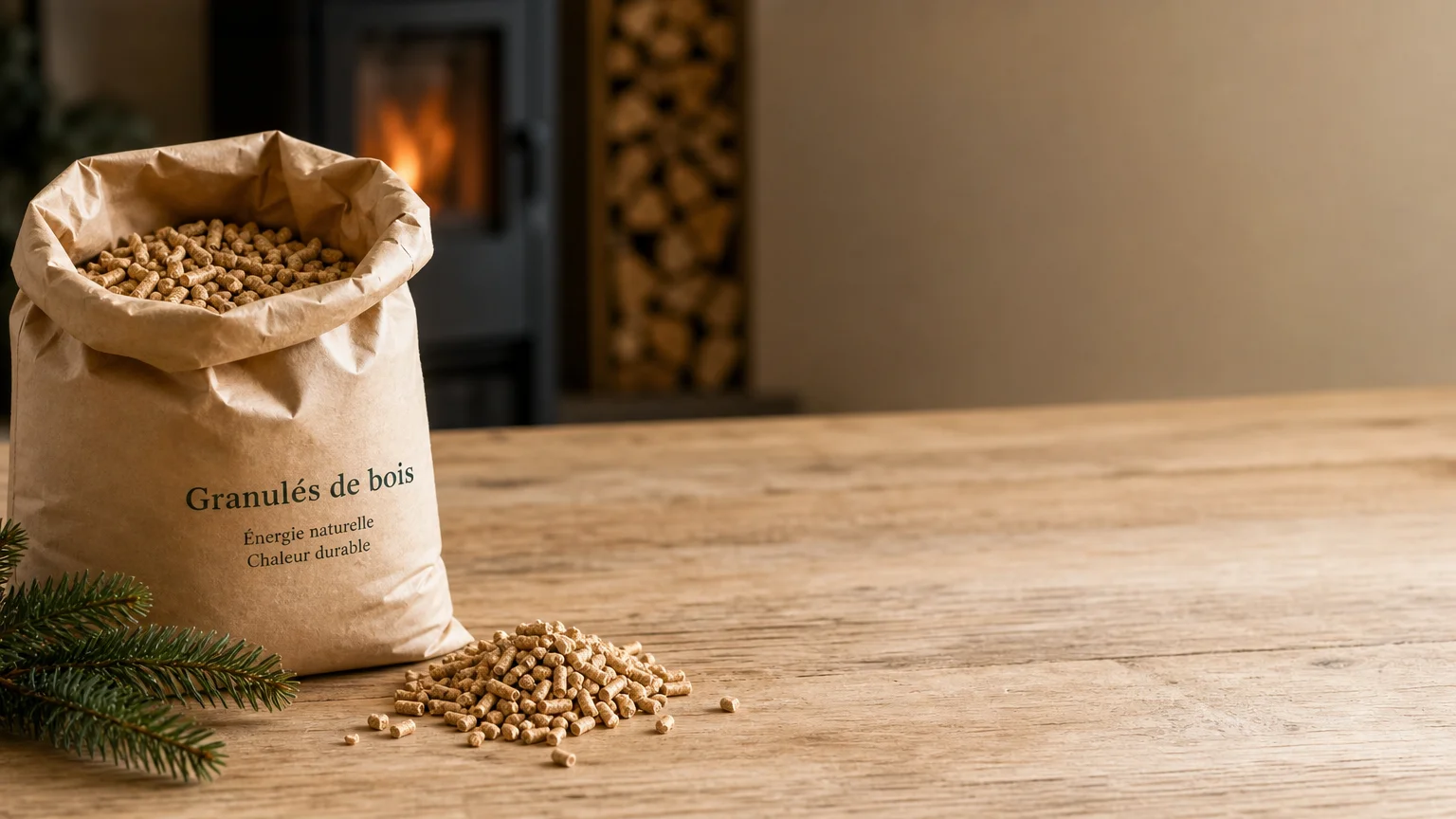
You’re looking for the best price on pellets for your home, but the offers listed aren’t always comparable. The price per bag, the price per metric ton, delivery, and access conditions can significantly affect the final cost. Before placing an order, you should therefore compare the fuel price with your actual consumption and storage constraints. To prevent fuel degradation, also consult our guide to pellet storage.
The most recent monthly report shows an average price of CHF 3,190.68 for 6,000 kg of pellets in Switzerland for July 2026, or approximately CHF 532 per metric ton. This figure serves as a national benchmark but does not replace a local quote. According to the HEV Switzerland report, prices also fluctuate from month to month.
What is the price of pellets in Switzerland in 2026?
For an order of several metric tons, you can estimate approximately CHF 530 per metric ton as a rough guide based on July 2026 prices. This figure represents a national average for 6,000 kg. It therefore does not automatically correspond to the price of a pallet, a big bag, or a small order delivered to your home.
The price per metric ton generally decreases as the quantity increases, but this criterion alone is not sufficient. A cheaper offer may exclude delivery, charge a surcharge for difficult access, or require a different packaging method. You should also check whether the price includes VAT, transportation, unloading, and any fees associated with filling the silo.
For a home with a stove, the comparison must also take annual consumption into account. An attractive price doesn’t make up for an oversized system, insufficient storage, or overly frequent deliveries. The best calculation therefore combines the purchase price, the amount consumed, and your appliance’s actual performance.
Why do rates vary so much depending on the time of year?
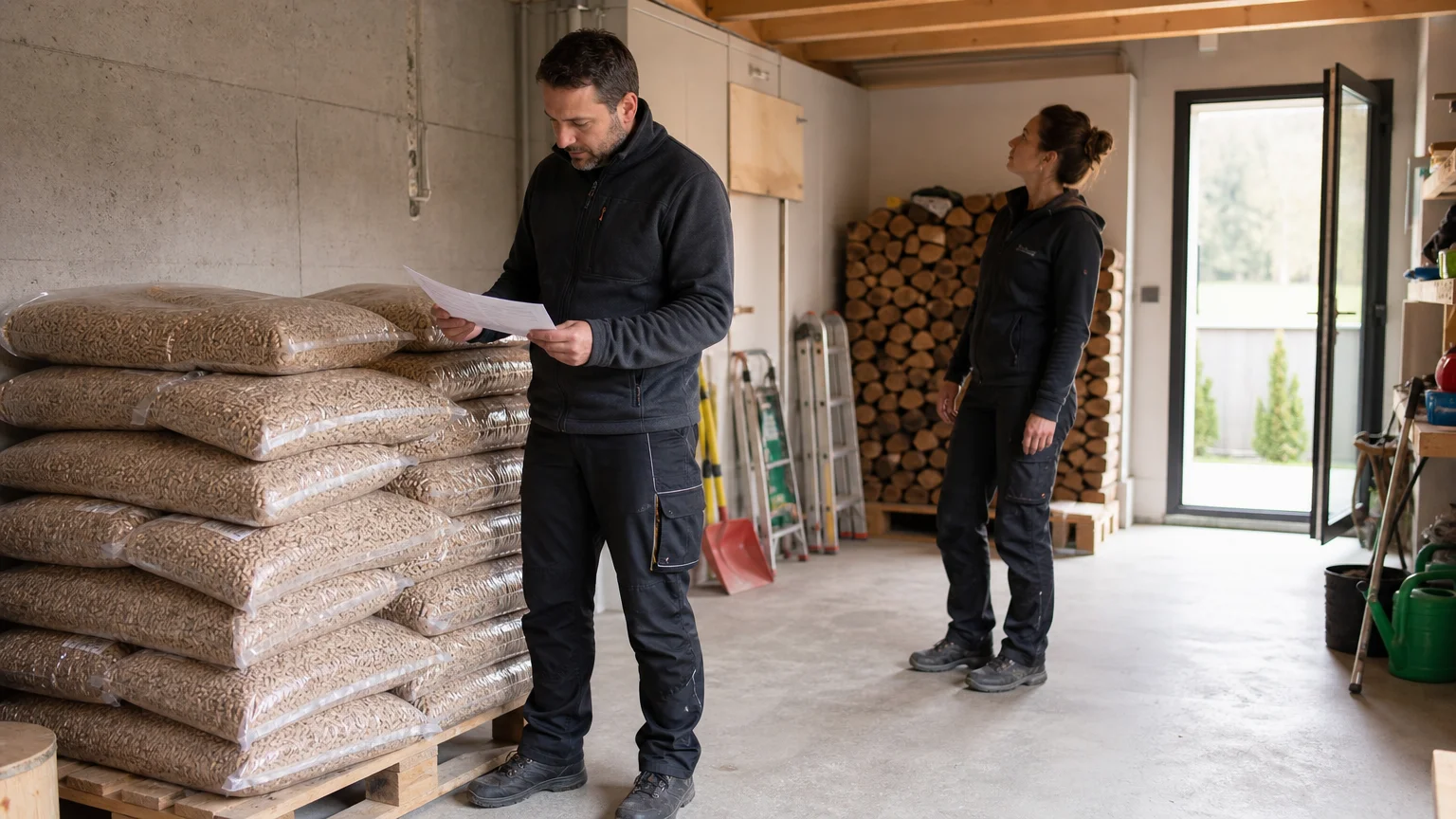
Imagine two identical orders placed at different times. The first is placed before the cold season, when suppliers can organize their delivery routes and manage inventory. The second is placed during a peak in demand, when fewer delivery slots are available and there is greater pressure on logistics. The fuel may be identical, but the quoted price will differ.
Seasonality therefore influences the market, though it is not the only factor. The availability of wood chips, regional production, imports, transportation, and warehouse capacity also play a role. In Switzerland, wood fuel accounts for 5.4% of final energy consumption and approximately 12% of heating needs, according to data from the Federal Office for National Economic Supply.
The same source indicates that the sector has a supply monitoring system—which has been strengthened since 2025—with observations conducted several times a year. This does not mean that prices remain fixed. Rather, it means you can distinguish between normal seasonal variation and a genuine supply shortage.
To avoid unpleasant surprises, don’t wait until the first cold weeks to order your entire supply. You can request several quotes in advance, compare delivery dates, and verify the terms and conditions in case of delays or difficult access.
How can you properly compare two pellet quotes?
Two quotes may show different prices while having very similar actual costs. To compare them, you need to convert each proposal to the same unit, ideally the cost per metric ton delivered. This method helps you avoid confusing a price per bag with a price for bulk pellets or a pallet sold without shipping.
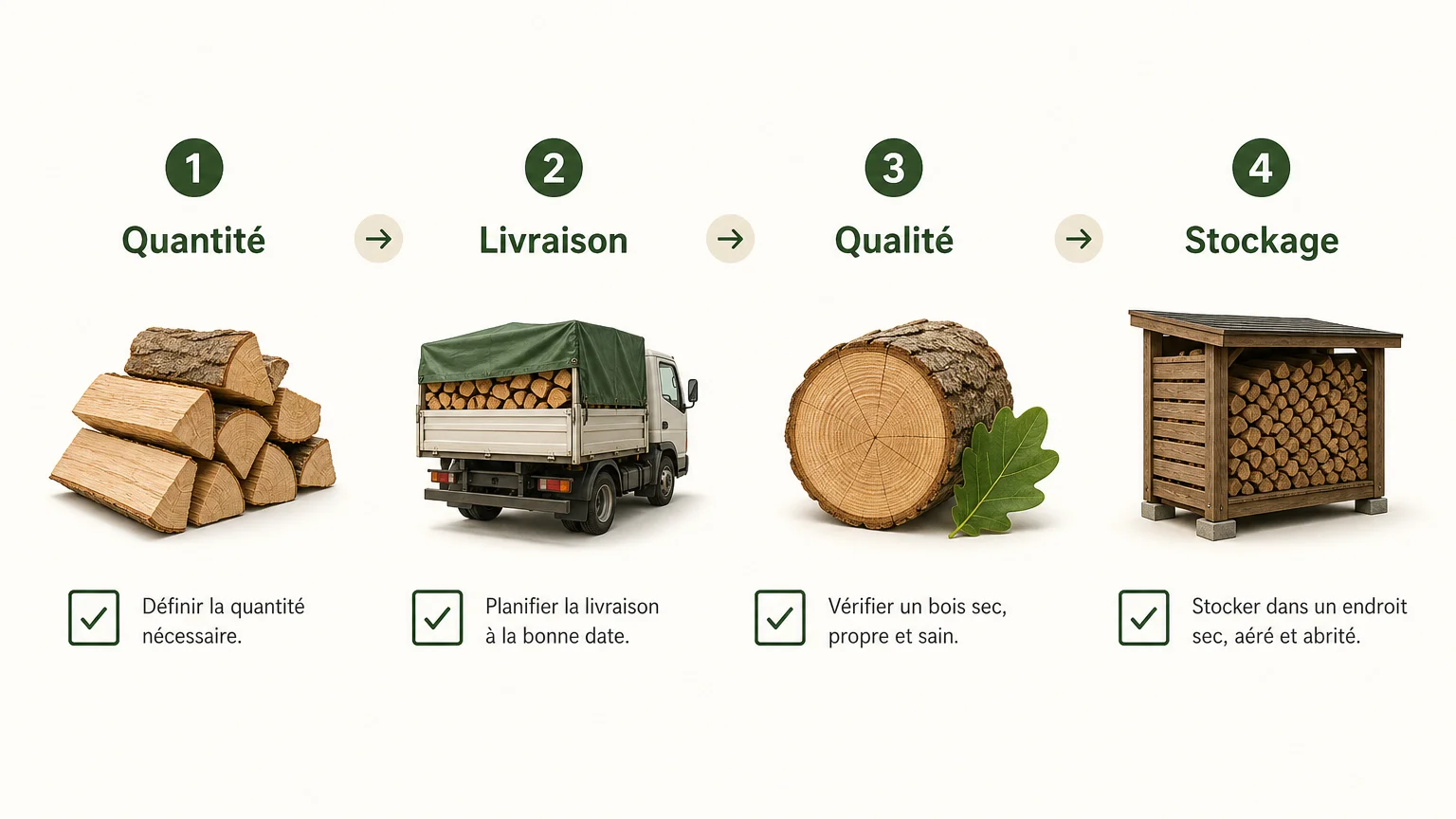
- Quantity: Check the total weight actually delivered.
- Packaging: distinguish between bags, pallets, big bags, and bulk.
- Delivery: Check the fees, access restrictions, and unloading arrangements.
- Quality: Look for specifications suited to your stove or boiler.
- Storage: Make sure you can store the ordered quantity under proper conditions.
Bagged fuel may be suitable for a stove used occasionally or for a home without a silo. Bulk fuel makes more sense when you have adequate storage space and consume it regularly. In any case, the lowest price is only relevant if delivery and handling are compatible with your home.
You can also request a detailed quote specifying the weight, quality, delivery time, delivery area, and any additional charges. This transparency allows you to compare equivalent services, rather than simply choosing the most eye-catching price.
When should you buy your pellets to better manage your budget?
If your storage space allows it, it’s in your best interest to stock up on part of your needs before periods of high demand. However, you shouldn’t fill an unsuitable storage area just to take advantage of a temporarily lower price. Improper storage can lead to dust, moisture absorption, and operational issues.
Monthly price fluctuations can be significant. In May 2026, a trade publication reported an average price of CHF 497.90 per metric ton, down 6.7% from April 2026, according to May 2026 figures. This data should not be compared directly with the July 2026 figures, as volumes, suppliers, and calculation methods may differ.
The right time to buy therefore depends on your situation. If you have a dry and sufficiently large stockpile, you can monitor prices and buy gradually. If you’re short on space, order based on your projected consumption instead and prioritize delivery reliability.
To avoid making a hasty decision, request the full terms and conditions before the heating season begins. This will allow you to verify the total price, the estimated delivery times, and whether delivery can accommodate your property’s access.
How do you factor pellet prices into your heating system?
The price of fuel cannot be separated from your appliance’s efficiency, output, and how you use it. A properly sized stove can reduce unnecessary cycles and improve your comfort. Conversely, an appliance that’s too powerful can lead to consumption that’s ill-suited to your home.
You should consider several factors before making a decision:
- the size and insulation level of your home;
- the power required for the room or home;
- how often the stove will be used;
- the space available for bags or the hopper;
- ease of maintenance and fuel supply;
- compliance of the flue and installation conditions.
The availability of the resource also remains a factor to monitor. In 2025, Switzerland harvested nearly 4.9 million cubic meters of wood, 1.1% more than in 2024, according to Swiss forestry statistics. While this data does not directly predict your bill, it underscores the importance of local supply chains, production, and logistics in the overall market balance.
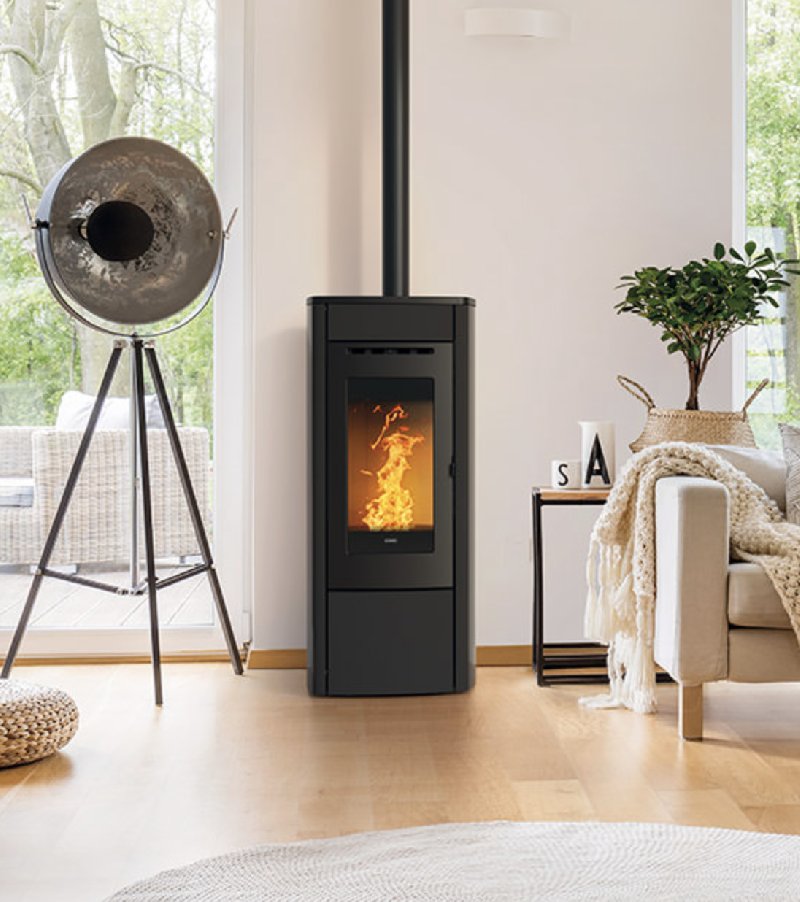
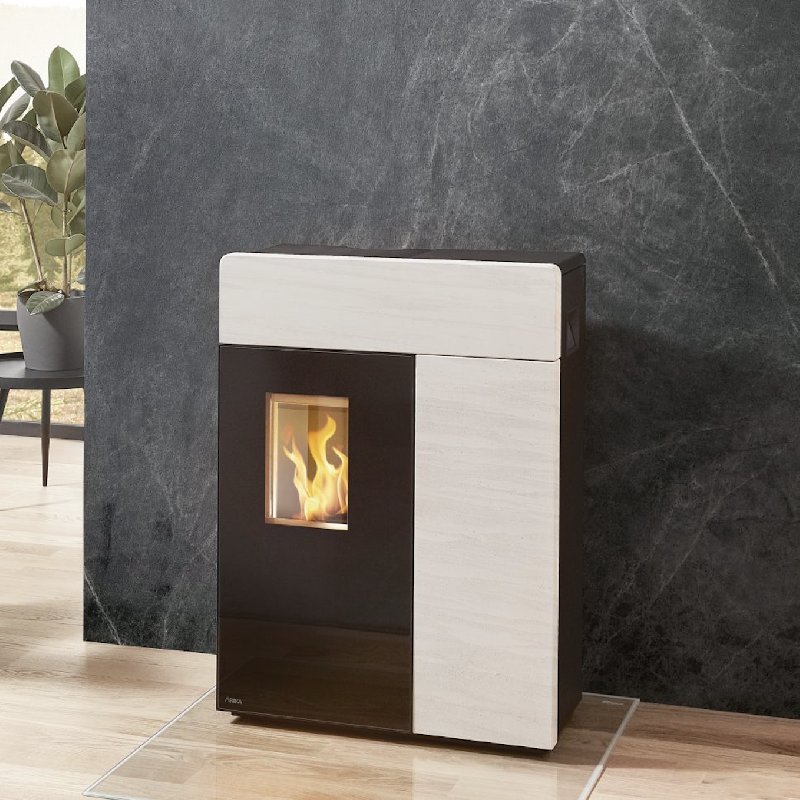
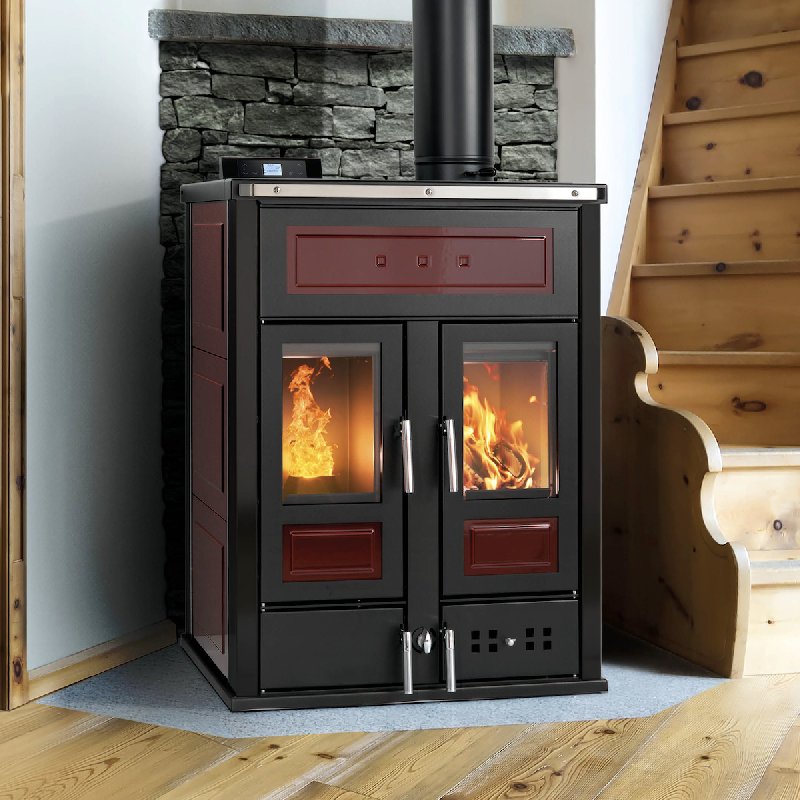
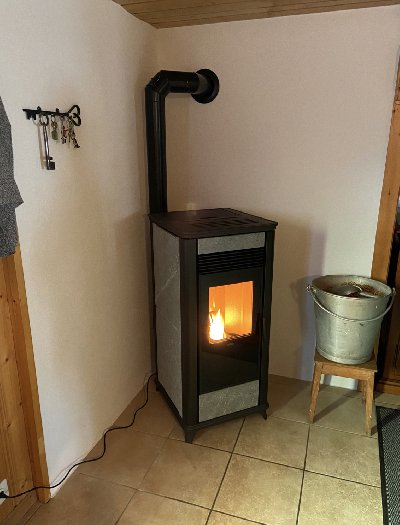
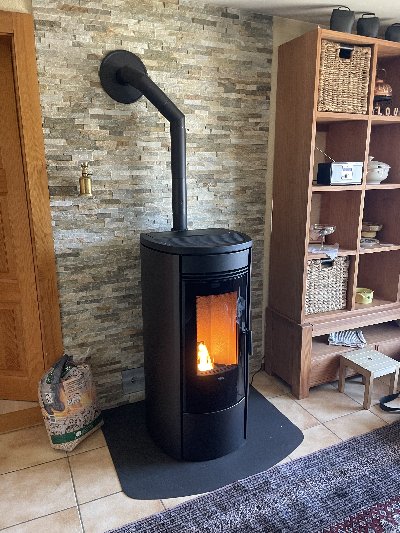
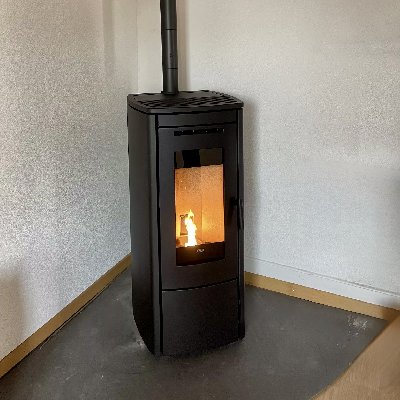
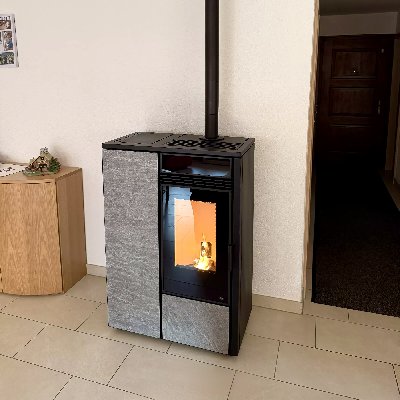
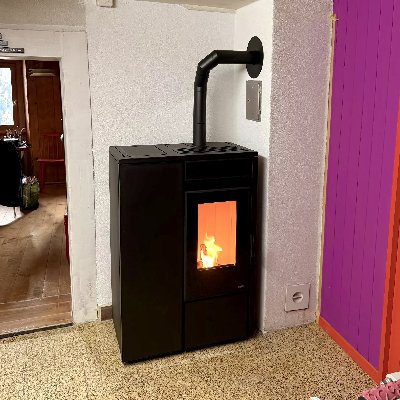
At Carron-Lugon, we help you align fuel costs with a cohesive plan. In particular, you can explore our RIKA Connect Pellet stove and determine whether its features suit your home, your budget, and your lifestyle.
A feasibility study is particularly useful if you’re considering installation in an apartment or if you need to have the flue inspected. The cost of pellets then becomes part of the overall budget, just like the appliance, installation, maintenance, and storage.
Key Takeaways on Pellet Prices
In Switzerland, the price of pellets in 2026 is around CHF 530 per metric ton for a large order, according to the latest monthly survey. However, your actual price will depend on the quantity, packaging, delivery, quality, and your location. To get the best deal, compare comprehensive offers, plan ahead for your needs, and make sure your system is sized appropriately for your consumption.
Take action with Carron-Lugon
Choosing pellets becomes easier once you know your consumption, storage space, and the specifications of your heating system. Whether you’re planning a new project or looking to upgrade your heating solution, we can assist you in assessing your needs, selecting the right model, and evaluating the feasibility of the installation.

You can browse our selection of pellets to better prepare your request. Our advice takes into account your home, your budget, your preferences, and the technical requirements necessary for a suitable installation.
Frequently Asked Questions
What factors influence the price of pellets?
The price depends mainly on the quantity, packaging, quality, delivery, and time of purchase. You should also check for any additional fees related to access, unloading, or filling the storage tank.
Is it better to buy pellets in bags or in bulk?
Bags are suitable if you have limited space or use your stove only occasionally. Bulk pellets may be more convenient for regular use if your home has a suitable silo.
When should you order your pellets?
You can compare offers before the heating season begins, when you still have time to review the delivery terms. Ordering in advance reduces the risk of having to make a rushed decision during a period of high demand.
How do you know which pellet stove is right for you?
You should consider the size of your home, its insulation, the required heat output, your lifestyle, and the available storage space. At Carron-Lugon, our free feasibility study can help you ensure your project is well-planned.
How should you store the pellets?
Store them in a dry, clean space protected from moisture. The bags must remain stable, protected from leaks, and kept away from areas exposed to the elements.