

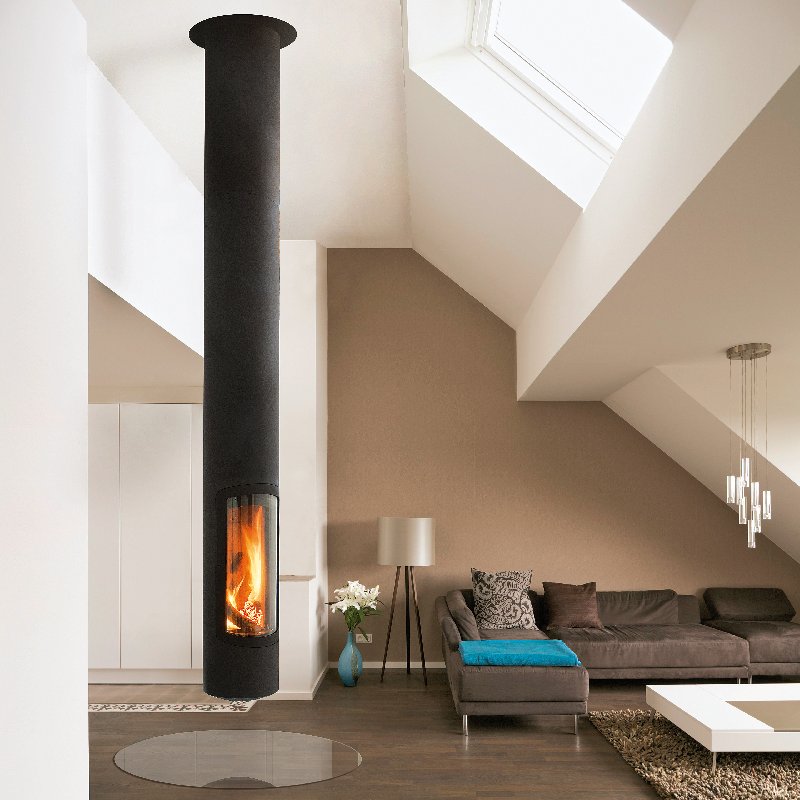
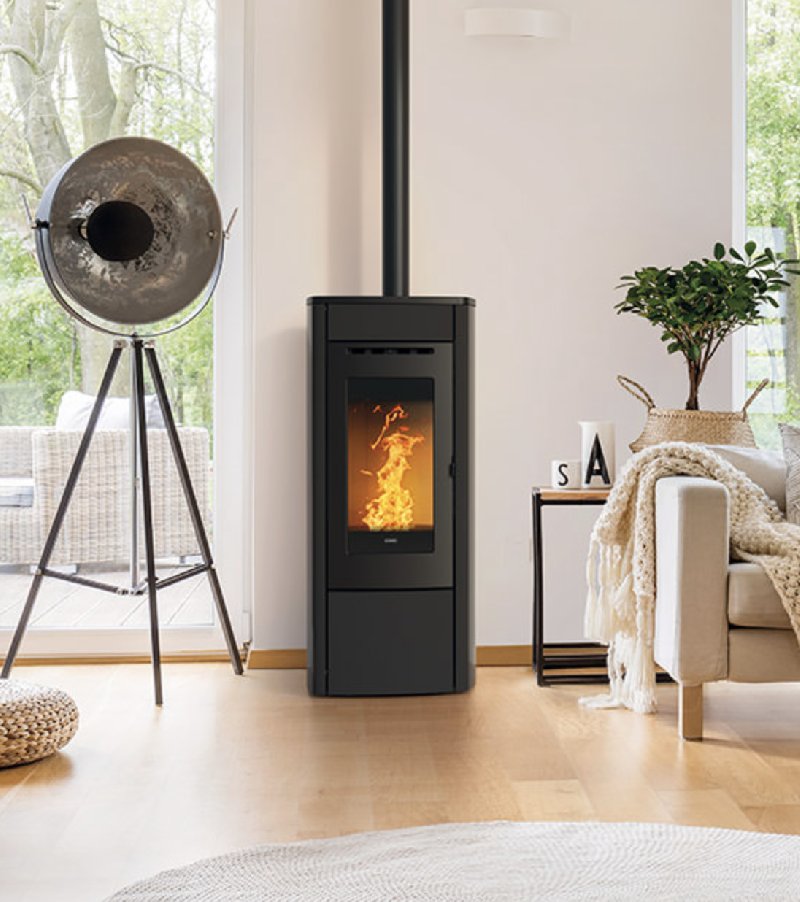
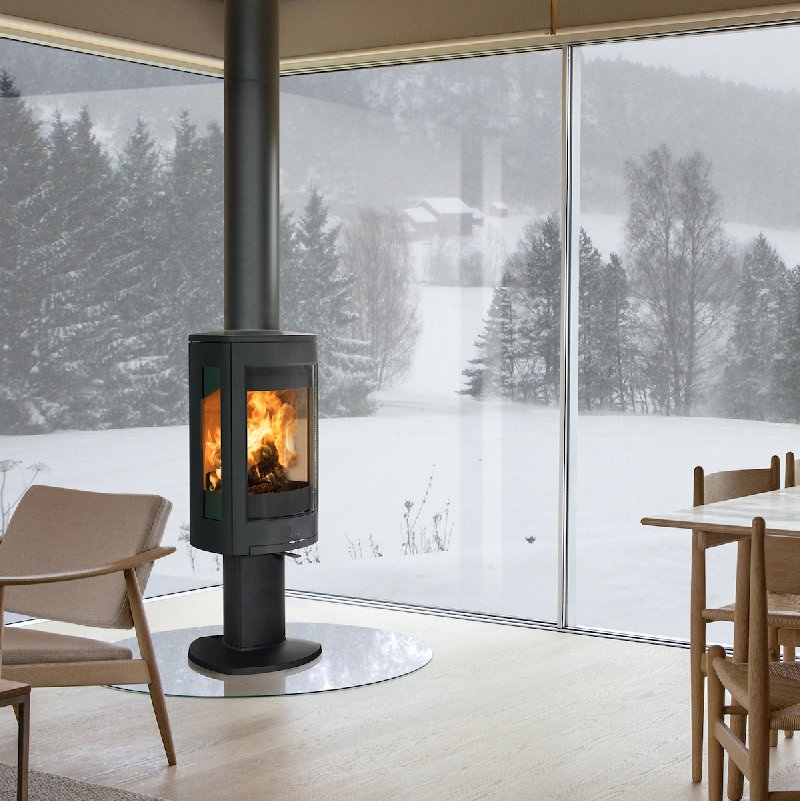
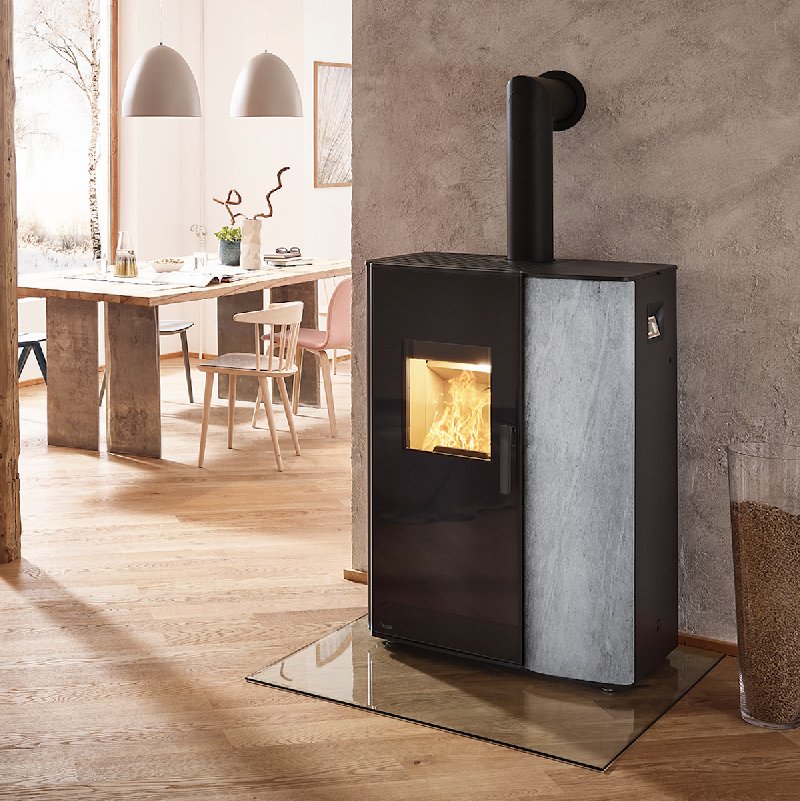
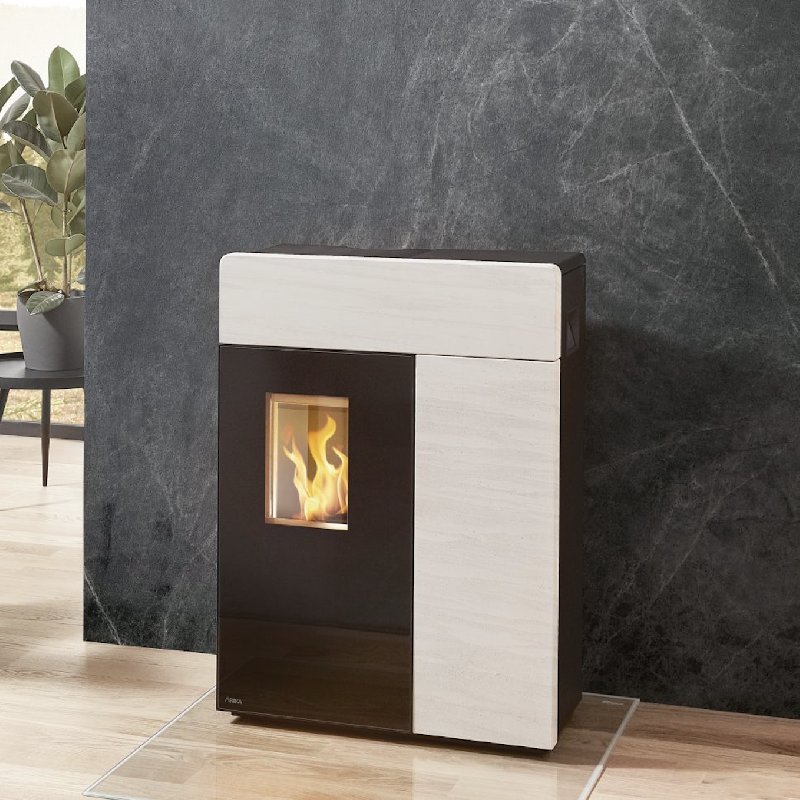
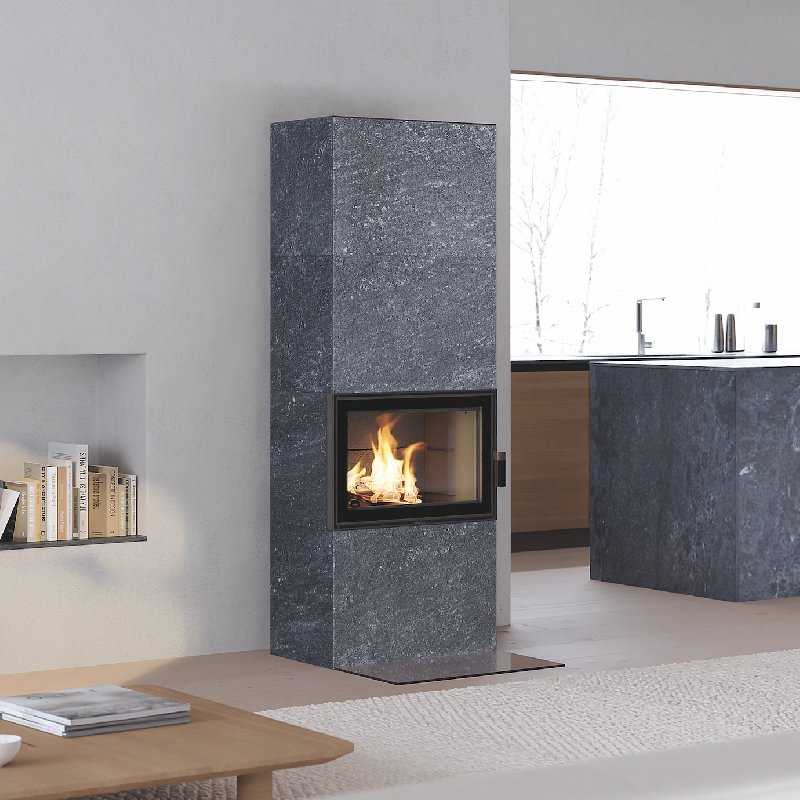
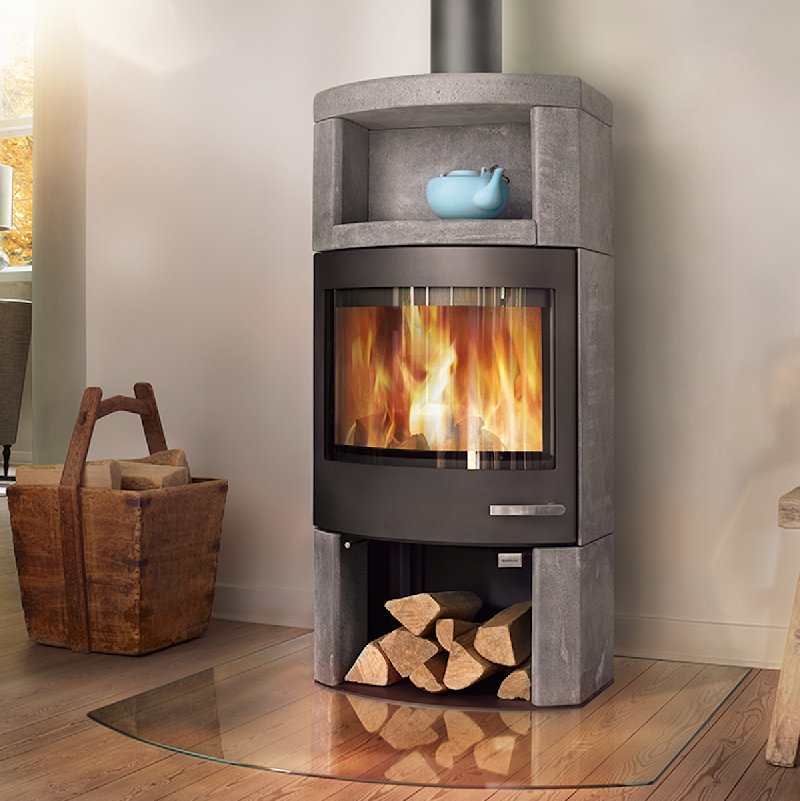
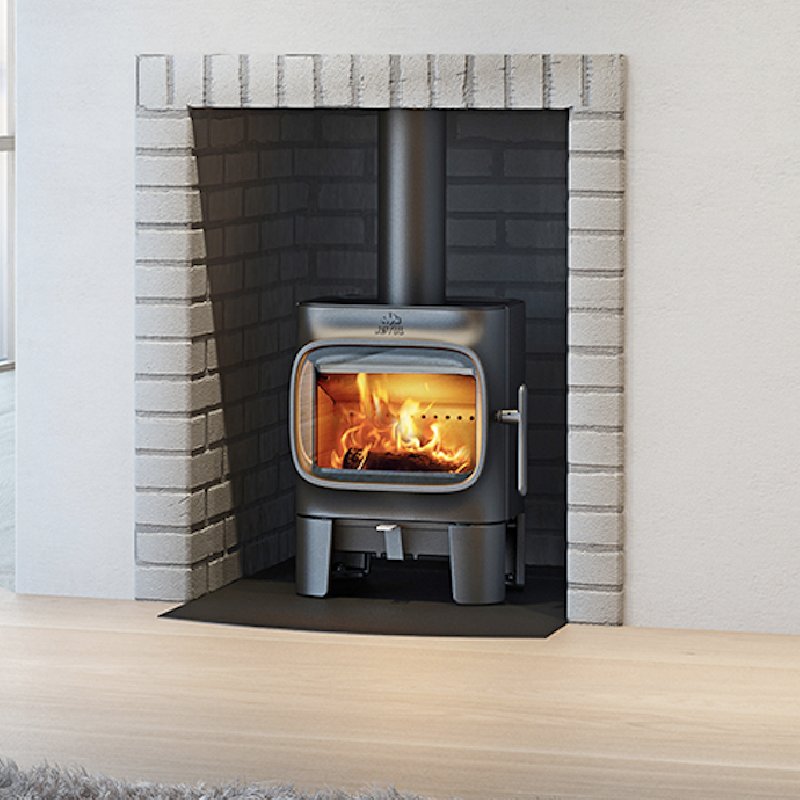
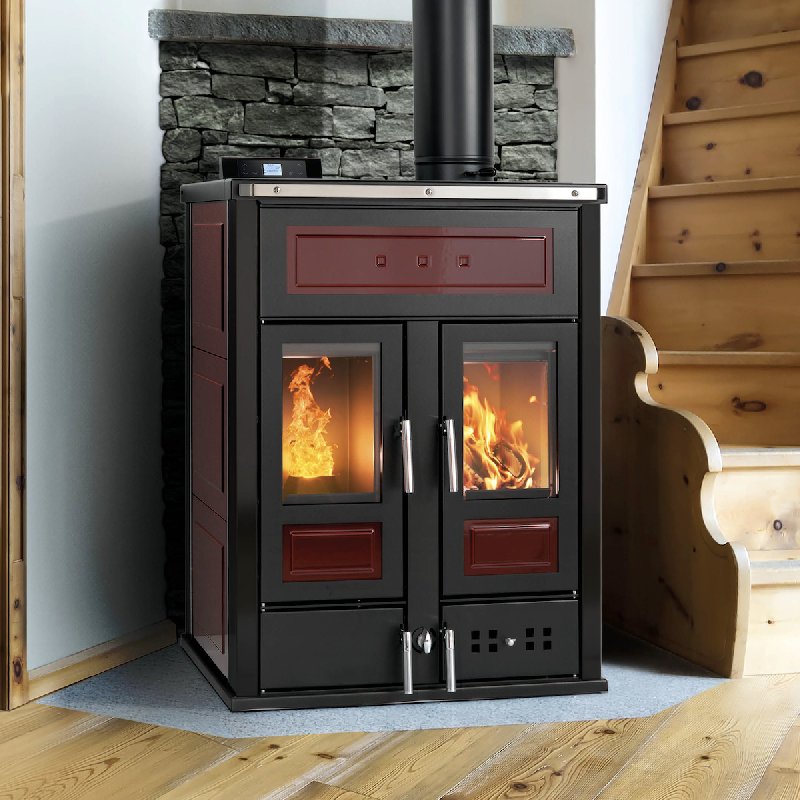
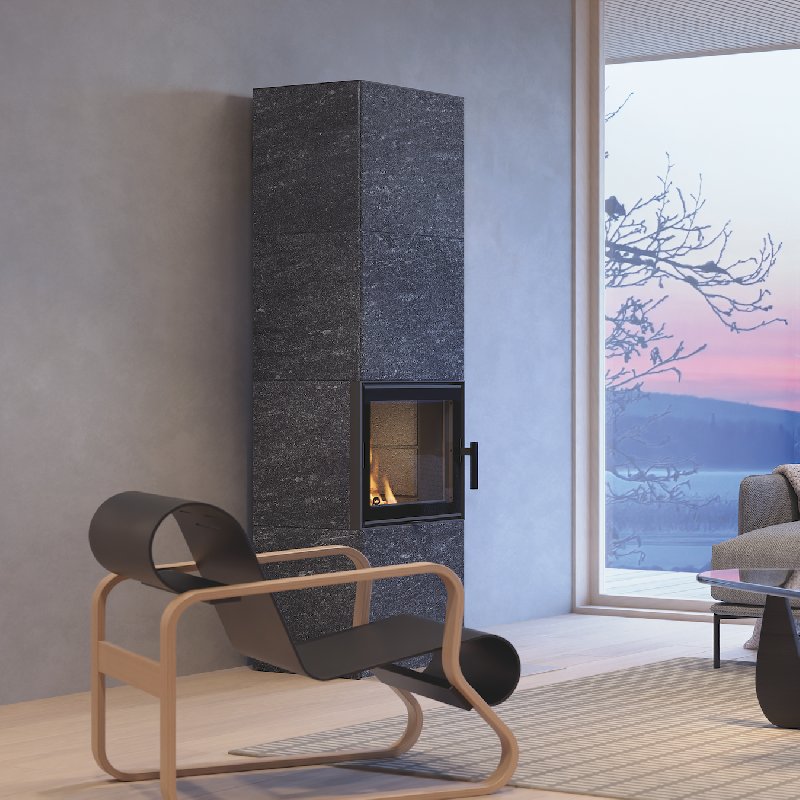
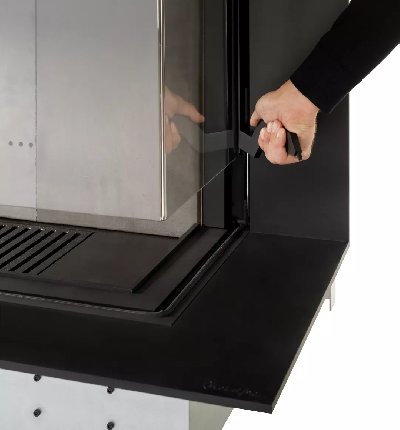

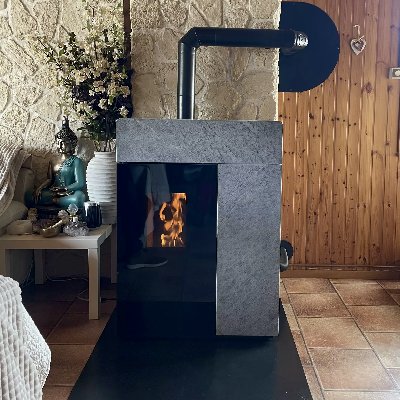
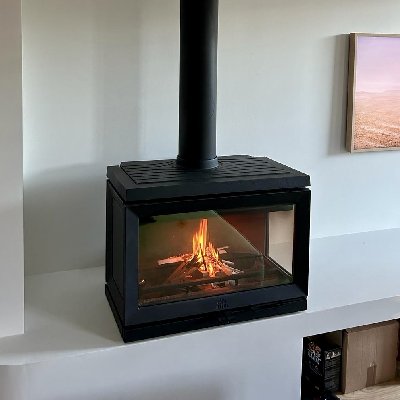
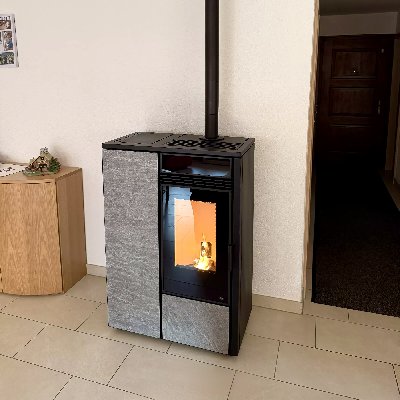
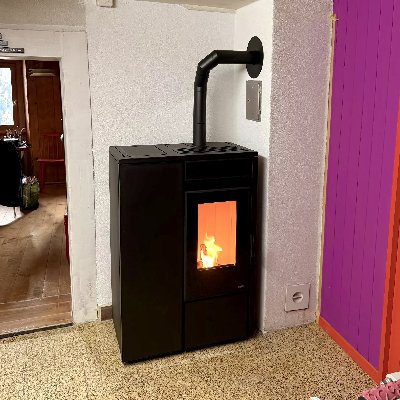

Heating with a local, renewable, and price-stable resource: this is what is driving more and more Swiss homeowners to rethink their heating systems. Pellet heating meets this need perfectly, combining automatic convenience with a low environmental impact. To understand the available options, it’s worth taking a close look at our pellet boilers before starting a project.
Regulatory pressure is accelerating this trend. According to Expert Zoom, the canton of Basel-Landschaft has banned the installation of new oil-fired boilers starting in 2026, while the MoPEC 2025 standards tighten energy requirements for all renovations. In this context, replacing fossil fuels with wood pellets becomes a decision that is both environmentally friendly and cost-effective.
Why Pellet Heating Is Gaining Popularity in 2026
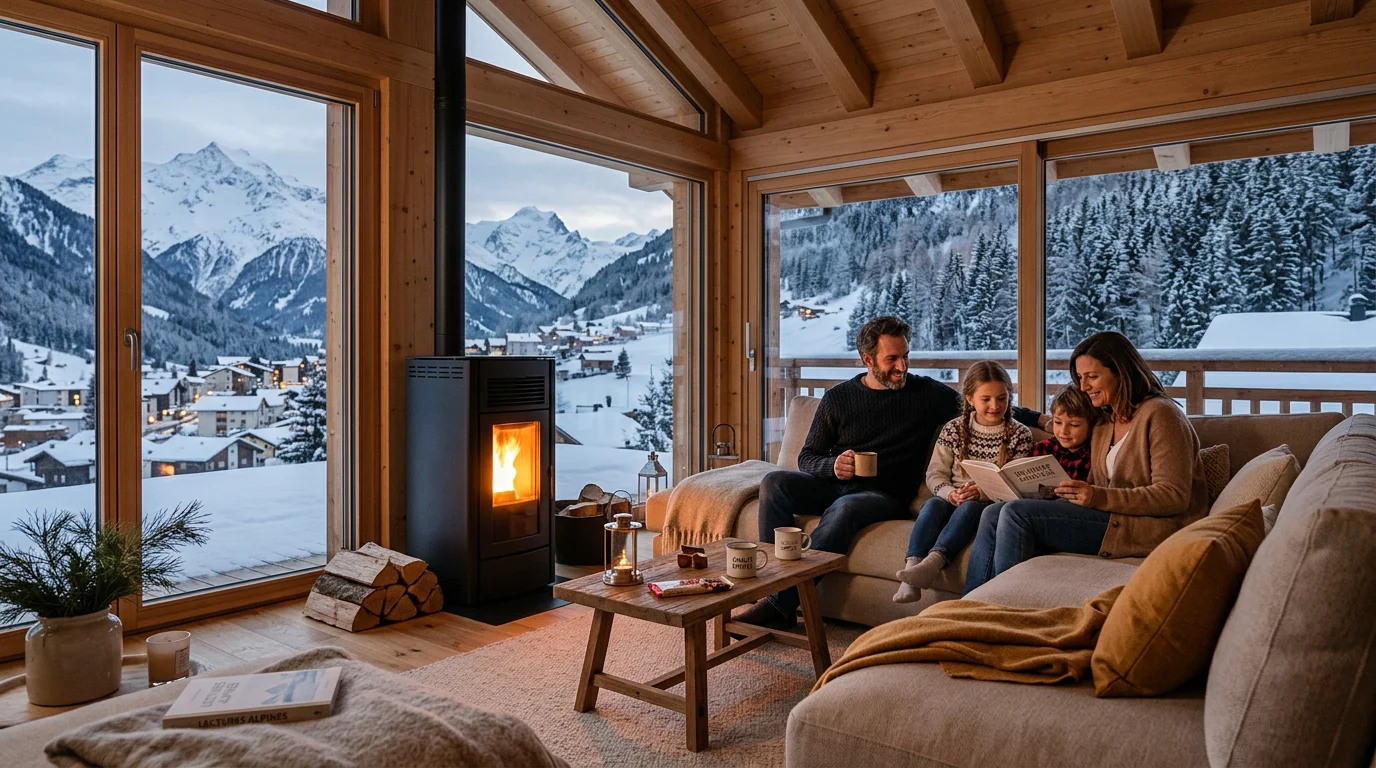
The principle is old, the technology is modern. Long neglected in favor of oil and gas, wood heating is making a strong comeback thanks to fully automated systems. All you have to do is fill the hopper and empty the ashes from time to time.
There are three reasons for this surge in popularity. First,energy independence: pellets are made from Swiss sawmill waste, eliminating the need for long-distance transport. Second, price stability: unlike heating oil, the cost of pellets is largely unaffected by geopolitical tensions. Finally, climate neutrality: when burned, wood releases only the CO₂ it absorbed while growing.
How a pellet heating system works
The operation is similar to that of an oil-fired boiler, with one key difference: the fossil fuel tank is replaced by a supply of pellets. A conveyor system automatically transports the pellets from the silo to the combustion chamber.
Two feeding methods are used. The screw conveyor system pushes the pellets by rotation over a short distance. The suction system, which is more flexible, allows the storage area to be located up to about 40 meters away from the unit. In terms of fuel, a standard pellet has a calorific value of about 5 kWh per kilogram, a moisture content of less than 10%, and a very low ash content.
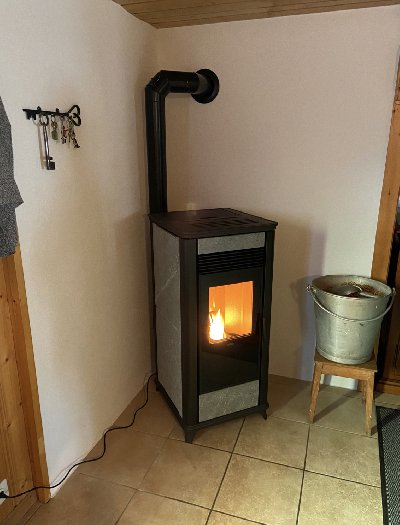
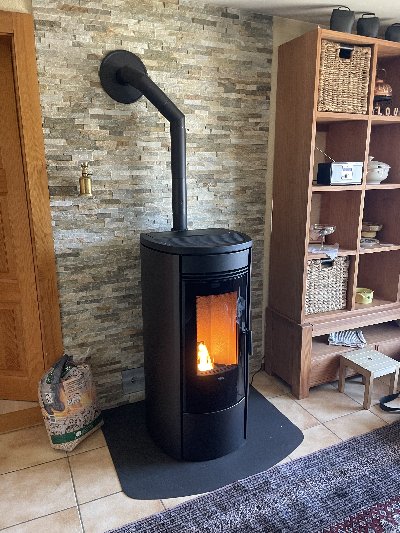
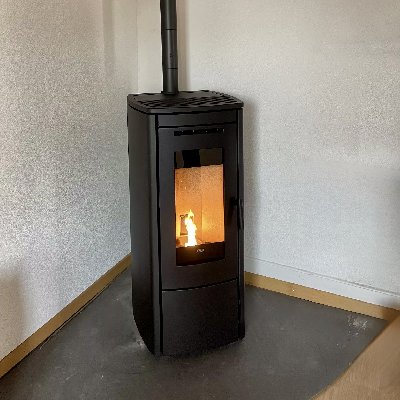
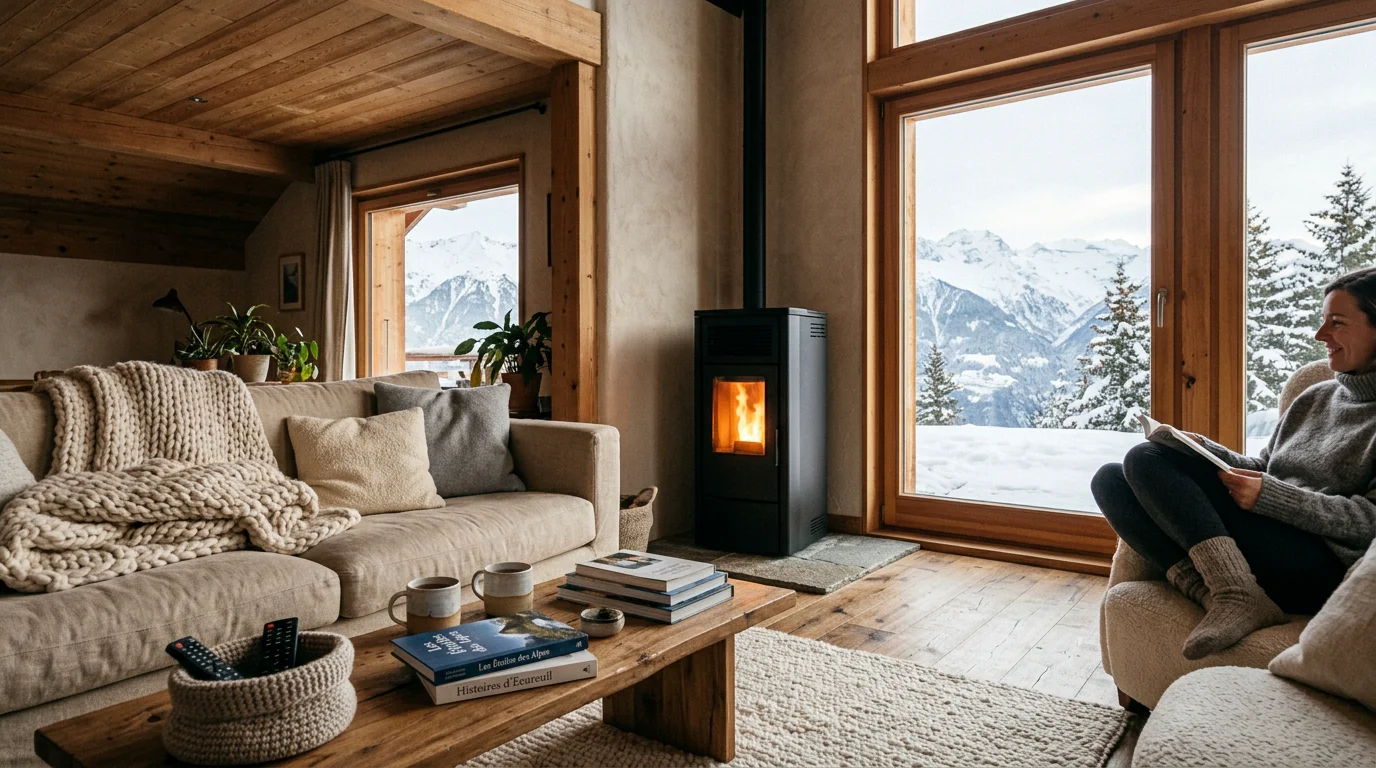
Systems are also categorized by their intended use. A pellet stove heats one or more rooms via hot air or natural convection, whereas a pellet boiler supplies the entire hydronic heating system and domestic hot water, much like a conventional central heating system.
Advantages and Limitations to Be Aware Of
No system is perfect, and making an informed choice requires an honest assessment of both sides of the equation.
Among the advantages: high and consistent efficiency, automatic operation, a regionally sourced fuel with stable prices, and excellent compatibility with older buildings equipped with radiators, as pellets easily provide high flow temperatures.
On the downside: you need to provide storage space for the pellets as well as a flue for exhaust gases, remove ash regularly, and accept a carbon cycle that is longer than that of combustion—an argument often raised by critics. These limitations are particularly significant in new construction, where a heat pump requires neither a chimney nor a storage tank.
Costs, Pellet Prices, and Subsidies in Switzerland
The budget is a decisive factor. The price of fuel remains one of wood’s main selling points: according to data from Expert Zoom, pellets cost around 7 to 9 centimes per kWh over ten years—a level that is significantly more stable than that of heating oil.
The real incentive, however, is the climate bonus. According to the proPellets association, this national subsidy is based on annual energy consumption and amounts to 18 centimes per kilowatt-hour—or approximately 360 francs per kilowatt of capacity for a properly sized boiler. In addition, there are supplementary incentives: the myclimate foundation notes that subsidies generally cover 10 to 30% of the investment cost of heating system retrofits.
When properly planned, a wood-fired heating system combines environmental benefits with long-term economic advantages, provided that the necessary steps are taken before ordering the installation.
Cantonal Subsidies: The Case of Vaud
Beyond national programs, each canton sets its own subsidy rates, which explains why amounts vary significantly from one region to another. Combining subsidies from different programs is generally not possible, and the application must always be submitted before work begins.
In the canton of Vaud, the Vaud government supports the installation of a pellet boiler or stove with a daily storage tank, provided that it serves as the primary heating source, replacing an oil, gas, or electric system, and that 100% of the heating needs are met by renewable energy sources. According to the rates in effect in 2025, this subsidy could amount to several thousand francs. Homeowners in Valais and Geneva have access to separate programs; they should check with their local municipality before making any commitments.
Storing and Preserving Your Pellets Properly
The performance of your system also depends on the quality of the fuel at the time of combustion. A damp pellet loses its calorific value and causes more buildup in the appliance.
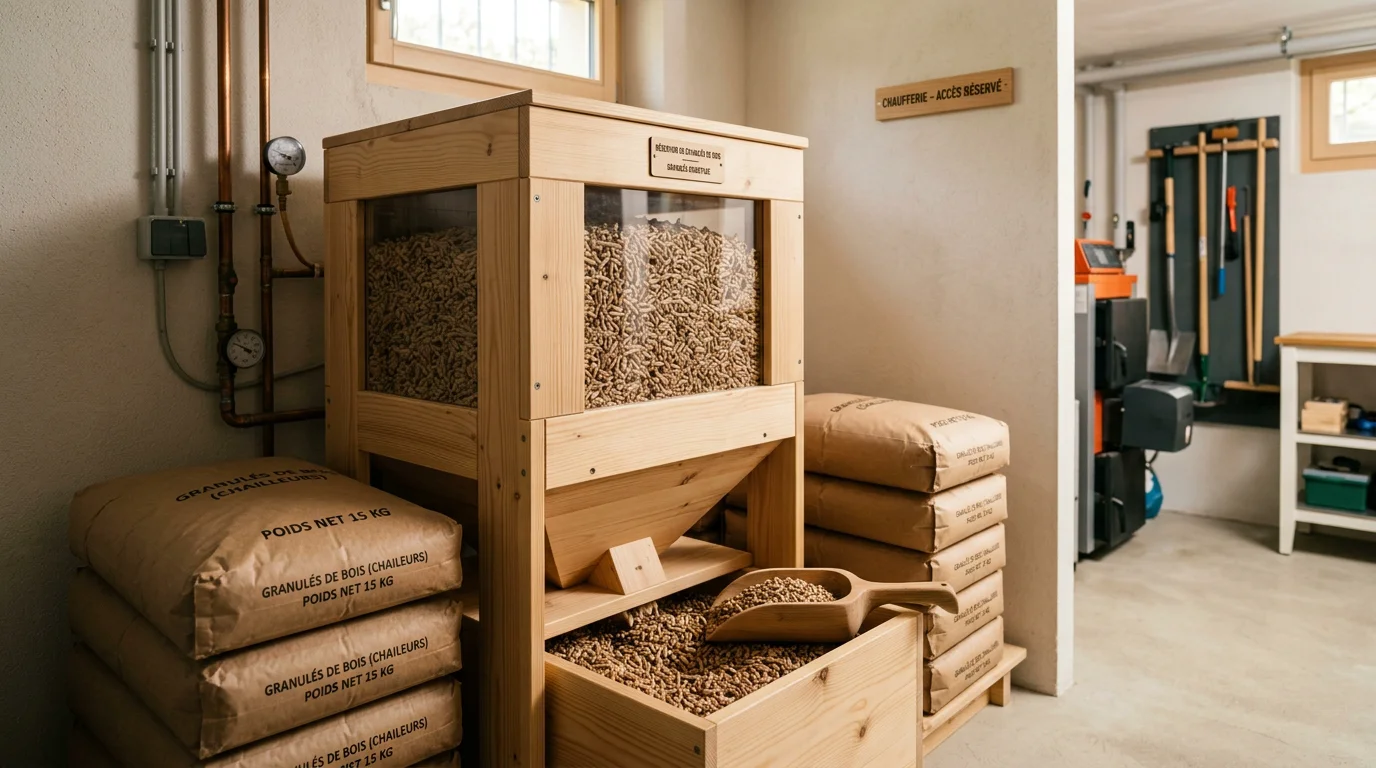
There are many storage solutions available: ready-to-use fabric silos, sloped-floor storage rooms, metal bins, underground silos in the garden, or simple weekly storage bins filled from bags. Up to 6.5 metric tons of pellets can be stored without special fire safety measures. The key is to keep the pellets dry and protected from moisture. For more information on best practices, see our guide to pellet storage and preservation.
Stove or Boiler: How to Choose Your Solution
The right choice depends on the area to be heated, the condition of the building, and your hot water needs. A stove is suitable for a single room or as a supplemental heat source; a boiler is necessary to heat an entire house.
| Criterion | Pellet Stove | Pellet Boiler | Support from Carron-Lugon |
|---|---|---|---|
| Usage | 1 to 3 rooms | Entire house + hot water | Free needs assessment based on blueprints or on-site |
| Installation | Quick, as a replacement for a chimney | Plumbing system, dedicated storage tank | Site management and coordination of trades |
| Renovation | Addition to an existing system | Replacement of oil or gas system | Dismantling of the old system and restoration |
| Follow-up | Routine maintenance | Regular maintenance | In-house after-sales service for pellet, wood, and gas appliances |
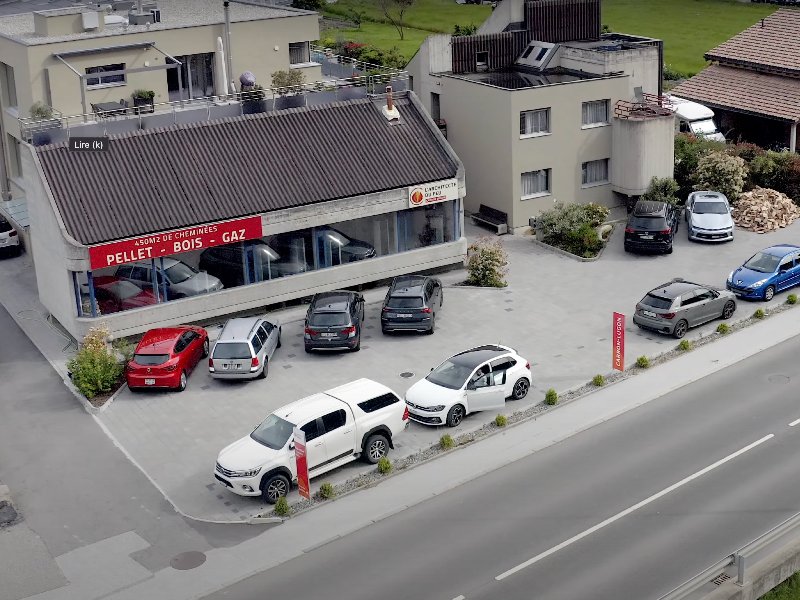
Whether you’re still deciding between a stove and a boiler, we’ll help you choose the solution that best fits your needs with a free, no-obligation visit to our showrooms in Fully and Etoy or right at your home.
Installation, Commissioning, and Maintenance
A professional installation makes all the difference. Our installation teams protect your home, handle the removal of your old heating system if necessary, and take care of any tiling, plastering, and painting before cleaning up the work site.
Next comes the key step of calibration. Careful commissioning is essential for the unit’s efficiency and longevity: combustion settings, safety tests, and familiarization with the control app. To learn about the specific steps, refer to our documentation on commissioning a pellet stove. Afterward, regular maintenance ensures the stove operates in accordance with specifications and prevents breakdowns during the winter.
Conclusion
By 2026, wood pellet heating will have established itself as a credible alternative to fossil fuels: high efficiency, locally sourced fuel at a stable price of around 7 to 9 cents per kWh, and subsidies that can cover 10 to 30% of the investment. The best advice is to plan ahead: always submit your grant application before placing an order, and have the system sized by a professional to avoid over- or under-sizing. Our comprehensive support—from a free needs assessment to in-house after-sales service—transforms a technical project into a stress-free experience with no unpleasant surprises. To take concrete steps forward, schedule our pellet stove installation service and begin your transition with confidence.
Frequently Asked Questions
Is a pellet heating system truly eco-friendly?
Yes, because burning pellets releases only the CO₂ absorbed by the tree during its growth. Made from Swiss wood residues, pellets eliminate the need for long-distance transportation and have a much better carbon footprint than heating oil or natural gas.
How much space do I need for storage?
That depends on the solution you choose: a fabric silo, a dedicated storage room, a metal storage unit, or an underground silo. You can store up to 6.5 metric tons of pellets without special fire safety measures. During a free consultation, we’ll assess the best setup for your basement.
Can I replace my open fireplace with a pellet stove?
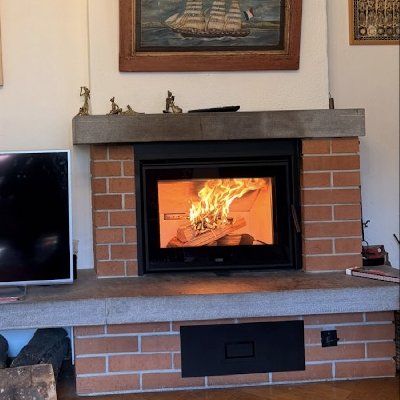
Absolutely. A pellet stove can be installed to replace or supplement an open fireplace or an existing heating system. Our teams handle the removal, restoration, and commissioning to ensure a smooth and quick transition.