

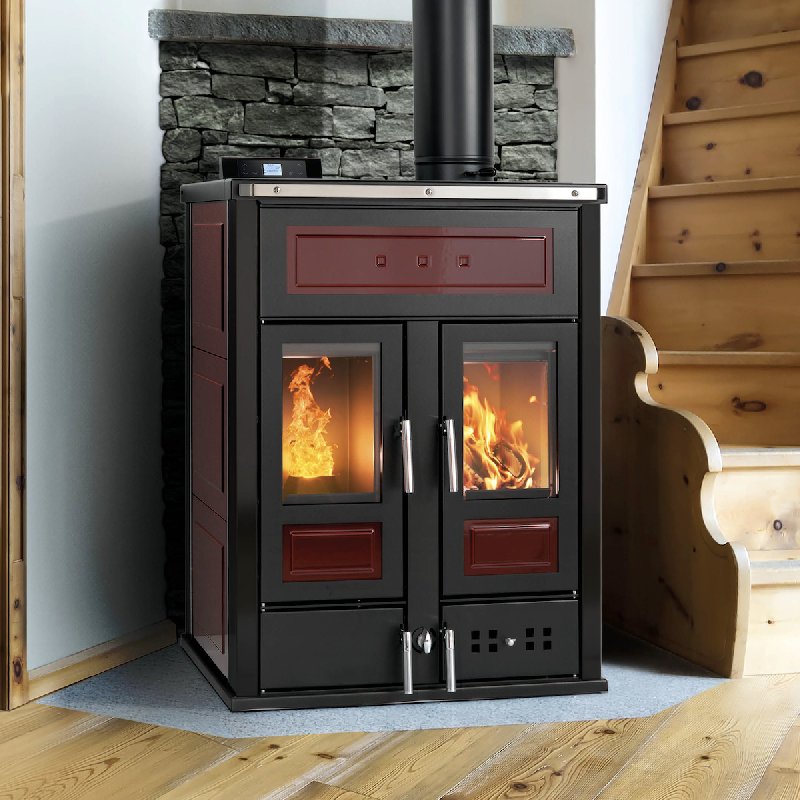
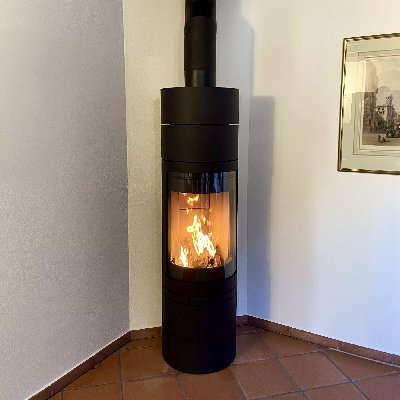
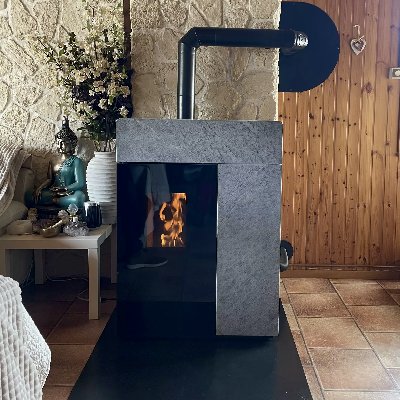
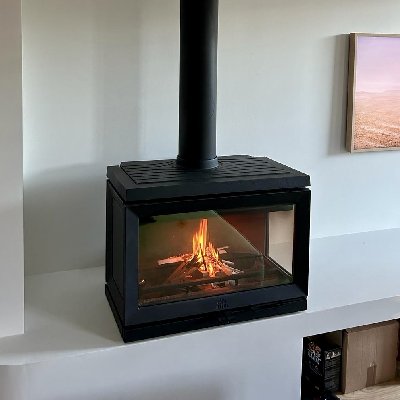
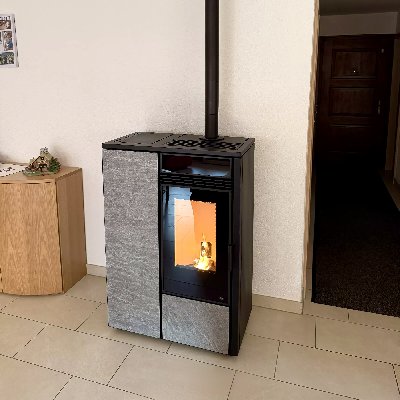
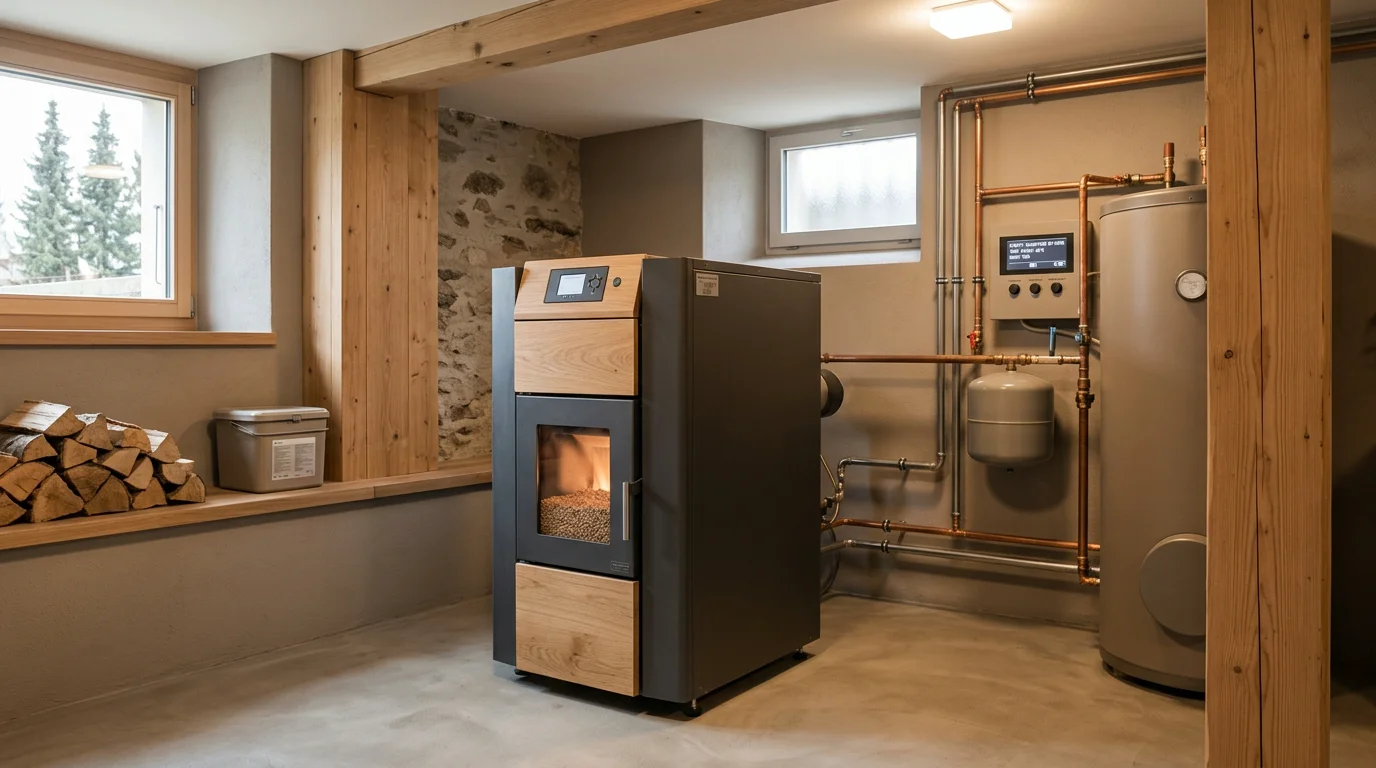
Heating accounts for approximately 40% of CO₂ emissions in Switzerland, and replacing an old oil-fired system is both an environmentally friendly and economical decision. A pellet boiler addresses this challenge precisely by combining automatic comfort with carbon-neutral fuel. To evaluate such a project with confidence, you can rely on our range of pellet boilers and our local support.
However, it’s important to understand how this technology works, what it actually costs, and how much storage space it requires. The fuel itself is also worth considering: according to proPellets.ch, the embodied energy of a pellet boiler is only 21%, compared to 100% for fossil fuel systems. That’s why this heating method is attracting more and more homeowners in French-speaking Switzerland.
How Does a Pellet Boiler Work?
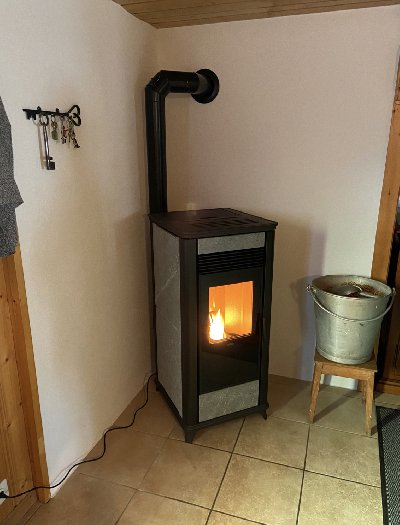
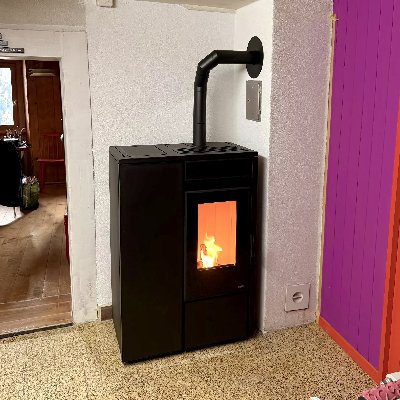
The principle is simple: small sticks of compressed wood are fed into a combustion chamber, where an automatic ignition system starts the heating process as soon as heat is needed. A lambda probe and temperature sensors monitor the combustion to ensure it is complete and efficient. The heat produced then passes through a heat exchanger and into your heating system and domestic hot water supply.
There are two main types of systems. Semi-automatic systems require you to manually fill a daily or weekly hopper from bags. Fully automatic systems, on the other hand, transport the fuel from the silo without any intervention, using a screw conveyor or a vacuum system.
Auger or Vacuum System?
The auger conveys the pellets through rotation, like a drill: it’s robust but not very flexible, and requires a short distance between the storage silo and the boiler. The suction system, which is more flexible, can handle a distance of up to 40 meters between the silo and the boiler. The choice depends mainly on the layout of your basement.
The Environmental and Economic Benefits of Wood
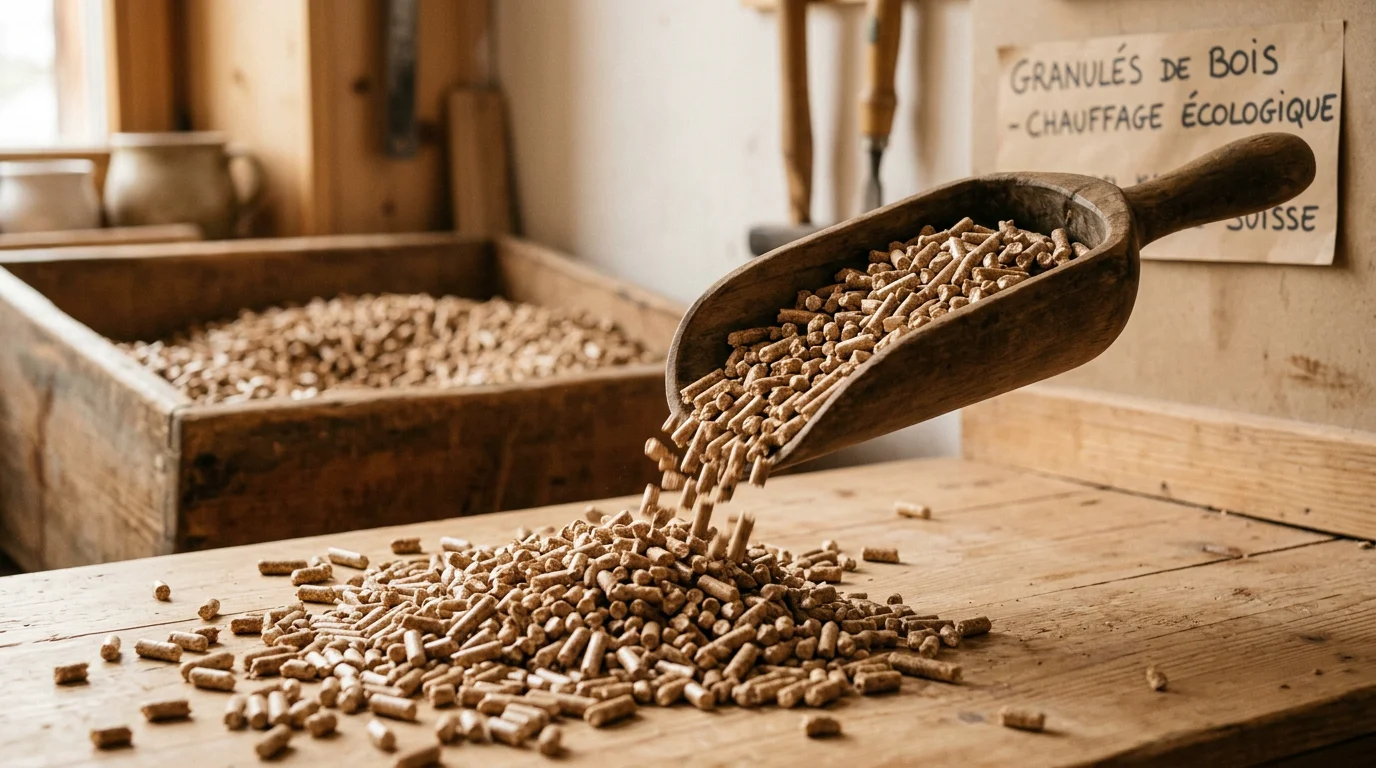
The first advantage lies in the fuel itself. Pellets are made from sawmill residues, which are dried and then compressed without additives. When burned, they release only the CO₂ absorbed by the tree during its growth: the carbon footprint is therefore balanced. One kilogram of pellets contains approximately 4.8 kWh of energy, a remarkable energy density.
The second advantage is price stability. Unlike heating oil, which is subject to geopolitical tensions, the price of wood pellets remains largely regional. According to proPellets.ch, the price has remained between 7 and 9 centimes per kWh over the past ten years. This predictability facilitates long-term budget planning, a decisive factor for many Swiss households.
Finally, maintenance is minimal: with high-quality pellets certified to ENplus or DINplus standards, the ash tray generally needs to be emptied only once or twice a year. To ensure this efficiency, fuel quality is crucial; that’s why we offer heating pellets that meet current standards.
How much does pellet heating cost?
The cost of an installation depends on the output, the model, and the storage requirements. Added to this is the price of the fuel, which is subject to seasonal fluctuations but remains moderate overall. However, the 2022 energy crisis left a lasting impression: according to the Swiss Solar Energy Society, the price of a metric ton of pellets peaked at 661.30 CHF in October 2022, before falling sharply in the following months.
This spike was driven by exceptional demand: in 2022, the Swiss Wood Heating Association recorded a roughly 30% increase in pellet system installations compared to the previous year. Since then, prices have stabilized. According to independent data published by pelletpreis.ch, the average price in Switzerland fell back to around 457 CHF per metric ton in January 2025, far from the crisis highs.
For a single-family home consuming the equivalent of 2,000 liters of heating oil, expect an annual energy requirement of about 20,000 kWh, or nearly 4 metric tons of pellets. Over time, the additional cost of purchasing a pellet boiler pays for itself thanks to energy prices that are lower than those of fossil fuels.
Pellet storage: a key aspect of the project
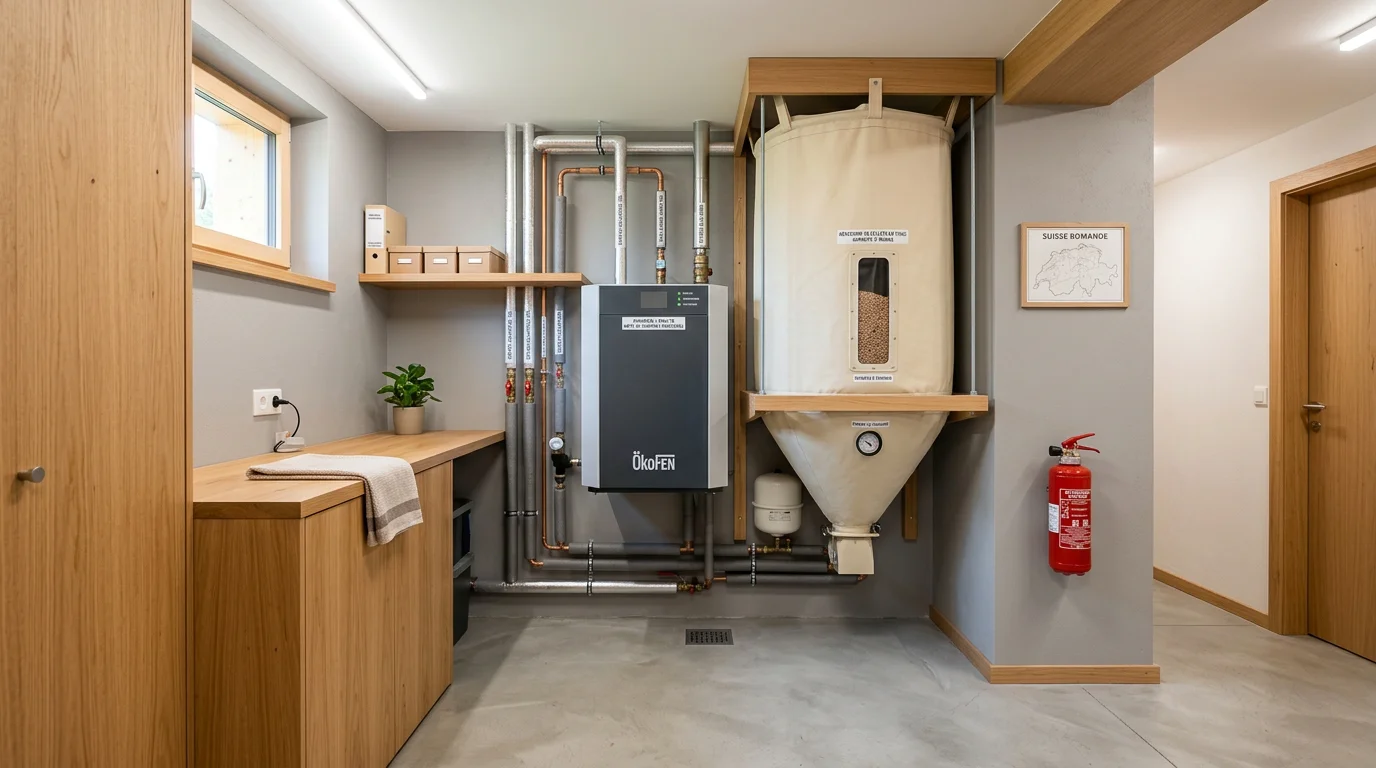
A pellet boiler always requires a storage area. The good news is that it takes up about the same amount of space as an old heating oil tank, whose location can often be reused after a renovation. It’s possible to store up to 6.5 metric tons of pellets without any special fire safety measures.
Several solutions are available depending on the layout of your space:
- Fabric silo: ready to use, available in capacities from 2 to 8 metric tons, and can be installed in the boiler room or an adjacent room.
- Silo with an auger or inclined chutes: suitable for long, narrow spaces; it empties completely.
- Underground silo: ideal when no indoor space is available; buried in the yard or under the entrance.
- Metal storage box or weekly storage tank: convenient for smaller needs, filled from bags.
In all cases, the storage area must remain completely dry: excessive moisture causes the pellets to swell and impairs combustion. Access from the outside is also essential, and the distance to the road must not exceed 30 meters to allow for delivery by silo truck. To preserve the quality of your fuel, consult our guide on storing and preserving pellets.
Choose the Right Size and Buy at the Right Time
A boiler is only efficient if it matches the building’s heating needs. If undersized, it struggles to heat the space; if oversized, it unnecessarily drives up your bill. An older, unrenovated building requires more heating capacity than a new construction. A heating load calculation, performed by a professional, helps determine the exact capacity needed.
The timing of your purchase also matters. The pellet market is highly seasonal: according to a comparison published in 2026, outside of a crisis, there is a 15–20% price difference between the winter peak and the spring low. Buying your supply in the spring or early summer, when demand drops, is therefore the most cost-effective strategy. It’s also the ideal time to have the system installed, outside of the heating season.
Subsidies and the Energy Transition in Switzerland
Replacing a fossil-fuel heating system with a renewable solution makes you eligible for attractive financial incentives. The Energie Zukunft Schweiz incentive program, which applies throughout Switzerland, supports the replacement of heating systems, supplemented by cantonal programs and tax deductions that vary from one municipality to another.
Beyond the financial aspect, choosing wood pellets strengthens energy independence: the fuel is locally sourced from Swiss forests, eliminating the need for long-distance transport. Each installation thus helps prevent several metric tons of CO₂ emissions per year while supporting the local wood industry. However, a successful project requires proper sizing, adequate storage, and careful installation—three areas where expert guidance makes all the difference.
Frequently Asked Questions
Does a pellet boiler create a lot of dust?
No. Delivery is made by a silo truck that blows the pellets directly into the storage room, without any manual handling. With a closed system and certified pellets, dust production in the basement remains minimal.
What is the difference between A1, A2, and B pellets?
These classes are based on the SN EN ISO 17225-2 standard. Class A1 offers the highest quality for residential use; A2 is slightly lower in quality; and Class B is reserved for industrial applications. Always choose A1 pellets for your home heating system.
Can the space where an old oil tank used to be be reused?
Yes, in fact, it’s quite common. After the tank is removed, the space it occupied is often used to house a pellet silo. We’ll assess your setup for free during a site visit to determine the best solution for your basement.
Conclusion
Heating with pellets combines the convenience of an automated system with a renewable fuel whose price has remained stable—between 7 and 9 centimes per kWh over the past ten years. The success of your project rests on three pillars: precise sizing, dry and well-planned storage, and a clean installation. Planning your purchase in the spring and choosing certified pellets will ensure a worry-free winter. At every stage, our team supports you with a free, no-obligation on-site visit—from initial consultation through after-sales service. To bring your project to life with confidence, explore our certified heating pellets and let’s discuss your installation together.