

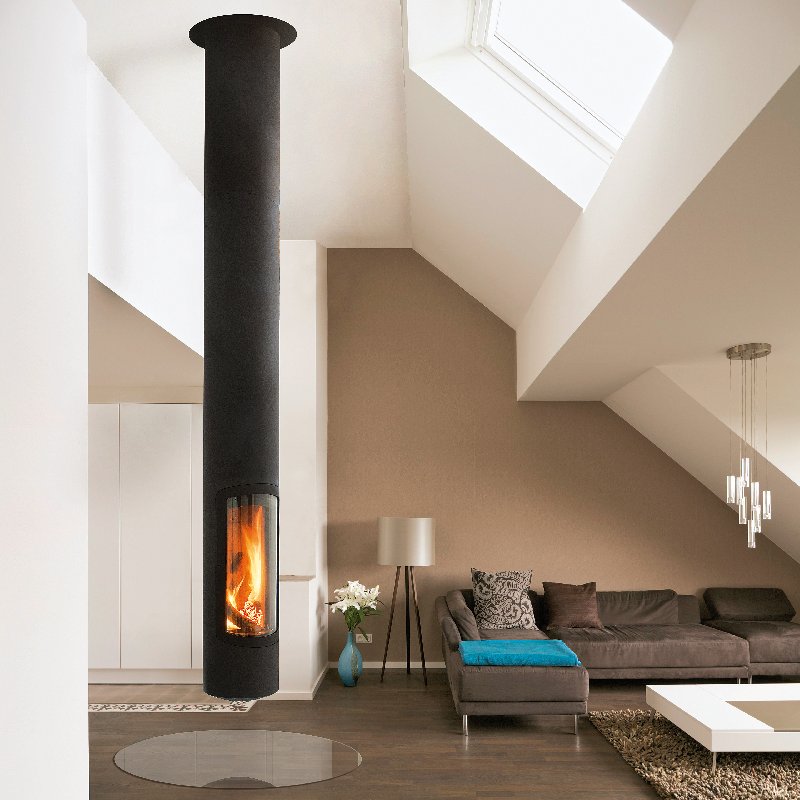
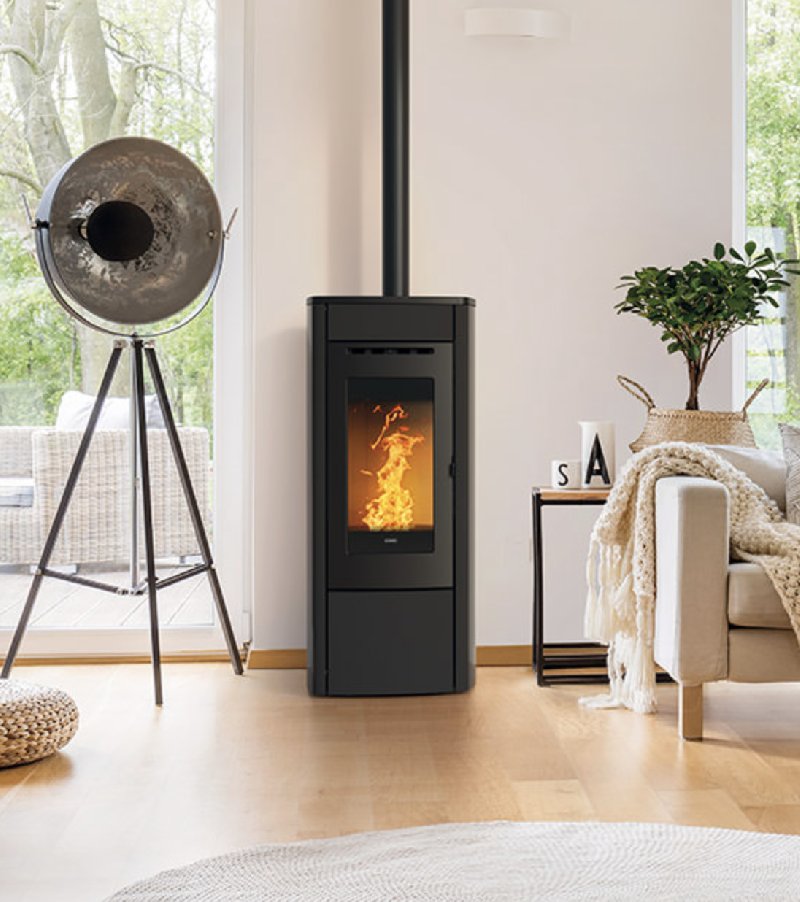
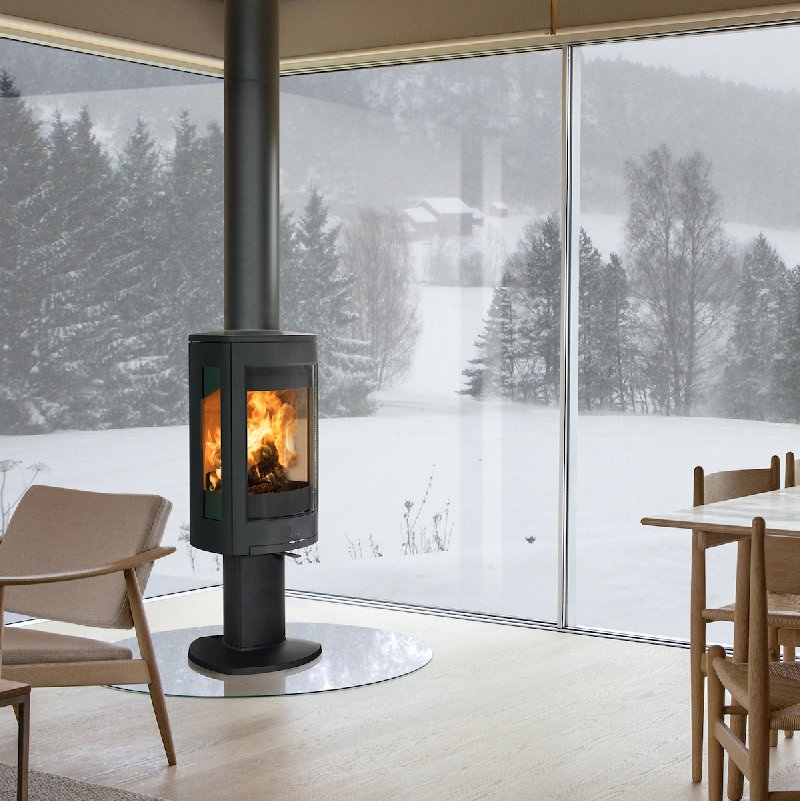
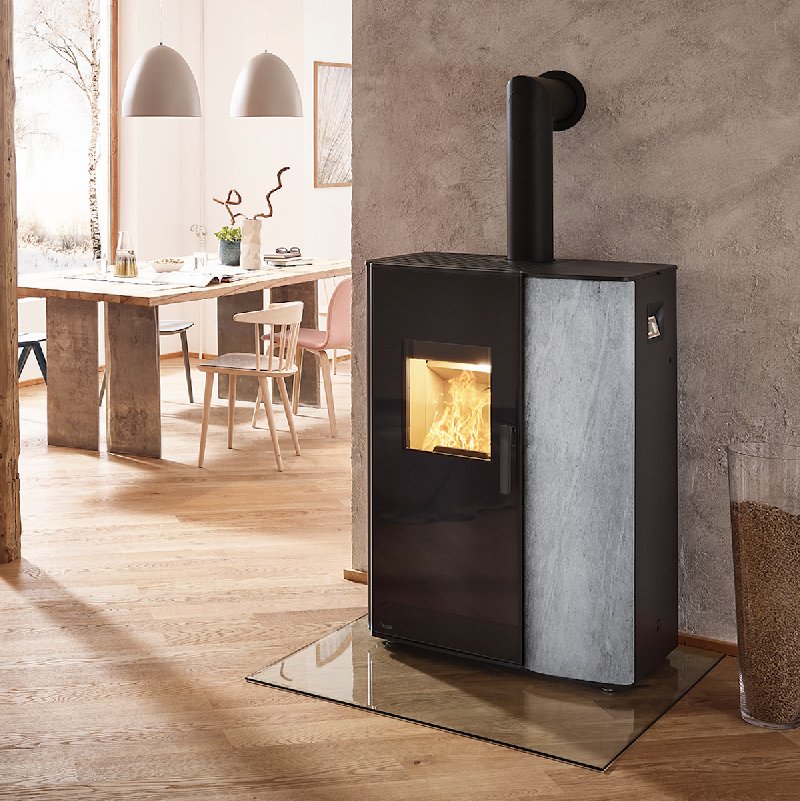
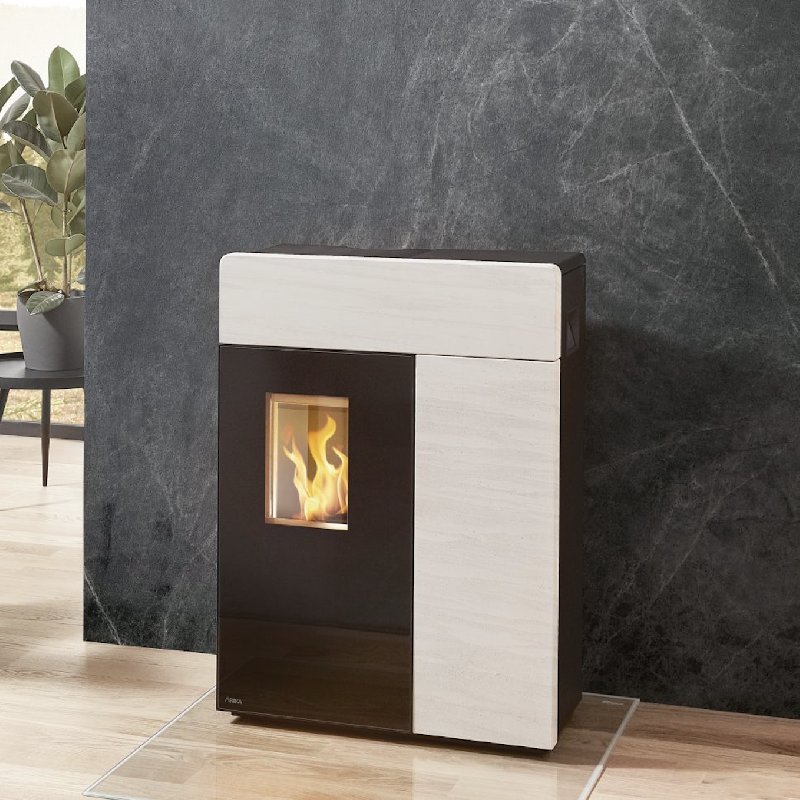
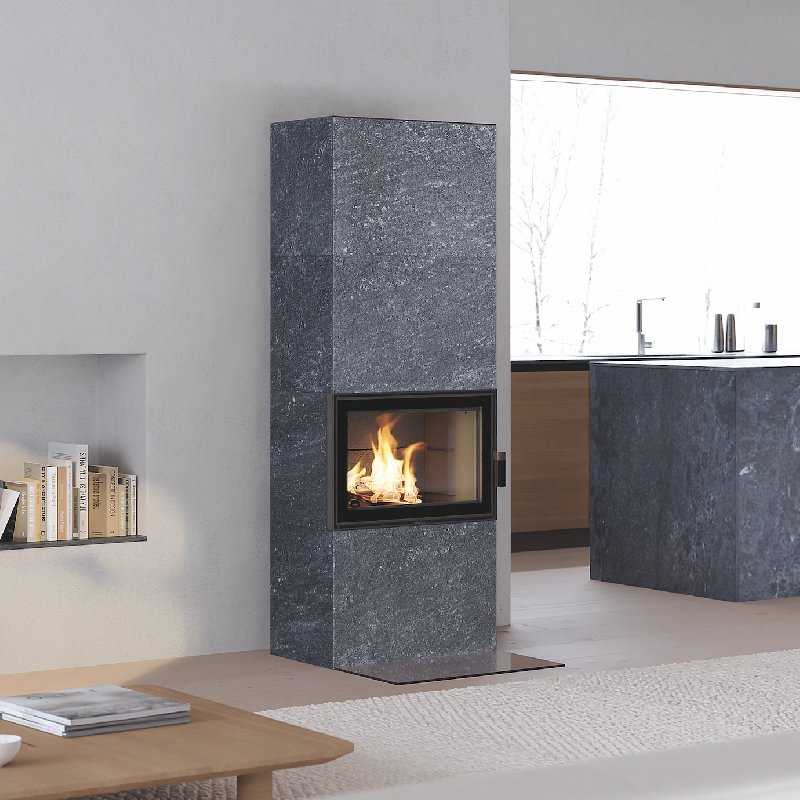
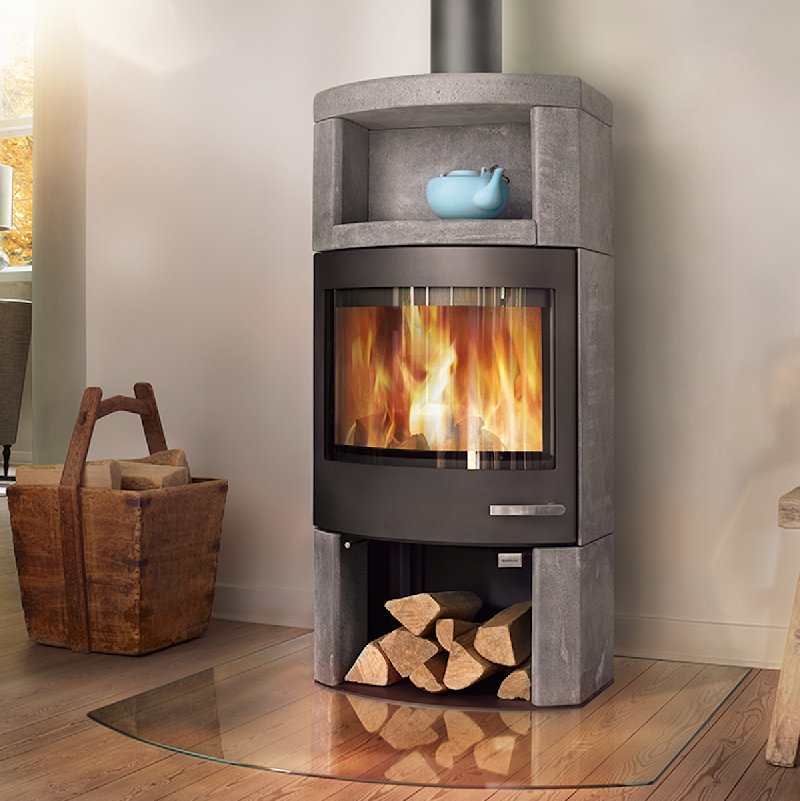
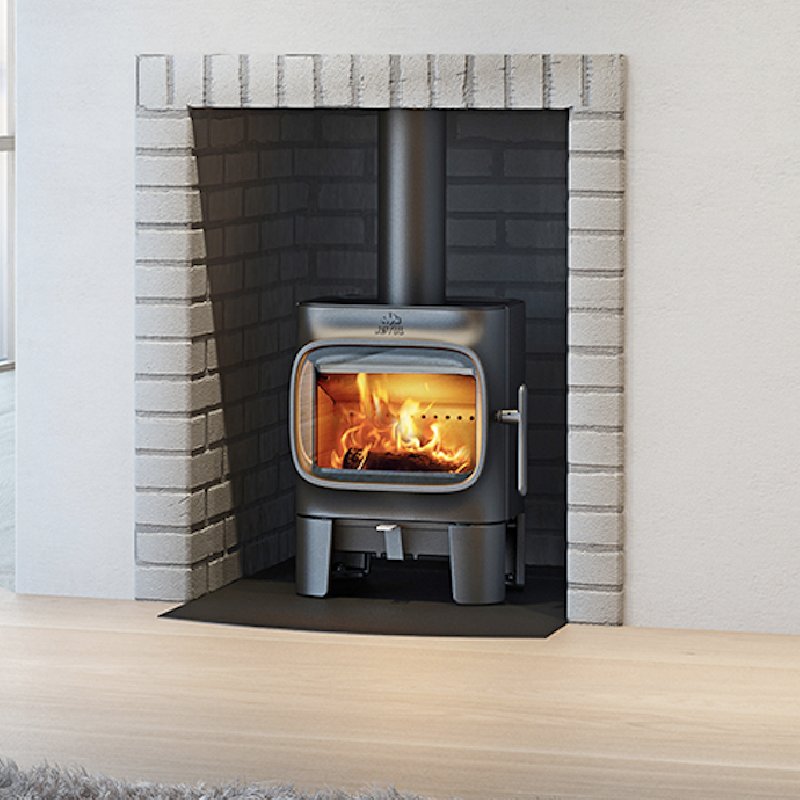
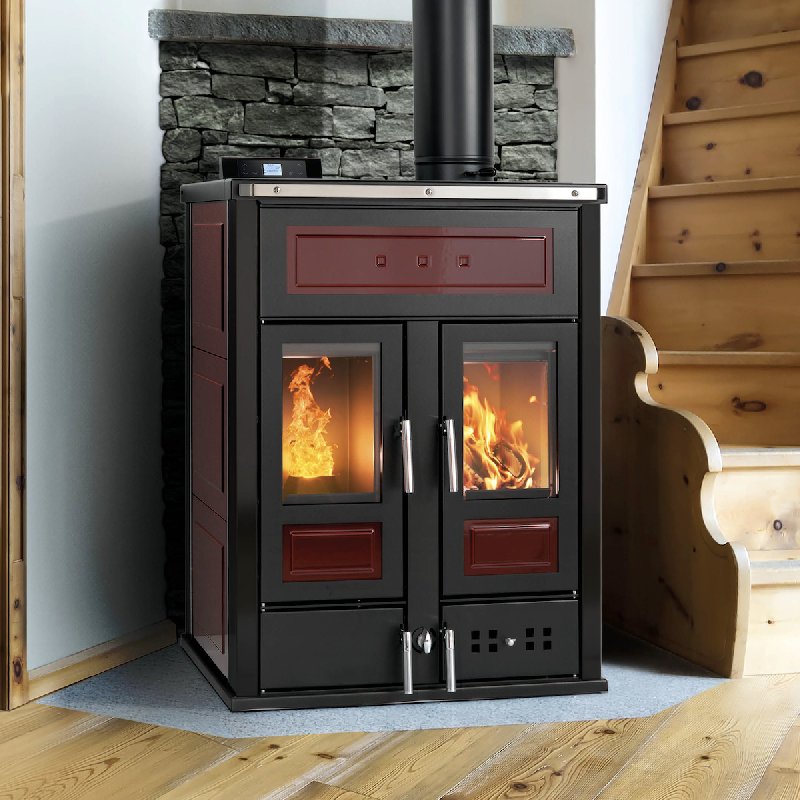
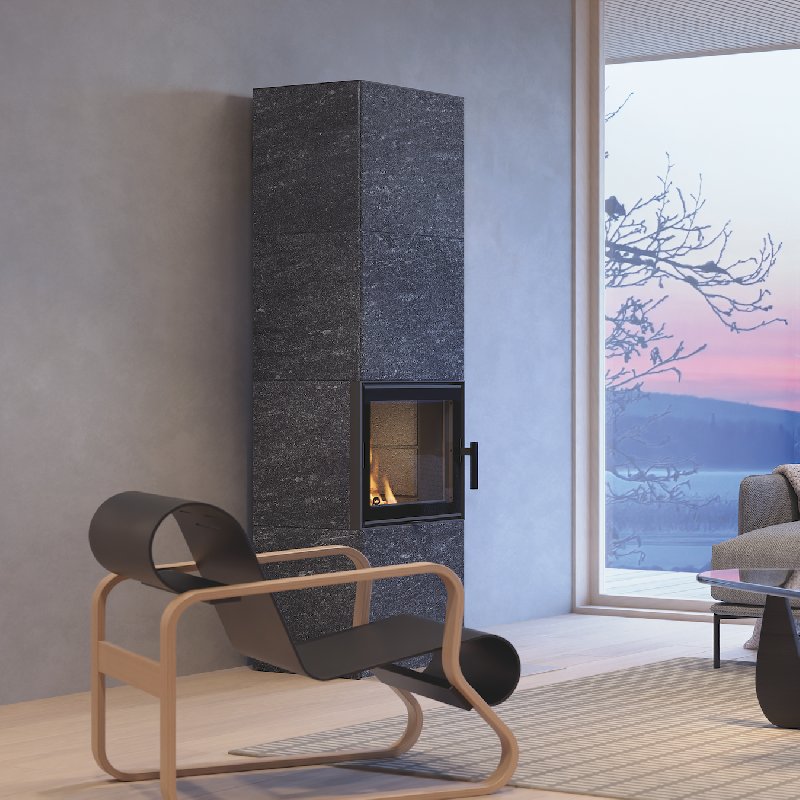
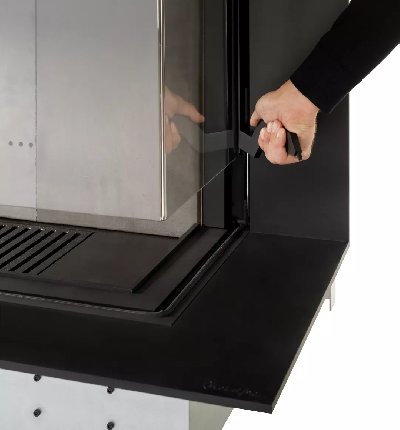
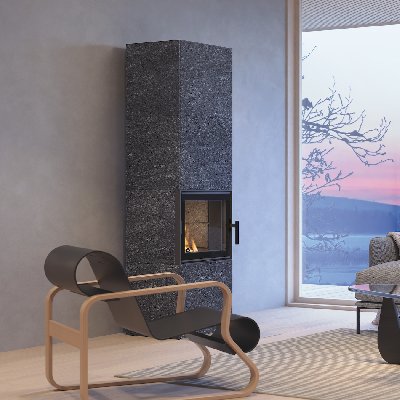

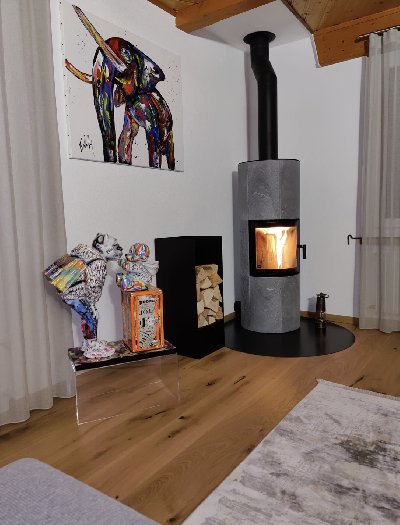
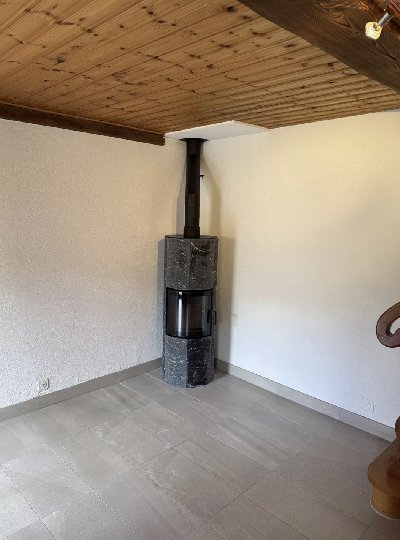
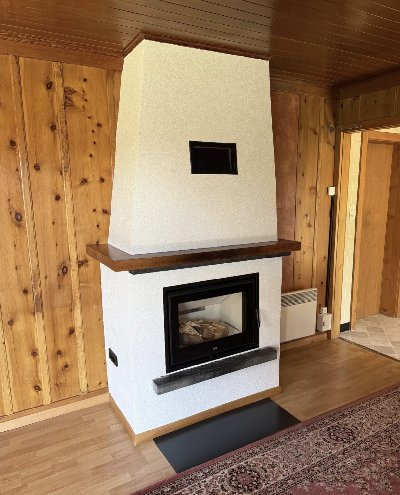
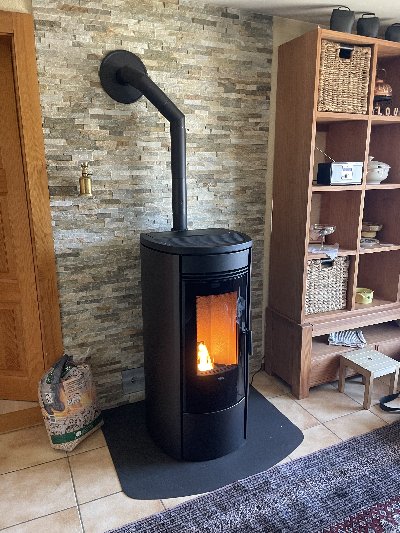
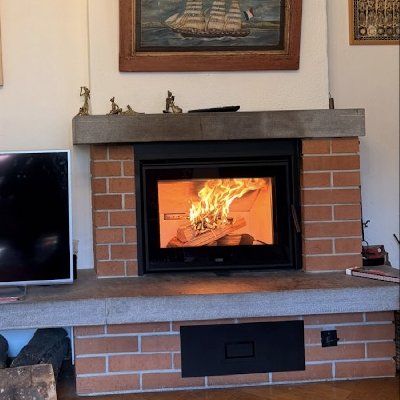
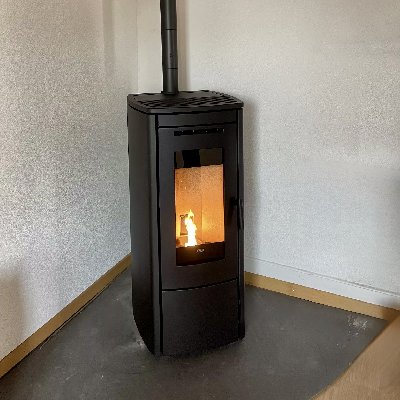
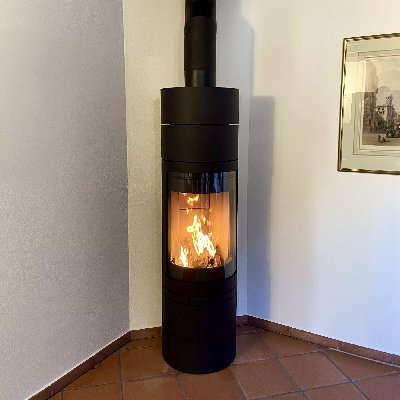
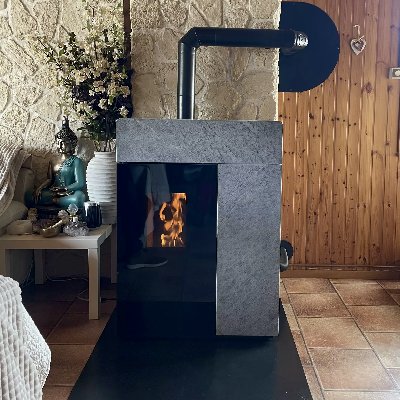
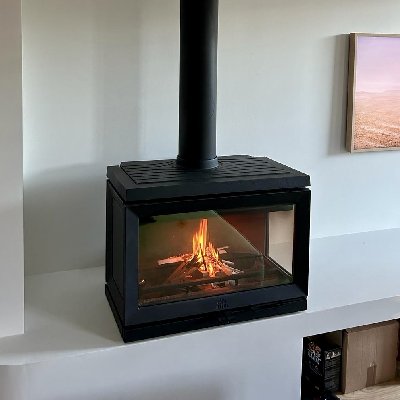
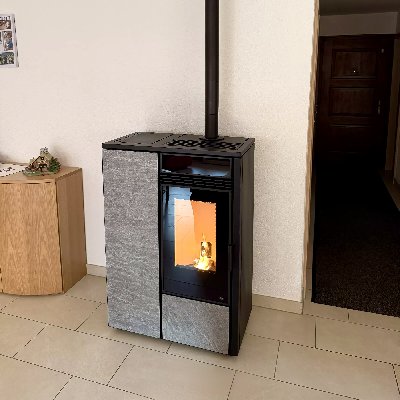
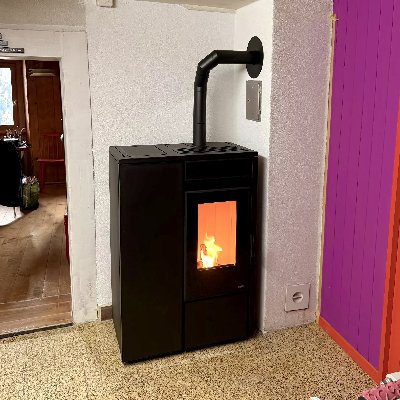

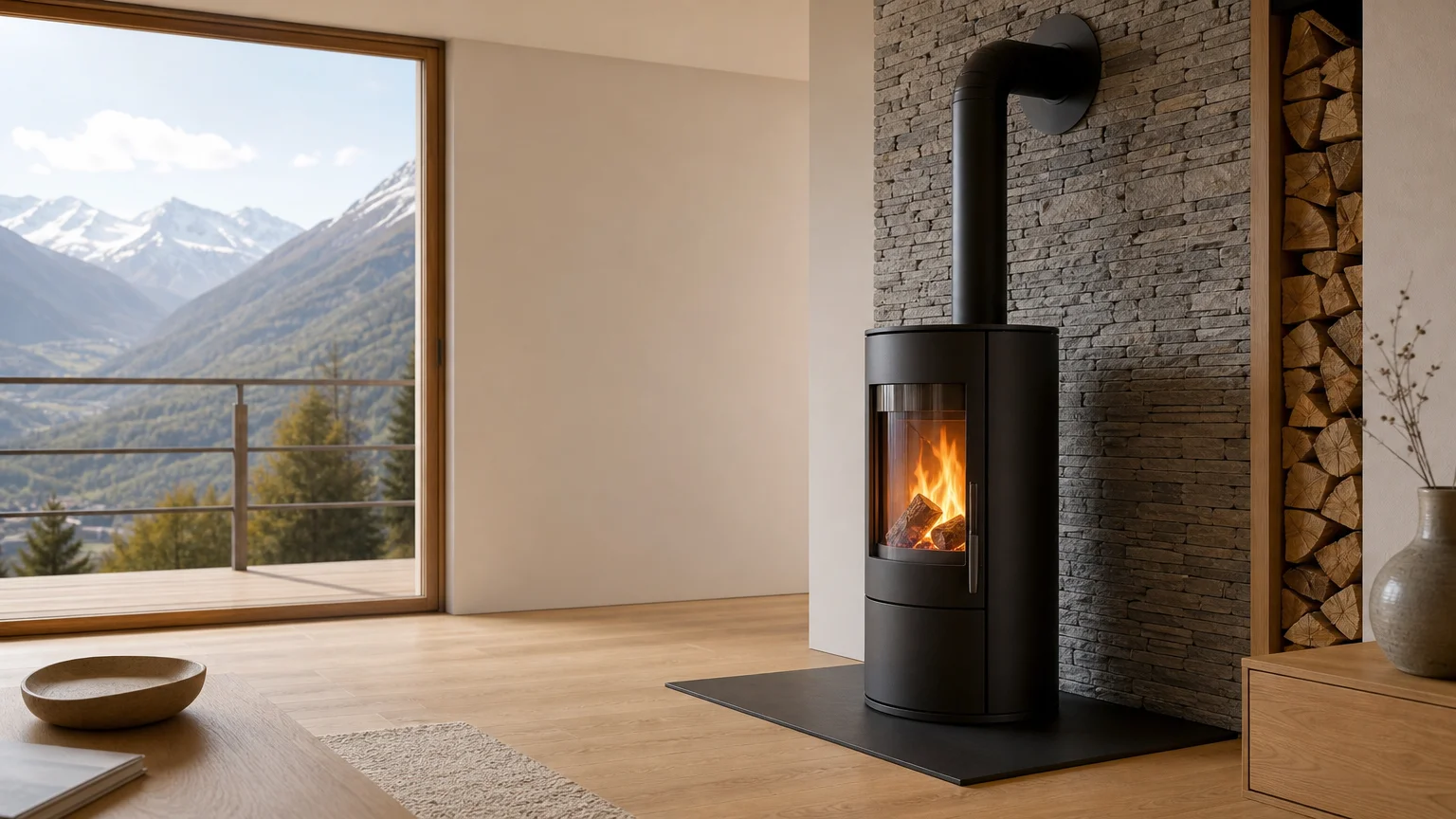
A wood-burning stove can transform a living space, but installing one involves more than just choosing an aesthetically pleasing model. To install a wood-burning stove in Valais, you must assess the layout of the home, the available flue, and safety requirements. We can already help you compare De Manincor wood stoves and fireplaces based on your interior and your project.
Feasibility varies depending on whether the property is a single-family home, a chalet, an apartment, or an older home. It also depends on the condition of the flue, the intended location, the insulation, and the desired heat output. In Valais, the project must therefore be evaluated before placing any orders or making any structural modifications to the building.
Does your home allow for the installation of a wood stove?
Imagine two living rooms of the same size. The first has an existing flue, good heat circulation, and an unobstructed location. The second requires the installation of a new flue and includes several enclosed rooms. The appropriate stove will not necessarily be the same.
Start by determining your intended use. A stove can provide supplemental heat in a main room, supplement an existing system, or play a greater role in heating the home. This distinction influences the size, location, and type of stove you should choose.
In a house, you generally have more freedom to install or modify a flue. In an apartment, you often need to check the landlord’s rights, the condominium rules, and the technical feasibility of venting the flue gases. The presence of a code-compliant flue remains a key consideration.
The canton recorded 2,291 active wood-burning systems with known rated output in its 2024 cantonal report. This figure covers several types of equipment, including stoves, fireplaces, and chimneys. It shows that wood heating is present in Valais’ residential stock, though this does not automatically mean every home is compatible.
Is the flue compatible with your appliance?
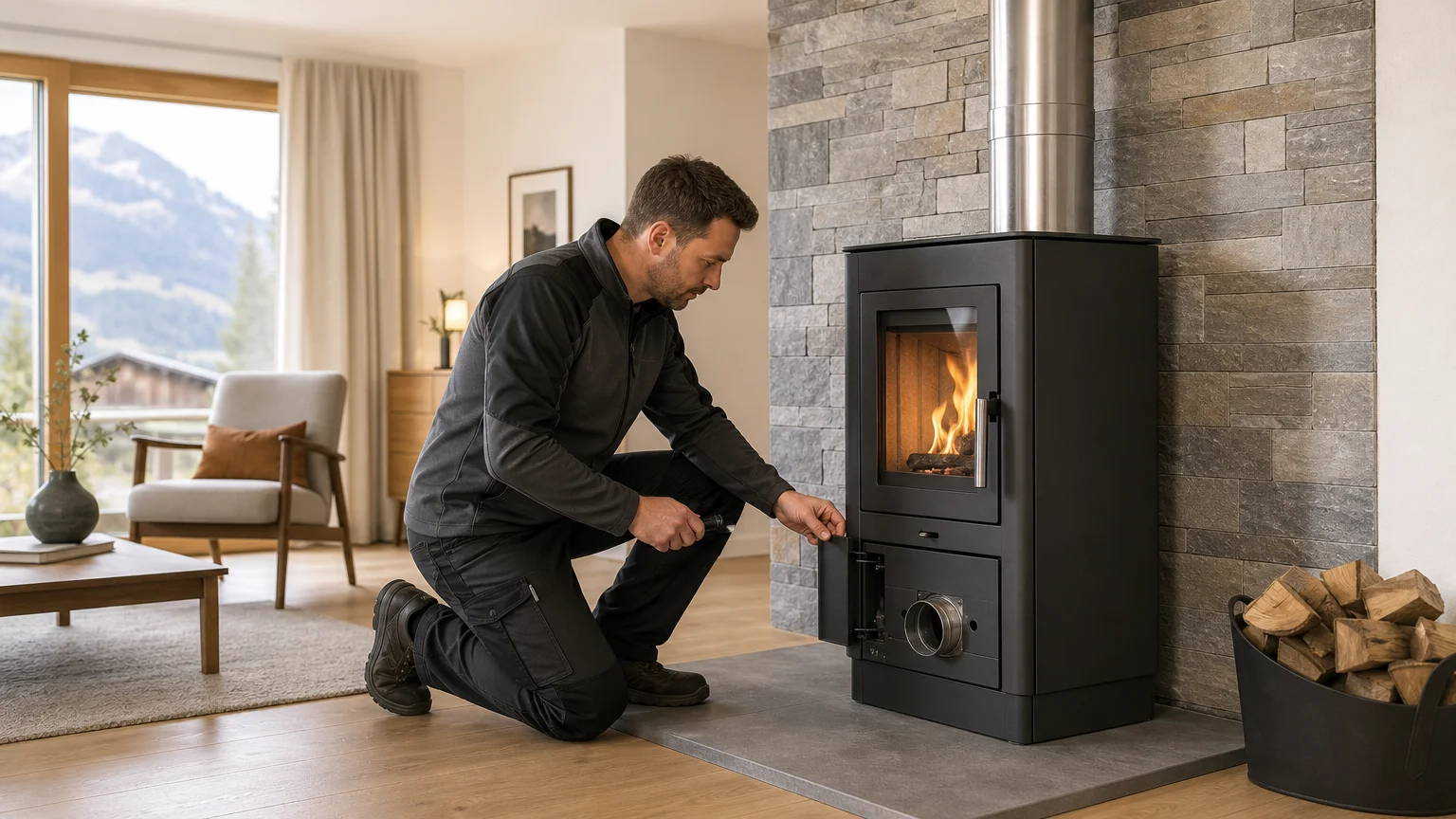
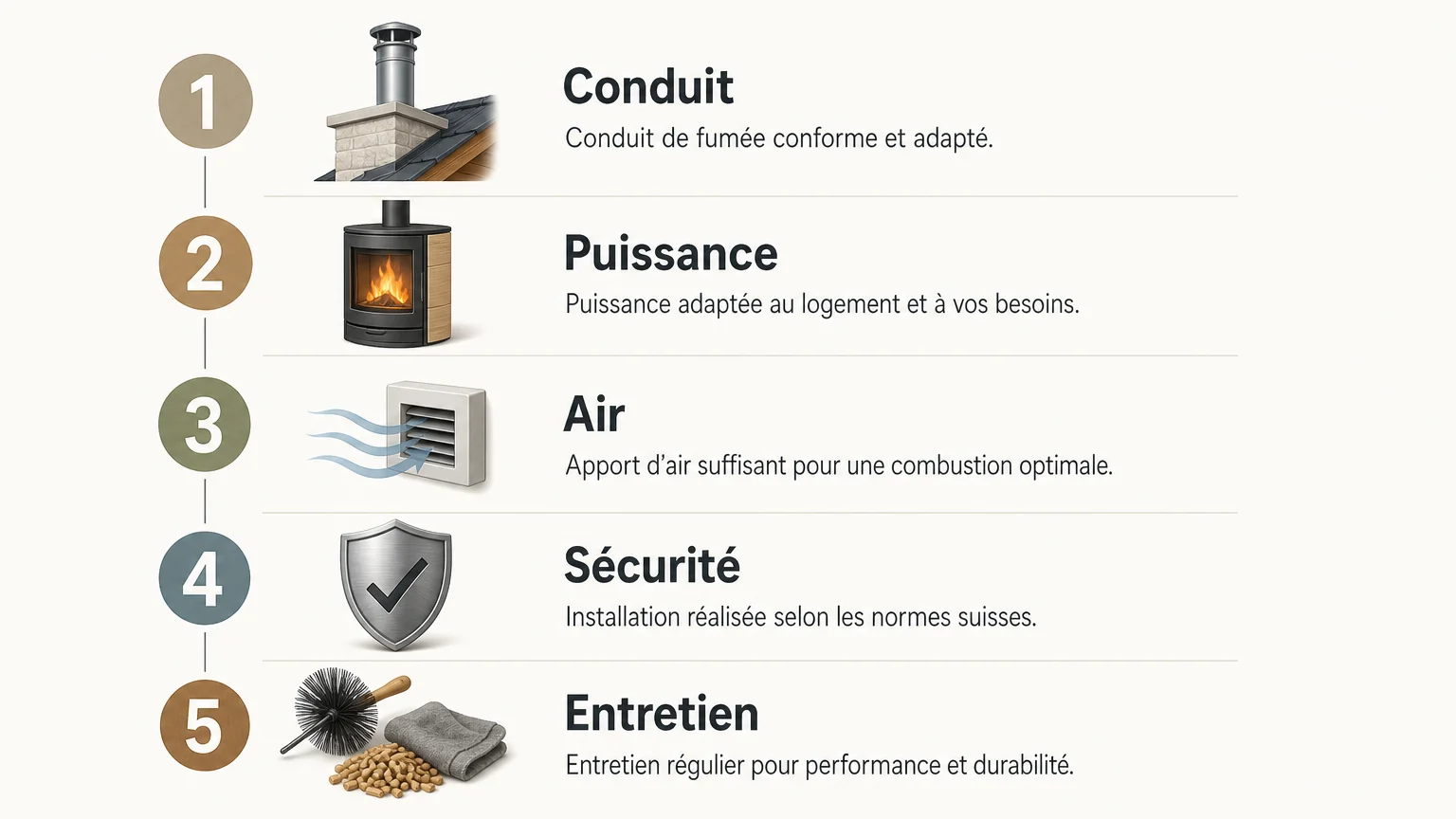
An existing flue may appear usable but could be unsuitable for the new appliance. Its diameter, height, airtightness, draft, and heat resistance must match the specifications of the selected stove.
During a renovation, lining the flue may be necessary. This process involves installing a suitable inner liner within an existing flue. It can improve the flue’s airtightness and facilitate smoke exhaust, but it does not replace a comprehensive building assessment.
Be sure to check the following points in particular:
- the internal condition and accessibility of the flue;
- the diameter compatible with the stove’s flue outlet;
- the available height above the roof;
- penetrations through floors, walls, and the roof;
- the distance between the flue and combustible materials;
- the ability to clean and inspect the installation after installation.
As of July 1, 2026, new installations subject to a public review must comply with cantonal regulations regarding minimum chimney heights on roofs. Chimney heights depend, in particular, on the stove’s heat output and the building’s configuration.
How do you choose the output and location of the stove?
A stove with too high a output can cause excessive heat, frequent window openings, and less consistent combustion. Conversely, a stove with too low a output may run constantly without achieving the desired comfort level.
The choice must take into account the volume to be heated, insulation, elevation, exposure, and the layout of the rooms. The output specified by the manufacturer is not sufficient to determine the appropriate model. A site visit or assessment of the home provides a more reliable answer.
The location should also promote heat distribution. In an open-plan room, a stove can heat multiple areas. In a compartmentalized home, heat will circulate less effectively. Doors, staircases, and ventilation systems also affect the outcome.
Allow for an unobstructed area around the stove. The floor, back wall, furniture, and decorative elements must comply with the manufacturer’s specifications and fire safety requirements.The air intake must also be considered, especially in a home that is very airtight or equipped with mechanical ventilation.
A thorough assessment, therefore, goes beyond simply choosing an aesthetically pleasing model. It takes into account the stove, the flue, the space to be heated, usage habits, and the building’s structural constraints.
What steps should be taken in Valais in 2026?
Installation must be planned in collaboration with the relevant parties. Depending on the situation, this may involve the homeowner, the condominium association, the municipality, the certified chimney sweep, and the fire safety authorities.
Cantonal regulations require a mandatory combustion inspection for wood-burning heating systems up to 70 kW.The Valais ordinance also specifies the requirements for the maintenance, cleaning, and inspection of systems exposed to fire or smoke.
Before installation, find out who is responsible for preparing the necessary documents and who will contact the chimney sweep. A notification to the chimney sweep is generally required in Switzerland. However, the specific steps involved depend on the building, the system’s output, and the nature of the work.
Do not begin the work until you have verified any required permits. This precaution is particularly important if the project involves a new roof vent, a facade modification, or work on a building subject to common regulations.
Financial assistance should also be examined separately. It may depend on the system being replaced, the elevation, the type of stove, and the terms of the applicable program. If a grant is a possibility, always verify the procedure before signing off on the work.
How do you compare installation quotes?
Two quotes may show different amounts while corresponding to different services. To compare them properly, review the technical details before focusing solely on the final price.
A comprehensive quote should specify the appliance, its output, the connection, the flue or ducting, safety features, delivery, installation, commissioning, and administrative procedures. It should also indicate any additional work related to the roof, walls, or floor.
Also ask:
- who verifies the duct’s compatibility;
- who provides the compliance documents;
- who arranges the post-installation inspection;
- what is included in the commissioning;
- how repairs and replacement parts are handled;
- which services remain the responsibility of the owner.
After-sales service deserves special attention. A wood stove is still a piece of technical equipment, even when it operates without automation. Having a point of contact for maintenance, adjustments, and parts can prevent problems after installation.
Why conduct a feasibility study before installation?
A preliminary assessment allows you to make a decision with greater clarity. It highlights any constraints of the home before purchasing the appliance and minimizes the risk of unexpected work.
We offer a free feasibility study to assess the home’s layout, the presence of a code-compliant flue, and the technical requirements of the project. This step is particularly useful in apartments, when replacing an old appliance, or in a house without a usable flue.
We can then guide you toward a solution that aligns with your space, budget, lifestyle, and aesthetic preferences. For a replacement project, our example of replacing a fireplace with a wood stove illustrates the challenges of renovating an existing home.
Our family-owned business draws on more than 55 years of expertise in fireplaces and stoves. We support your project from the initial planning stage through post-installation follow-up, with showrooms in Fully and Etoy.
What steps should you take after installation?
Proper operation also depends on daily use. Use only suitable, sufficiently dry fuel. Do not burn trash, treated wood, used furniture, or construction debris.
Lighting the fire from the top generally reduces emissions during startup. Avoid overloading the firebox and follow the manufacturer’s instructions regarding the amount of wood and air flow settings.
Regular maintenance helps preserve the appliance’s efficiency and extends its lifespan. Chimney sweeping, flue inspection, firebox cleaning, and seal checks must be performed in accordance with applicable regulations and technical recommendations.
To learn more about these best practices, consult our guide to wood heating. You’ll find useful tips to help you prepare for use and better understand the requirements for wood heating in Switzerland.
A successful installation begins before you choose a stove
Installing a wood stove in Valais first requires verifying technical feasibility, the flue, the air intake, safety distances, and cantonal requirements. The model comes next, depending on the volume to be heated, the insulation, and your habits. By comparing detailed quotes and ensuring post-installation support, you can minimize unexpected issues and set up a safer, more comfortable, and more sustainable heating system.
Let’s discuss your wood-burning stove project
Are you deciding between a new installation, a replacement, or a chimney renovation? We’ll assess your home, your technical constraints, and your desired level of comfort to provide you with precise guidance.
Our support includes consultation, a free feasibility study, installation, handling of related paperwork, and post-installation follow-up. To get started, browse our selection of wood stoves and gather the available information about your home.
Frequently Asked Questions
Can a wood stove be installed in an apartment in Valais?
Yes, this may be possible if the flue and the building’s conditions are compatible. The landlord’s or homeowners’ association’s approval may also be required.
Does an existing flue always need to be lined?
No, it depends on the condition, type, and size of the flue. A technical inspection will determine whether lining or other modifications are necessary.
What heat output should I choose for a wood-burning stove?
The output depends on the volume to be heated, the insulation, the elevation, and heat circulation. A stove that’s too powerful can be just as uncomfortable as one that’s not powerful enough.
Who handles the paperwork with the certified chimney sweep?
Responsibilities vary depending on the project and the installer you choose. At Carron-Lugon, we include the administrative procedures related to installation as part of our project support.
What should you plan for after the system is commissioned?
Plan for cleaning, chimney sweeping, required inspections, and maintenance of the unit. Also, keep the technical documents on hand to facilitate future service calls.