

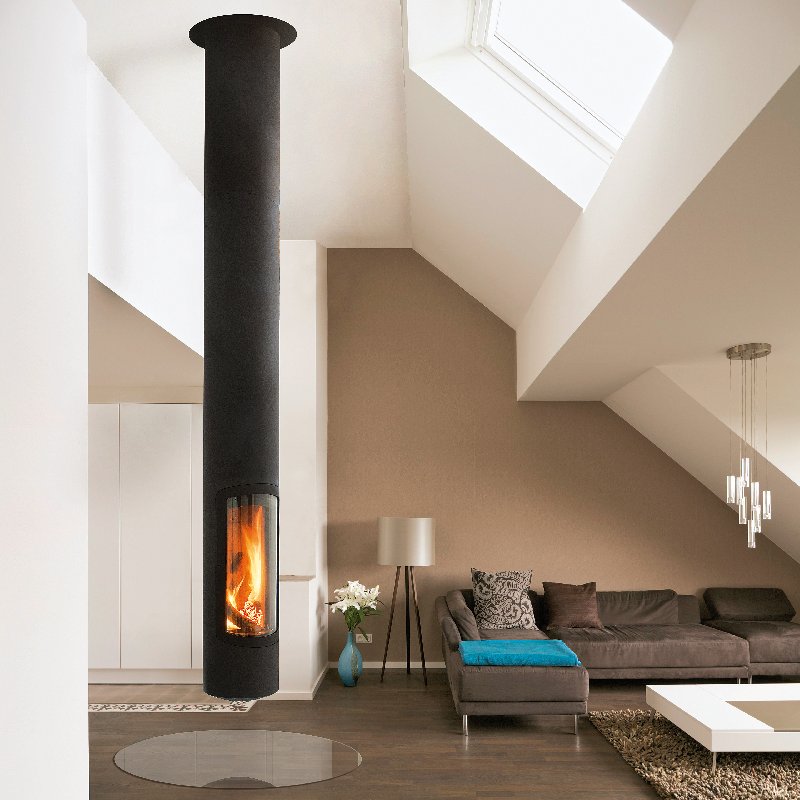
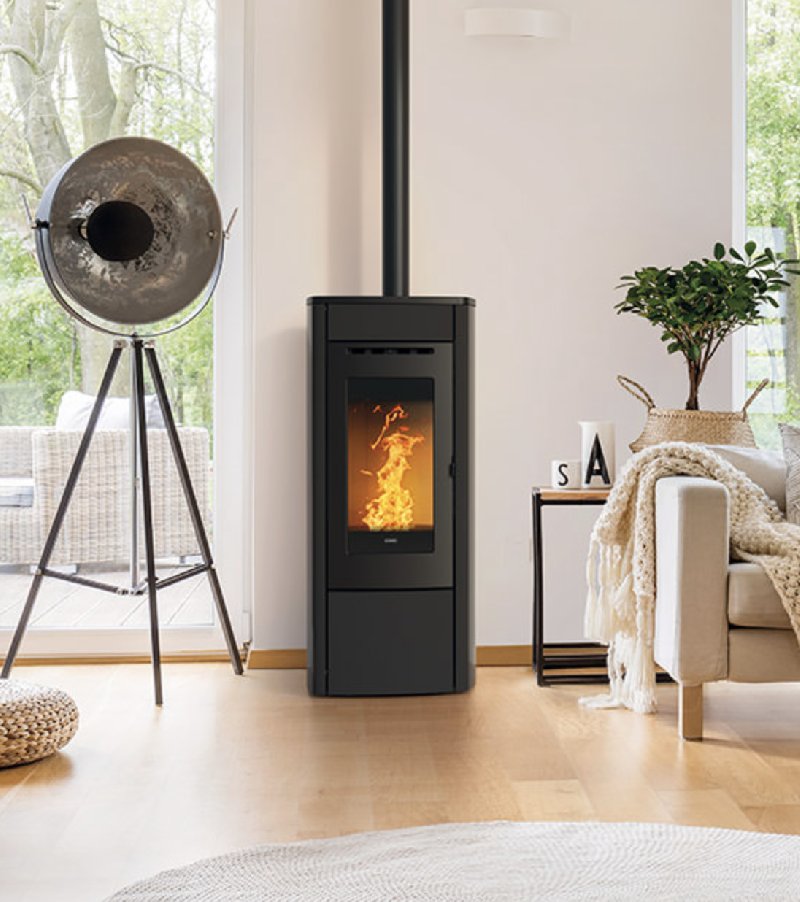
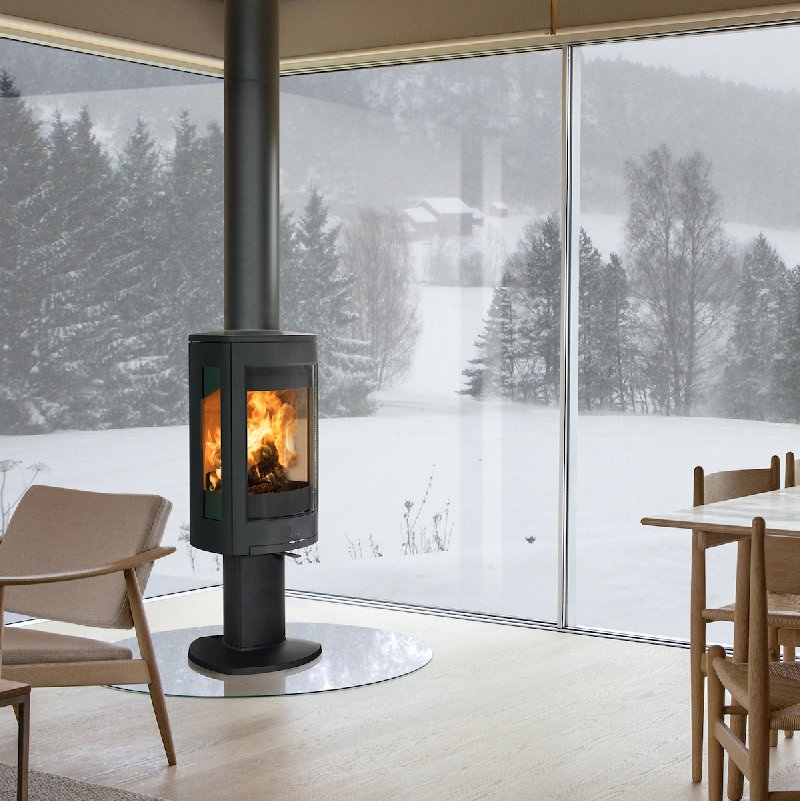
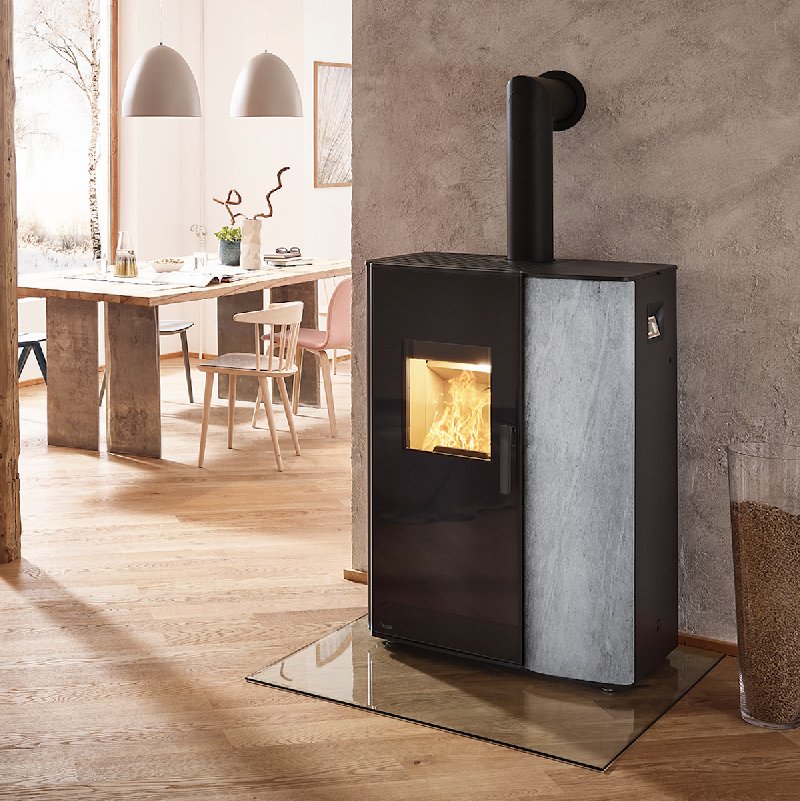
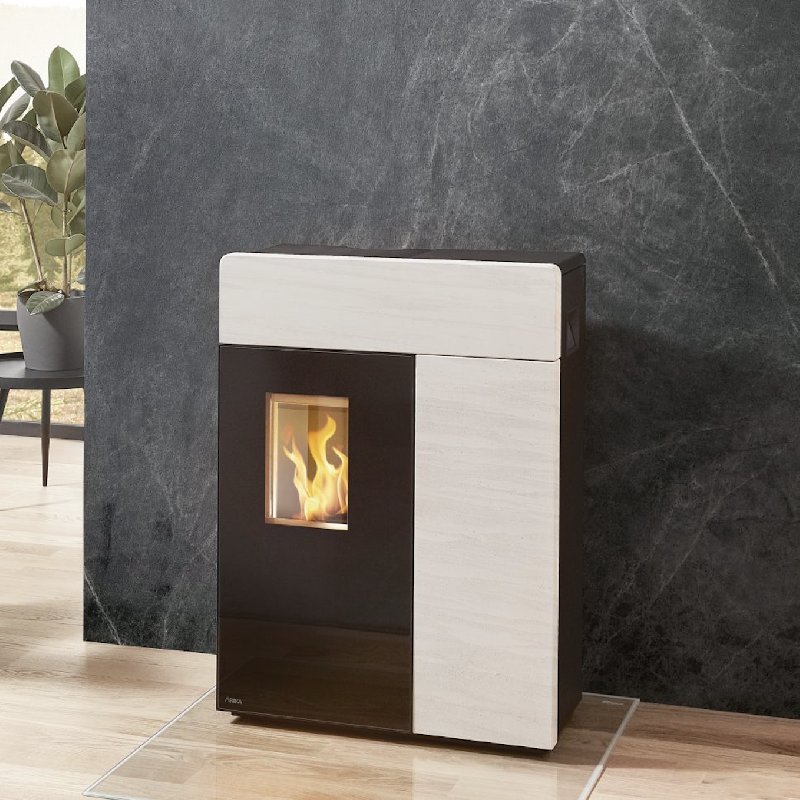
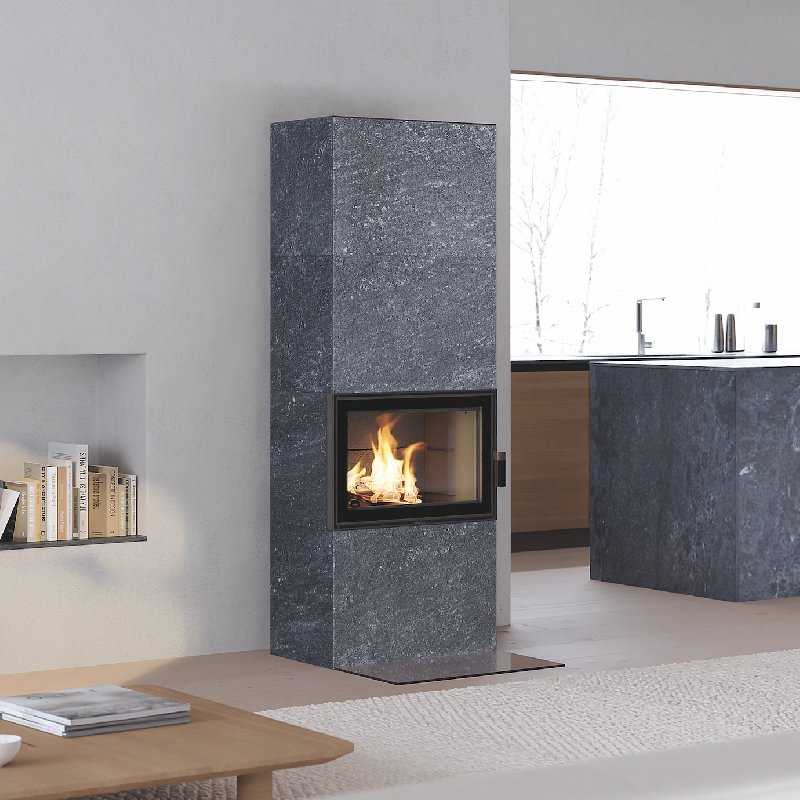
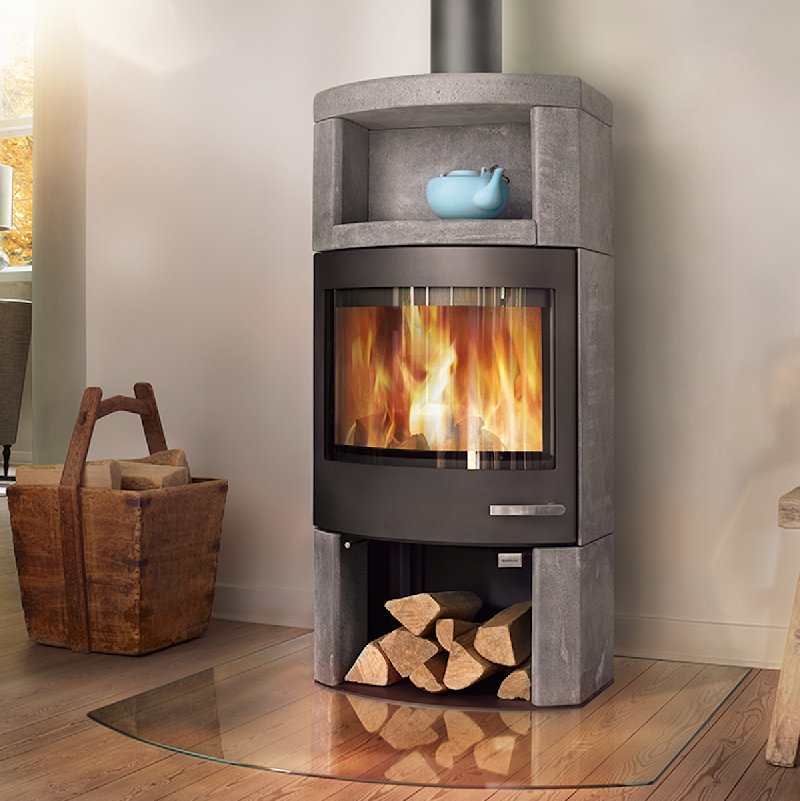
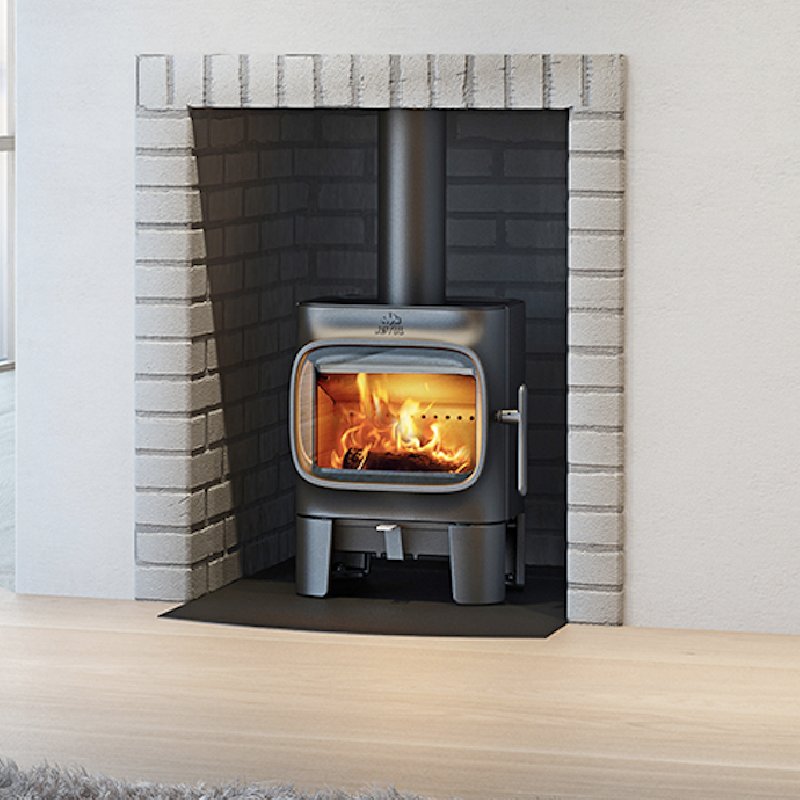
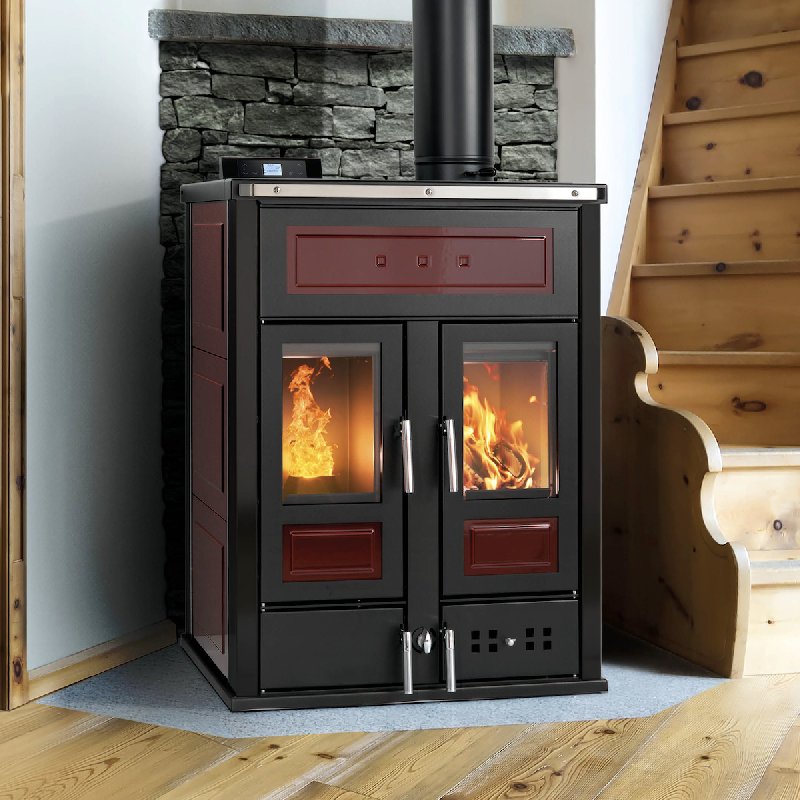
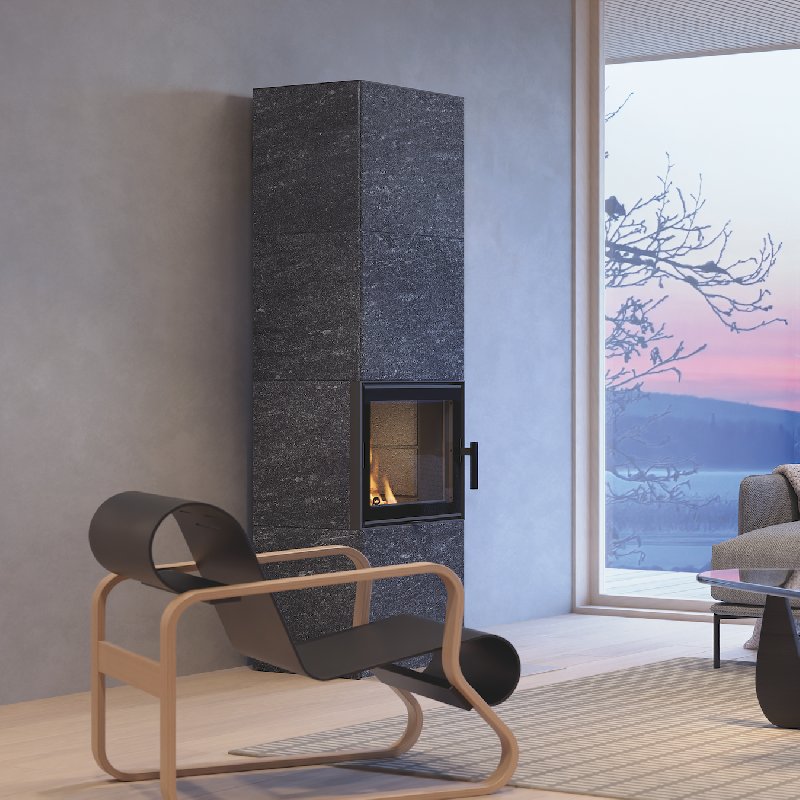
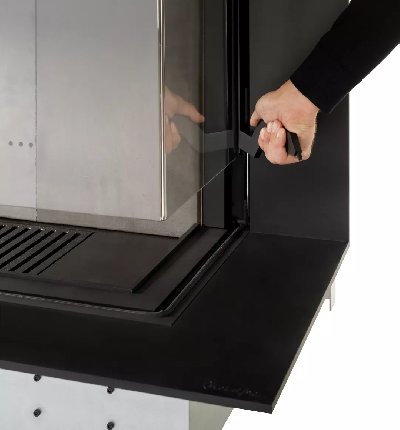
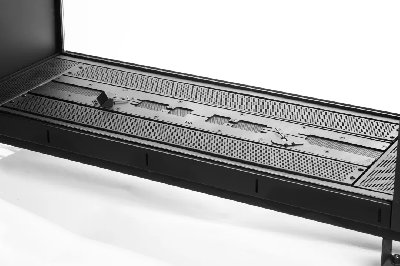
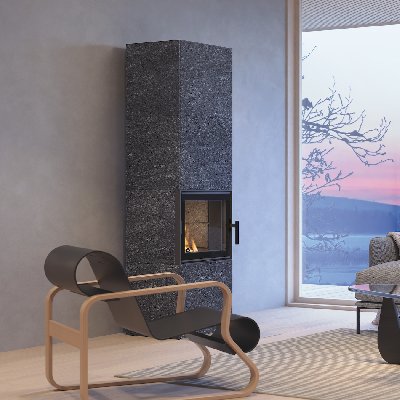

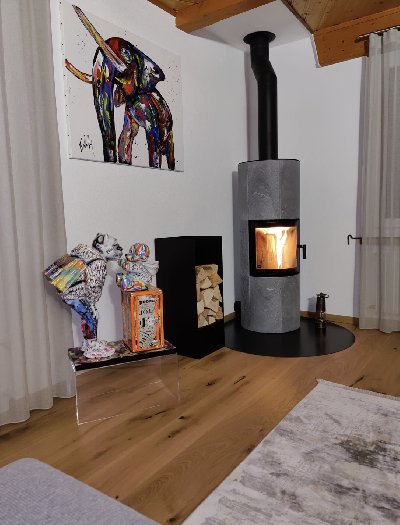
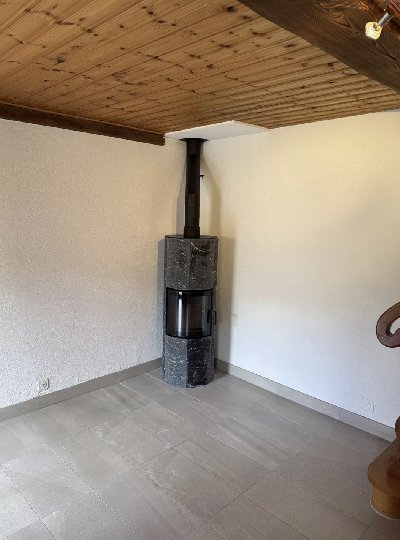
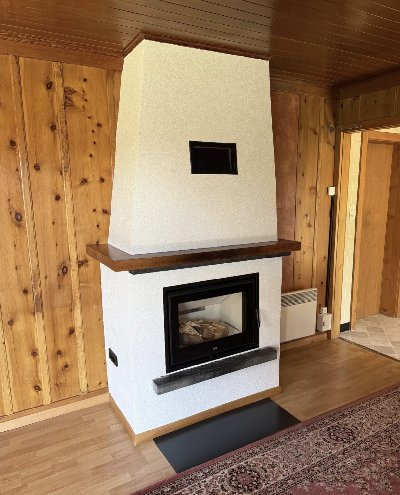
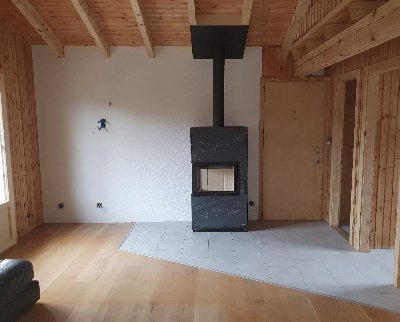
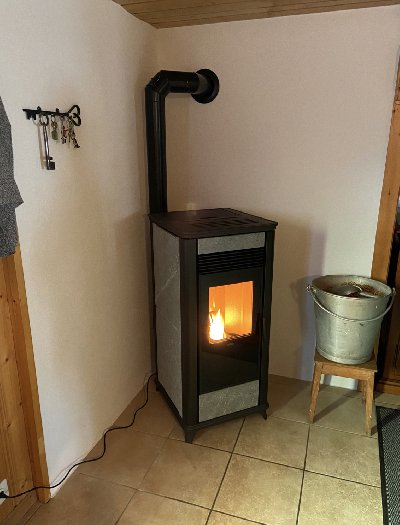
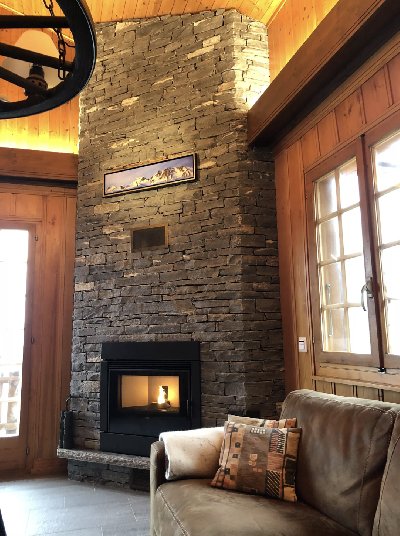
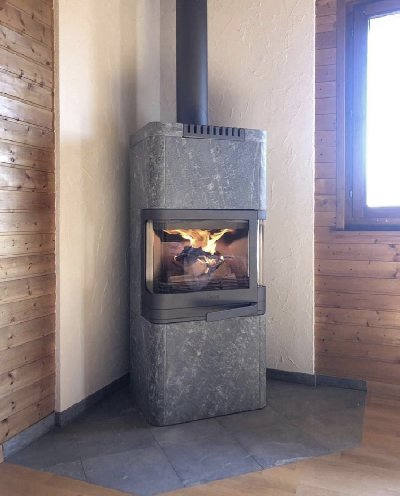
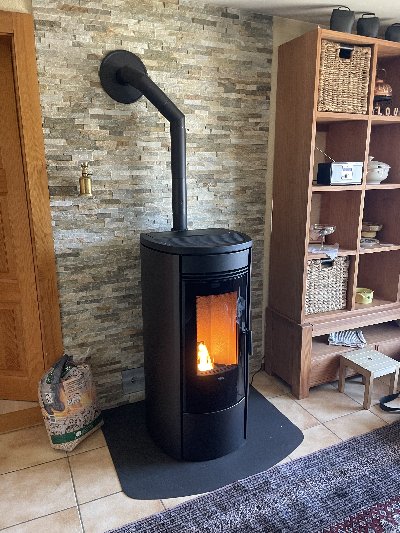
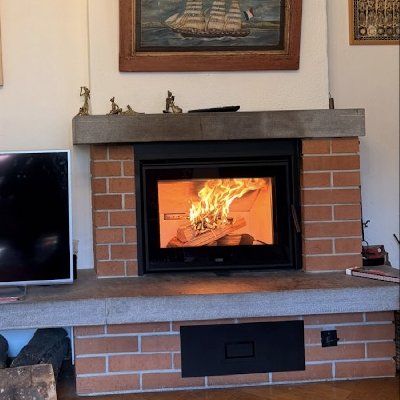
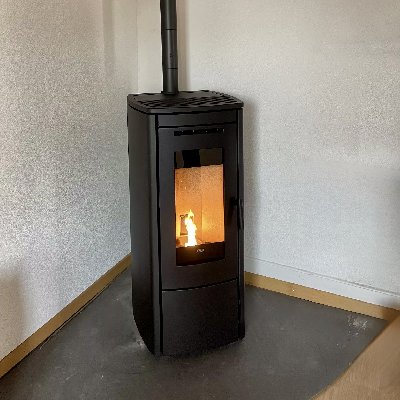
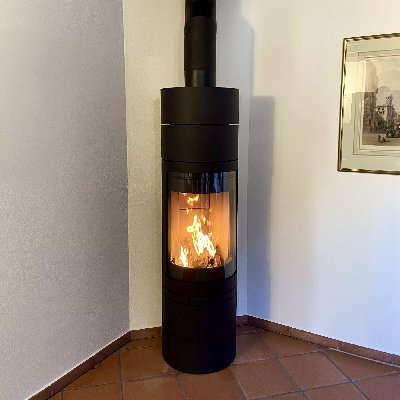
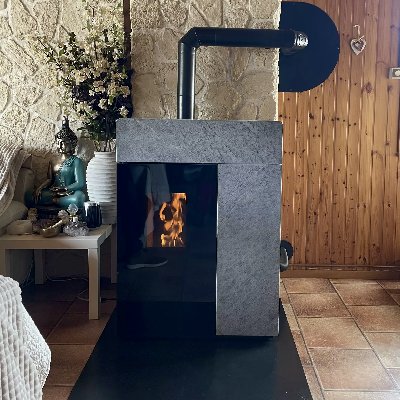
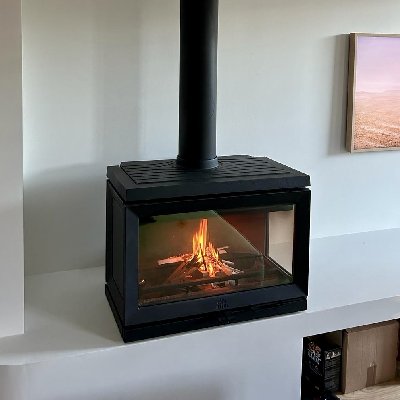
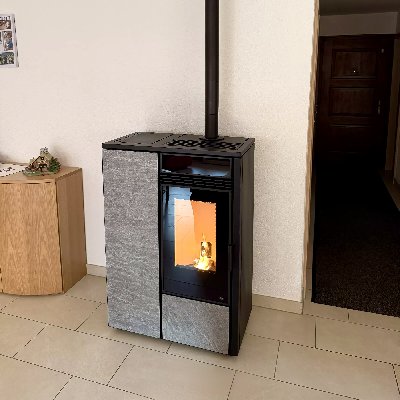
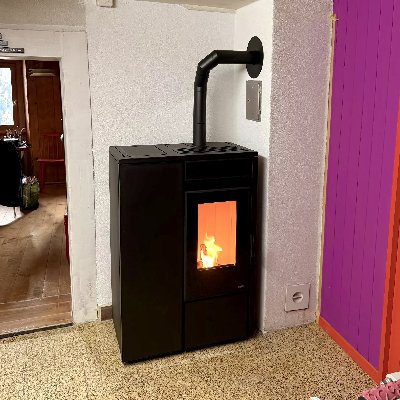

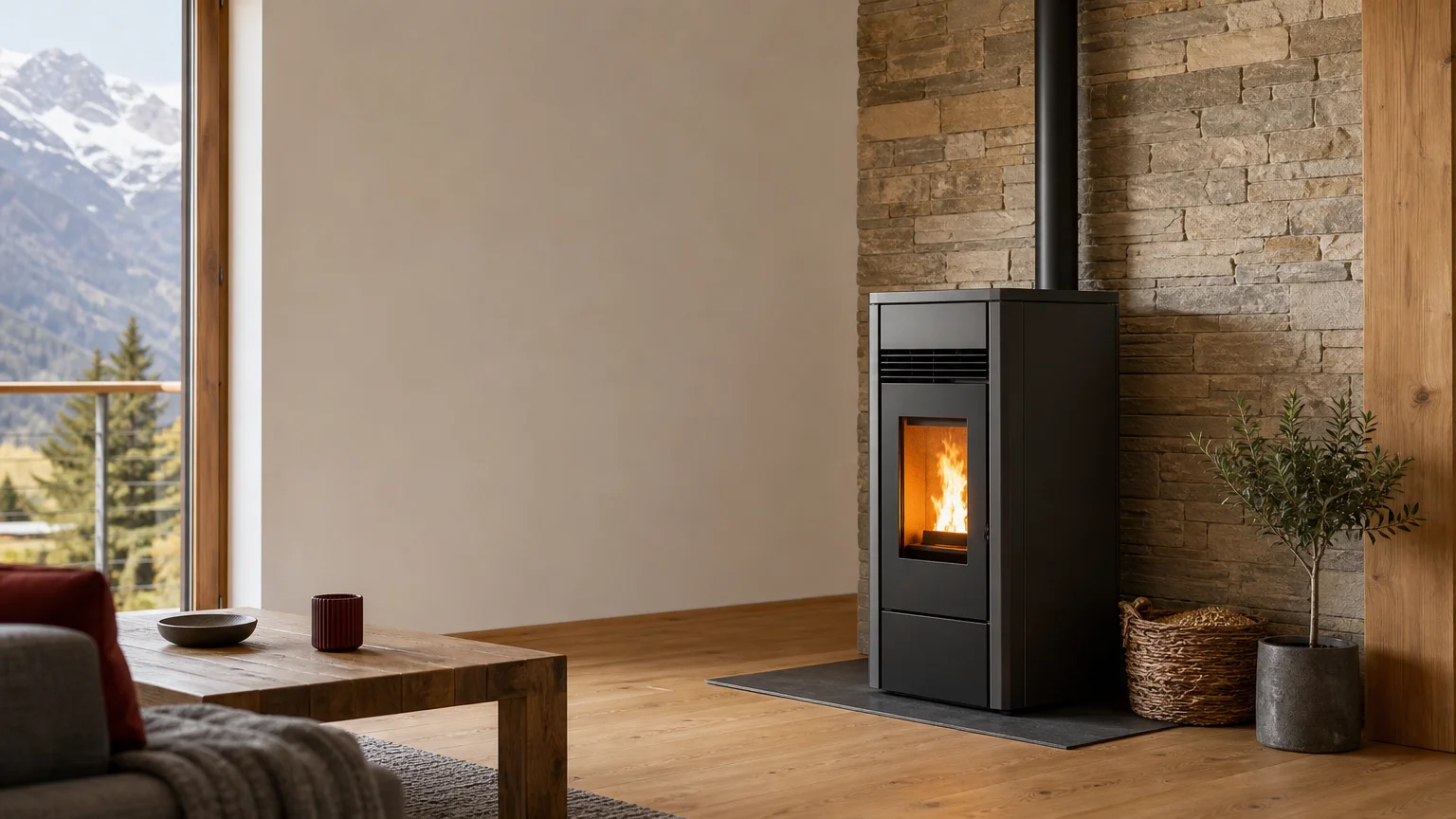
A pellet stove is more than just the delivery of a unit. Its proper operation depends on the location, flue gas exhaust, combustion air, and the home’s suitability. To ensure the final step goes smoothly, visit our page dedicated to commissioning a Klover pellet stove.
For a project in Switzerland in 2026, the key issue is therefore to verify feasibility before choosing a model. This approach helps avoid unpleasant surprises related to the flue, permits, ventilation, or necessary work—whether in a house or an apartment.
Is your home compatible with a pellet stove?
Your project starts with a simple question: do you want to heat one room, several spaces, or a significant portion of your home? The answer influences the type of appliance, its output, and its location. An air-heating stove is often suitable for an open living area. A ducted model can accommodate a different layout. A hydronic system, on the other hand, requires a specific assessment of the existing plumbing system.
The location must allow for even heat distribution. A central position in the living area generally facilitates the circulation of warm air. You should also ensure convenient access for filling the hopper, cleaning the unit, and performing maintenance on technical components.
The mounting surface must be stable and able to support the stove’s weight. Materials surrounding the unit must comply with the safety clearances specified in the manufacturer’s documentation and applicable regulations. A flammable floor or a sensitive wall may require appropriate protection.
The heat output should not be selected based solely on the advertised square footage of the home. Insulation, room volume, ceiling height, exposure, and airflow between spaces are also important factors. Excessive output can lead to irregular operation, while an undersized unit may fail to provide the desired level of comfort.
The flue often determines feasibility
Imagine a home that appears perfectly suited but lacks a usable flue. The project may then require lining the existing flue, creating a new one, or implementing a specialized technical solution. This assessment must be conducted before ordering the stove.
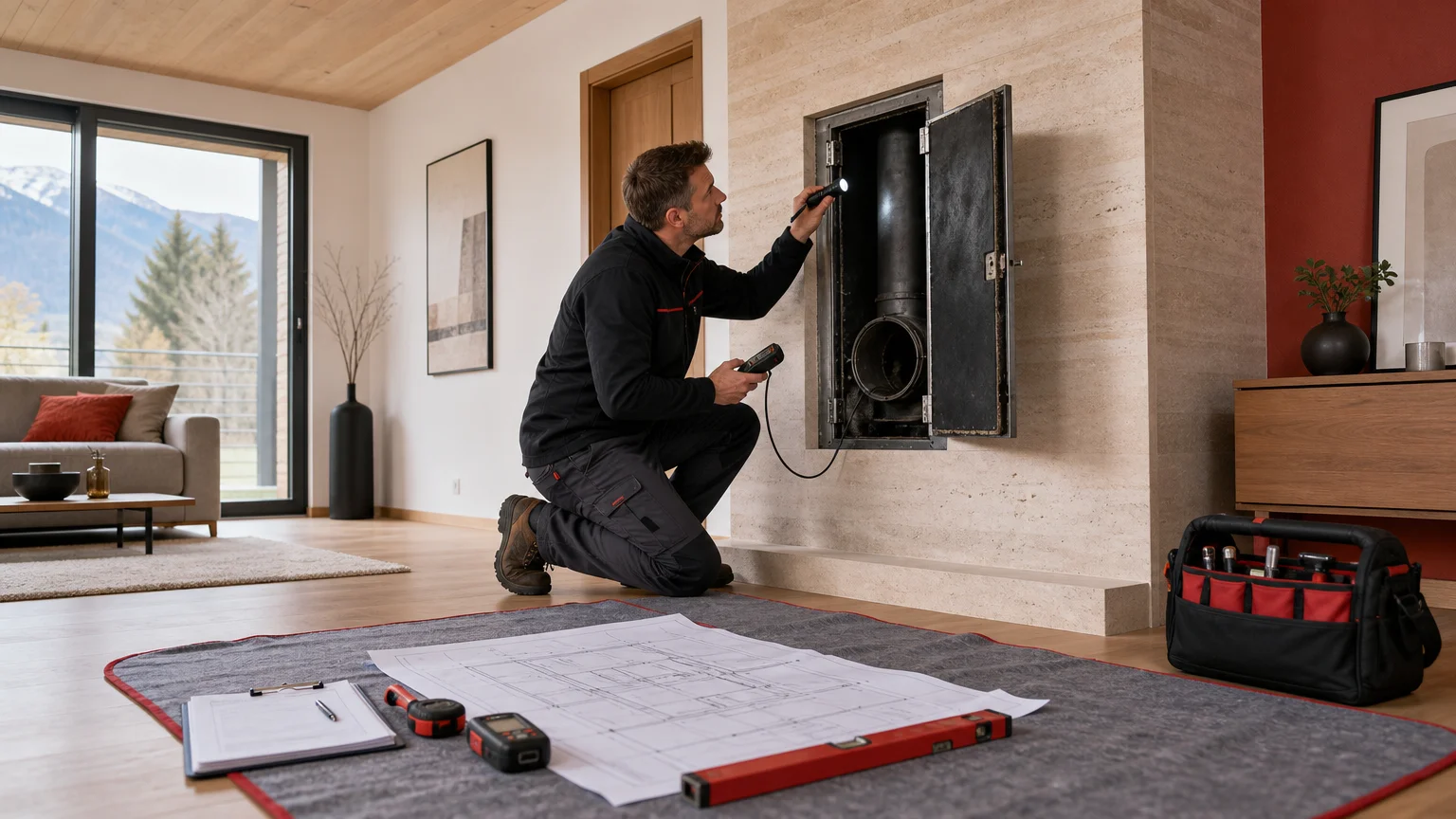
An existing flue must be inspected to verify its condition, airtightness, cross-sectional area, and compatibility with the stove. An old flue may be reusable after modification, but this decision rests with the professional conducting the assessment. Its route, penetrations, and roof outlet must also be examined.
In Switzerland, the operation of combustion systems is regulated in particular by the Air Pollution Control Ordinance (OPair). The regulations cover emissions, fuel quality, and certain aspects related to flue gas exhaust. The FOEN website also notes that the quality of the installation and the fuel helps limit pollutants.
The connection must be consistent with the appliance’s specifications. The diameter, length, elbows, and access ports should not be selected separately. We can provide you with a connection pipe for a pellet stove, but its suitability must always be confirmed based on your specific appliance and installation configuration.
An exterior exhaust or a solution using a concentric flue may sometimes be considered for a compatible appliance. This remains subject to technical constraints, safety regulations, and the necessary permits. Therefore, a technically feasible solution should not be equated with an installation that is automatically authorized.
Air Intake, Clearances, and Electrical Supply
A pellet stove uses electricity to power its controls, fuel system, and fans. The electrical connection must comply with the appliance’s instruction manual and applicable electrical installation codes. A properly positioned outlet also facilitates maintenance and minimizes the need for extension cords.
The combustion air supply requires the same attention as the flue. Depending on the model, the unit may draw air from the room or use a direct intake from outside. In a very airtight home, this difference becomes particularly important.
The room’s ventilation must remain compatible with the stove’s operation. A range hood, mechanical ventilation, or insufficient air intake can disrupt combustion. The professional must therefore inspect the existing equipment and check for the risk of negative pressure.
Clearances around the stove apply to walls, furniture, curtains, flooring, and flues. They vary depending on the appliance, the layout, and the materials. The manufacturer’s instructions are an essential reference, but they do not replace a comprehensive on-site assessment.
House or Apartment: The Procedures Differ
In a single-family home, the project depends primarily on the building’s layout, the flue, the roof, and cantonal or municipal regulations. In an apartment, the exterior wall, roof, and shared flues may be considered common areas. Technical feasibility is therefore not always sufficient.
If you are a tenant, you must obtain the landlord’s written consent before beginning the work. In a condominium, you must consult the bylaws and verify whether a decision by the condominium association is required. Modifying the facade or installing a flue may require an additional procedure.
In Switzerland, a declaration to the official chimney sweep is generally required. However, the specific requirements may depend on the canton and the nature of the installation. It is best to clarify these obligations before signing a quote or beginning the work.
At our company,the feasibility study allows us to assess the residence, the available space, the flue, and the technical conditions. This free study helps distinguish between what can be done immediately, what requires modifications, and what must be submitted to a regulatory authority.
How does the installation and commissioning process work?
On the day of installation, the installer begins by securing the area and confirming the planned location. They check the mounting surface, distances, access to the vent, and any required routing of connections. This preparation reduces the risk of having to modify the project during installation.
Installation then involves positioning the appliance, connecting it to the flue, setting up the air intake when necessary, and making the electrical connection. Each component must remain accessible for future maintenance and inspections.
Commissioning involves more than just turning on the stove. It includes initial adjustments, verifying combustion, checking the flue gas exhaust, and explaining the controls. The professional must also specify cleaning procedures and suitable fuels.
In the canton of Jura, a new or modified heating system subject to mandatory chimney sweeping cannot be put into service until it has been inspected by the competent authority. The guidelines from the ECA of Jura highlight the importance of verifying local procedures before lighting the stove.
At the end of the installation, request the relevant documents, the part numbers of the installed components, and the manufacturer’s instructions. Also keep records of chimney sweeping, inspections, and warranty information. These will facilitate future service calls.
After installation, maintenance is part of the process
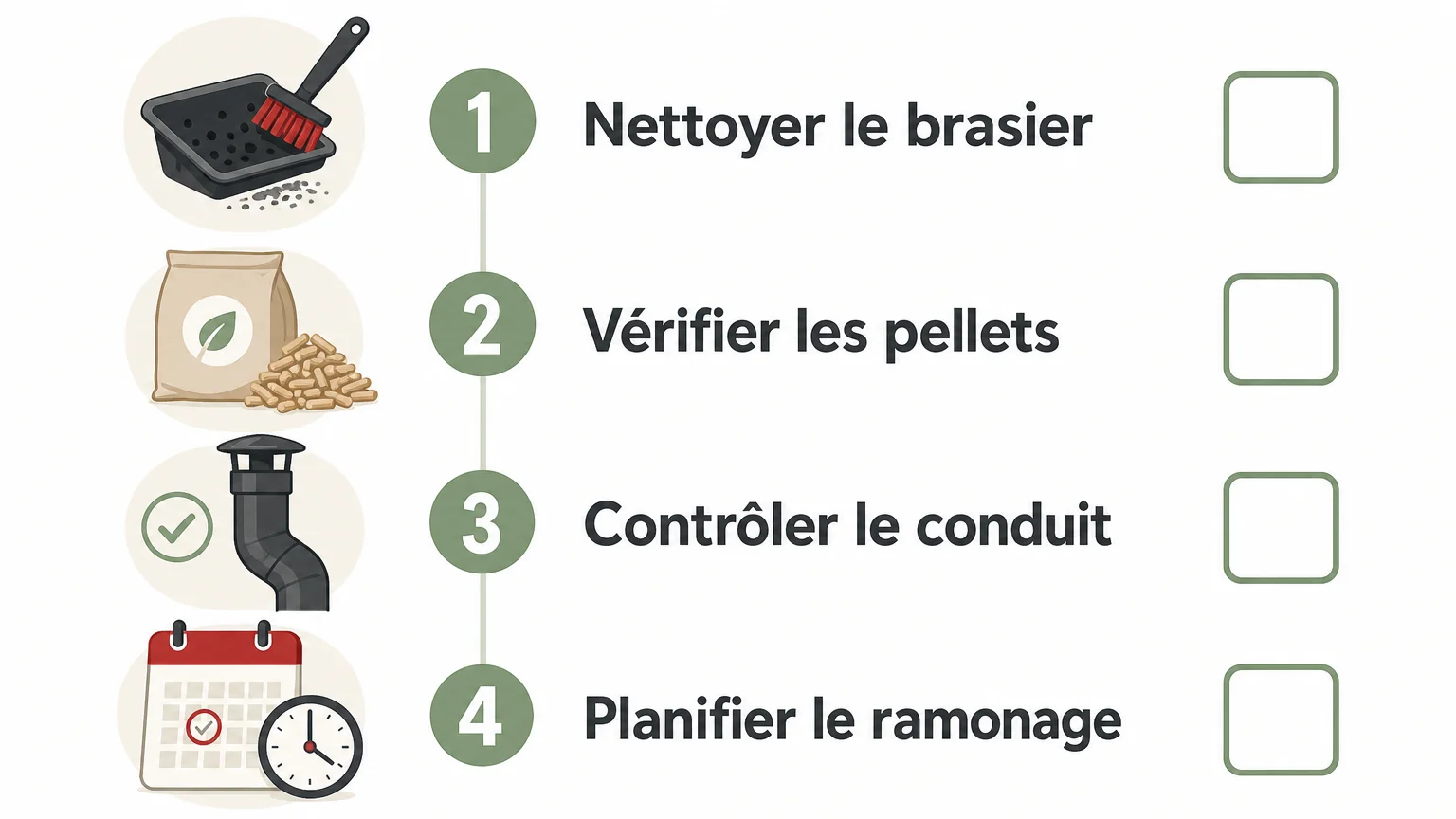
Once the stove is installed, its maintenance becomes routine. The firebox, combustion chamber, glass, and accessible areas must be cleaned according to the manufacturer’s recommendations. The pellets must remain dry to ensure a steady feed.
Routine cleaning does not replace professional service. The flue, connections, and internal components must be inspected at appropriate intervals. The frequency depends, in particular, on the canton, usage, and type of appliance.
In Geneva, heat-generating systems must undergo chimney sweeping and specific emissions testing. The Canton of Geneva reminds residents that regular maintenance helps reduce the risk of fire, fuel consumption, and pollutant emissions.
Do not leave bags of pellets exposed to moisture. Set aside an accessible, clean space that is close enough to the stove. Storage should also avoid blocking walkways or placing fuel near hot surfaces.
Which professional should you choose for your project in Switzerland?
Two quotes may seem comparable but cover different services. Check whether the price includes the design, the stove, the connection, the flue, safety guards, commissioning, and administrative procedures.
Also ask who will provide service after installation. A clearly defined after-sales service may cover maintenance, repairs, and the supply of replacement parts. This continuity is helpful when the appliance needs to be adjusted, diagnosed, or repaired.
We support homeowners in Switzerland from the initial needs assessment through post-installation follow-up. Our family-owned business draws on over 55 years of expertise in fireplaces and stoves. Our showrooms in Fully and Etoy also allow you to compare appliances in a real-world setting.
We pride ourselves on having 100% of our installations certified as compliant with Swiss AEAI and Feusuisse standards. The specifics of the certification process depend on the project, the available documentation, and the applicable inspections. The key is to ask for a clear explanation of the checks that were performed.
Comprehensive support does not eliminate the need to compare solutions. However, it does bring together consulting, design, installation, administrative procedures, and follow-up all under one roof. For a complex home or an apartment, this coordination can simplify the decision-making process.
Things to Keep in Mind Before Installing a Pellet Stove
Installing a pellet stove in your home requires technical and administrative preparation. First, check the location, heat output, air intake, and flue. Next, confirm local permits, safety distances, and commissioning requirements. Professional installation, combined with regular maintenance, helps ensure the safety, comfort, and longevity of the appliance.
Plan Your Heating Project
Are you torn between several models, or unsure whether your home can accommodate a pellet stove? We’ll assess your needs, your space, your flue, and your lifestyle to guide your project.
Our support includes consultation, a free feasibility study, installation, handling of all necessary paperwork, and post-installation follow-up. Browse our selection of pellet stoves to prepare your request in Switzerland.
Frequently Asked Questions
Can a pellet stove be installed in an apartment?
Yes, this may be possible if the home has a compliant flue or if a suitable solution can be created. Approval from the landlord, the homeowners’ association, or the authorities may be required depending on the scope of the work.
Is it always necessary to install a new flue?
No, an existing flue can sometimes be reused after inspection and modification. Its compatibility must be confirmed before purchasing the stove.
Can you install a pellet stove yourself?
A complete installation requires expertise in chimney work, ventilation, and connections. For safety, compliance, and proper commissioning, it is best to entrust the project to a qualified professional.
What maintenance is required after installation?
You must regularly clean accessible parts and keep the pellets dry. The flue, connection, and appliance must also be inspected in accordance with cantonal regulations and the manufacturer’s recommendations.
How can Carron-Lugon assist me?
We can conduct a free feasibility study, recommend a model, organize the installation, and handle all the necessary procedures. Our after-sales service also covers maintenance, repairs, and replacement parts for the relevant equipment.