

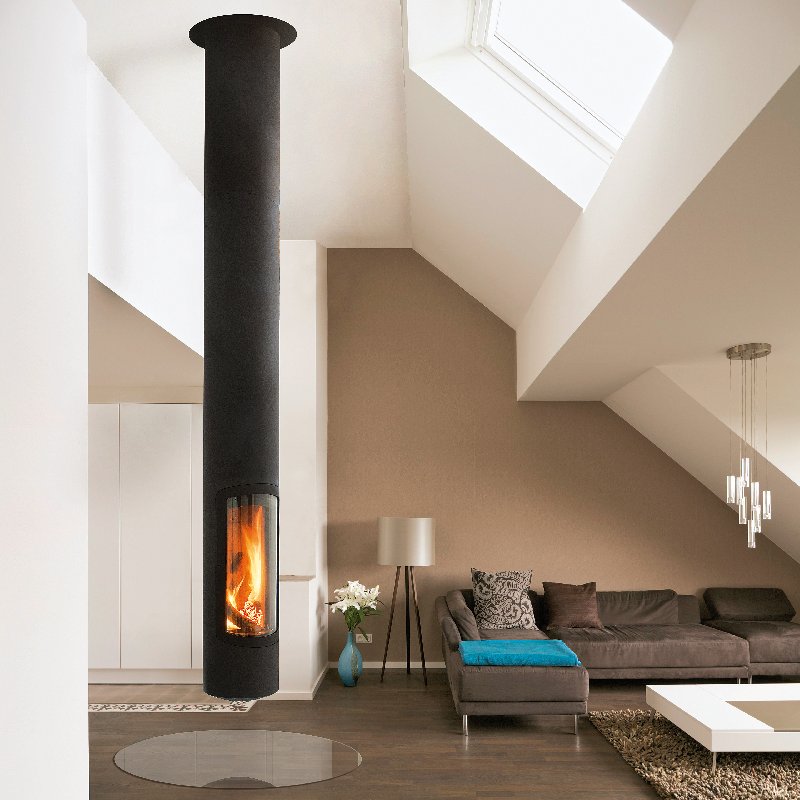
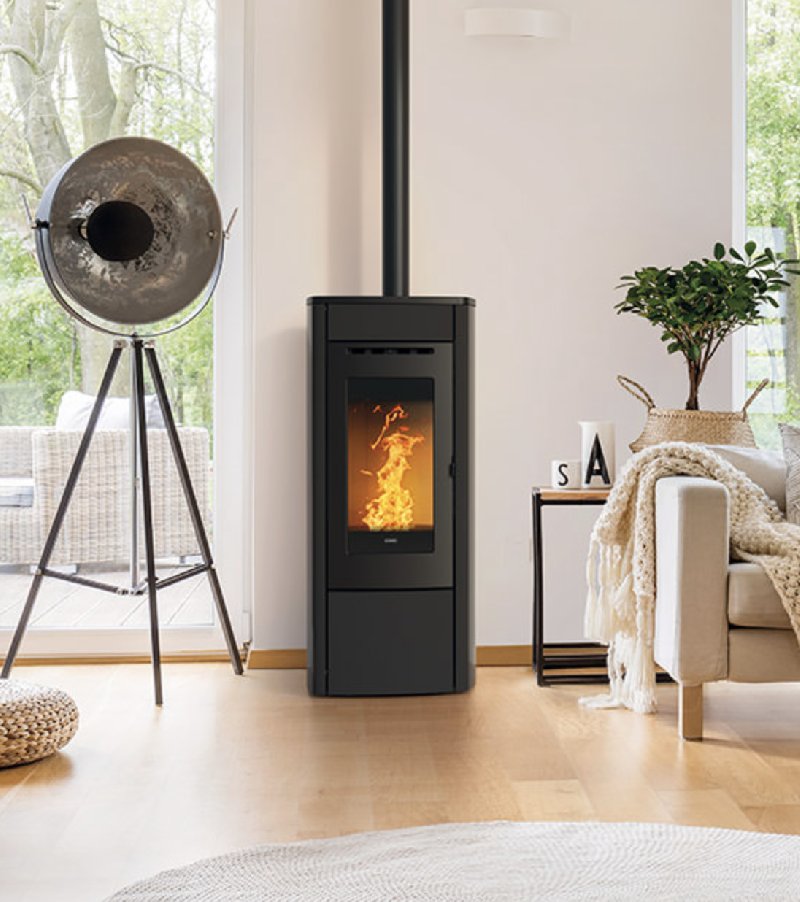
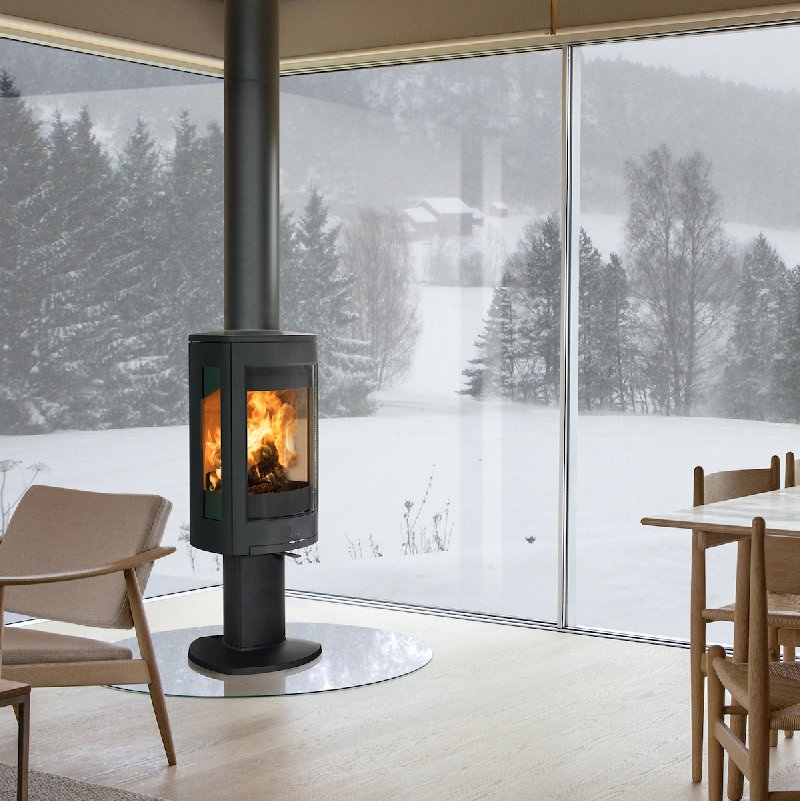
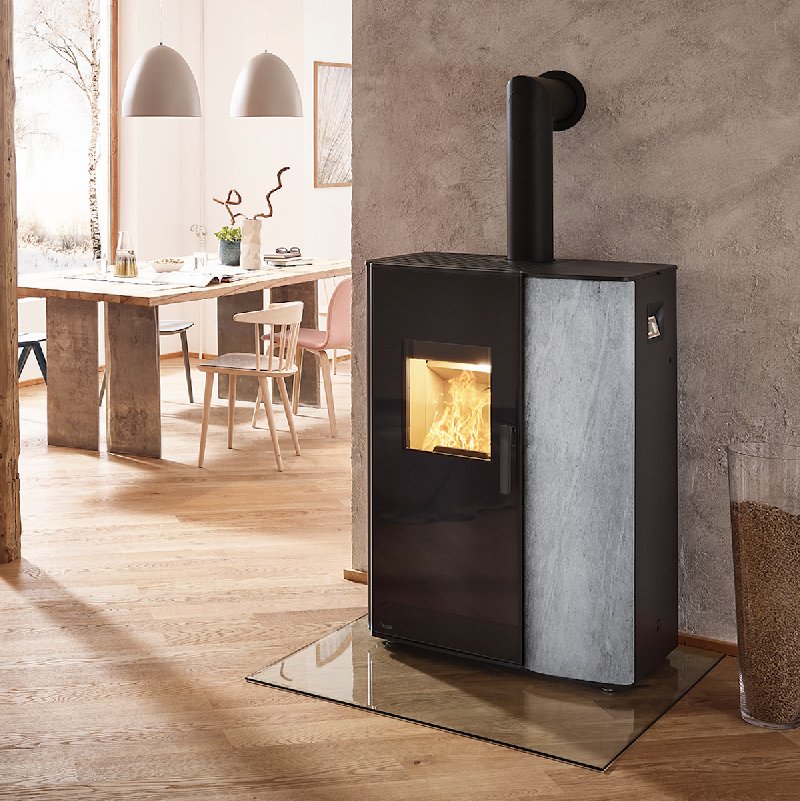
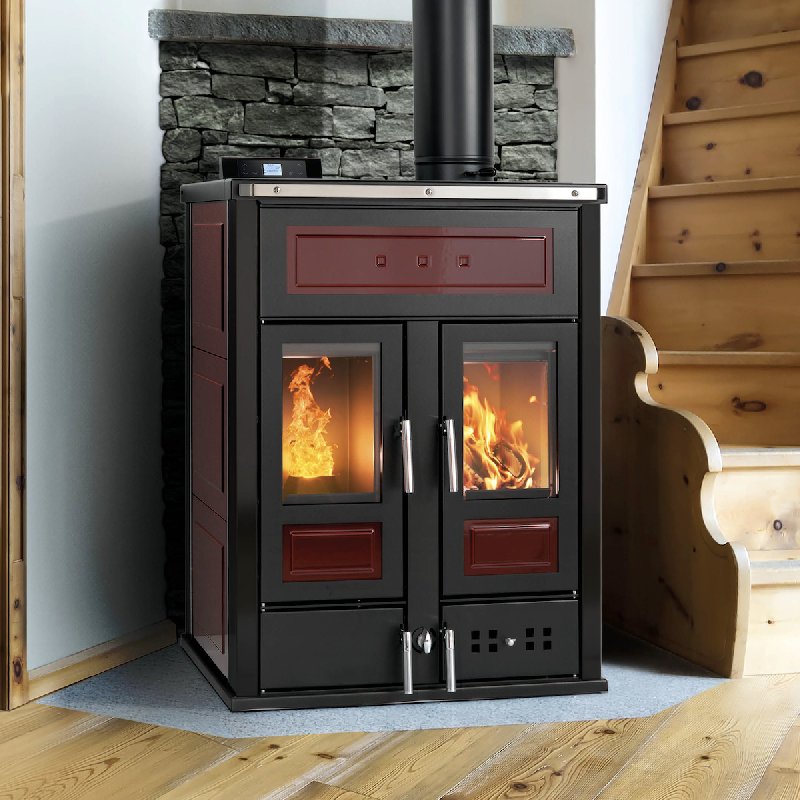
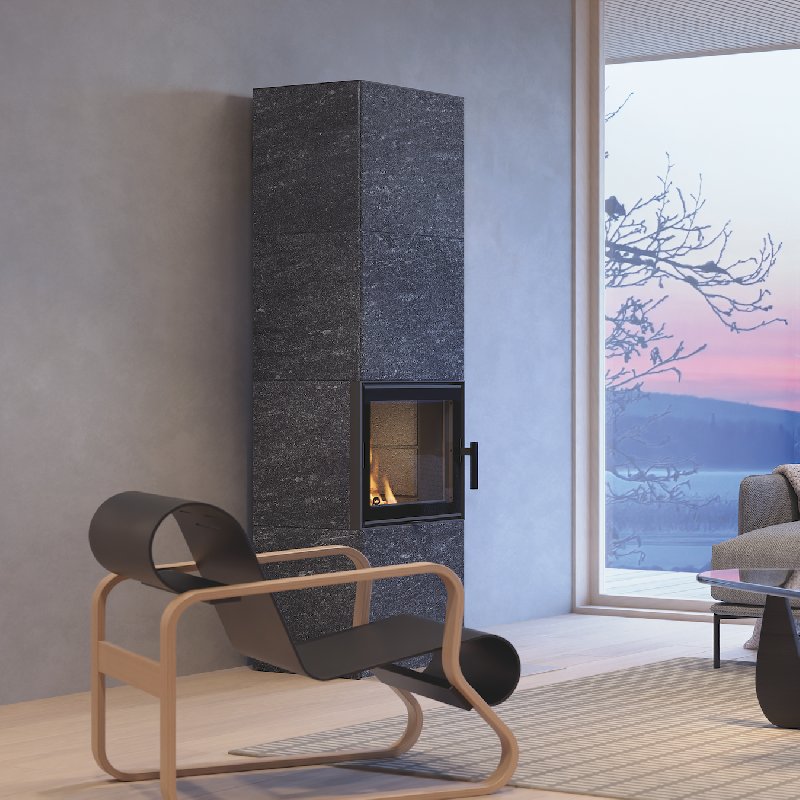
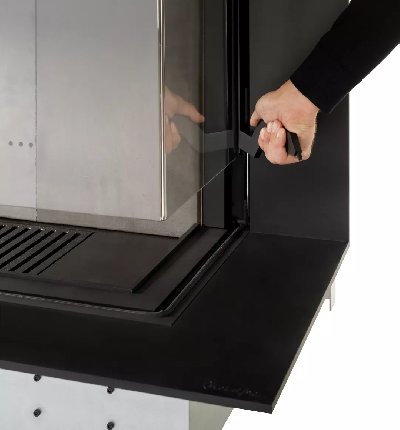
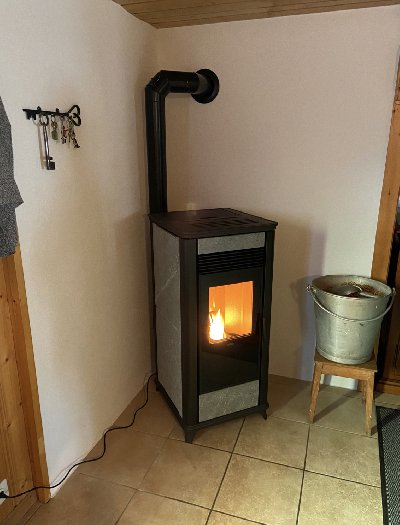
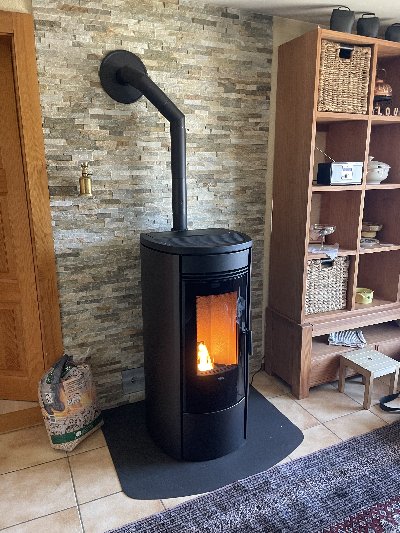
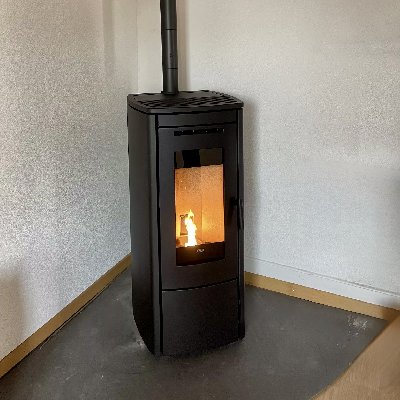
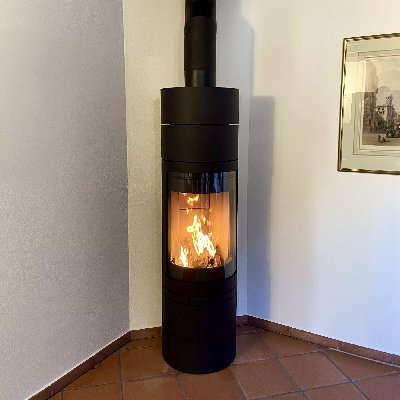
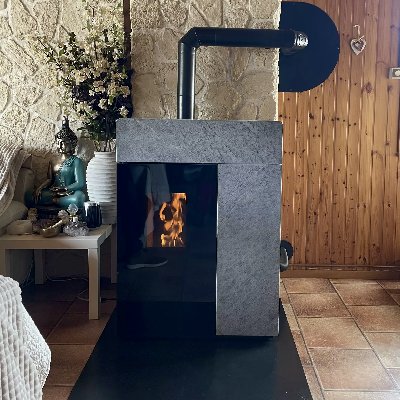
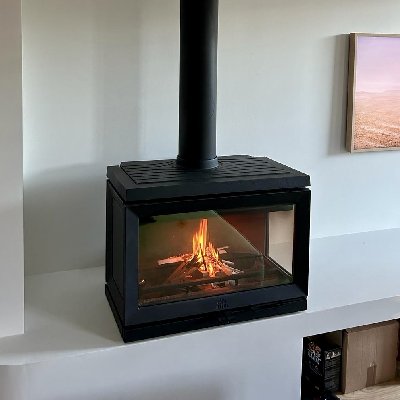
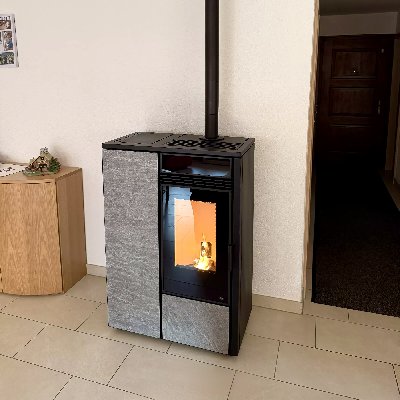

You press a button, a few minutes pass, and then a flame appears without you having to add any logs. To understand how a pellet stove works, you need to look at the coordinated role of the hopper, the auger, the firebox, the fans, and the sensors. To ensure each step is done safely, you can rely on our pellet stove setup service.
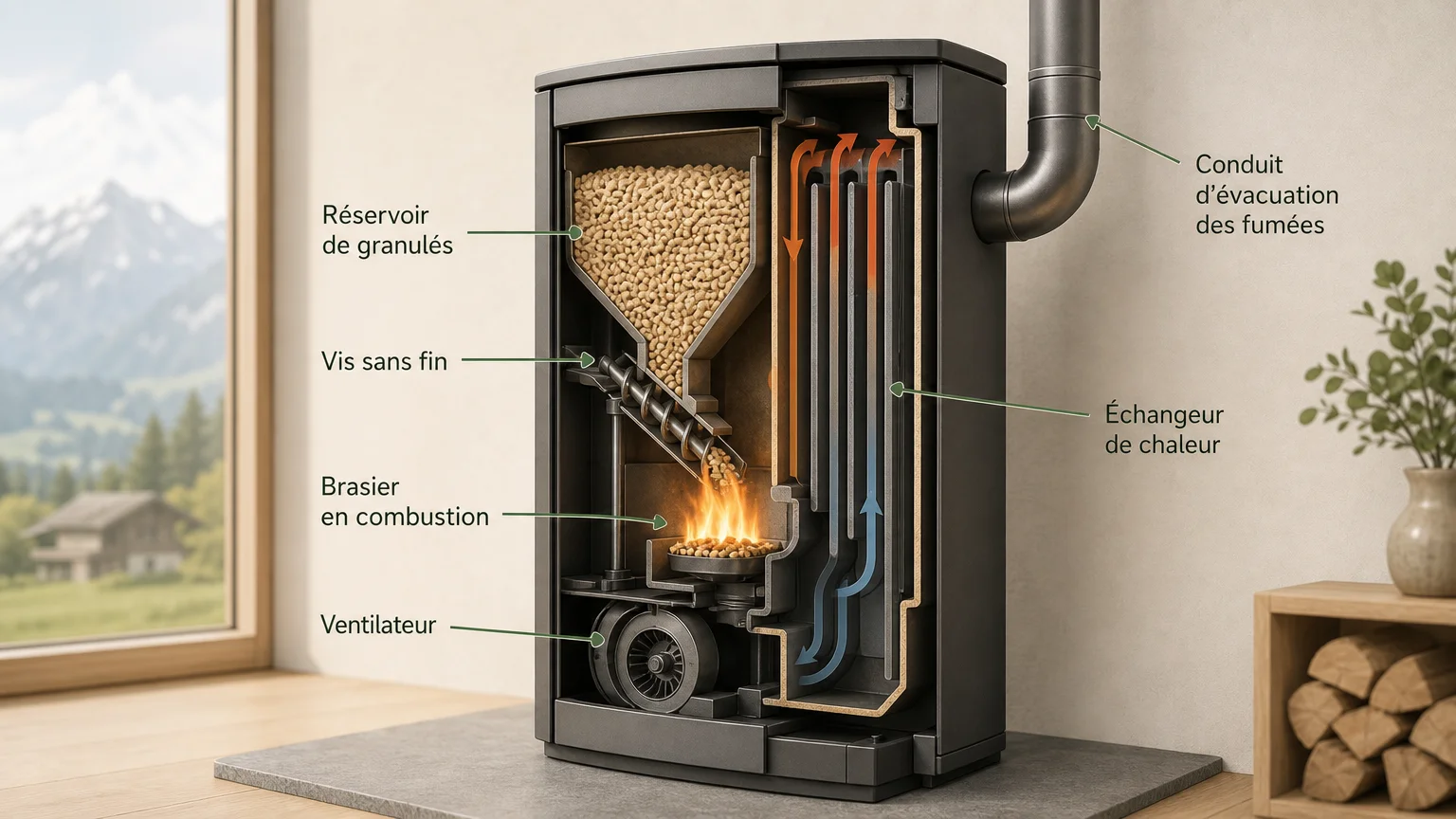
The principle is simple: the pellets are metered, burned with a controlled supply of air, and then the heat is transferred to the room. Combustion also produces fumes, which must be vented outside. A technical reference diagram published by the Wallonia fact sheet illustrates this operational sequence in detail.
How does a pellet stove work?
Imagine a system that gradually transforms small wood pellets into controlled heat. The pellets are first poured into a built-in hopper, sometimes called a feed hopper. They do not fall freely into the firebox. A motor drives a screw conveyor, which transports a specific amount of pellets to the combustion chamber.
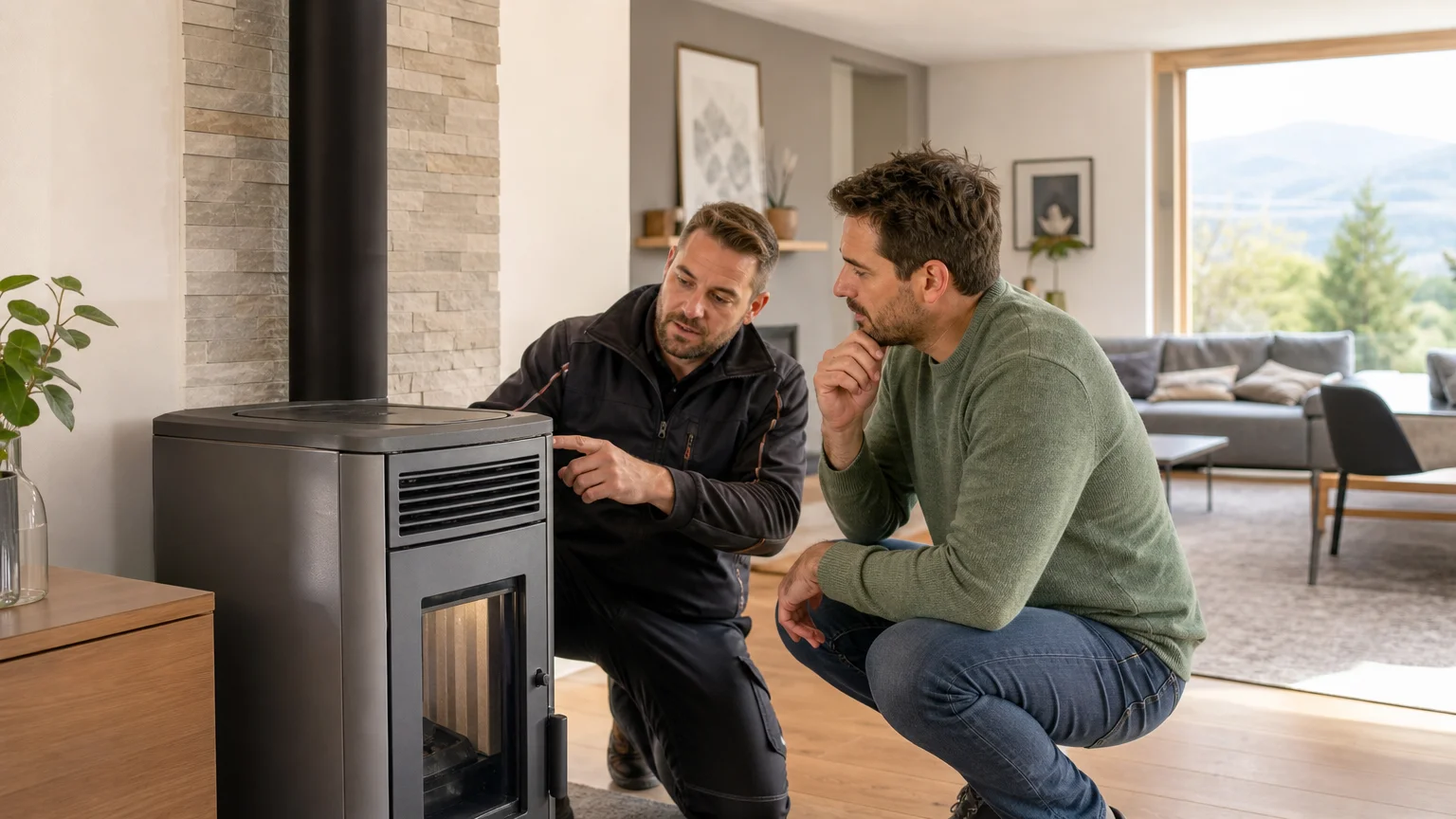
The combustion chamber receives the pellets. An electric heating element, often called a pilot light, heats the first pellets until a flame is ignited. Once the fire is established, the pilot light generally stops operating. Combustion continues thanks to the steady supply of fuel and oxygen.
A draft fan helps maintain proper draft and directs the flue gases into the chimney. The heat produced is captured by the appliance and then distributed throughout the room via radiation, natural convection, or forced ventilation. The stove does more than just burn pellets; it coordinates several functions to produce consistent heat.
Key Components to Know
- The hopper stores the pellets before they are used.
- The auger meters and conveys the pellets to the firebox.
- The ignition spark plug initiates combustion at startup.
- The firebox holds the pellets while they burn.
- The flue gas exhaust system vents the gases produced by combustion.
- The fan circulates hot air, if the model is equipped with one.
- Sensors measure, among other things, the temperature of the flue gases, the fuel hopper, and the room.
- The electronic control board centralizes the information and controls the various components.
What happens during ignition and combustion?
When you start the stove, the electronic control board first checks several conditions. The door must be properly closed, there must be sufficient draft, and the main components must respond to commands. The system then activates the flue gas extraction and gradually feeds fuel into the firebox.
The ignition spark heats the pellets. The pellets begin to heat up and then ignite when the temperature is high enough. The stove detects the rise in temperature using a sensor. If the flame does not appear within the timeframe specified by the manufacturer, the stove goes into safety mode.
Combustion controlled by several parameters
After ignition, the auger continues to operate intermittently. It feeds more pellets when the stove needs to produce more heat. It slows down when the desired temperature is nearly reached. At the same time, the blower adjusts the air supply required for combustion.
The quality of the flame is a useful indicator. A bright, steady flame generally indicates that the combustion is receiving an adequate supply of air and pellets. A window that blackens quickly, unburned pellets, or an unusual buildup of ash may indicate improper settings, lack of maintenance, or unsuitable fuel.
However, you should not change the technical settings reserved for the installer. The pellet flow rate and air supply depend on the model, the flue, and the layout of the home. Professional installation ensures the appliance is properly adapted to its environment.
How is heat distributed throughout the home?
Heat from a pellet stove can be distributed in several ways. Radiant heat directly warms objects and surfaces in front of the stove. Convection warms the air circulating around the stove. Some models include a fan to speed up heat distribution throughout the room.
Natural convection models operate without a dedicated blower. They are preferred when you’re looking for quieter operation, but the heat spreads more gradually. Ventilated models force hot air through ducts and allow for faster temperature rise.
A ductable stove can direct some of the heat to another room via air ducts. This solution requires careful planning, as the length of the ducts, their insulation, and the layout of the home all affect the outcome. It does not automatically turn a stove into a central heating system.
There are also hydronic models. In this case, the heat from combustion is transferred to water in a heating circuit. This water can supply radiators or a heated floor. The operation then becomes more similar to that of a boiler, with different installation requirements.
Why does a pellet stove need electricity?
An automatic pellet stove relies on electricity for several functions. The ignition system uses an electric heating element to ignite the pellets. The motor drives the auger. The fans and flue gas exhaust fan ensure heat distribution and the removal of flue gases, respectively.
The electronics also allow you to program time slots, set a target temperature, and adjust the heat output. Depending on the model, you can use a remote control, a mobile app, or a Wi-Fi connection. This automatic convenience therefore relies on a steady power supply.
In the event of a power outage, the unit generally shuts down and initiates a cooling-down or safety shutdown procedure. Do not immediately open the door or add pellets to the hopper. Wait until the unit has cooled down and consult the manufacturer’s manual before taking any action.
To compare solutions that automate feeding and temperature control, check out our Rika automatic pellet stoves. If remote control suits your lifestyle, our Rika Connect Pellet stove may also be worth considering.
How does it differ from a wood-burning stove?
A wood-burning stove requires manual intervention to load fuel and adjust the air intake. A pellet stove uses standardized pellets, which facilitates automatic dosing. You gain consistency and programmability, but you become more dependent on electricity and mechanical components.
The choice therefore depends on your habits. Pellets are a good fit if you’re looking for programmable temperature control and automatic fuel supply. Wood logs may be better for you if you prefer mechanical simplicity and the ability to operate independently during a power outage.
What maintenance ensures safe operation?
A clean stove burns better and operates more consistently. You should remove ashes from the firebox and ash pan depending on how often you use the stove. You should also clean out any residue blocking the air intakes and check the condition of the glass when the stove is cool.
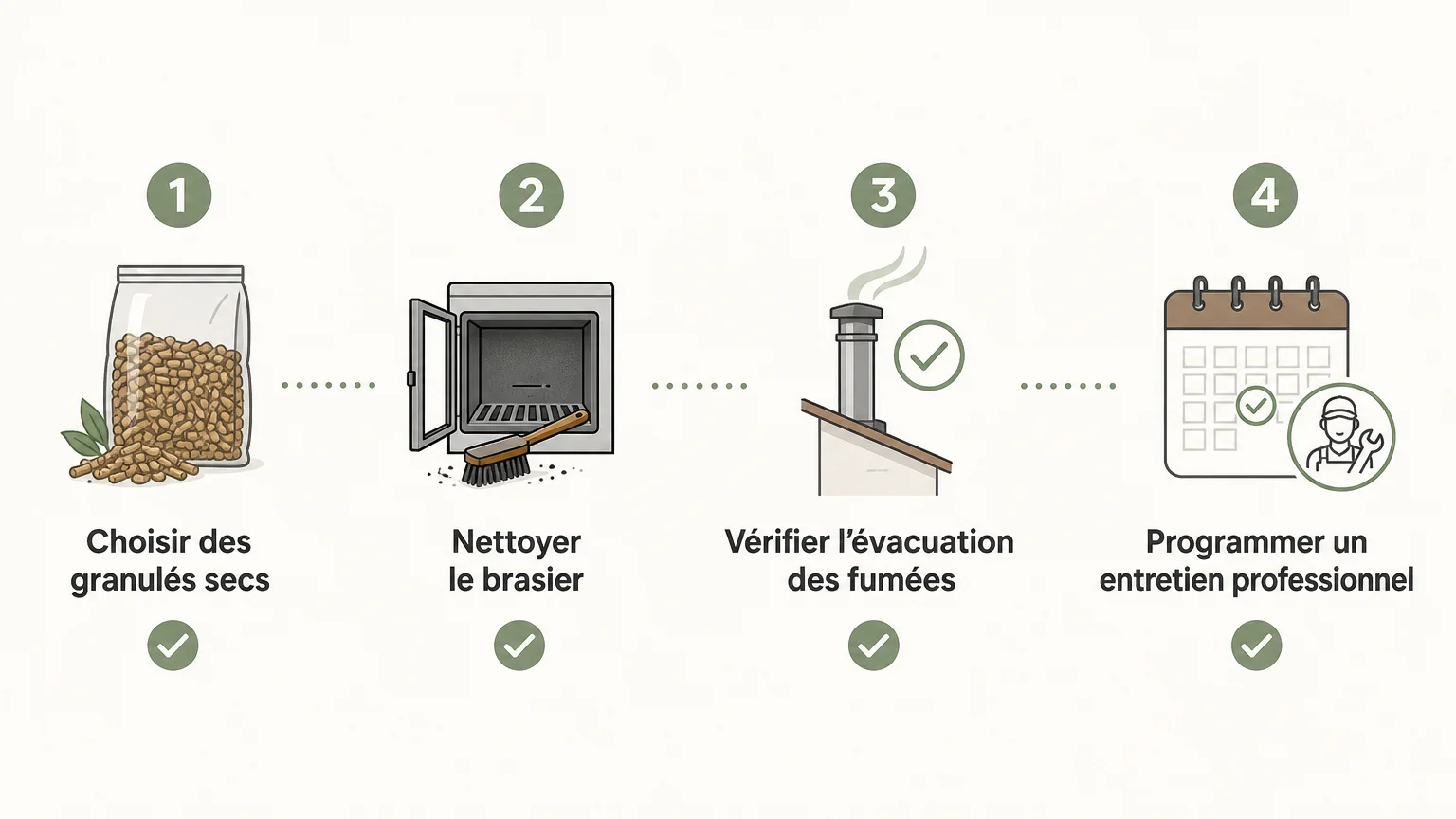
Fuel also plays an important role. Damp or very crumbly pellets can produce more dust and disrupt the feed. Store them in a dry, enclosed place protected from significant fluctuations in humidity. Avoid leaving an open bag in the immediate vicinity of the stove.
As the Que Choisir guide points out, routine maintenance should be supplemented by periodic professional inspections. The professional checks, in particular, the firebox, the gaskets, the exhaust fan, the blower, and the flue. In Switzerland, you must also comply with the requirements applicable to your canton and the manufacturer’s instructions.
Safety Features to Understand
Sensors monitor temperature, pressure, and combustion conditions. A pressure switch can detect a draft problem or a blocked flue. A sensor placed near the fuel tank can cut off the fuel supply if an abnormal temperature is detected.
These devices are no substitute for regular maintenance. A dirty firebox, a clogged air intake, or a poorly maintained flue can impair combustion. If you notice a recurring alarm, an unusual odor, or abnormal smoke, shut down the appliance according to the prescribed procedure and call a professional.
How to Choose and Install a Pellet Stove in Switzerland?
Proper operation begins before you make a purchase. You must consider the volume to be heated, the insulation, the layout of the rooms, and the availability of a suitable flue. An appliance that is too powerful may often run at low capacity, which can lead to buildup and reduce comfort.
Therefore, output should not be chosen based solely on the advertised heating area. Ceiling height, heat loss, exposure, and the level of insulation all influence actual heating requirements. A feasibility study allows you to verify these factors before selecting a model.
The flue is a critical factor. It must be compatible with the unit, properly sized, and accessible for maintenance. The air intake must also be evaluated, particularly in a home that is very airtight or equipped with mechanical ventilation.
As Selectra’s analysis points out, an oversized appliance may operate too frequently at low power. This situation can increase maintenance needs and interfere with consistent combustion. Sizing must therefore be based on the home’s specific characteristics, not on a quick estimate.
In Switzerland, administrative procedures and emissions inspections may vary by canton and municipality. You should verify local requirements before beginning any work. For a comprehensive project, we can assist you with the planning, model selection, installation, and post-commissioning support.
If you’re looking for a solution suited to a residential project, you can also compare our Klover pellet stoves. The goal is to choose an appliance that fits your home, your budget, your lifestyle, and your desired level of comfort.
What settings should you use on a daily basis?
You can generally set the desired temperature, power output, and operating ranges. The stove then adjusts its output to maintain a stable indoor temperature. Depending on the model, an economy mode can reduce the power output or temporarily shut off the unit once the desired temperature is reached.
The schedule should match your actual daily routine. There’s no point in heating at full power for a long period if the home is already at the right temperature. A gradual increase in temperature before you wake up or return home can improve comfort without creating unnecessary heating cycles.
Ventilation also deserves your attention. A higher fan speed distributes heat more quickly, but it can increase perceived noise. If your heater has a natural convection or silent mode, use it when there’s no urgent need to raise the temperature.
Finally, leave technical adjustments to a professional. Combustion cannot be adjusted solely from the control panel. The fuel, the flue, the door seal, and the air intake can all affect the unit’s performance.
Key Points to Remember About How It Works
How does a pellet stove work? It automatically dispenses pellets, ignites them with a pilot light, controls the combustion air, recovers heat, and vents the flue gases. However, its performance depends on proper sizing, a code-compliant installation, and regular maintenance. Before choosing your stove, have your home, the flue, and your heating needs assessed.
Take action with Carron-Lugon
You now understand the role of the hopper, the auger, the firebox, the sensors, and the flue. The next step is to verify whether this technology truly suits your home, your budget, and your heating habits. A preliminary assessment helps prevent choosing an improperly sized unit or an installation that’s incompatible with your building.
We’ll guide you through the selection process, feasibility study, installation, and follow-up for your project in Switzerland. To explore our selection and get advice tailored to your situation, check out our pellet stoves.
Frequently Asked Questions
Can a pellet stove heat the entire house?
A standard model primarily heats the room in which it is installed. A ducted unit can distribute warm air to other rooms, while a hydronic model can feed a hydronic heating system.
Does a pellet stove work without electricity?
Most automatic models require electricity for ignition, the auger, fans, and temperature control. Manual models are available, but their operation and use differ from automatic models.
How often should a pellet stove be cleaned?
You should regularly remove the ashes and clean the firebox depending on how often you use the stove. Professional maintenance and chimney inspections must follow the manufacturer’s instructions and local requirements.
Why is the glass on my pellet stove turning black?
A blackened glass window may indicate incomplete combustion, a lack of air, a clogged firebox, or poor-quality pellets. If the problem persists after cleaning, have a professional inspect the stove rather than adjusting the technical settings yourself.
How do I choose the right heat output for a pellet stove?
The output depends on the volume to be heated, the insulation, heat loss, and the layout of the rooms. A feasibility study helps you select a suitable unit and verify the flue, air intake, and installation conditions.