

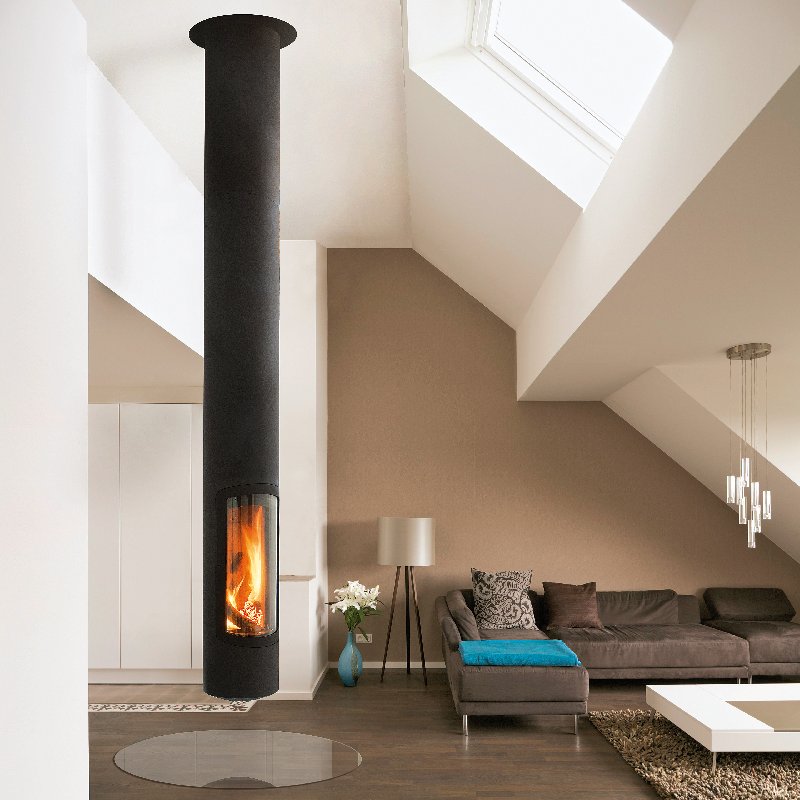
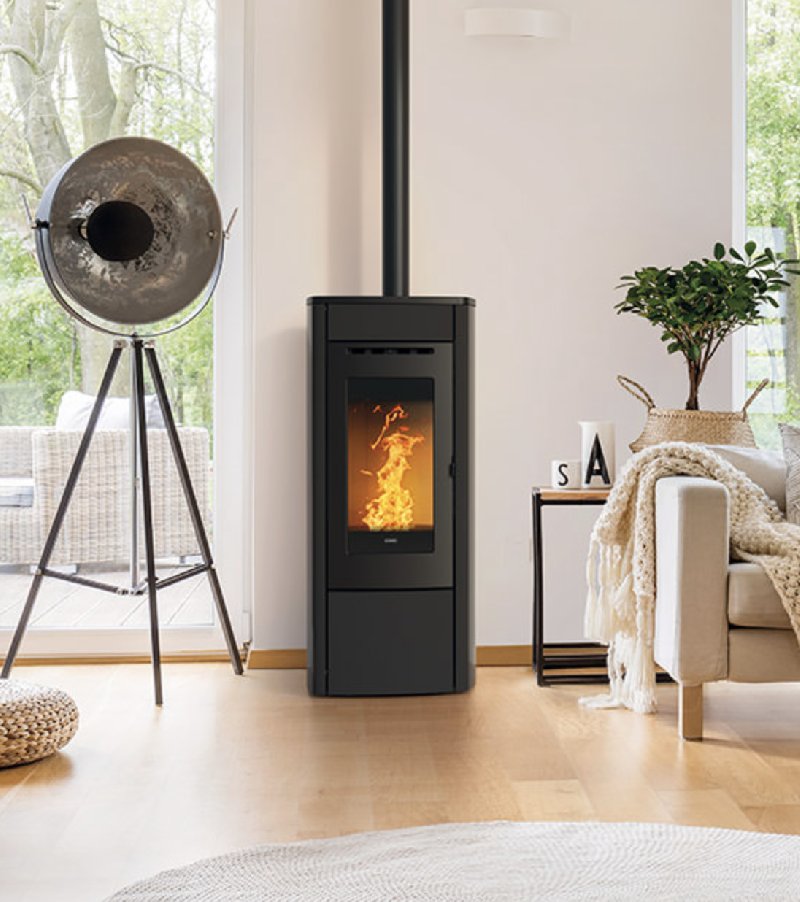
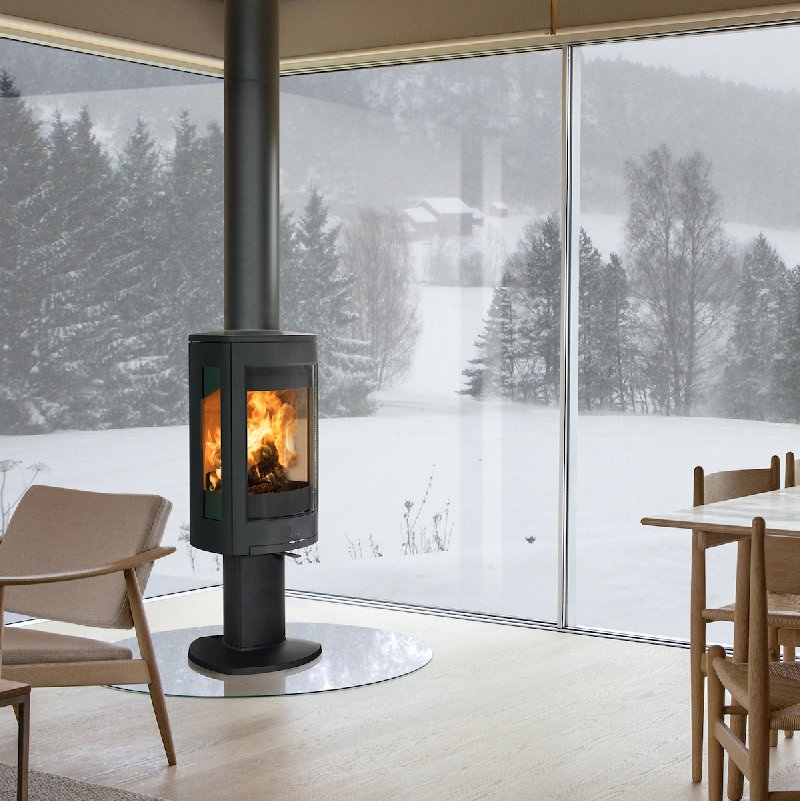
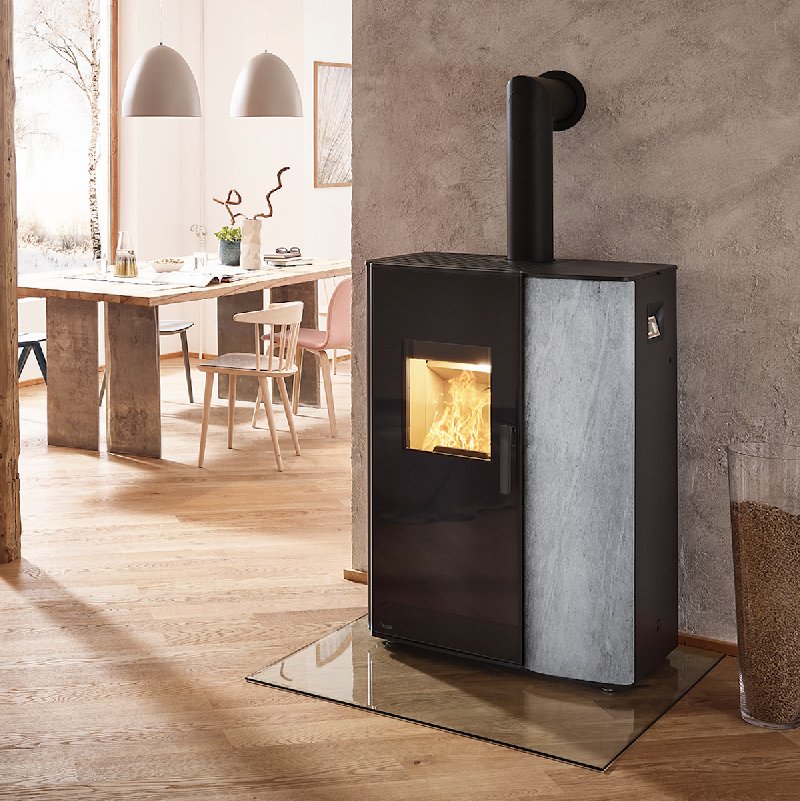
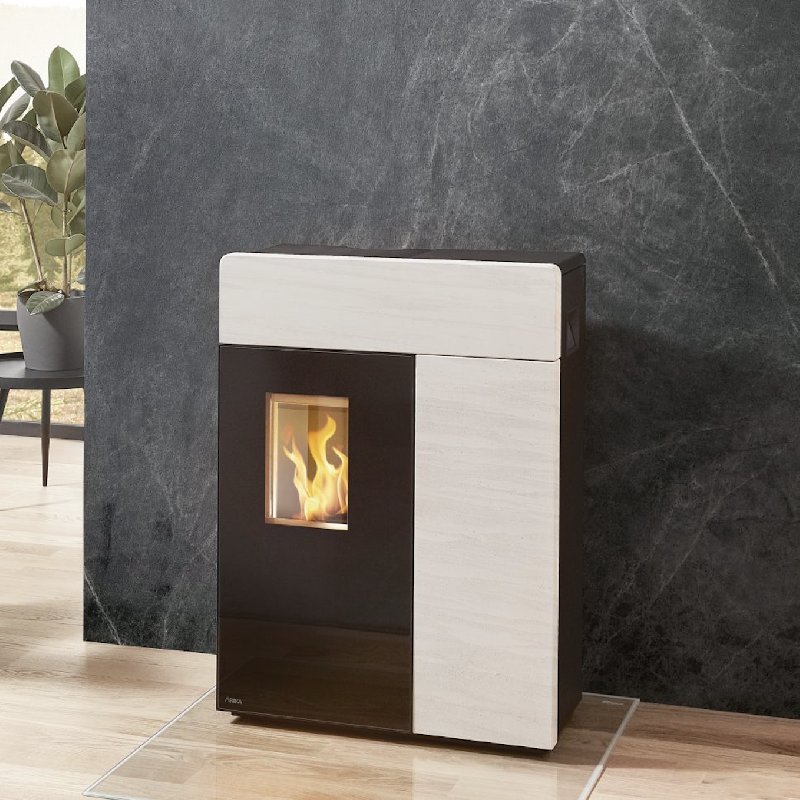
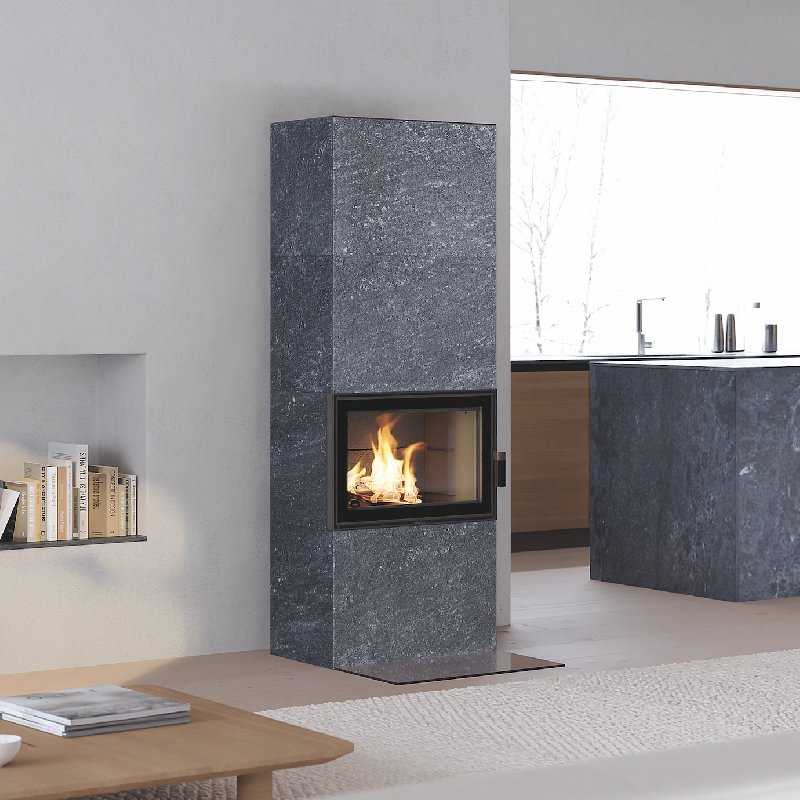
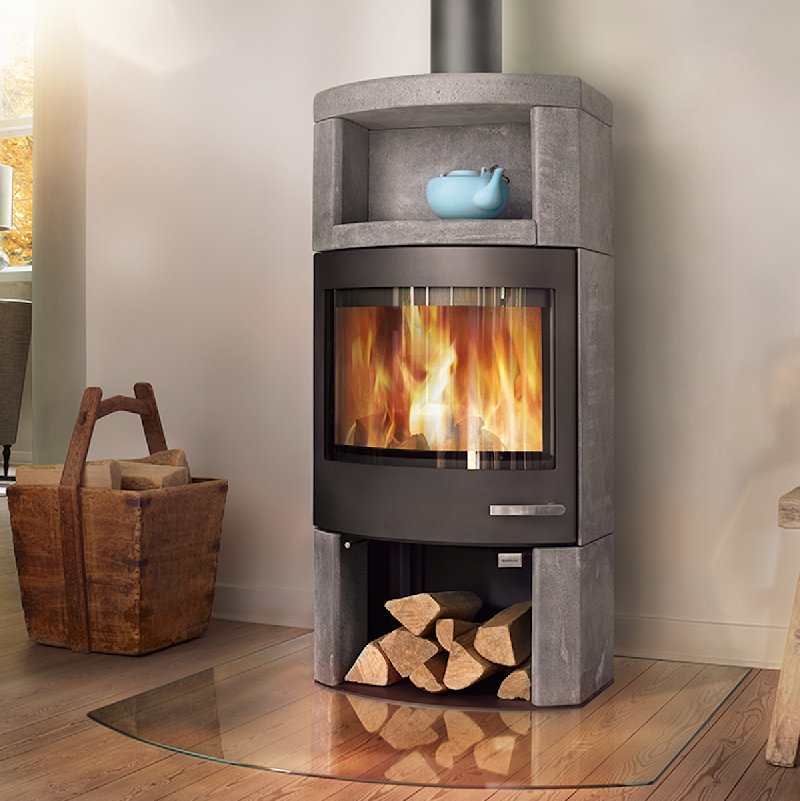
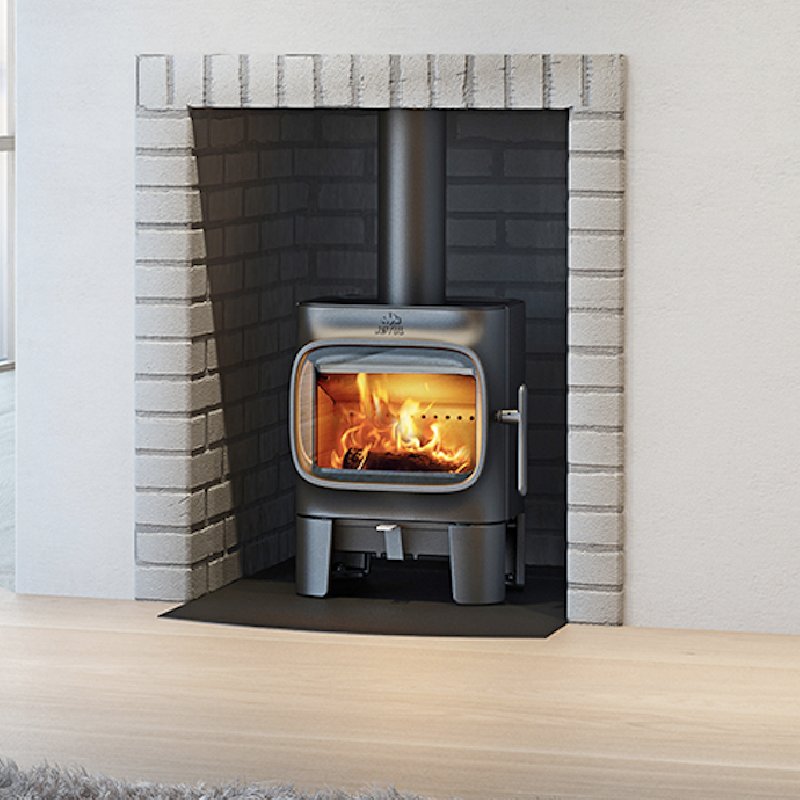
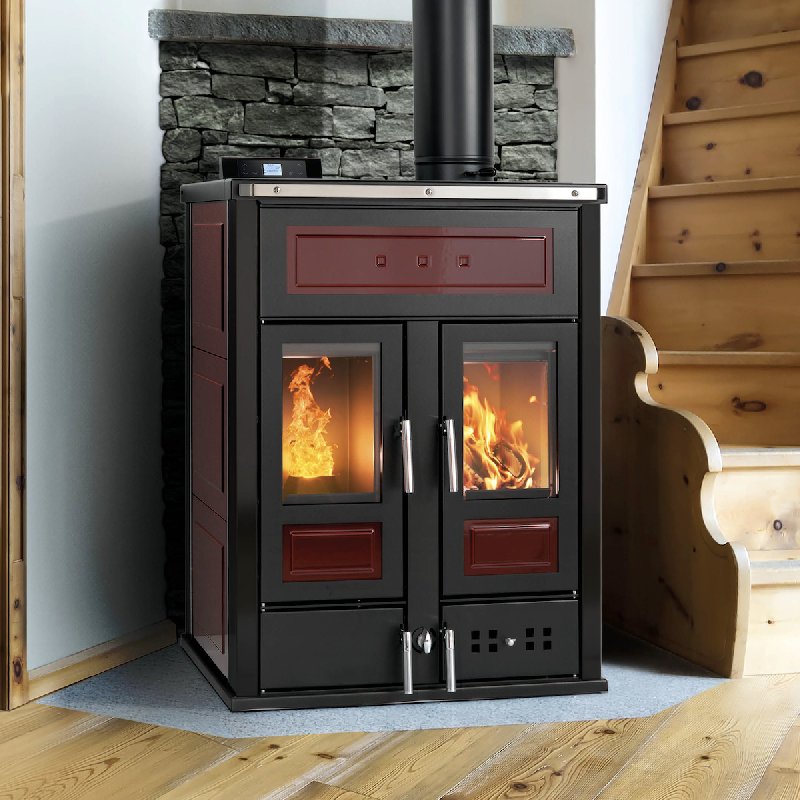

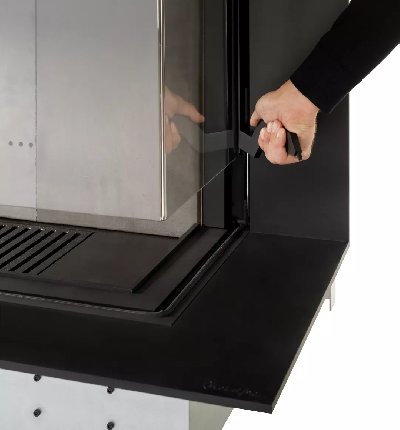


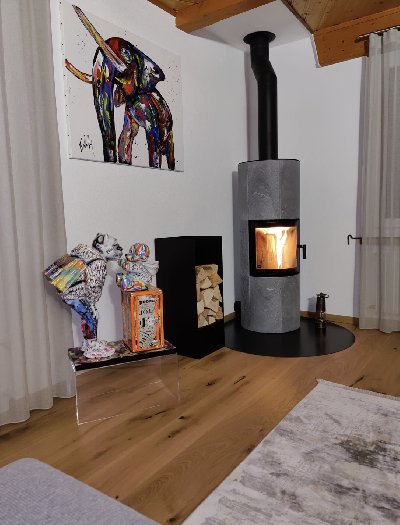
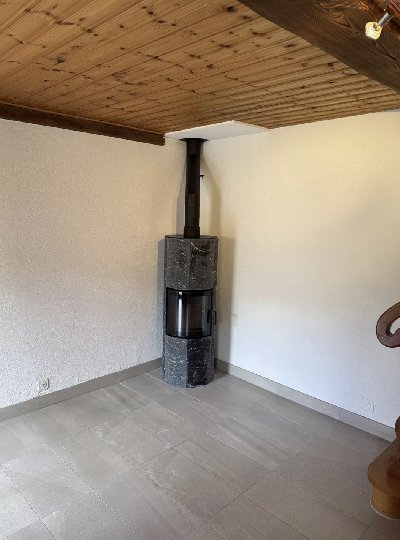
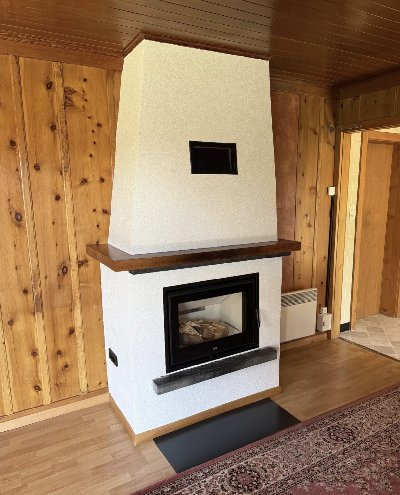
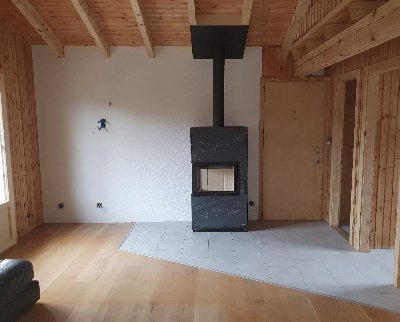
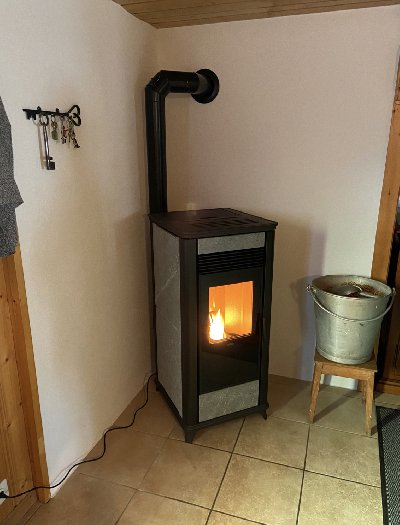
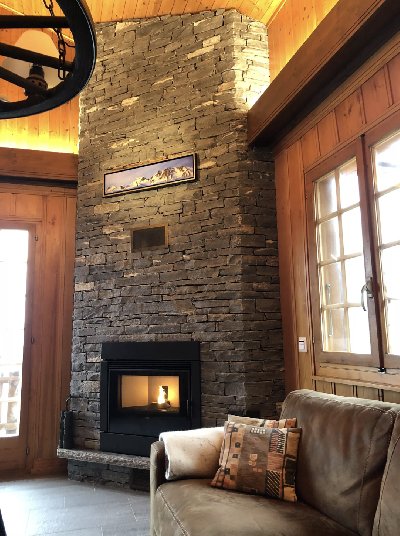
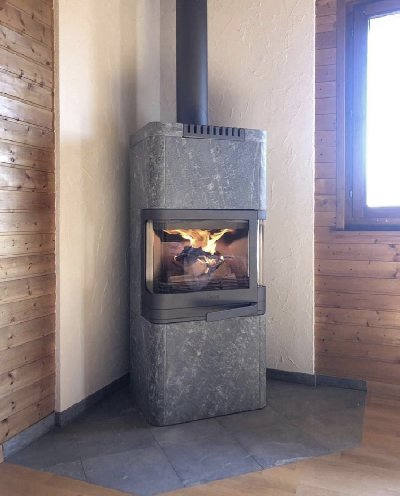
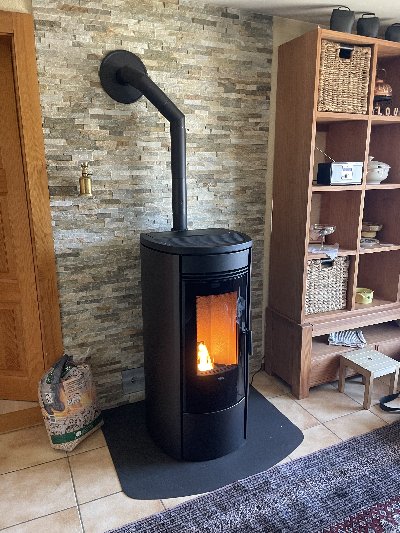
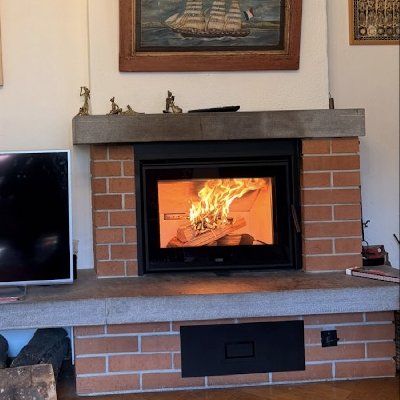
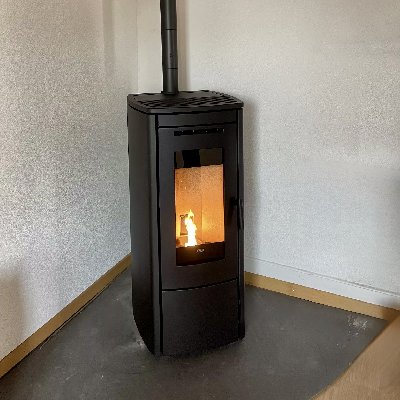
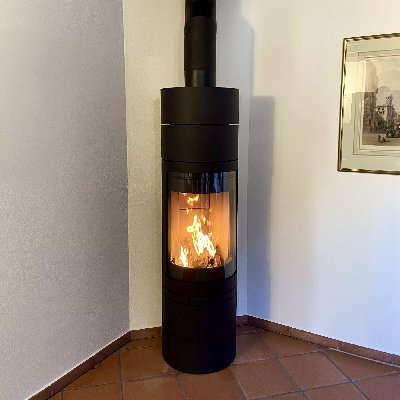
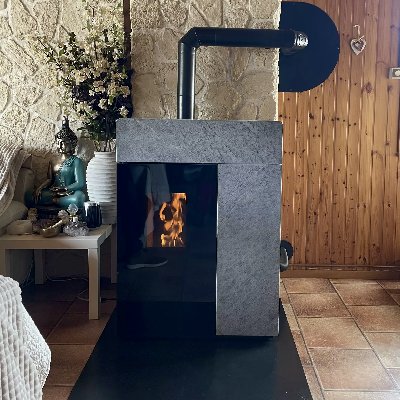
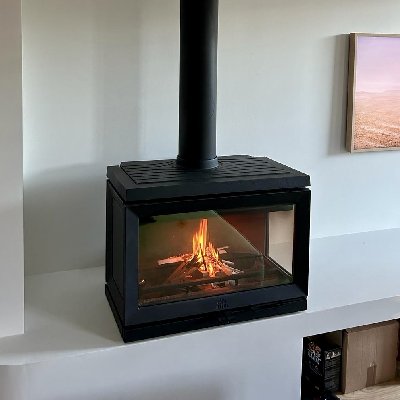
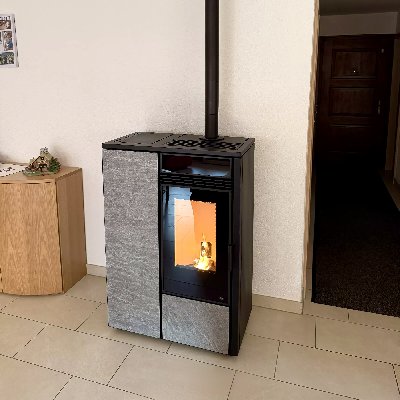
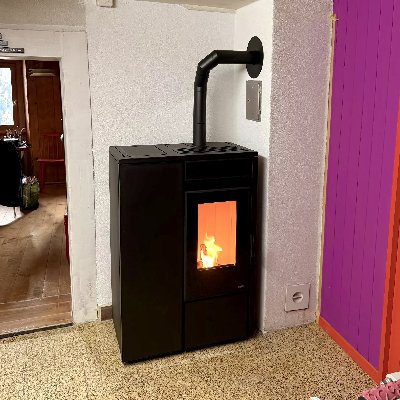



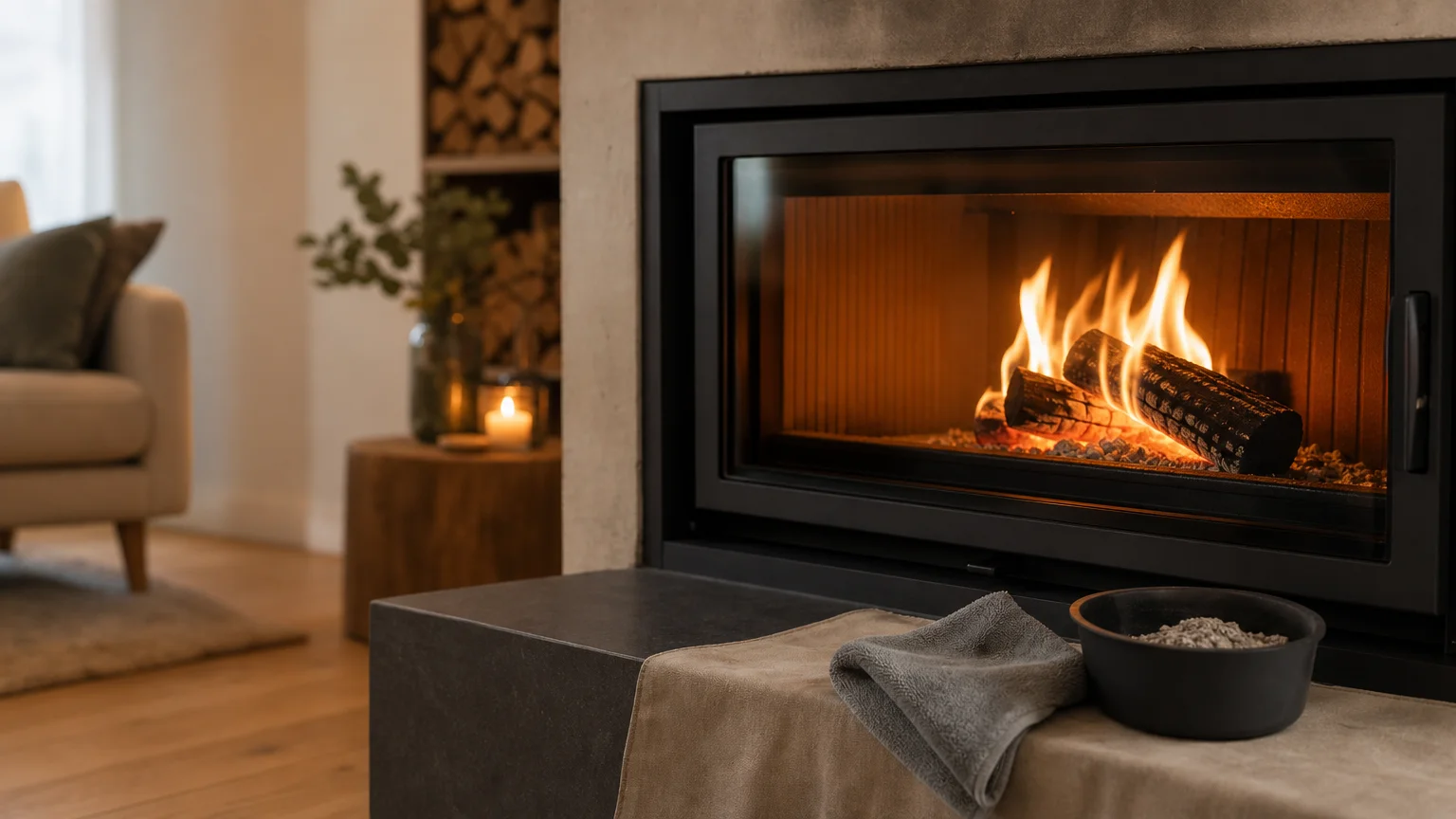
A blackened glass panel reduces visibility of the flames and makes the fireplace less enjoyable to use. To learn how to clean your fireplace glass without damaging it, start by waiting for it to cool completely. For instructions tailored to your specific appliance, also see how to properly clean your stove’s glass.
The right method then depends on the condition of the glass. A light film can be removed with a mild solution, while thick soot requires more patience. If the glass turns black after almost every fire, cleaning alone isn’t always enough. In that case, you’ll need to check the fuel, the air intake, the draft, and the condition of the gasket.
Should you wait until the glass is cool?
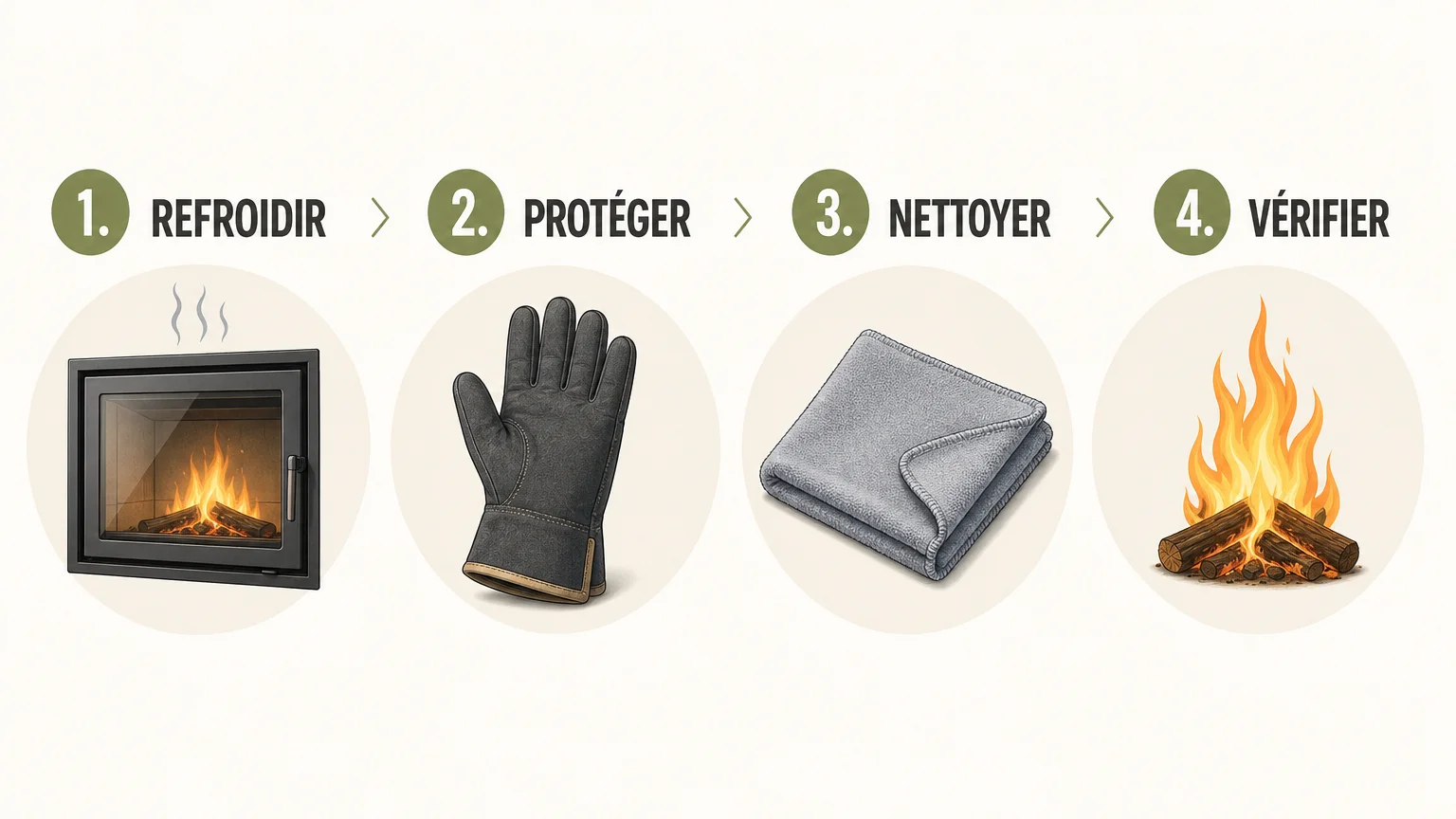
Yes, this is the most important safety precaution. Extinguish the fire completely and wait until the glass is cool to the touch before beginning. This step minimizes the risk of burns and reduces the risk of thermal shock caused by a liquid on a hot surface.
Recommendations are not entirely consistent. Qualit’EnR’s guidelines mention that a warm or lukewarm glass can make cleaning easier. To be on the safe side, however, allow the glass to cool completely and always follow your appliance’s instructions.
- Keep children and pets away from the work area.
- Protect the floor with a tarp, cardboard, or absorbent rags.
- Wear gloves if the glass has thick deposits or visible chips.
- Gently remove any ashes and residue from the firebox.
What’s the best method for a lightly soiled glass panel?
A gray film or a few traces of soot can usually be cleaned without harsh chemicals. Use a soft cloth, sturdy paper towel, or a non-abrasive sponge. Lightly dampen the cloth, then rub the surface in small circular motions.
Cold ash is a simple solution for wood-burning stoves. Use only ash that is completely cool, fine, and free of embers. Lightly dip the damp cloth into the ash, apply it to the glass, then gradually wipe away the deposits.
Don’t overload the cloth with ash. A few particles are enough to loosen the soot. If the glass becomes cloudier during the process, rinse the cloth and start over with a smaller amount. Finish with a clean, damp cloth, then dry thoroughly.
What should you do when the deposits are thick?
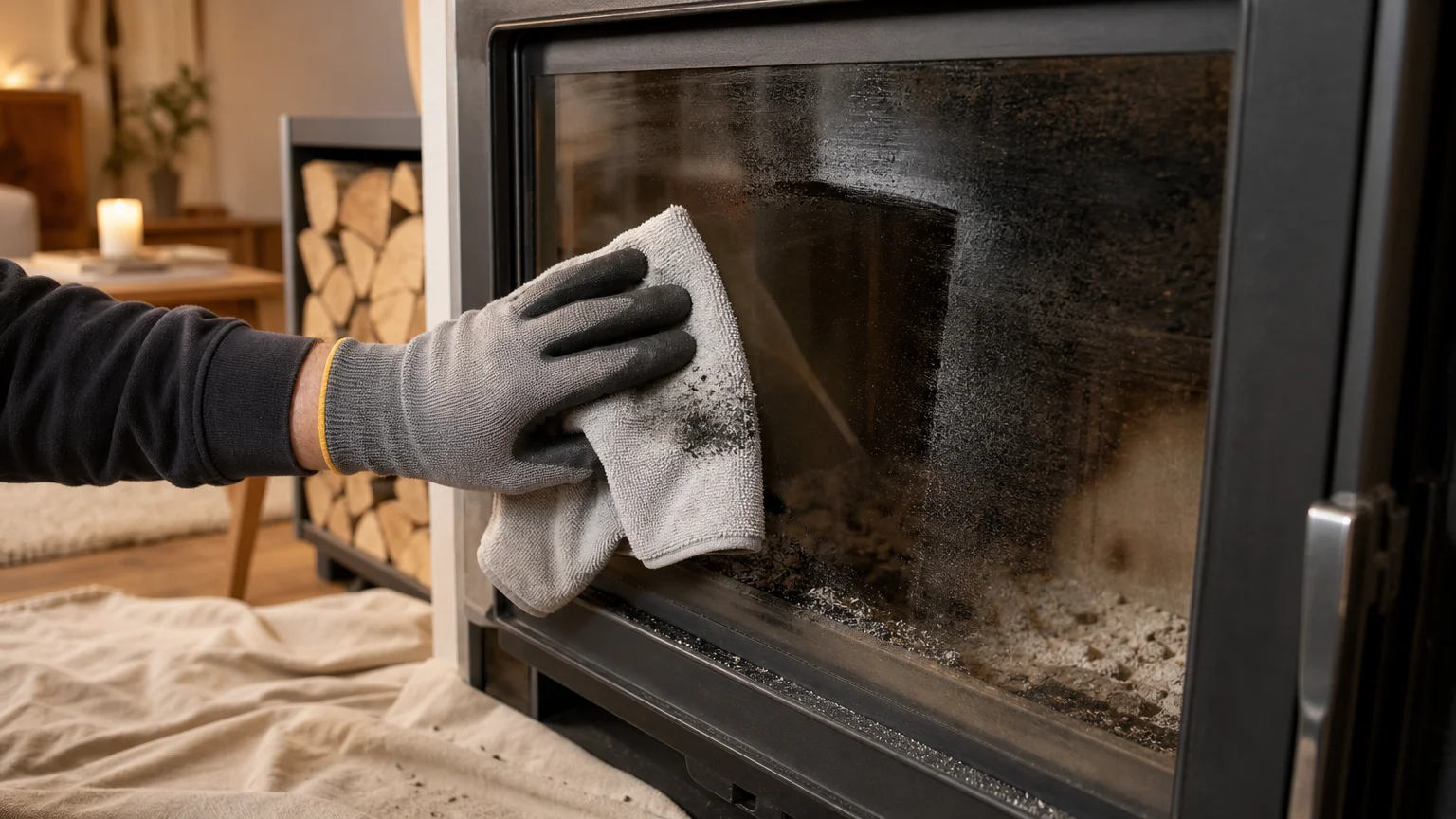
Old soot or brown deposits require a more gradual approach. Avoid scrubbing hard right away. First, dampen the area, let it sit for a few moments, then remove the residue with a non-abrasive sponge.
For heavy buildup, choose a product designed for the glass in fireplaces, stoves, or inserts. You can check out our fireplace glass cleaner, then review the compatible surfaces, processing time, and safety precautions listed.
Specialty glass must be treated with care. SCHOTT’s recommendations for its glass specifically advise against using abrasive sponges, which can cause fine scratches. Also, do not let the product drip onto seals or painted surfaces.
If the glass is still very dirty after the first pass, repeat the application rather than increasing the pressure. Several gentle passes are better for preserving the glass than vigorous scrubbing. If the deposits resemble hardened tar, seek advice from a professional.
What actions can scratch or damage the glass?
The glass in a fireplace insert can withstand high temperatures, but it remains susceptible to scratches and sudden temperature changes. Certain cleaning habits can therefore cause permanent damage.
- Do not use steel wool, metal sponges, or scrapers not designed for glass.
- Do not apply cold water to a hot glass pane.
- Avoid household cleaning products not intended for fireplace glass.
- Do not spray directly onto seals, hinges, or painted surfaces.
- Do not apply excessive force to a cracked or chipped glass pane.
Homemade remedies aren’t always suitable for every appliance. Vinegar, baking soda, or abrasive mixtures can leave residue and damage certain parts. If in doubt, always refer to the manufacturer’s instructions.
Why does the glass turn black again?
A glass panel that gets dirty quickly often indicates a problem with combustion or airflow. Damp wood produces more smoke and deposits. Use wood that is thoroughly dry, untreated, and properly stored.
The placement of the logs also matters. Leave enough space between the wood and the glass so that air can circulate properly. An air intake that’s too restricted or a fire kept at a low burn for too long can lead to incomplete combustion.
Ash can be useful for occasional cleaning. However, TotalEnergies notes that it has abrasive properties. Therefore, use it with a soft cloth and without applying excessive pressure.
Also check the weatherstrip around the door. A worn weatherstrip can disrupt airflow and accelerate soot buildup. If blackening occurs despite using the right fuel and operating the stove correctly, check the draft and the flue.
When should you seek professional advice?
Home cleaning is suitable for ordinary deposits. It is not a substitute for a professional diagnosis if the glass blackens very quickly, if smoke is coming back into the room, or if the fire is burning poorly.
You can visit our page on “Why Does My Stove Glass Turn Black?” to identify possible causes. A cracked glass pane, a damaged gasket, or a draft problem requires appropriate repair.
In Switzerland, maintenance guidelines may vary depending on the appliance and the canton. For equipment that’s already installed, our customer service department handles maintenance, repairs, and the supply of replacement parts. This allows us to address the root cause of the problem rather than repeatedly cleaning the glass.
Which method should you choose based on the condition of the glass?
The following table helps you choose an appropriate method. In all cases, start by allowing the appliance to cool completely and consult its user manual.
| Condition of the glass | Recommended method | Key Precaution |
|---|---|---|
| Light film | Damp cloth or cold ash | Wipe gently without applying pressure |
| Visible soot | Non-abrasive sponge and appropriate cleaner | Allow the product to sit for the recommended time |
| Thick deposits | Several gradual passes | Do not use metal |
| Recurring blackening | Check combustion | Check the air supply, the seal, and the draft |
Tips for keeping the glass clear
To successfully clean a fireplace glass pane, use a cool surface, a soft cloth, and a method suited to the type of residue. Cold ash works well for a light film, while a specialized product can help with thick soot. If the soot builds up again quickly, look for the cause—it’s likely related to the wood, airflow, seal, or draft.
A Specialized Product for Maintaining Your Glass
When soot resists gentle cleaning, it’s best to use a solution designed for fireplace and stove glass. Always work on a cool glass surface, protect your floor, and check the instructions for use before applying the product.

To continue your maintenance with a product suited for this purpose, check out our fireplace glass cleaner. If the blackening persists despite your precautions, our team can also recommend a maintenance or repair solution tailored to your system.
Frequently Asked Questions
Can you clean a fireplace glass panel while it’s still hot?
It’s best to wait until it has cooled completely. This reduces the risk of burns and thermal shock.
Can ash scratch the glass?
Cold ash can help remove soot when used with a soft cloth. However, avoid coarse particles, hard debris, and scrubbing too vigorously.
What product should you use for a very dirty glass panel?
Choose a product specifically designed for the glass in fireplaces, stoves, or inserts. Check that it’s compatible with the glass and protect the seals before applying it.
Why does the glass on my stove turn black so quickly?
Possible causes include wood that’s too damp, a lack of air, a fire that’s burning too slowly, or a draft problem. A worn gasket or a clogged flue can also contribute to this issue.
When should you contact a professional?
Seek advice if the glass turns black after every use, if smoke is coming back into the room, or if the glass and gaskets appear damaged. Our customer service team can assist with maintenance, repairs, and sourcing parts for the affected equipment.