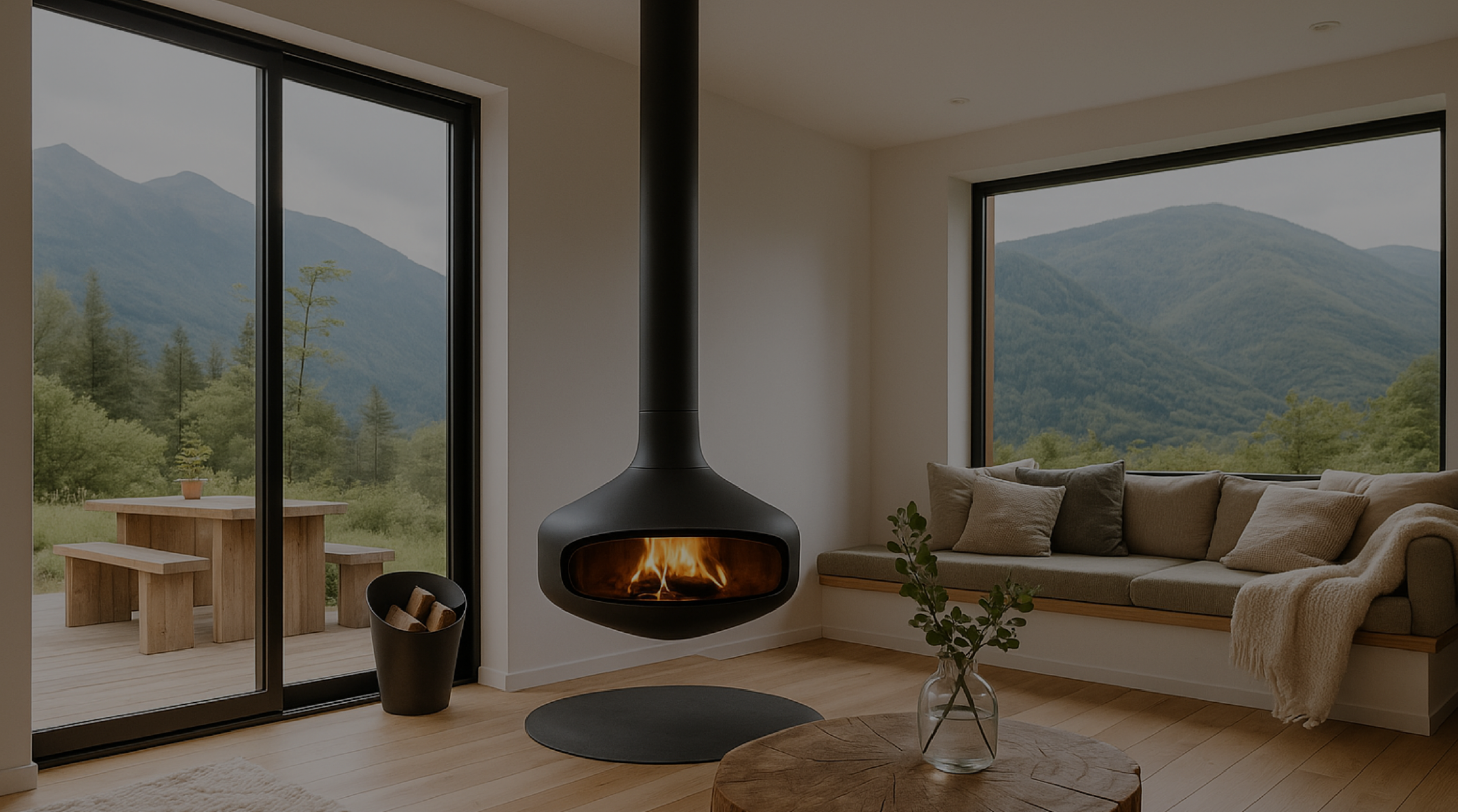


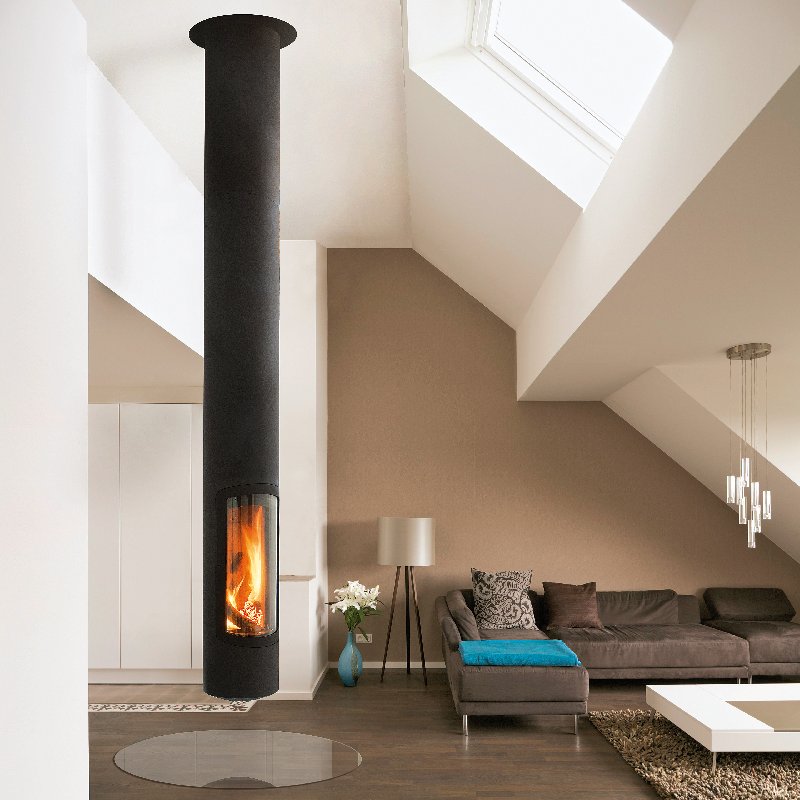
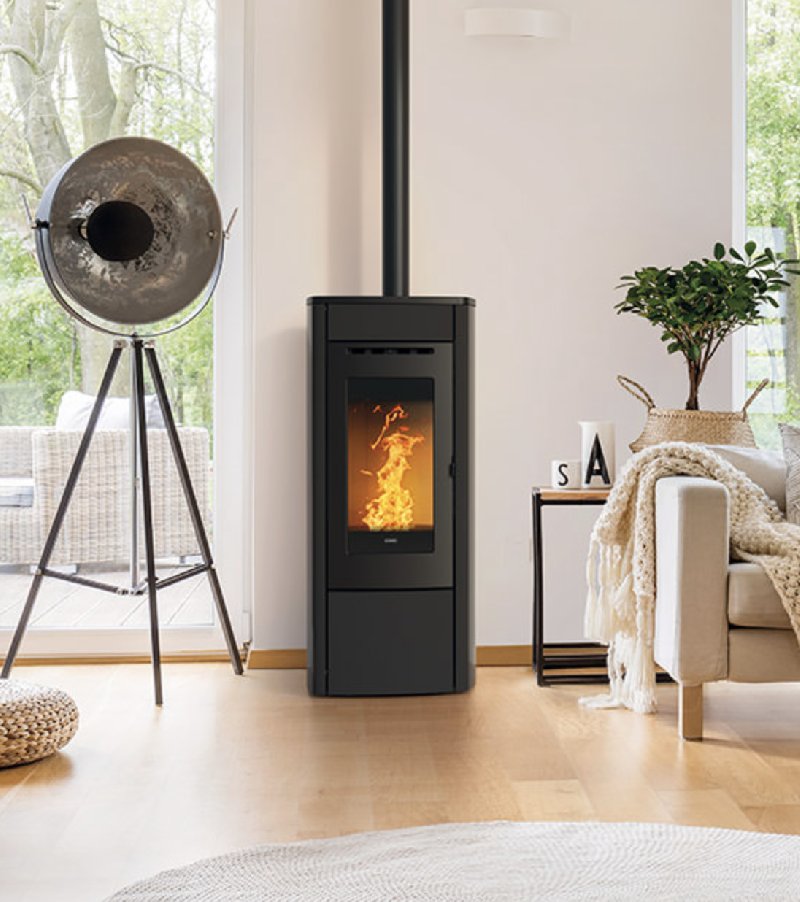
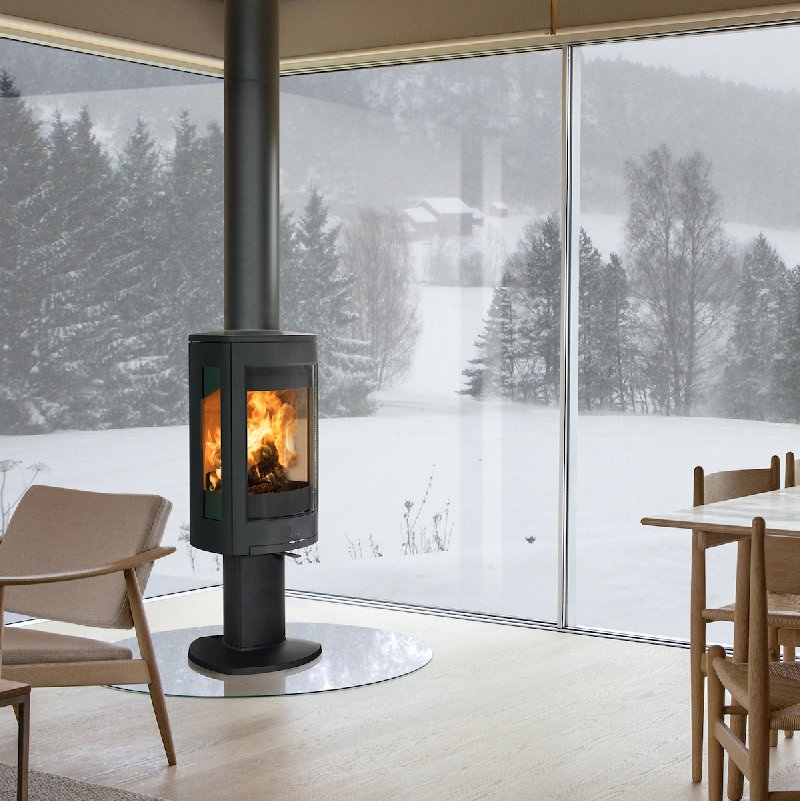
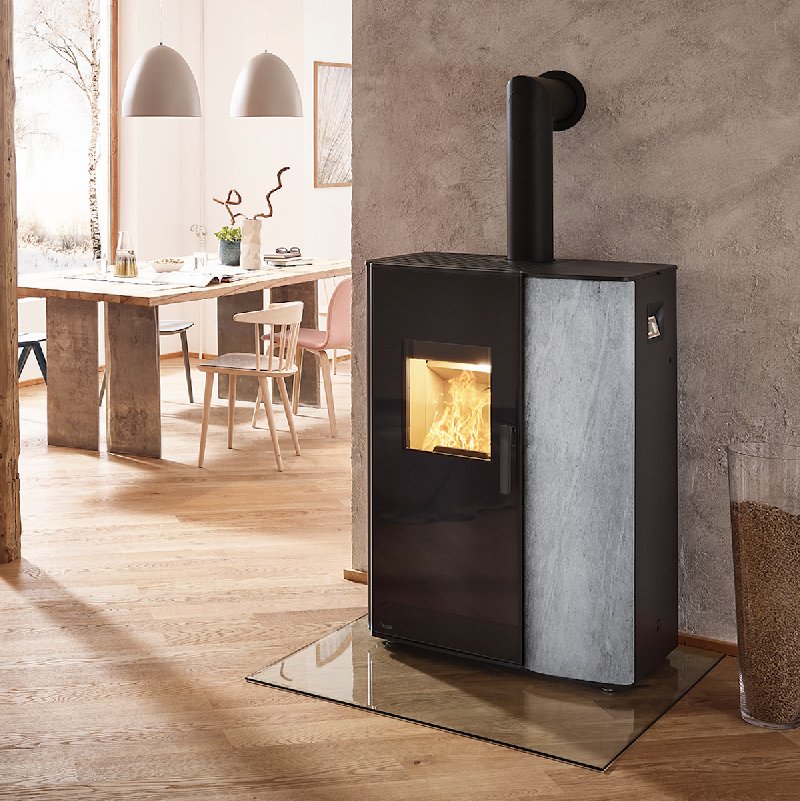
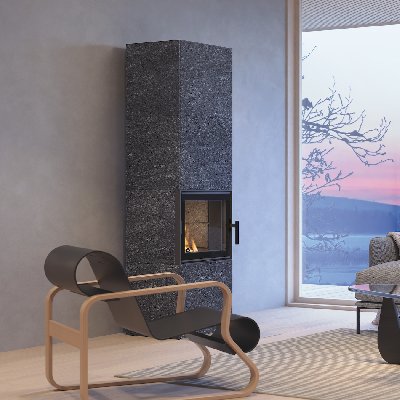
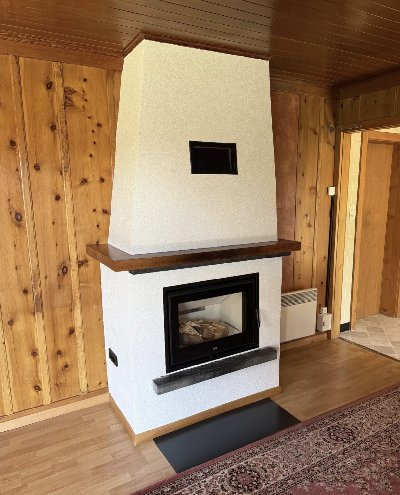
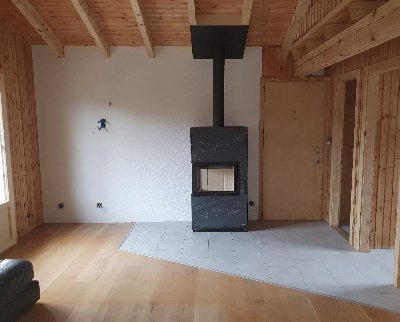
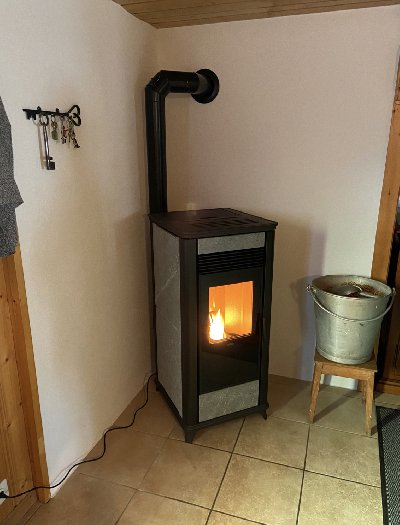
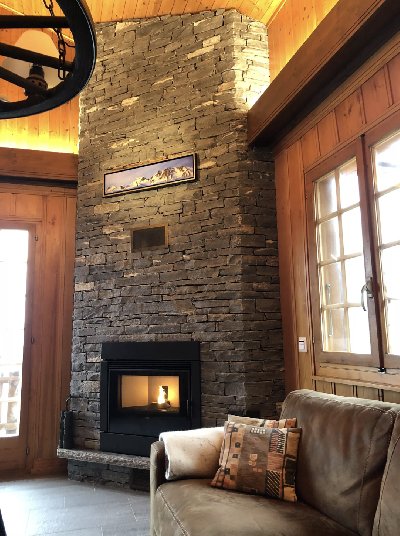
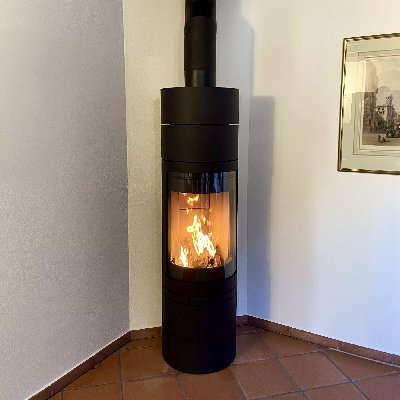
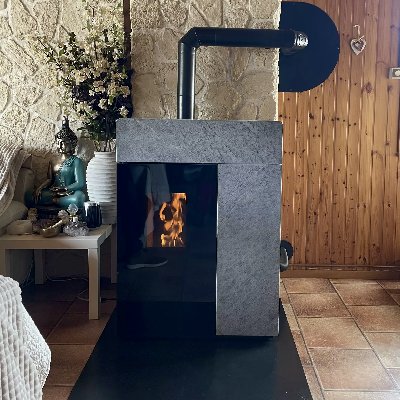
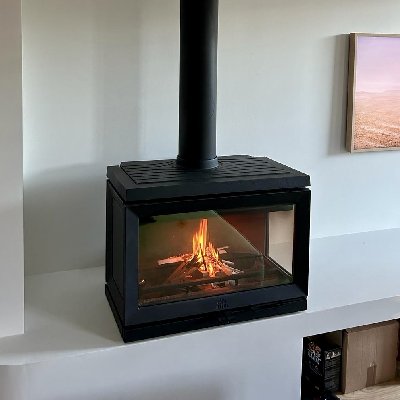
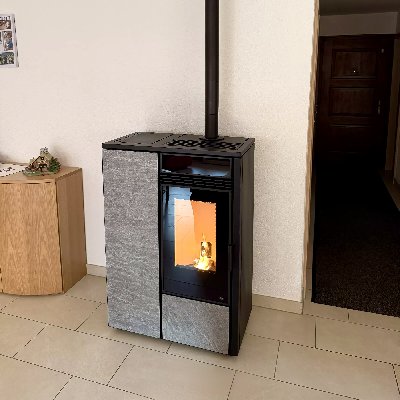
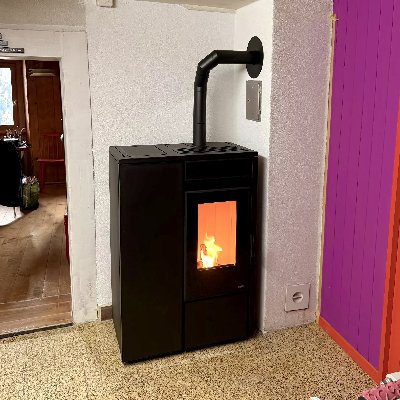
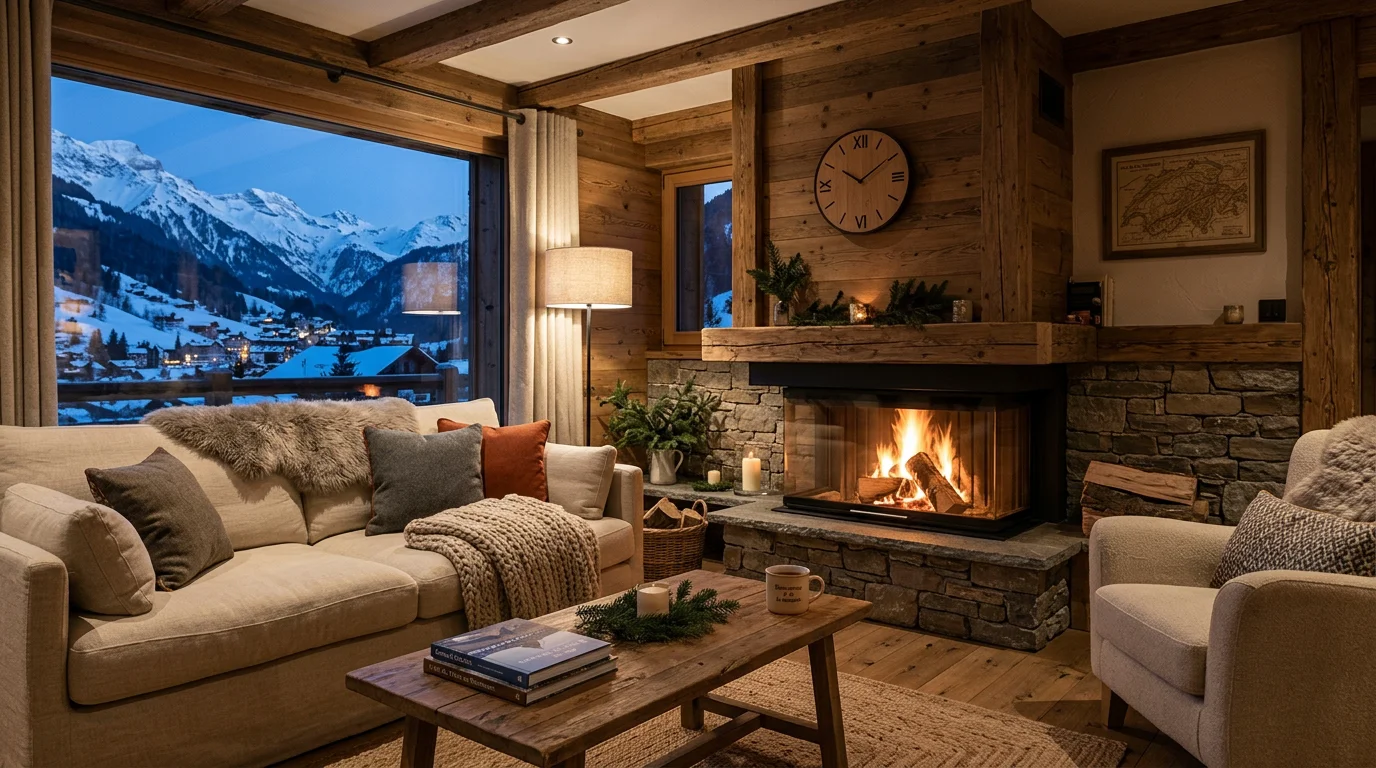
A wood fire warms both the atmosphere and the room, but not all heating appliances are created equal: an open fireplace utilizes only a fraction of the wood’s energy. Before deciding between a fireplace and a stove, it’s best to understand what truly sets these heating solutions apart. To provide a concrete visual of a modern installation, our Atra-Atraflam Vision 800 installation and user manual illustrates the level of finish expected from a contemporary enclosed fireplace.
The choice between a fireplace and a stove is not simply a matter of taste. It involves efficiency, wood consumption, available space, and air quality. In Switzerland, where the Federal Ordinance on Air Protection regulates emissions, these criteria carry significant weight. According to a French-speaking Swiss energy information service, an open fireplace uses less than 10% of the wood’s energy, compared to more than 80% for a high-quality stove or a modern closed fireplace.
Stove or Fireplace: Two Approaches to Wood Heating
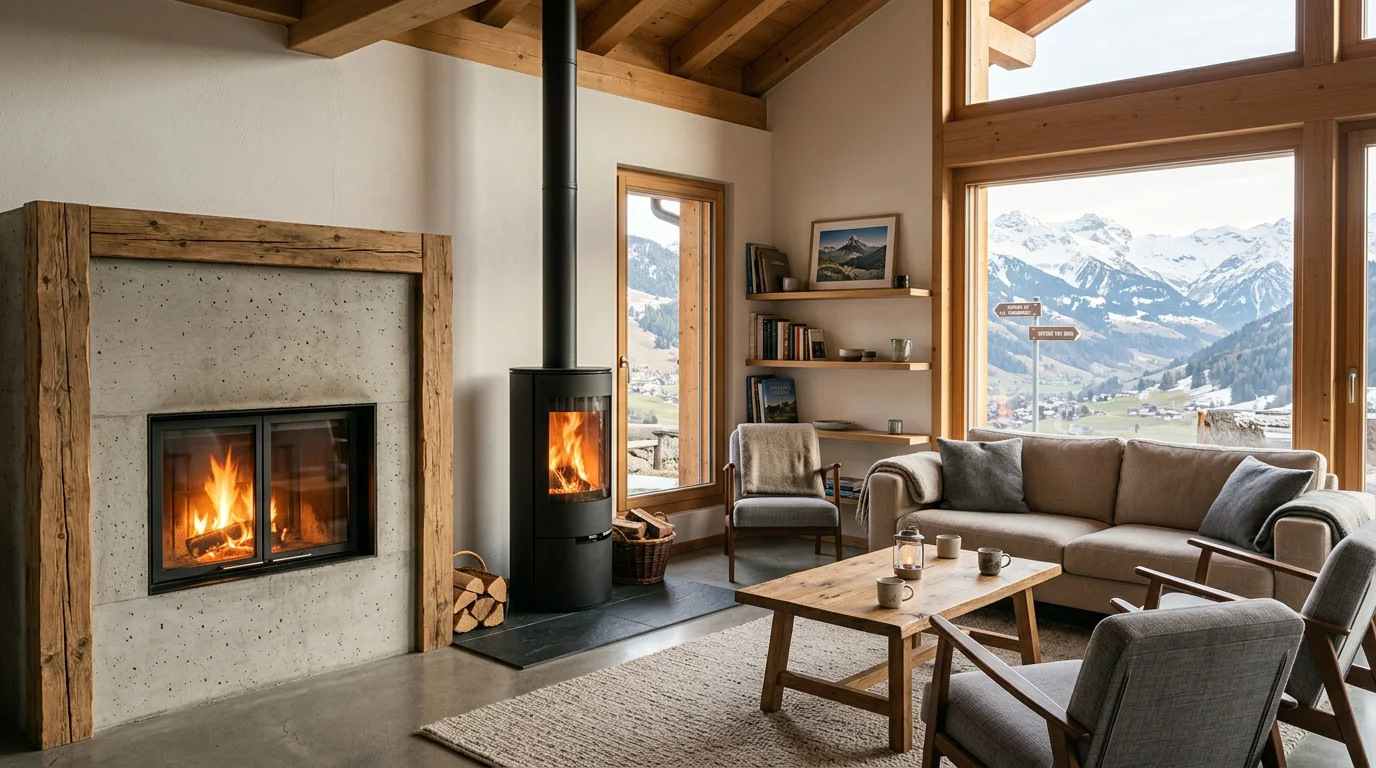
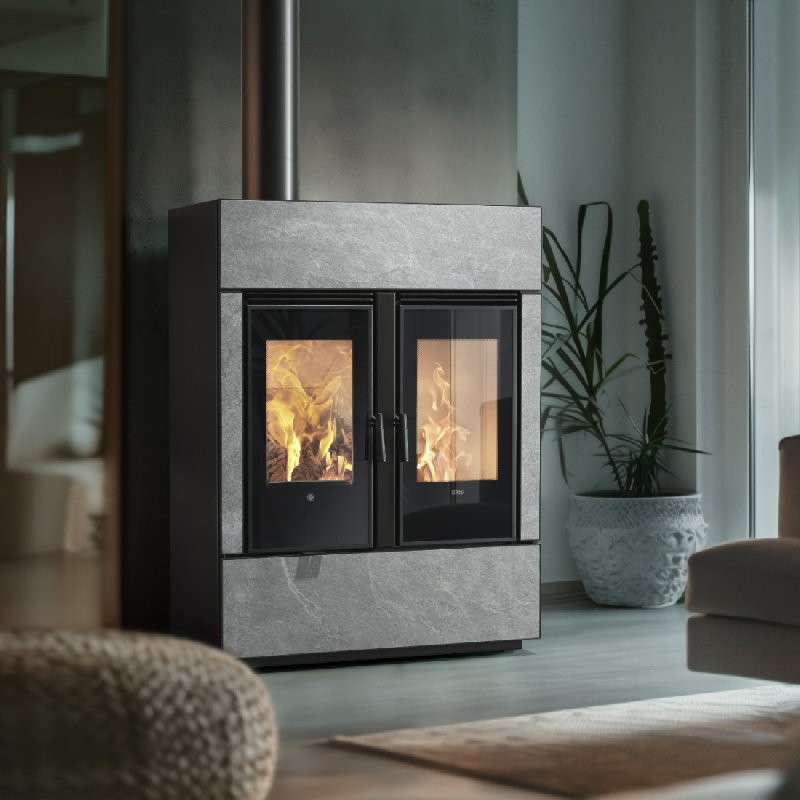
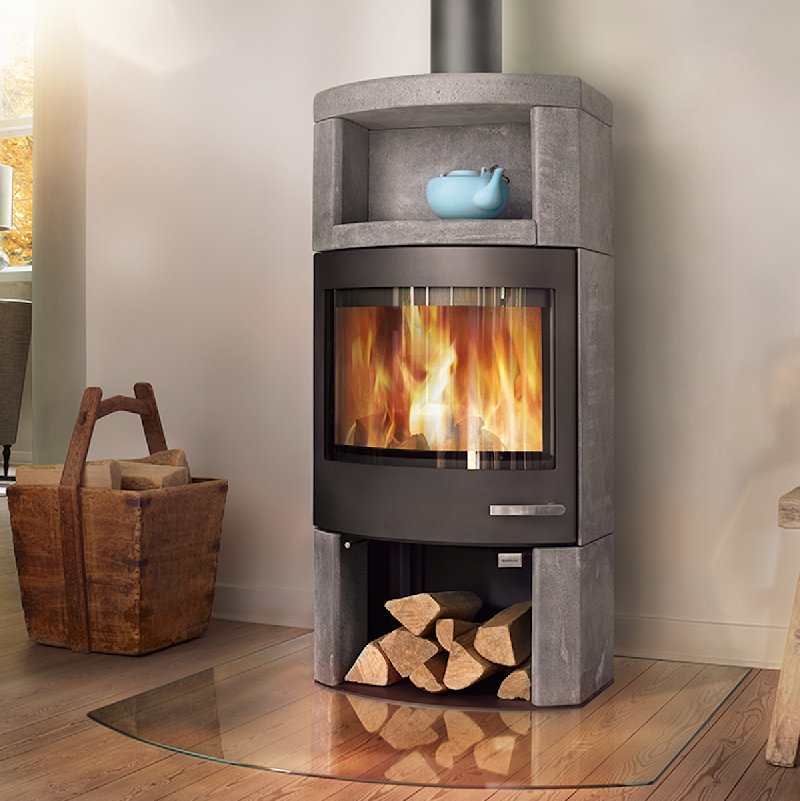
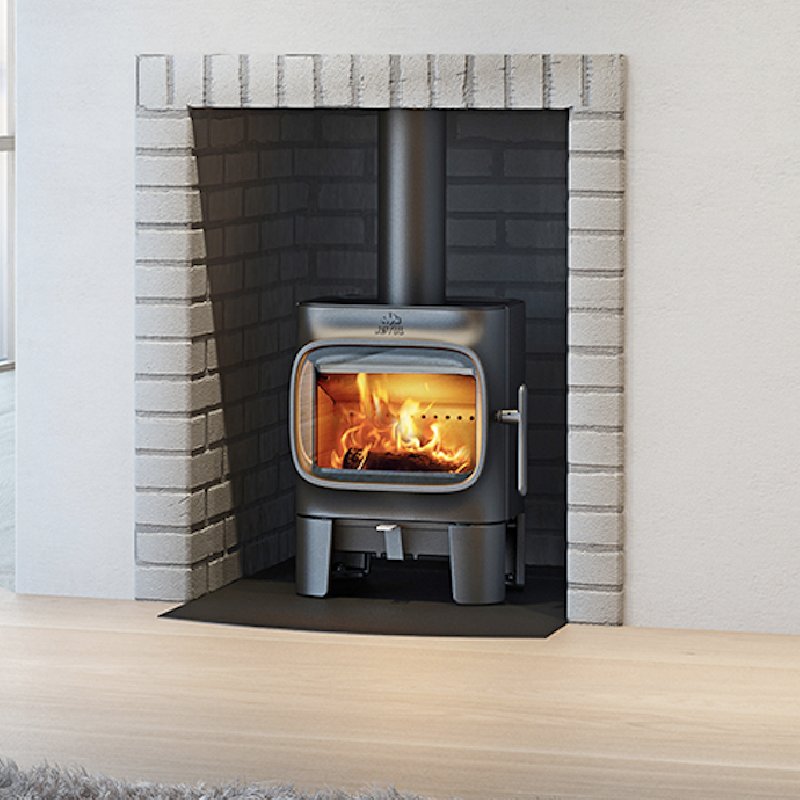
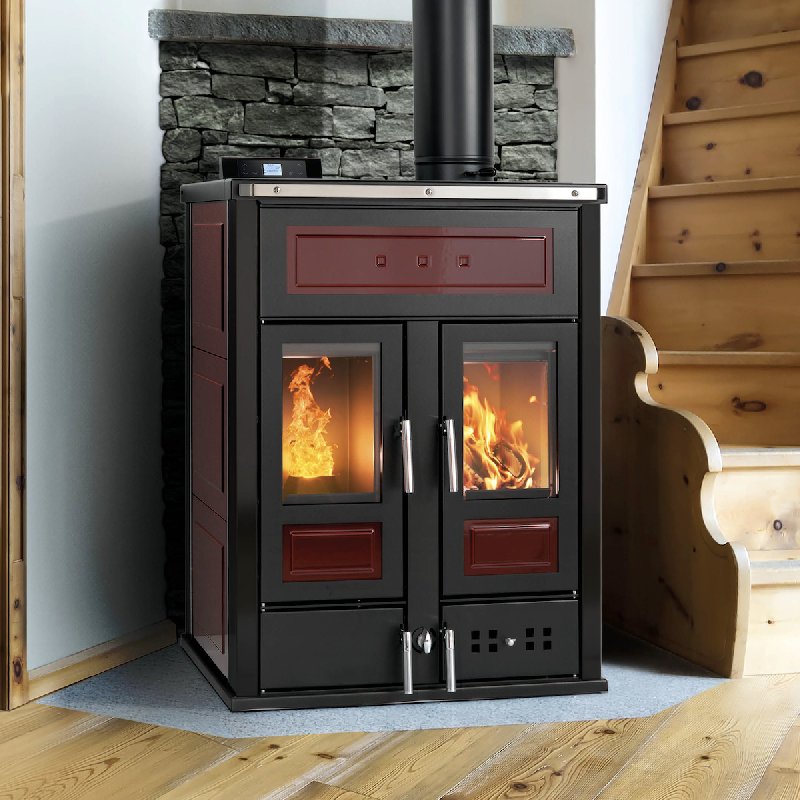
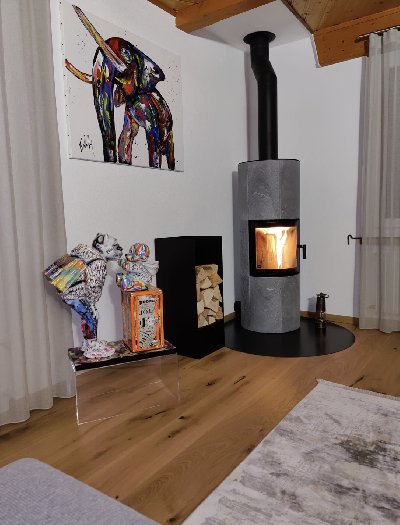
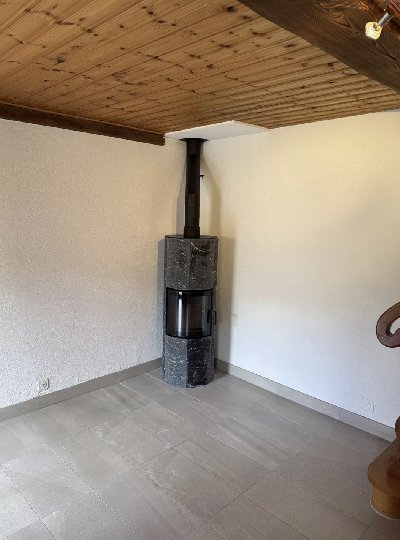
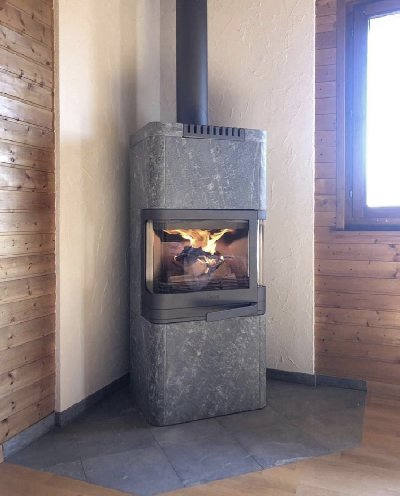
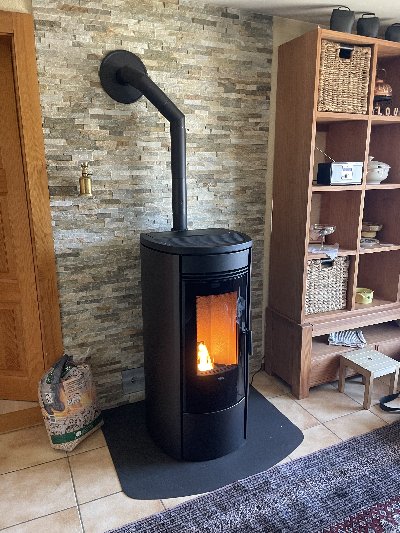
A wood-burning stove is a freestanding unit placed in the room and connected to a flue. It heats through radiation and convection, and distributes heat quickly. Compact in design, it can be installed in small spaces and leaves the room’s layout unobstructed.
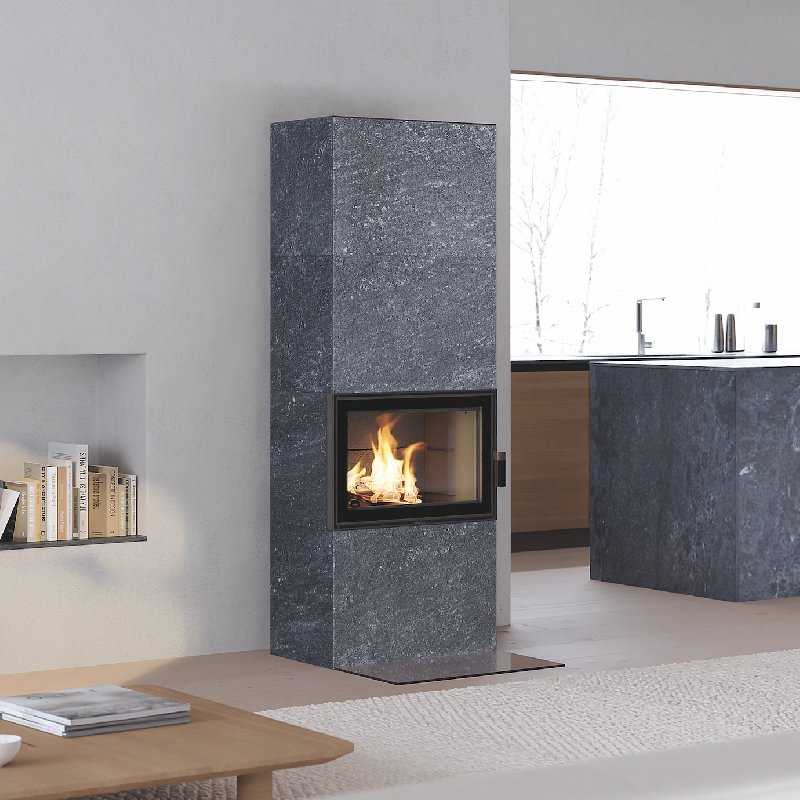
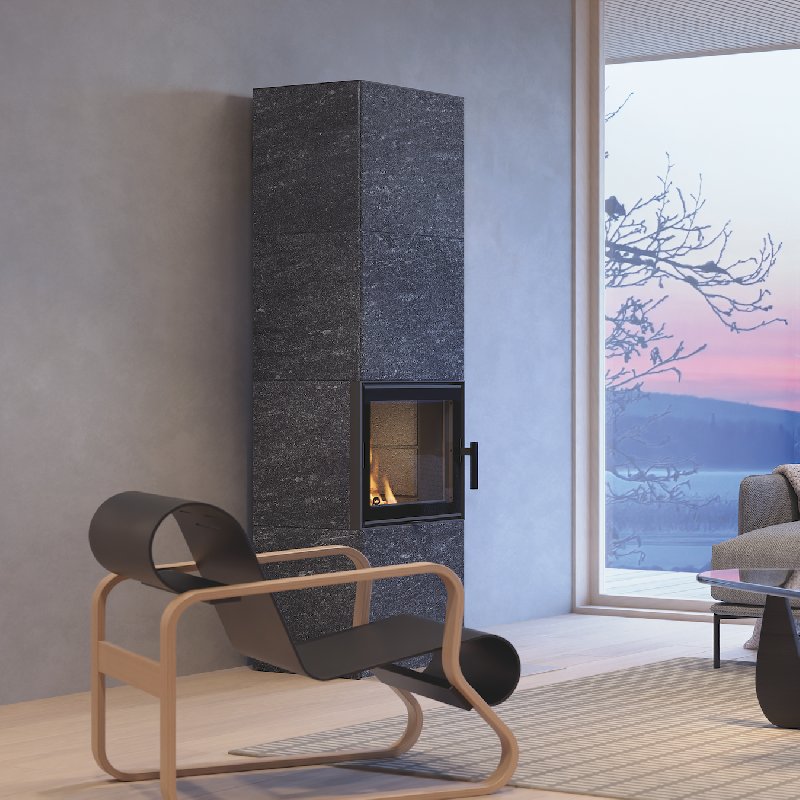
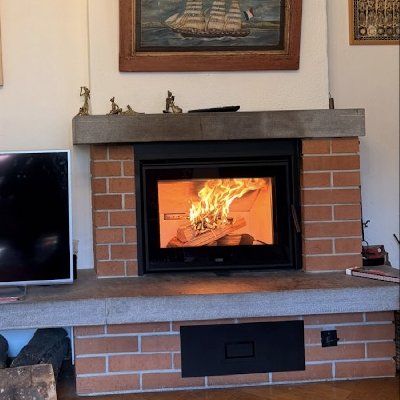
A closed-hearth fireplace, or insert, is built into a masonry surround. It becomes a centerpiece of the living room but requires more space and construction work. At the same heat output, a stove gives off as much heat as an insert; the difference lies mainly in the speed of heat distribution and the desired aesthetic.
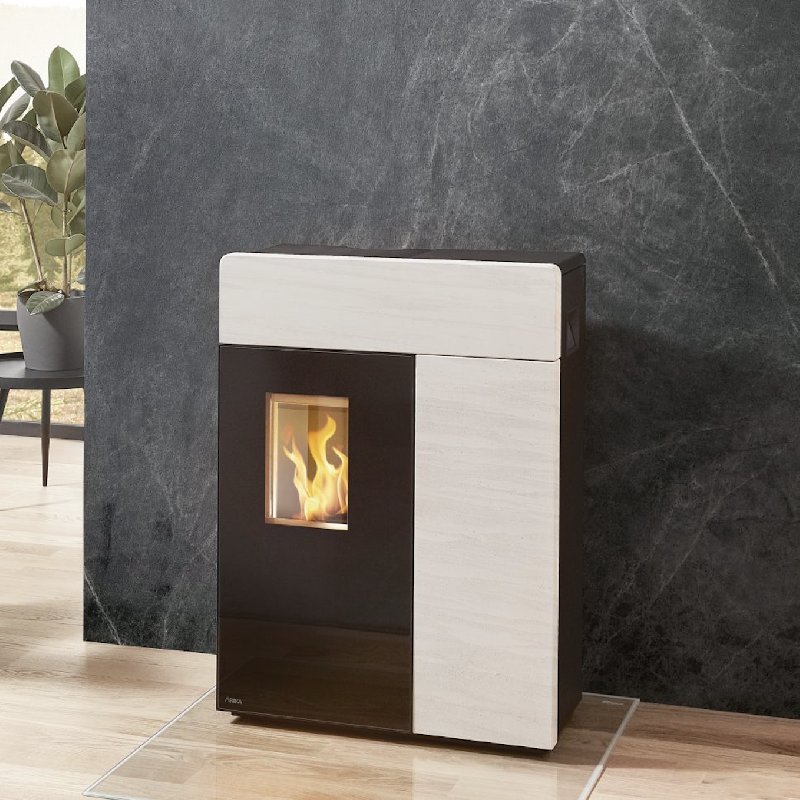
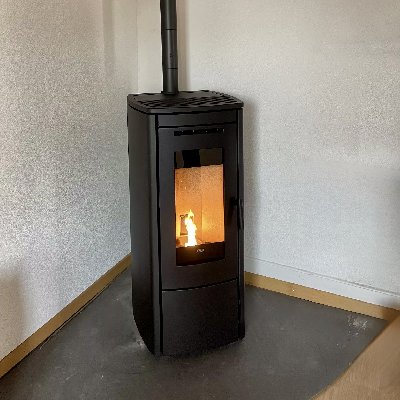
There is a third category, often overlooked: the pellet stove. Programmable and electronically controlled, it regulates its own pellet supply. It is the solution that most closely resembles an automated primary heating system.
Efficiency: The Primary Decision-Making Factor
This is where the differences become dramatic. An open fireplace has an efficiency of around 10 to 15 percent, with the rest of the energy escaping through the flue. According to a 2025 analysis, this type of fireplace emits nearly 2.6 g of fine particulate matter per kWh—a level incompatible with current air quality standards.
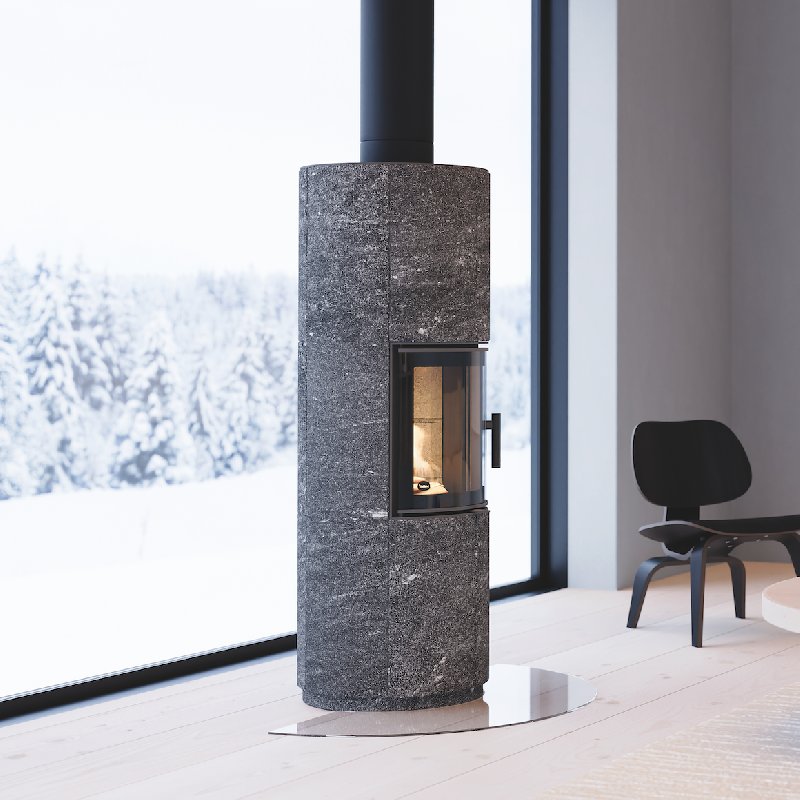
In contrast, modern appliances are much more efficient at converting wood into heat. The latest wood-burning stoves and inserts achieve an efficiency of between 75 and 90%. Soapstone storage stoves, which release heat for hours, also exceed 80% efficiency.
To control this combustion process, the lighting technique is just as important as the appliance itself. Lighting the fire from the top significantly reduces smoke. Our Contura 5101 Black lighting guide provides step-by-step instructions for this simple technique that improves actual efficiency.
Fuel Consumption, Pollution, and Air Quality
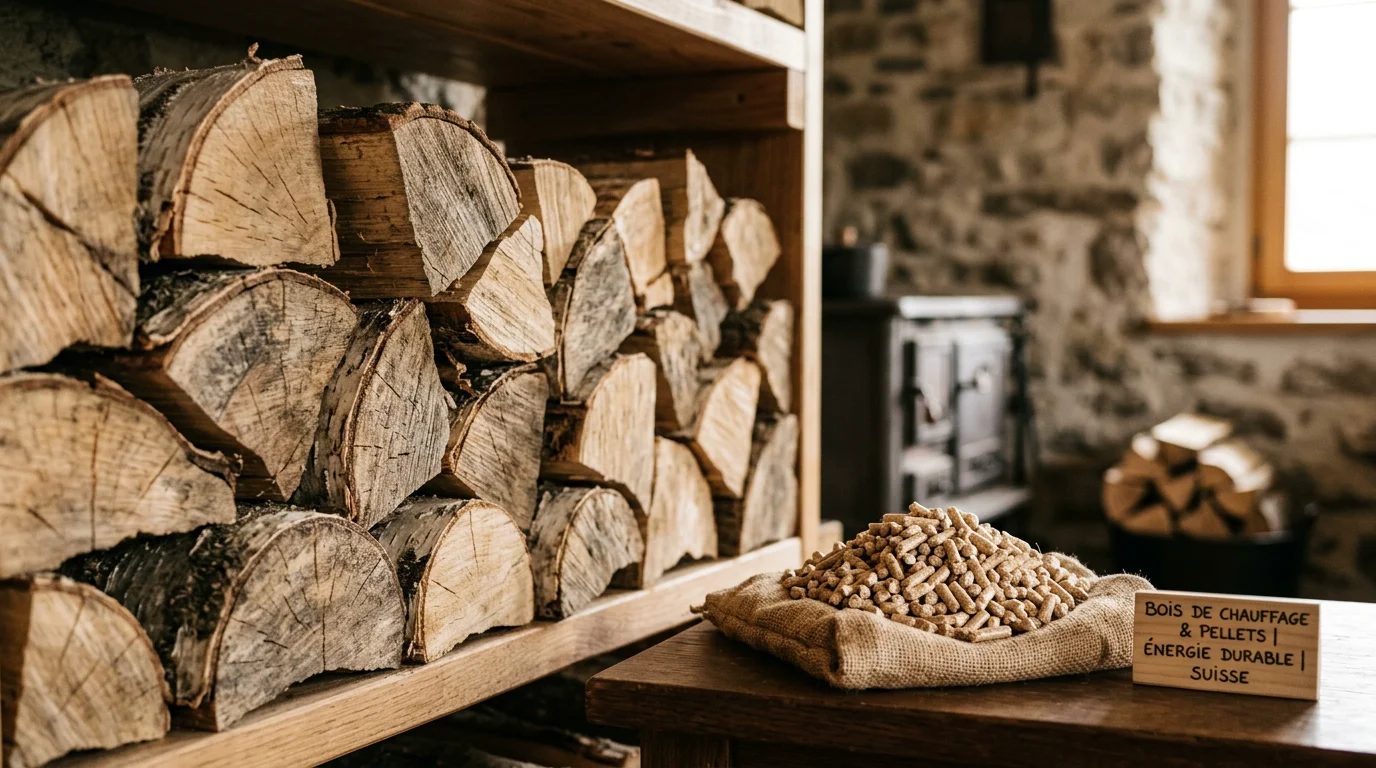
The type of appliance makes all the difference for the environment. According to ADEME, a modern wood-burning stove emits, on average, 25 times fewer fine particles than an open fireplace and consumes eight times less wood. The gap widens even further with pellet stoves.
According to the same agency, a modern pellet stove emits, on average, 260 times fewer fine particles than an open fireplace and uses nine times less wood. These performance figures explain why replacing old fireplaces has become a public health priority.
The quality of combustion also depends on the fuel: dry, untreated, and seasoned wood significantly reduces smoke. In Switzerland, an electrostatic filter installed at the flue outlet can reduce fine particulate matter by 60 to 95 percent, and is sometimes required for new installations under cantonal regulations. For precise control of a pellet stove, our Klover Smart 120 BT user manual shows how to program the combustion process for optimal performance.
Aesthetics, Space Requirements, and Installation
The stove has the edge when it comes to compactness. It fits into a corner, can be moved during a renovation, and requires minimal installation work. A fireplace, on the other hand, requires a surround and careful consideration of the layout, but in return offers a strong architectural presence.
In both cases, a properly sized flue is essential. An insulated stainless steel flue ensures safe exhaust of combustion gases and improves draft. A technical inspection confirms feasibility: flue height, outside air intake, and floor load-bearing capacity for a masonry heater.
This is precisely where our support makes a difference. We assess your needs based on your plans or an on-site visit—free of charge and with no obligation—and then coordinate the project with architects and other trades. For a contemporary gas fireplace, our Metalfire Avenue 700 60 GHE 1S Standard user manual provides an overview of possible design solutions.
Comparison: Which Solution Is Right for Which Need?
The table below summarizes the key differences, incorporating our service approach to help guide you toward the most suitable solution.
| Criterion | Wood/Pellet Stove | Closed-fireplace | Our Support at Carron-Lugon |
|---|---|---|---|
| Efficiency | 75 to 90% | 75 to 85% | Recommendation for the most efficient model |
| Footprint | Compact | Large | Free on-site or blueprint review |
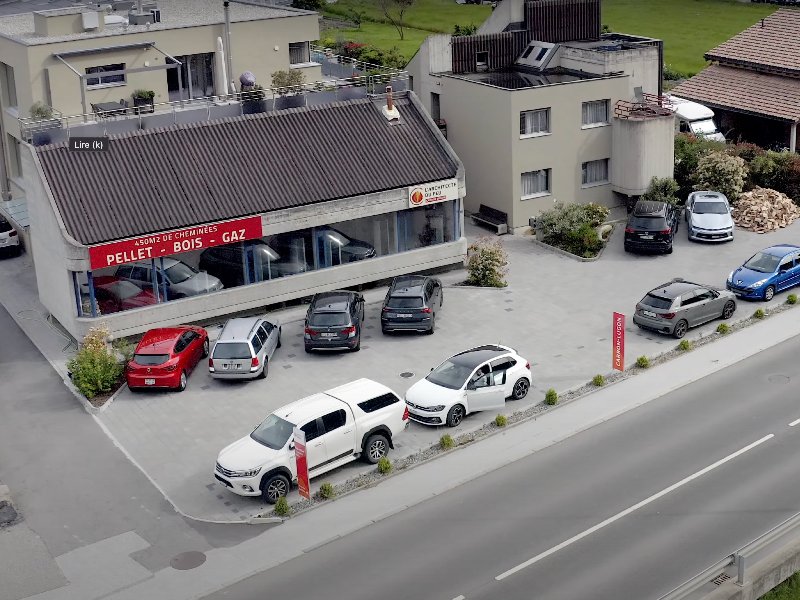
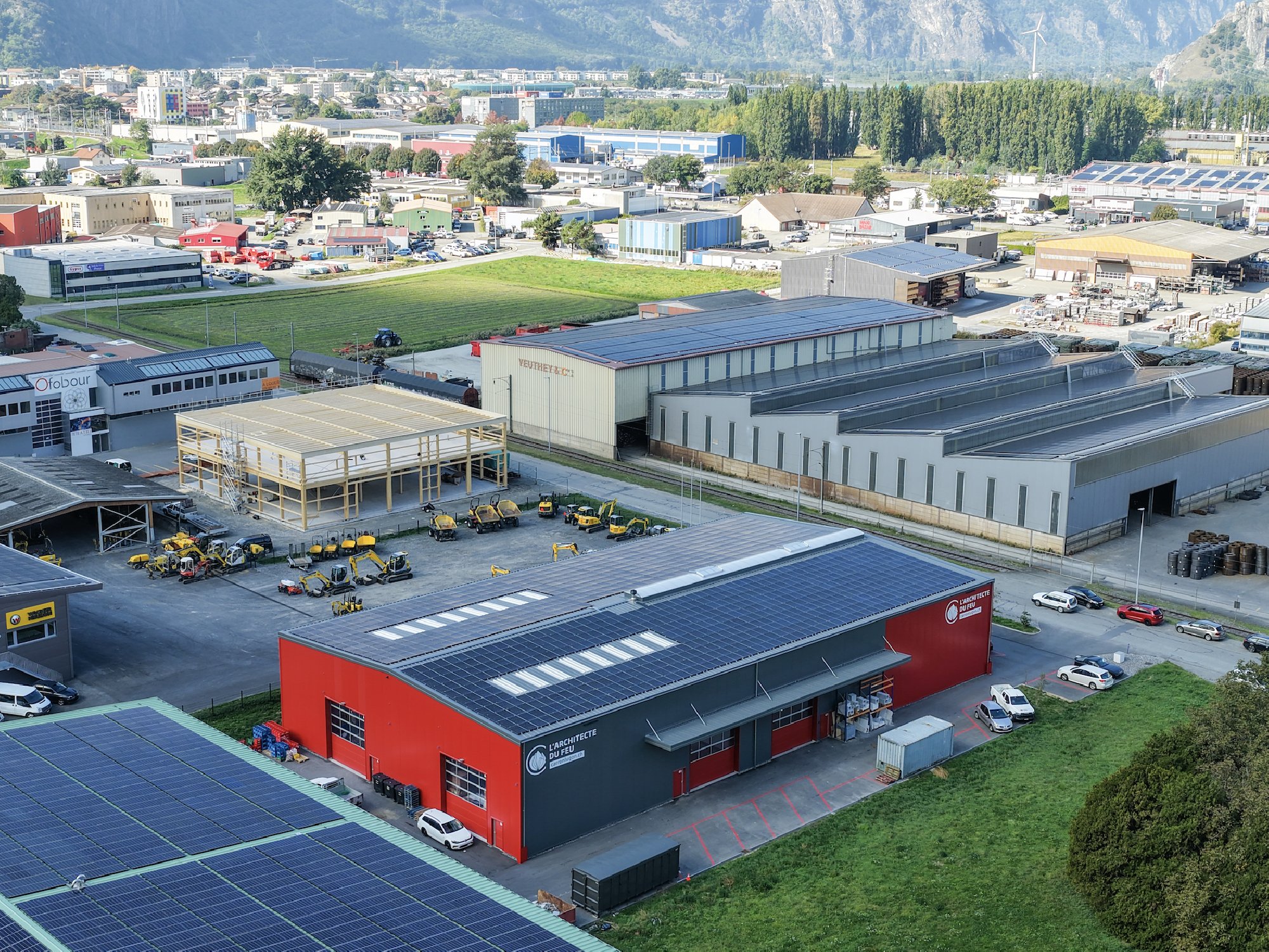
| Aesthetics | Varied, flexible | Integrated centerpiece | Showrooms in Fully and Etoy, open 24/7 |
| Installation | Minimal construction work | Masonry work | Coordinated construction site, protected living space |
| After-sales service | Depending on the supplier | Depending on the supplier | In-house after-sales service for wood, pellets, and gas |
Whatever your choice, a modern appliance installed according to code is a sustainable investment. According to an industry overview, efficiency has improved significantly since the year 2000, making modern wood heating an option that is both economical and compatible with air quality goals.
Conclusion
Between a fireplace and a stove, there’s no wrong answer—only a solution better suited to your home. Remember the key point: an open fireplace has a maximum efficiency of 15%, while a modern appliance exceeds 80% efficiency while significantly reducing particulate emissions. Dry fuel, a properly lined flue, and well-adjusted combustion will do the rest. Our strength lies in providing you with comprehensive support—from initial consultation to after-sales service—while protecting your home at every step. To turn your project into reality, request our free consultation visit at our showroom in Fully or Etoy.
Frequently Asked Questions
Does a stove provide as much heat as a fireplace?
Yes. At the same heat output, a stove gives off as much heat as a fireplace insert. It simply distributes the heat more quickly throughout the room, while a masonry heater releases it more slowly over a longer period.
Can an open fireplace be replaced with a stove?
Absolutely. You can retrofit an existing fireplace with an insert, or replace it with a stove connected to the same flue. Our teams handle the removal, refurbishment, and installation.
Does the appliance need to be serviced every year?
Yes, annual maintenance and chimney sweeping are essential for safety and efficiency. Our in-house customer service team is here to assist you if you have any issues with a wood, pellet, or gas appliance.