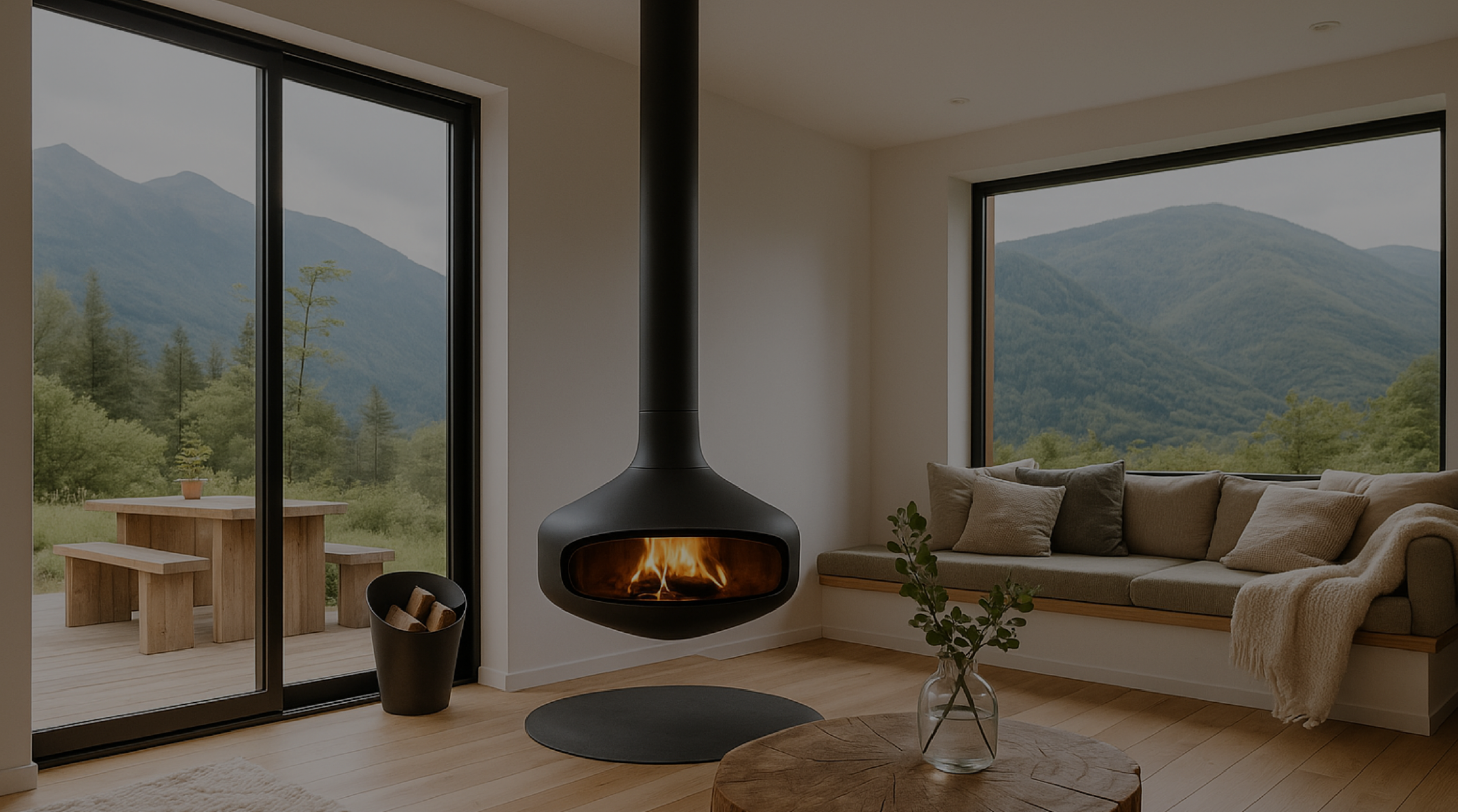


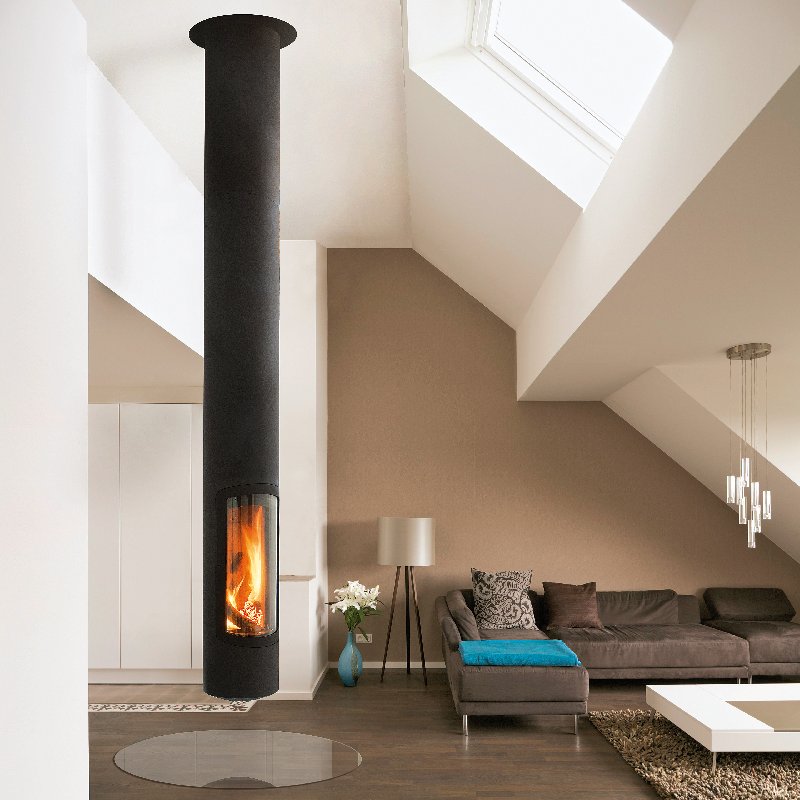
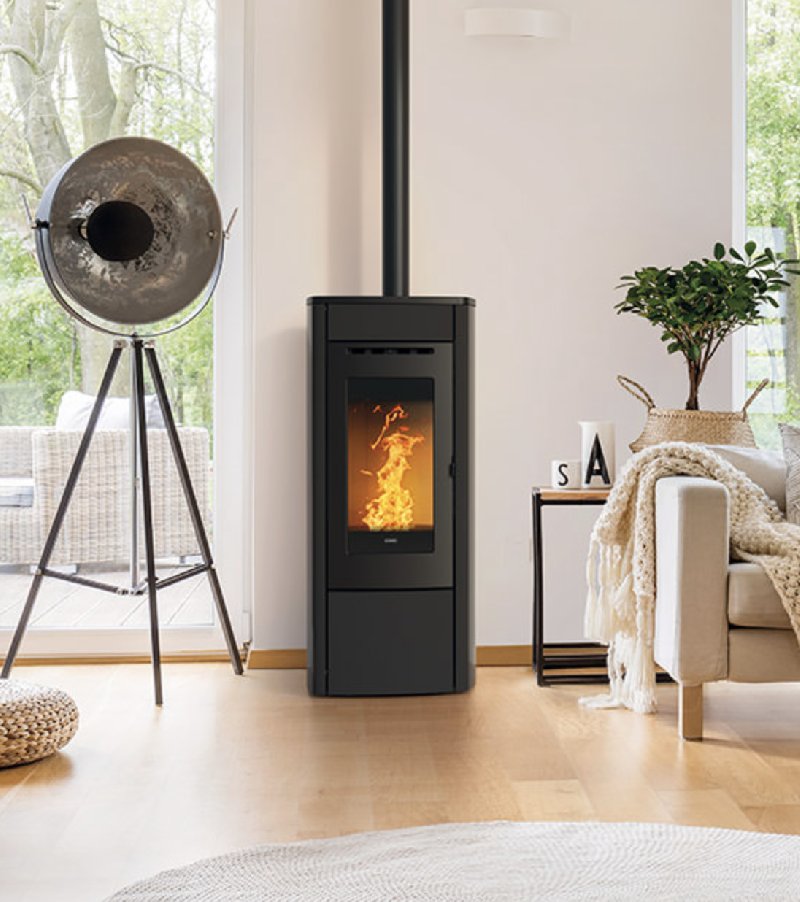
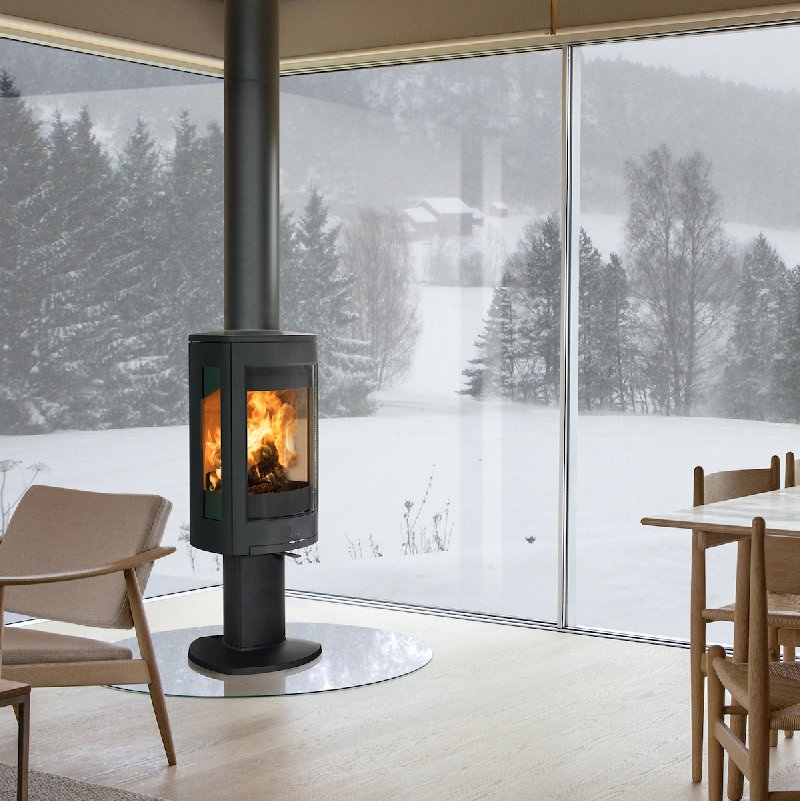
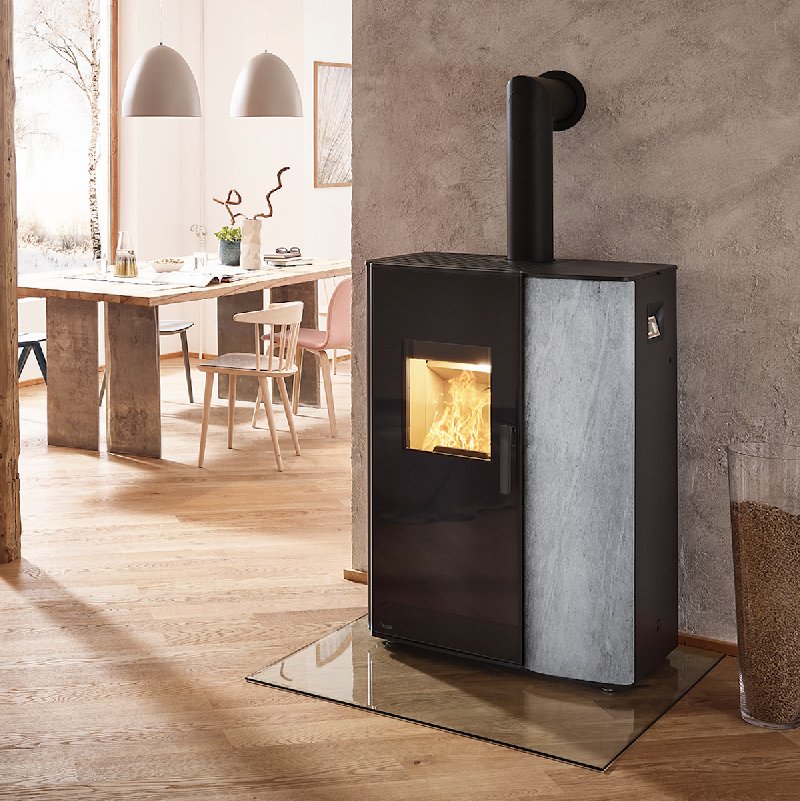
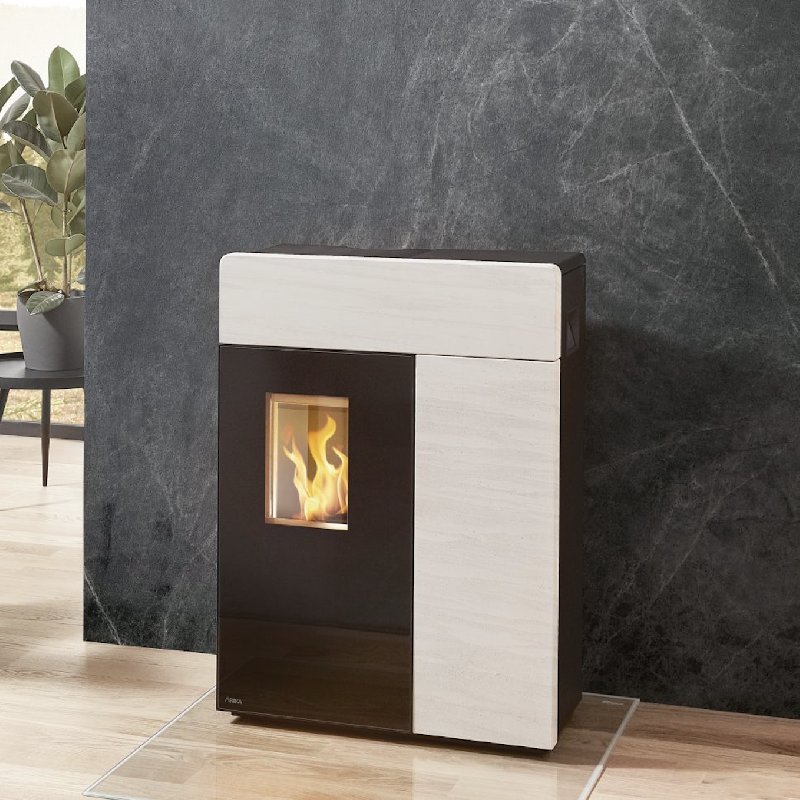
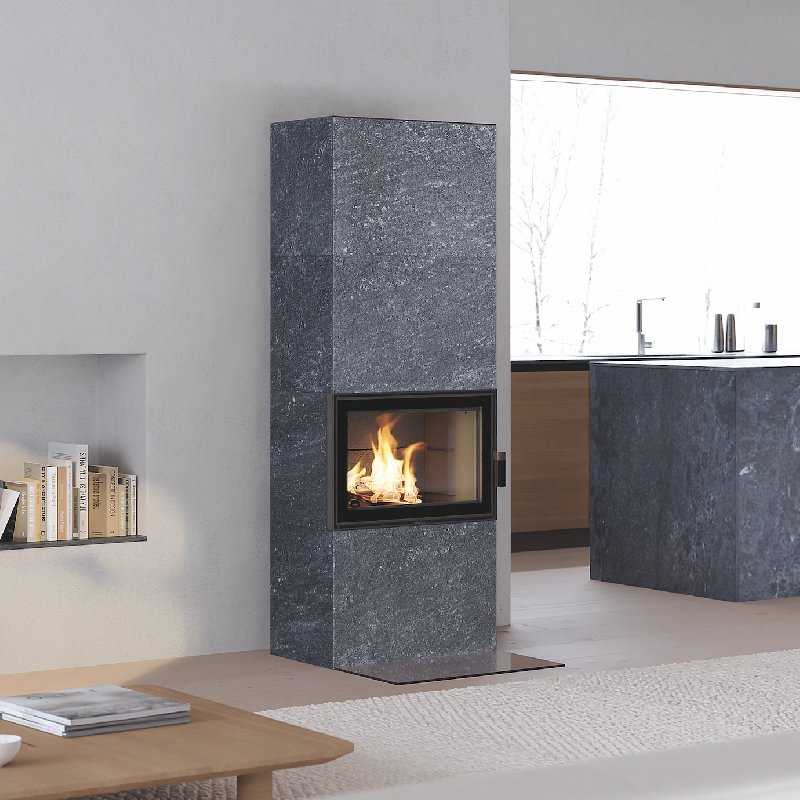
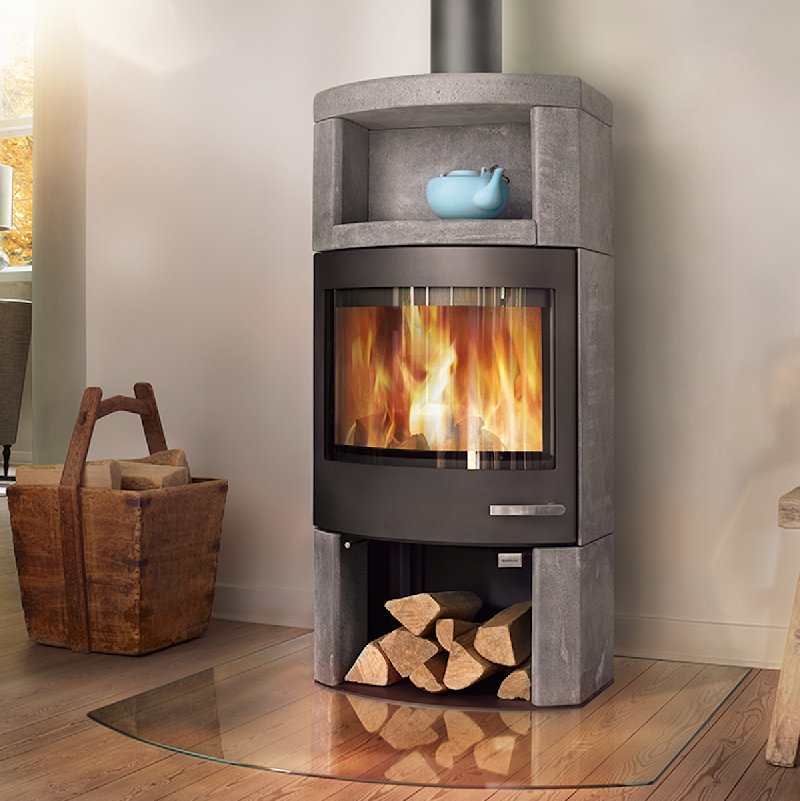
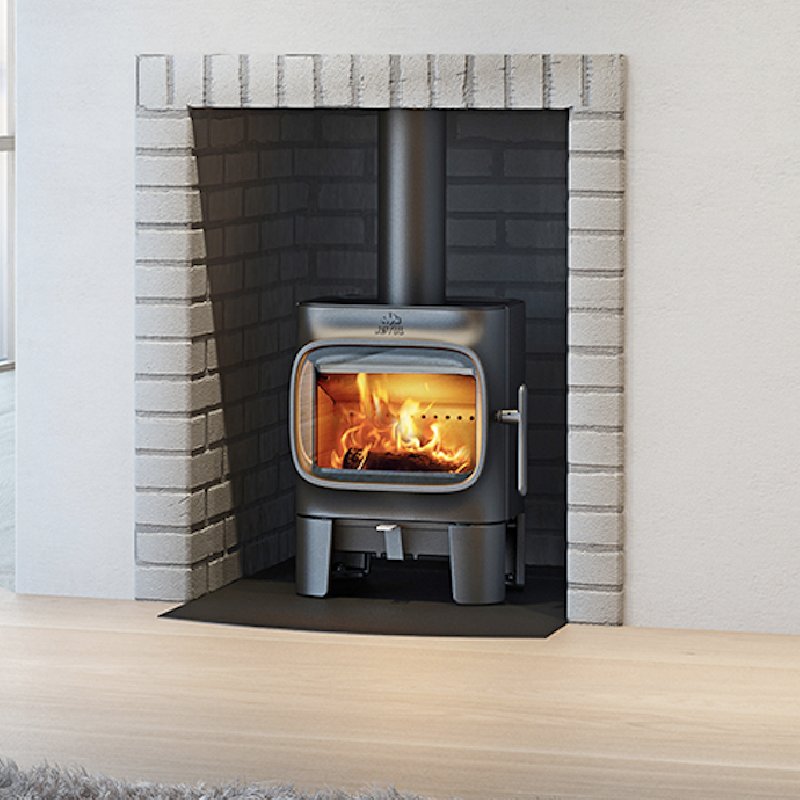
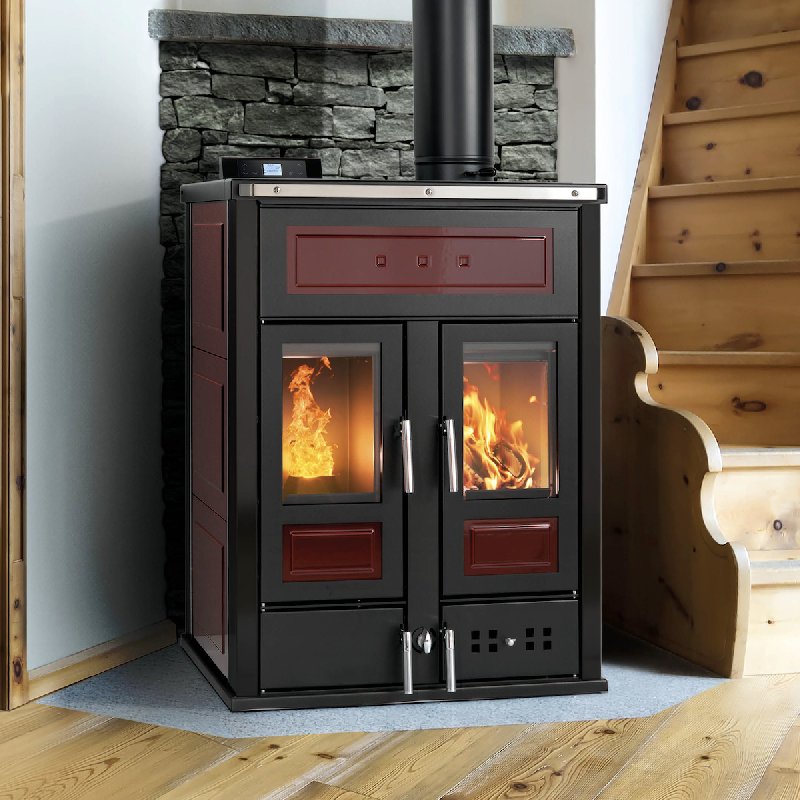
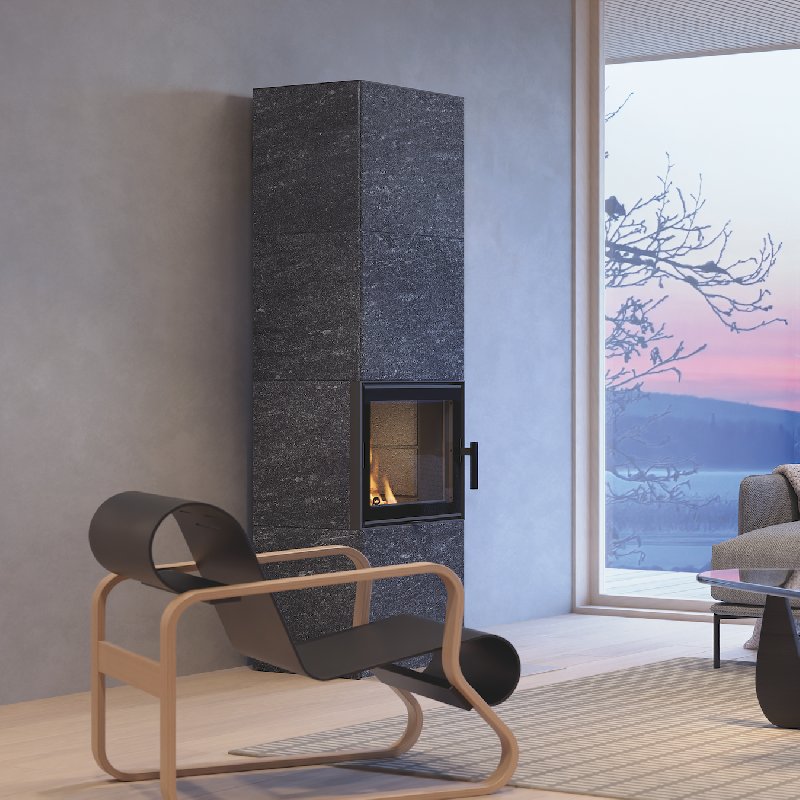
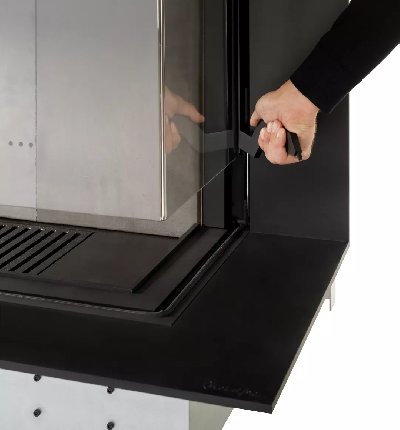
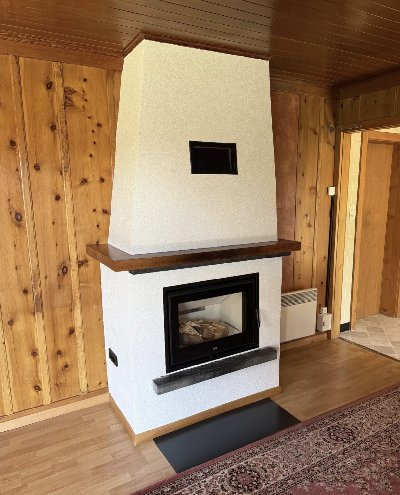
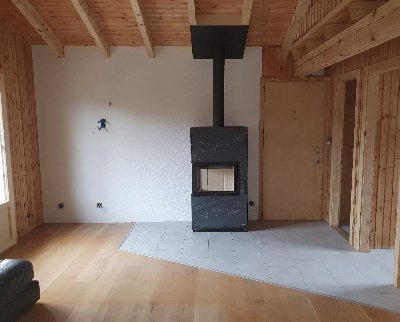
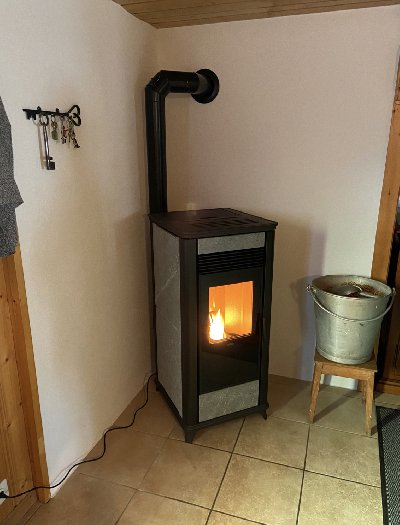
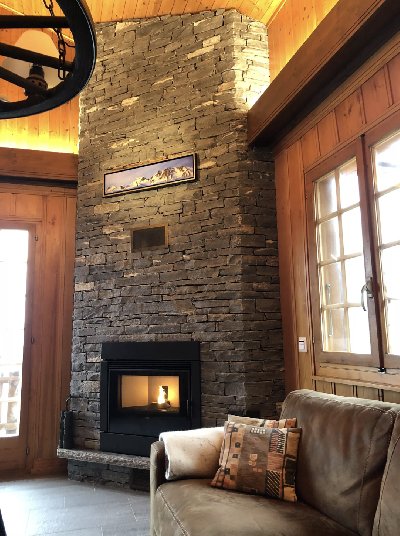
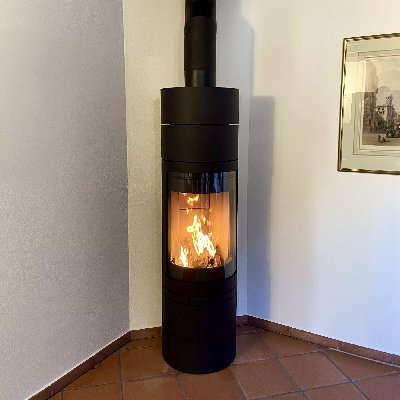
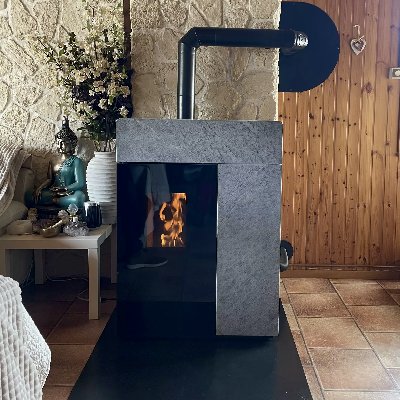
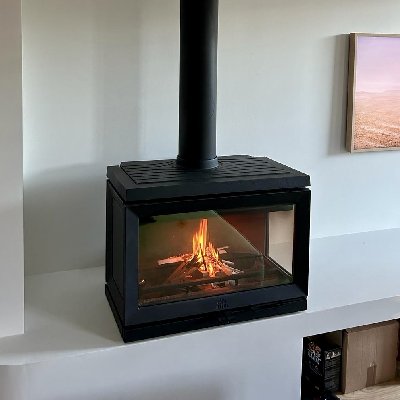
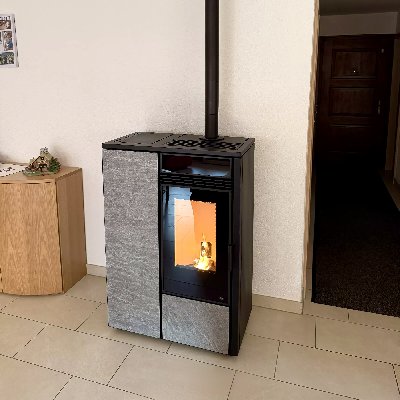

Fire is fascinating, but not all fireplaces are created equal. An open fireplace, no matter how beautiful, wastes most of the wood’s energy. Before you get started, it’s best to understand what distinguishes a decorative fireplace from a true heating appliance. To guide you step by step, we’ve provided a detailed installation and user guide (example: Atra Atraflam 16/9ème 800).
In French-speaking Switzerland, the resurgence of wood heating is nothing new. According to a report in Le Temps, the number of closed fireplaces installed in the country rose from 34,695 in 1990 to over 135,000 in 2004. Choosing a fireplace today means balancing aesthetics, efficiency, and compliance with standards.
Understanding What the Term “Fireplace” Really Covers
The term “fireplace” actually refers to several families of very different appliances. People use the terms “open hearth,” “enclosed hearth,” “insert,” and “stove” interchangeably, even though their performance levels are not at all comparable.
Here are the main categories you’ll encounter:
- The open fireplace: the traditional hearth, open to the room, primarily decorative.
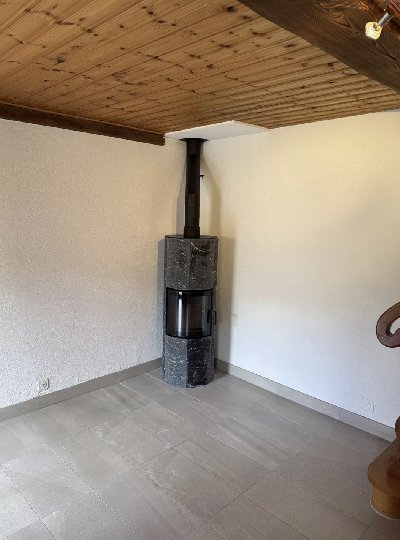
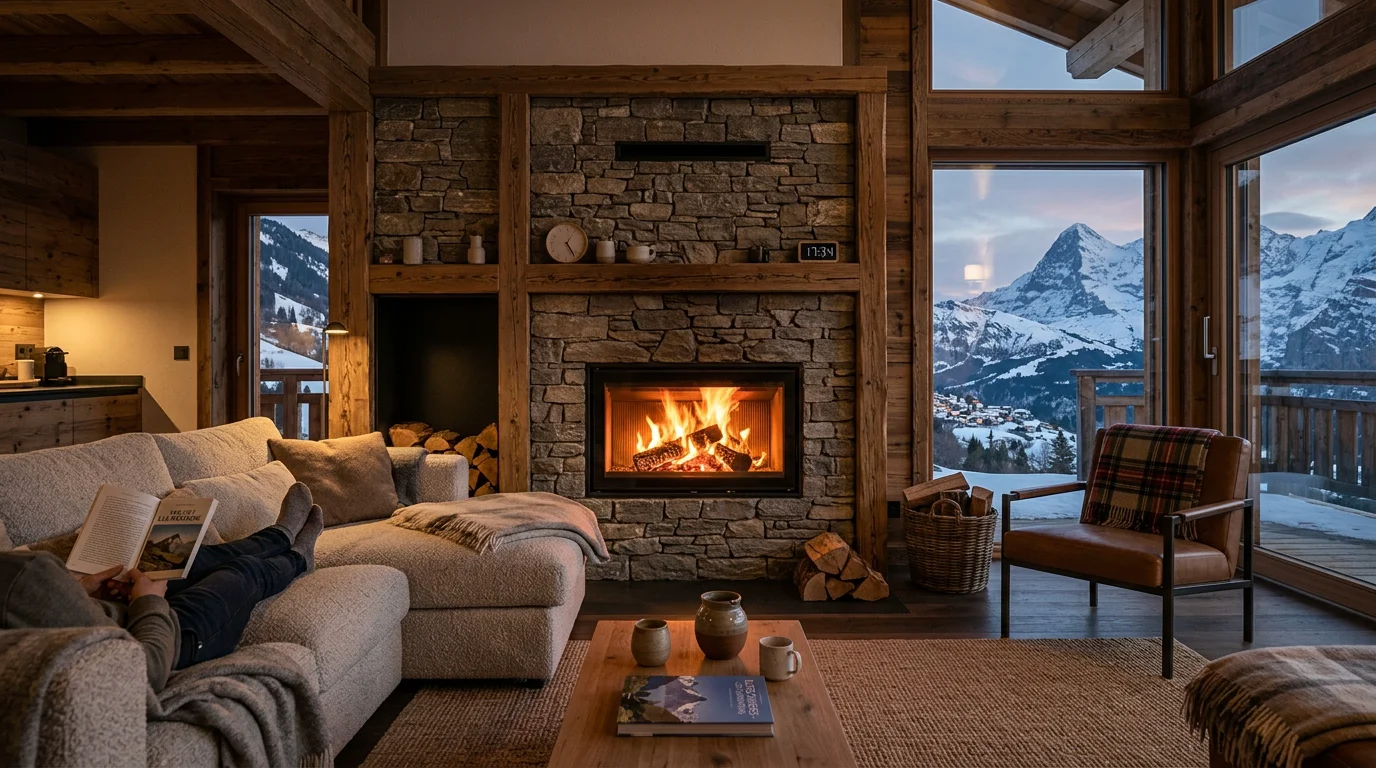
- The enclosed fireplace: a glass-enclosed combustion chamber built into the structure from the start.
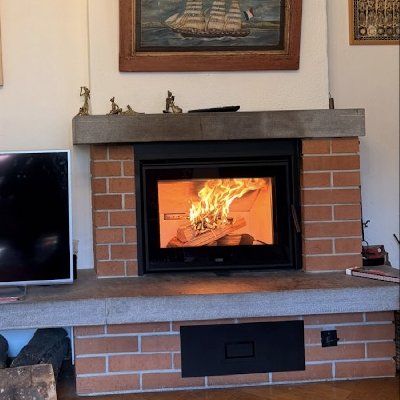
- The fireplace insert: a closed fireplace that slides into an existing open fireplace to modernize it.
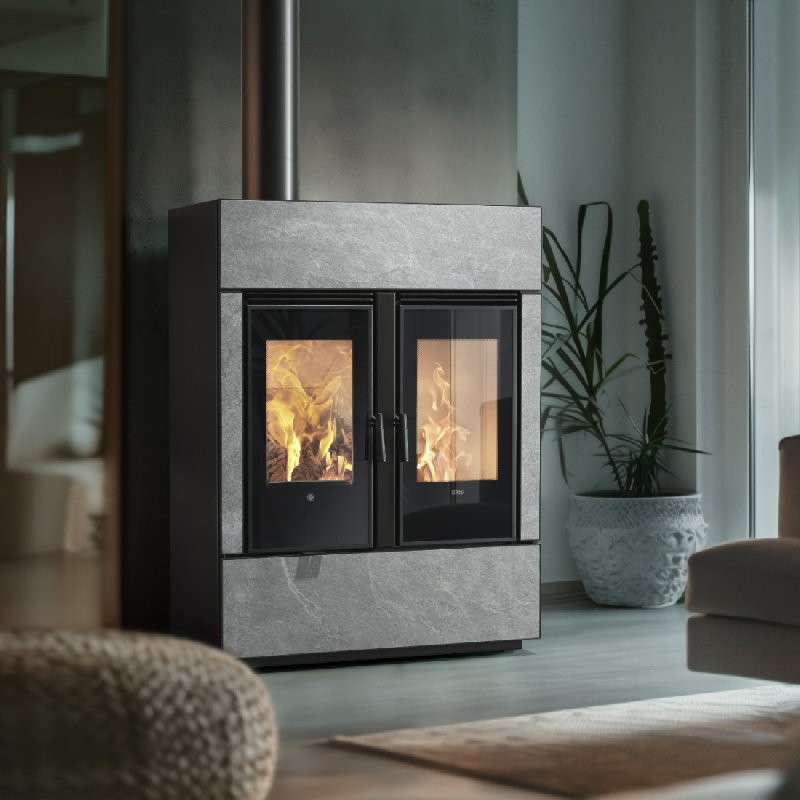
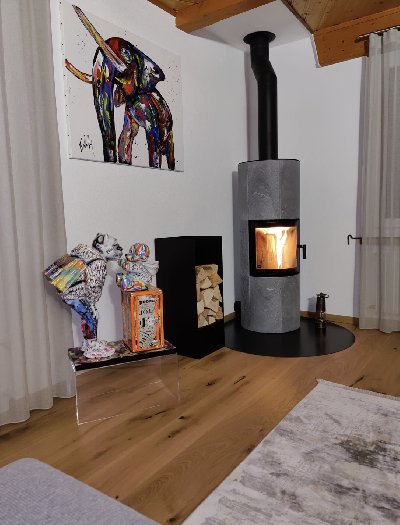
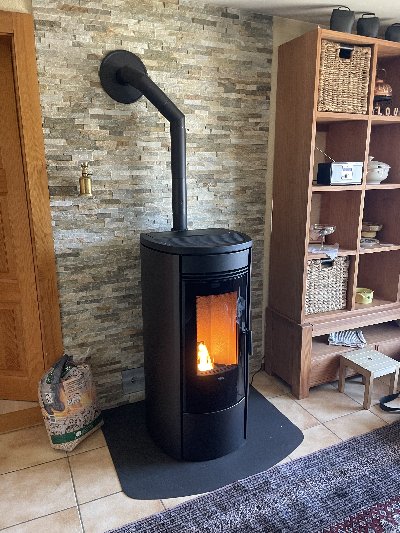
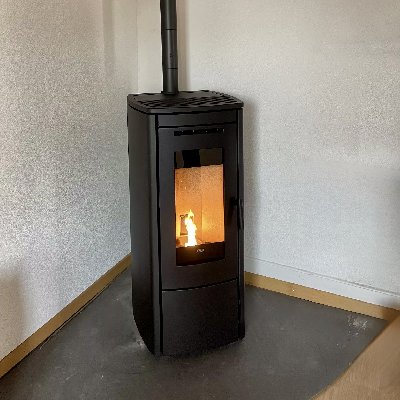
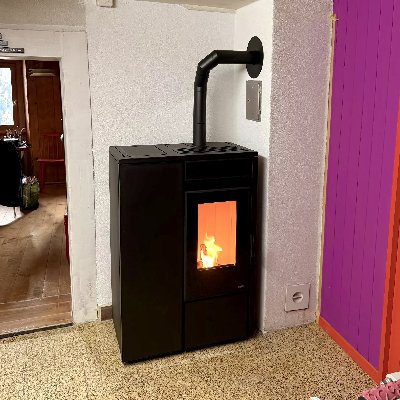
- Wood-burning or pellet stove: a freestanding unit connected to a flue.
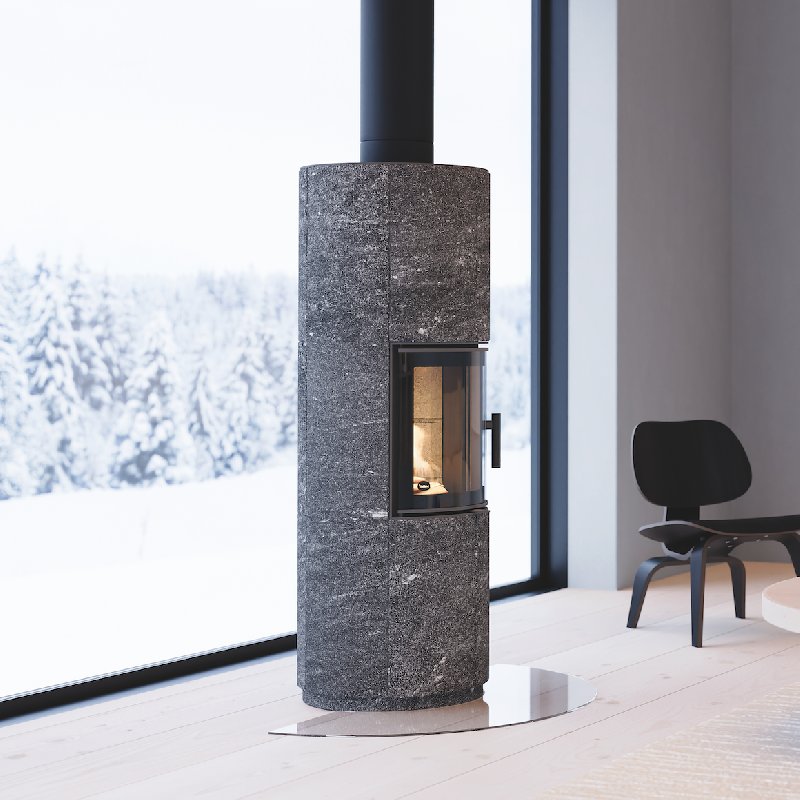
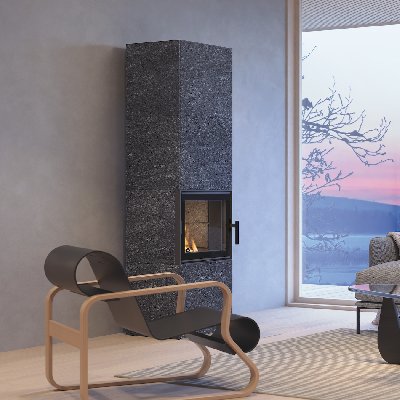
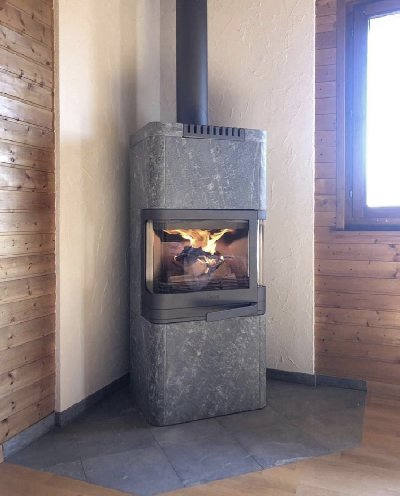
- The masonry heater: made of soapstone or ceramic, it stores heat and then releases it over time.
This distinction is not merely a matter of terminology. It directly affects the efficiency, safety, and compliance of your installation with current standards.
Efficiency: Why a closed fireplace makes all the difference
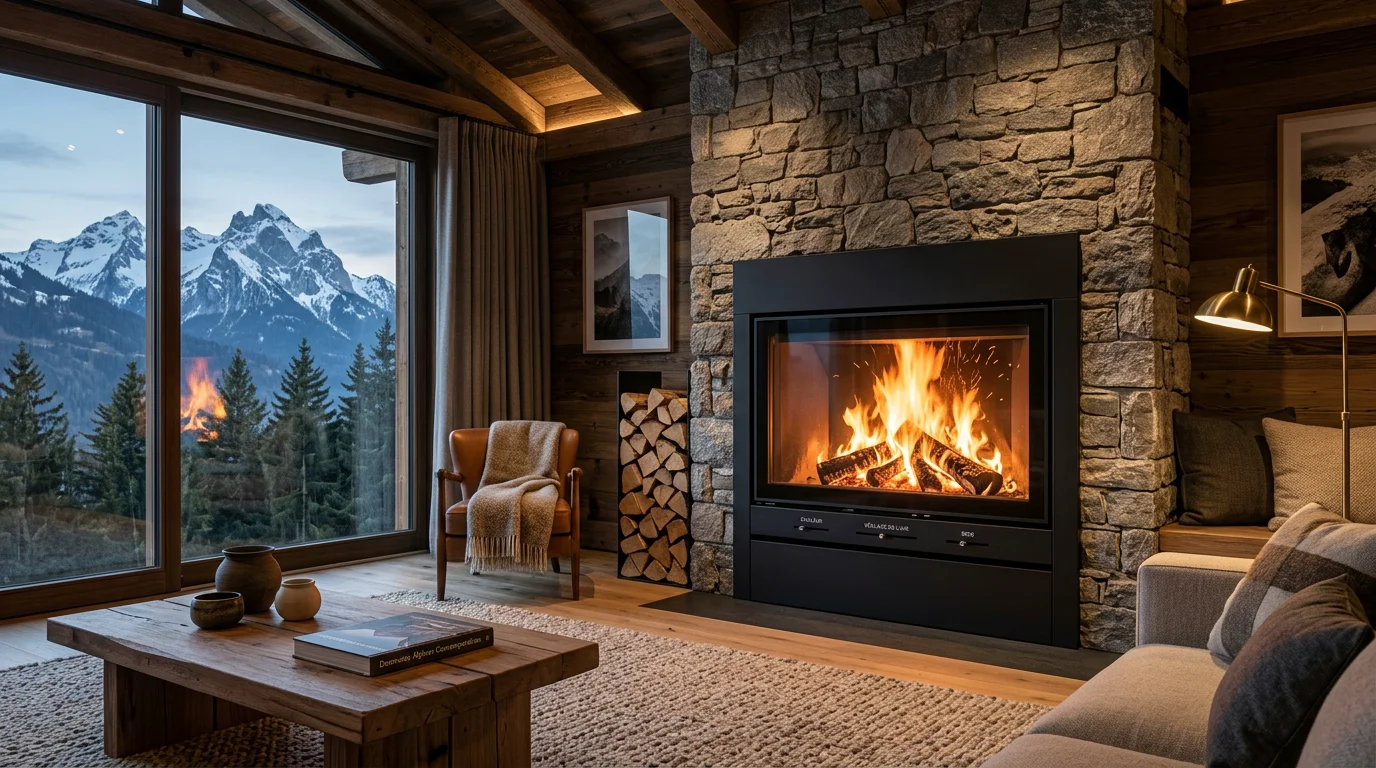
This is the most important point—and one that many people overlook. An open fireplace is an energy disaster. According to the energie-environnement.ch website, less than 10% of the wood’s energy is actually utilized in an open fireplace, compared to more than 80% in a good stove or a modern closed fireplace.
The problem doesn’t stop there. An open fireplace draws a huge amount of air from the home—between 300 and 500 m³ per hour—which can cool the house rather than heat it. So lighting a fire while the central heating is running is essentially a waste of energy.
The good news: it’s possible to retrofit an existing fireplace by installing a cast-iron or steel insert. You retain the charm of the hearth while gaining efficiency on par with a true heating appliance. Soapstone storage stoves heat more slowly but radiate heat for much longer, with efficiency that can also exceed 80%.
To properly adjust and maintain your appliance, consult, for example , the user manual for a Karelia fireplace, which details best practices for lighting and burning.
Fireplace, Wood Stove, or Pellet Stove: Which to Choose
You have three main options, each with its own rationale for use. Logs appeal for their authenticity, while wood pellets offer automation and consistency.
The market also provides useful insights. According to data from Propellet, 128,000 wood pellet stoves were sold in 2025—a 36% increase compared to 2024—confirming the renewed interest in this automated solution.
| Criterion | Enclosed Fireplace / Wood-Burning Insert | Pellet stove | With Carron-Lugon |
|---|---|---|---|
| Efficiency | Over 80% | High, regulated combustion | Customized advice for each unit |
| Operating time | Manual refilling | Recharge every 2 to 3 days | Free needs assessment |
| Aesthetics | Fireplace effect, large glass panel | Contemporary design | Showrooms in Fully and Etoy |
| Installation | Flue and trim | Connection and air intake | Installation, Coordination, and In-House After-Sales Service |
If you’re unsure, please know that we offer a free, no-obligation assessment of your needs, based on your plans or during an on-site visit. This helps guide you toward the solution that best fits your home, with no obligation on your part.
Regulations and Compliance in Switzerland
Installing a fireplace isn’t something you can wing. In Switzerland, air quality is regulated by the OPair, and certain installations must meet specific requirements. The energie-environnement.ch portal notes that a heat storage unit with sufficient capacity is a legal requirement for certain configurations.
Several best practices help ensure compliance and performance:
- Choose a unit with a recognized label such as Énergie-bois Suisse or Minergie.
- Supply the fireplace with air from outside the building.
- Ensure that the flue extends above the highest point of the roof so as not to disturb the neighborhood.
- Burn only dry, untreated wood, lighting it from the top to minimize fine particulate matter.
If you’ve received a non-compliance notice from your chimney sweep, or if your system is outdated, bringing it up to code is often necessary. Our installation teams will then handle the removal of the existing system followed by restoration work (tiling, plastering, painting).
Fuel: A Sustainable Economic Advantage
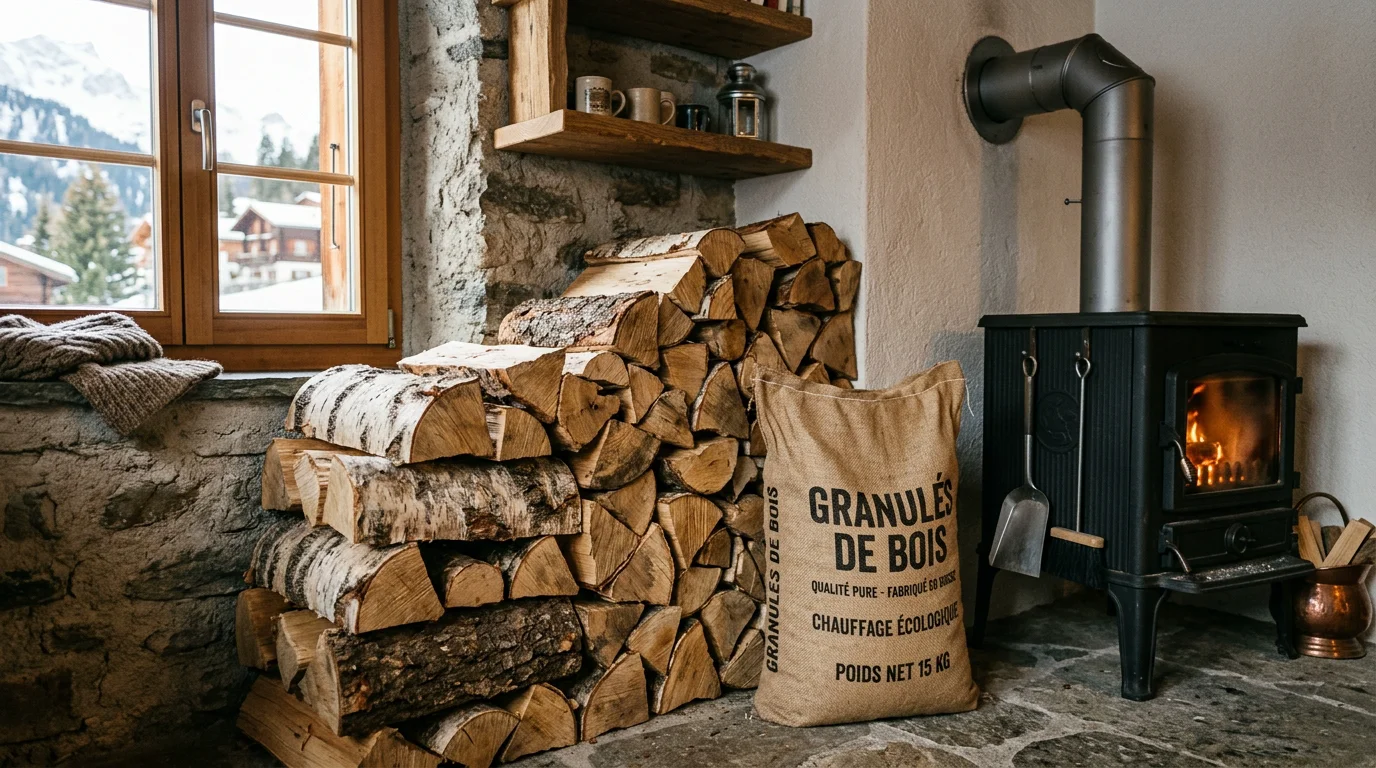
Beyond the pleasure of a fire, wood remains a competitive energy source. Its relative price stability compared to fossil fuels makes it a compelling choice for many households.
In Switzerland, the wood market remains dynamic. According to Forêt Suisse, demand for wood fuel has been stable and sustained, with prices expected to rise by the end of 2025, and the outlook for the market in 2026 is positive. This strain on the resource underscores the value of a high-efficiency appliance: the less wood you waste, the more economical your system remains.
To compare the technical specifications of a model before purchasing, you can consult, for example, a technical data sheet for a fireplace (Skantherm Ator Plus), which lists power output, efficiency, and dimensions.
Plan Your Project Thoroughly from Start to Finish
A successful project starts with thorough preparation. The complexity often lies in coordination: the flue, surround, air intake, and connections—not to mention the other trades already on-site.
Our role is precisely to ensure this project runs smoothly. We organize the job site and coordinate the work with architects and other trades, while protecting your home and cleaning up after we’re done. And once the unit is installed, our in-house customer service team remains available to answer any questions about pellet, wood, or gas fireplaces.
A few helpful tips before making a decision:
- Determine the actual use: supplemental heating or primary heat source.
- Check the location of the flue and whether an outside air intake is possible.
- Compare the efficiency ratings listed in the technical specifications.
- Plan ahead for maintenance, fuel storage, and chimney sweeping.
Conclusion
Choosing a fireplace is, above all, about choosing a level of performance. Between an open fireplace that uses less than 10% of the wood’s energy and a closed fireplace that exceeds 80%, the difference is significant—both for your comfort and your budget. Add to that the requirements of the OPair regulations and the need for a proper installation, and it’s clear why expert guidance makes all the difference. From the initial free consultation to after-sales service, we’ll guide you toward a clean, efficient, and compliant solution—with no unpleasant surprises. To move forward with peace of mind, consult our installation and user guide and prepare your project with confidence.
Frequently Asked Questions
Can an open fireplace be converted into a closed fireplace?
Yes. Installing a cast-iron or steel insert allows you to keep the hearth while achieving an efficiency of over 80%. Our teams handle the removal, installation, and restoration.
What is the difference in efficiency between an open and a closed fireplace?
An open fireplace utilizes at most 10% of the wood’s energy, compared to over 80% for a modern enclosed fireplace. Otherwise, most of the heat escapes through the flue.
Do you need a permit to install a fireplace in Switzerland?
Certain installations must comply with the OPair regulations, particularly the requirement for a heat storage unit in certain configurations. It’s best to have your project approved in advance and to choose a certified appliance.