

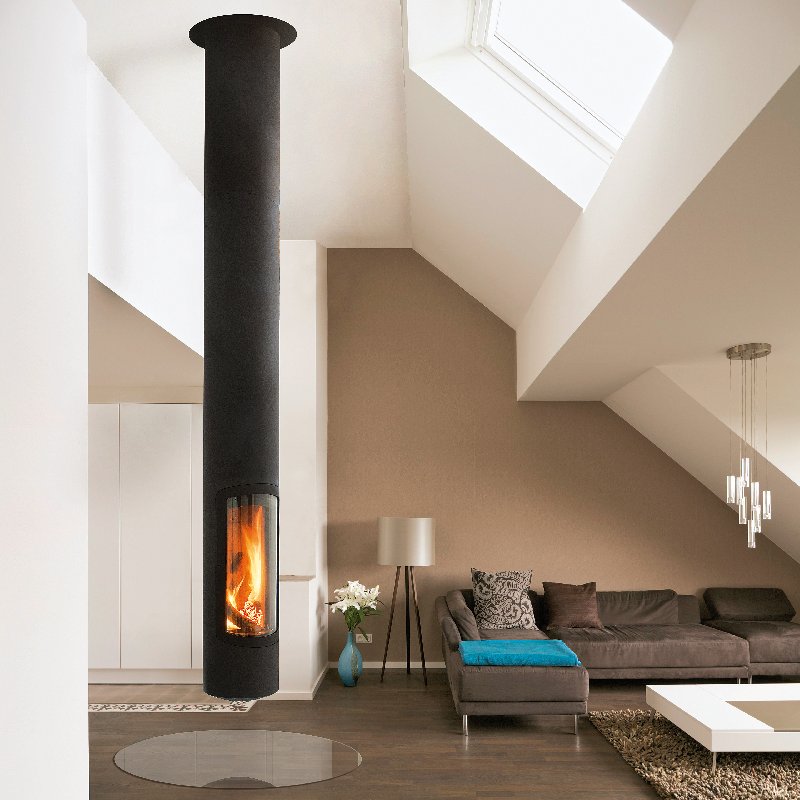
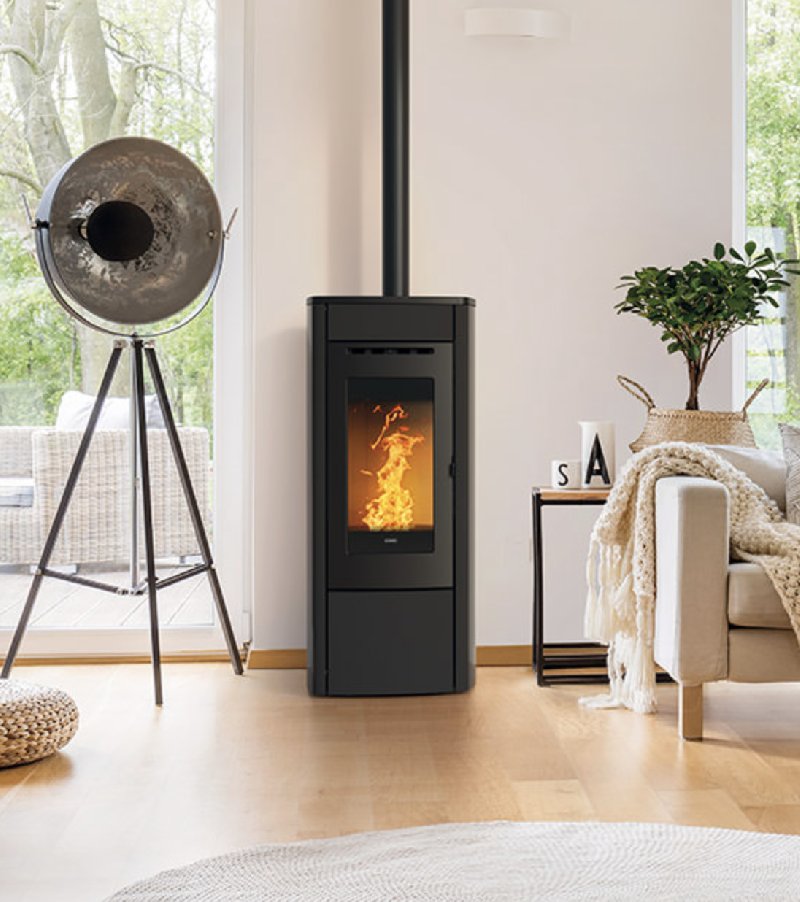
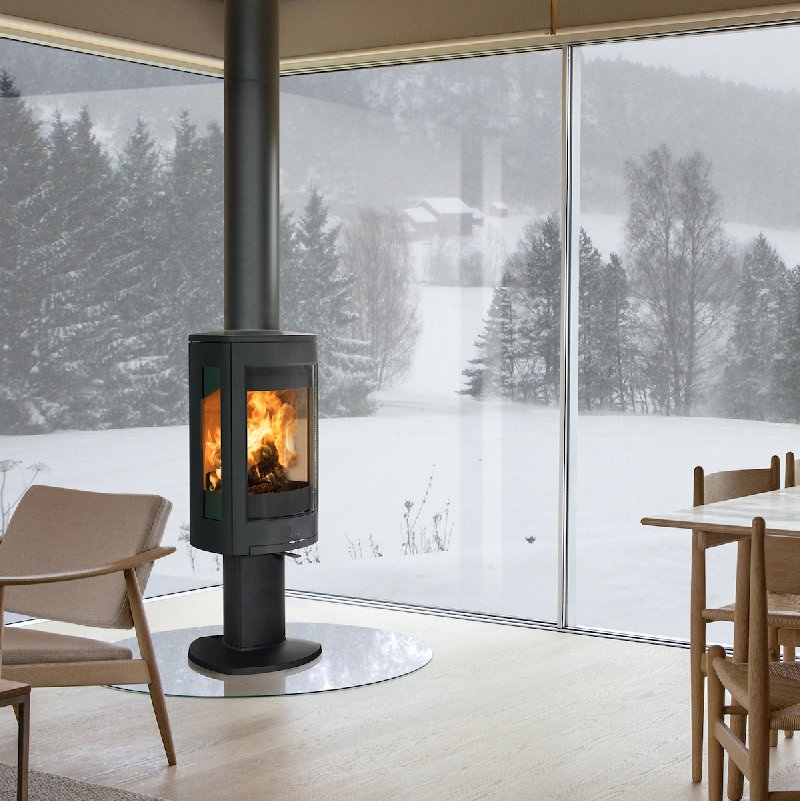
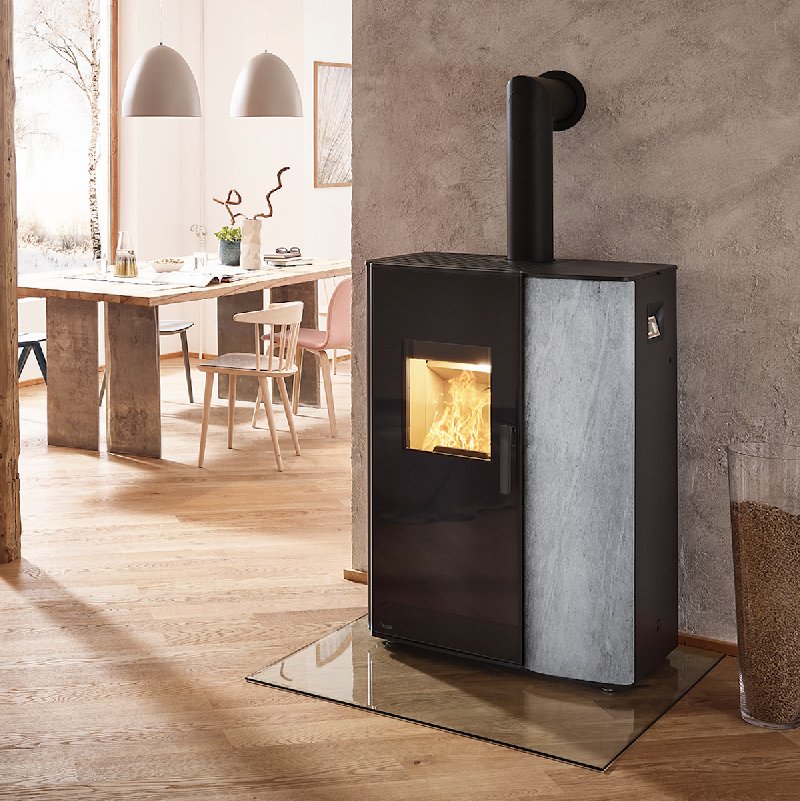
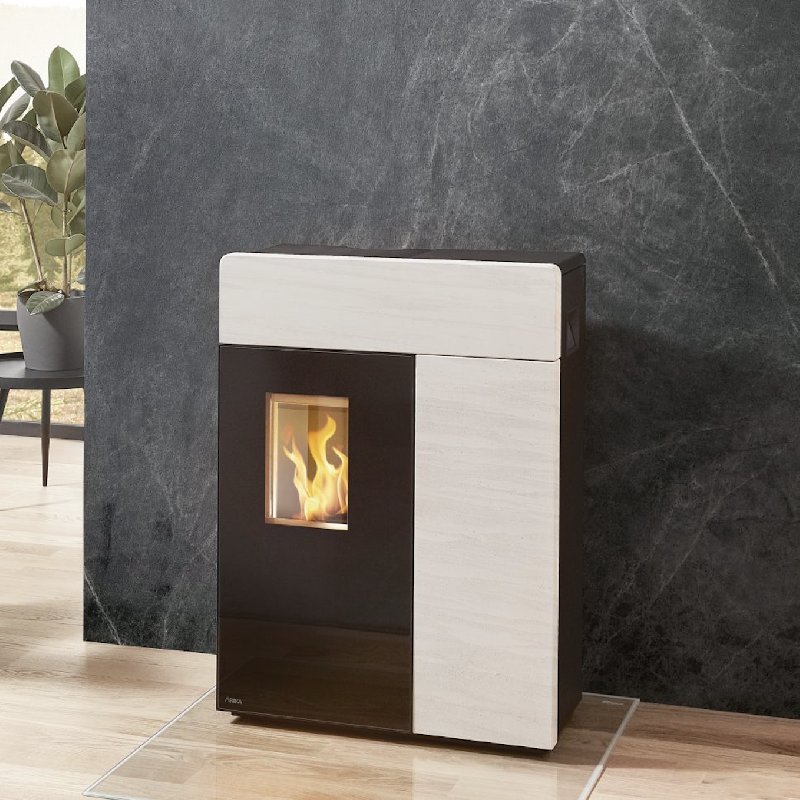
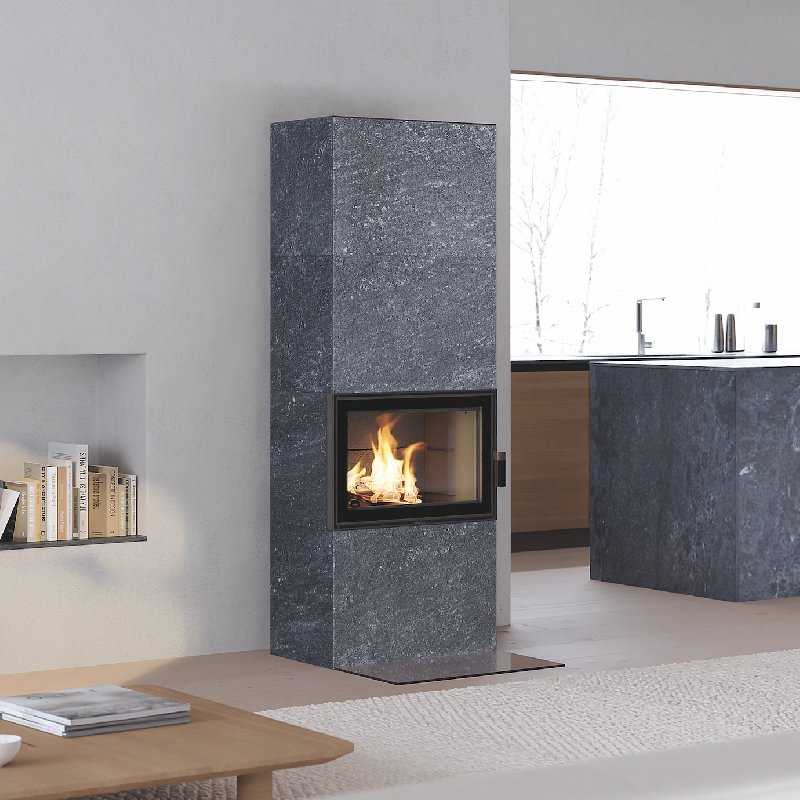
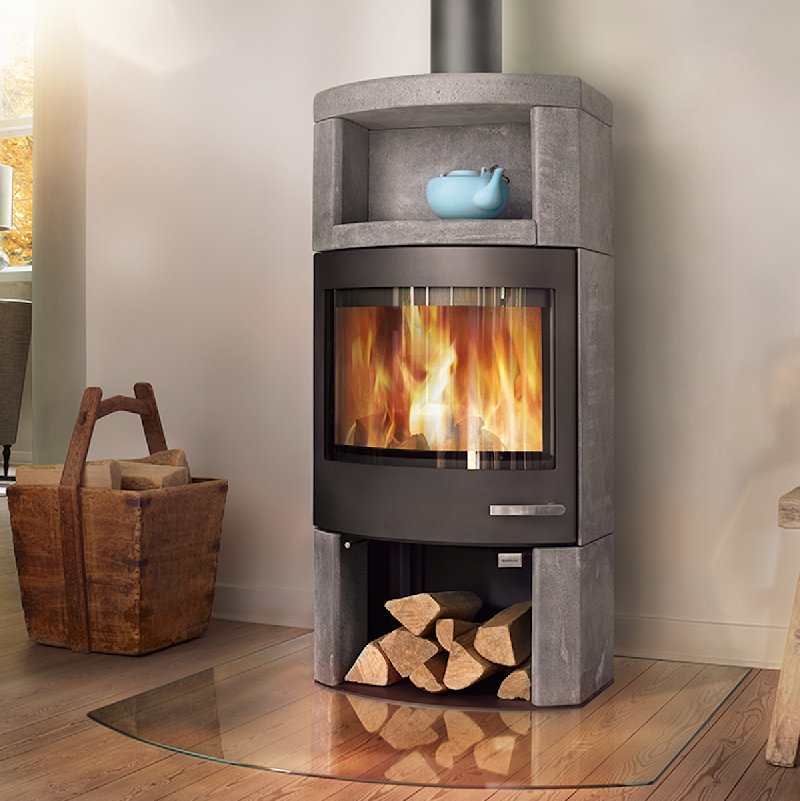
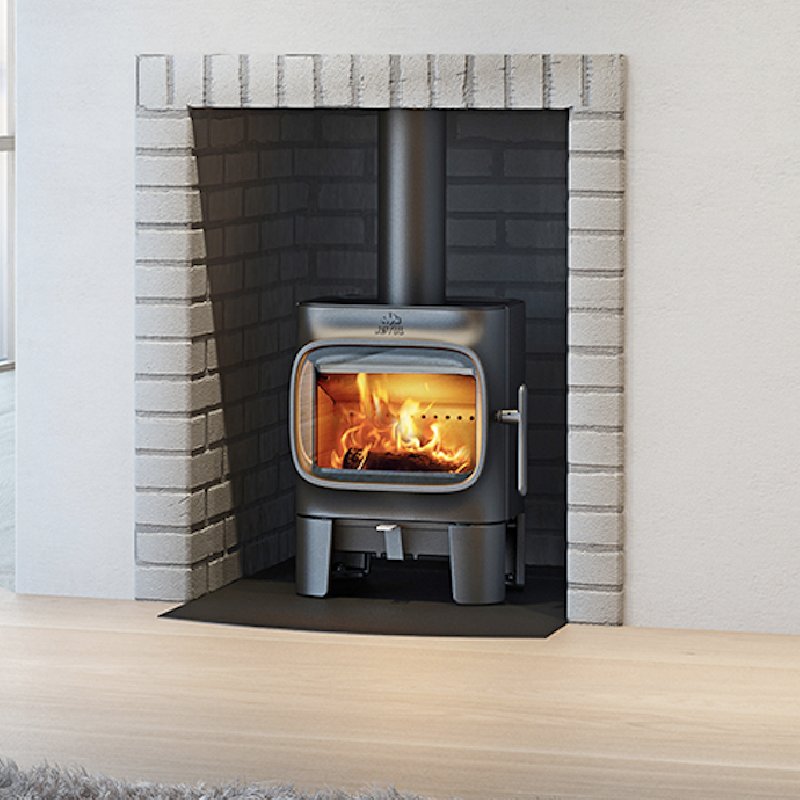
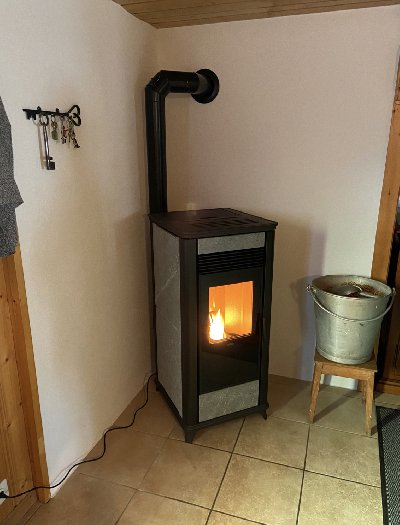
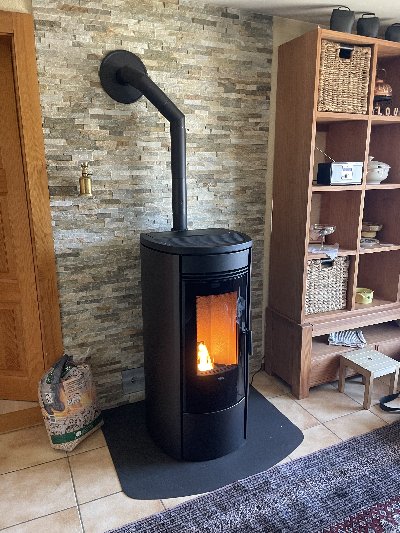
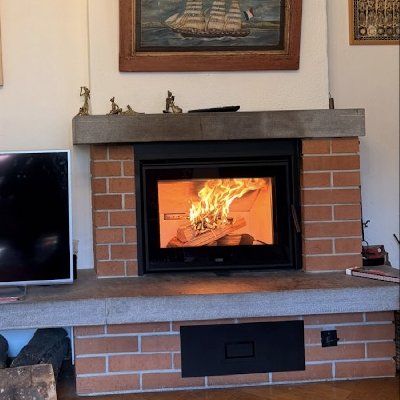
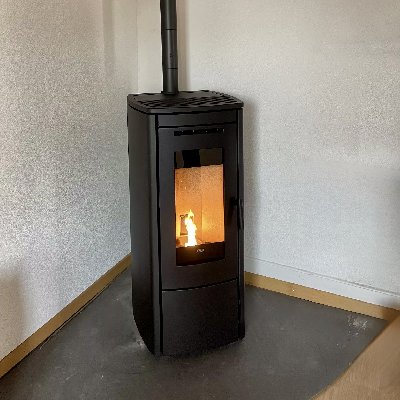
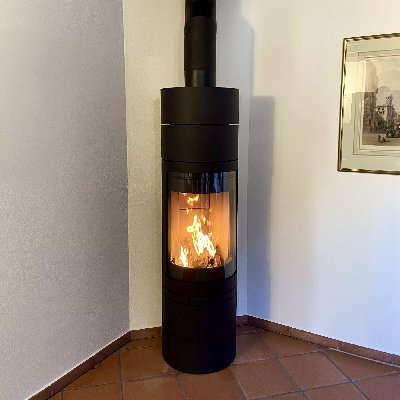
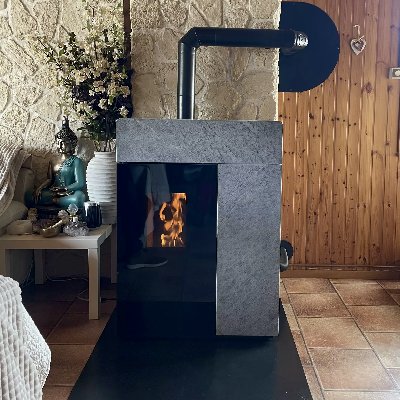
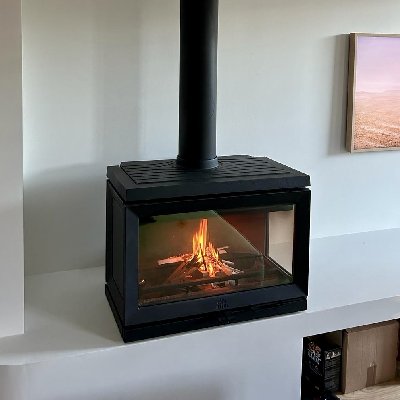
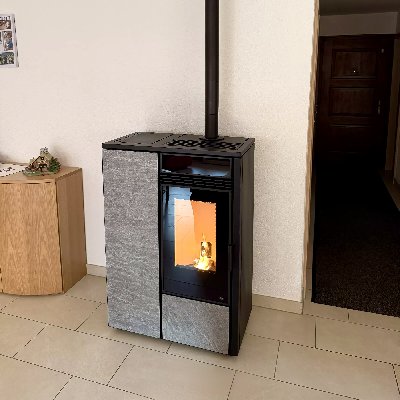
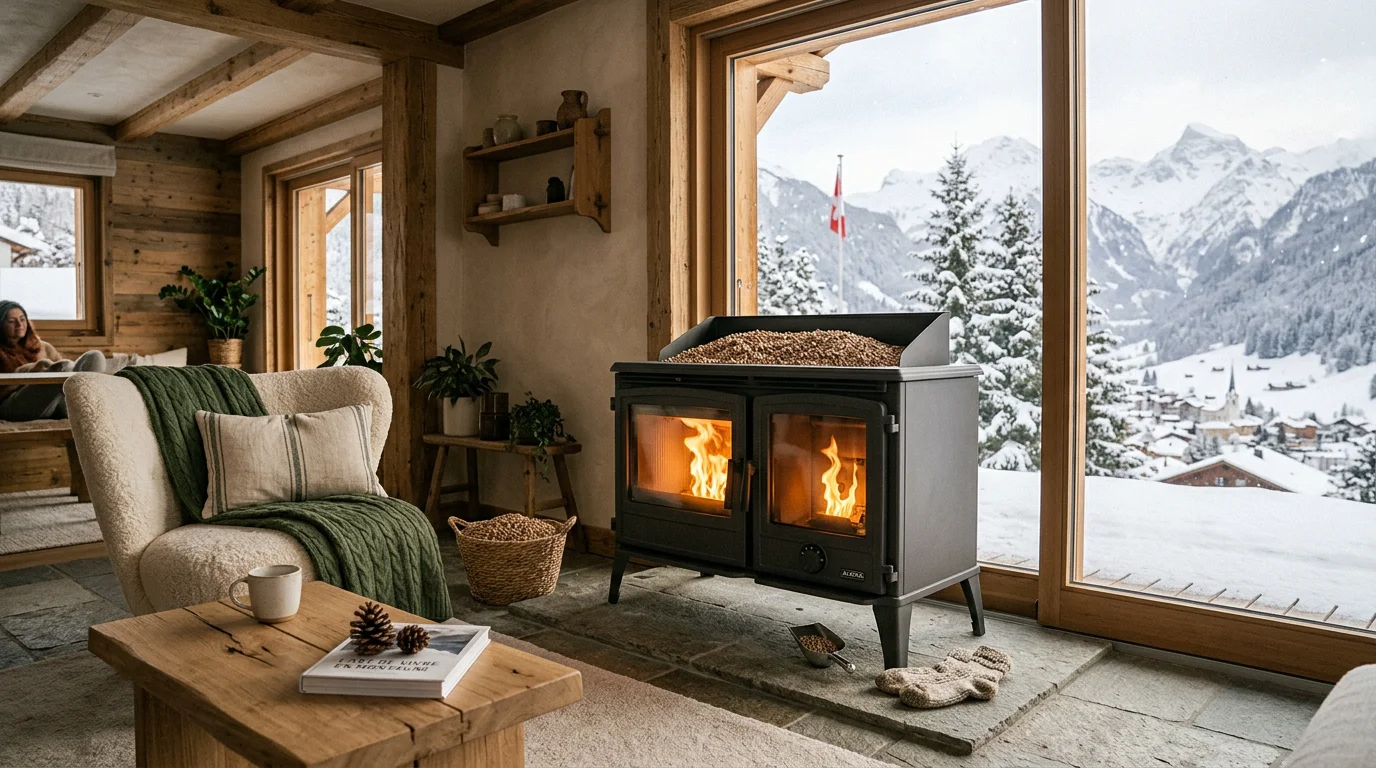
What if a simple power outage left your home without heat in the middle of winter? That is precisely the scenario that a self-contained pellet stove avoids, as it is capable of operating without any electrical power at all. In French-speaking Switzerland, this quest for reliability is prompting many homeowners to rethink their heating systems, from simple supplemental heaters to our pellet boilers designed to heat the entire home.
This renewed interest is no coincidence. According to Proxi-TotalEnergies, pellet stoves and boilers are gaining ground in single-family homes, driven by the desire for comfort and energy efficiency. Models without electronics take this concept to its logical conclusion: no dependence on the power grid, purely mechanical operation, and a natural flame.
How Does a Pellet Stove Work Without Electricity?
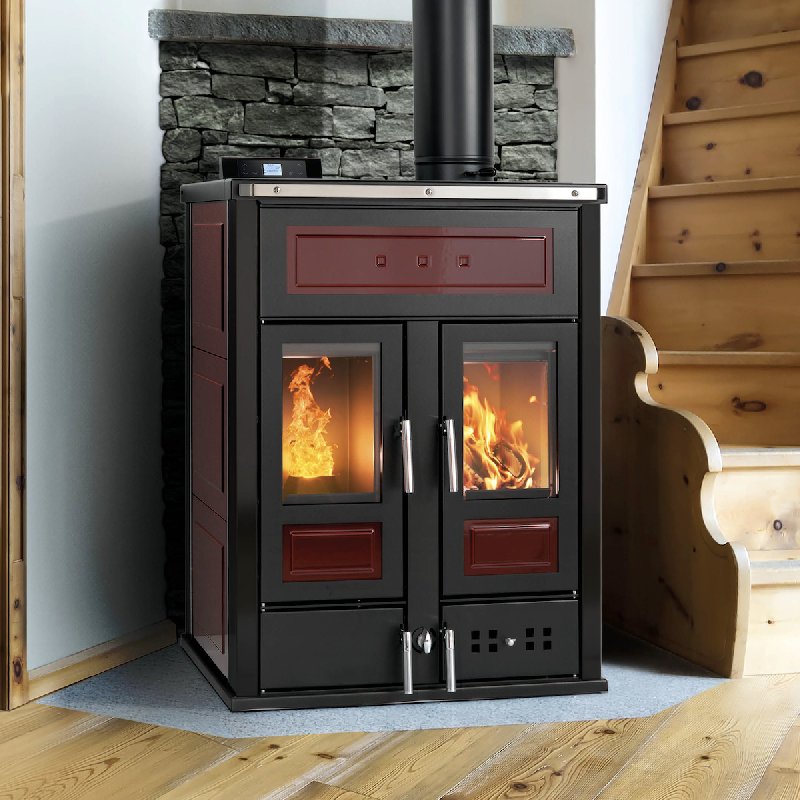
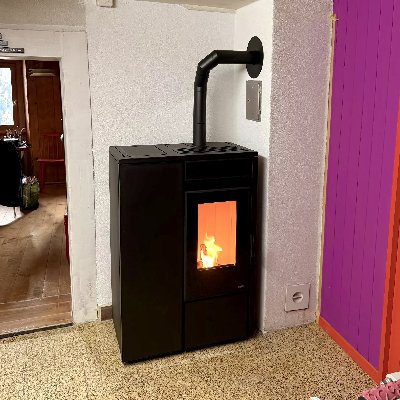
A pellet stove without electricity relies on two simple physical principles. First,gravity-fed feeding: the hopper is located above the combustion chamber, and the pellets naturally fall into the firebox as they are consumed. Second, natural convection: hot air rises and circulates throughout the room without any fan.
In practical terms, these units contain no circuit board, fan, or motorized auger. Combustion is sustained by the chimney’s natural draft, and its intensity is controlled mechanically by adjusting the air intake and pellet flow rate. These are also known as natural convection stoves or gravity-fed stoves. The result combines the durability of a traditional wood stove with the cleanliness of pellet fuel.
A Pellet Market in Full Recovery in 2026
The current context explains the surge in popularity of these appliances. After a sharp slowdown in 2023 and 2024, demand has rebounded: according to the Propellet association, approximately 128,000 pellet stoves were sold in 2025, representing a 36% increase compared to 2024. This is a clear sign of renewed consumer confidence.
On the fuel front, the trend is toward stabilization. In the French market—the most thoroughly documented price benchmark—pellet prices stood at around €426 per metric ton in bulk during the summer of 2026, far from the peaks reached during the 2022 crisis. In French-speaking Switzerland, where winters demand truly reliable heating, this renewable and local energy source is all the more appealing because it protects against the vagaries of the power grid.
Day-to-Day Operation: Lighting, Combustion, Maintenance
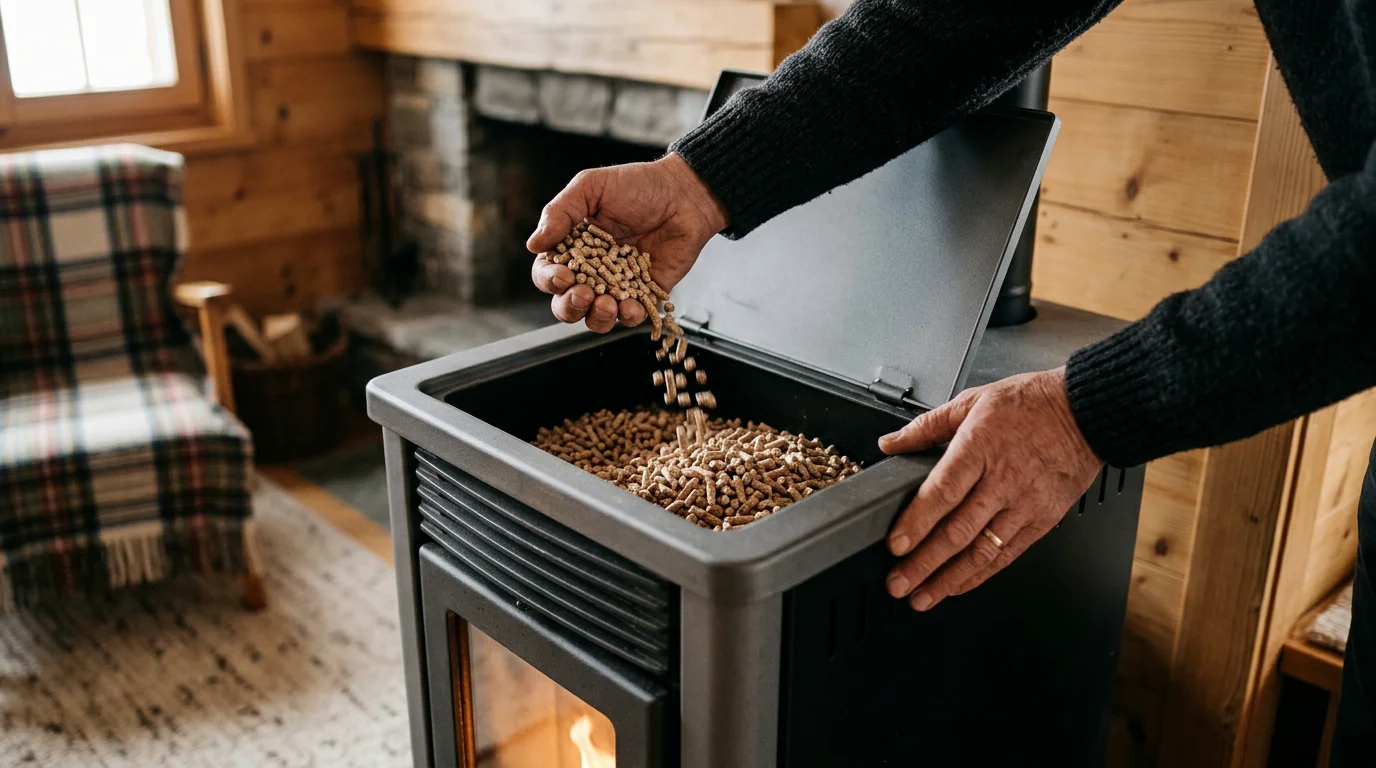
Operation differs slightly from an electronic model.Manual ignition is the same as for a wood stove: you place a fire starter and a handful of pellets in the firebox, then light it. Once the fire is lit, natural draft takes over. There are no spark plugs that can wear out.
Combustion remains steady as long as the hopper is supplied with pellets: the more you fill it, the longer the burn time, generally between 6 and 16 hours depending on the hopper’s capacity and the set heat output. To turn off the stove, simply close the pellet feed; and the fire will burn out on its own. Daily maintenance is limited to emptying the ash pan and cleaning the glass. However, chimney sweeping remains mandatory, and the quality of the pellets directly affects how clean the firebox stays.
Installation and Natural Draft: Key Considerations
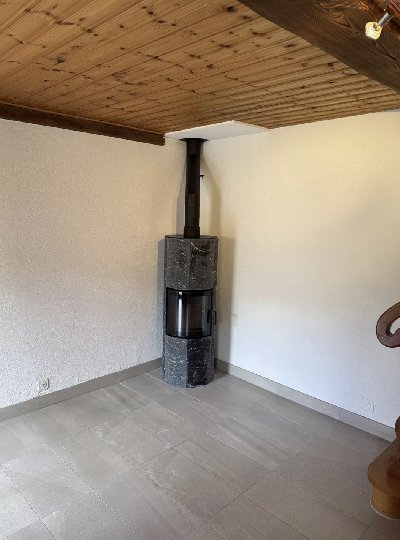
Here, natural draft is the true driving force behind the unit. Installation therefore requires particular technical precision. A vertical flue is essential: it must be airtight, properly sized, and extend sufficiently above the roof ridge to ensure a stable negative pressure. Exits on the exterior wall are generally not recommended, as they do not provide sufficient draft.
A dedicated fresh air intake is essential for combustion, particularly in newer, highly airtight homes. A draft regulator is often recommended to avoid two pitfalls: too little draft causes the glass to fog up and leads to incomplete combustion, while too much draft results in excessive fuel consumption. The quality of the fuel is just as important as the installation: see our guide on How to Store Pellets to Preserve Their Heating Value. For a sustainable project that complies with standards, it’s best to entrust this step to experienced professionals.
Advantages and Limitations Compared to Other Stoves
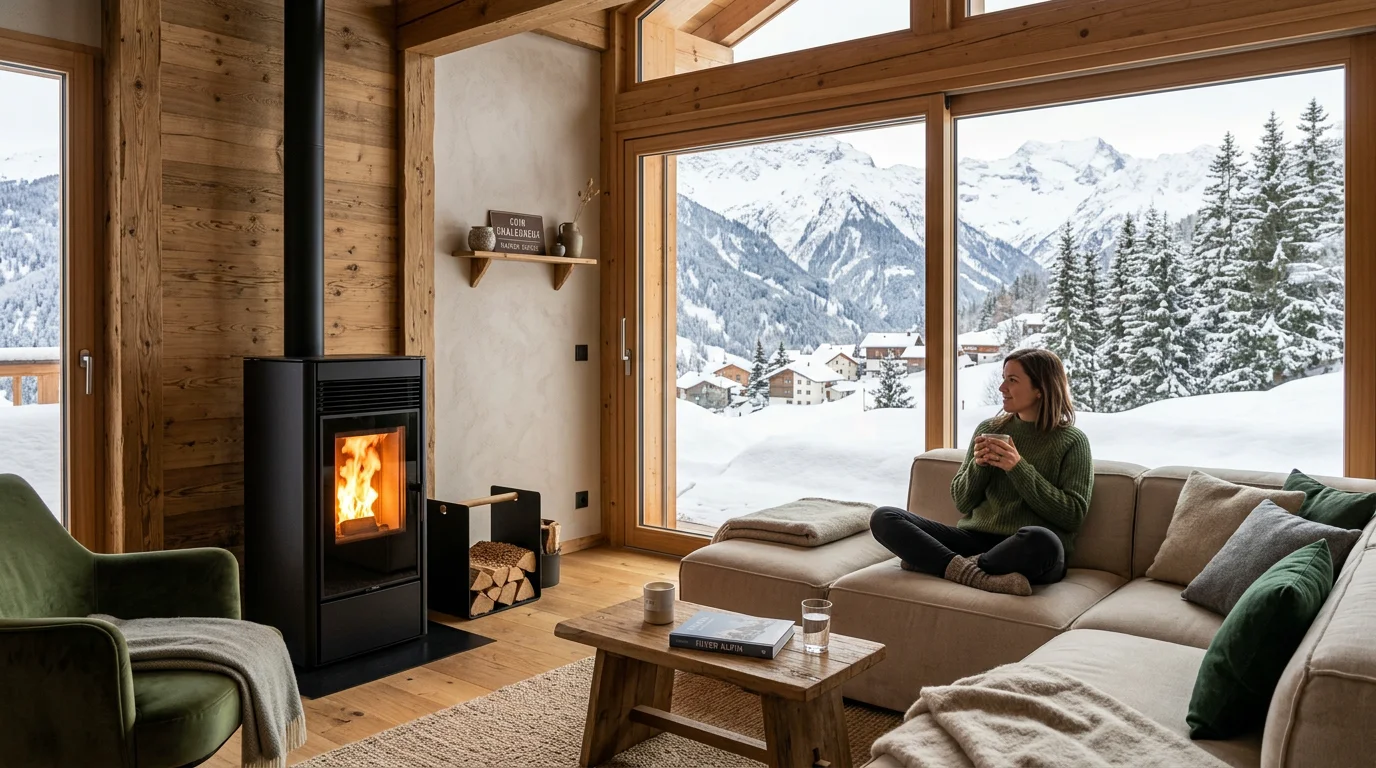
The primary advantage isenergy independence: the unit continues to heat even during a power outage, making it an excellent backup heating source. Additional benefits include complete silence, high mechanical reliability, and minimal maintenance, with no costly electronic parts to replace. For households that also want to ensure their communications remain secure in the event of an incident, a device like our emergency (backup) panel usefully complements this approach to self-sufficiency.
The limitations stem from this same mechanical principle: no programming, no thermostat, and no remote control. Adjustments are made manually, and you must be present to light it, just like a wood stove. In terms of efficiency, these units often exceed 85%. Based on the energy produced, pellets cost approximately €0.0753/kWh according to French data from 2026—a cost that remains lower than direct electricity and most fossil fuels.
Choosing the Right Standalone Pellet Stove
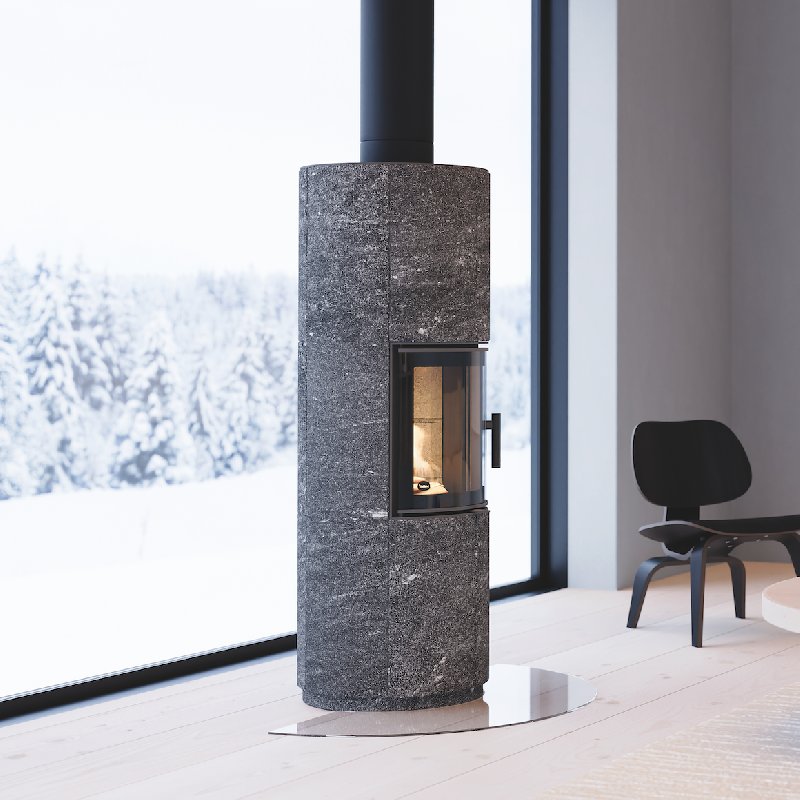
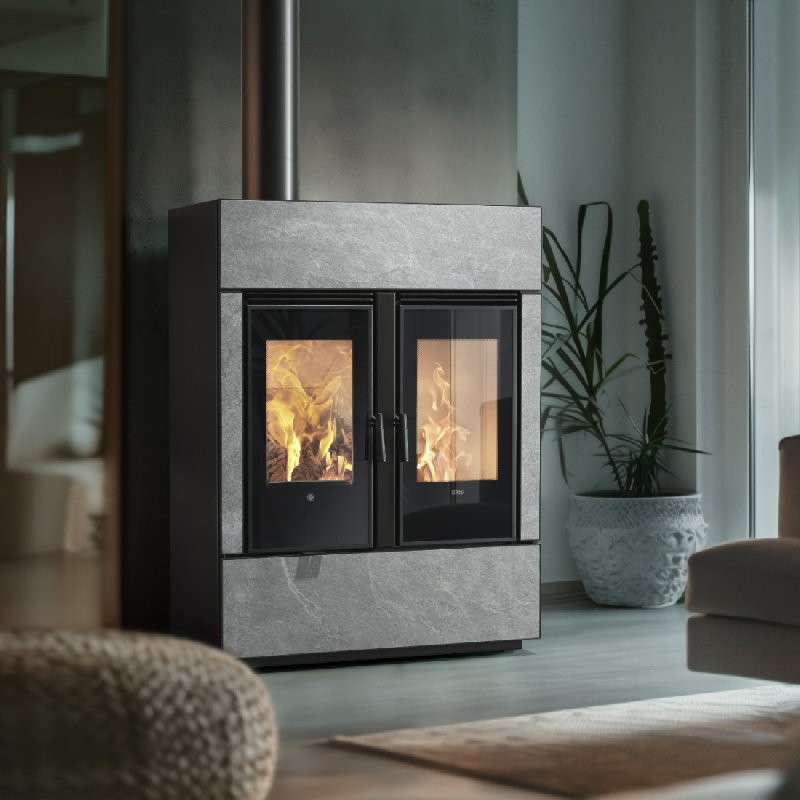
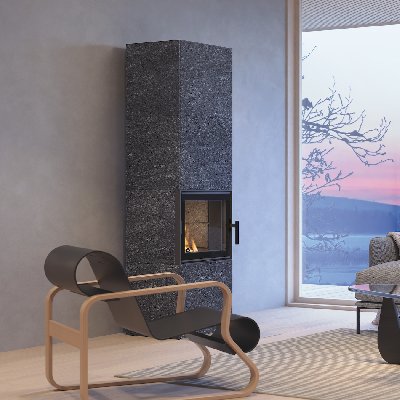
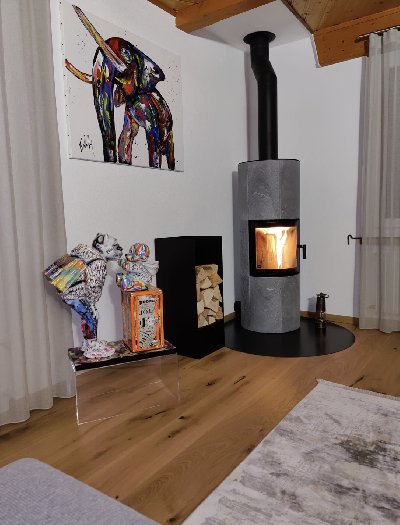
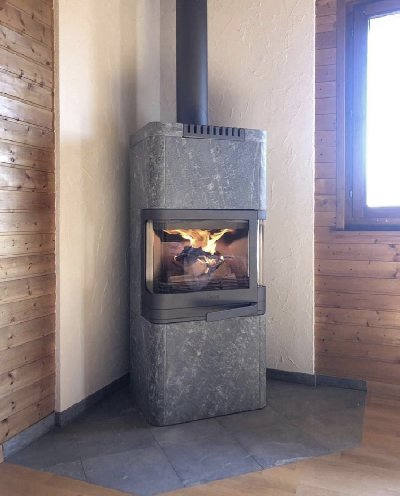
Four criteria guide a sound choice. The rated output must match the room’s size and insulation—typically 5 to 8 kW for a living room. The hopper capacity determines how long the stove can run on a single load. The material of the firebox affects comfort: steel heats up quickly, while cast iron and soapstone offer greater thermal mass and prolong heat radiation. Finally, the air control system determines the efficiency of combustion.
That leaves the key question of installation. The same appliance will yield very different results depending on the quality of the installation. The table below compares three ways to carry out a project in French-speaking Switzerland.
| Criterion | DIY Installation | General contractor | Our support |
| Needs assessment (plans or on-site visit) | At your expense | Varies | Free, no-obligation site visit |
| Coordination with architects and tradespeople | No | Variable | Full-service management |
| Clean worksite and home protection | No | Varies | Included, with cleanup |
| After-sales service | No | Variable | In-house after-sales service for pellets, wood, and gas |
Our team assesses your needs based on your plans or an on-site visit, organizes the project, and coordinates with other trades. You’ll enjoy a clean result that complies with Swiss standards and is supported by long-term follow-up.
Key Considerations Before You Begin
Choosing a pellet stove that doesn’t require electricity means prioritizing reliability, quiet operation, and independence from the power grid. It’s the ideal solution as a backup heating source or for those who prefer to avoid electronic maintenance and the noise of a fan. The downsides are well-known: manual ignition, no programming options, and strict requirements for the flue and draft. In short, if you’re comfortable with manual operation and have an efficient vertical flue, this appliance will provide you with economical and sustainable heating. Success depends above all on precise sizing and flawless installation.
Take action with Carron-Lugon
A standalone heating project deserves support that meets your expectations. From choosing the model to determining the right capacity and ensuring the flue meets standards, every detail matters to achieve a reliable and long-lasting result in your home in French-speaking Switzerland.
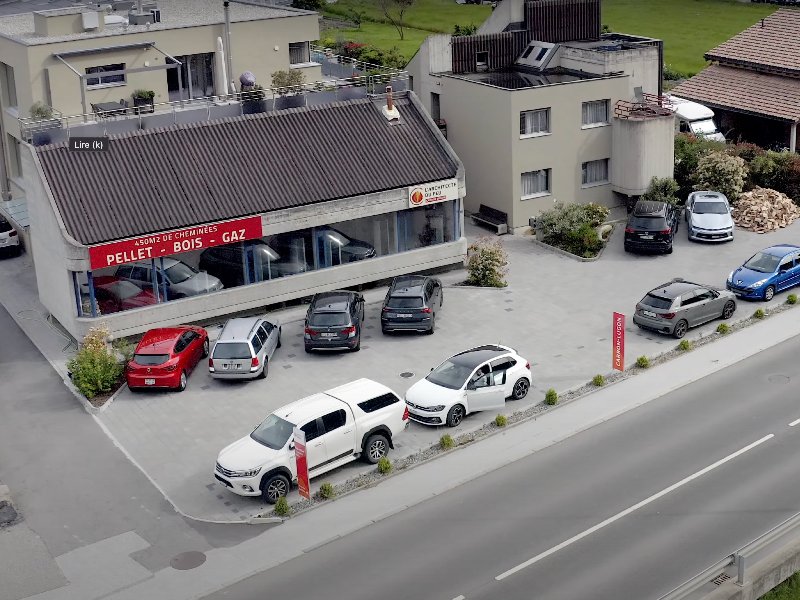
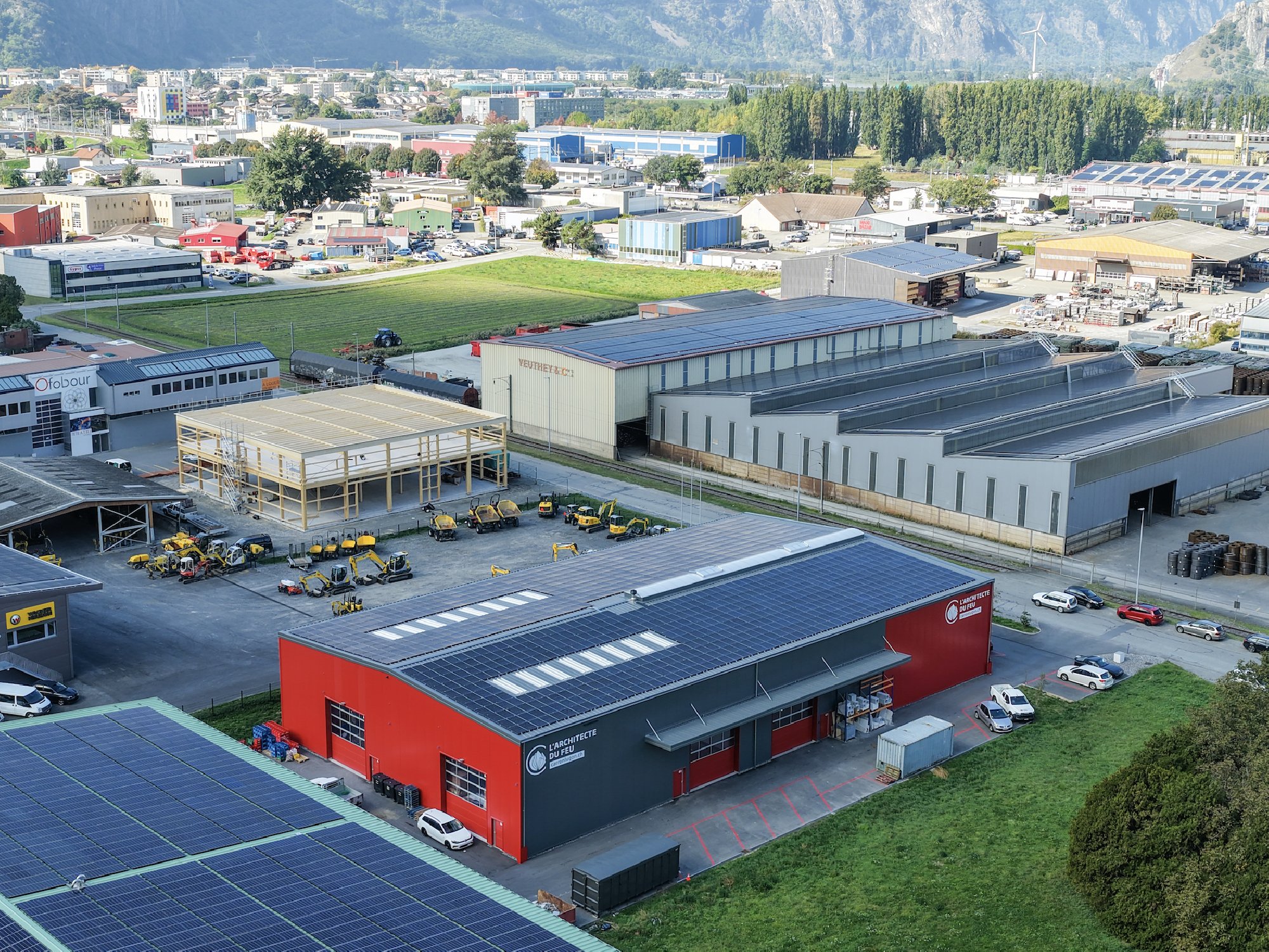
We assess your needs based on your plans or during a free, no-obligation visit, then we manage a clean installation process—from removal to restoration—with our in-house after-sales service. Visit our showrooms in Fully and Etoy and explore our pellet stoves to bring your project to life with complete peace of mind.
Frequently Asked Questions
Does a pellet stove without electricity really work without any electrical connections?
Yes, it requires no electrical power. The pellets feed down by gravity, and combustion is sustained by the chimney’s natural draft. No electronic circuit boards or fans are involved.
Can you adjust the temperature to the nearest degree?
No, there is no thermostat or automatic control system. You adjust the heat output by controlling the air intake and pellet flow rate. The adjustment is therefore manual, just like with a wood-burning stove.
What is the average runtime for this type of stove?
It depends on the hopper capacity and the set heat output. In practice, the runtime generally ranges from 6 to 16 hours. The larger the hopper, the longer you can go between refills.
Is a specific flue required?
Yes, a vertical, airtight, and properly sized flue is essential to ensure sufficient natural draft. Flue outlets on the exterior wall are generally not recommended. A dedicated air intake is also necessary for combustion.
Who can help me install this type of appliance in French-speaking Switzerland?
Our teams handle the entire project, from assessing your needs to installing the unit in compliance with standards. We coordinate with other trades and provide in-house after-sales service for pellet, wood, and gas appliances. A free, no-obligation visit allows us to assess the feasibility of the installation at your home.