

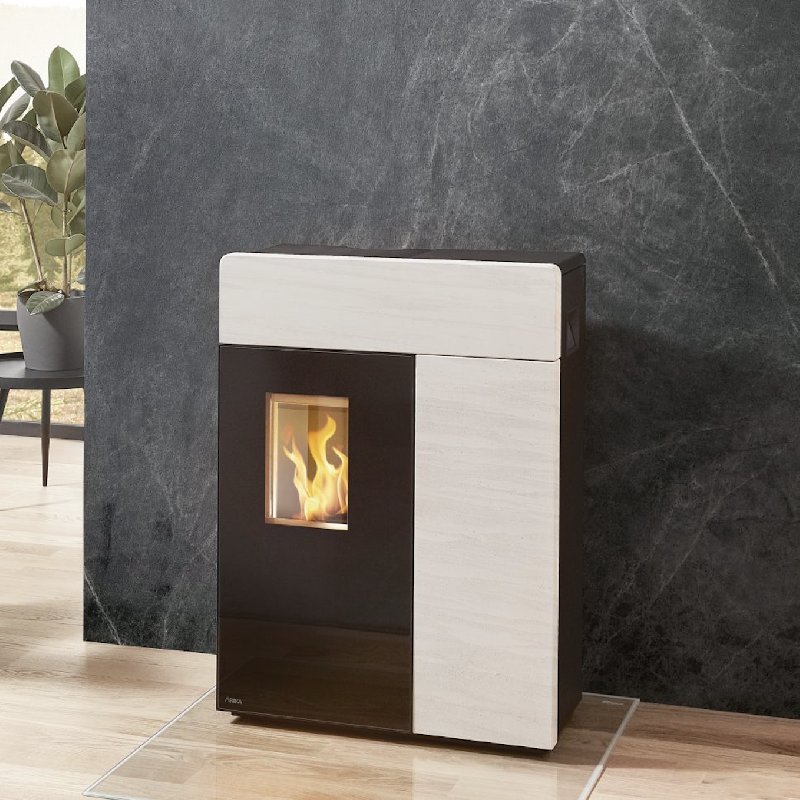
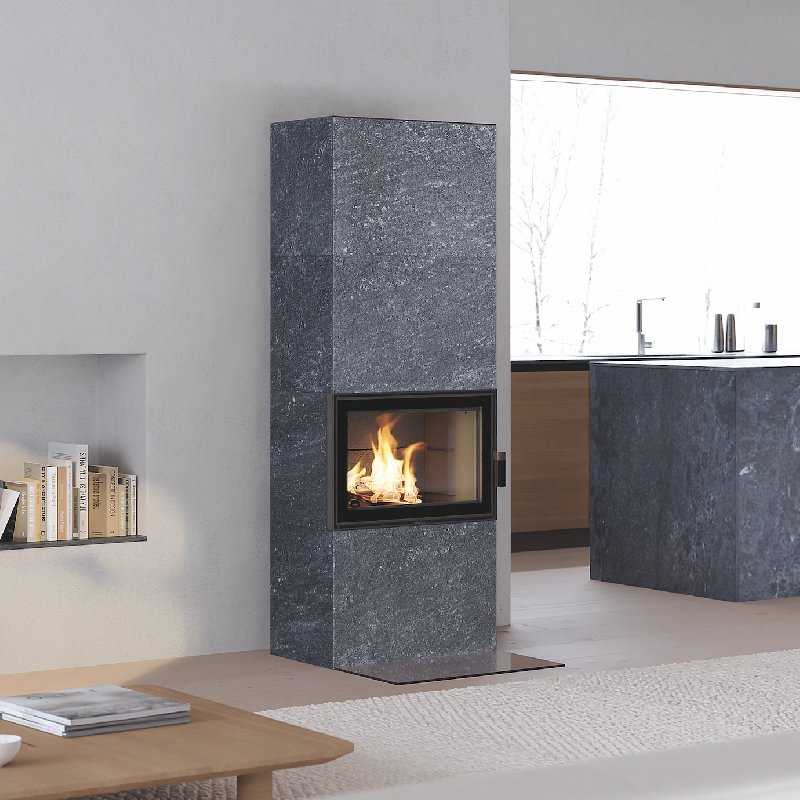
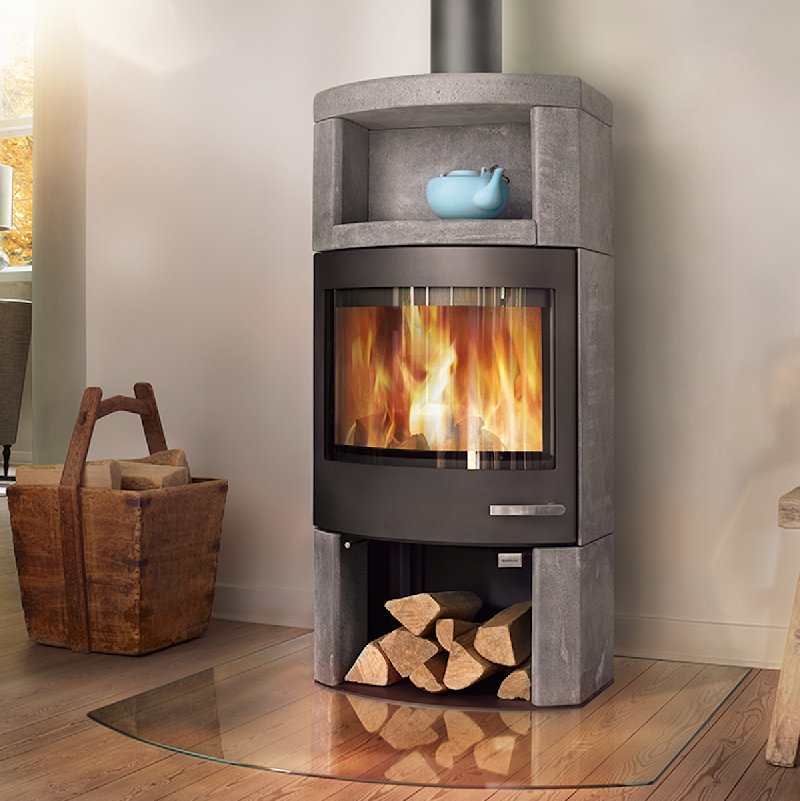
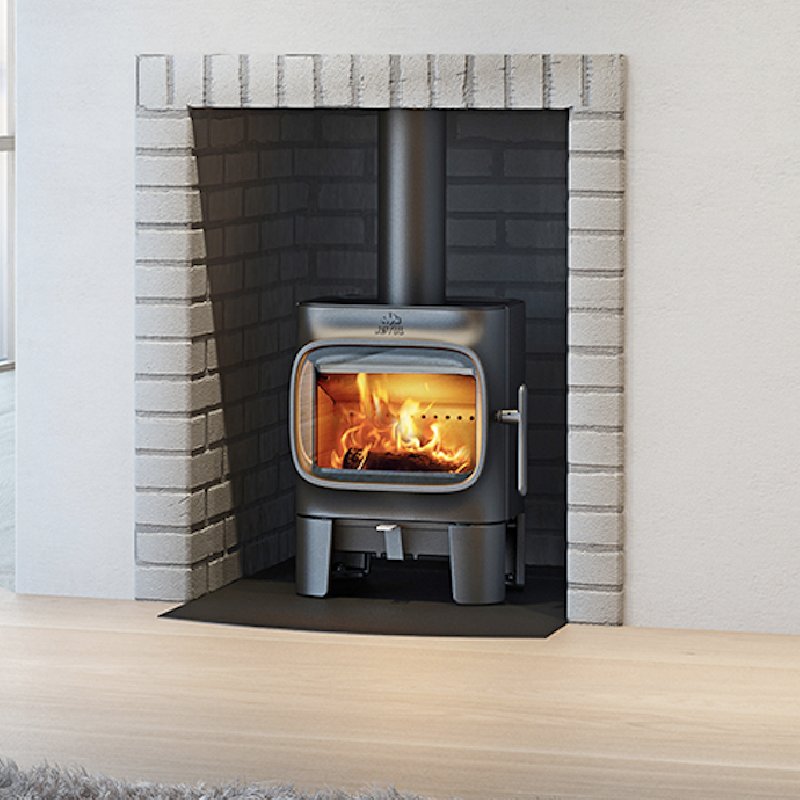
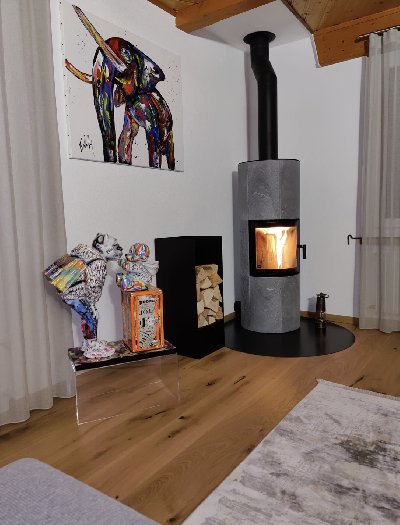
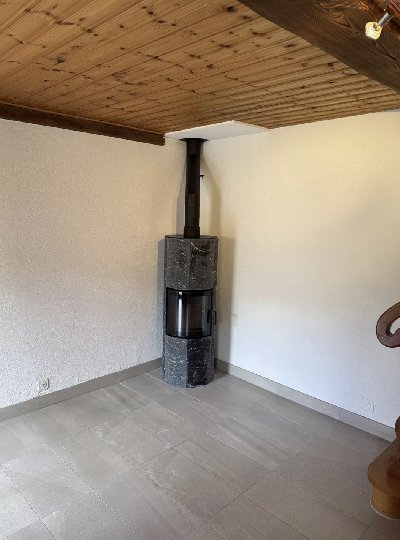
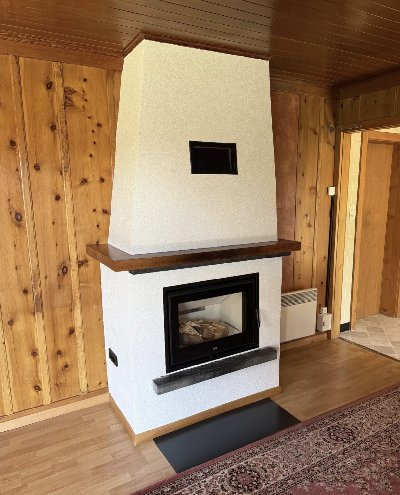
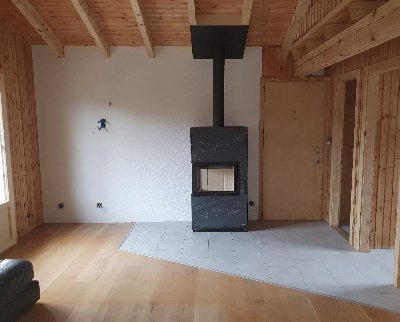
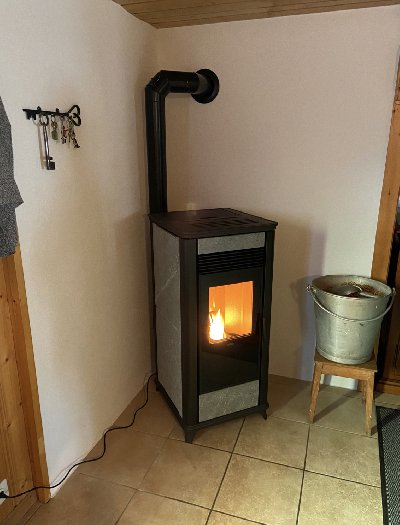
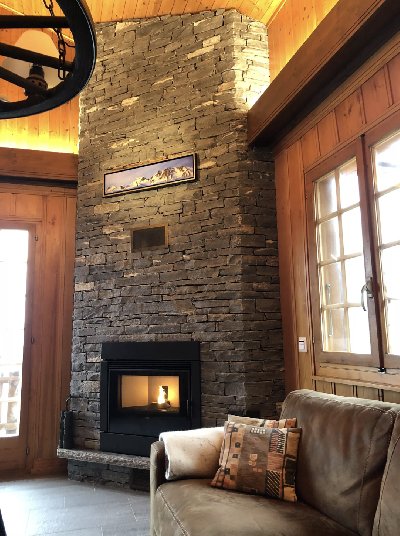
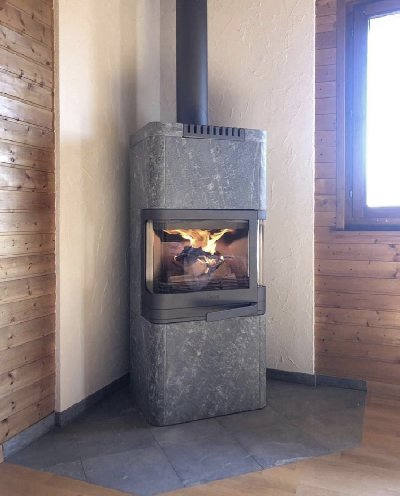
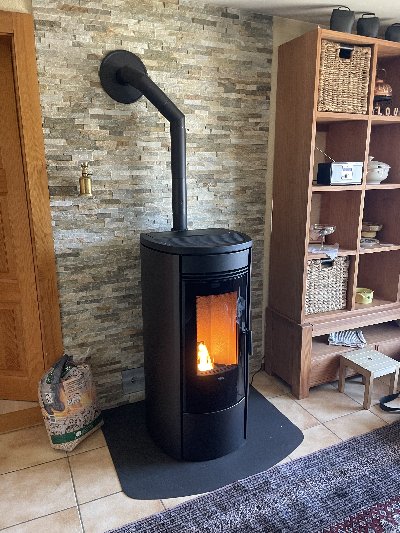
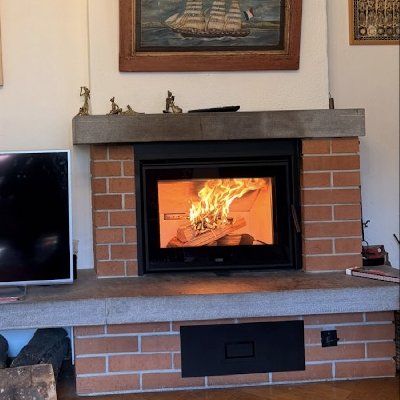
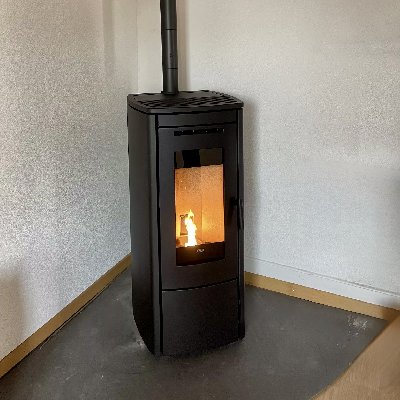
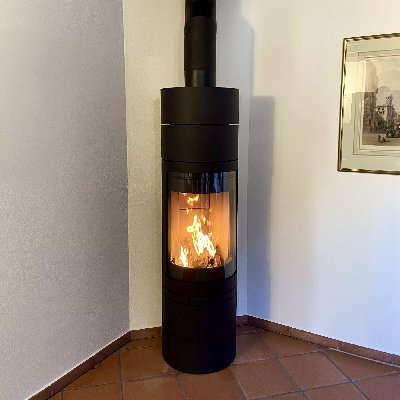
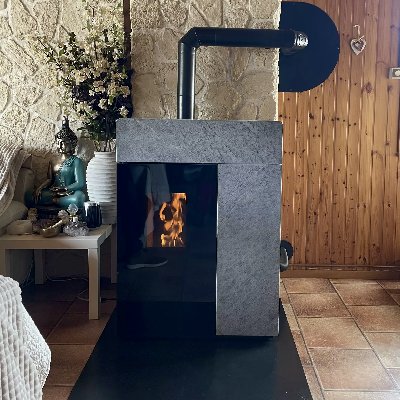
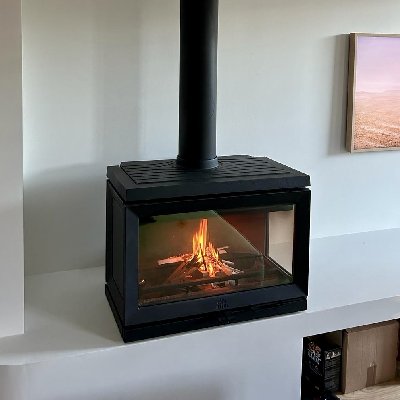
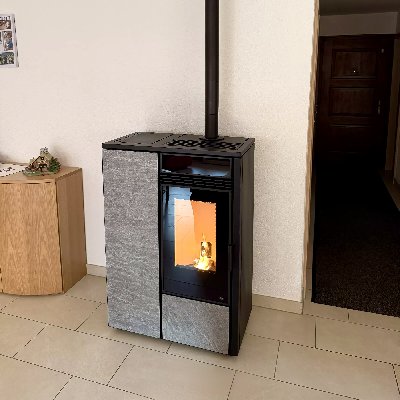
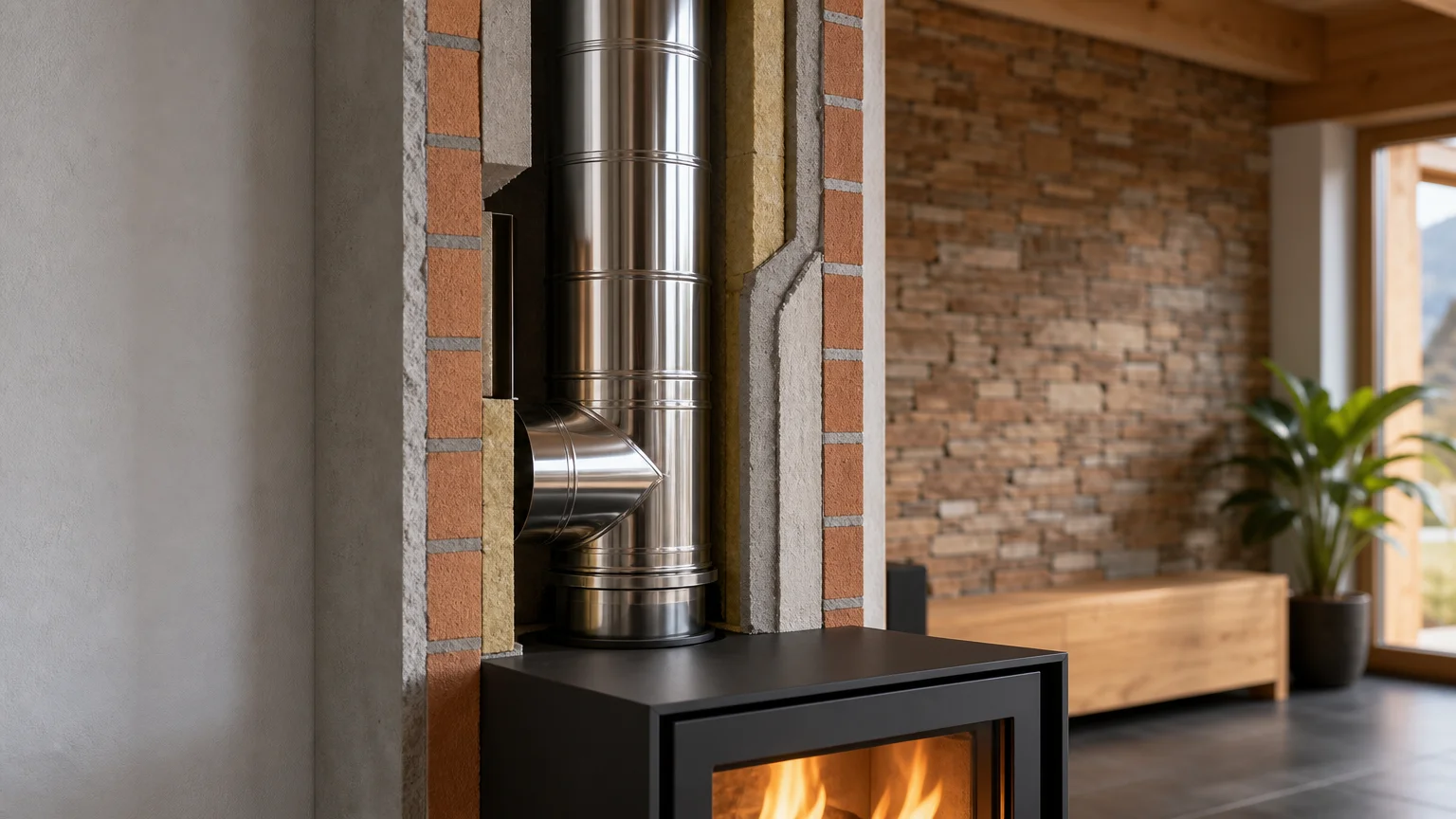
An old flue may appear intact but may still be unsuitable for a modern stove, insert, or enclosed fireplace. Chimney lining then creates a continuous internal passageway designed to withstand smoke, heat, and condensation. To distinguish an interior liner from a visible connection flue, see our 1-meter matte black flue pipe.
In Switzerland, a safe installation involves more than just choosing a stainless steel pipe. You must check the condition of the existing flue, compatibility with the appliance, safety distances, access for maintenance, and the necessary technical documentation. An error in diameter or configuration can impair draft, cause condensation, and complicate commissioning.
What is the real purpose of lining a chimney flue?
Why line a flue that still seems usable? An old masonry flue may have cracks, irregularities, porosity, or a cross-section that is too large for the new appliance. Lining adds a suitable inner wall, but it does not automatically repair the flue’s outer structure.
The primary objective is to ensure a leak-free exhaust of flue gases. The liner limits leaks into the surrounding walls and facilitates control over the flow of combustion products. It also protects the existing flue from high temperatures and acidic condensates produced by certain heating systems.
Lining can also improve draft stability. However, simply reducing the cross-sectional area at random is not sufficient. The diameter must comply with the manufacturer’s specifications, the appliance’s output, the fuel used, and the actual height of the flue.
Finally, it is important to distinguish between two components that are often confused. The liner is installed inside an existing flue, while the connection pipe generally connects the appliance to the flue’s inlet. These components must be compatible, but they do not serve exactly the same function.
What type of liner should you choose for your installation?
Imagine a perfectly vertical flue, then another one with several bends. The technical solution will not be the same. Rigid liner is suitable for straight runs, while flexible liner is better suited for older, winding flues.
| Solution | Appropriate configuration | Points to Consider |
|---|---|---|
| Rigid Ducting | Straight and accessible duct | Precise assembly, minimal bends, inspection of connections |
| Flexible tubing | Misaligned or irregular duct | Fuel compatibility, continuity, and fastening |
| Single-wall | Existing masonry flue | Compliance with clearances and duct ventilation |
| Insulated double-wall duct | Exposed or highly exposed runs | Insulation, support, and protection of combustible materials |
Stainless steel remains the most common material, but the exact grade depends on the temperature, pressure, fuel type, and required corrosion resistance. The specifications listed in the product’s Declaration of Performance must be compared with the appliance’s characteristics.
Swiss technical documents play an important role here. Performance declarations specify the flue’s characteristics, safety clearances, and required insulation thicknesses. In practice, it is therefore preferable to request the documentation for the complete system rather than selecting only a diameter.
For exposed connections, we also offer understated finishes to match the interior and the appliance. Our 1-meter gray flue pipe illustrates this difference between the inner lining and the exposed portion of the connection.
How do you measure and prepare the flue before installation?
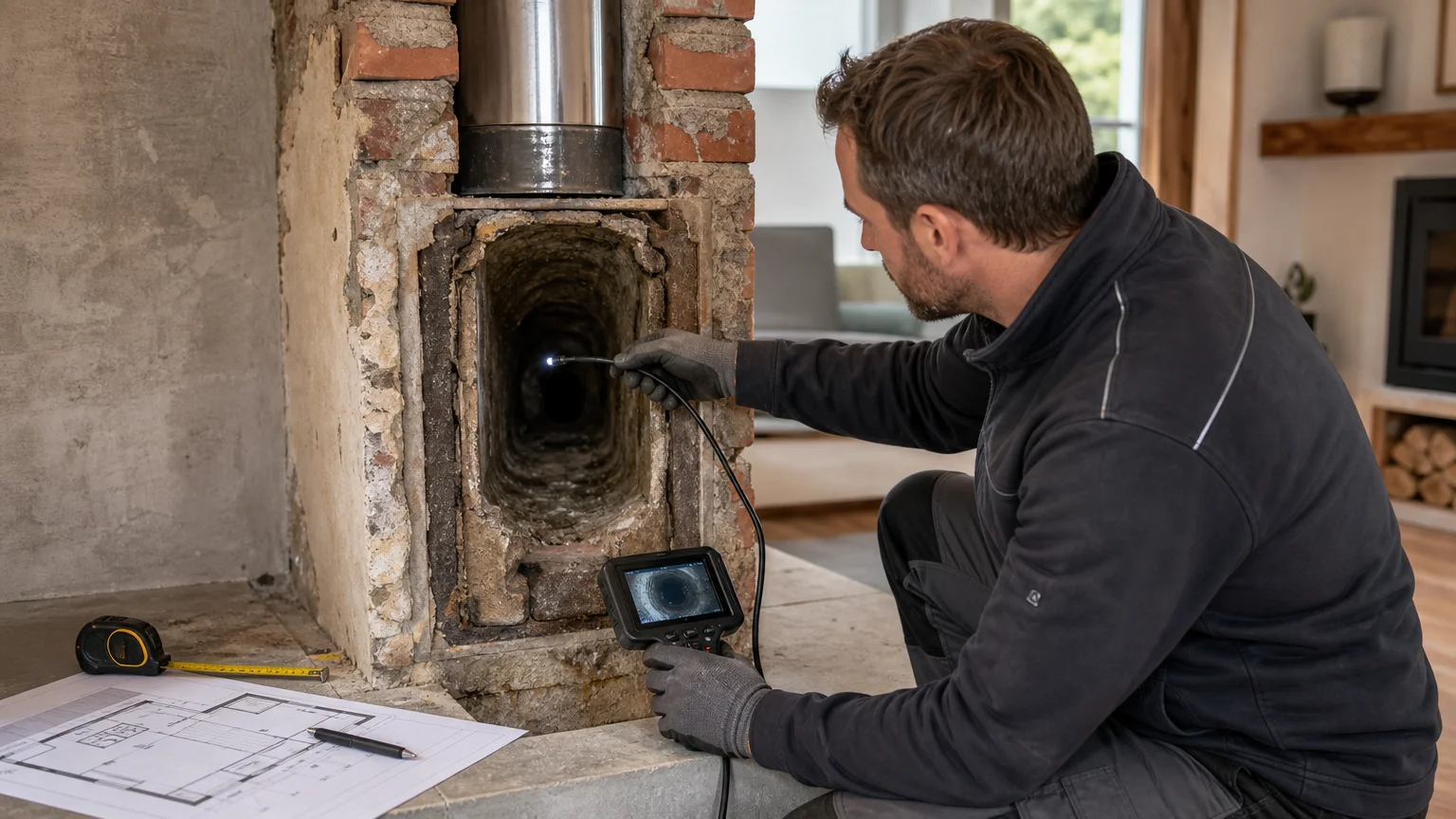
Before placing any order, start by assessing the flue. Note its interior diameter, height, shape, accessibility, and overall condition. The flue must be cleaned and, if necessary, de-sooted before the new pipe is installed.
Sizing is always based on the appliance to be connected. A diameter that is too small can impede flue gas exhaust. A diameter that is too large can cool the flue gases, reduce draft, and promote condensation. The manufacturer’s recommendations therefore take precedence over general guidelines.
The installation must also ensure the continuity of the flue lining. A break, an unsuitable joint, or an unplanned reduction in diameter can compromise the seal. Access points for cleaning must remain available to allow for future inspections and maintenance.
In a comprehensive project, we also verify consistency between the fireplace, the connection, and the roof exit. A unit may be technically efficient but still malfunction if its flue is improperly sized or if the necessary air supply is not ensured.
Certain visible components can also facilitate maintenance. A matte black liner with a damper and door may be suitable for a specific connection configuration, but its use must always be validated for the specific appliance and exhaust system in question.
What safety requirements must be met in Switzerland?
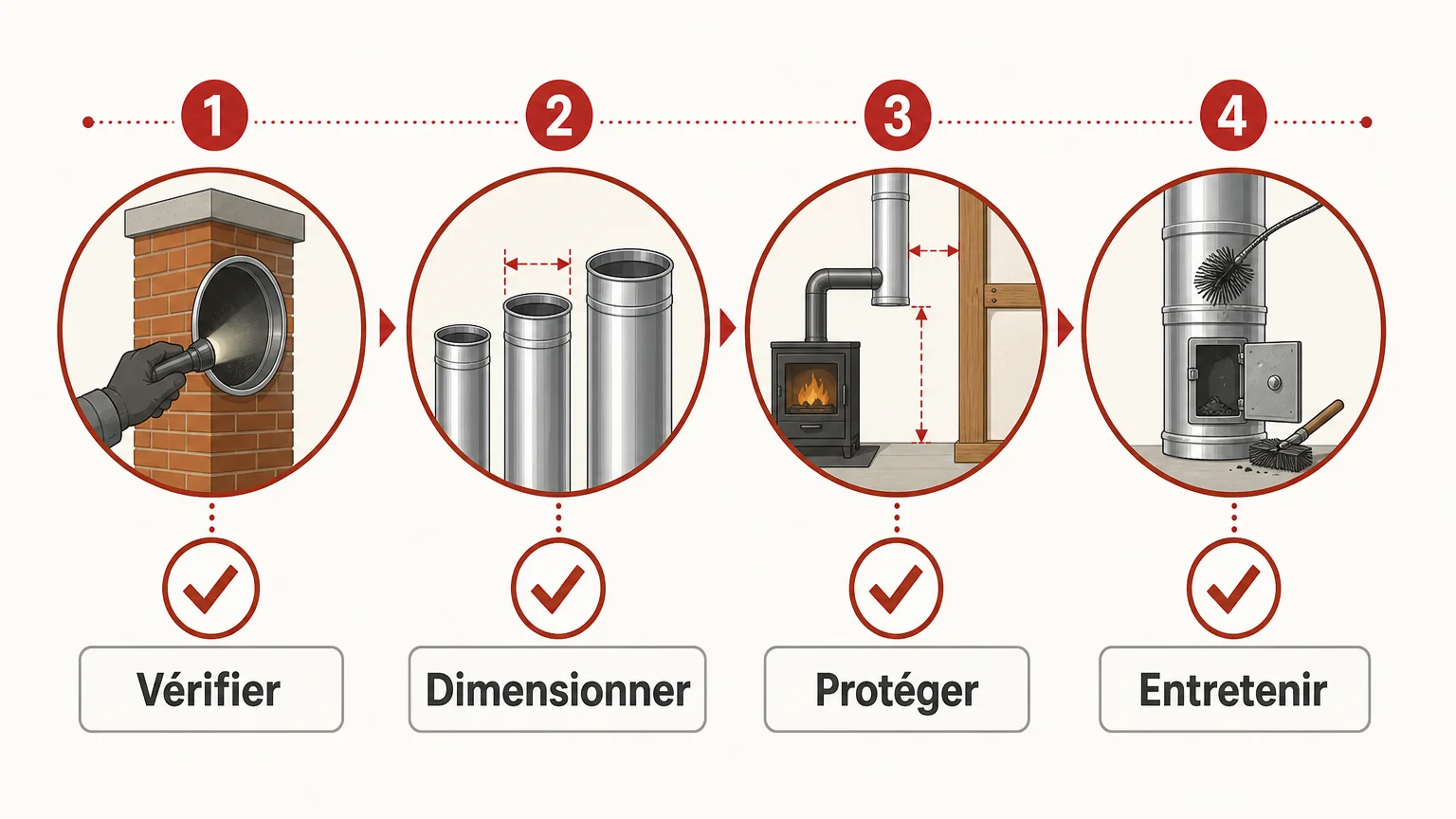
Does a heating system simply need to function? No, it must also remain safe over the long term. Swiss fire safety regulations provide a mandatory framework for the systems in question, particularly regarding distances from combustible materials and the characteristics of the ducts.
VKF regulations cover the fire safety requirements applicable to buildings and systems. VKF regulations must be considered alongside the product’s technical documentation and the requirements of the competent authority.
One important distinction should be noted. Ducts and appliances are no longer necessarily subject to VKF certification as it was previously understood. The manufacturer’s declaration of performance may now contain the relevant data regarding fire safety, clearances, and insulation. It is therefore necessary to request the document appropriate for the installed product.
Safety distances are not determined solely by diameter. They depend on the duct class, its temperature, its insulation, the floor configuration, and the type of walls it passes through. Installations near wood, insulation, or combustible materials require special attention.
Inspections by a certified chimney sweep are conducted in accordance with applicable cantonal regulations. The procedures may also vary depending on the location, the type of appliance, and the nature of the work. We help you identify the necessary contacts before installation to minimize last-minute changes.
The roof finish also helps protect the flue from the elements. A chimney cap may be considered when the configuration requires a suitable finish around the outlet.
What budget should you plan for, and what financial assistance should you check for in 2026?
The cost of a chimney liner cannot be summarized by a single price per meter. The length, diameter, type of pipe, shape of the flue, roof access, preliminary cleaning, and masonry modifications can significantly affect the final cost.
A reliable estimate must itemize the assessment, preparation, materials, installation, fasteners, roof finishing, and any additional work. It must also specify the system being installed, its performance documentation, and the maintenance requirements.
Financial assistance varies by canton and type of work. In the canton of Vaud, for example,the Vaud financial assistance program is valid from June 1, 2026, to May 31, 2029, subject to available funds. It applies in particular to certain renovation work on flues for wood and pellet-burning systems, provided a written approval from a certified chimney sweep is obtained before the flue lining is installed.
This Vaud subsidy should not be assumed to apply throughout all of Switzerland. Before signing a quote, verify the requirements in your canton, the dates of accepted invoices, the required professional, and the documents to be provided. An application submitted after work has begun may no longer be accepted.
At our company, the feasibility study allows us to assess the home, the flue, and the proposed appliance before selecting a solution. We can then guide you toward a well-designed installation, with ongoing support that includes maintenance, repairs, and replacement parts for the relevant equipment.
Key Considerations Before Lining a Chimney
Chimney lining improves the airtightness and adaptability of an existing flue, but the choice should not be based solely on diameter or price. The condition of the flue, the fuel, the appliance, the geometry, safety distances, and technical documentation must all be considered together. In Switzerland, regulations may also vary by canton. A preliminary assessment and proper installation reduce the risk of malfunction, condensation, and non-compliance.
Plan Your Fireplace Project in Switzerland
Are you considering a stove, a fireplace, or the renovation of an existing flue? We start by understanding your home, your lifestyle, your space, and the technical constraints of the project.
Our support includes consultation, a feasibility study, installation, and post-installation follow-up. To compare wood, pellet, and bioethanol options, check out our fireplaces and flues.
Frequently Asked Questions
Is a chimney liner always required?
No, the need depends on the appliance, the existing flue, the fuel, and applicable regulations. It’s often essential when an old flue is deteriorated or when a sealed appliance is installed.
What is the difference between a rigid and a flexible liner?
Rigid lining is best suited for straight, uniform flues. Flexible lining is better suited for flues with bends, but its compatibility with the appliance and fuel must be verified.
How do you choose the right liner diameter?
The diameter must comply with the appliance manufacturer’s specifications and the flue’s characteristics. An incorrect size can reduce draft, increase condensation, or disrupt combustion.
Is a permit required to line a chimney in Switzerland?
The procedures depend on the canton, the building, and the nature of the work. It is advisable to contact the official chimney sweep and the relevant authority before installation.
Who can assist me after installation?
We offer project support, followed by after-sales service for maintenance, repairs, and replacement parts for the relevant equipment. We can also help you assess the feasibility of an installation in your home.