

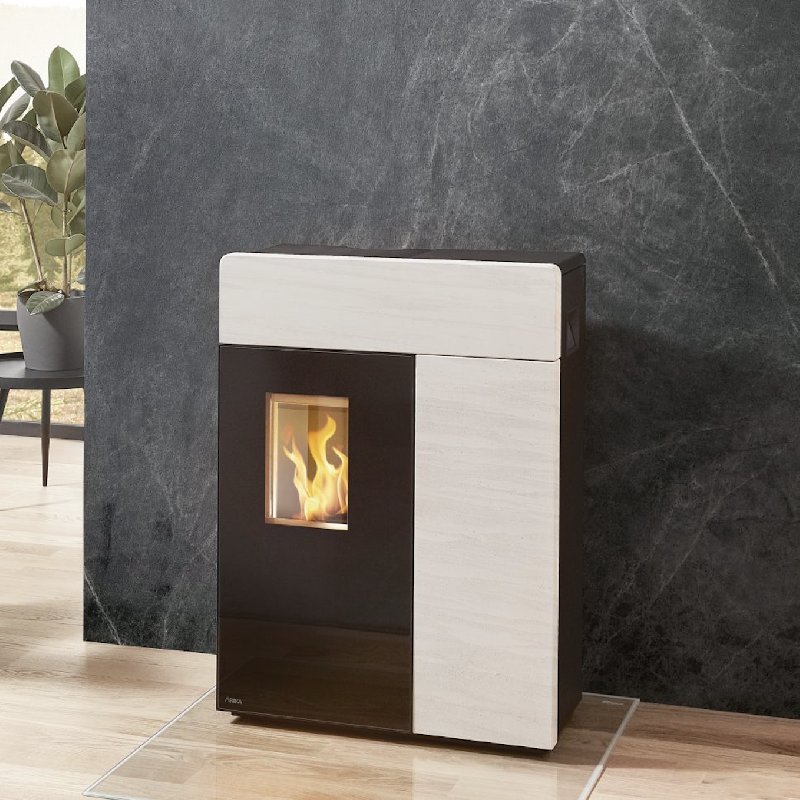


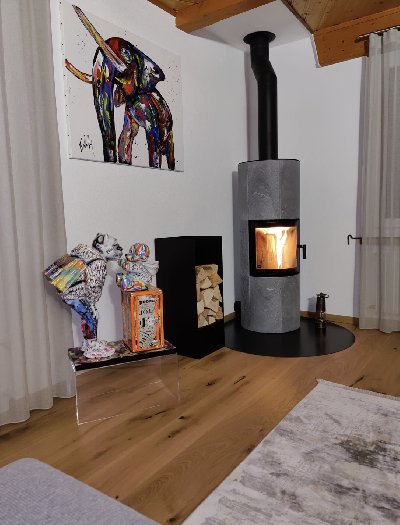
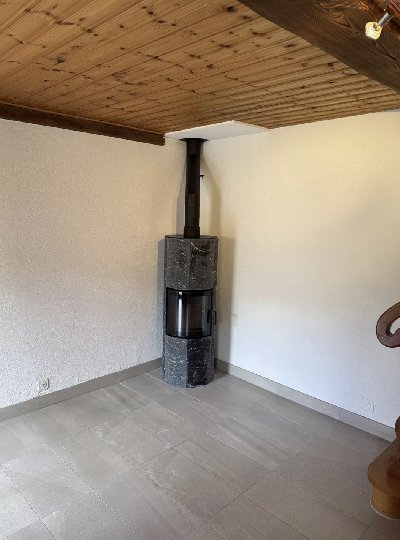
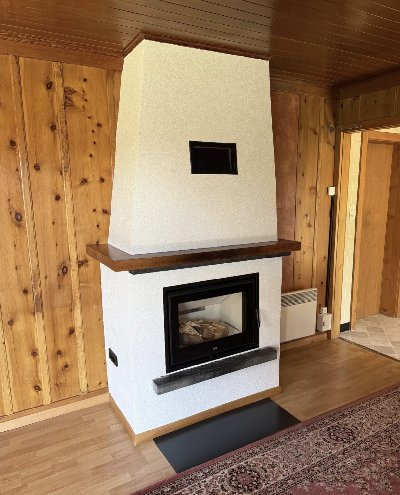
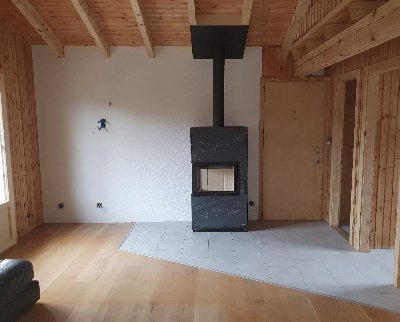
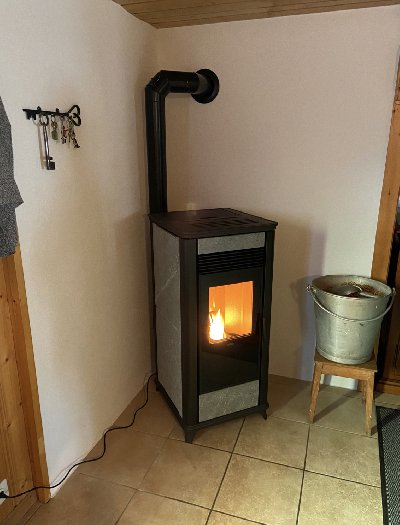
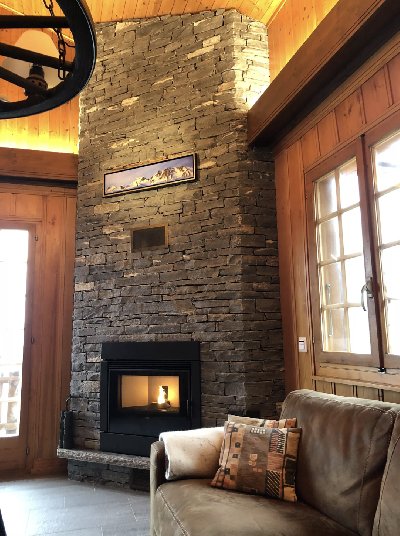
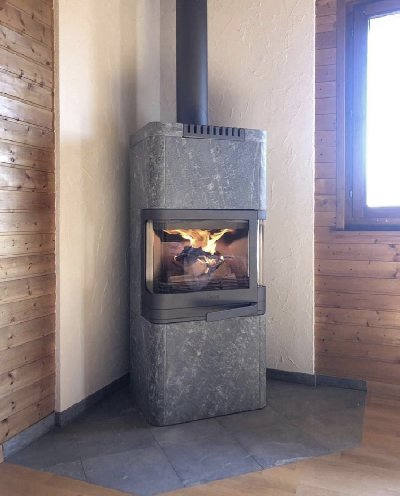
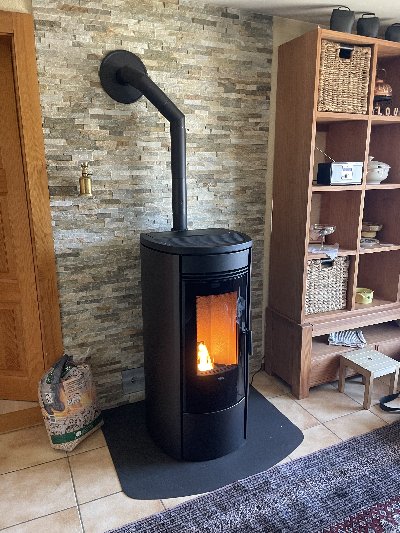



A dirty stove consumes more fuel, heats less effectively, and breaks down more often. This is the paradox of an appliance known for being clean: pellets produce little residue, but this dust accumulates in the wrong places. Taking care of your system is not a luxury. Regular maintenance of your pellet stove is essential for its efficiency, safety, and longevity. It starts with simple habits, such as following our guide for properly storing and preserving pellets, even before you light the stove for the first time.
In French-speaking Switzerland, where winters demand reliable heating, pellet stoves are winning over more and more homeowners. The market is also showing signs of recovery: according to a 2026 industry analysis, the installed base now exceeds two million units in France alone—Europe’s largest market. Behind this popularity lies a subtle yet crucial requirement: maintenance.
Why Pellet Stove Maintenance Is Critical
Regular care and maintenance of a pellet stove serves four specific purposes. First, it optimizes efficiency: a clean unit burns more effectively and uses fewer pellets. Second, it ensures safety by preventing the risk of smoke backflow or overheating. Third, it ensures longevity by limiting premature wear on the auger, fan, or ignition spark plug. Finally, it keeps your home cleaner by reducing the amount of dust released into the air.
Certain signs are unmistakable. A drop in thermal efficiency, a window that blackens quickly, unusual noises coming from the fan, or unexpected shutdowns indicate that maintenance is needed. Ignoring these warnings can turn a simple cleaning job into a costly repair. A neglected unit can have its lifespan cut in half.
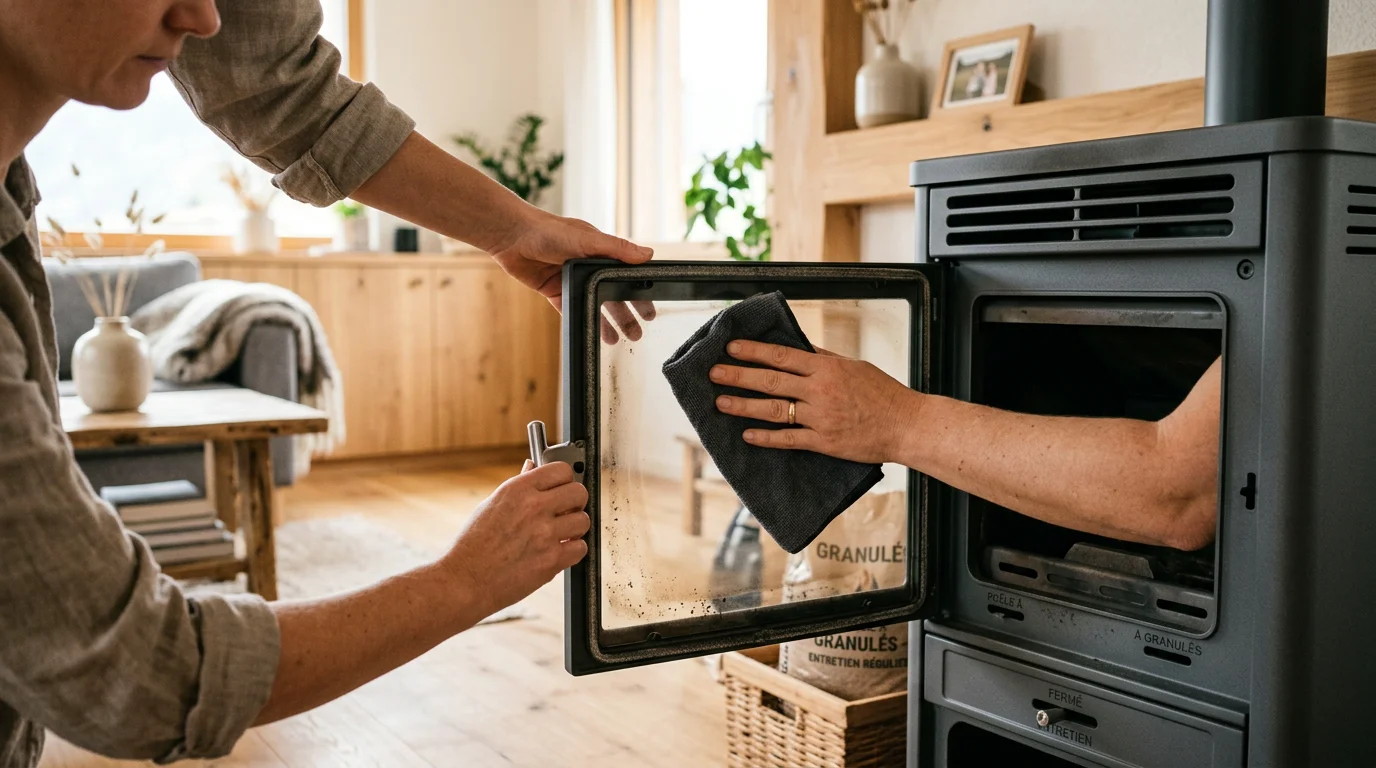
Routine Maintenance You Can Do Yourself
The good news: most regular cleaning can be done without a professional. One absolute rule before you begin: the appliance must be turned off and completely cool—ideally unplugged—to avoid any risk of burns. These steps take only a few minutes.
- Empty the ash tray: depending on usage, every two to seven days, by vacuuming the residue into a suitable container.
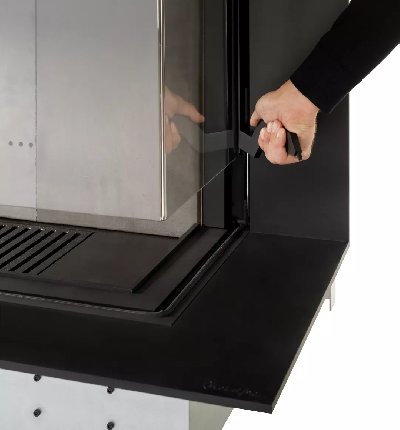
- Clean the glass: when the stove is cool, using a soft, slightly damp cloth—avoid abrasive cleaners, which can damage the seals.
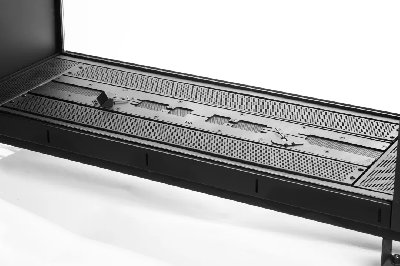
- Clean the firebox and combustion chamber: Remove the fire grate and vacuum up any accumulated ash to ensure proper airflow.
- Dust off the ventilation grilles and check the pellet hopper, ensuring it is protected from moisture.
Once a month, take it a step further: inspect the accessible flue, clean the fan, and visually check the door gasket. A worn gasket compromises the seal and, therefore, combustion efficiency.
Annual Service by a Professional
Even if maintained impeccably on a daily basis, your stove requires a complete annual service. The technician partially disassembles the unit to clean the firebox, the crucible, the heat exchangers, and the air ducts—where invisible residue accumulates. They then inspect the essential components—the sensor, exhaust fan, auger, gaskets, and electronics—and adjust the combustion settings.
Summer is the ideal time for this service. As the manufacturer RIKA notes in a 2026 bulletin, having the appliance serviced before the start of the heating season ensures a stove that consumes less fuel and heats more efficiently. To get an idea of the level of care required, check out our maintenance report on the 700 kg Rika pellet stoves. Chimney sweeping completes this service visit: under many regulations, it must be performed by a qualified professional, often before and after the heating season, with a certificate issued that may be required by your insurance company.
Choosing and Storing Pellets Wisely
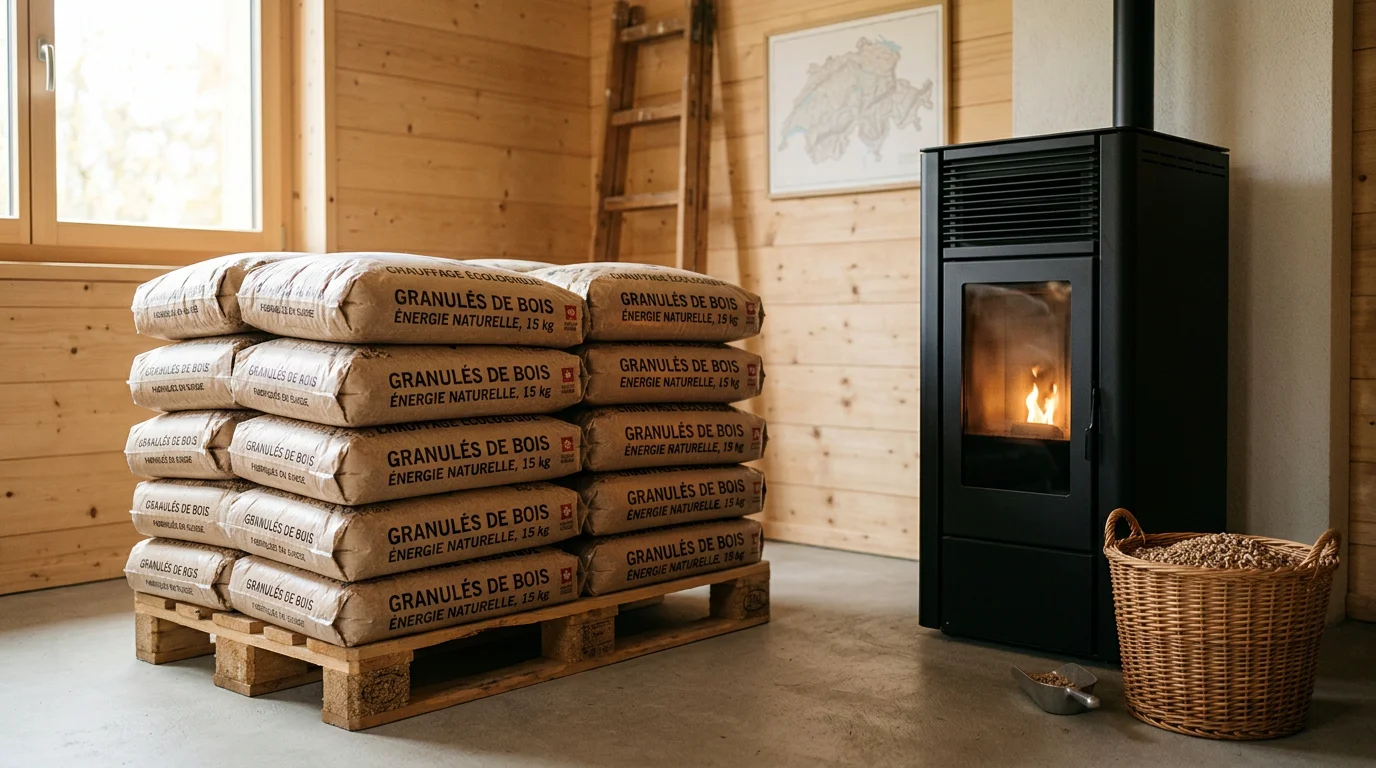
The quality of the fuel directly affects the frequency of maintenance. Poor-quality pellets clog the stove, reduce efficiency, and increase actual fuel consumption. Opt for pellets certified to ENplus A1 or DINplus standards. Three values on the bag are key: according to a 2026 technical guide, aim for a moisture content below 10%, a calorific value of at least 4.6 kWh/kg, and an ash content below 0.7%.
Storage is just as critical. During the summer, pellets absorb moisture from the air and become unusable, risking a clog in the auger. Store them in a dry, well-ventilated area. This attention to detail regarding the fuel and its initial setup sets the stage for what follows: our teams also explain the best practices during the commissioning of a Klover pellet stove.
Frequency of Maintenance Tasks
To help you get your bearings, here is a summary of the main tasks organized by frequency. It distinguishes between tasks you can perform yourself and those that require a professional.
| Frequency | Task | Performed by |
|---|---|---|
| Every 2 to 7 days | Empty the ashtray, clean the glass | You |
| Weekly | Clean the firebox and combustion chamber | You |
| Monthly | Fan, door gasket, accessible flue | You |
| Annual | Complete inspection, adjustments, chimney sweeping | Professional |
How much does it cost to maintain a pellet stove?
Daily cleaning costs nothing—except a little time. An annual inspection by a professional, on the other hand, represents a recurring but necessary expense. In France, 2026 market data shows that fuel quality is one of the key factors for saving money: certified pellets cost 5 to 10% more, but reduce clogging and therefore lower maintenance costs. As a general guide, annual maintenance typically costs between 150 and 300 euros, and chimney sweeping between 50 and 150 euros, depending on the service provider.
In French-speaking Switzerland, rates and requirements vary, so it’s best to consult a local installer. A maintenance contract with your installer simplifies scheduling and ensures access to replacement parts. This is precisely the role of our in-house customer service department, which steps in if there’s a problem with a pellet, wood, or gas appliance.
Key Points to Remember for Your Installation
Proper care and regular maintenance of your pellet stove hinge on a simple balance: weekly tasks you can handle yourself, an annual inspection performed by a professional, and high-quality fuel stored in a dry place. This routine preserves efficiency, ensures the safety of your home, and extends the appliance’s lifespan well beyond fifteen years. By scheduling your service check in the summer, before the heating season begins, you can face winter with peace of mind, knowing you have economical and reliable heating.
Take action with Carron-Lugon
Maintaining a pellet stove requires a systematic approach and consistency, but a properly installed and well-maintained unit makes your daily routine much easier. Whether you’re planning a new heating project or looking for reliable support after installation, it’s best to partner with a company that’s there for you throughout the entire lifespan of your system—from initial consultation to ongoing support.

From a free, no-obligation consultation to careful installation, right through to our in-house after-sales service for pellet, wood, or gas appliances, we support homeowners in French-speaking Switzerland at every step. Discover our expert advice and professional installation of Carron-Lugon stoves and fireplaces, and give your project the best chance for long-lasting success.
Frequently Asked Questions
How often should the ash pan of a pellet stove be emptied?
It depends on your usage and the quality of the pellets. During periods of heavy heating, we recommend emptying it weekly, or sometimes every other day. Always perform this task when the appliance is turned off and cool.
Is chimney sweeping required for a pellet stove?
Under most regulations, chimney sweeping must be performed by a qualified professional, often once or twice a year. This results in a certificate that your insurance company may require in the event of a claim. Check the rules applicable in your municipality.
Can I maintain my pellet stove myself?
Yes, routine maintenance (ash pan, glass door, firebox, combustion chamber) can be done without a professional. However, the annual comprehensive inspection and chimney sweeping require a qualified technician. Our in-house customer service team can assist you if a problem arises.
What is the lifespan of a well-maintained pellet stove?
A properly maintained unit generally lasts between fifteen and twenty years. Certain parts, such as the auger, fan, or ignition spark plug, may need to be replaced before then. Regular maintenance remains the best way to ensure a long service life.
Why does pellet quality affect maintenance?
Damp or uncertified pellets produce more ash and soot, which cause the stove to become clogged more quickly. Choosing ENplus A1 or DINplus pellets, stored in a dry place, reduces the frequency of cleaning and maintains the stove’s efficiency.