

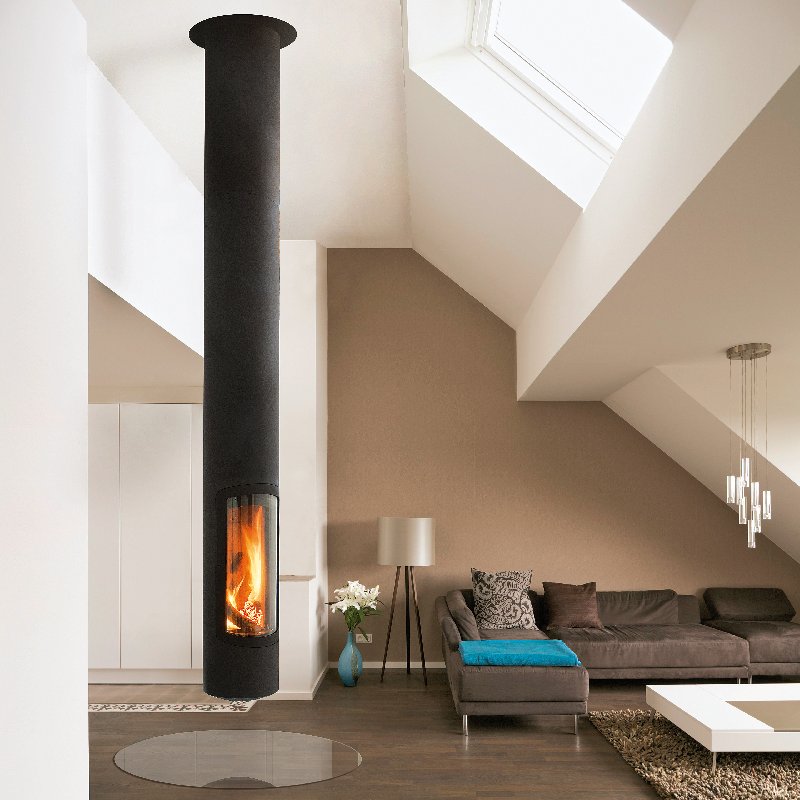
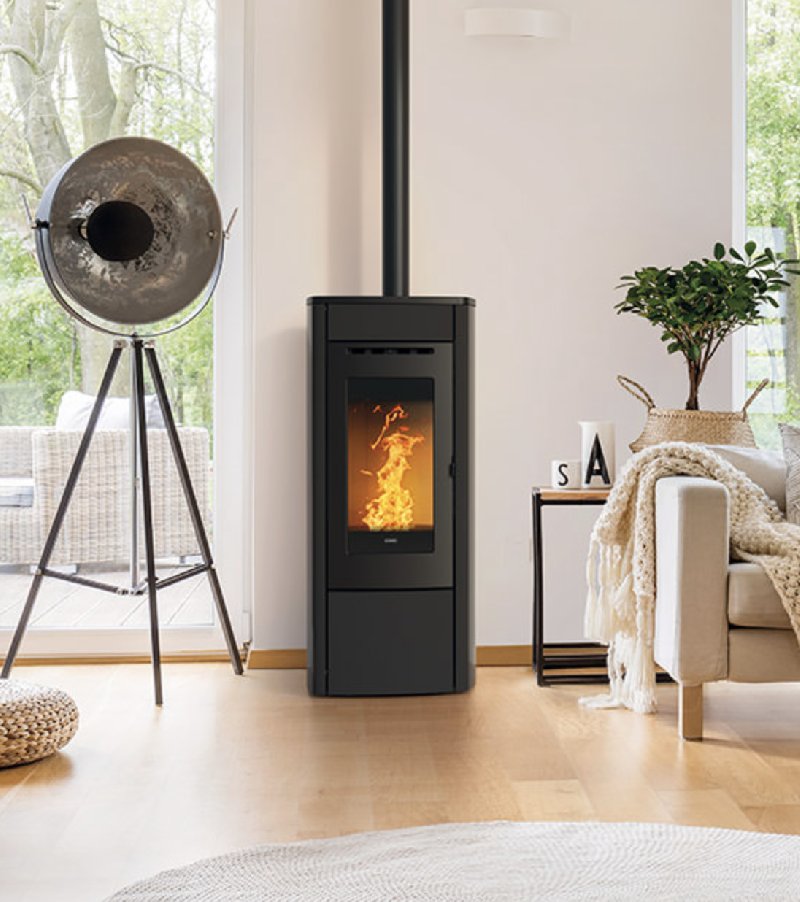
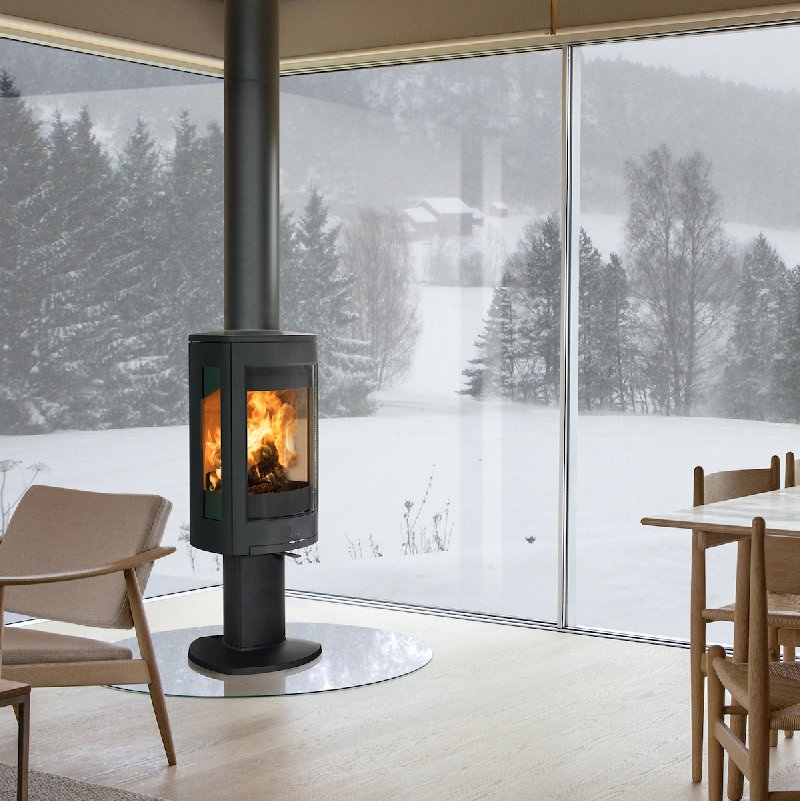
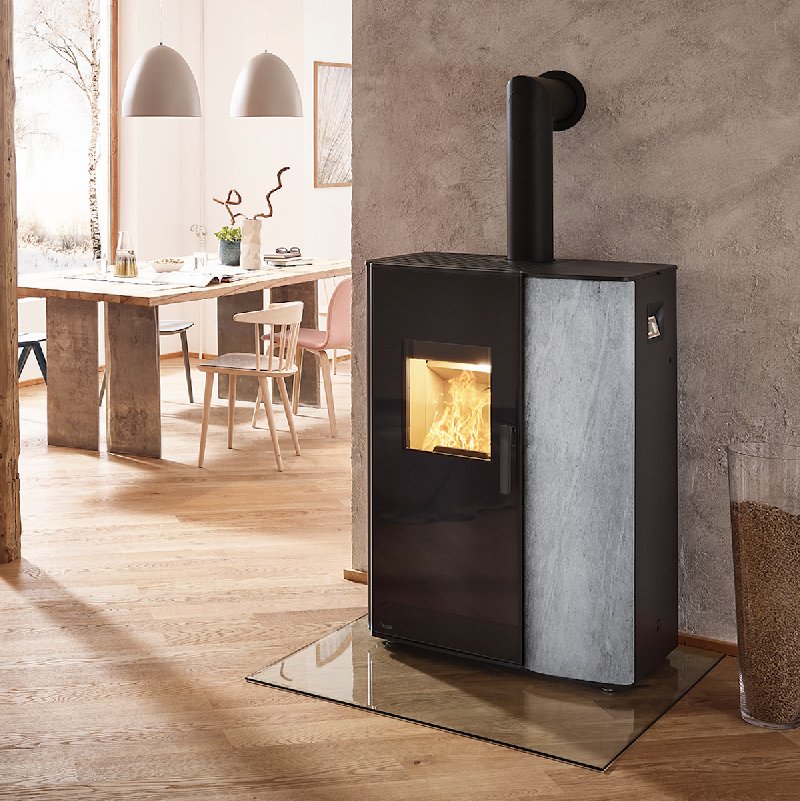
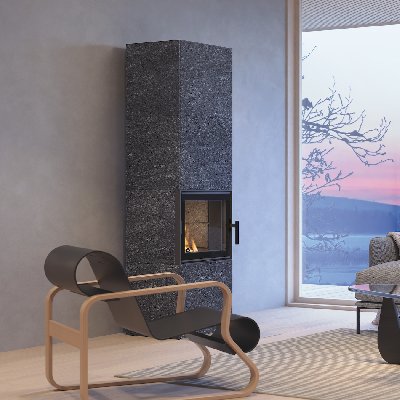
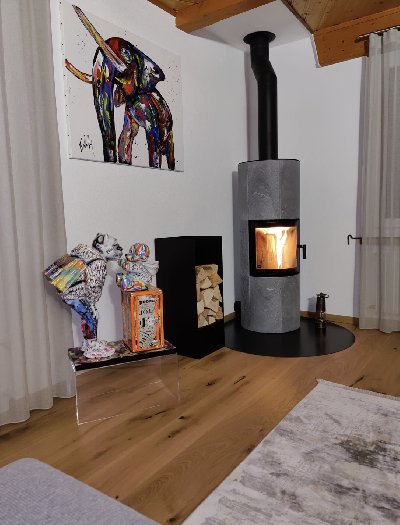
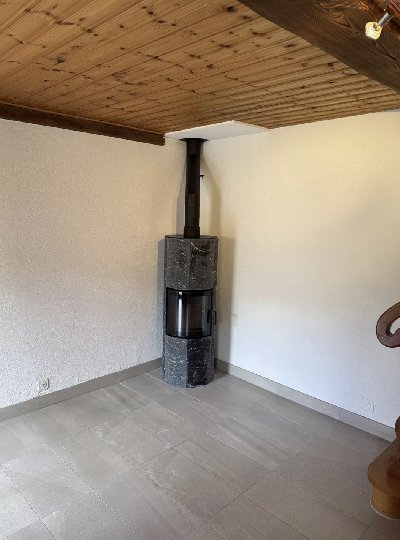
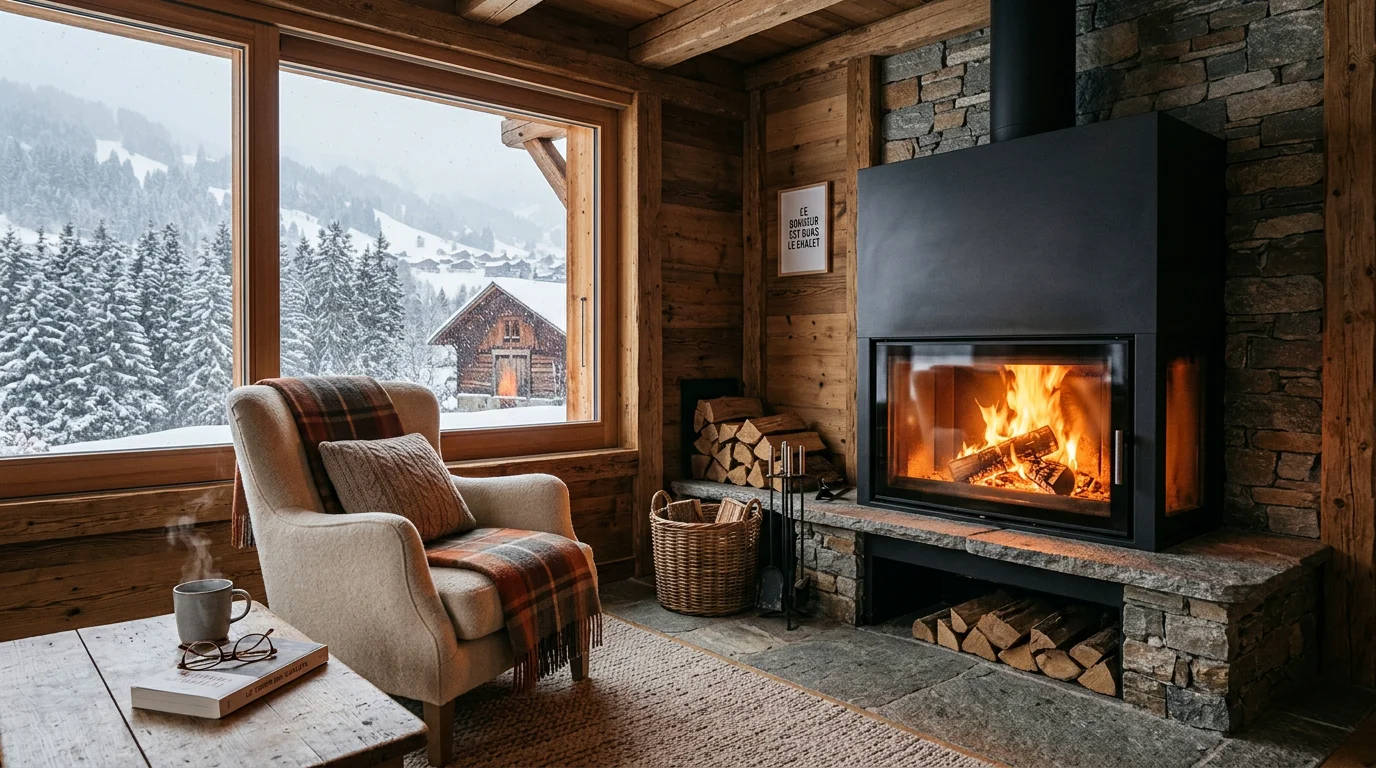
A chimney fire can reach 1,000 degrees inside the flue in just a few minutes—enough to crack the flue liners and spread to the roof structure. Ensuring your chimney meets safety standards to prevent any risk of fire is therefore not just a bureaucratic formality, but a matter of safety for your home. To get off on the right foot, our maintenance service for chimneys, inserts, and stoves allows you to check the actual condition of your system before winter.
This applies equally to homeowners renovating their homes and those installing a new fireplace. In Switzerland, according to the CIPI, there were 14 fatalities from building fires in 2025, and more than 80% of fire-related deaths occur in residential buildings. Understanding compliance regulations means taking proactive steps before a disaster strikes.
Why a Code-Compliant Fireplace Really Protects You
A defective or improperly used fireplace remains one of the most common causes of residential fires. Bringing a fireplace up to code to prevent any fire risk means eliminating potential weak points: combustible materials too close to the fireplace, a clogged flue, or insufficient clearance distances. Each of these defects, taken individually, can be enough to spark a fire.
Compliance isn’t just a safety issue. It also has legal and financial implications. Compliance with fire safety standards can be verified by your local chimney sweeping services, and a compliant installation is a prerequisite for your homeowners insurance to cover damages in the event of a fire. A non-compliant chimney, on the other hand, may result in a denial of coverage.
The Most Common Non-Compliances
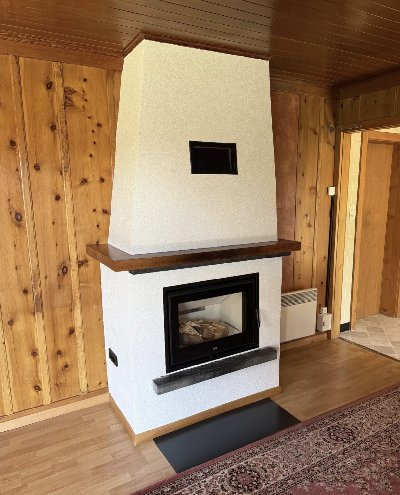
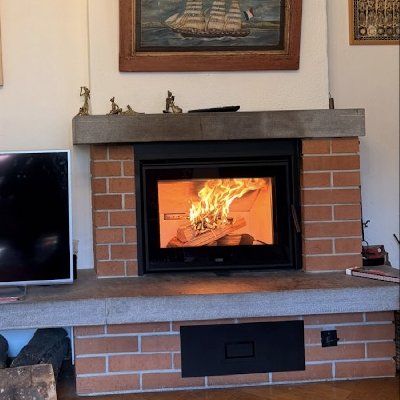
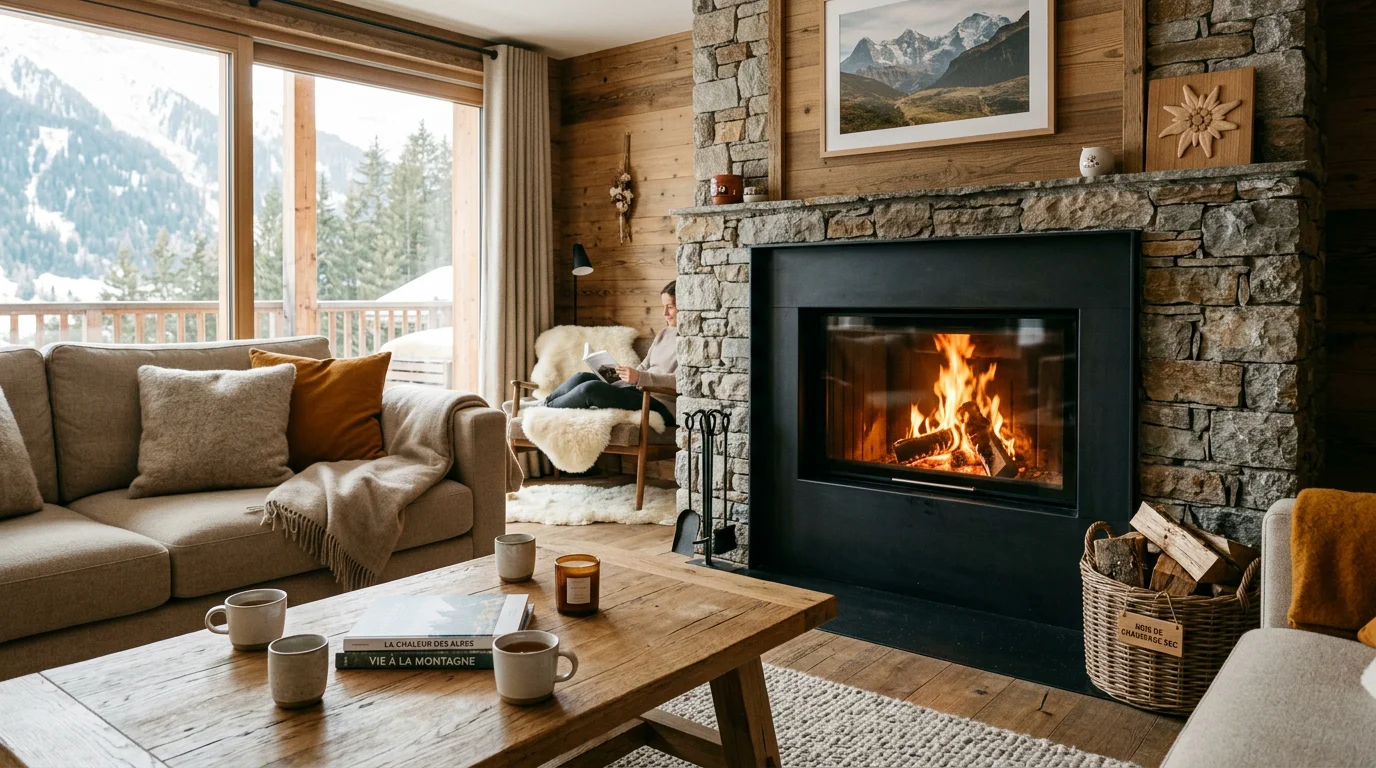
Many fireplaces that were once approved are now deemed “non-compliant” because regulations have changed. The most common issue involves the decorative wooden beam located above the hearth. RF3-class wood, which burns quickly, is no longer permitted; only an RF2-class hardwood beam—or one hollowed out to accommodate RF1-class fire protection—is still allowed.
Removing the beam often reveals other defects: the absence of a firewall at the back, combustible materials in the mantel, or a lack of convection grilles. To fill and seal the refractory components during these repairs, our refractory fireplace putty ensures a durable seal that withstands high temperatures. Ideally, the entire installation should be inspected rather than correcting a single visible issue.
Safety Distances and Materials: Swiss Regulations
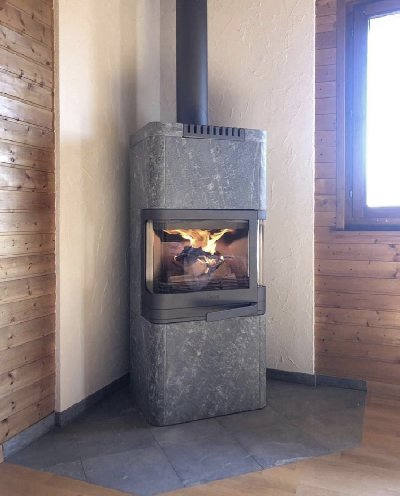
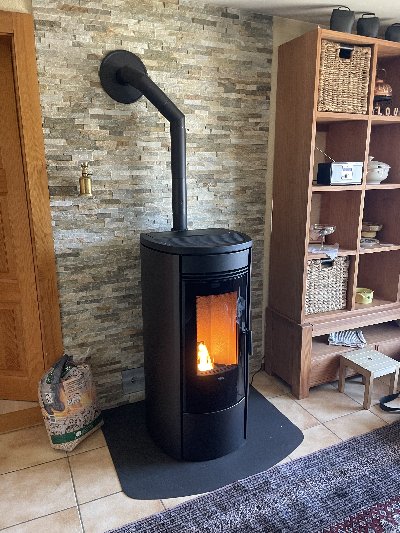
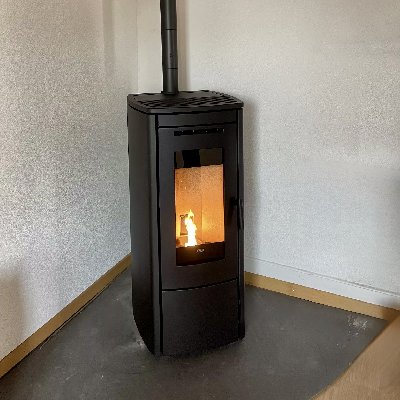
VKF regulations set specific requirements. A base plate approximately 12 cm thick, made of stone, concrete, or RF1 material, must support the appliance. At the front, a non-combustible shield must extend at least 40 cm in front of the firebox opening to protect against flying embers.
The distances from combustible materials vary depending on the surface temperature, generally ranging from 10 to 40 cm. The rear walls must be made of brick, concrete, or an RF1-equivalent material, extend at least 20 cm beyond the sides of the appliance, and run the full height of the room. These specifications cannot be improvised: they are listed on the appliance’s declaration of performance or in the VKF technical information.
A distance is considered sufficient if you can touch the nearest flammable object with your hand while the fireplace is operating at full power.
Chimney Sweeping and Maintenance: The Requirement That Protects You
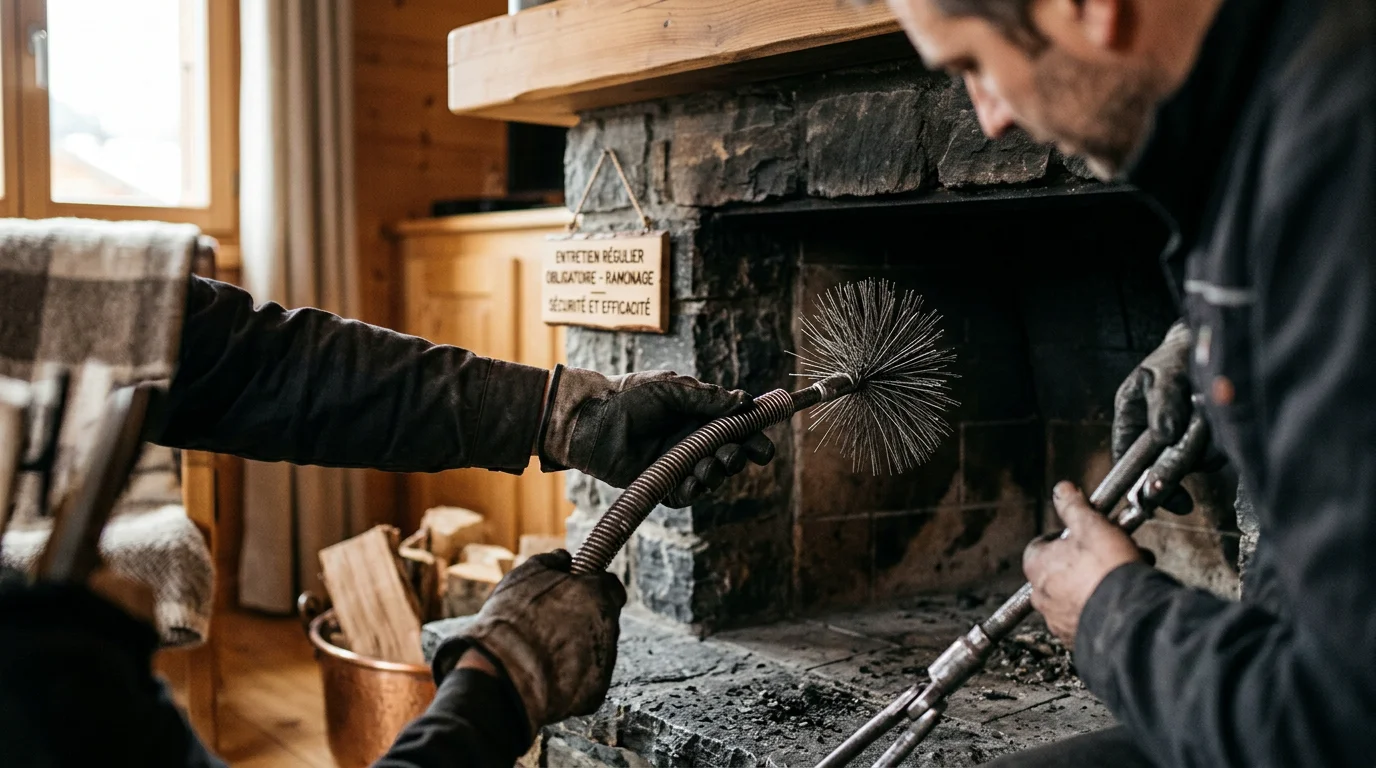
Chimney sweeping is not optional. In Valais, the cantonal service reminds residents that this is a mandatory official service, and you cannot choose your own chimney sweep, as service areas are assigned by the State Council. Regular cleaning of fireplaces and flues limits the buildup of soot and creosote, the main fuels for a chimney fire.
Between chimney sweep visits, routine maintenance is just as important. The seals on a fireplace insert or stove degrade due to heat; a defective O-ring for chimneys, stoves, and inserts (O6mm) allows smoke to escape and disrupts combustion. Also keep an eye on the glass: if it blackens quickly, it’s a warning sign regarding the quality of the draft or the wood.
Everyday Safety Practices
Even if the installation meets safety standards, it’s not enough without careful use. Three simple habits significantly reduce the risk:
- Burn onlydry wood with a residual moisture content of less than 20%; never burn cardboard, plastic, or treated waste.
- Let the ashes cool for at least 48 hours in a metal container with a lid, placed on a non-combustible surface; some cantonal insurance companies recommend 72 hours.
- Never use accelerants such as gasoline, methyl alcohol, or bioethanol, which can cause explosive fires.
The Valais cantonal regulation on chimney sweeping also specifies that the user must exercise the necessary supervision during and after burning to prevent any risk of fire. A fire must never be left unattended, especially when children are present.
Detection and Safety Equipment
The greatest danger in a fire comes not from the flames, but from the smoke. A smoke detector installed in living areas and hallways will alert you before the situation gets out of control. It’s a modest investment considering the lives it protects.
Supplement this system with a fire extinguisher within easy reach and, for open fireplaces, a spark arrestor or a metal screen. While this equipment does not replace a system that meets fire safety standards, it provides an essential second line of defense during the heating season.
| Safety Criteria | Open Fireplace | Modern fireplace insert/stove |
|---|---|---|
| Spark projection | High without a spark guard | Low (with glass door closed) |
| Combustion efficiency | Low | High, less soot |
| Carron-Lugon Support | Code compliance and maintenance | Consulting, installation, and after-sales support |
Heating with Peace of Mind in Switzerland
Bringing your fireplace up to code to prevent any fire risk depends on a consistent chain of measures: maintaining proper distances, using fire-resistant materials, regular chimney sweeping, and practicing caution in daily use. None of these steps can be overlooked, as a single flaw is enough to turn a moment of togetherness into a disaster. Start with an honest assessment of your system, correct any identified non-compliances, and then remain vigilant season after season. This is the best way to ensure you can enjoy the warmth of a fireplace without putting your home or loved ones at risk.
Take action with Carron-Lugon
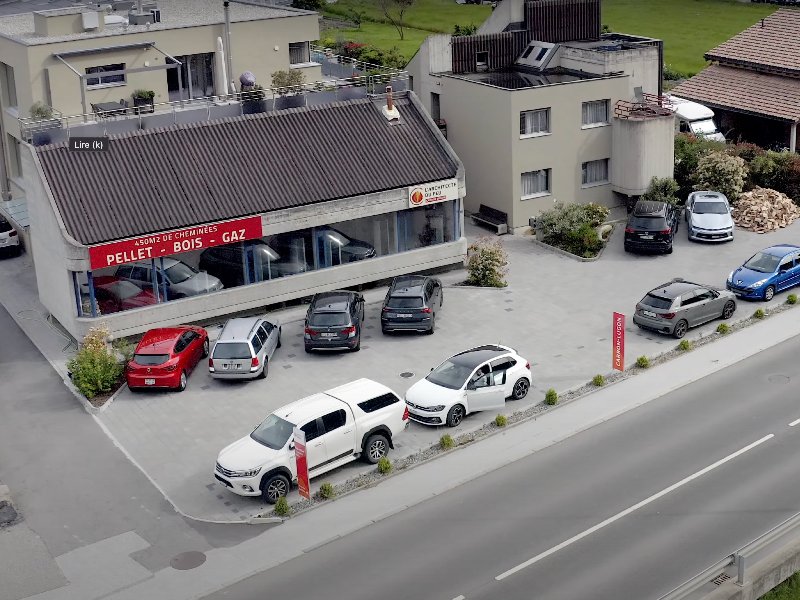
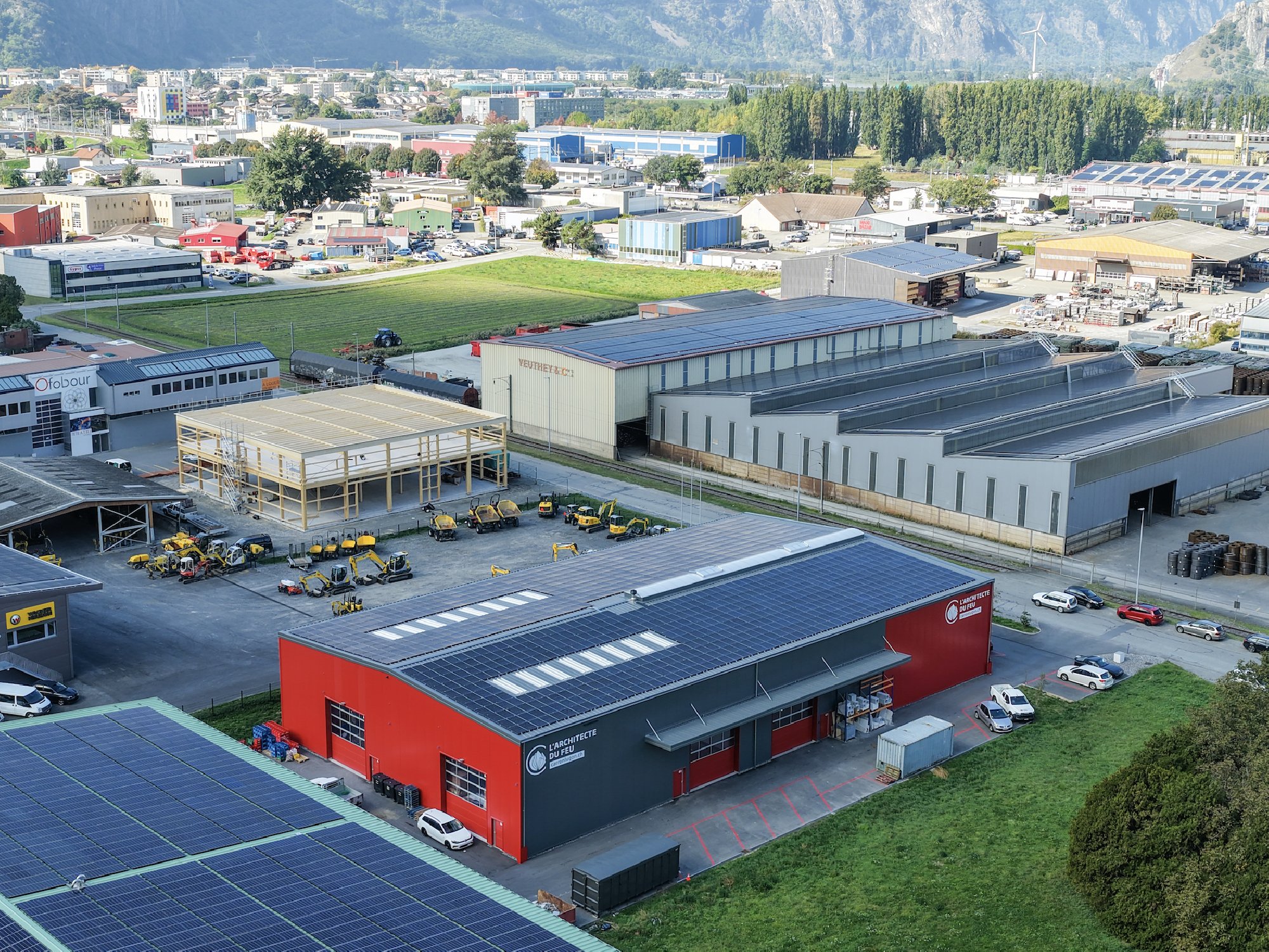
Are you wondering if your fireplace meets current regulations, or are you planning a new installation? We’ll guide you every step of the way—from assessment to installation—in Valais, the Canton of Vaud, and Geneva, with showrooms in Fully and Etoy.
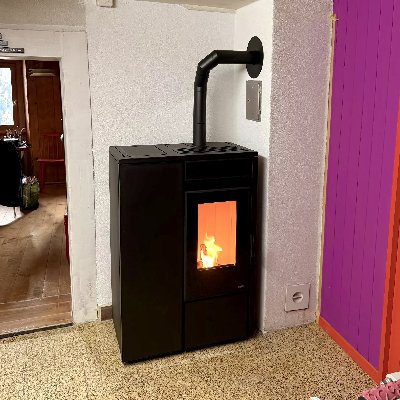
We assess your needs based on blueprints or during a free, no-obligation on-site visit, coordinate the project with architects and other trades, and provide in-house after-sales service for your wood, gas, or pellet fireplaces. Discover our fireplace solutions, installed in full compliance with safety regulations, and enjoy peace of mind.
Frequently Asked Questions
Is chimney sweeping really mandatory in Switzerland?
Yes, chimney sweeping is a mandatory official service regulated by cantonal authorities. In Valais, for example, it is performed by licensed contractors assigned by sector, and you cannot choose your own chimney sweep.
Why is my chimney beam considered non-compliant?
Fire safety standards have changed, and RF3-class wood is no longer permitted. Your beam must be made of RF2 hardwood or hollowed out to accommodate RF1-type fire protection that is glued—not screwed—in place.
What distance must be maintained between the firebox and combustible materials?
Depending on the surface temperature, the distance is generally between 10 and 40 cm. The exact value is listed on the appliance’s declaration of performance or in the VKF technical information.
How long should the ashes be allowed to cool?
Allow at least 48 hours in a closed metal container placed on a non-combustible surface. Some cantonal property insurance providers recommend waiting 72 hours, as ashes that appear cold can still ignite.
Should an old fireplace be replaced or brought up to code?
It all depends on the condition of the installation and how you use it. We’ll assess your situation during a free on-site visit and recommend either bringing it up to code, replacing it with a modern stove, or decommissioning it—whichever is the safest and most appropriate solution.