


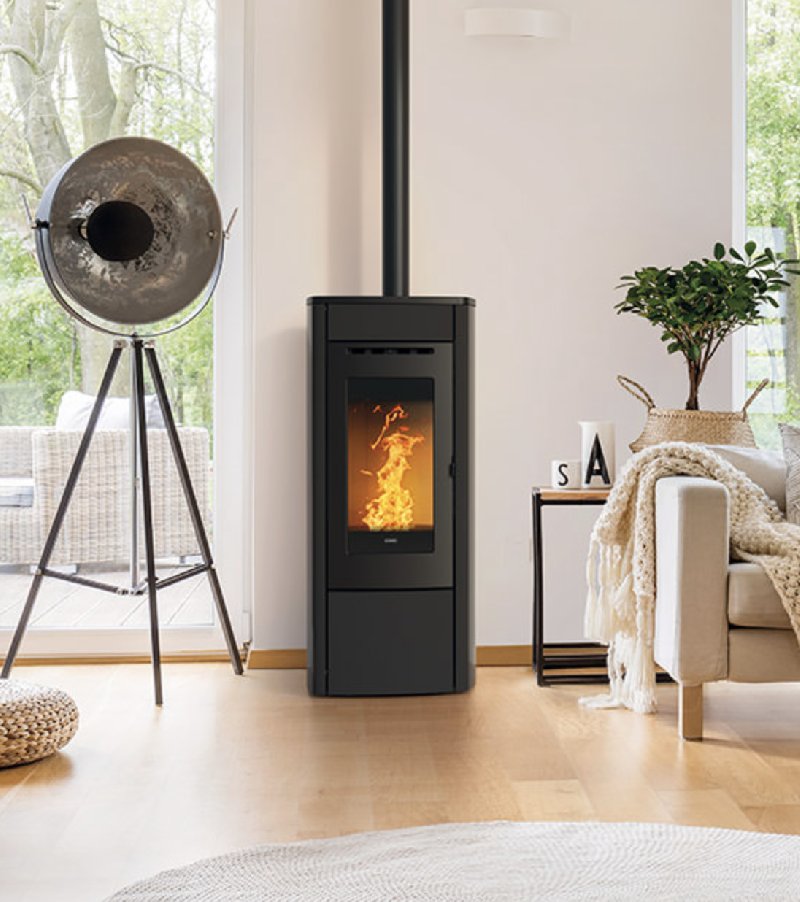

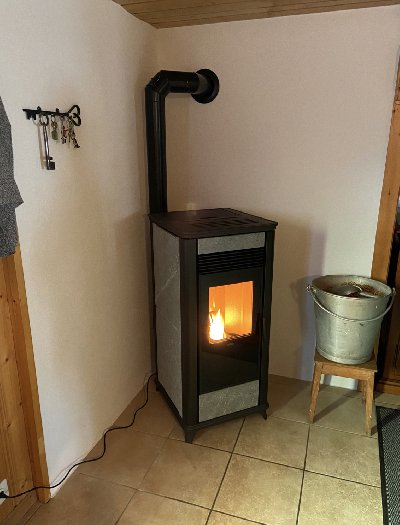
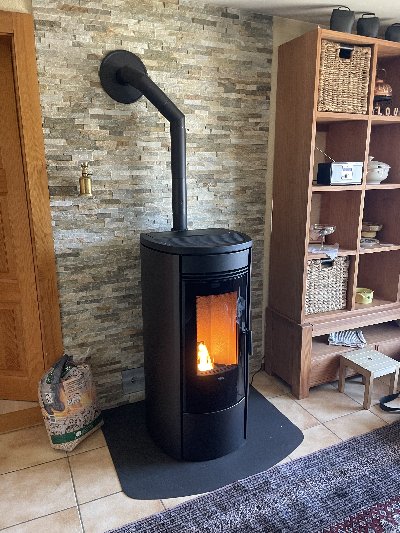
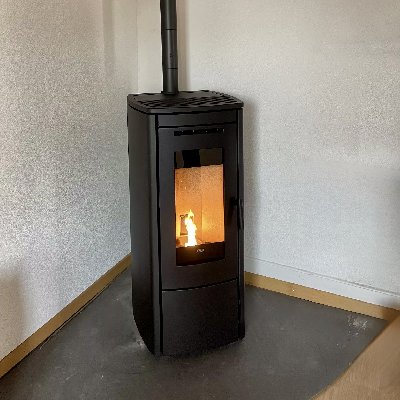
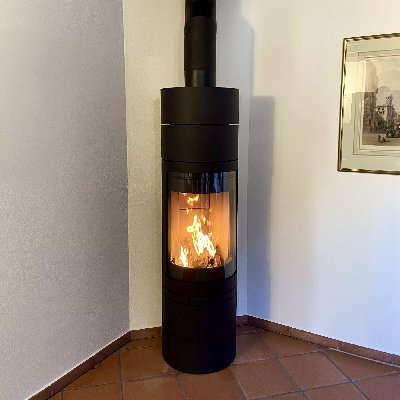
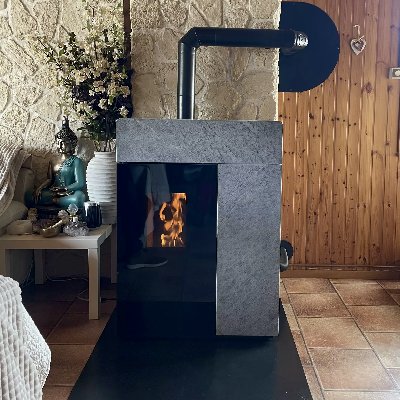
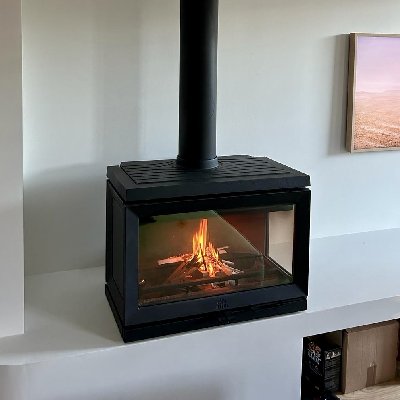

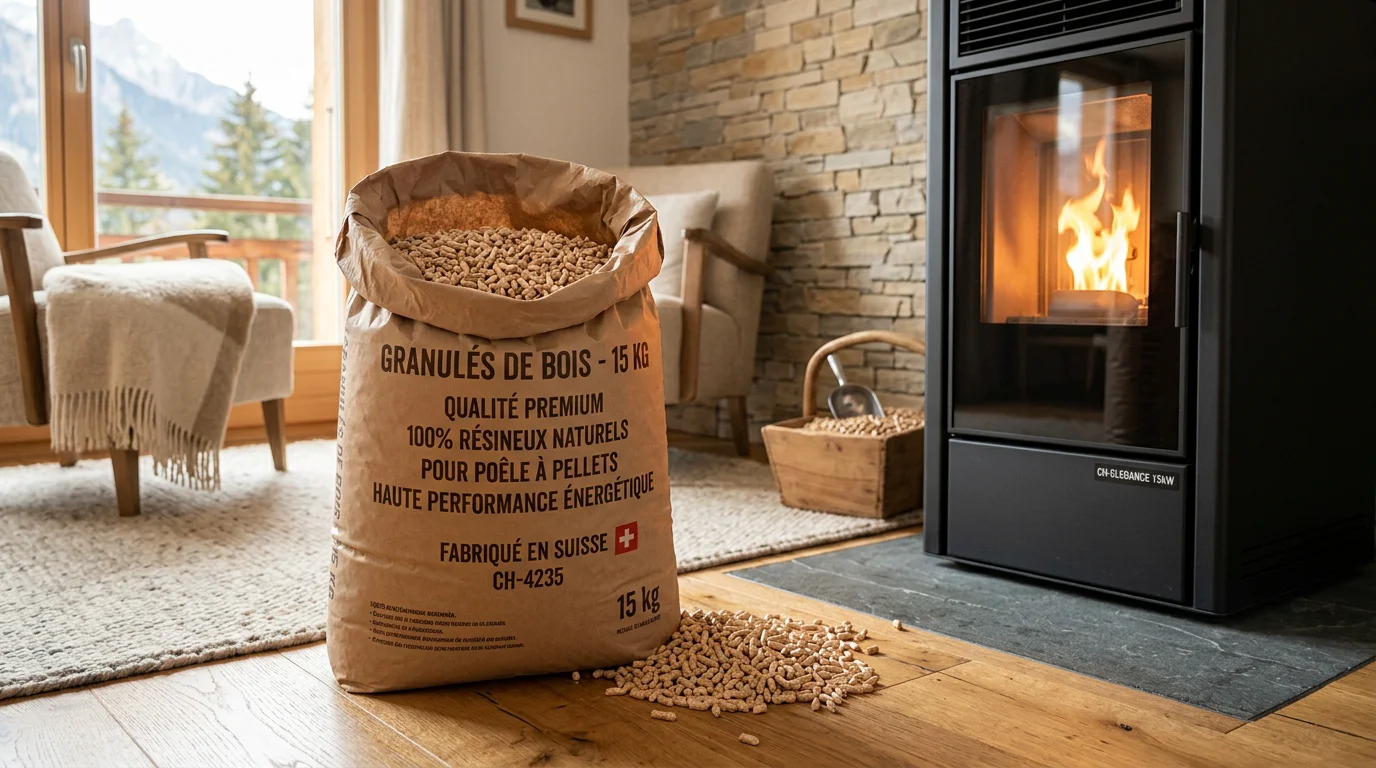
A well-fed pellet stove consumes between two and three metric tons of fuel per winter—that’s nearly two hundred 15-kg bags of pellets for an average home. This factor is far from trivial: it affects your budget, how easy the pellets are to handle, and the cleanliness of your system. Even before you consider making a purchase, the question of storage arises, and our tips on how to store pellets will help you preserve their heating value.
After the market volatility of 2022 and 2023, the wood pellet market has stabilized. According to Rika’s data, in the summer of 2026, a 15-kg bag will cost between €6 and €6.50—a price significantly lower than the crisis peaks but still higher than pre-2022 levels. Understanding these benchmarks allows you to buy at the right time and secure your heating season.
Why the 15-kg bag is the standard size
The 15-kg bag has become the European standard for one simple reason: it strikes a balance between weight and ease of handling. A heavier bag would strain your back every time you refill, while a lighter bag would require more handling. At 15 kilograms, anyone can carry, pour, and store it with ease.
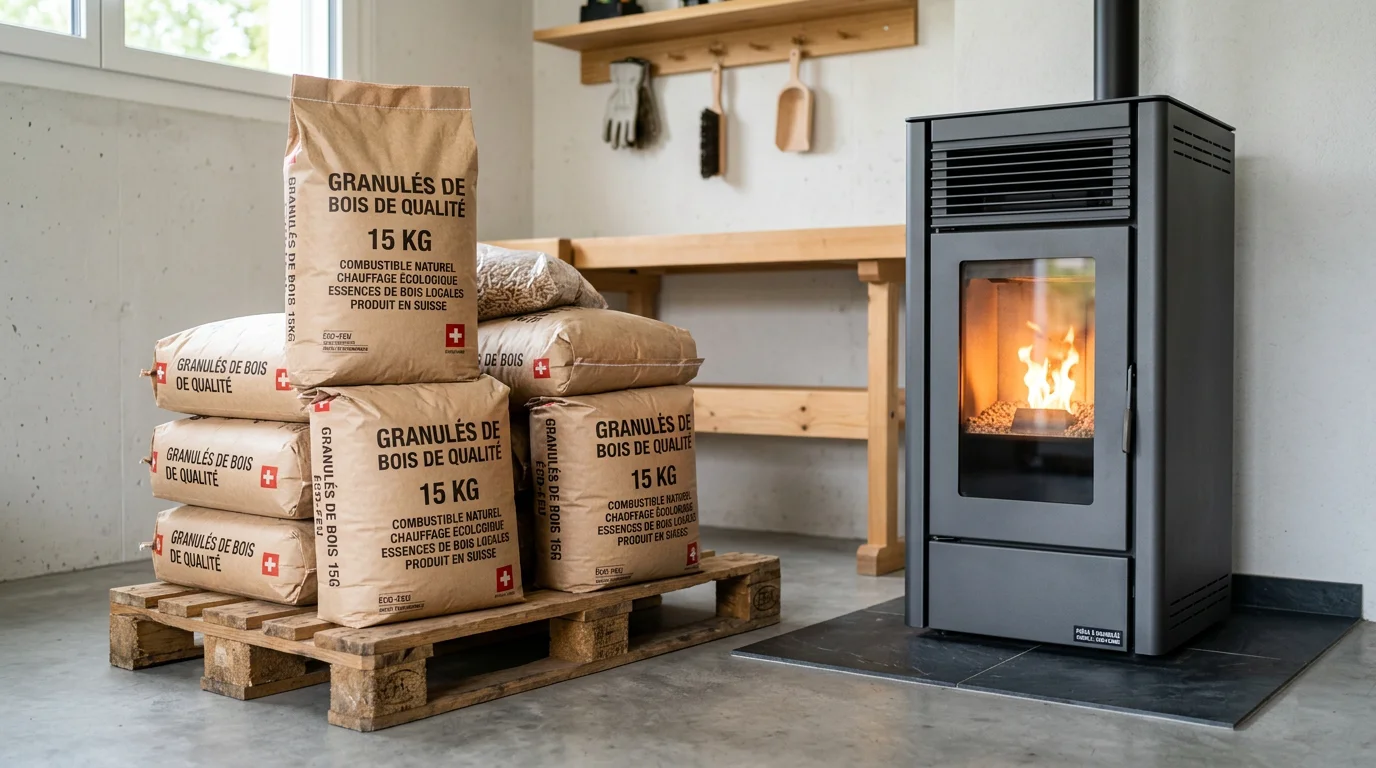
This size is available in three purchasing options. The single bag is suitable for small quantities and top-offs. A pallet of pellets, which typically contains 65 to 66 bags—about one metric ton—remains the most economical option per kilogram for covering an entire heating season. Bulk pellets, delivered by a blower truck, are intended for homes equipped with a silo. For a household stove, the 15-kg bag remains the preferred choice due to its versatility and ease of storage.
Price of 15-kg bags of pellets in 2026: current benchmarks
The price per bag depends primarily on the purchase size and the region. In 2026, prices have stabilized but remain supported by structurally strong demand. According to a comparison by Fournisseurs-Électricité, the average price is around €410 per metric ton in bulk, approximately €430 per pallet, and between €6.50 and €11.65 per 15-kg bag, depending on the retailer.
To grasp the extent of this stabilization, we need to look back. According to an analysis by 7monÉnergie, the price per metric ton was around €280 in 2020 before skyrocketing to between €600 and €900 in the fall of 2022, driven by the war in Ukraine and the shift from natural gas to wood fuel. Current prices remain about 50% below that peak. Seasonality remains the key factor: the lowest prices are typically seen from June through August, when demand weakens and supplies are available.
| Format | Estimated Price for 2026 | Ideal for |
|---|---|---|
| 15 kg bag (per unit) | €6 to €11.65 per bag | Top-up, small quantities |
| Pallet (65–66 bags) | ~€430 per metric ton | Full season, best price per kilogram |
| Bulk (silo) | ~€410 per metric ton | Large facilities with silos |
| Our Carron-Lugon bagged pellets | Consulting and support included | Comprehensive support, from selection to after-sales service |
How to Recognize High-Quality Pellets
Not all 15-kg bags are created equal. Poor-quality pellets clog your furnace, produce more ash, and provide less heat. Three key indicators must be listed on the packaging. The moisture content—ideally under 10%—ensures optimal combustion. The calorific value—at least 4.6 kWh/kg—measures the heating capacity. The ash content—under 0.7%—reduces maintenance.
Certifications serve as a guarantee. The DIN plus, ENplus A1, and PEFC labels attest to strict specifications, regular inspections, and traceability of the raw material. In Switzerland as well as in the French market, these certifications are the first thing to look for on the shelf. A manufacturer that clearly displays these values stands behind the quality of its product; conversely, a bag that provides no information about its characteristics should be viewed with suspicion.
How Many Bags to Buy and How to Store Them
An average home equipped with a pellet stove consumes between two and three metric tons per winter, or about 130 to 200 15-kg bags. Planning your supply in the spring, when prices are at their lowest, helps you stay within your budget and avoids logistical headaches in the fall. The issue of storage space then becomes crucial.
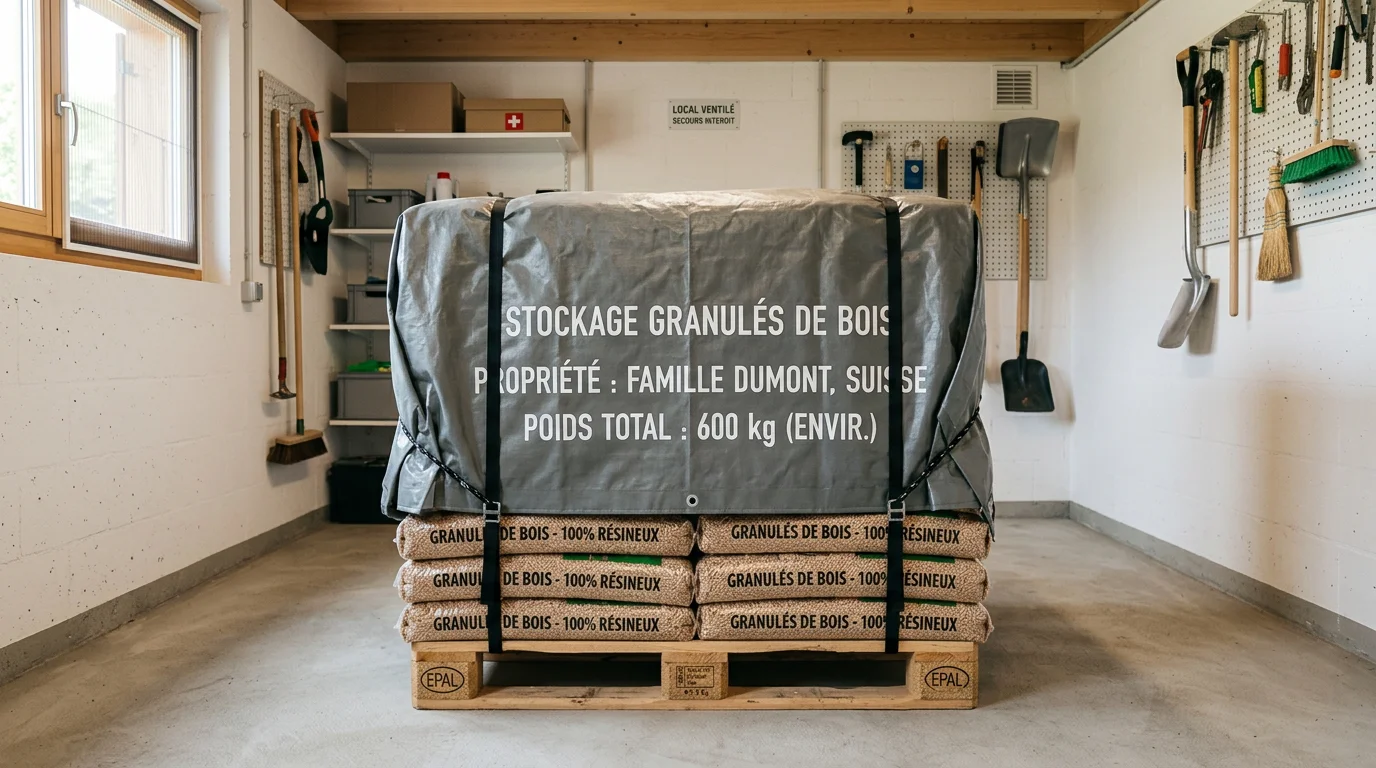
Above all, pellets are sensitive to moisture, which causes them to swell and lose their heating efficiency. Store them in a dry, well-ventilated area, protected from sunlight and the elements. To organize your supply efficiently while maintaining convenient access to your heater, our Genius Pellet Storage Unit offers a neat and discreet solution. Proper storage extends the shelf life of your bags and preserves their heating power down to the last gram.
Stable Heating in the Swiss Context
Wood pellets are appealing due to their long-term price stability. As the Swiss Solar Energy Society points out, pellet prices remained low and stable for nearly twenty years, prior to the economic shock at the end of 2022. This renewed stability reinforces pellets as a reliable and economical source of heating energy.
In Switzerland, the industry relies on local forest resources and a structure supported by professional stakeholders. Choosing certified bags, produced through a short supply chain, reduces the transportation footprint and supports clean combustion. Beyond the fuel itself, performance also depends on regular maintenance of your stove. Our Adagio Pellet Maintenance Kit helps you maintain optimal efficiency and minimize ash buildup.
Key Points to Remember for Your Heating Season
Choosing the right 15-kg bags of pellets comes down to three simple steps: check certifications and technical specifications, buy in the spring to take advantage of the lowest prices, and store your pellets in a dry, well-ventilated area. These steps protect both your budget and the longevity of your heating system. In Switzerland, the market’s renewed stability makes pellets a safe bet—provided you prioritize quality and plan ahead for your winter needs.
Take action with Carron-Lugon
Choosing the right fuel is only part of the equation: a properly installed stove, backed by expert advice, makes all the difference in your comfort and savings. Whether you’re planning a new fireplace project or looking to optimize an existing system, our team will support you from the initial consultation through after-sales service.

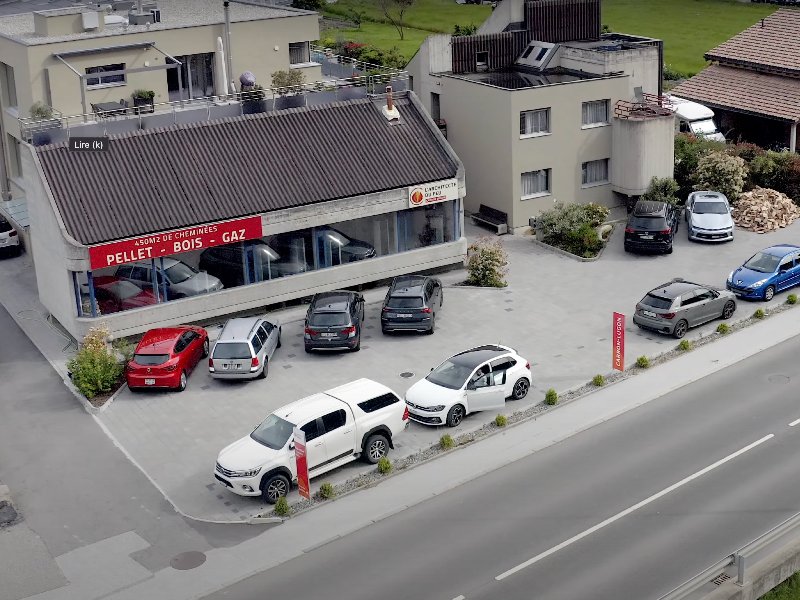
Based in French-speaking Switzerland, with showrooms in Fully and Etoy and free, no-obligation in-home visits, we assess your needs and coordinate your entire heating project. To stock up for winter, discover our bagged pellets and take advantage of our expert advice on heating.
Frequently Asked Questions
How many 15-kg bags are there on a pallet?
A pallet typically contains between 65 and 66 15-kg bags, or about one metric ton of pellets. This is the most cost-effective option per kilogram for covering an entire heating season. A full pallet is approximately 1.6 meters high.
What will a 15-kg bag of pellets cost in 2026?
In 2026, a 15 kg bag will most often cost between €6 and €6.50 in France, with prices varying up to over €11 depending on the retailer and region. Prices have stabilized since the 2022 crisis. Spring and summer remain the cheapest times to buy.
How should I store my bags of wood pellets?
Store your bags in a dry, well-ventilated area, away from direct sunlight and moisture, which is their main enemy. A dedicated storage unit, such as our Genius Pellet Storage Unit, makes it easier to organize and access your fuel. Proper storage preserves the calorific value until the pellets are used.
Which certifications guarantee the quality of the pellets?
The DIN plus, ENplus A1, and PEFC labels certify strict specifications and reliable traceability. Also check the moisture content (below 10%), the heating value (at least 4.6 kWh/kg), and the ash content (below 0.7%). This information must be listed on the packaging.
Is it better to buy pellets in bags or in bulk?
The 15-kg bag is suitable for home stoves because it’s easy to handle and store. Bulk wood is intended for households equipped with a silo and high-consumption boilers. For most homeowners, a pallet of bags offers the best balance between price and convenience.