



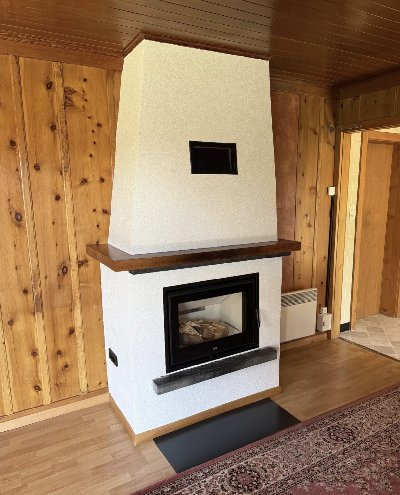
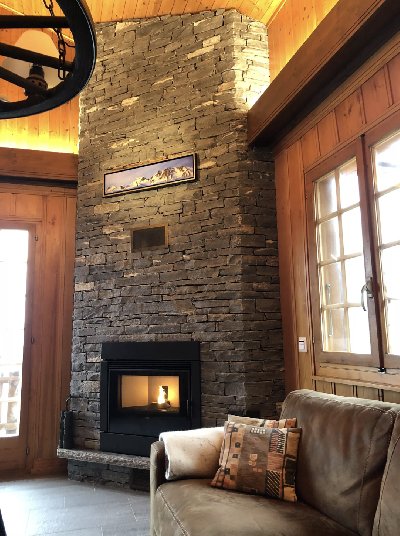
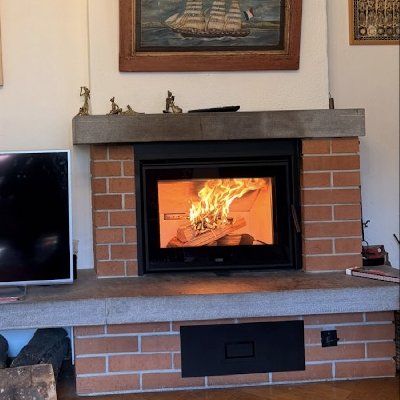


The wooden chimney beam above the fireplace adds a warm touch to your interior. However, strict fire protection standards govern its installation to ensure your safety. If you've received a report from your local chimney sweep indicating a "non-compliant decorative beam", here's the essential information you need to understand and remedy the situation.
Why is your chimney beam considered non-compliant?
Fire protection standards have evolved, and many previously compliant chimneys are now marked as "non-compliant". This is often due to the type of wood used for the beam and the absence of adequate protection.
Classification of wood according to reaction to fire (RF) :
RF1 = No contribution to fire = Concrete, iron, steel
RF2 = Low contribution to fire = Hardwoods: oak, sipo, teak, wenge, locust, bilinga, iroko, laman, makoré, dark red meranti, sapele.
RF3 = Eligible contribution to fire = Hardwoods: maple, beech, alder, ash, cherry, walnut / Softwoods: spruce, fir, larch, Scots pine, Douglas fir, arole, red cedar.
RF3 beams are not permitted, as they burn more quickly in the event of fire. Your beam must therefore be made of RF2 wood to comply.
How do you bring your chimney beam up to standard?
Replacing the beam : Dismantle the existing beam and replace it with a new one made of type RF2 hardwood. A carpenter can hollow it out and fit an RF1-type fireguard, such as Silca Protect EI60. This plate should be glued, not screwed, to avoid creating thermal bridges.
Checking the complete installation: The beam is often only one of the elements to be corrected. When it is removed, other non-conformities are often discovered, such as the absence of a firewall behind the chimney, the presence of combustible materials in the mantel, or the absence of convection/decompression grilles. It is therefore essential to have the entire installation checked by a professional.
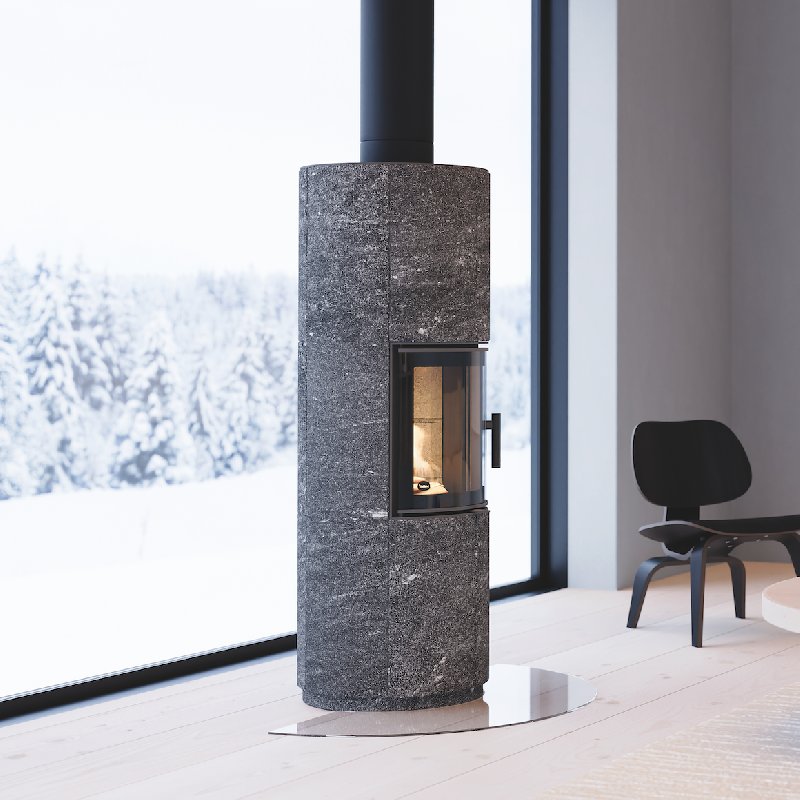
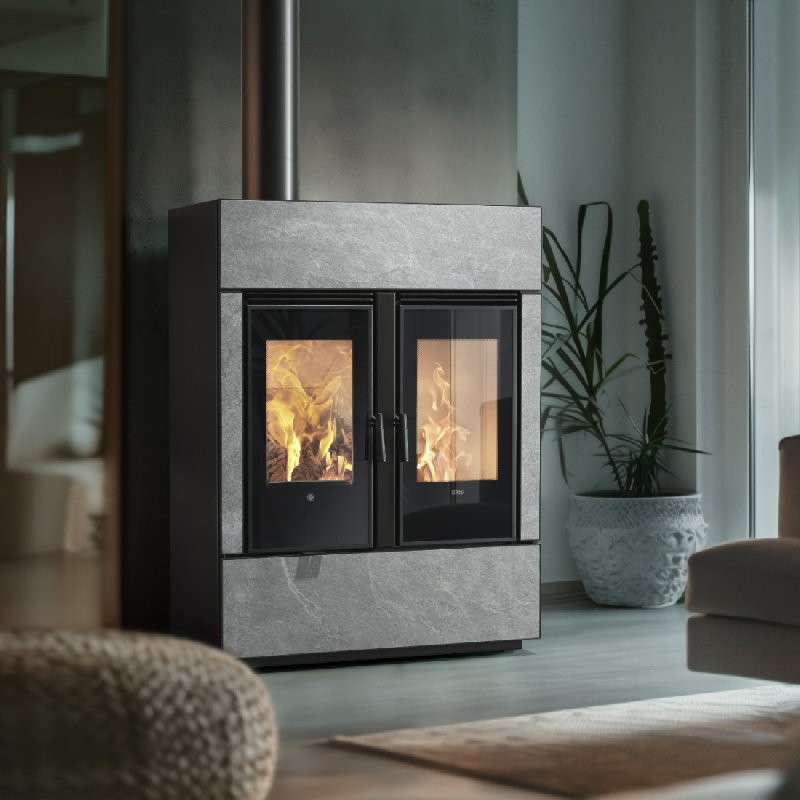
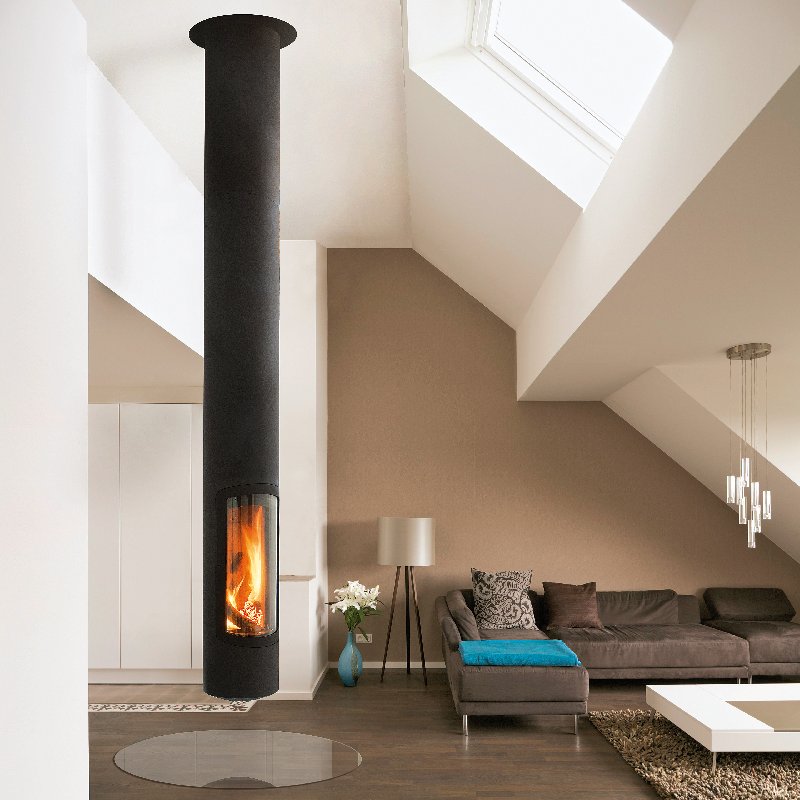
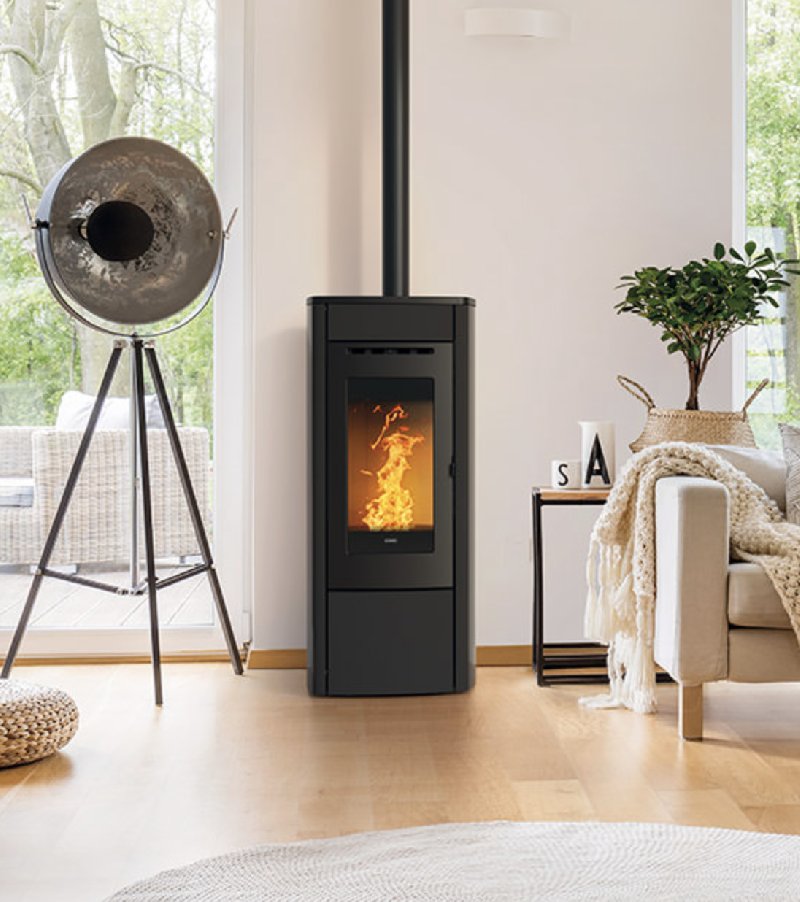
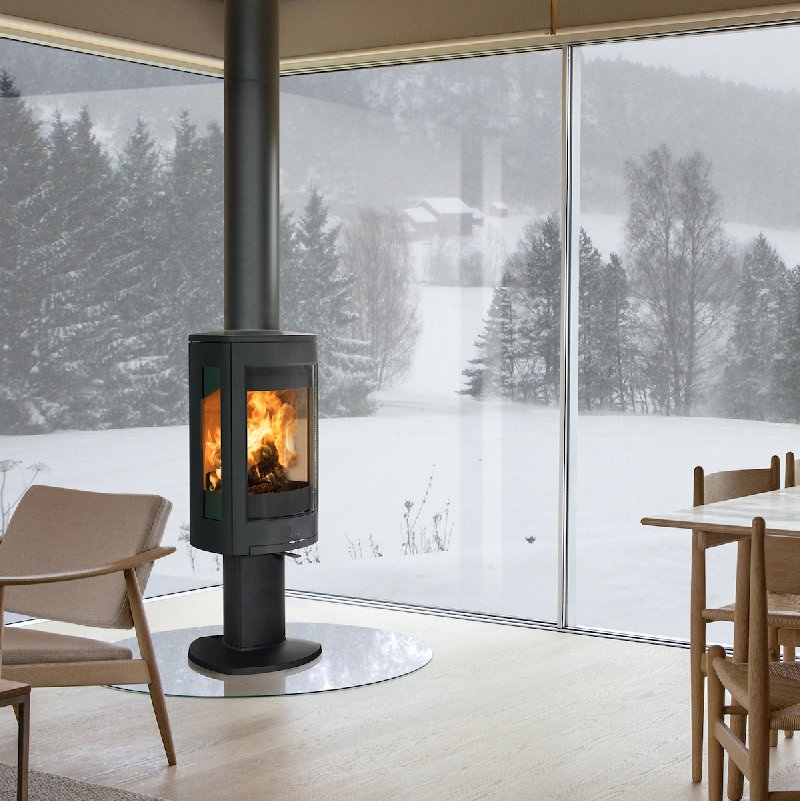
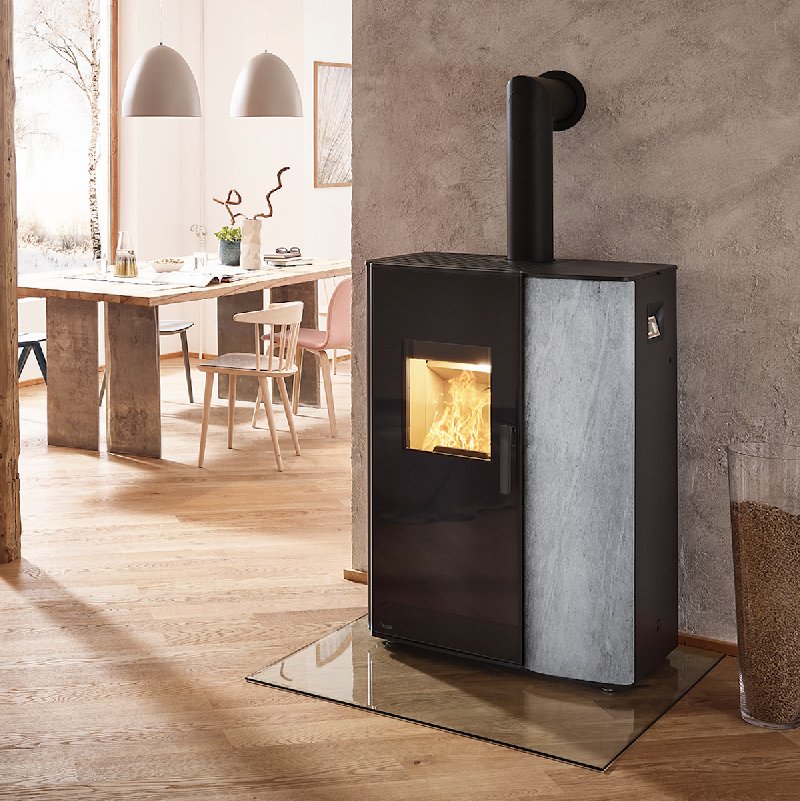
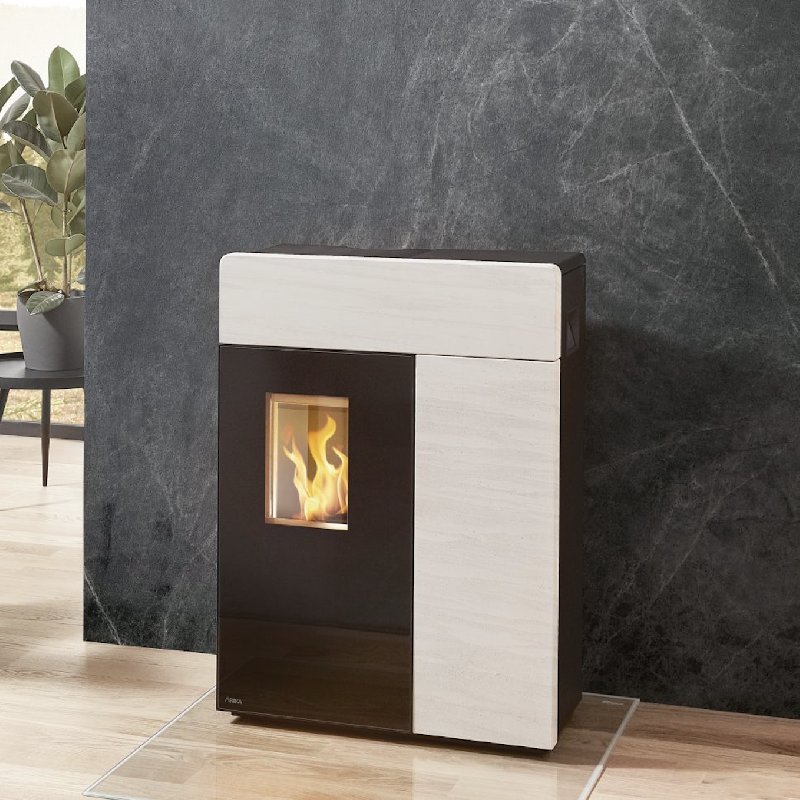
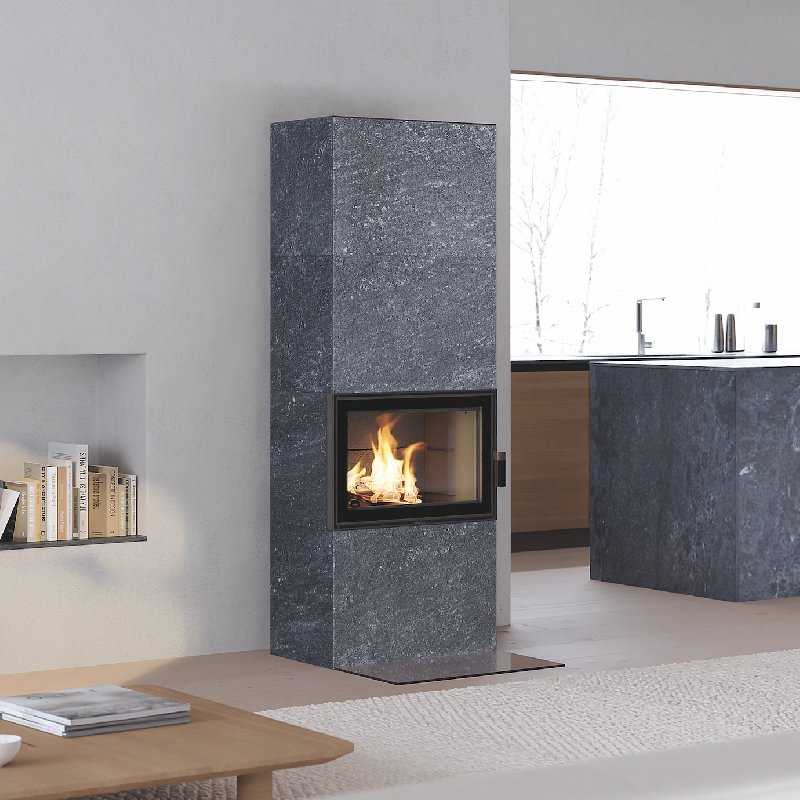
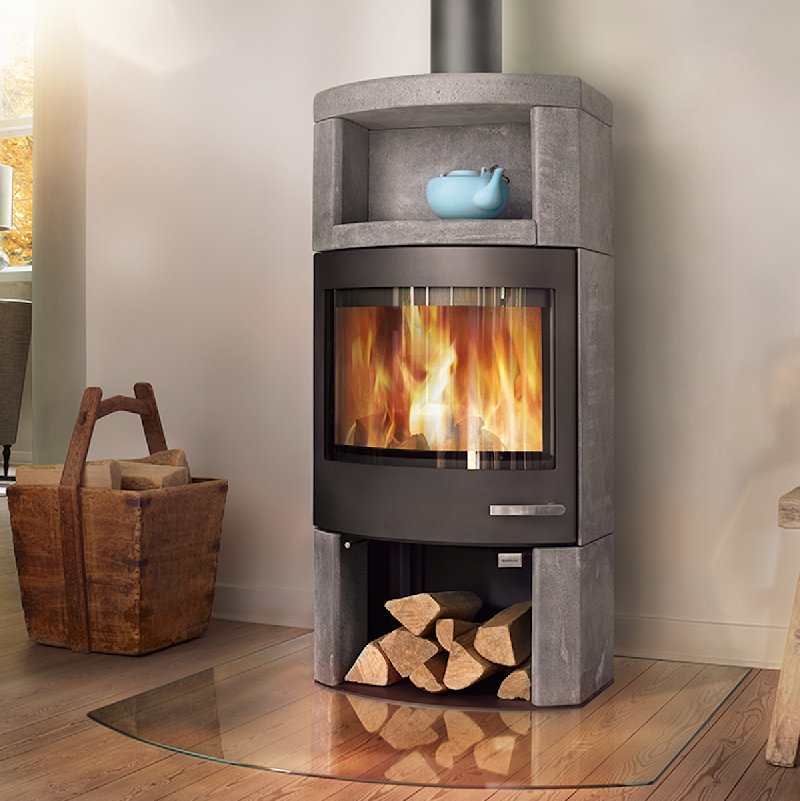
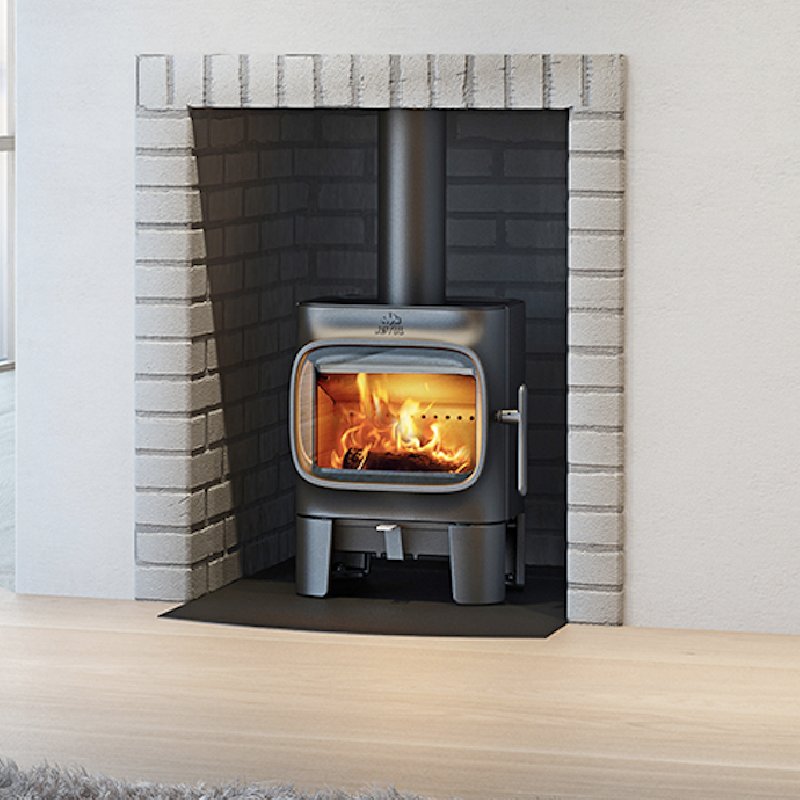
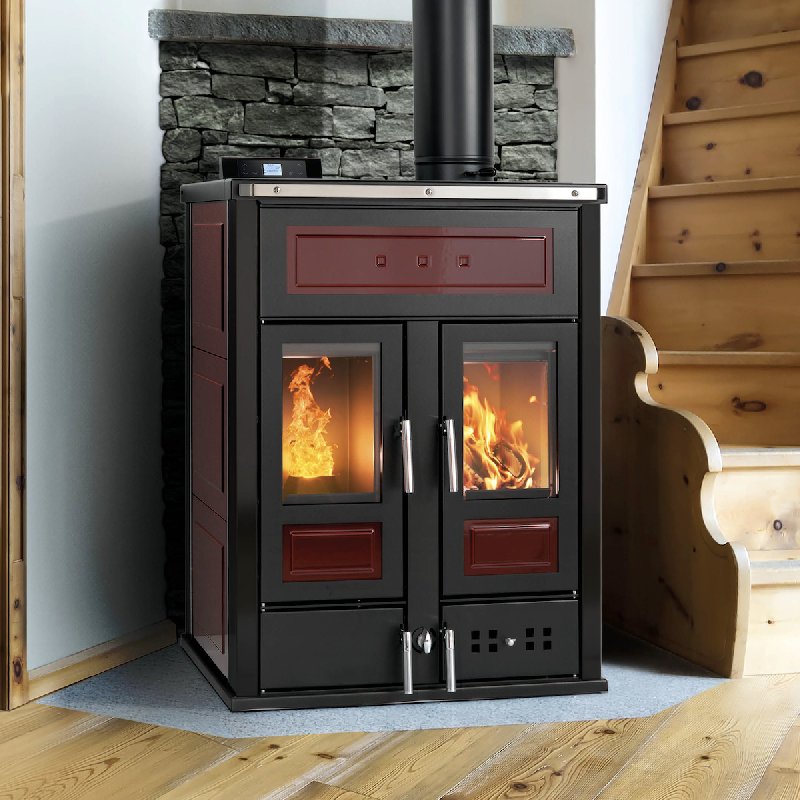
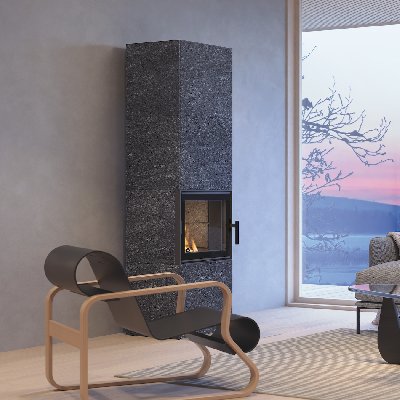
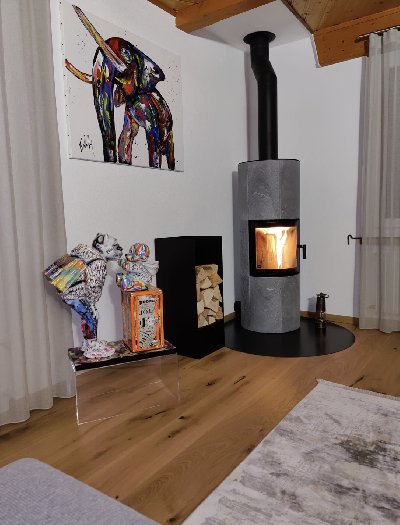
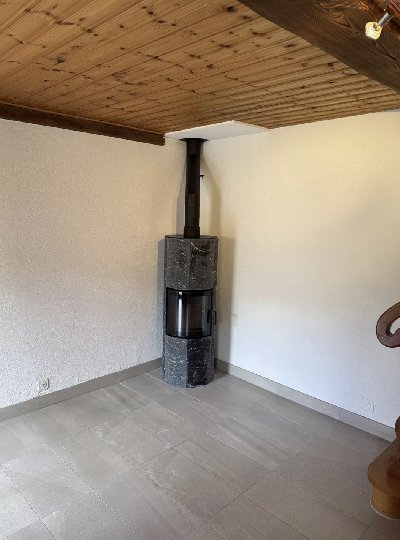
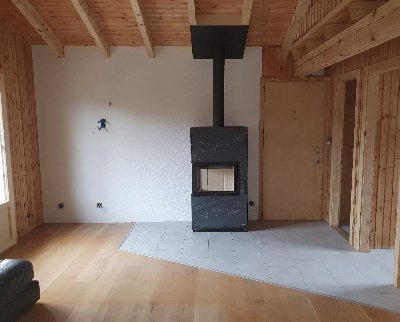
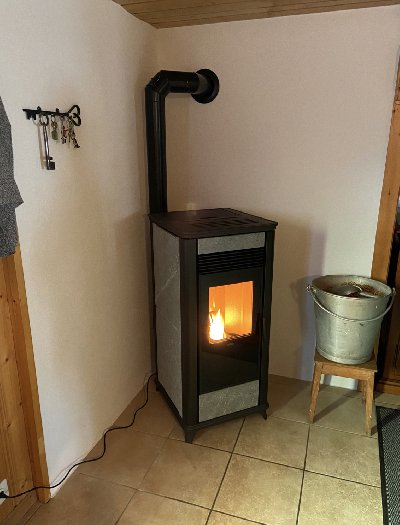
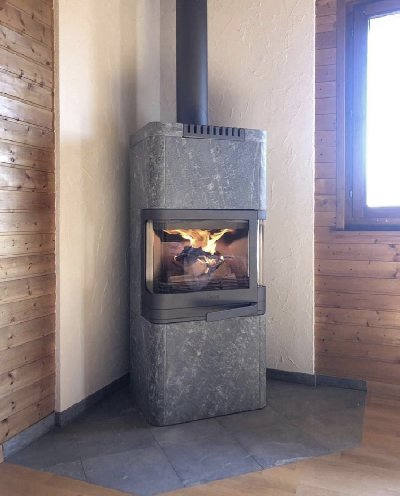
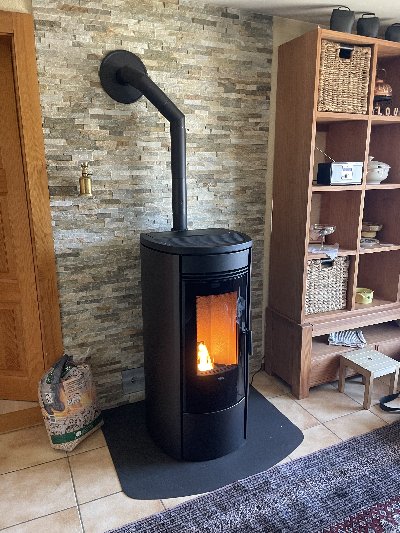
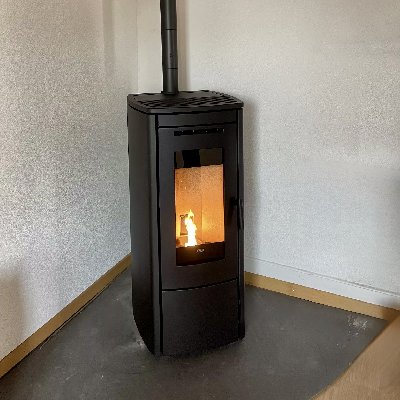
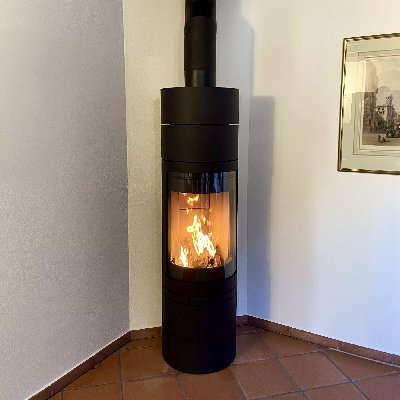
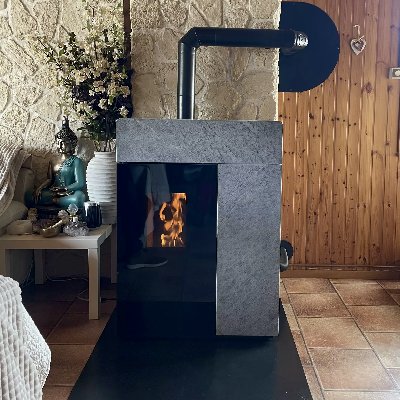
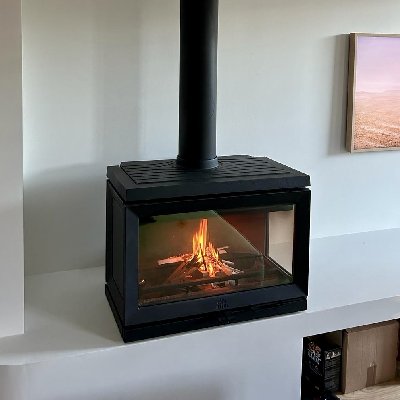
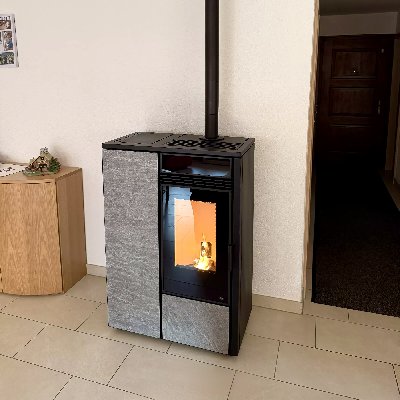
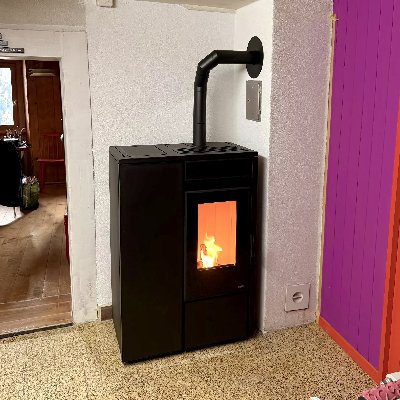
Consider replacing the chimney: Take advantage of this opportunity to rethink your heating system. Installing a modern pellet or wood-burning stove can be a more efficient and easier-to-use solution. These appliances can often be connected to the existing flue, possibly after lining, saving space and improving energy efficiency.
Chimney condemnation: If you no longer use your chimney, the least expensive solution is to condemn it permanently. This involves closing the hearth and flue, and declaring to the local authority that the chimney will no longer be used.
Why is it important to comply with these standards?
Safety: A compliant beam significantly reduces the risk of fire.
Legal compliance: Compliance with current standards is mandatory, and can be verified by your local chimney sweep.
Insurance: In the event of a claim, a compliant installation guarantees that your home insurance will cover it.